Are Old Yu-Gi-Oh Cards (1996–2003) Worth Anything?
Yes, some 1996 Yugioh cards are worth money — but it's a small slice of the pile. Most of what got pulled from those early Japanese boxes and the first LOB/MRD English packs is worth a few bucks at best. The exceptions, though, can be worth real money, and knowing which ones separates a lucky binder find from a stack of bulk commons.
I've been buying, selling, and grading this stuff since the early 2000s, and I still get messages every week from people who found their old binder in a closet and want to know if they're sitting on a retirement fund. Usually not. But sometimes yes. Let's get into what actually matters.
Why "Old" Doesn't Automatically Mean Valuable
Age gets people excited, but age alone doesn't drive price in this hobby. Yugioh printed a ton of cards between 1996 and 2003, and most of the early sets weren't scarce at all. Millions of Legend of Blue Eyes White Dragon packs got opened in the US in 2002. That set is old by now — over 20 years — but a common Feral Imp or a Sword and Shield from LOB isn't pulling more than a dollar or two even in near-mint shape.
What actually moves the needle is the combination of low print run, real playability, and a rarity that wasn't reprinted a hundred times later. If you want a quick sense of how sets stack up against each other, the full Yugioh sets list is a good place to start cross-checking what you own against actual release windows and print info.
1996 Yugioh Cards Worth Money — The Real Short List
When people ask if their 1996 yugioh cards are worth money, they're almost always talking about the original Japanese release: the cards that came out before the game even had an English print run. This is where things get genuinely interesting.
The cards collectors chase from this era include:
- Original Japanese "Baby Dragon" and other early promos tied to the Shonen Jump magazine releases
- Ultra-rare Japanese cards from the very first booster packs, before Konami had settled into the rarity system most players know today
- Early Blue-Eyes White Dragon prints, which show up in different Japanese variants that predate the English LOB version
The thing is, "1996 Yugioh cards worth" a lot of money are rare almost by accident. The game was brand new. Konami wasn't thinking about print runs the way trading card companies think now. Some of these early Japanese cards had genuinely small distribution, and that's what gives them staying power decades later. Based on recent sales, well-preserved original Japanese promos and early boosters can sell anywhere from a modest amount into the hundreds of dollars, with a handful of standout cards going well beyond that in top condition.
What Actually Makes Old Yugioh Cards Worth Money
If you're trying to figure out whether your childhood collection has anything worth holding onto, don't just look at the year printed on the card. Look at these four things instead.
Rarity Symbol and Print Type
Yugioh's rarity system changed a lot in the early 2000s. Early Secret Rares, Ultra Rares, and especially first-edition prints from sets like Metal Raiders or Pharaoh's Servant carry more weight than later reprints of the same card. If you're not sure how to read the rarity on an older card, the Yugioh rarity guide breaks down what each symbol actually meant at the time it was printed, which matters because the system wasn't consistent year to year.
Condition — This Is Where Most People Lose Value
I can't stress this enough: a played, bent, sleeve-creased card from 1999 is not worth the same as one that's been sitting flat since it was pulled. Corner wear, whitening, and surface scratches from being shuffled bare-handed in middle school can knock 70-80% off a card's value compared to a similar copy in top condition.
If you think you've got something worth grading, it helps to check the corners and surface yourself first using something like a card centering tool before you spend money submitting it anywhere. Centering issues alone are one of the biggest reasons old cards get bumped down a grade.
Print Errors and First-Print Runs
Early Yugioh print quality was rough. Off-center cuts, miscuts, and printing errors were common in sets like LOB and MRD. Some of these errors have become collectible in their own right, but most just make a card less valuable — condition and centering problems are the norm rather than the exception for cards from this window.
Playability at the Time
Cards that were genuinely powerful when they came out — cards banned or restricted in the early tournament era, like Chaos Emperor Dragon or the original Exodia pieces — tend to hold demand better than cards that were just filler even back then. Nostalgia matters, but tournament relevance from 20+ years ago still echoes in what people are willing to pay today.
Are Old Yugioh Cards Worth Anything If They're Not Rare?
Honestly, most of them aren't worth much individually. A common or rare-rarity card from LOB, MRD, or Pharaoh's Servant in played condition is usually a dollar or less. That's just the reality of a game that printed in huge volume once it took off in the US around 2002.
But "not worth much" doesn't mean worthless. A complete or near-complete set from one of the early releases has more value as a unit than the sum of loose commons, especially to collectors trying to complete old sets for nostalgia reasons. And bulk lots of old cards still sell — just not for the kind of money people hope for when they find a shoebox in the attic.
If you've got specific cards you suspect are special, checking them individually against a Yugioh price guide is a better use of time than trying to value a whole collection at once. Prices can move quickly on specific cards when demand spikes, so a number you saw a year ago might already be outdated.
How to Check If Your Specific Card Has Real Value
Here's the process I actually use when someone brings me an old collection:
1. Sort by set first. Group cards by their set symbol or set code, then cross-reference against the Yugioh sets list to figure out roughly when and where each card came from. 2. Flag anything with a foil or holographic rarity — Ultra Rare, Secret Rare, Ghost Rare (later era) — since these almost always outvalue commons and regular rares from the same set. 3. Check condition honestly. Look for whitening on the edges, scratches on the foil, and bent corners under good light. 4. Compare against the most expensive cards from the era using a resource like the most expensive Yugioh cards list, just to calibrate expectations — the ceiling is high, but very few cards ever reach it. 5. Watch out for fakes. Proxy and bootleg cards from this era are common enough that it's worth running anything valuable-looking through a fake card checker before you get too excited.
If a card clears all that and still looks legitimately scarce and clean, that's when grading starts to make sense — not before. Submitting a beat-up common for grading just burns money on fees for a card that was never going to be worth more than a couple dollars anyway.
Grading Old Yugioh Cards — Is It Worth the Cost?
Grading makes sense for cards that are already valuable in raw form and in genuinely strong condition. A near-mint Ultra Rare from Metal Raiders or an early Japanese Blue-Eyes variant might be worth submitting, because a high grade can meaningfully bump the price on top of what it's already worth raw.
For everything else, grading fees eat the profit. A $5 common doesn't become a $50 card just because it comes back in a graded case. Read through a grading guide for Yugioh cards before sending anything in — it'll walk you through what graders are actually looking at and help you decide if a card clears the bar.
Top Yu-Gi-Oh Cards by Value Right Now
These carry some of the highest estimated market values on CardTrack today. Figures are based on recent sales and can move quickly, so treat them as a snapshot:
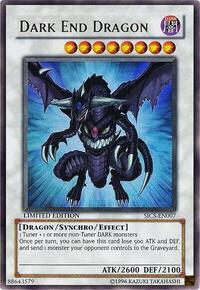 Dark End DragonShonen Jump Championship Series Prize Cards · #SJCS-EN007$5,000View live price on CardTrack →
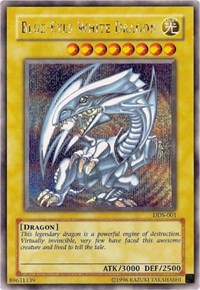 Blue-Eyes White Dragon (Dark Duel Stories)Yu-Gi-Oh! Video Game Promotional Cards · #DDS-001$3,000View live price on CardTrack →
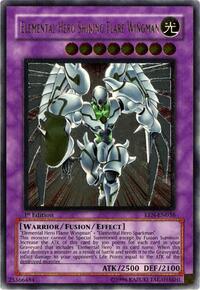 Elemental Hero Shining Flare Wingman (UTR)Elemental Energy · #EEN-EN036$1,250View live price on CardTrack →
Frequently Asked Questions
Are old Yugioh cards from the 1990s worth anything today? Some are, most aren't. Original Japanese cards from 1996 and rare early prints can carry real value based on recent sales, but the bulk of common and rare cards from that period sell for a few dollars or less.
How do I know if my 1996 Yugioh cards are worth money? Check the set, the rarity symbol, and the condition first, then compare against a price guide for similar cards in similar shape. Original Japanese promos and early ultra-rare prints are the ones most likely to carry real value.
What old Yugioh cards are worth the most money? Early Japanese promos, first-edition Ultra Rares from sets like Metal Raiders, and cards tied to the game's earliest tournament era tend to top the list. Condition plays a huge role — a beat-up copy of a valuable card can still sell for a fraction of a mint one.
Should I get my old Yugioh cards graded? It depends on the card. If it's already a rare, high-value card in clean condition, grading can be worth exploring. For common cards or anything with visible wear, the grading fee usually costs more than the card would gain in value.
Comments
No comments yet — be the first to weigh in.