Browse by illustrator.
319 artists · 20,902 cardsEvery Pokémon TCG illustrator with at least four tracked cards, ranked by the total market value of the cards they drew — from Base Set illustrators Mitsuhiro Arita and Ken Sugimori to the artists behind today's illustration rares. Pick an illustrator for every card they've drawn, with live prices.

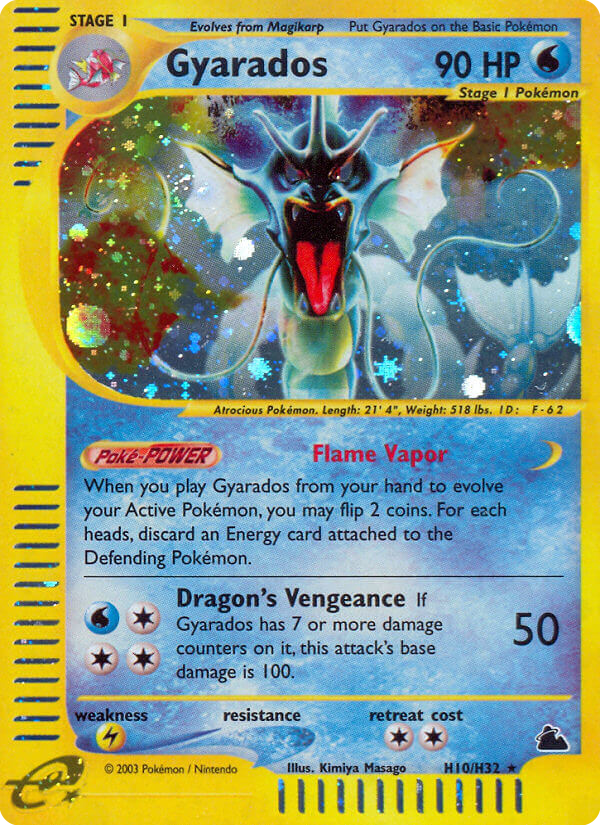
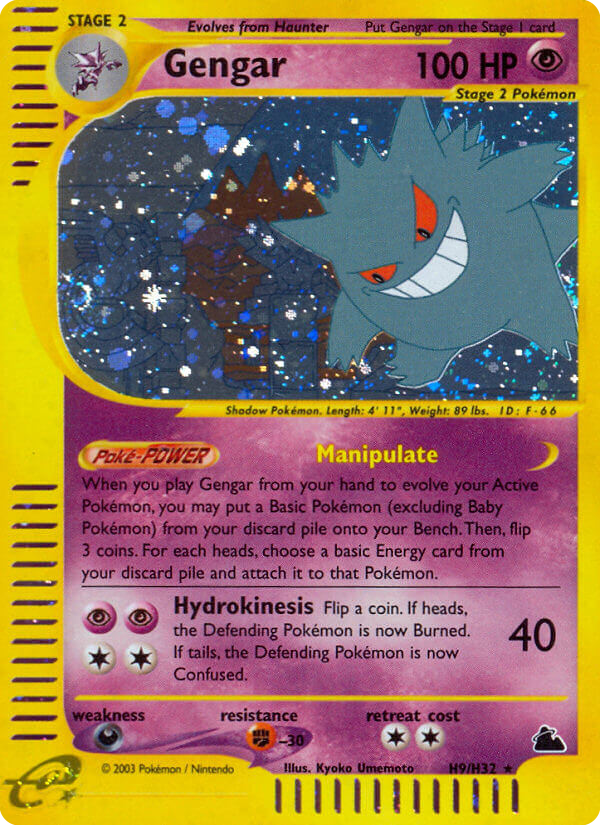
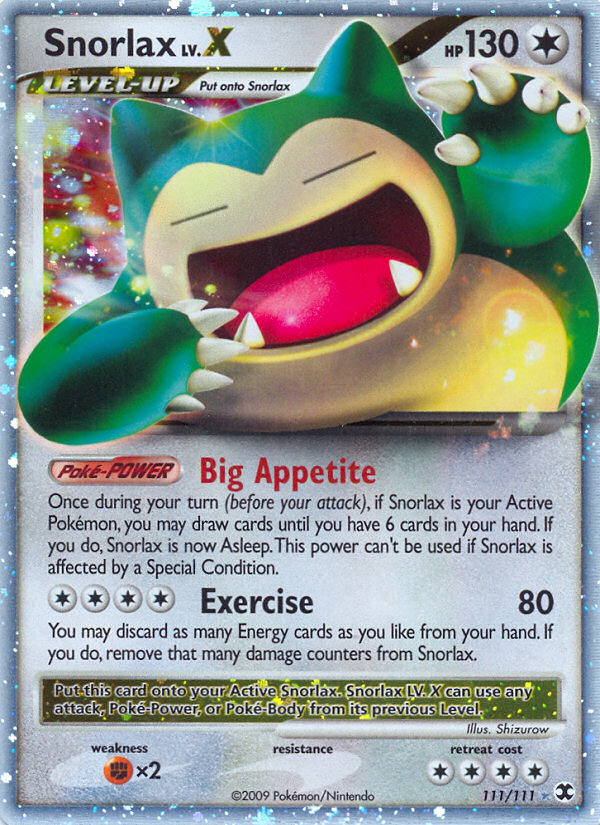
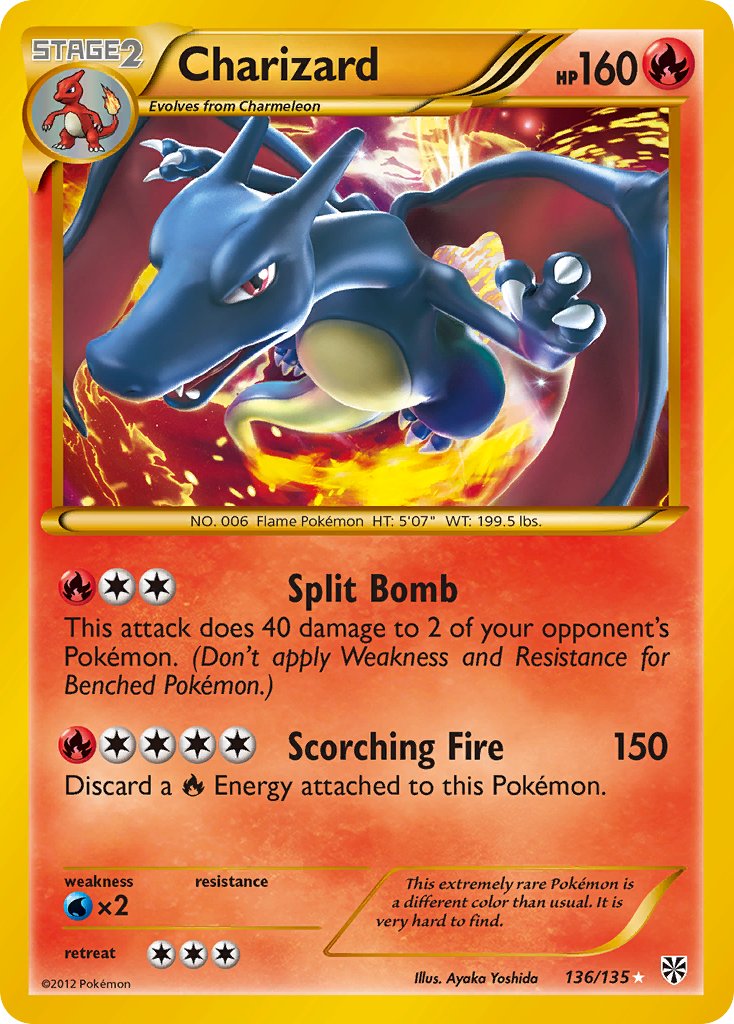
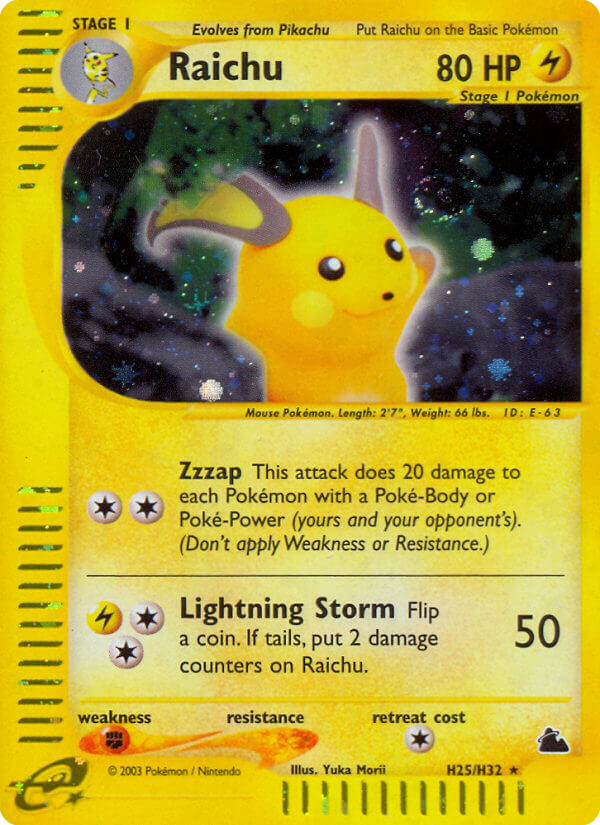
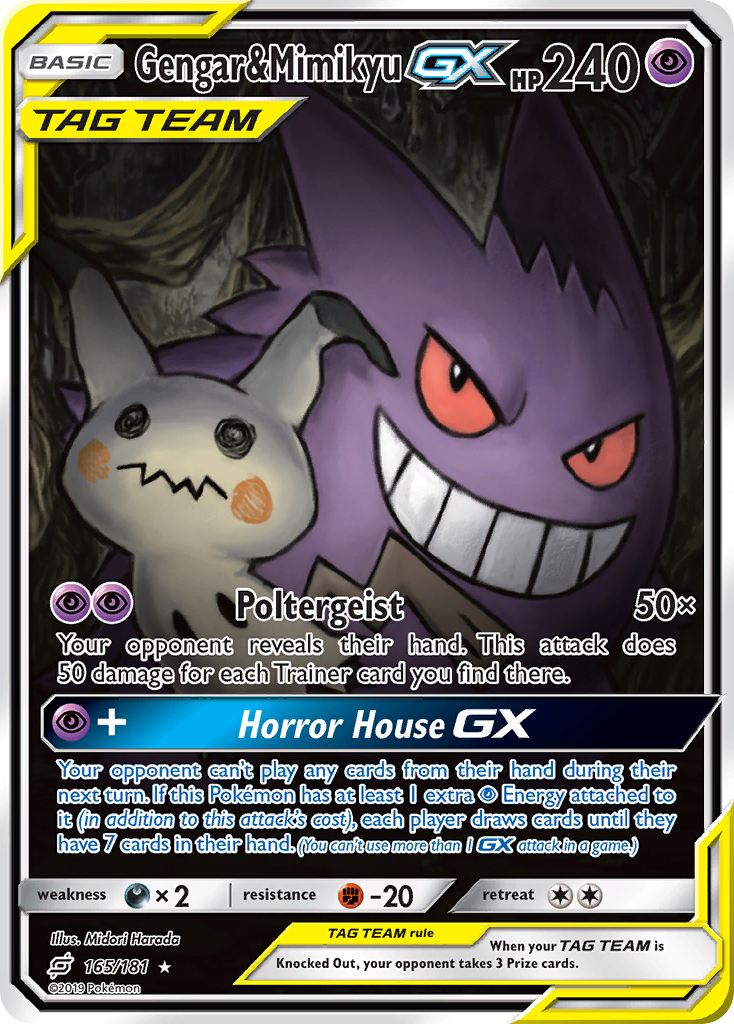
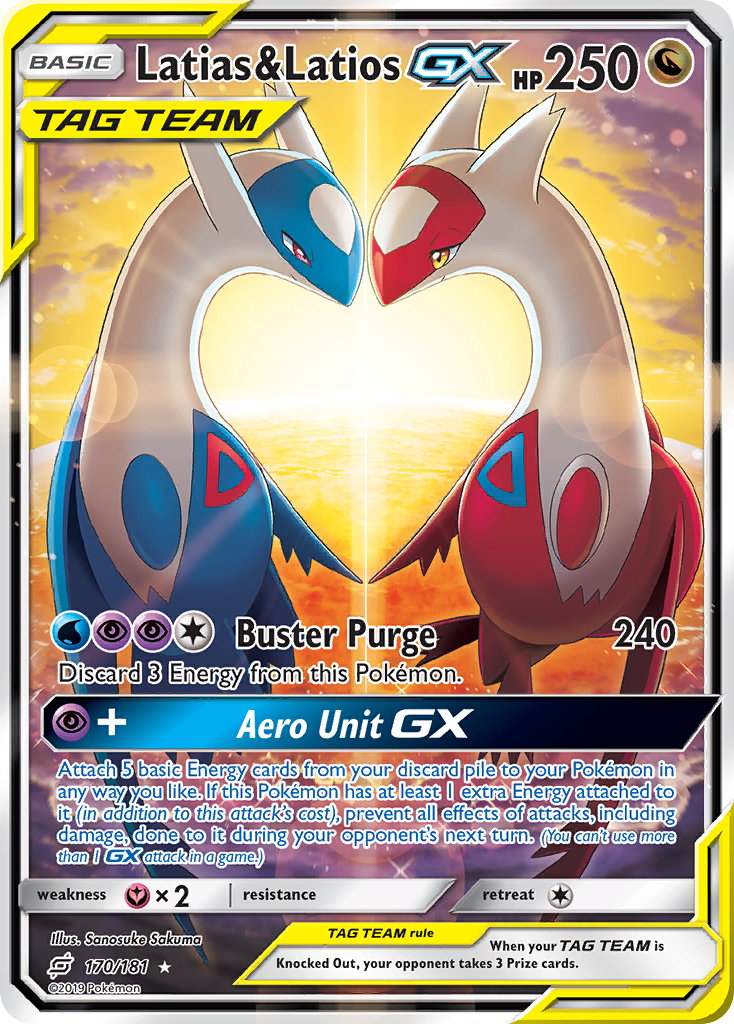
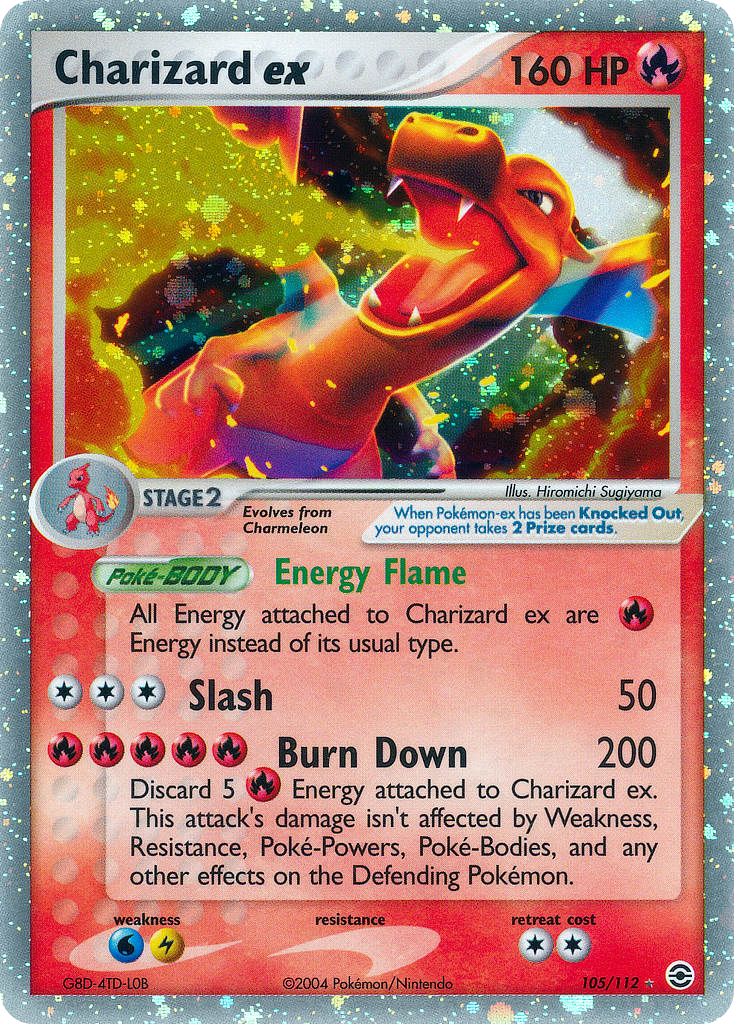

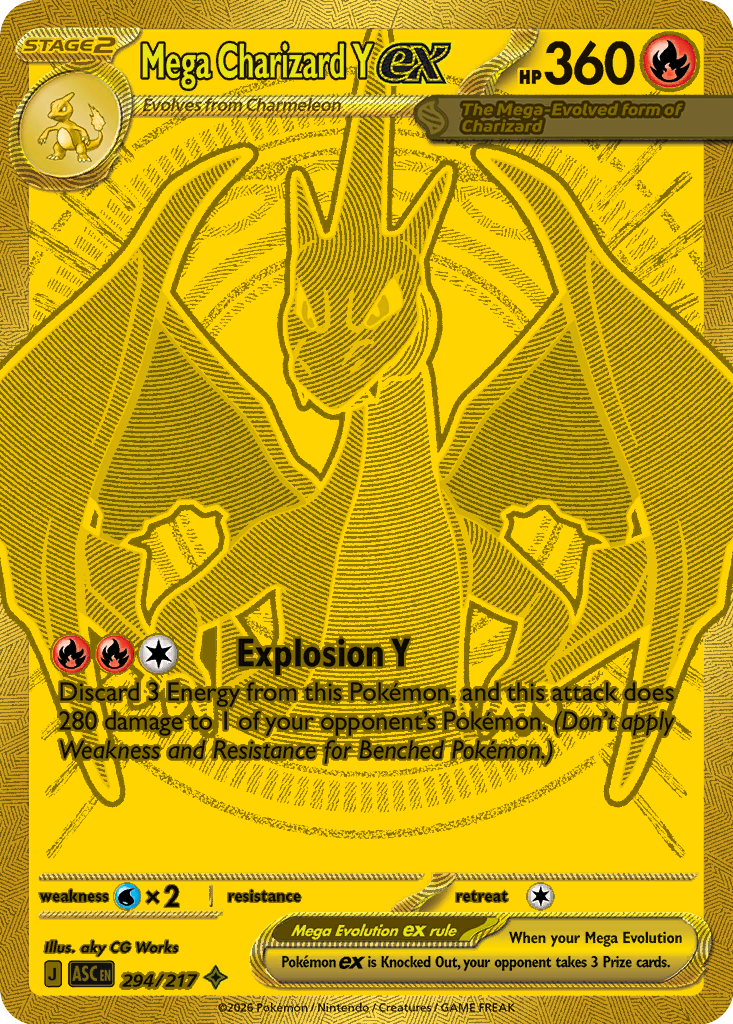
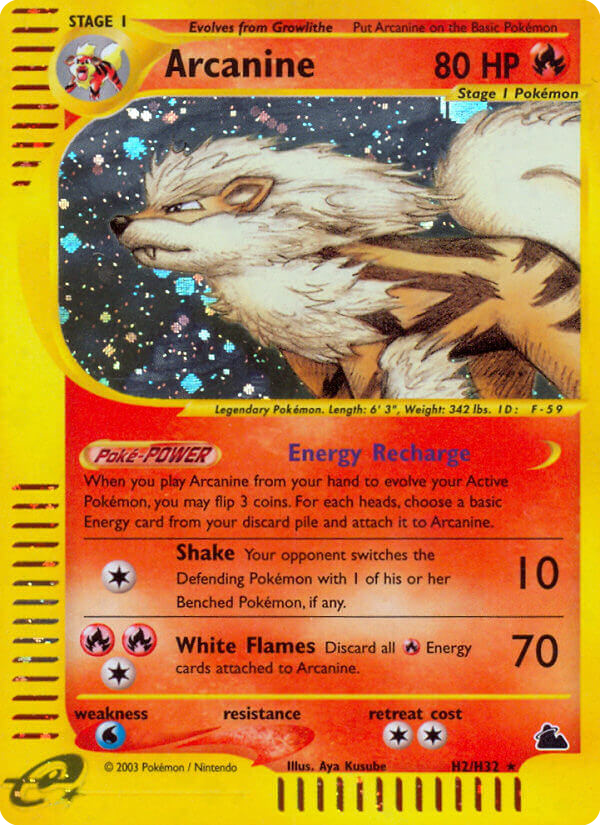
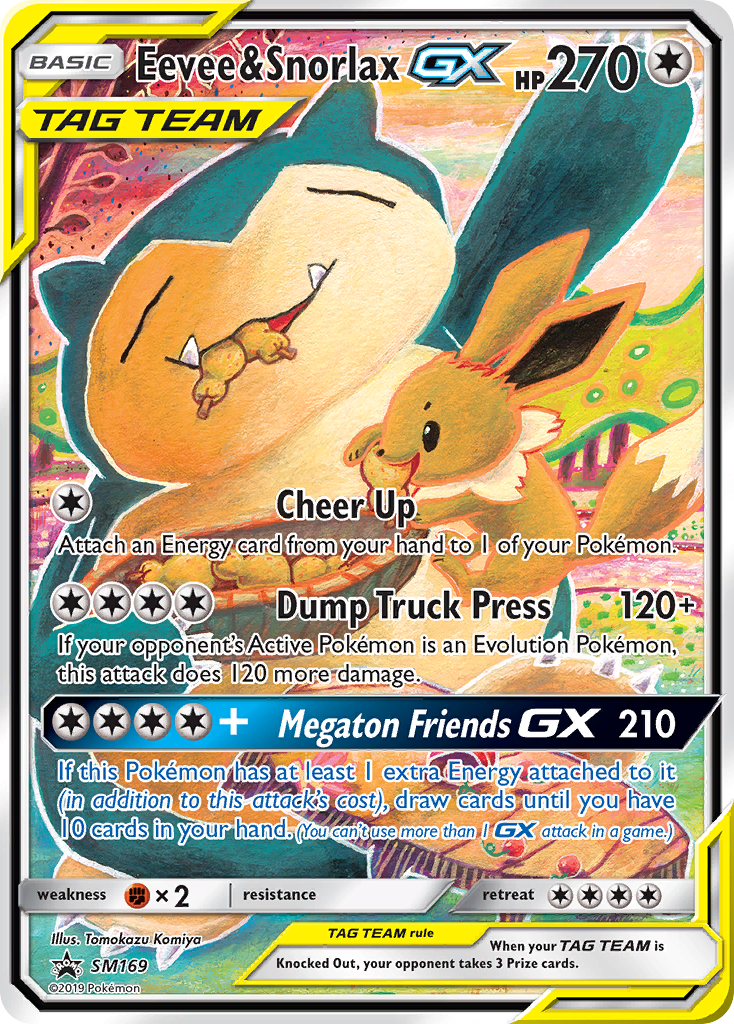
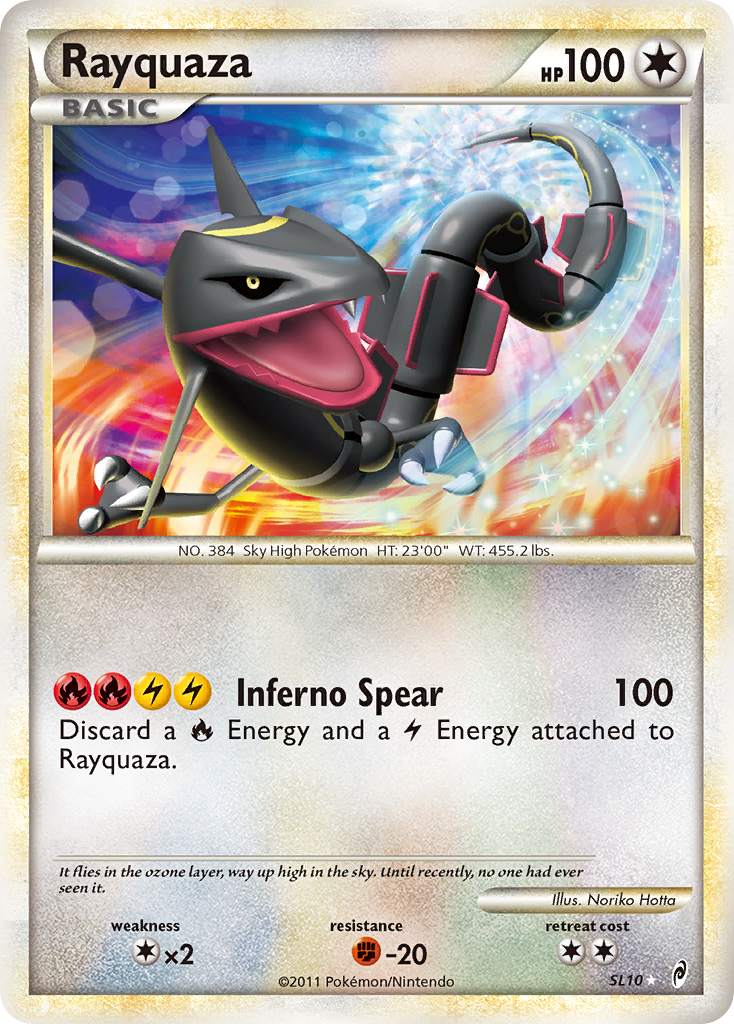
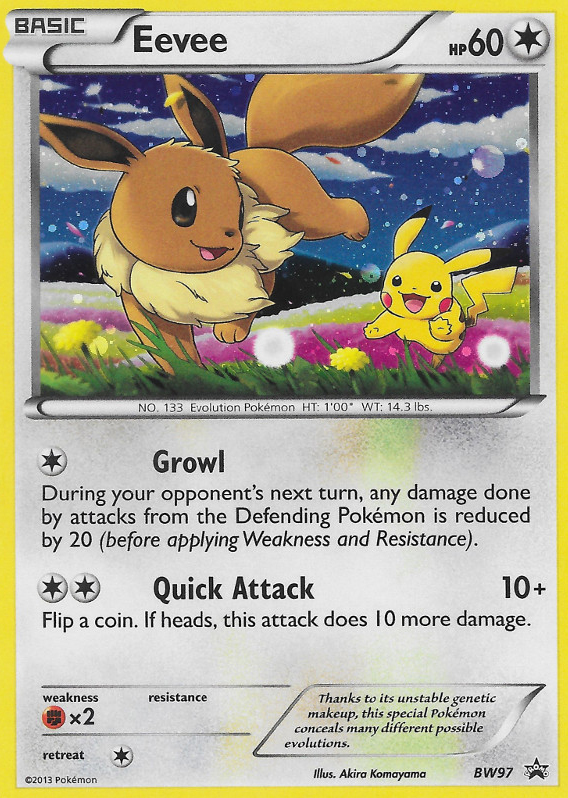
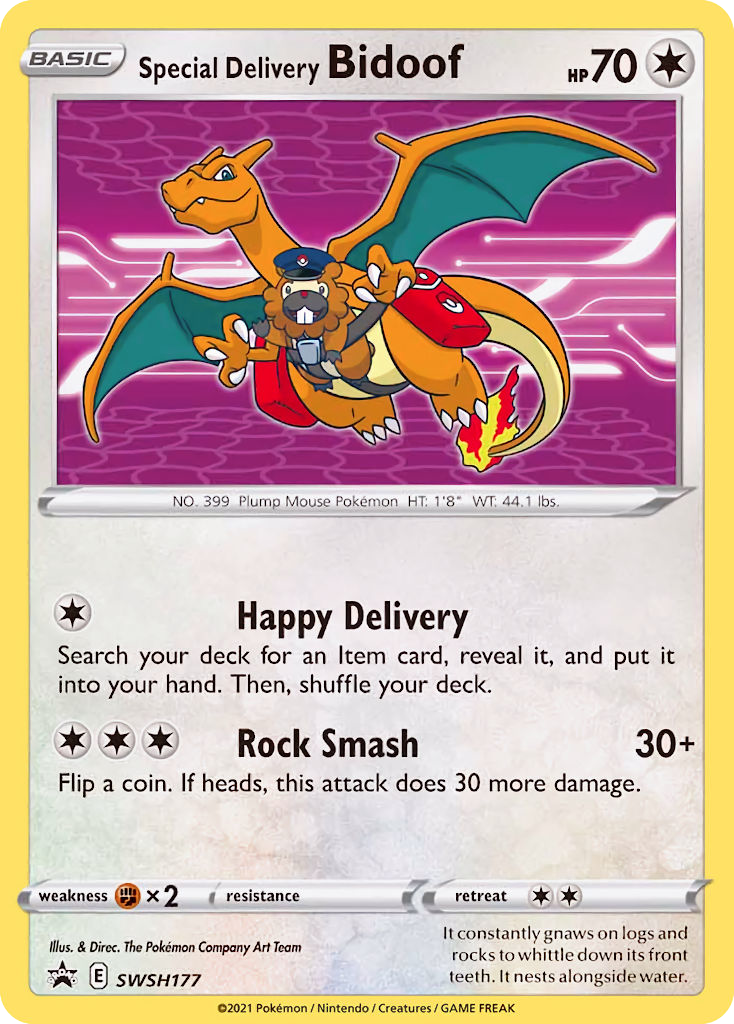

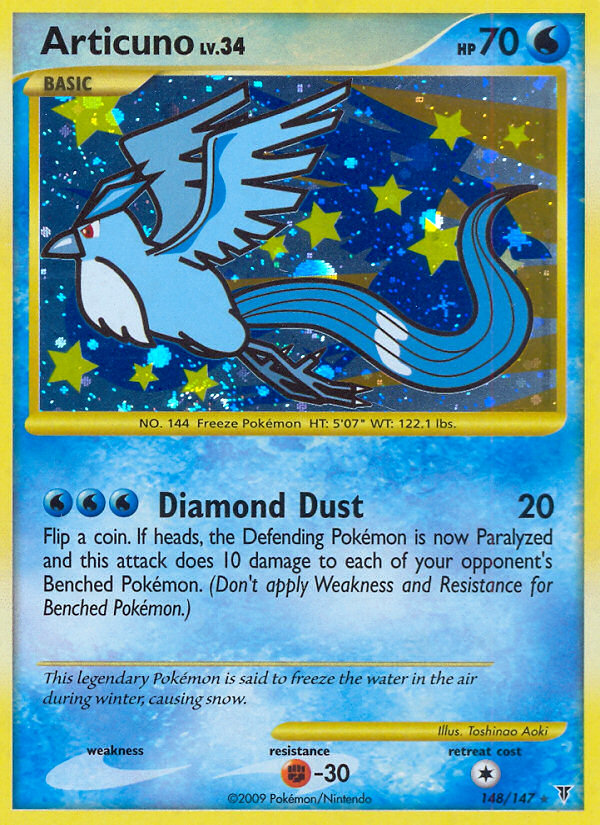
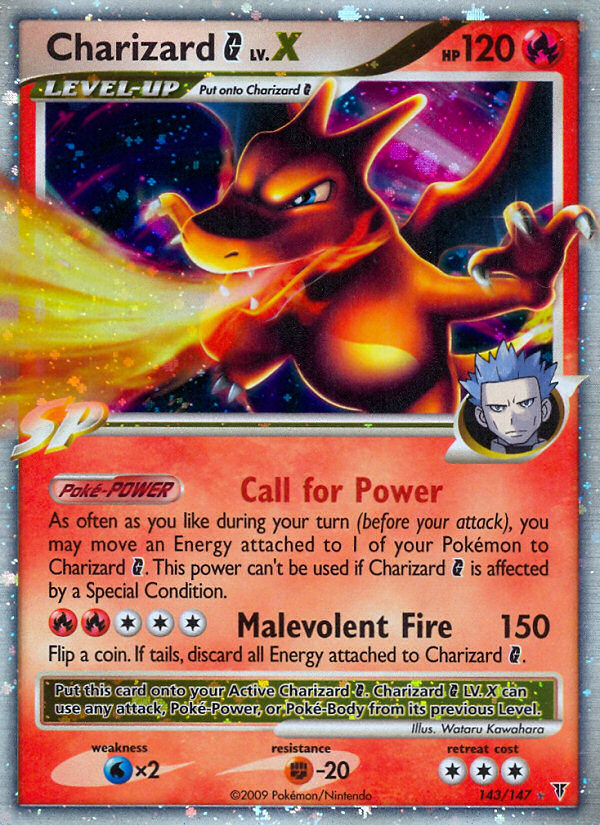
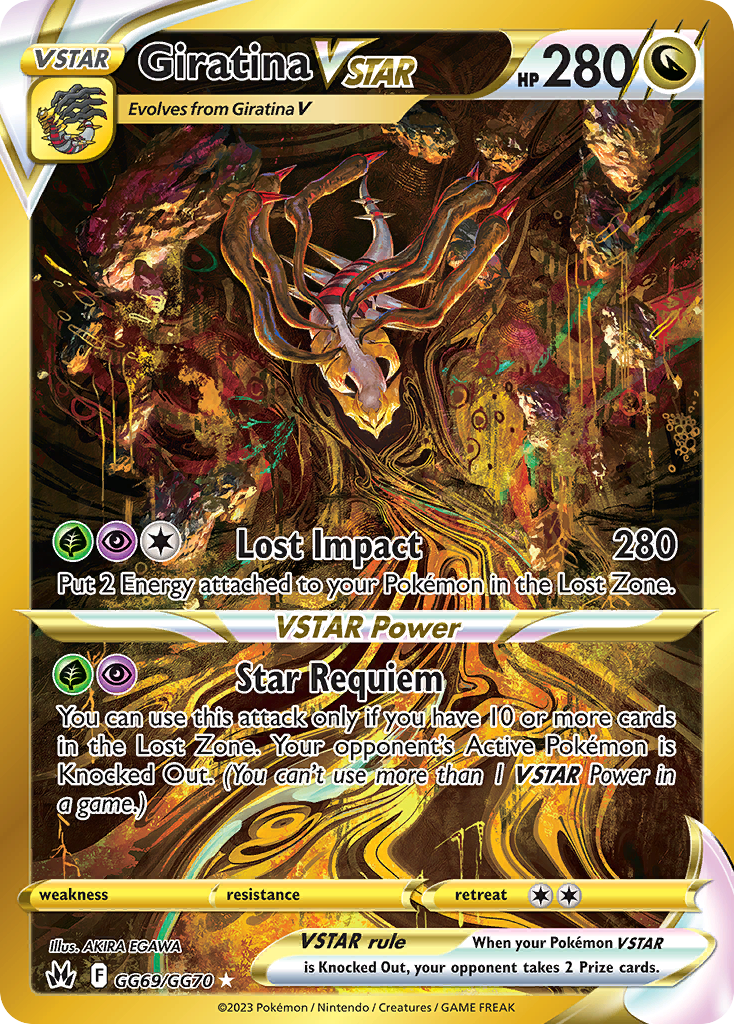
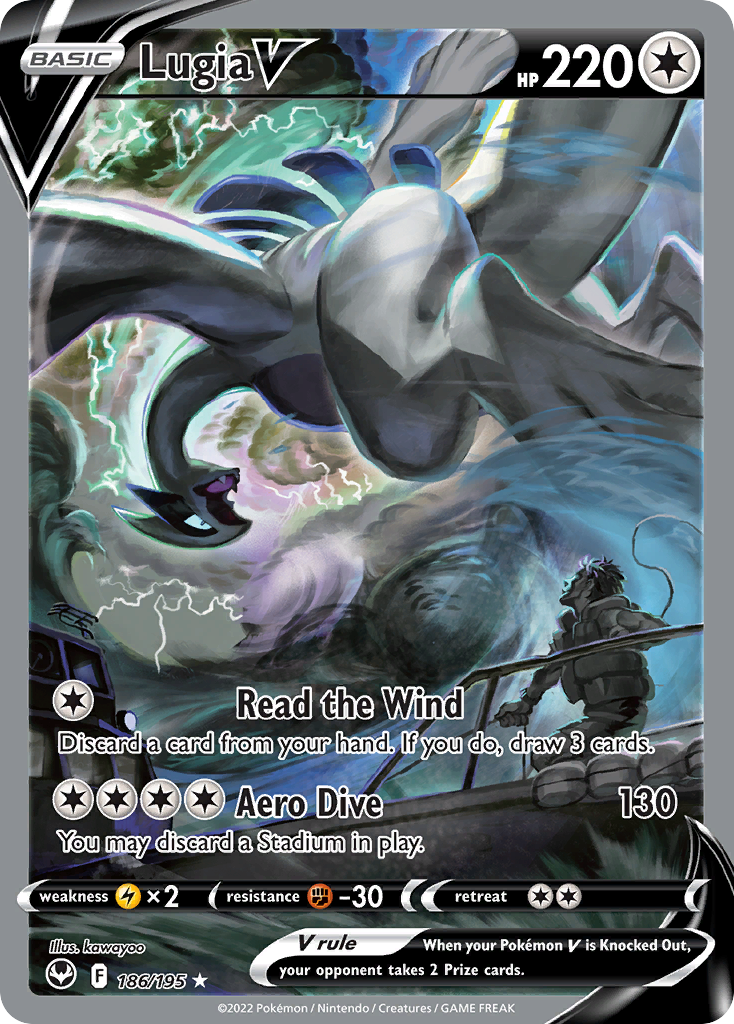
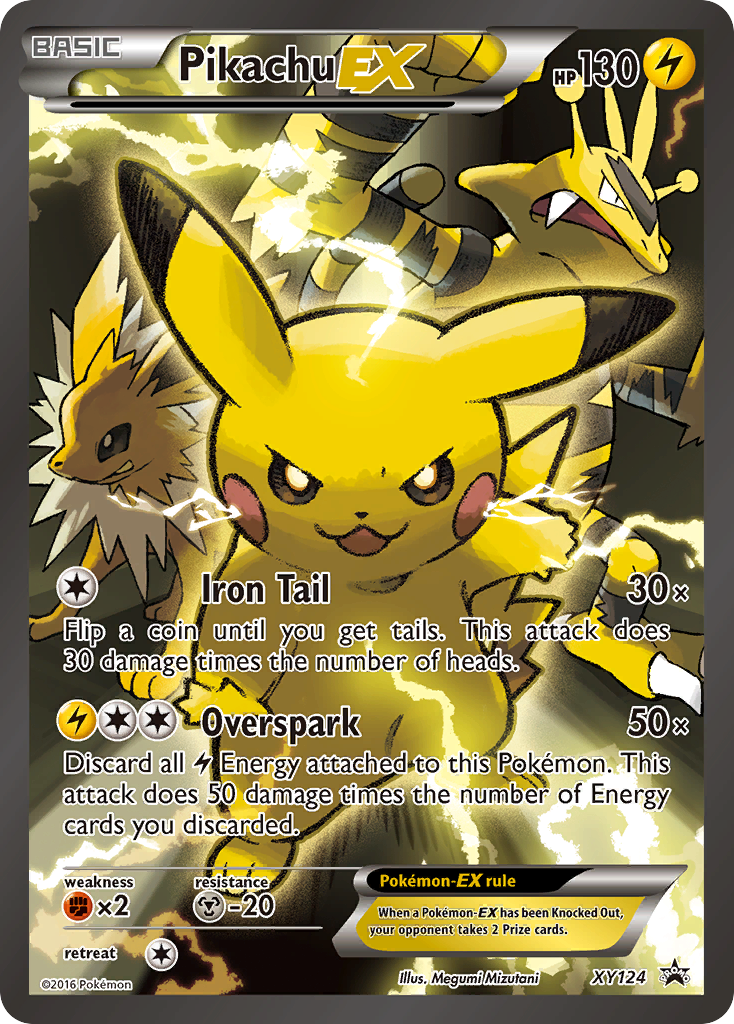
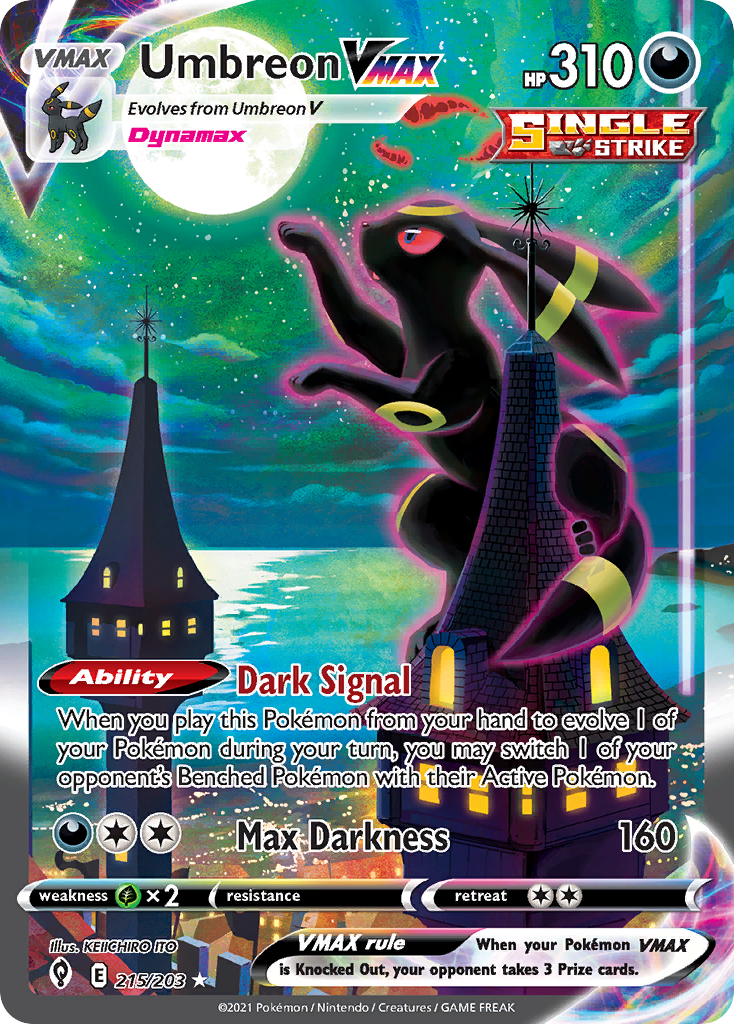
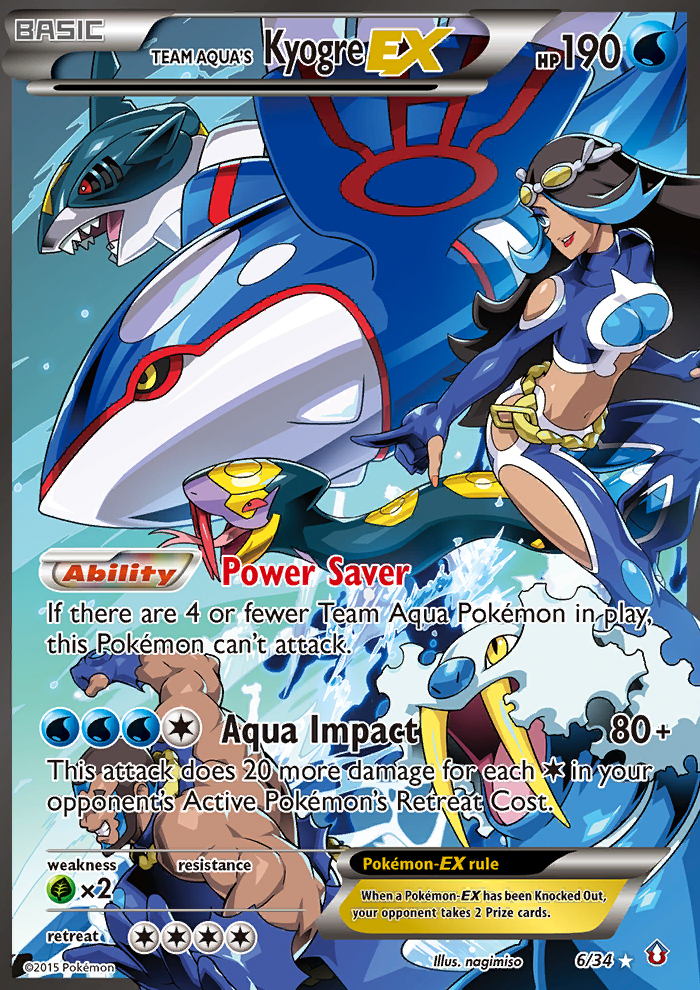
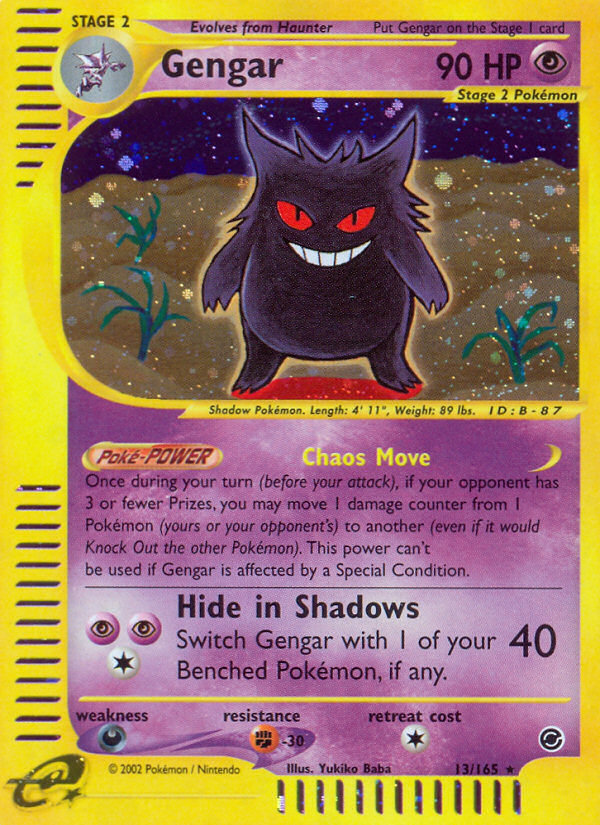
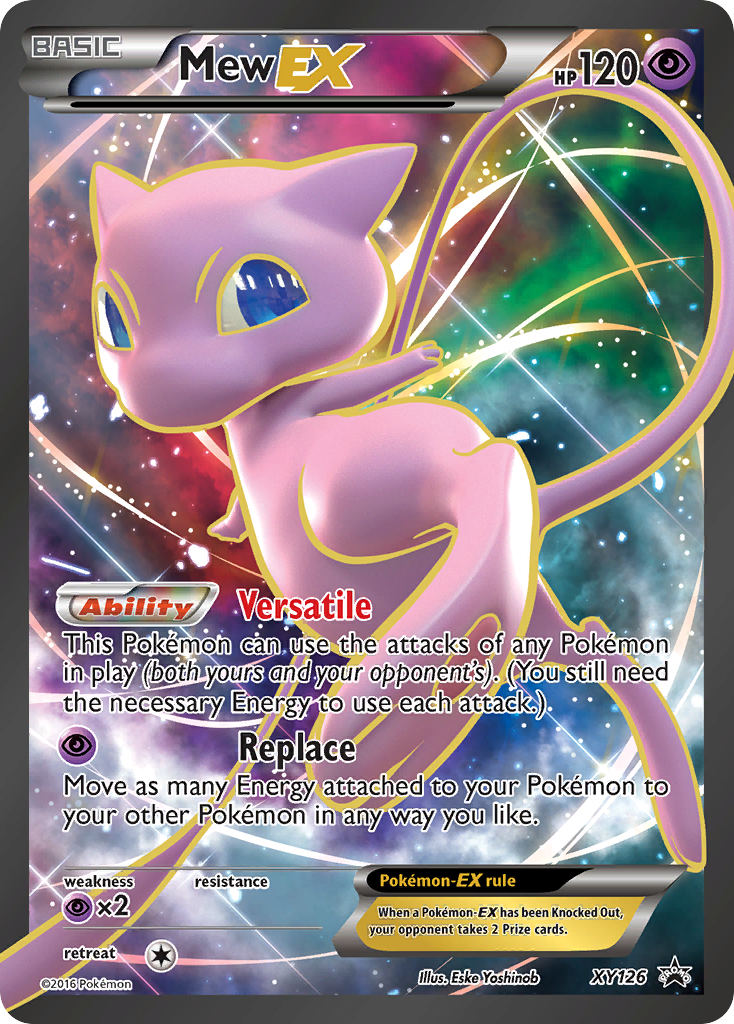
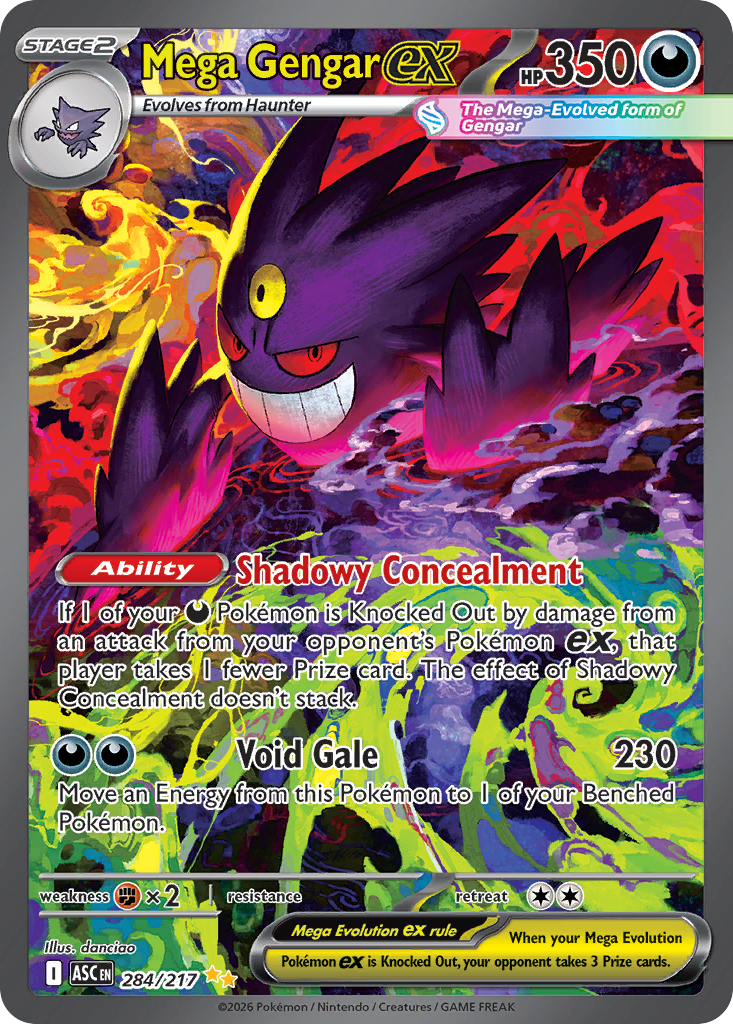
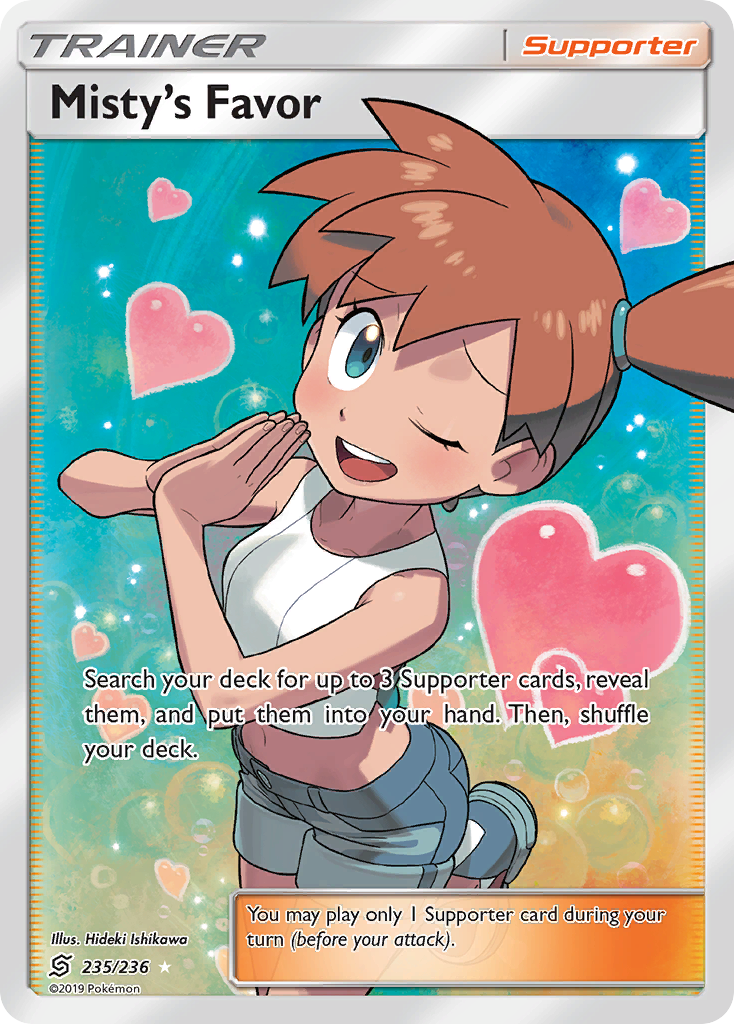
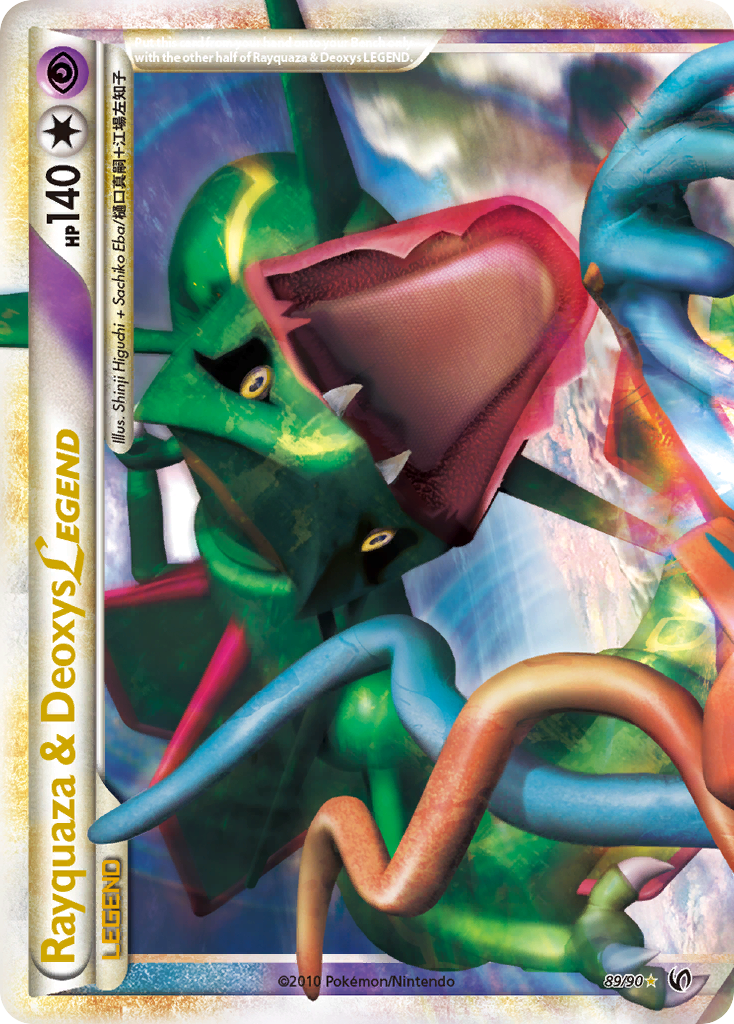
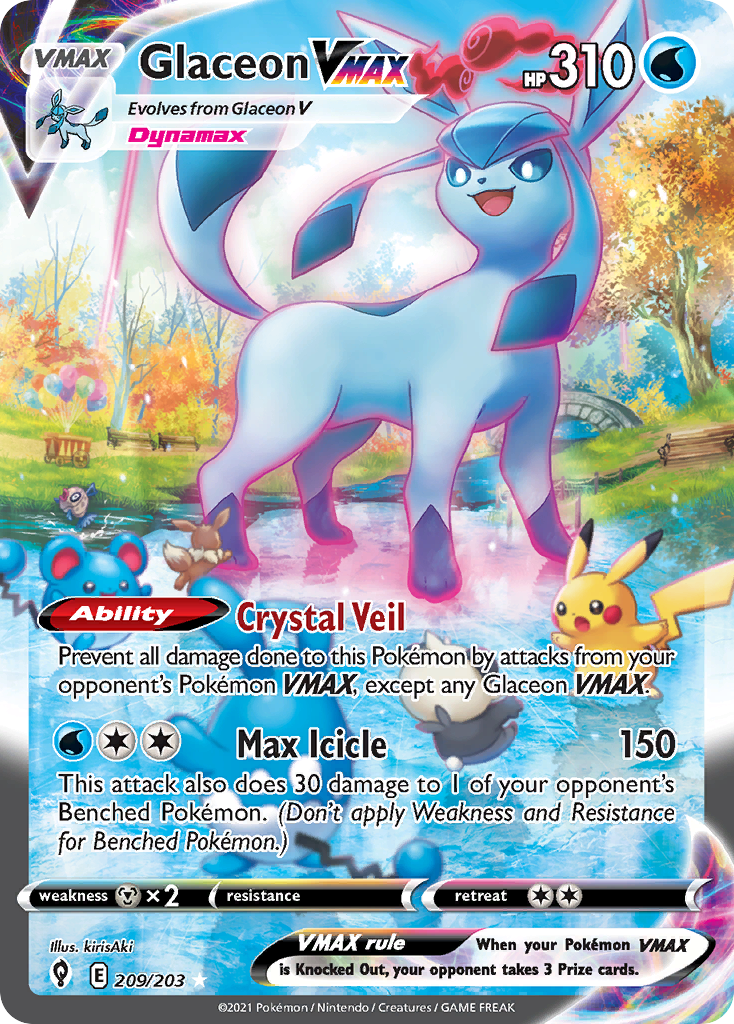

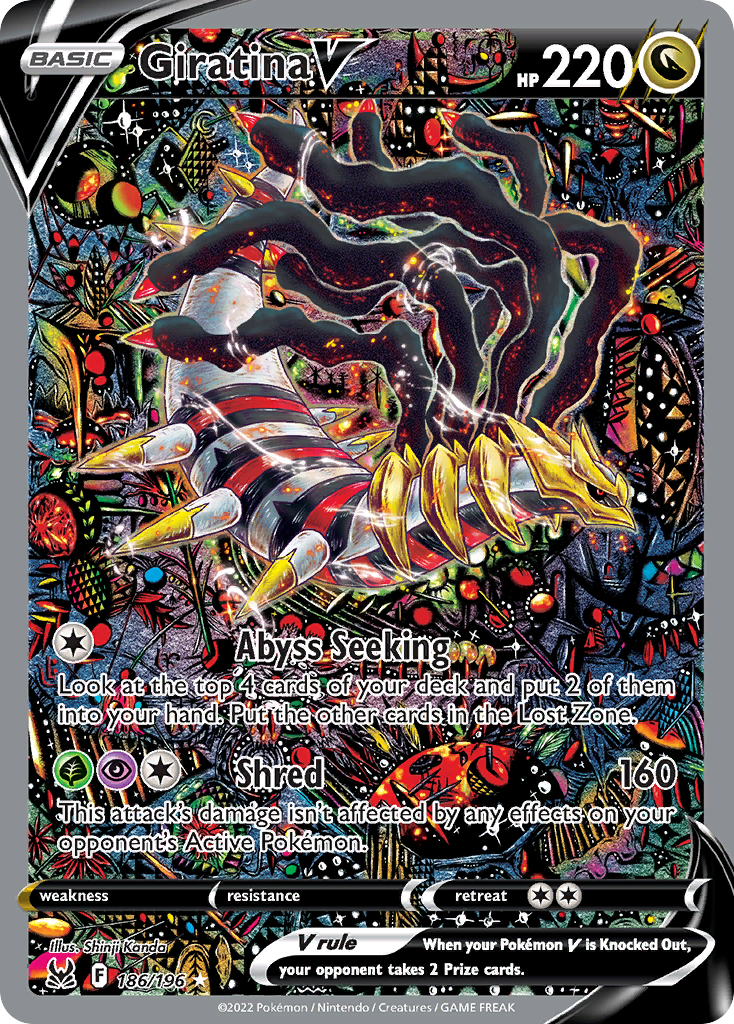
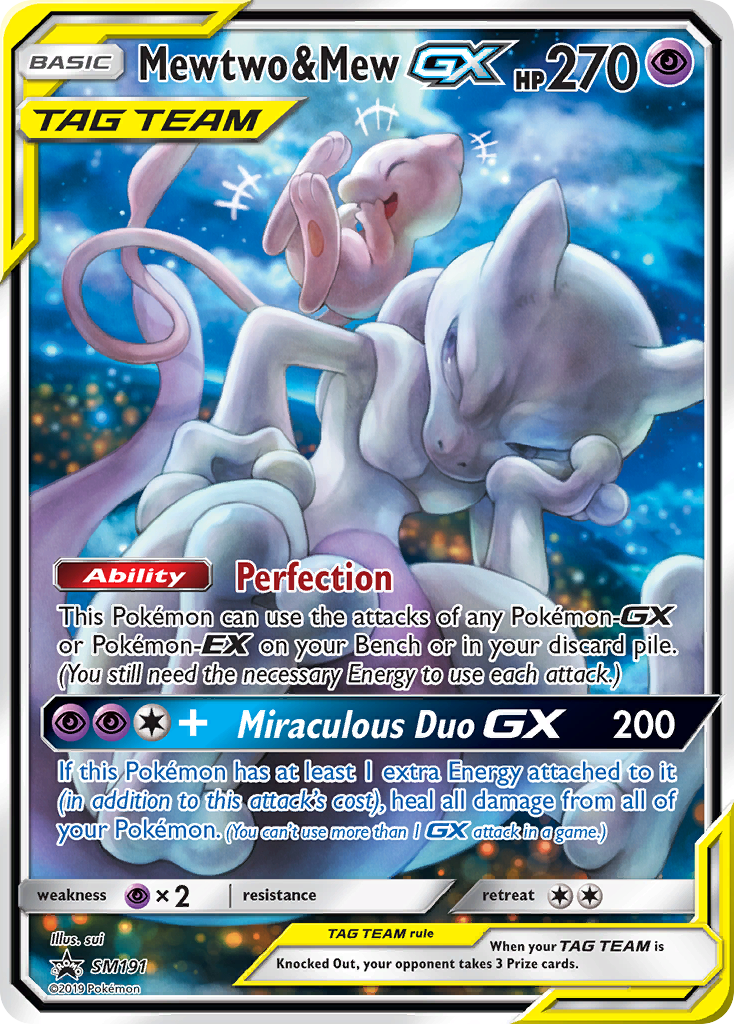
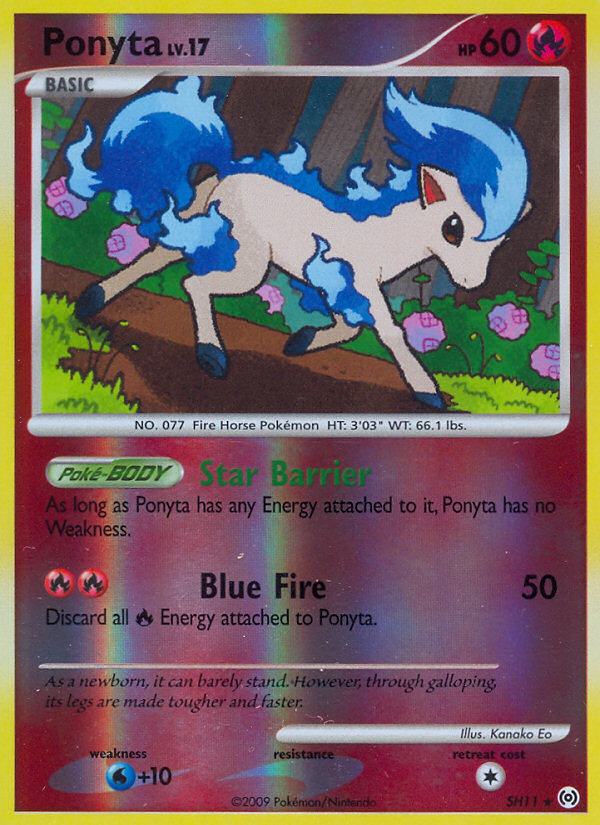
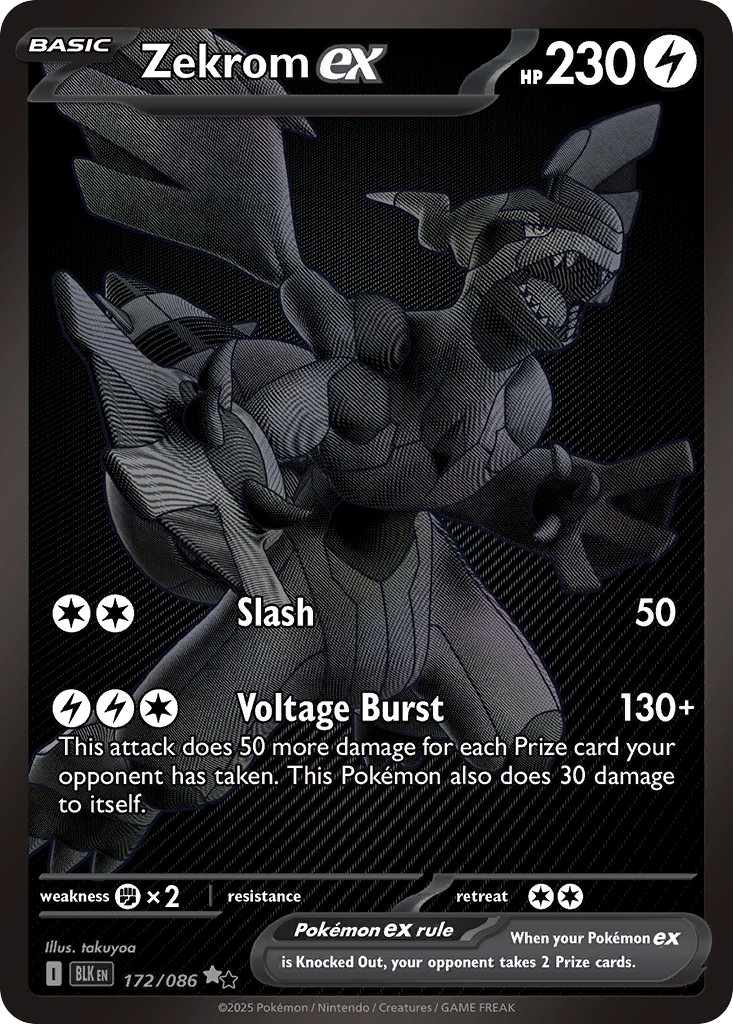
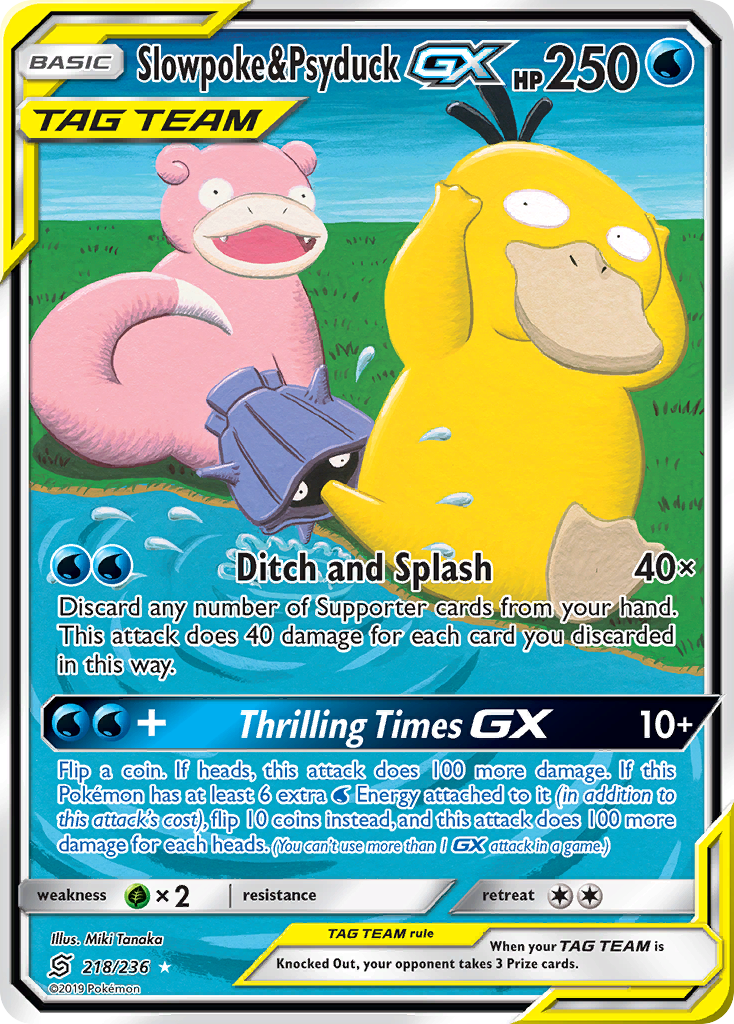

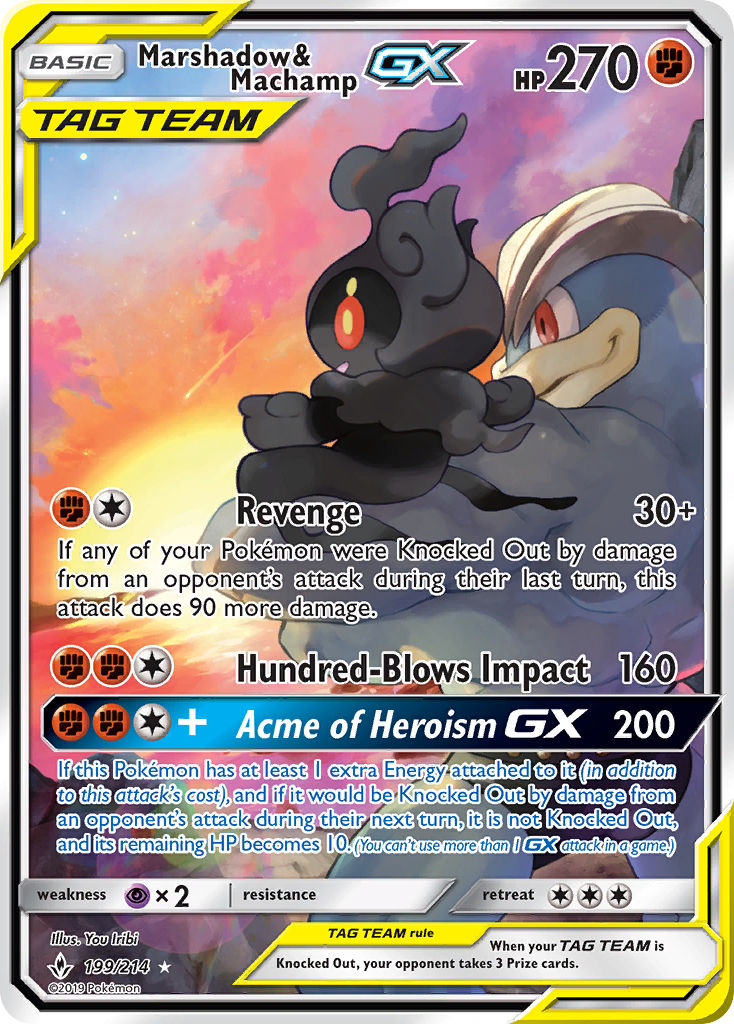
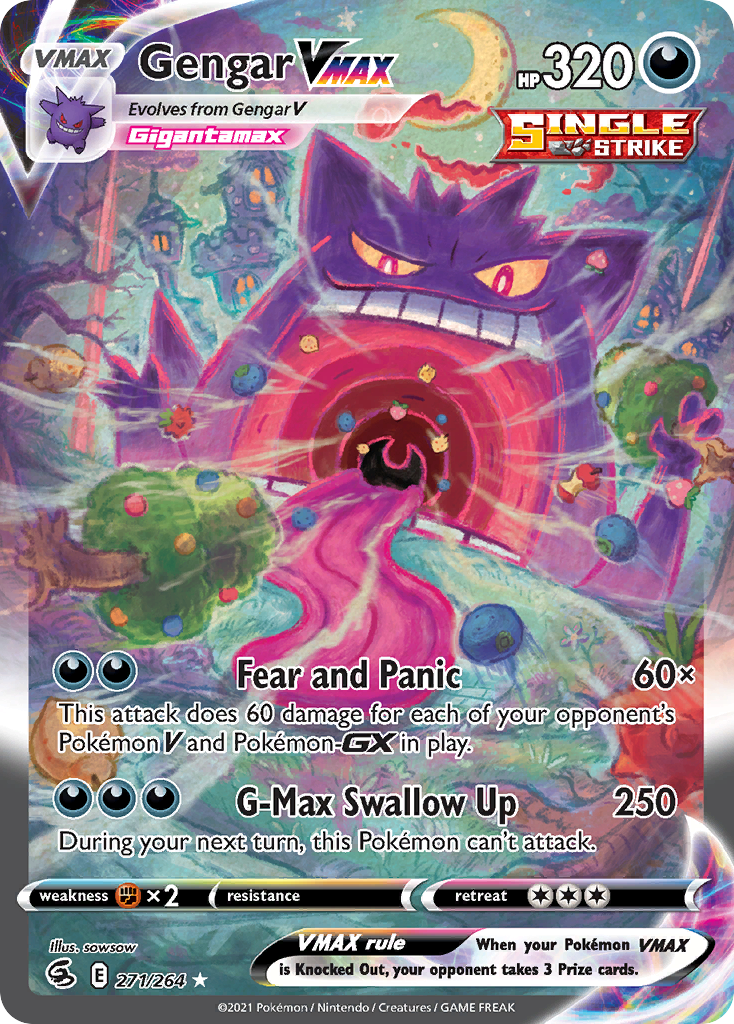
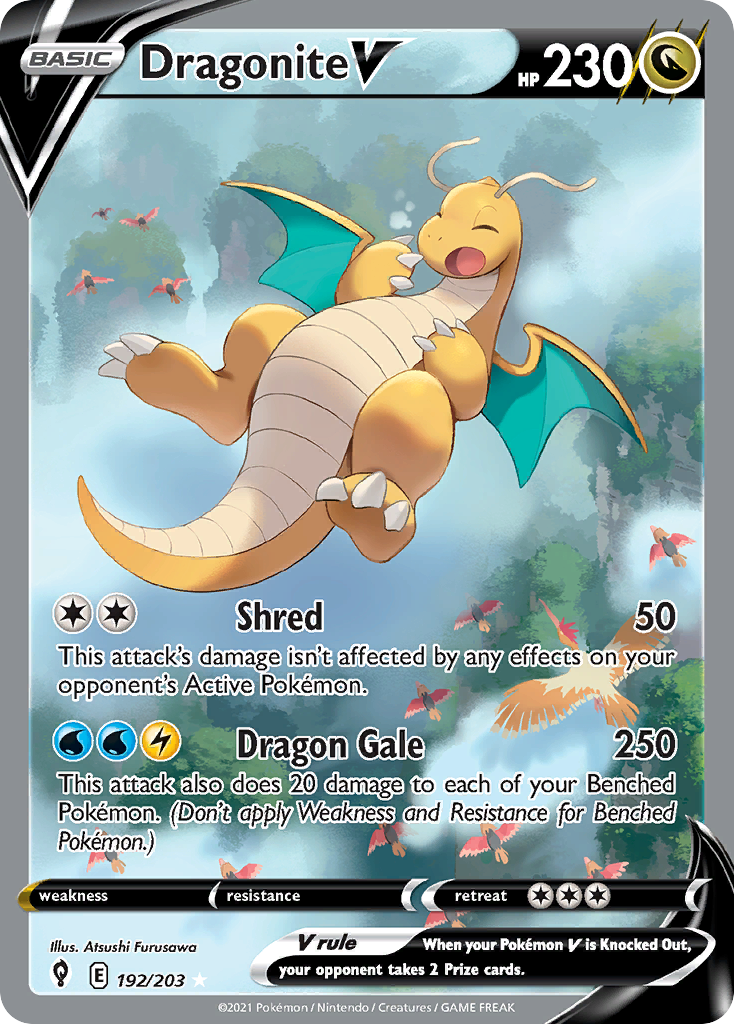
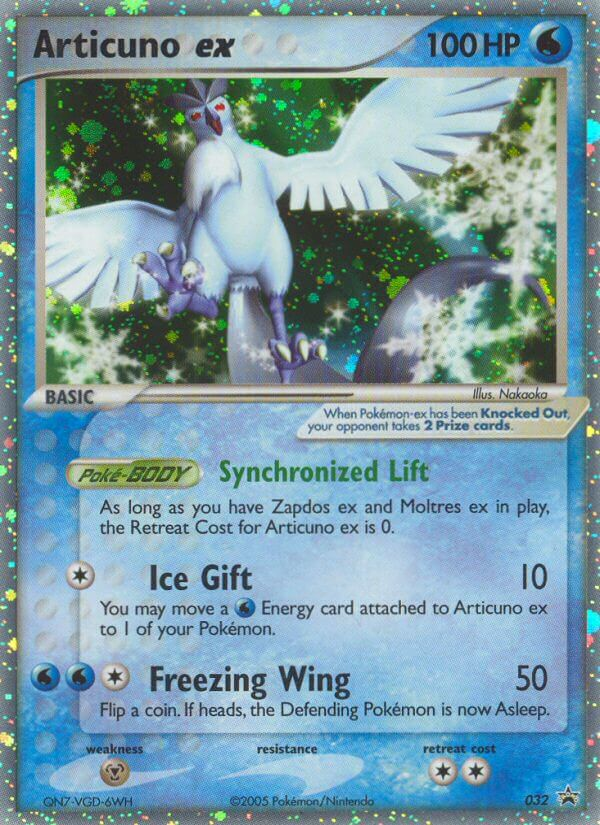
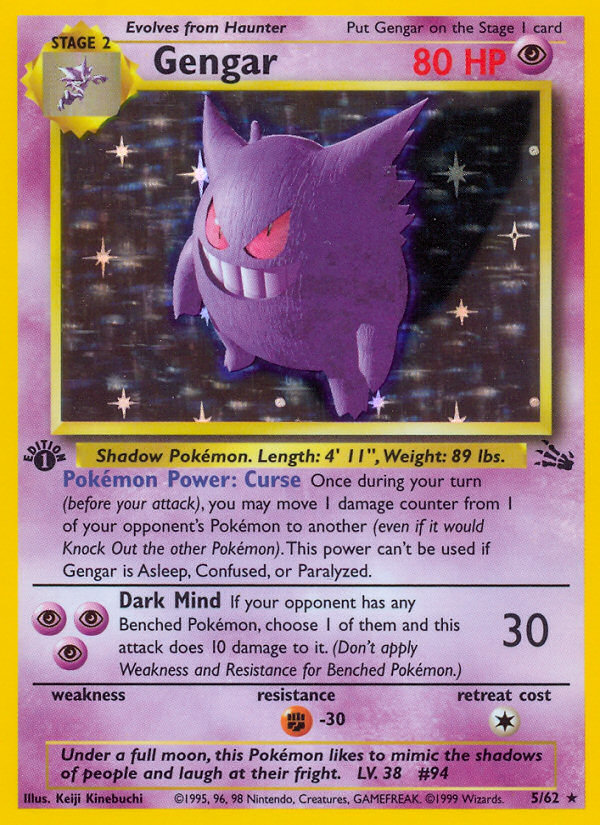
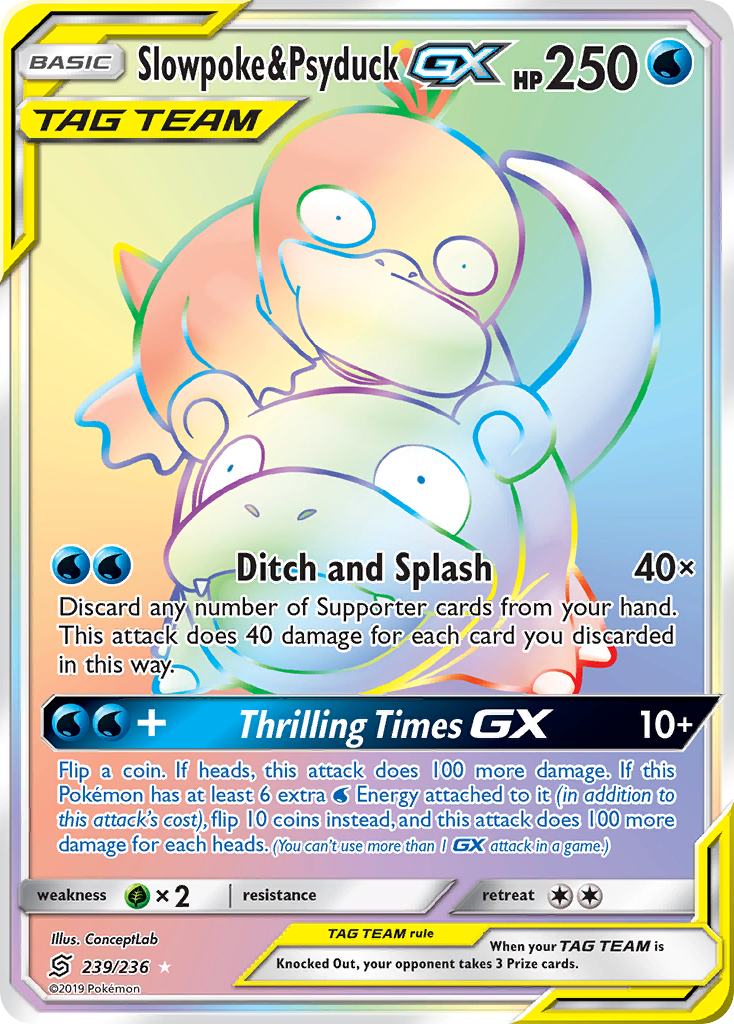
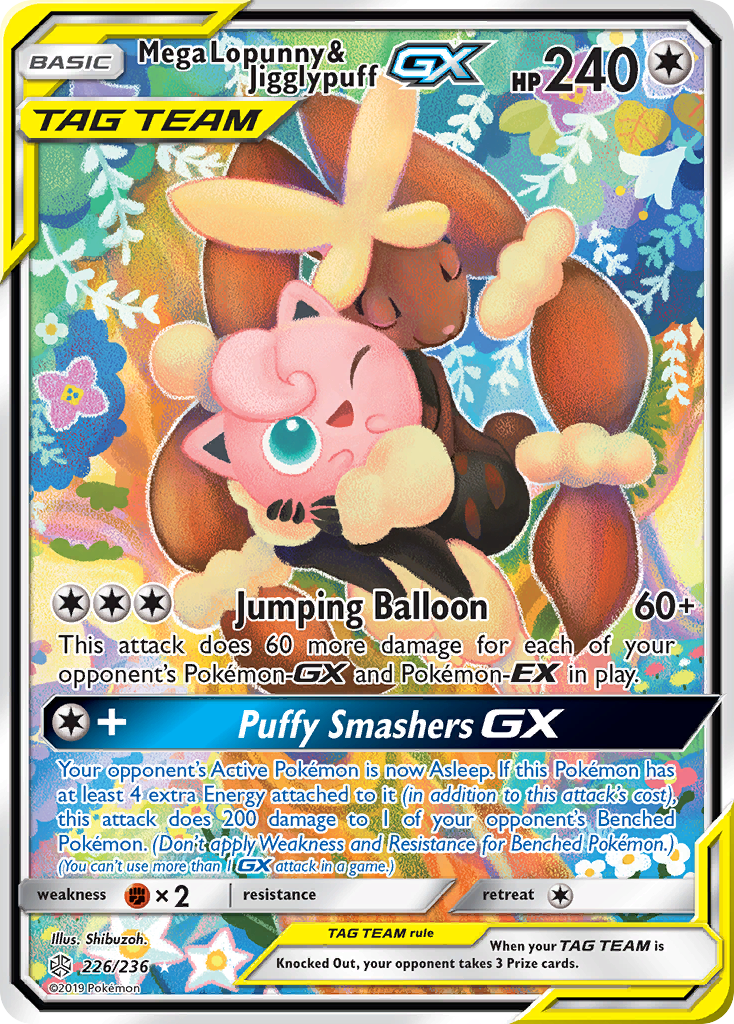

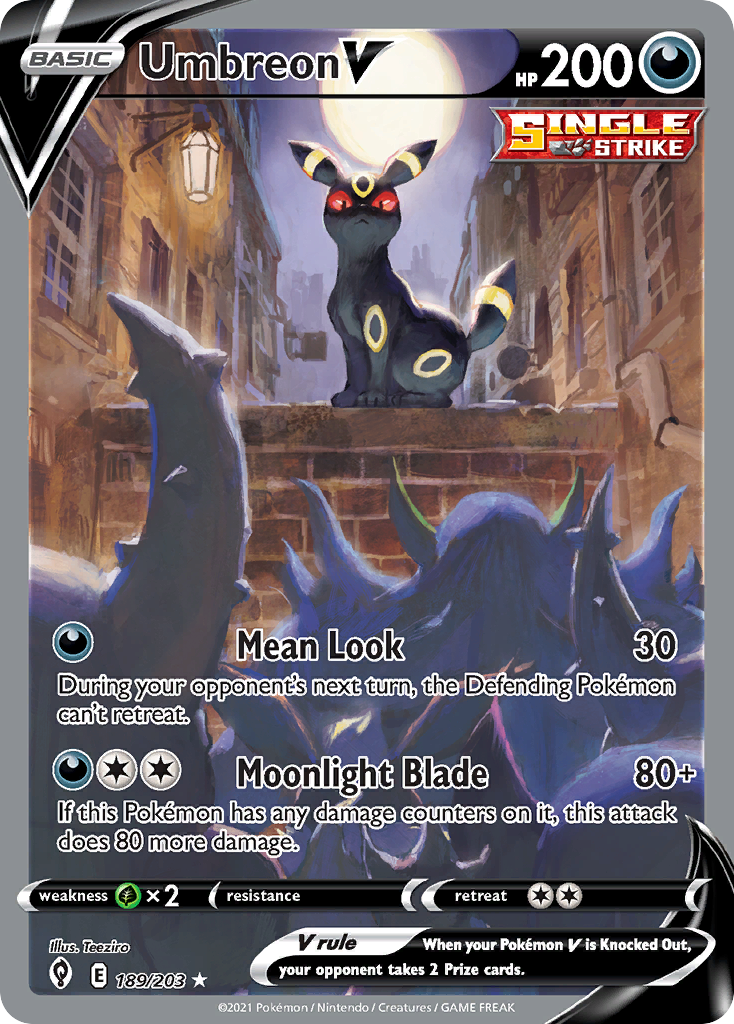
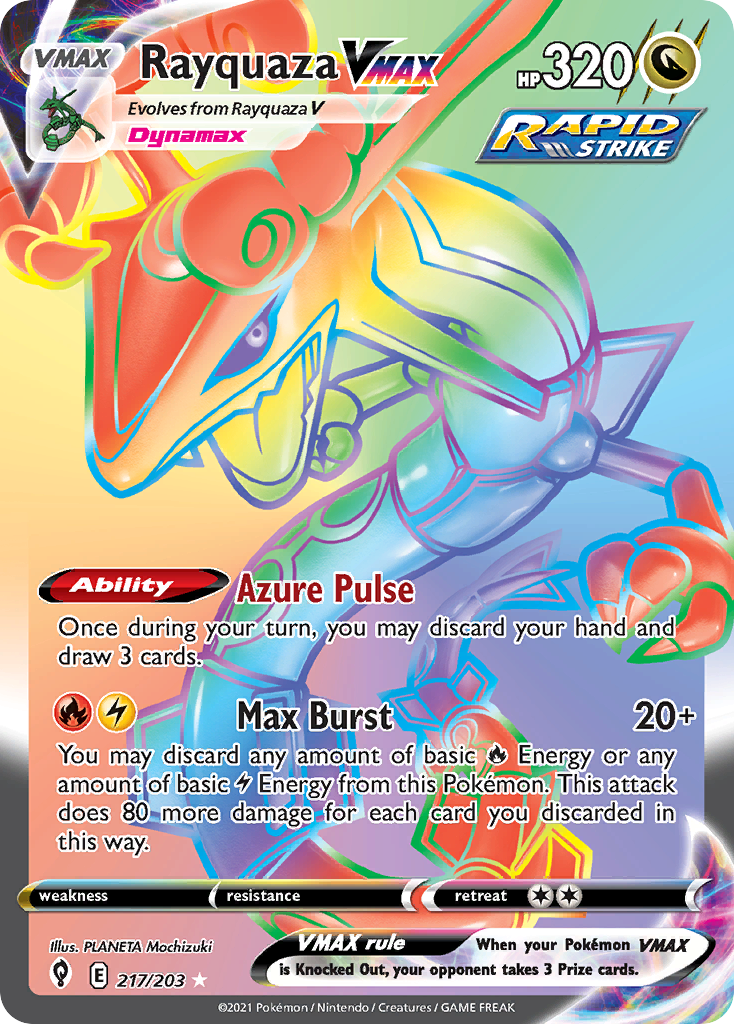
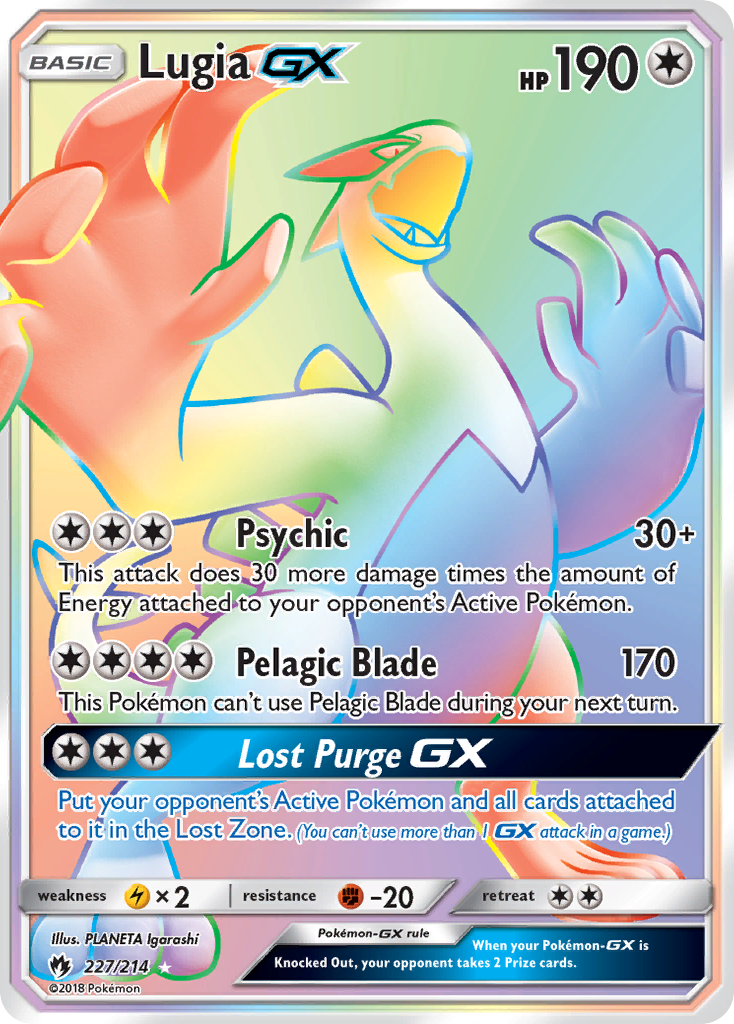
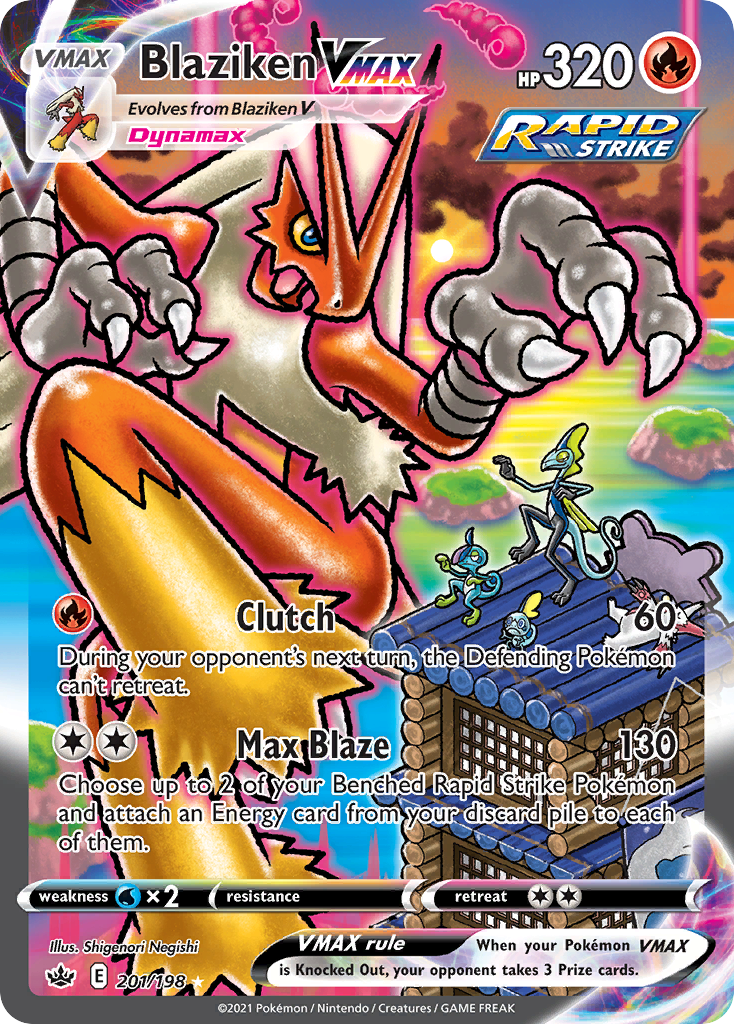
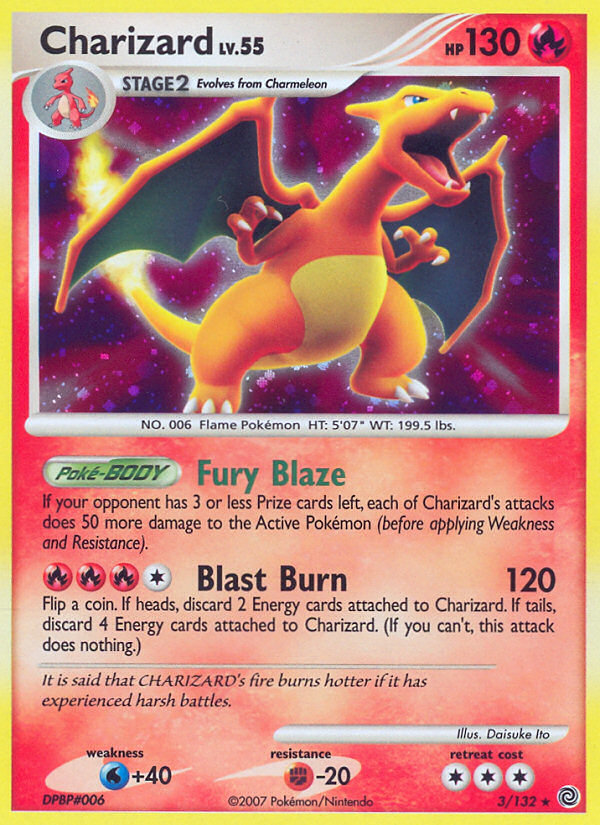
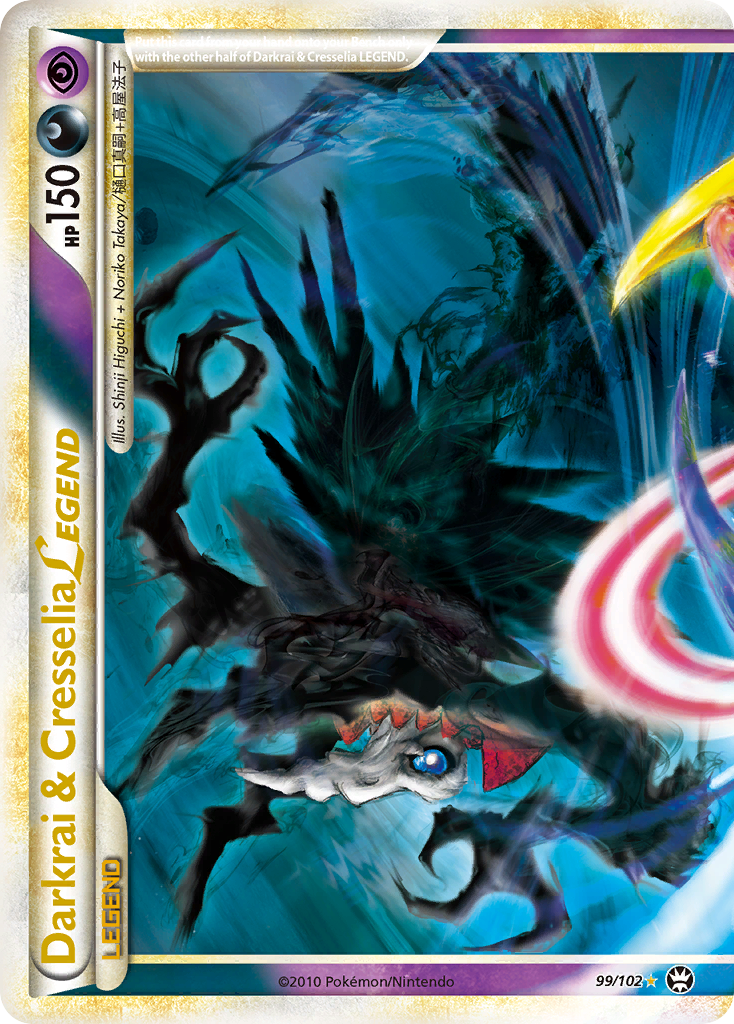
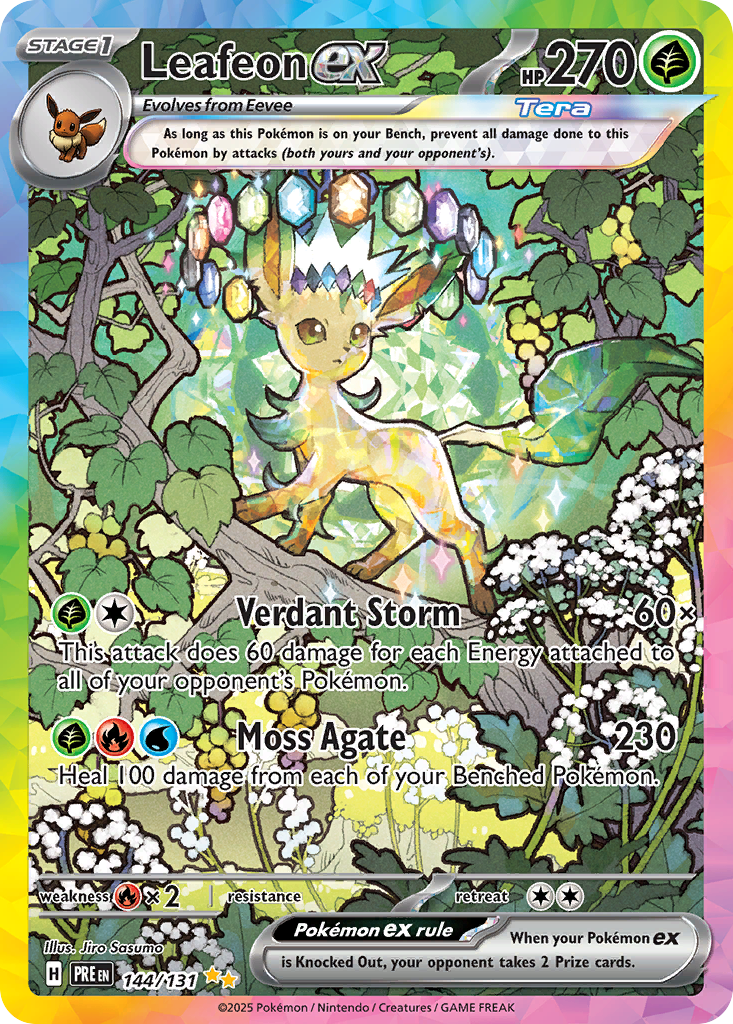
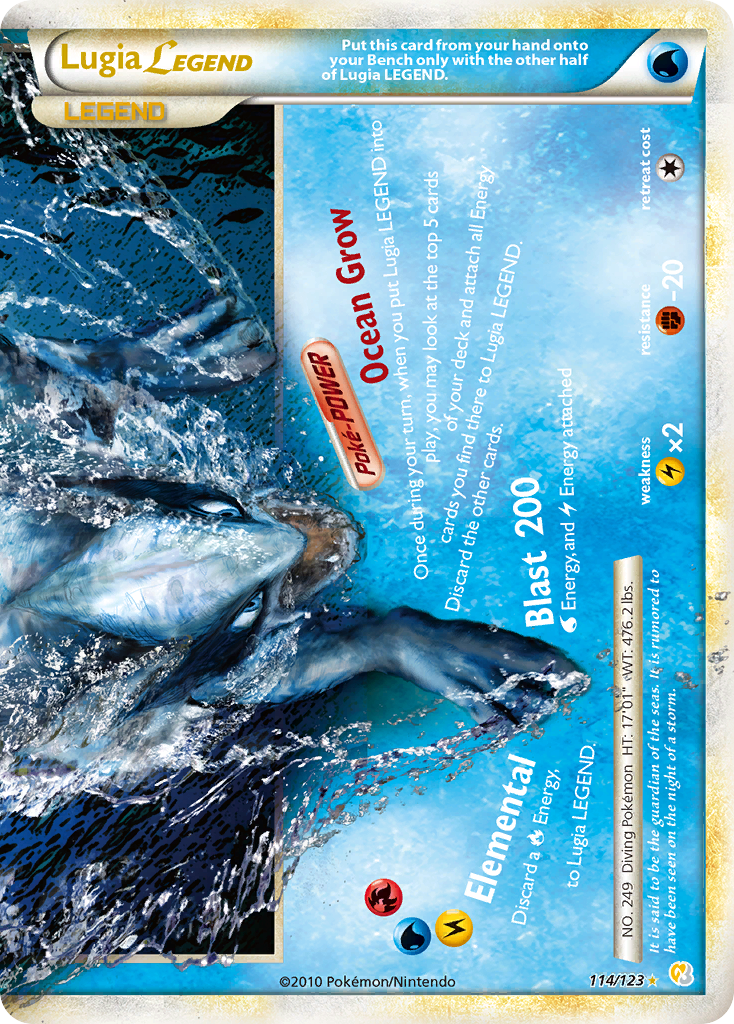
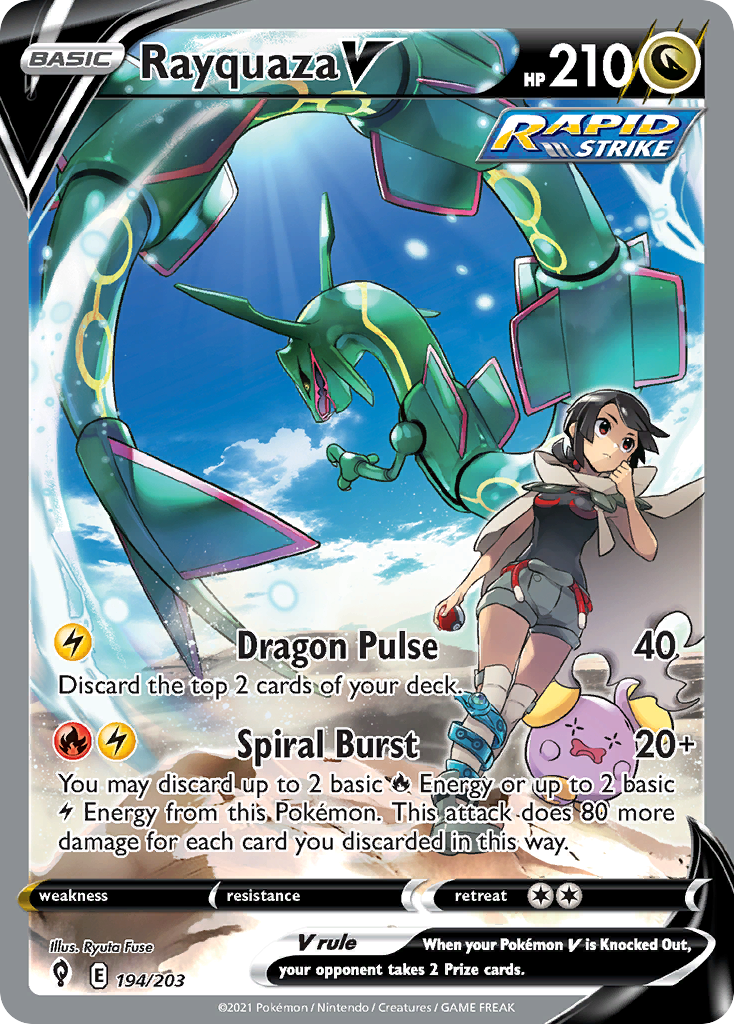
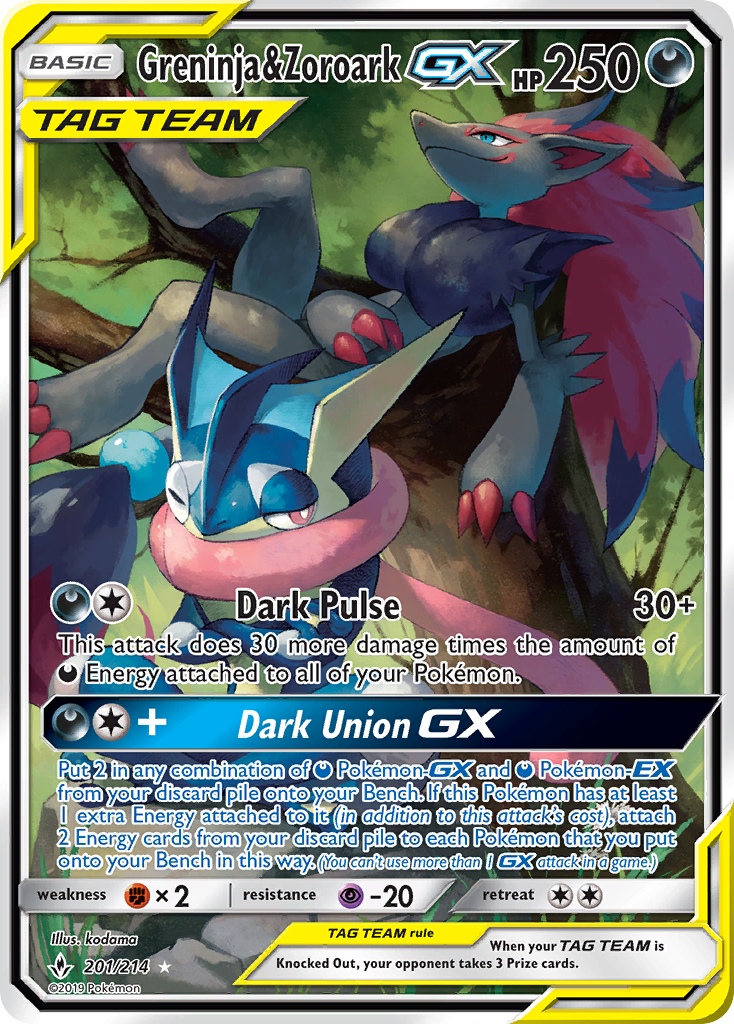
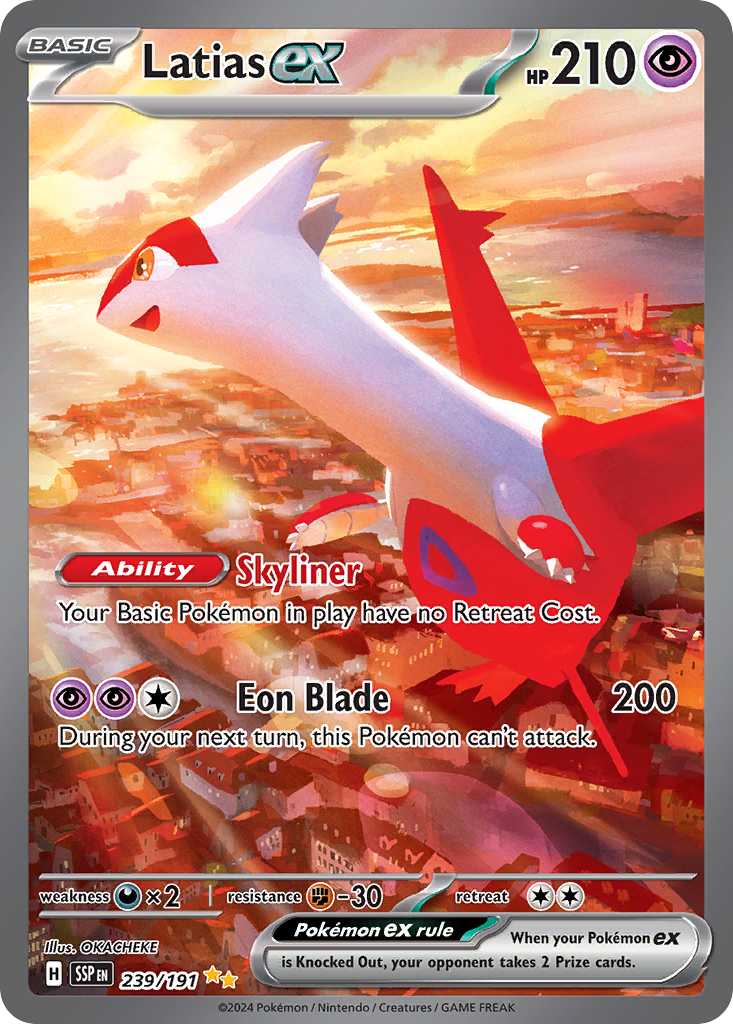
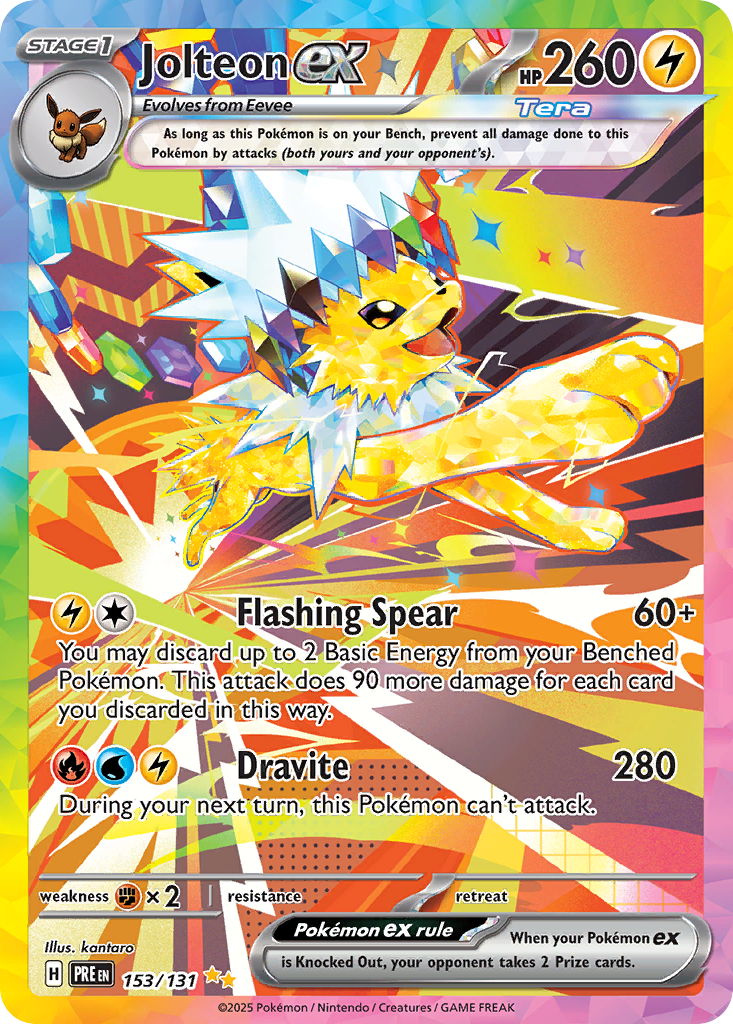
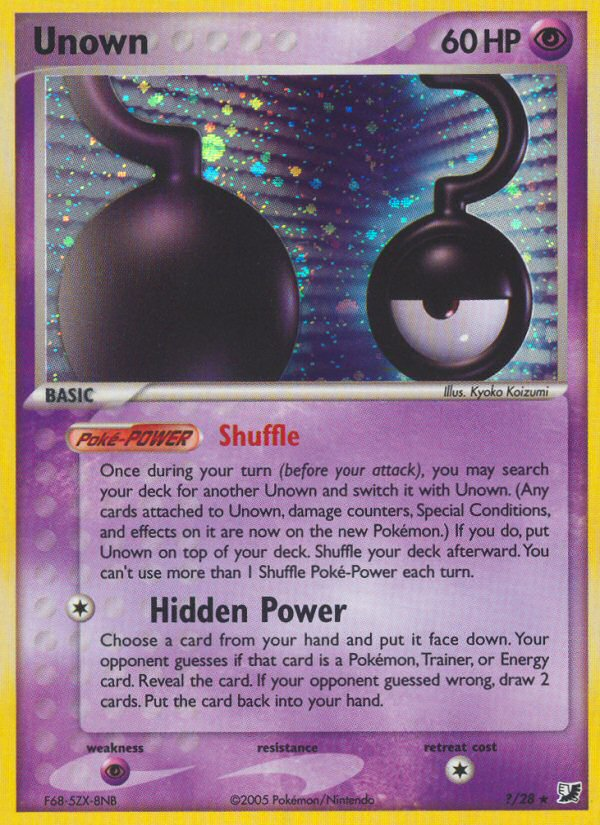
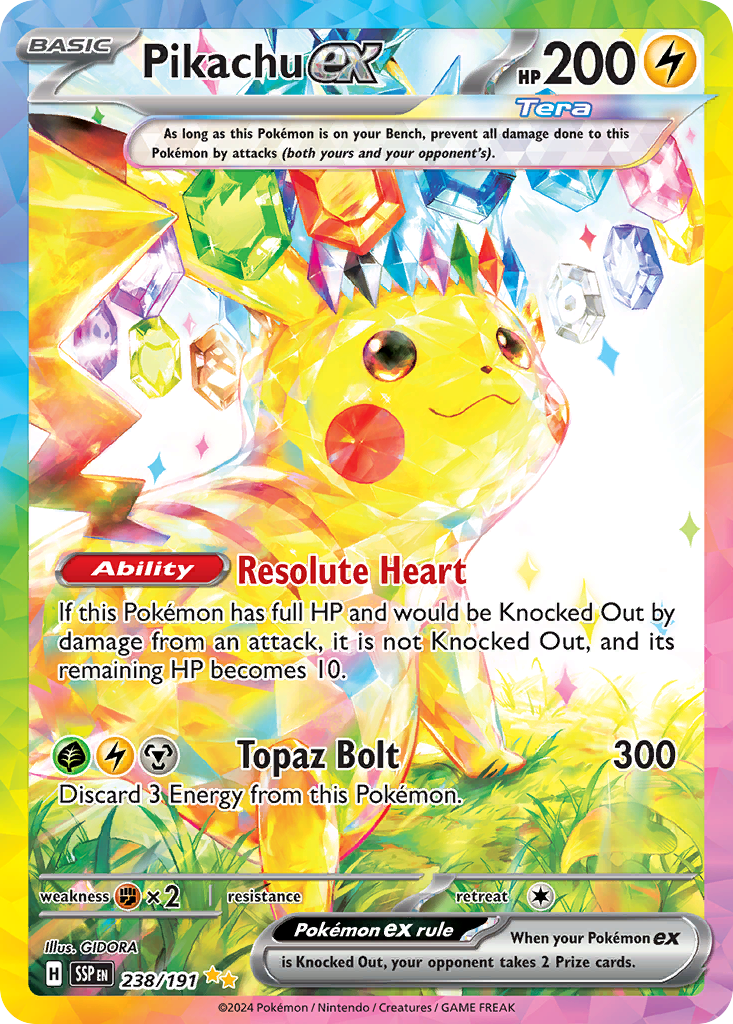
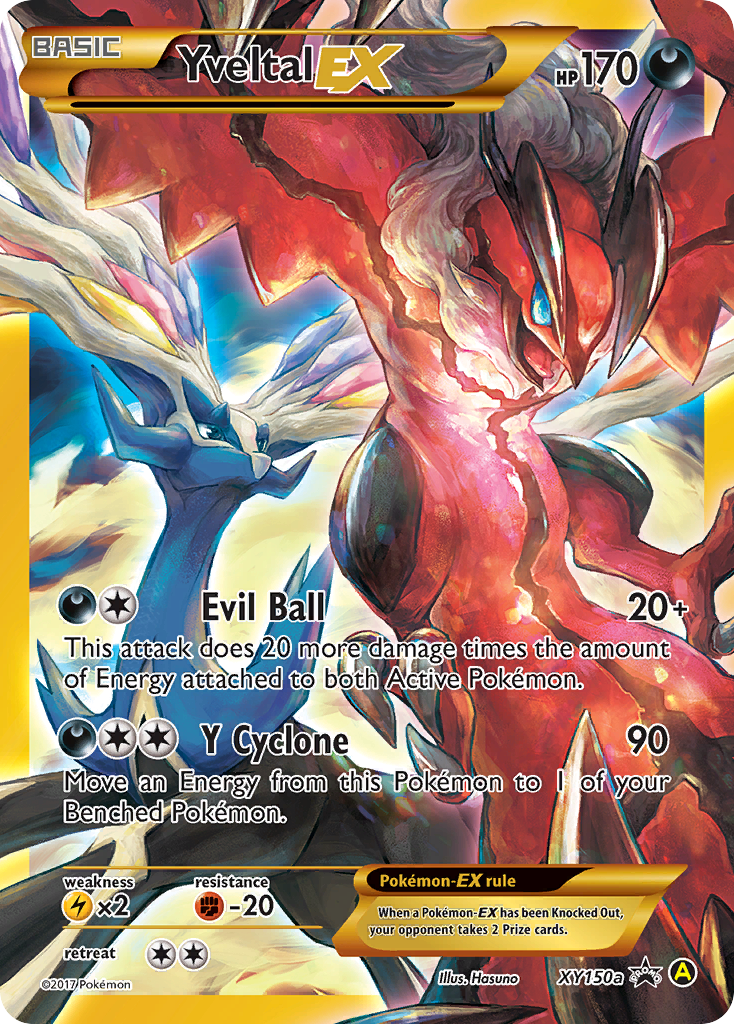
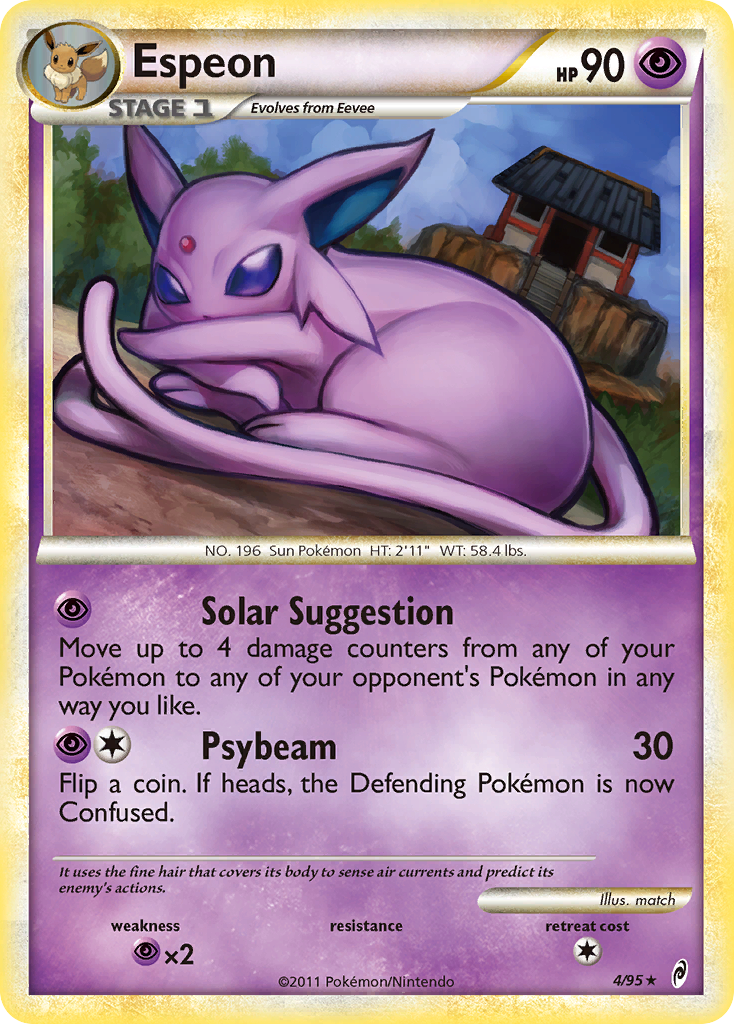
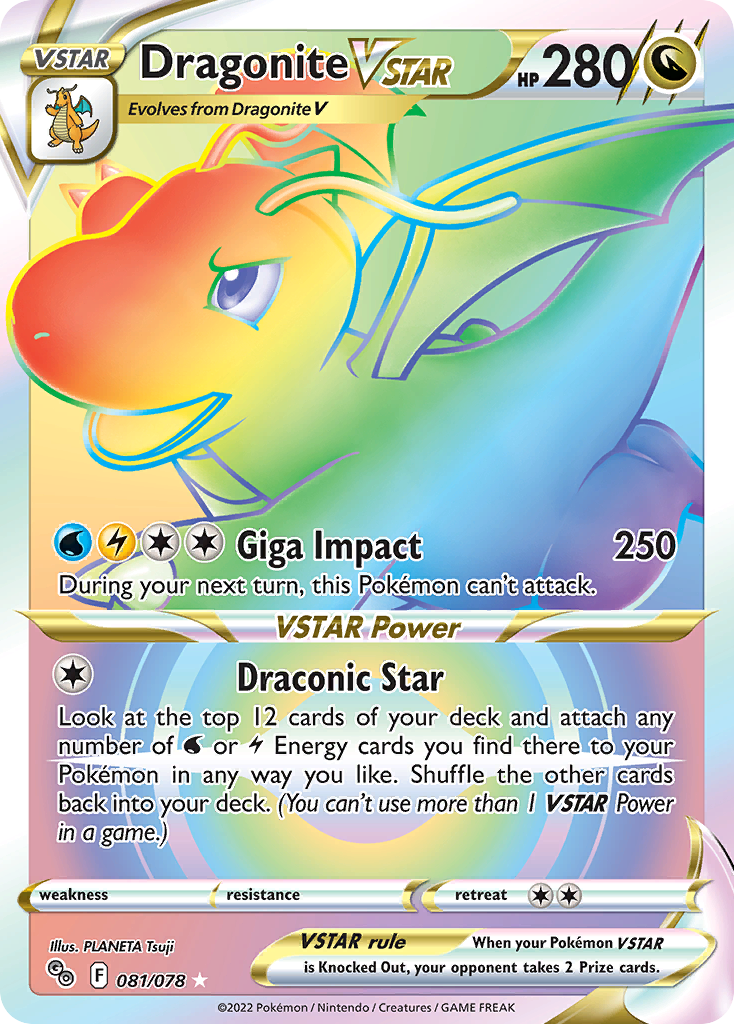
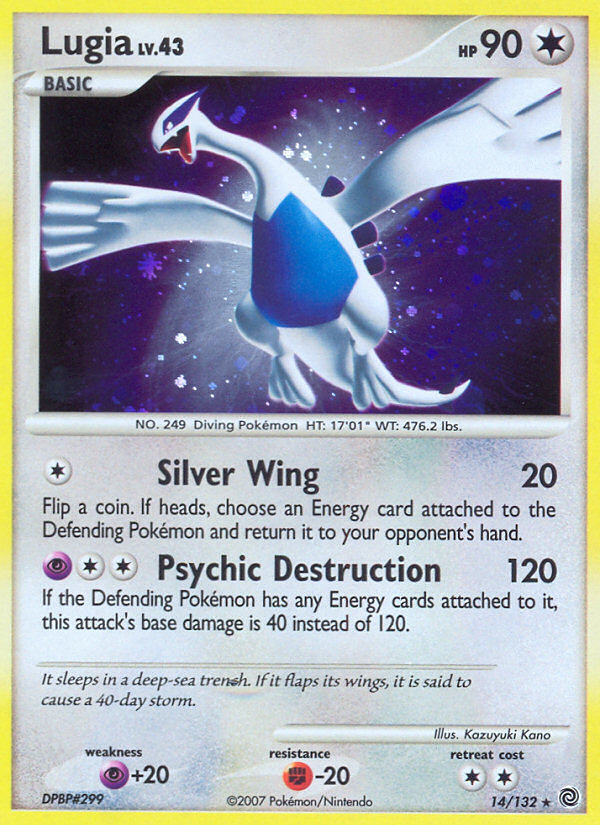
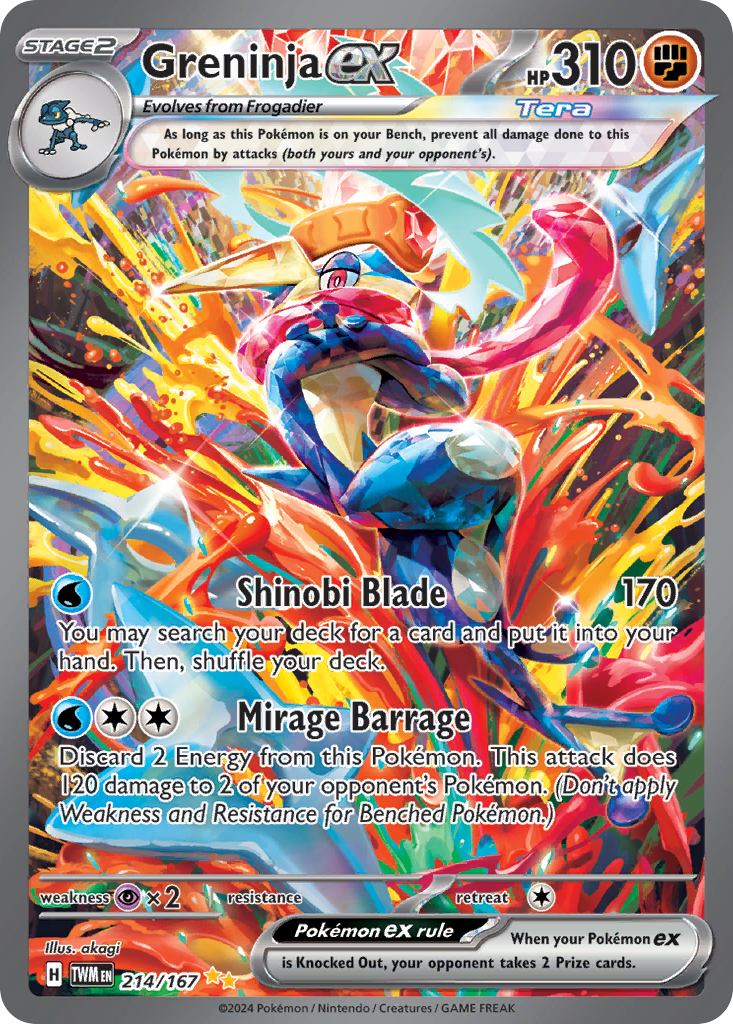
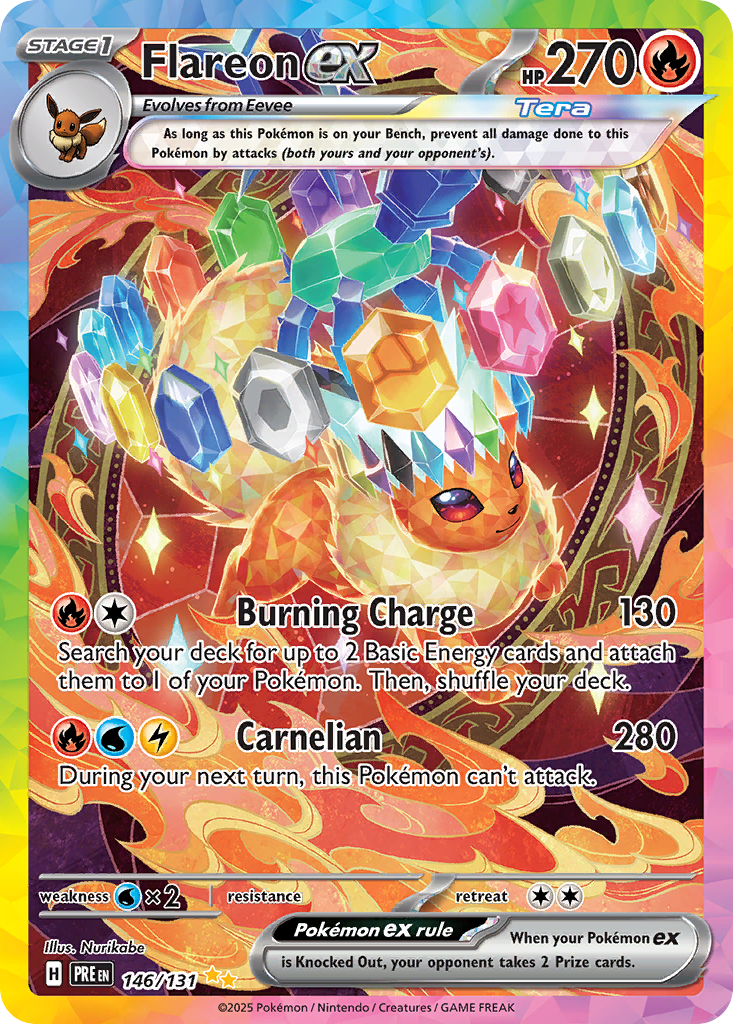
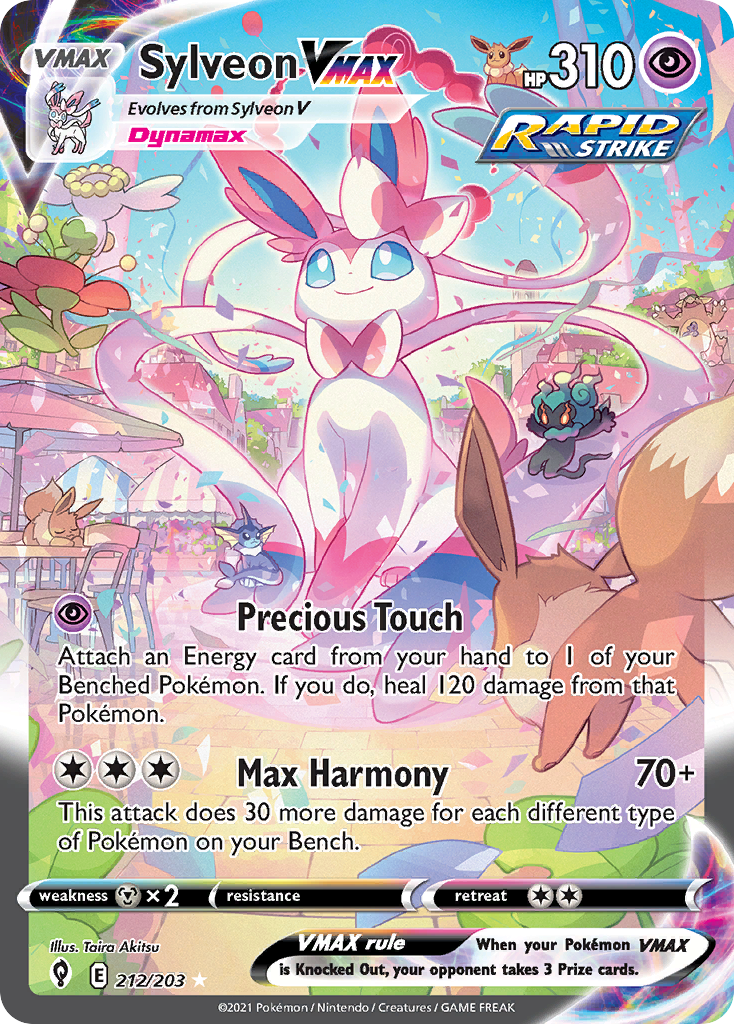
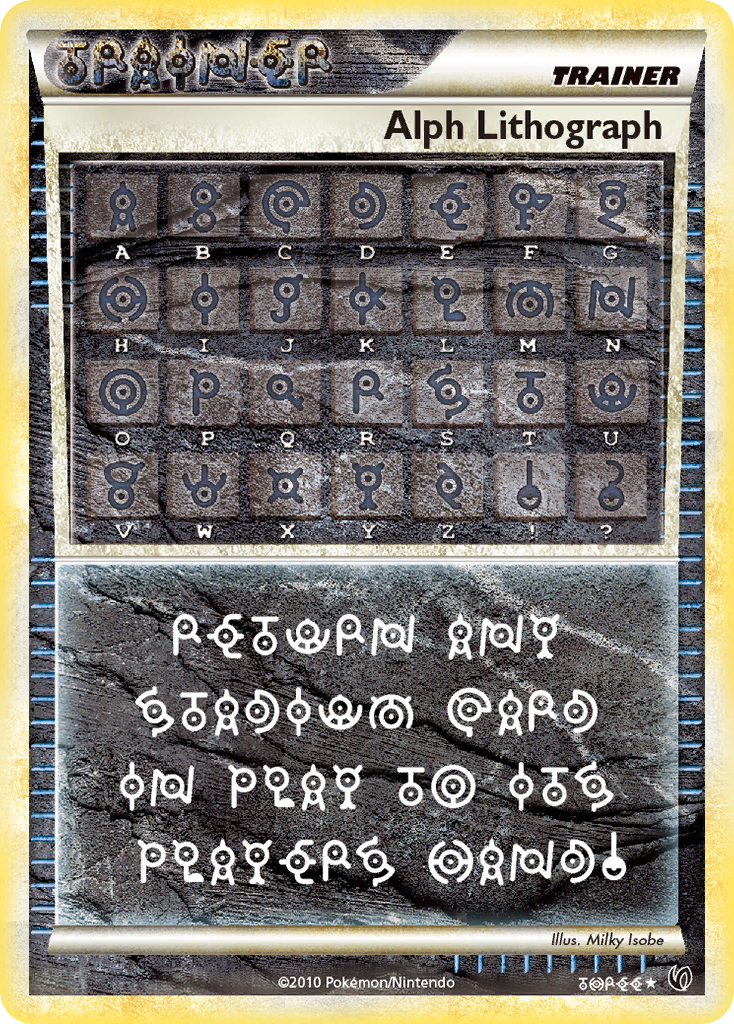
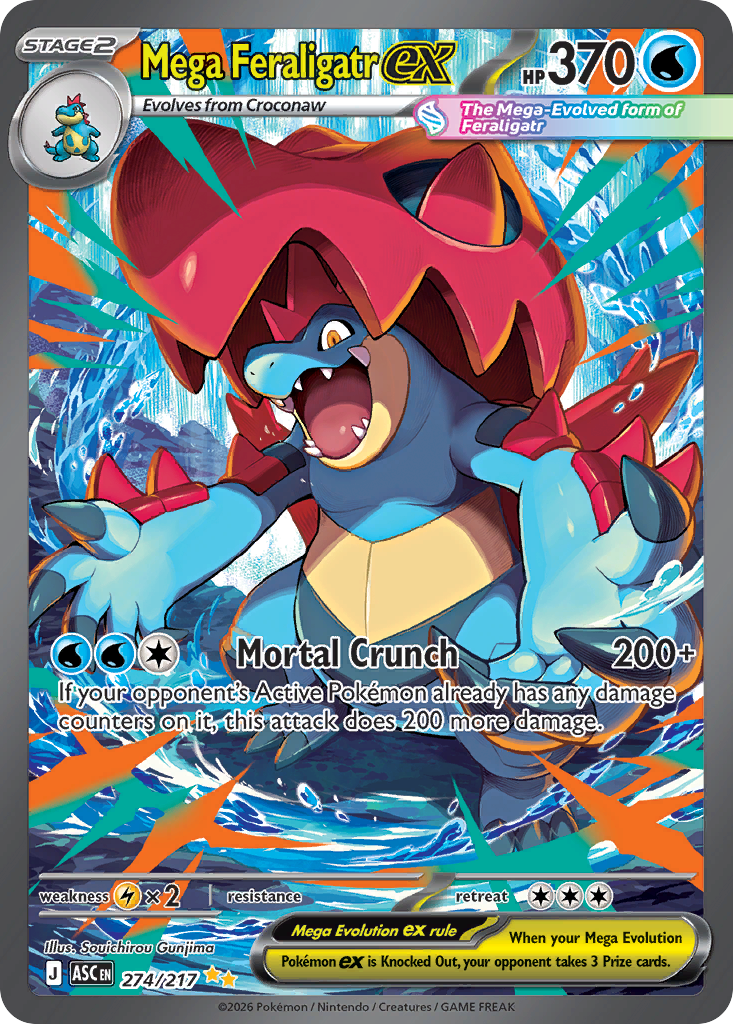
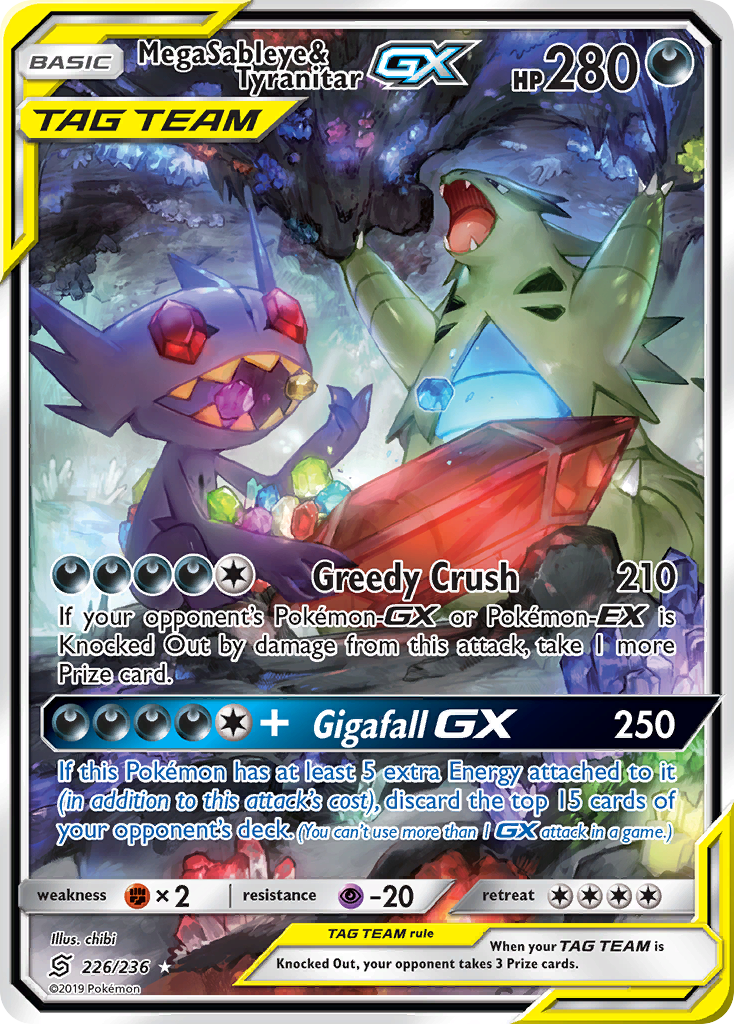
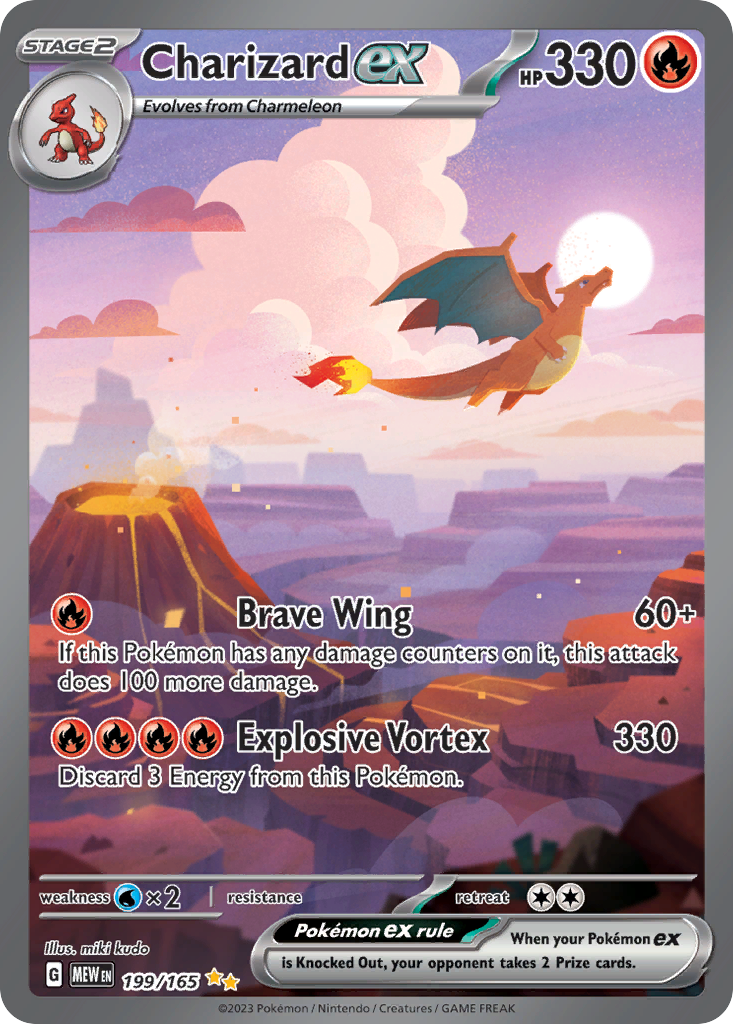
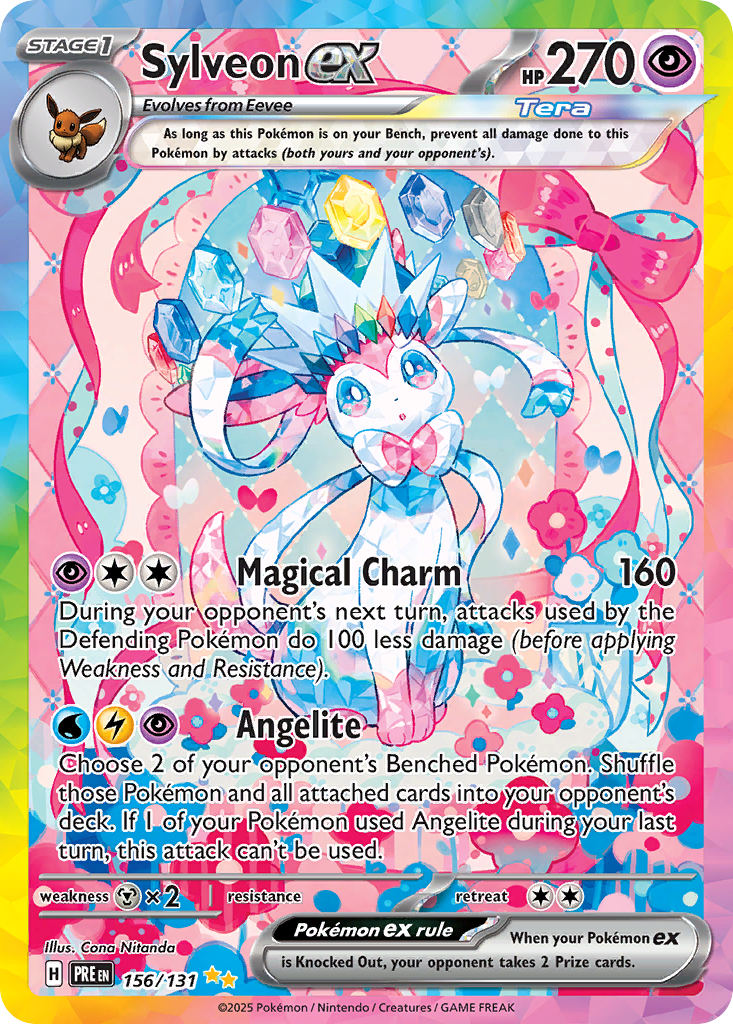

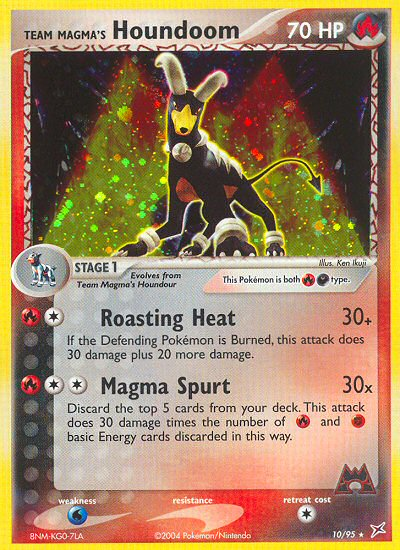
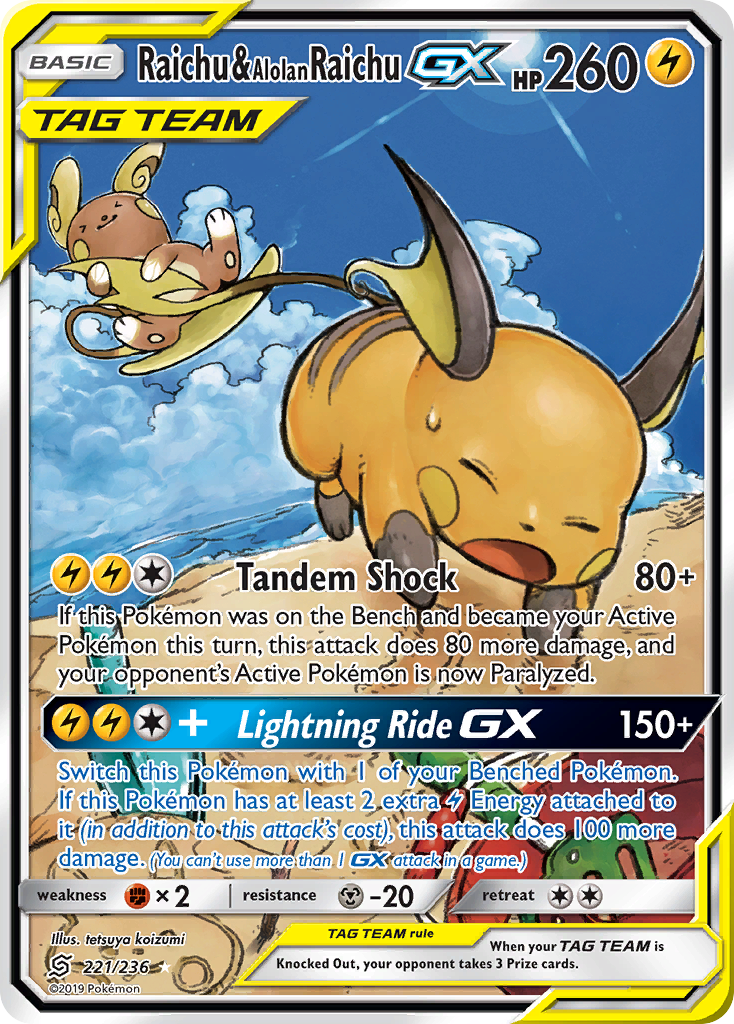
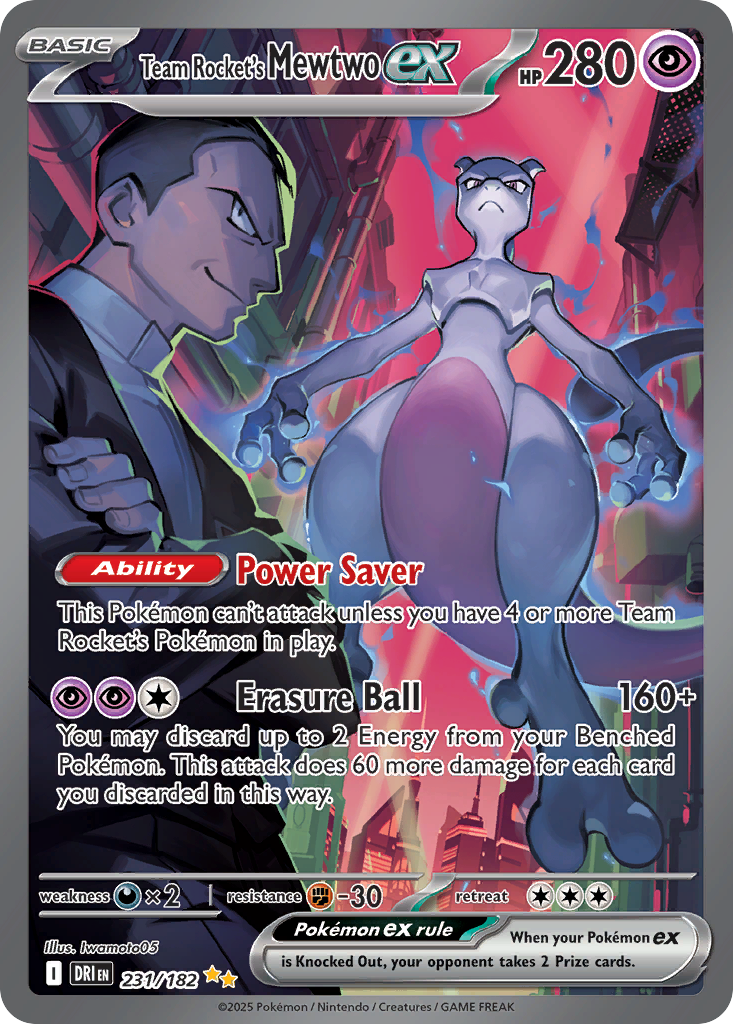
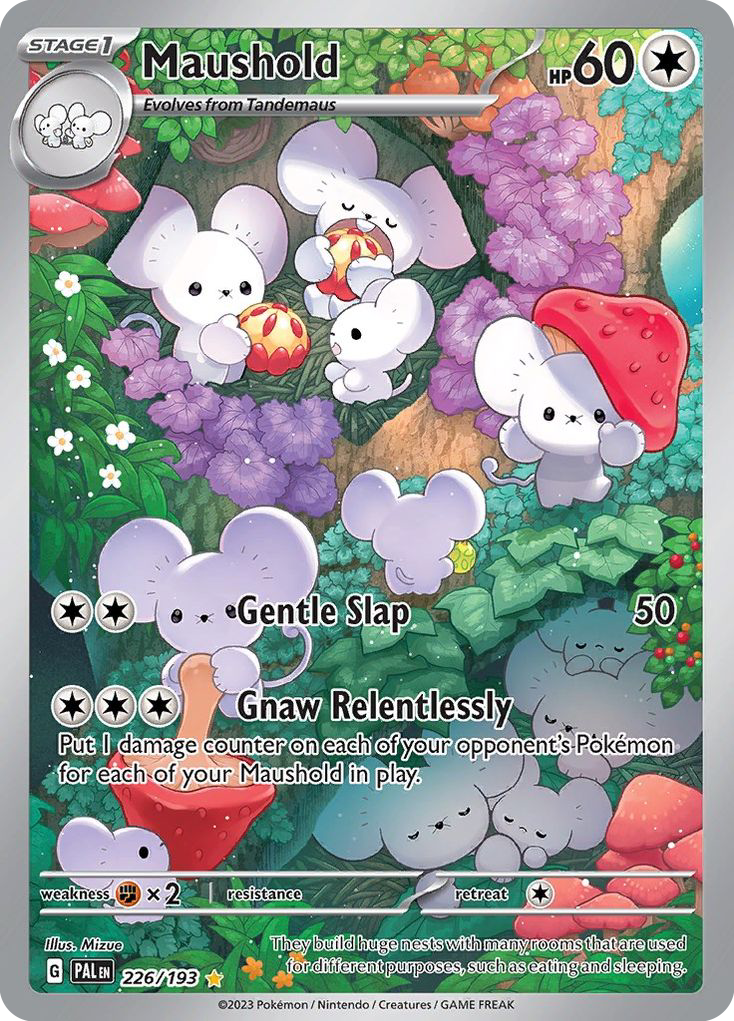
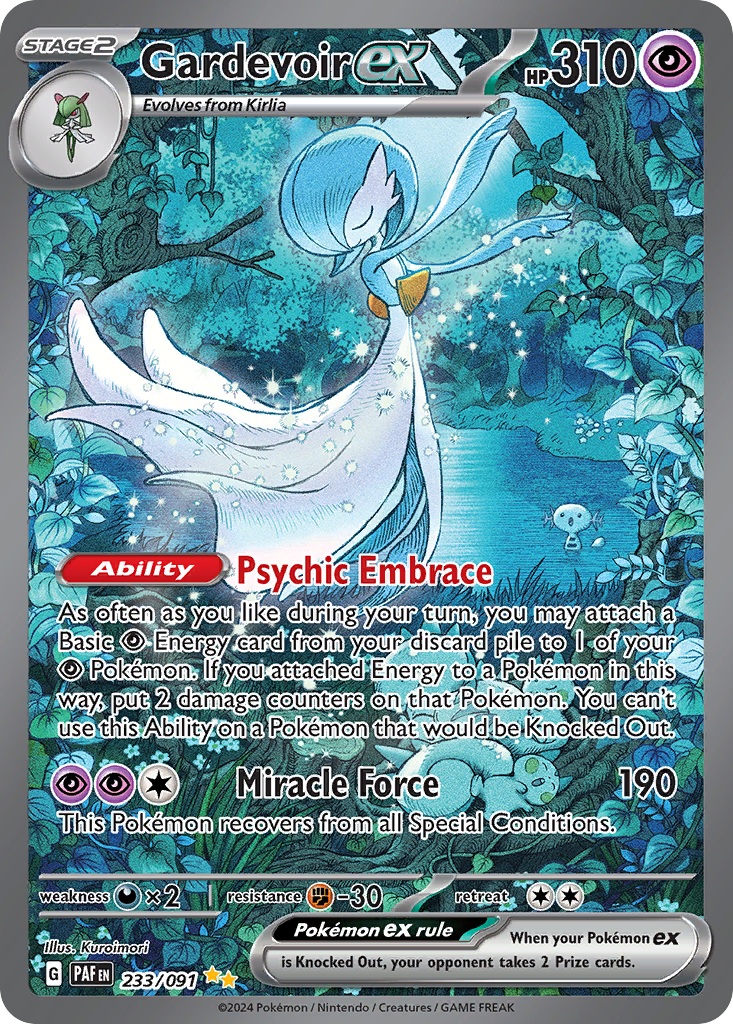
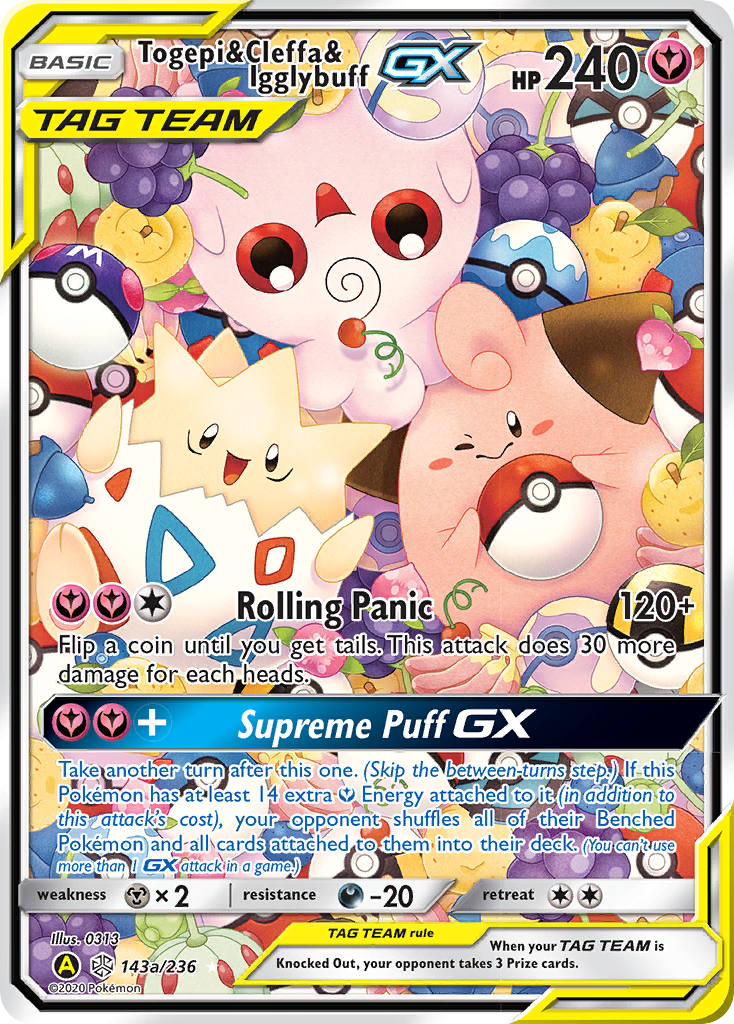
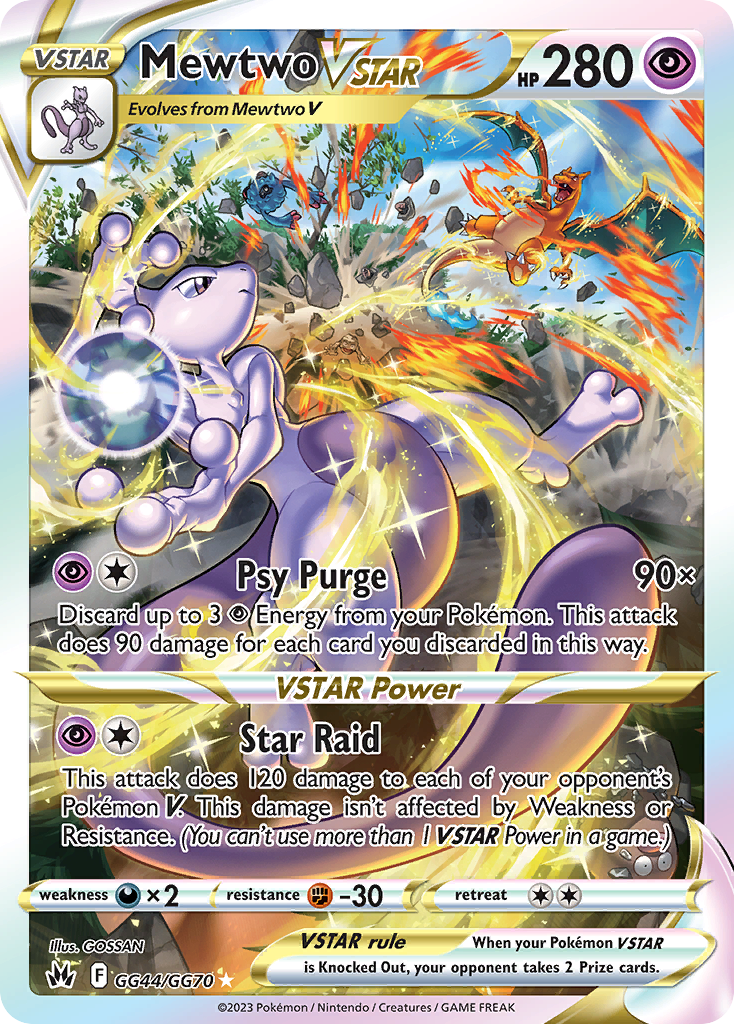

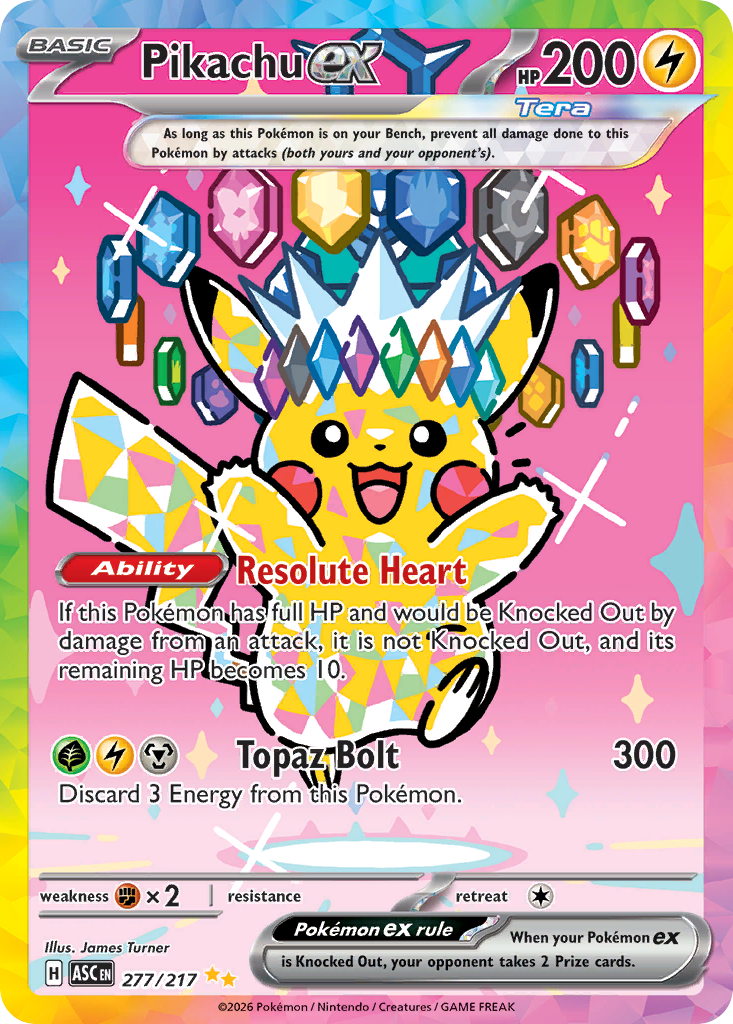
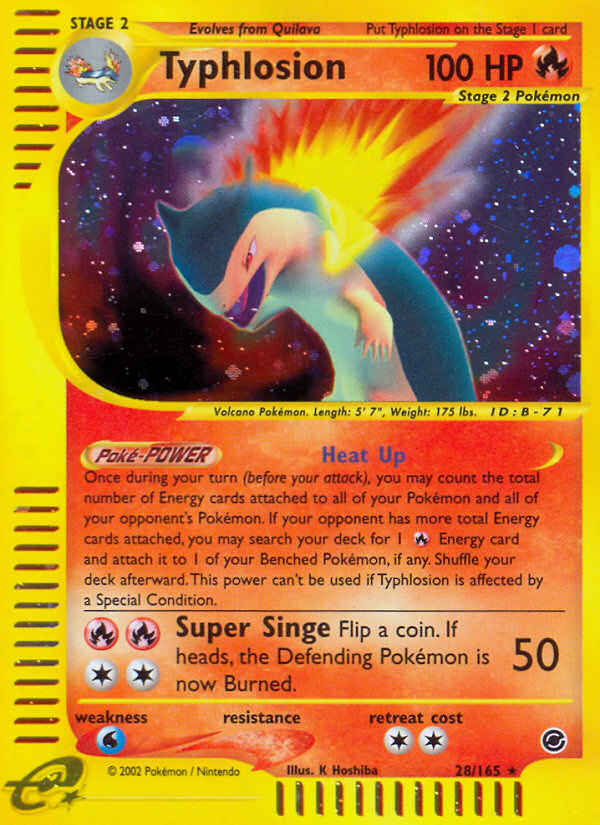
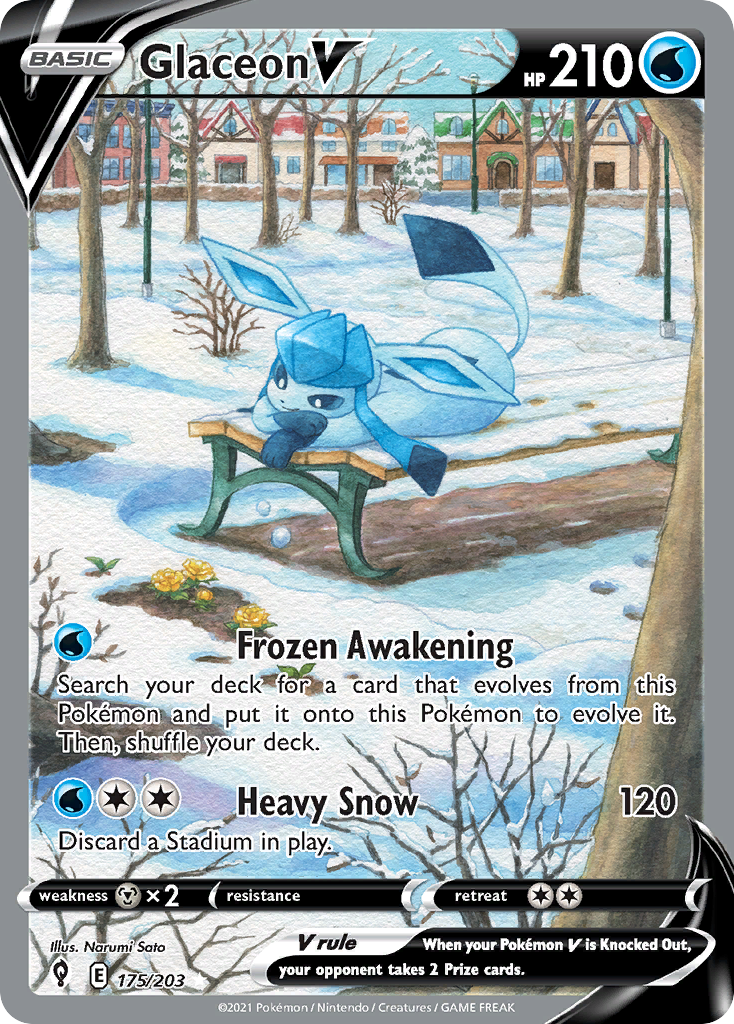
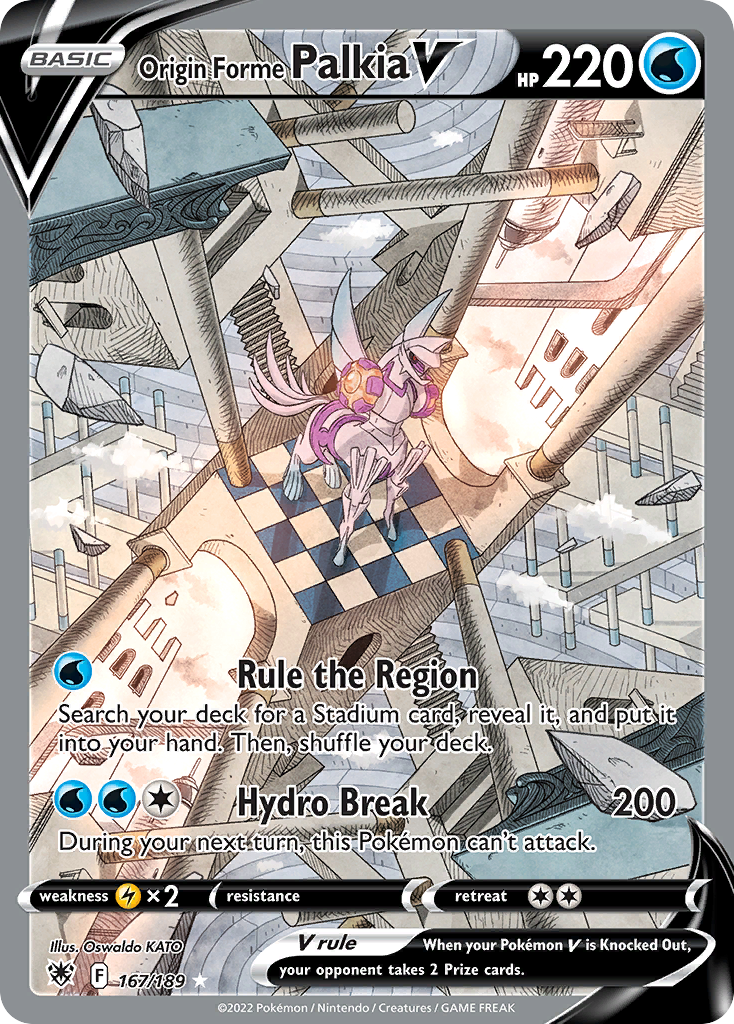
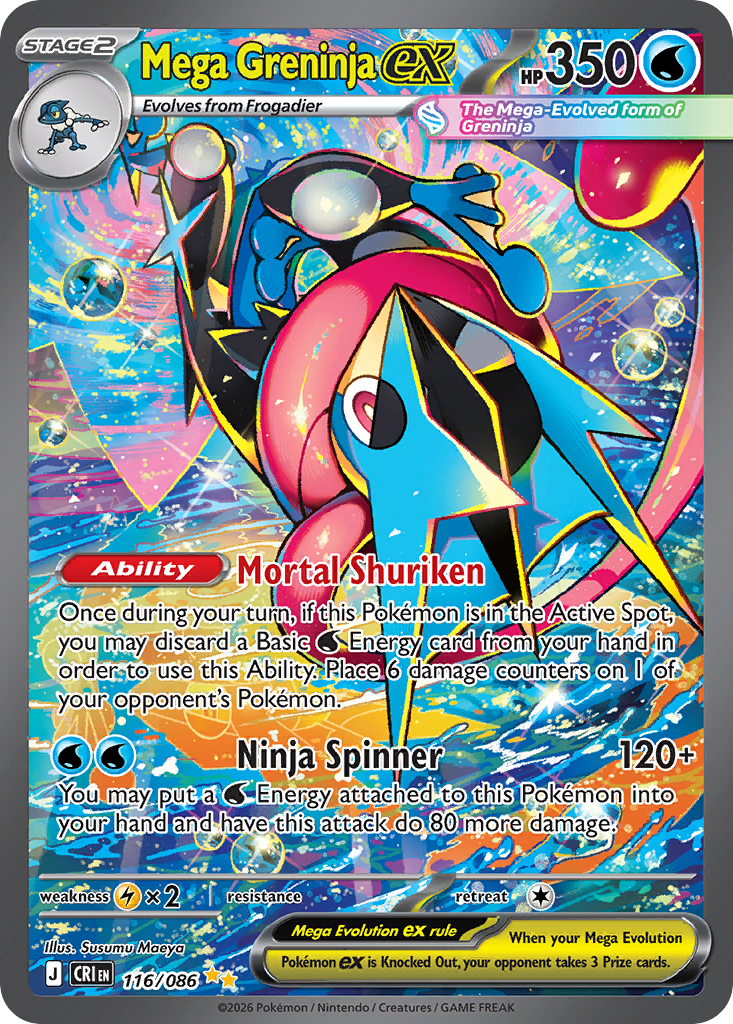
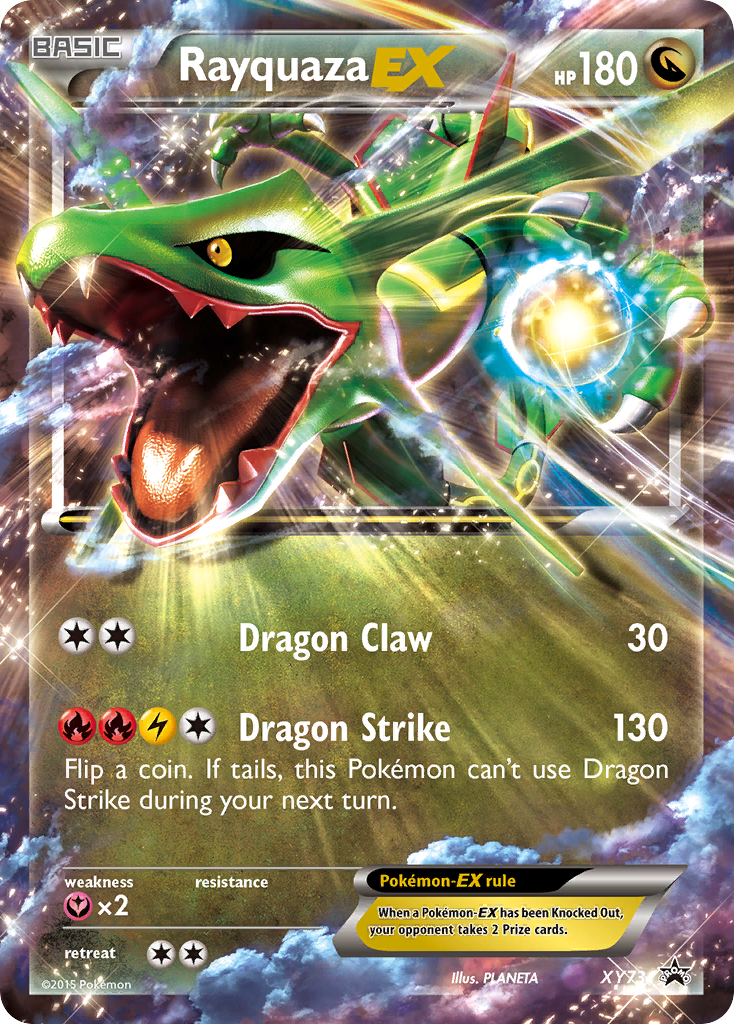
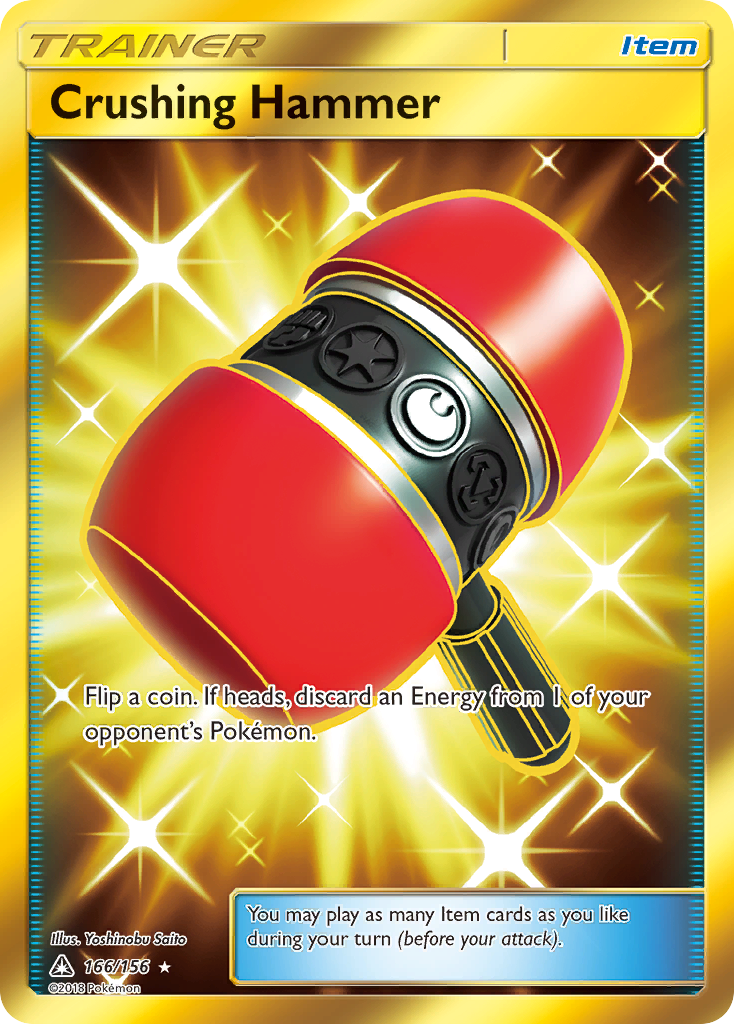
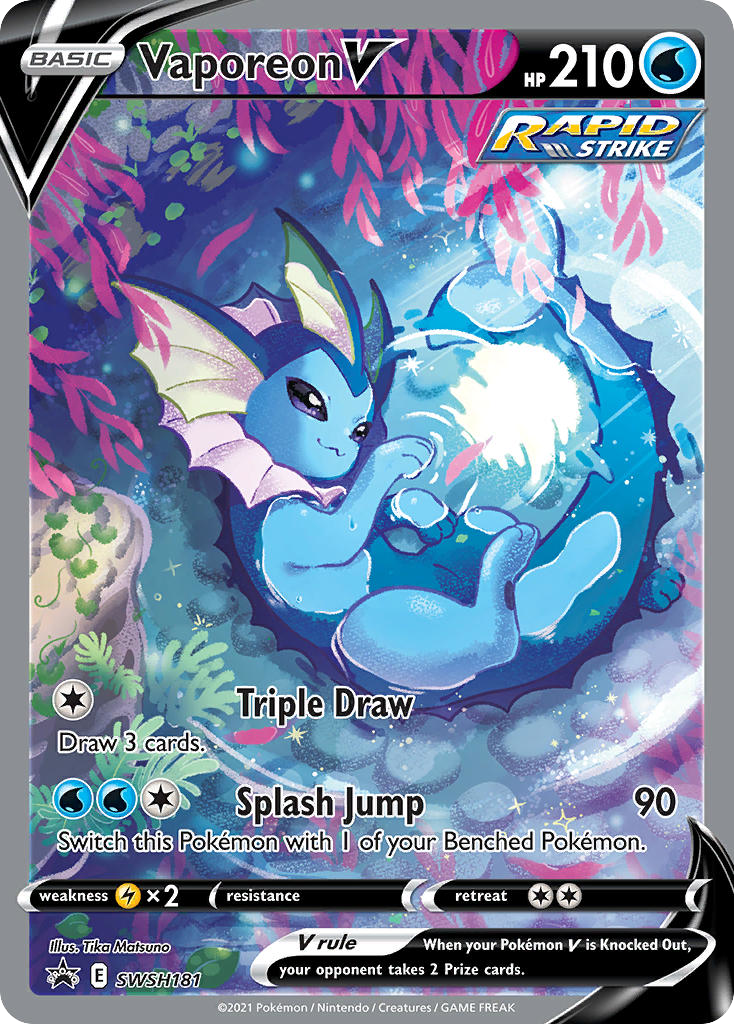
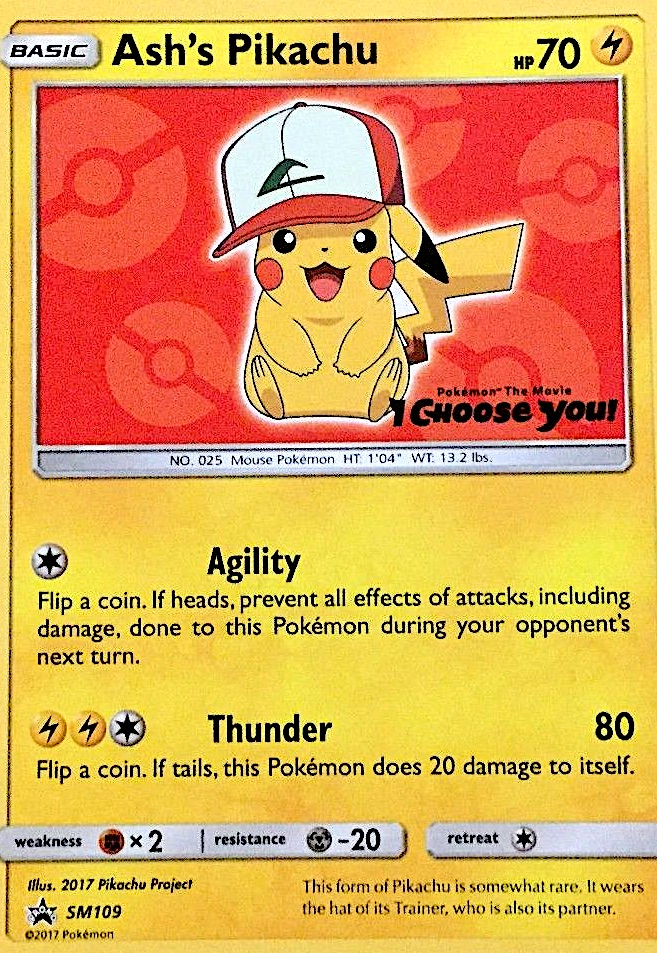
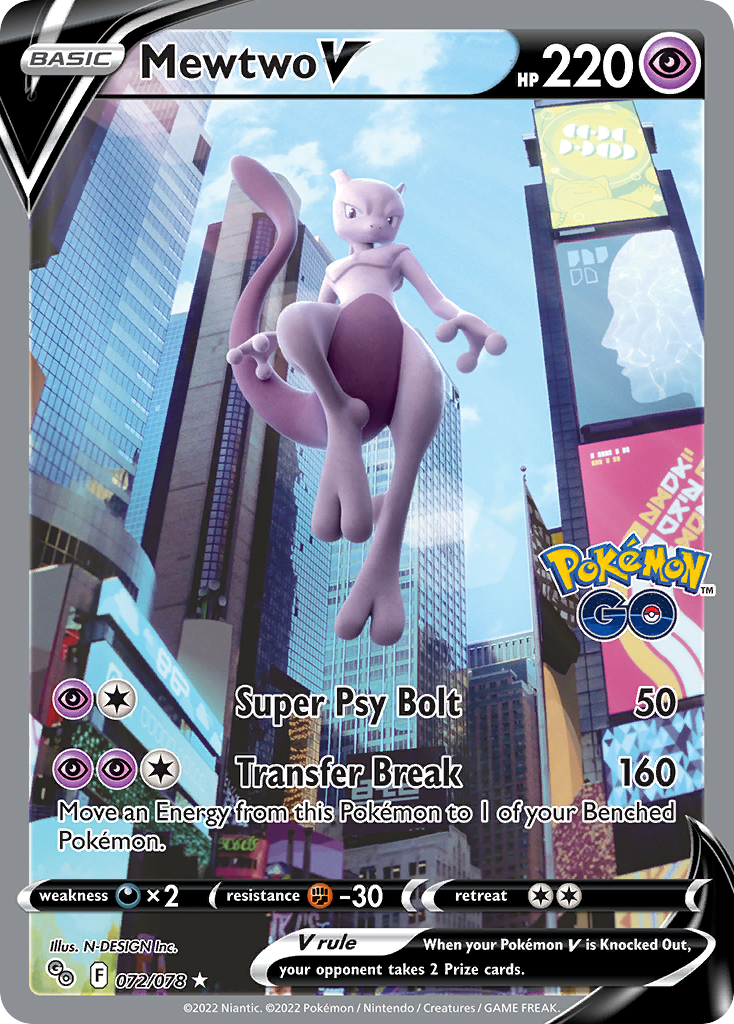
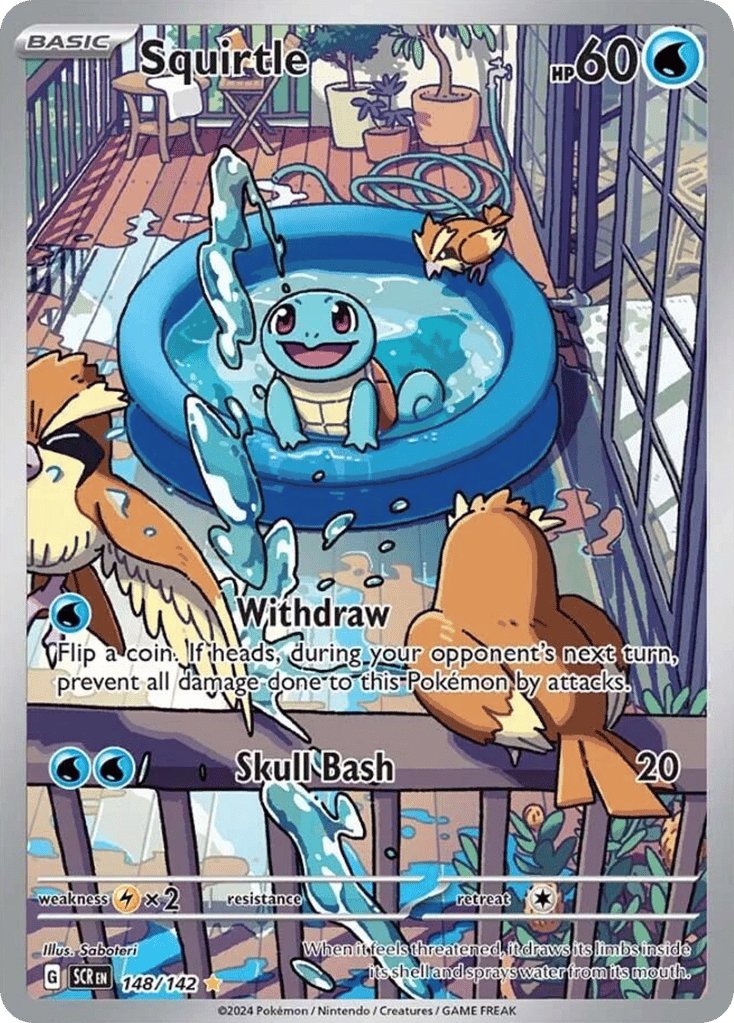
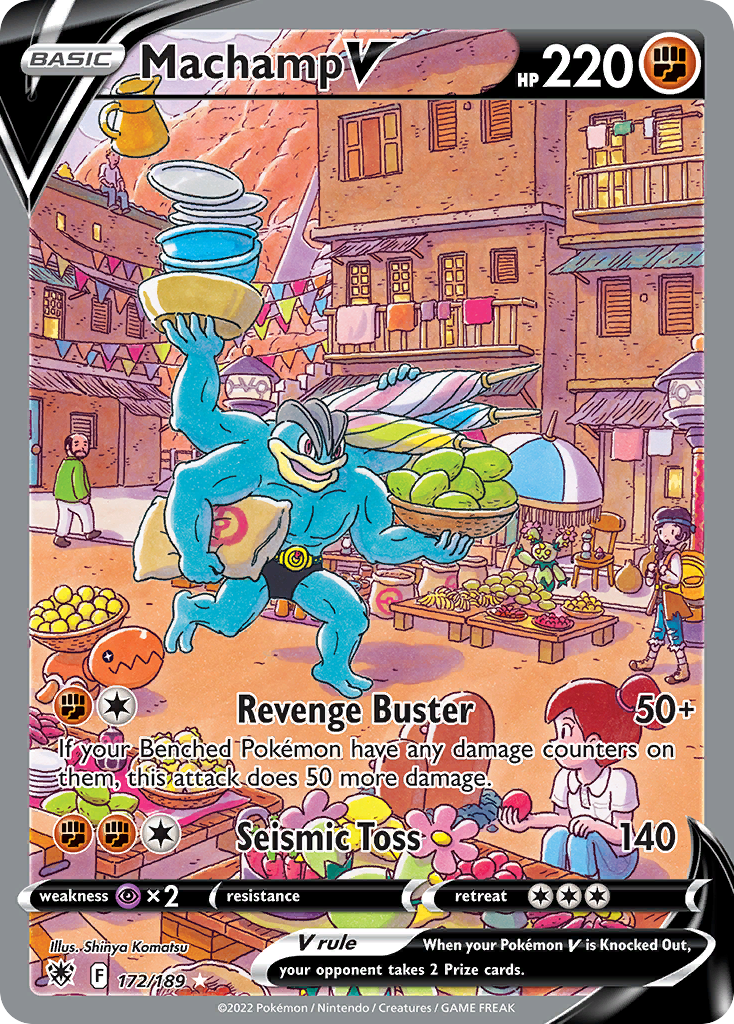
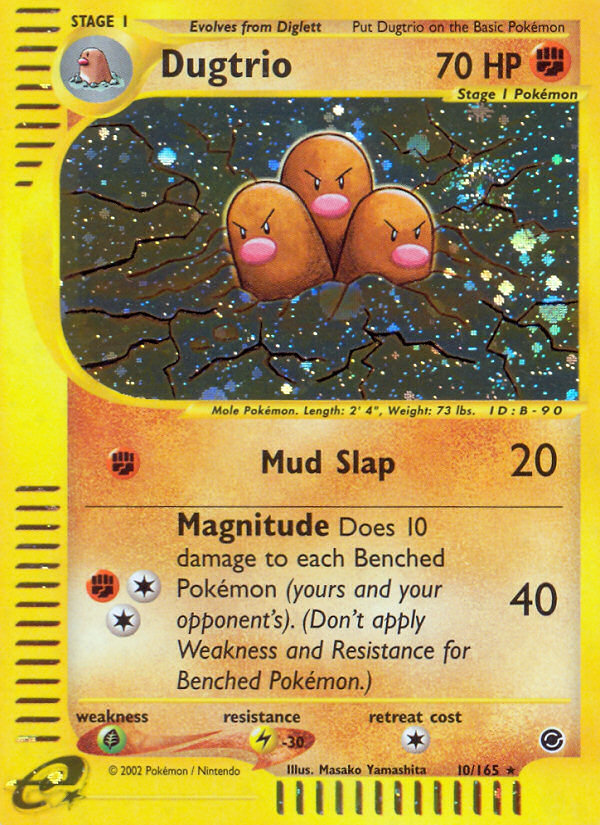
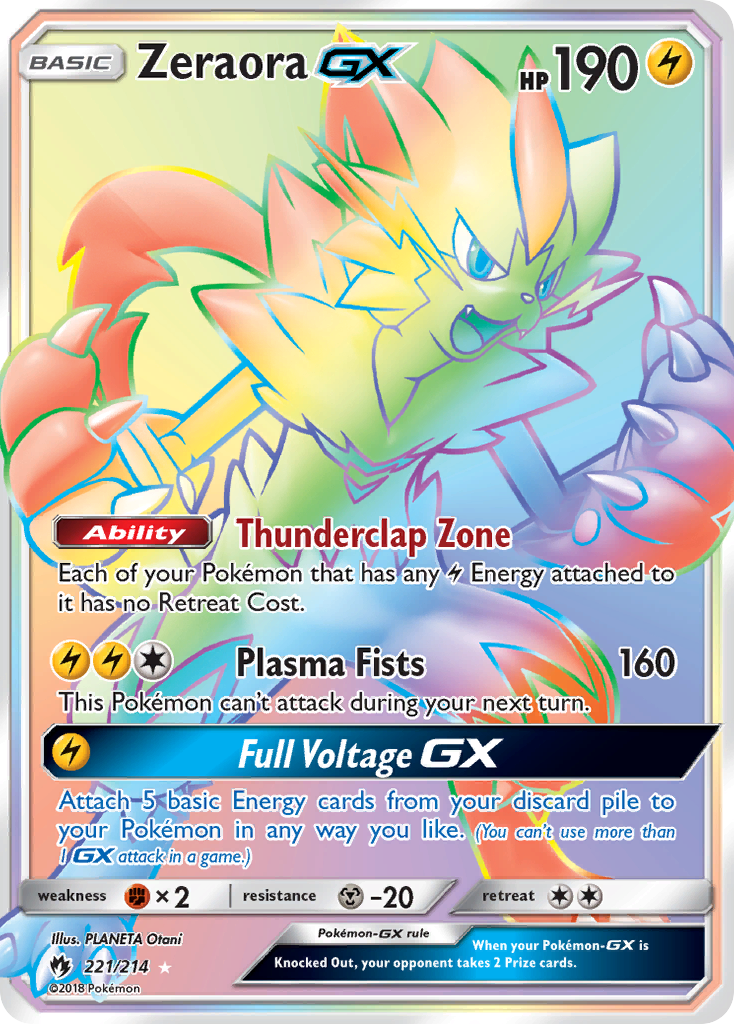
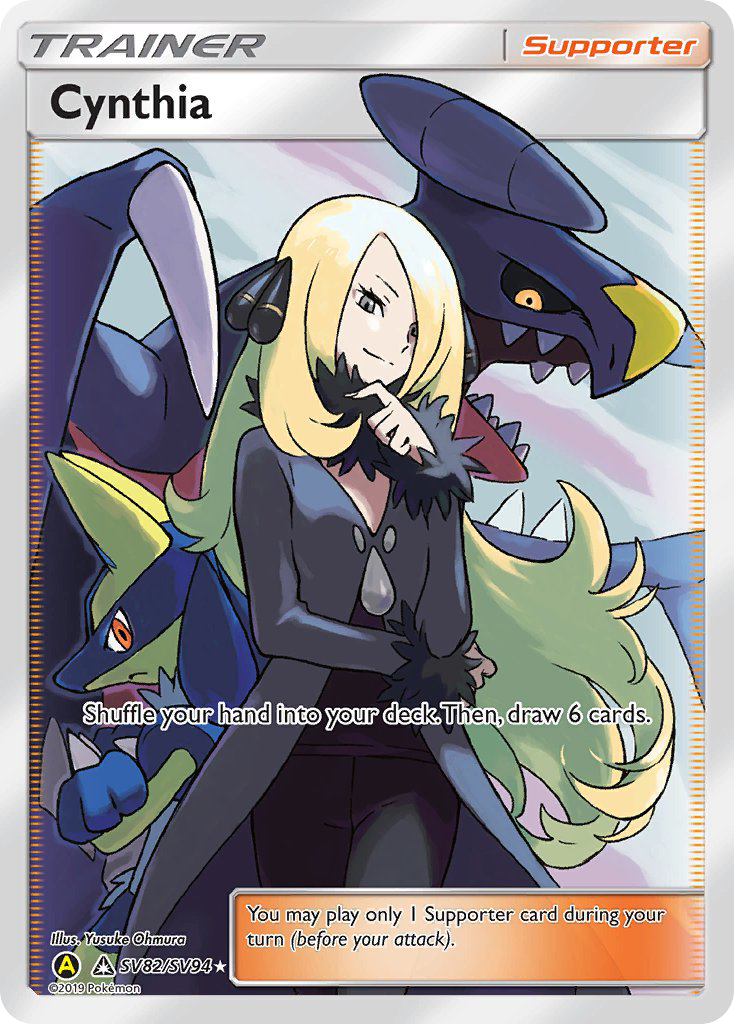
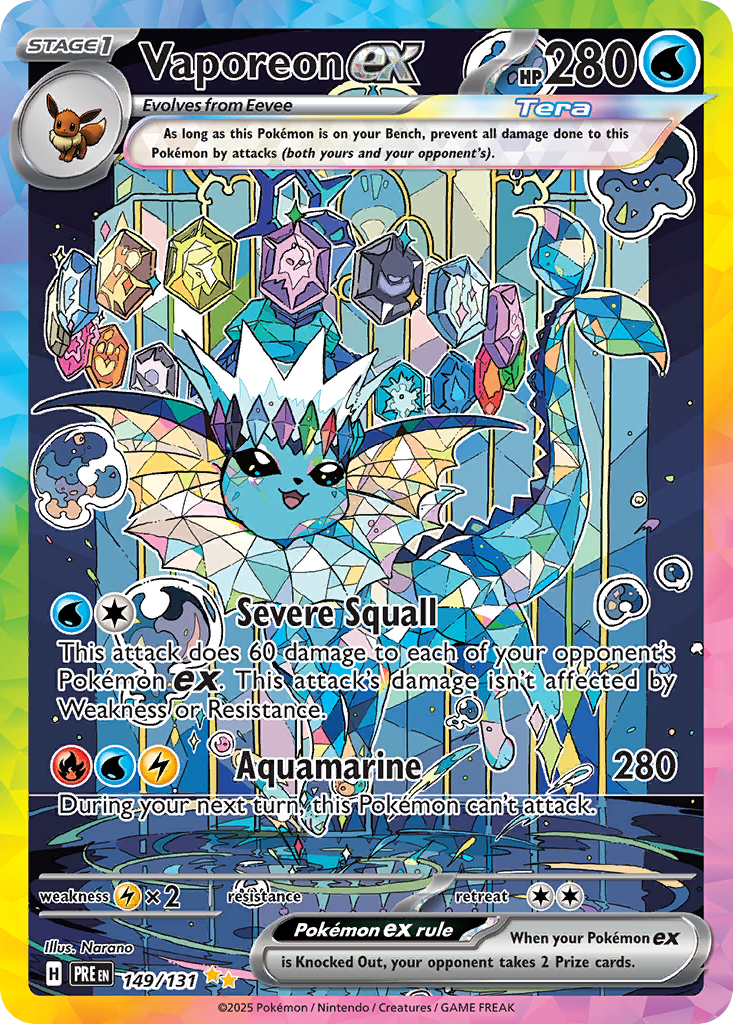
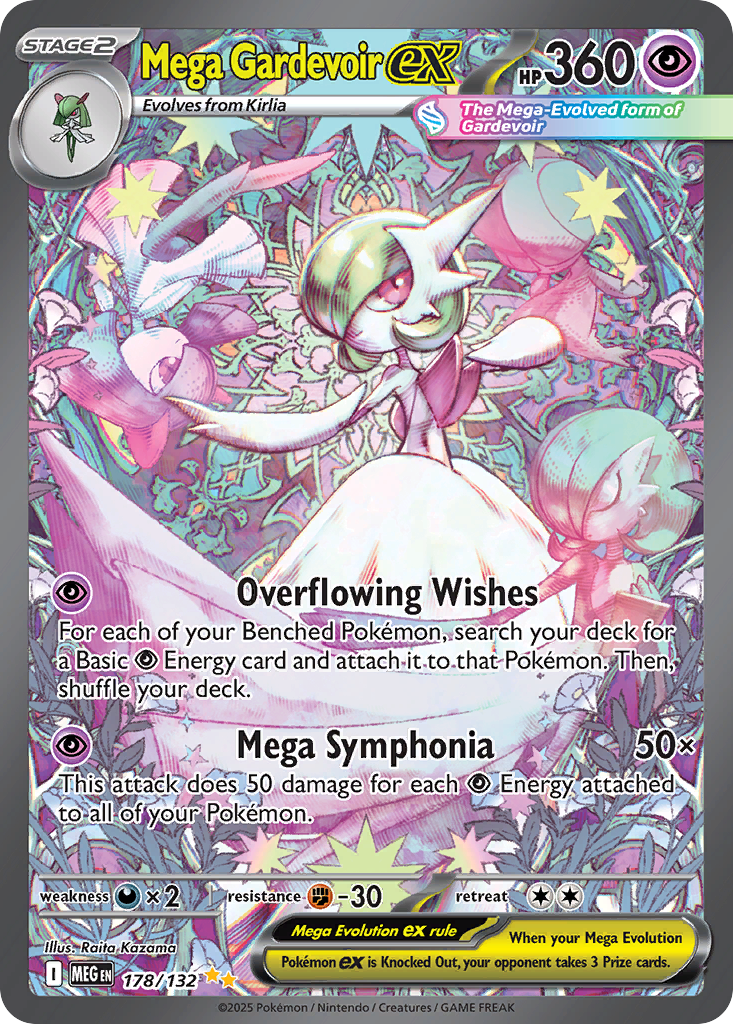
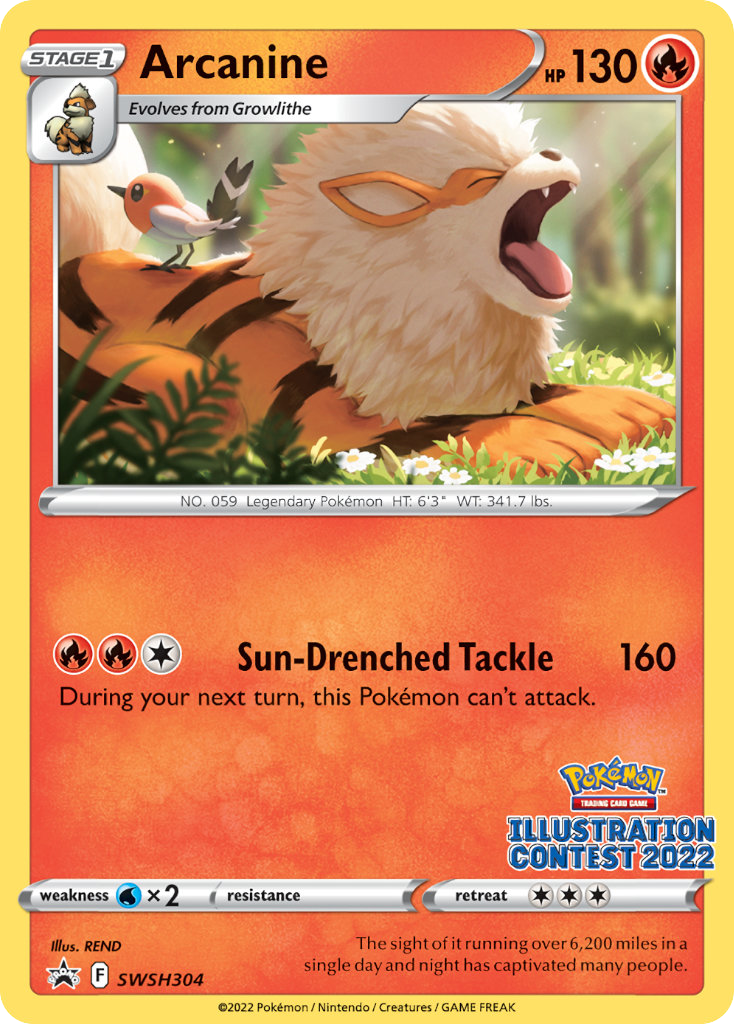
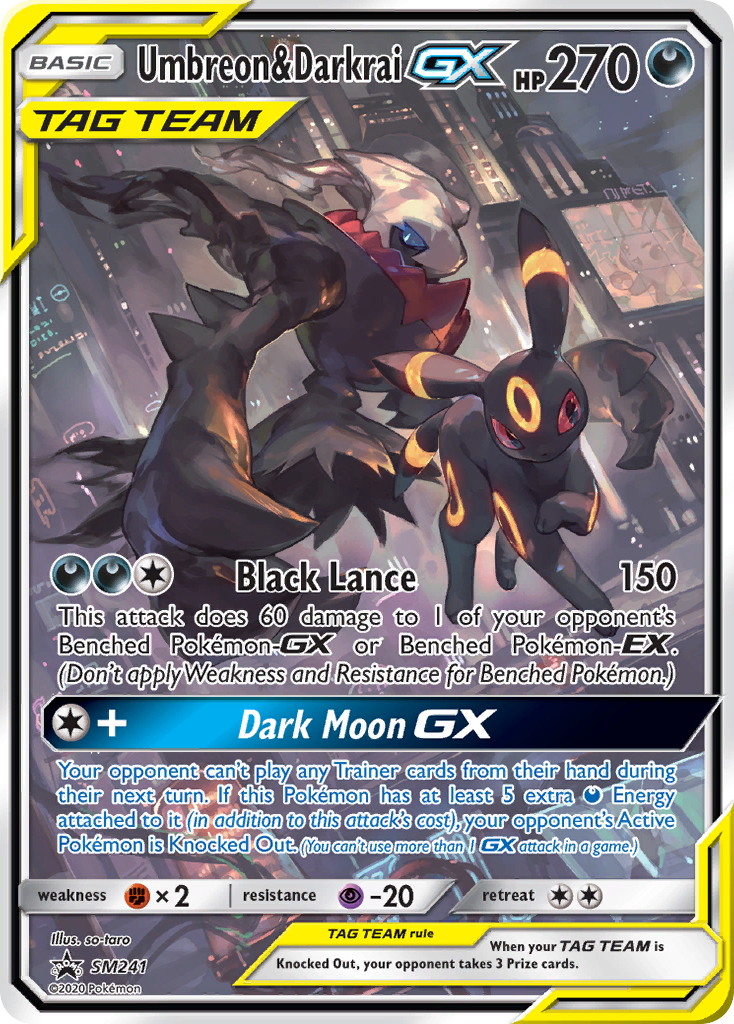
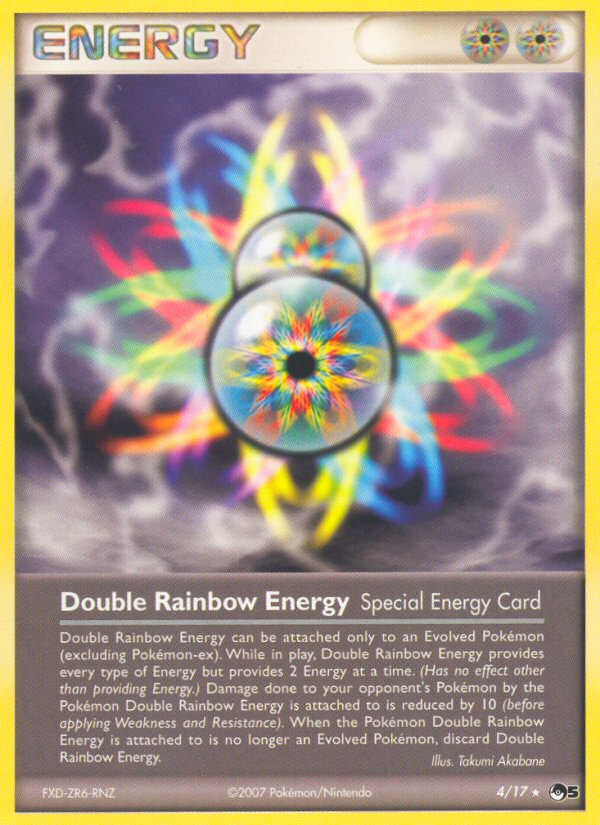
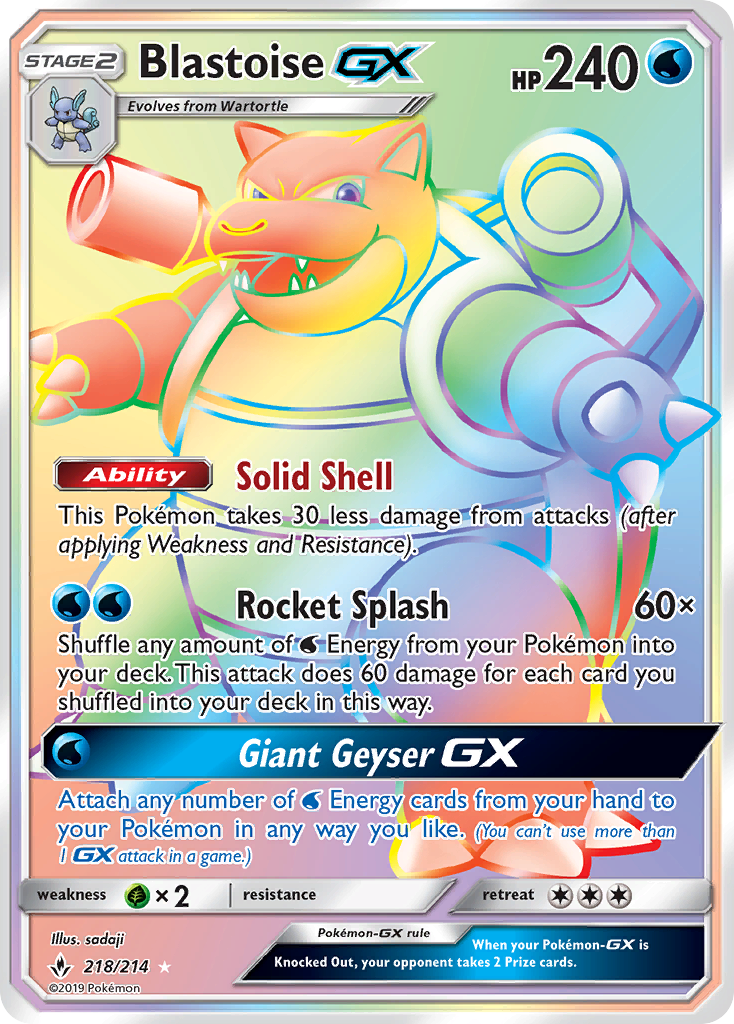
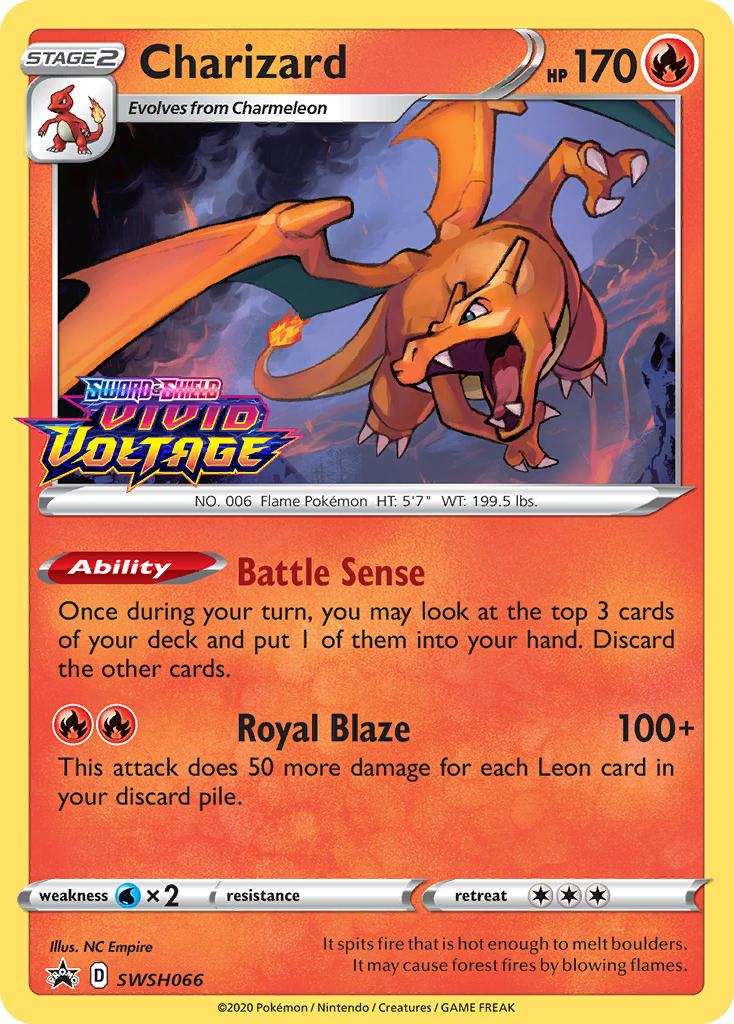
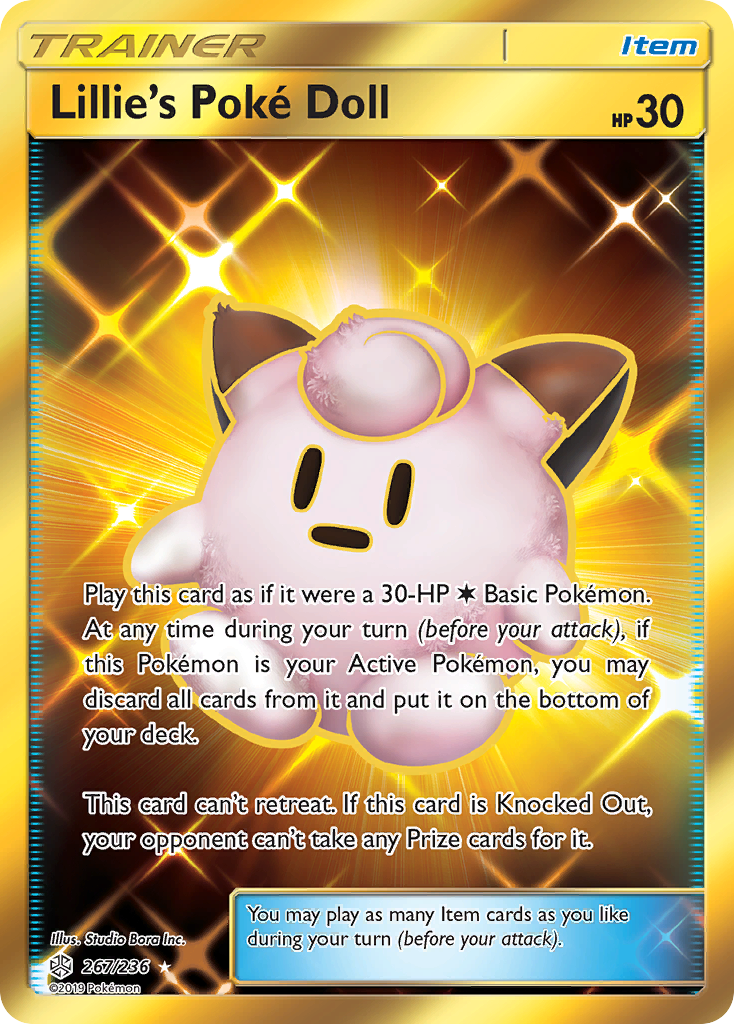
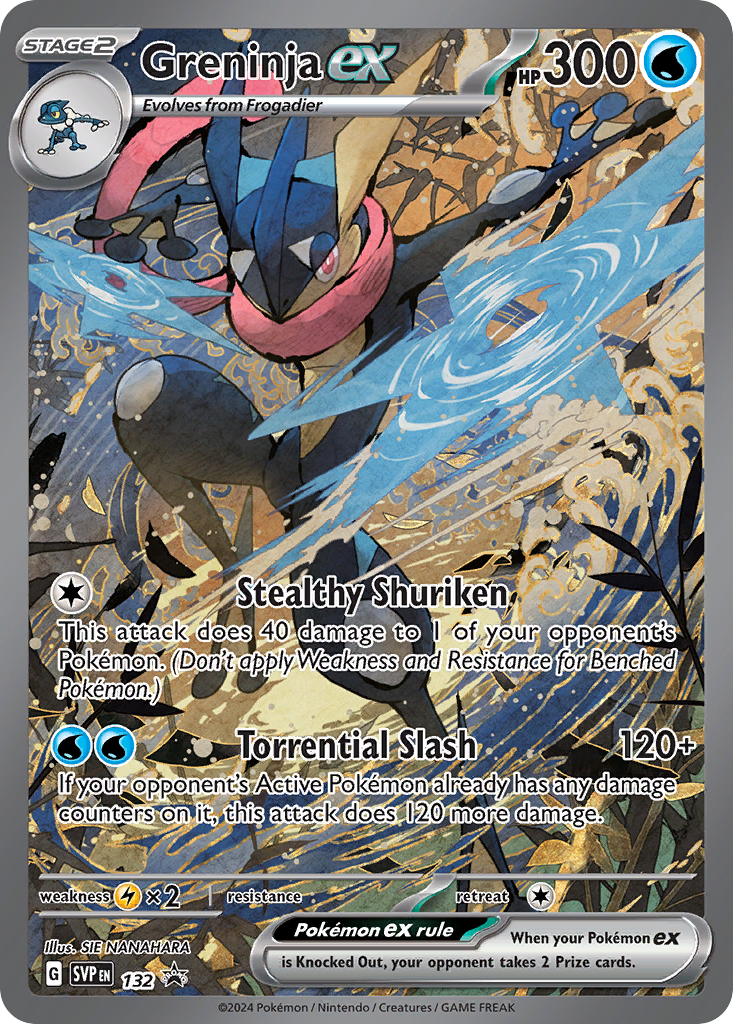
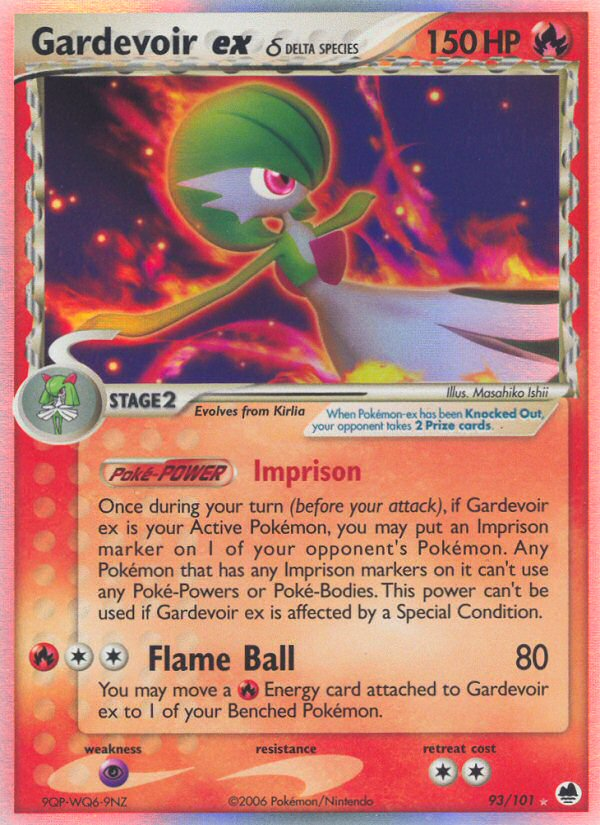
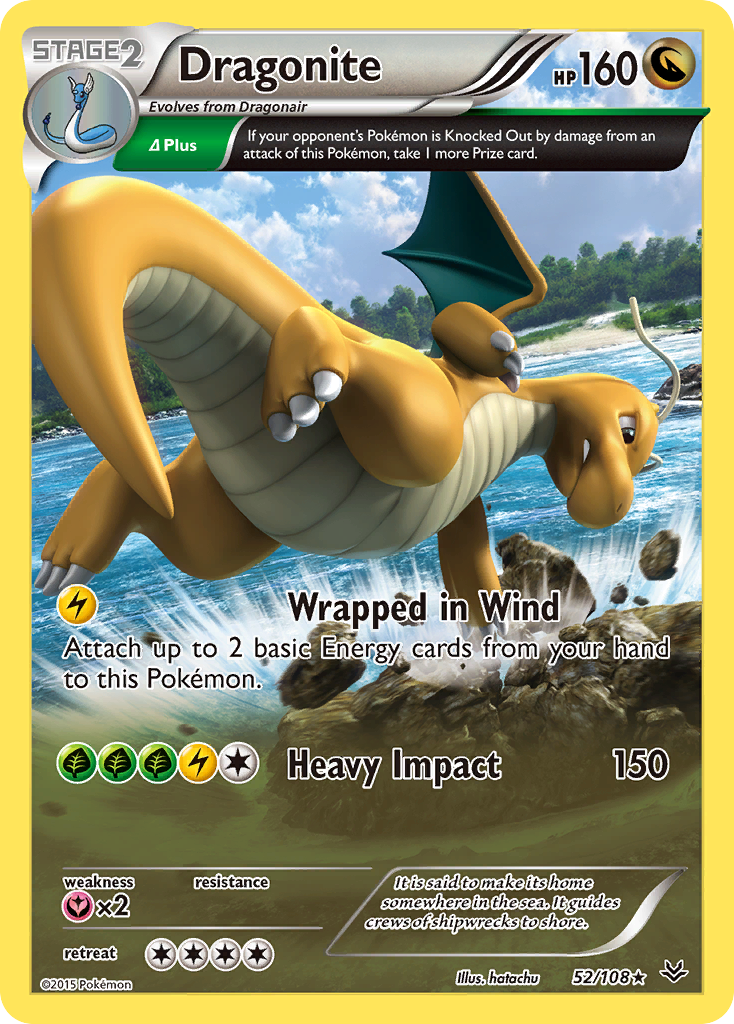
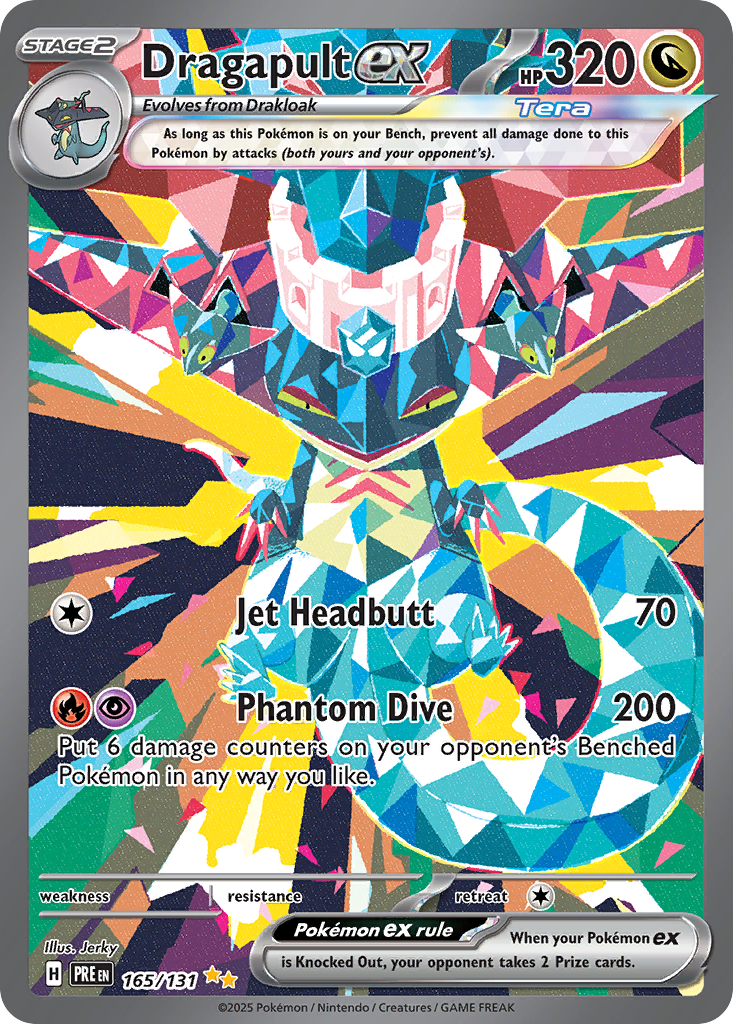
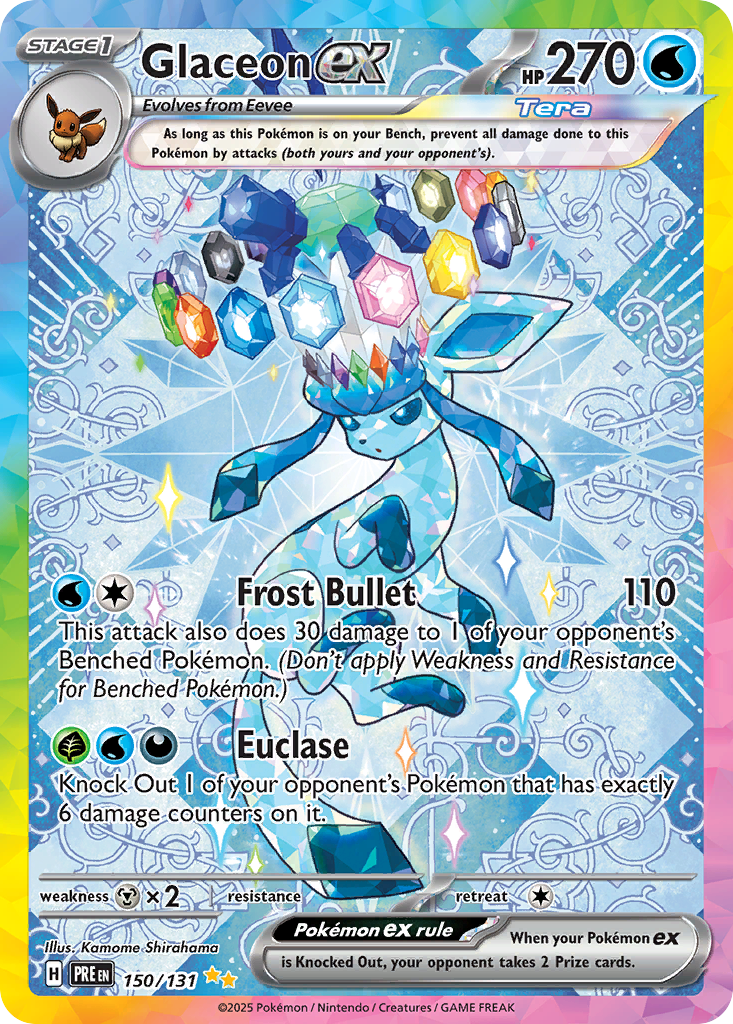
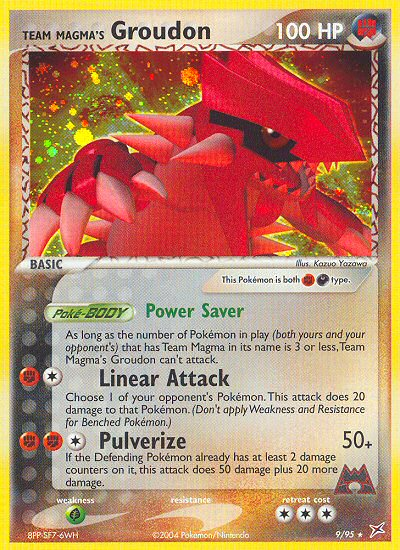
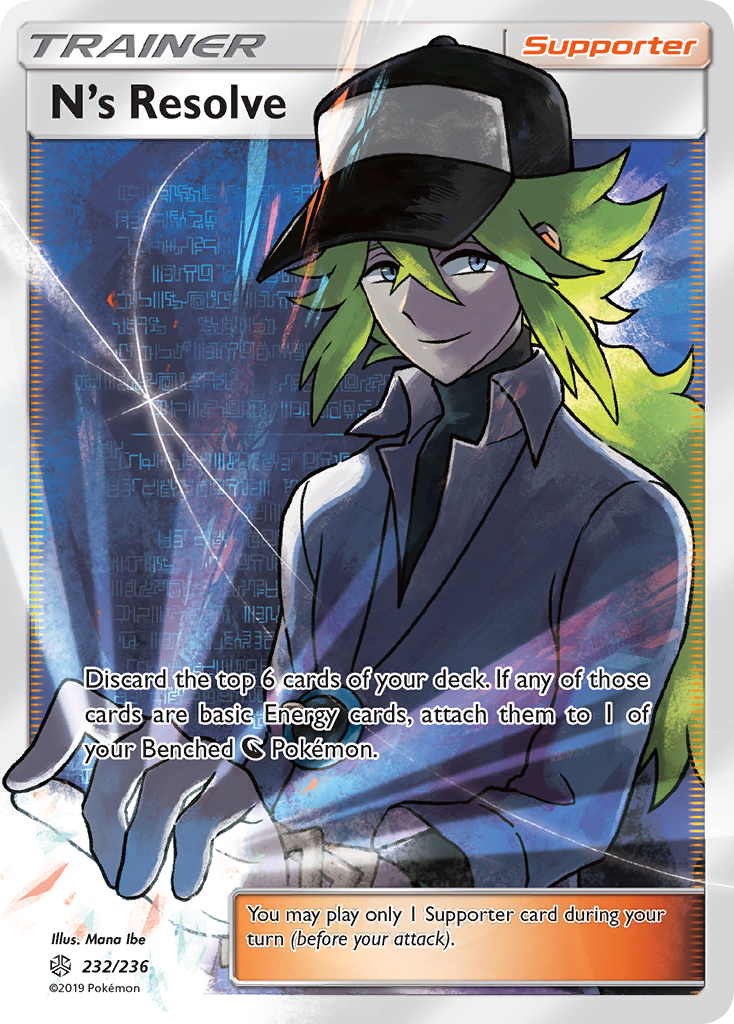
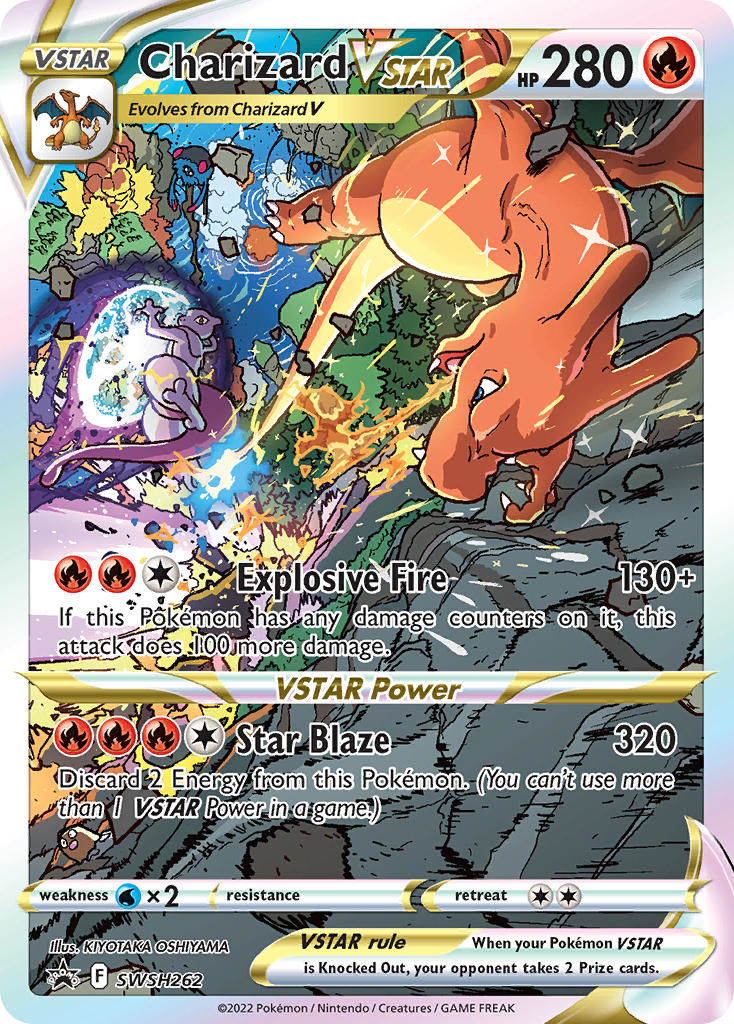
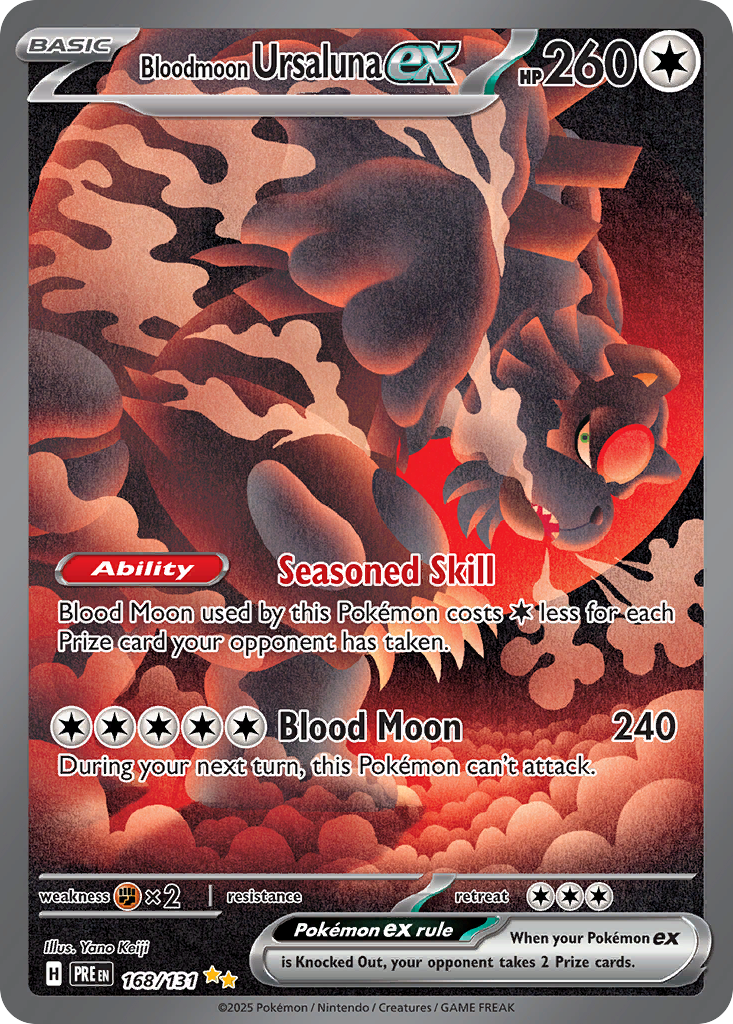
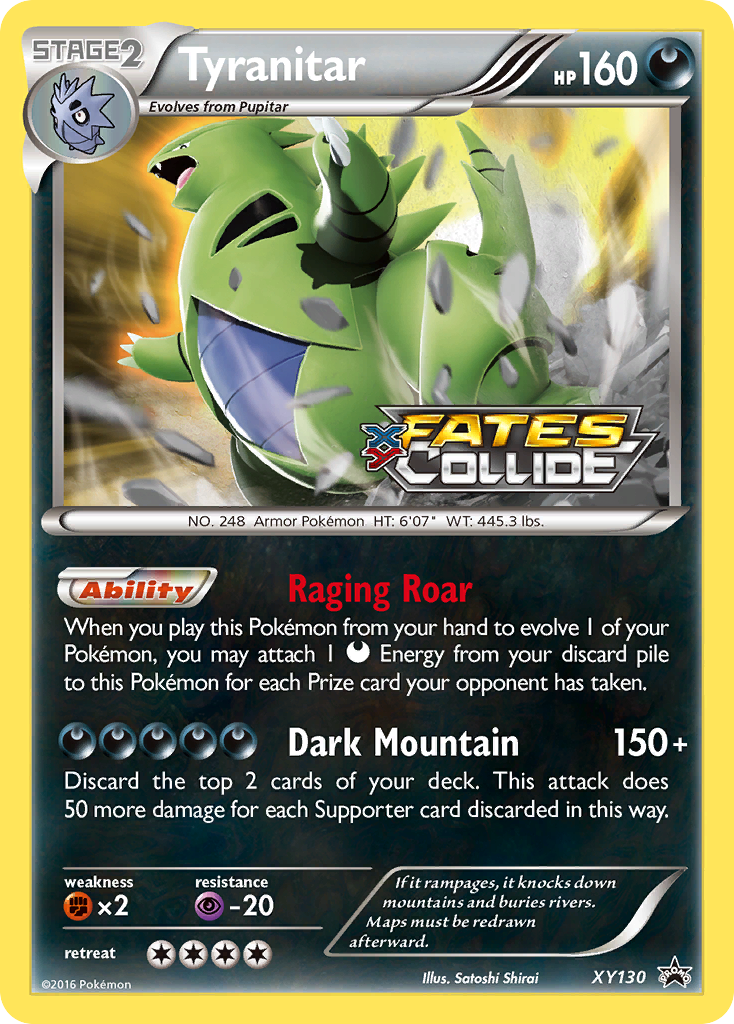
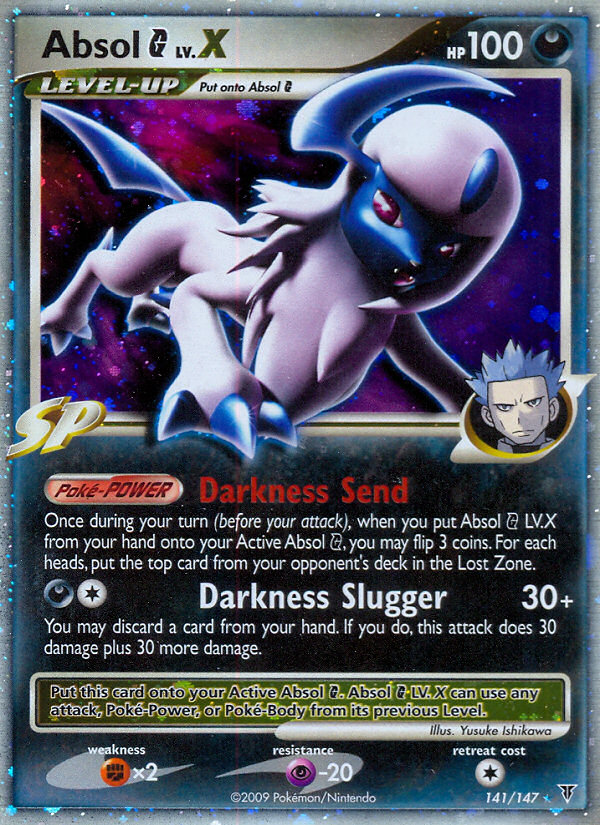
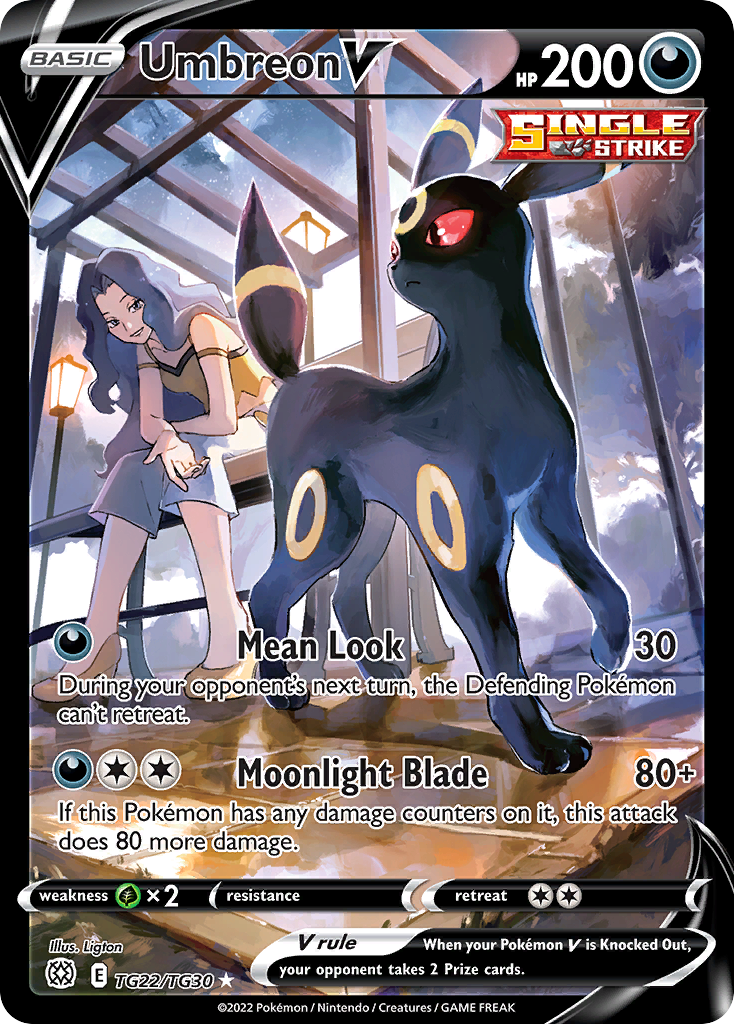
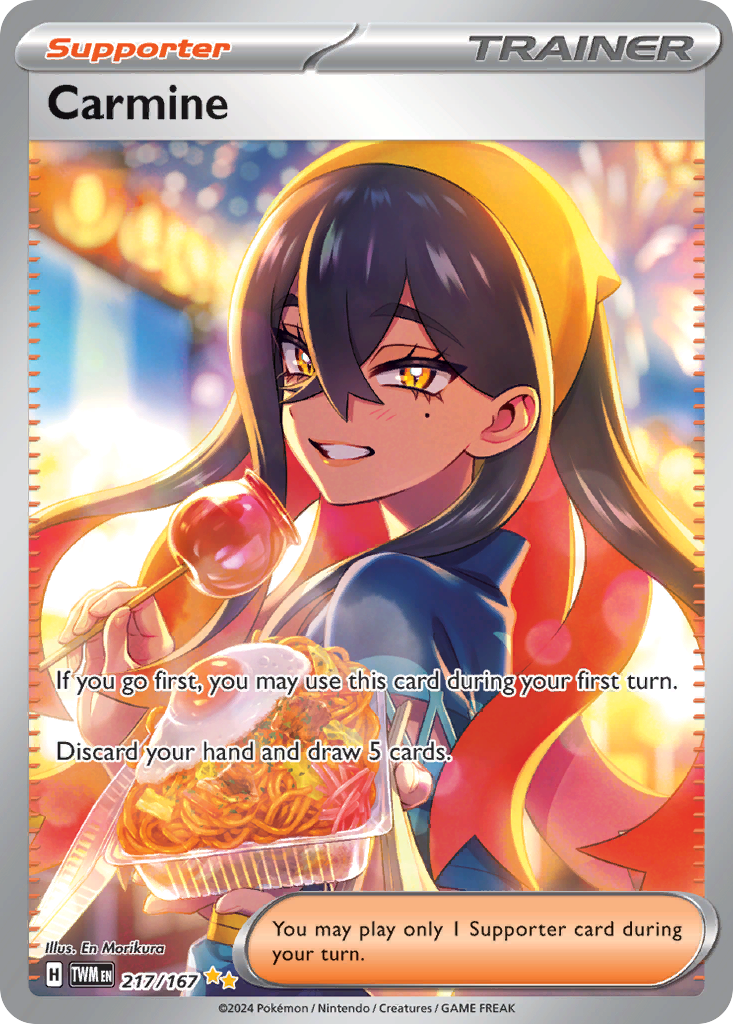
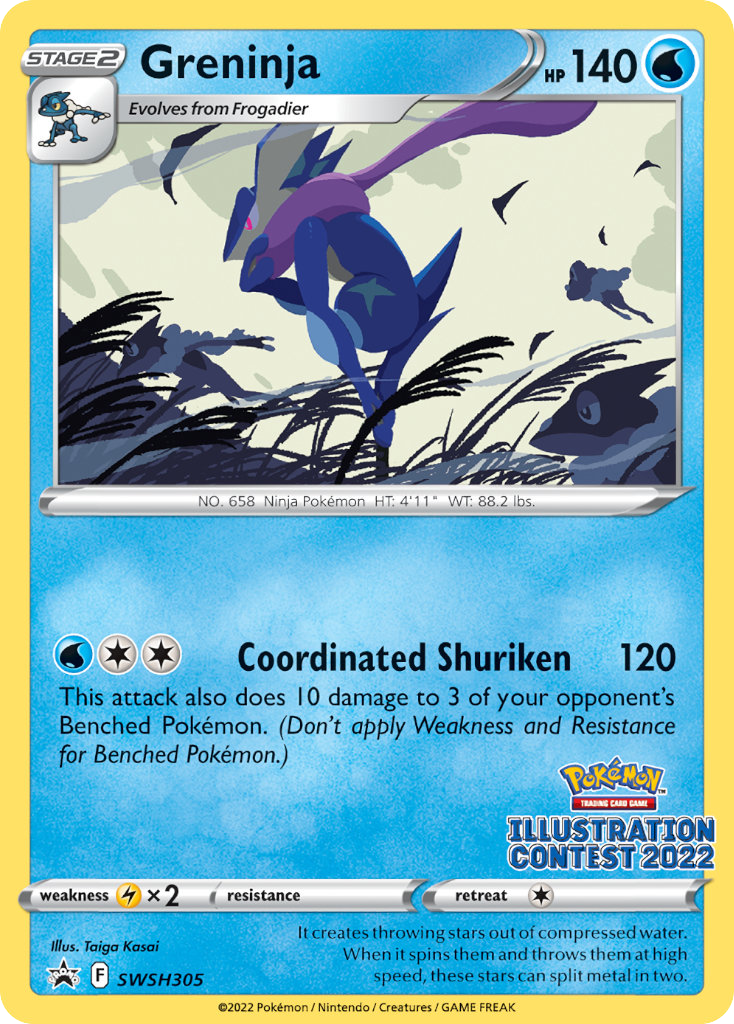
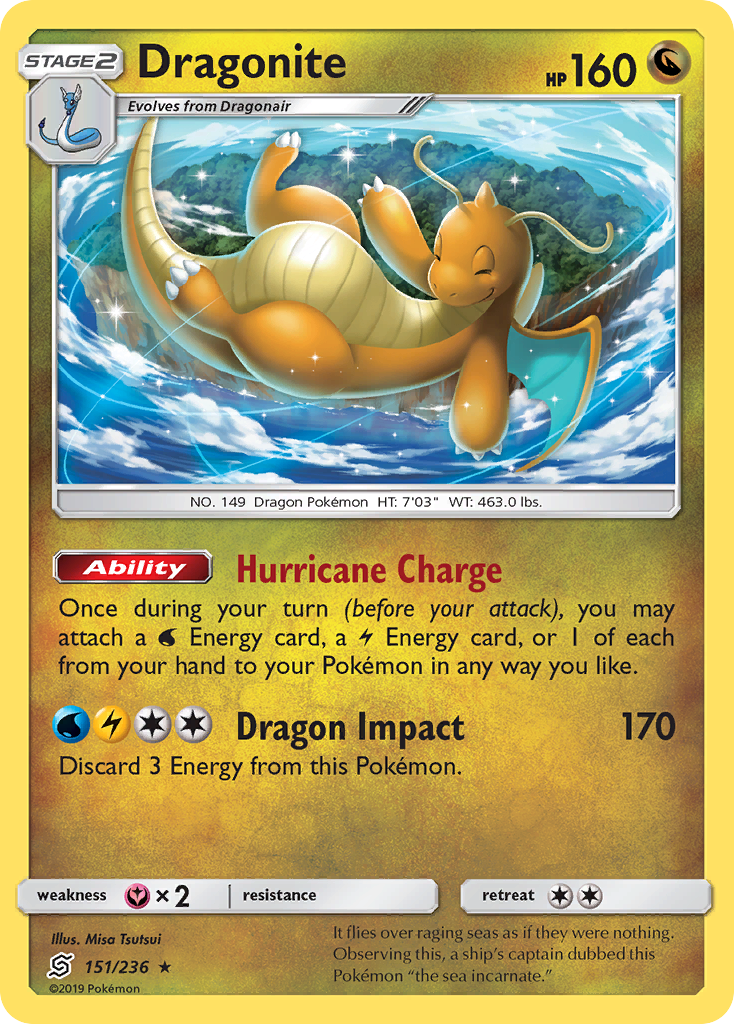
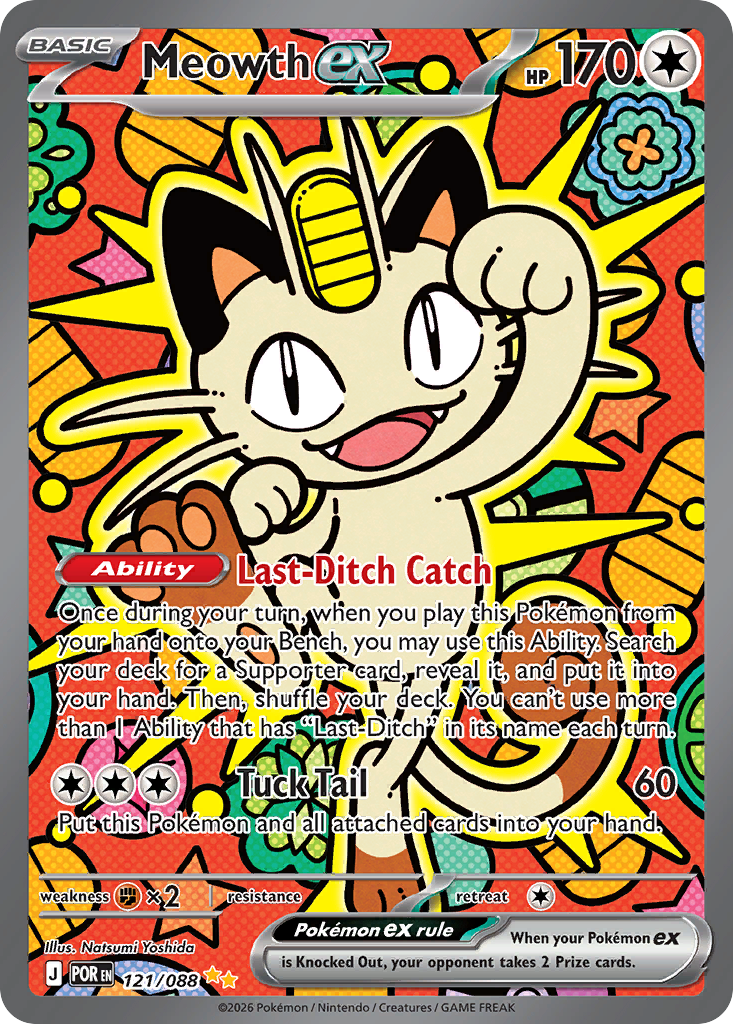
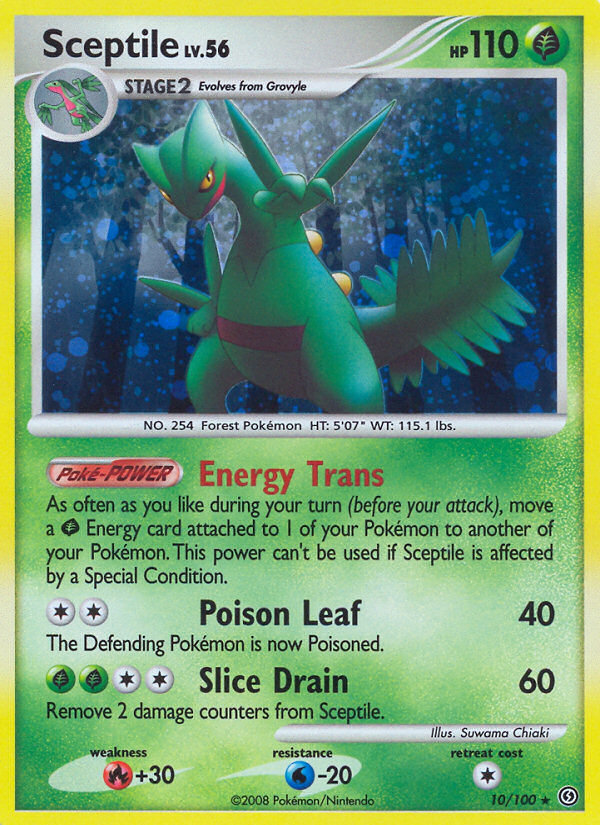
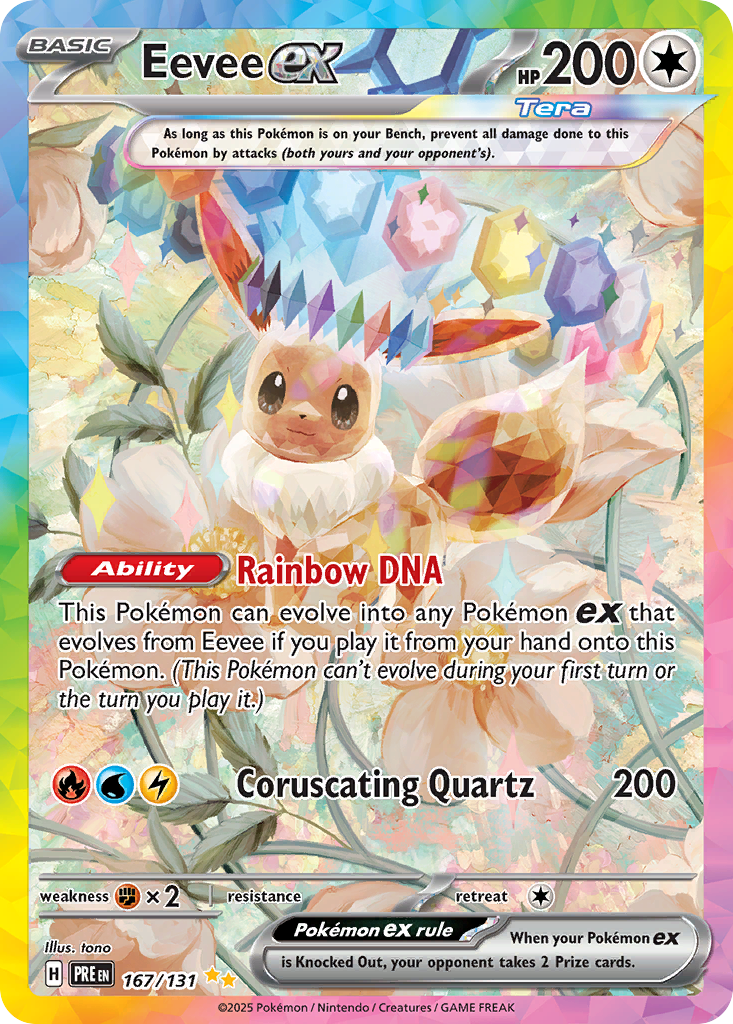
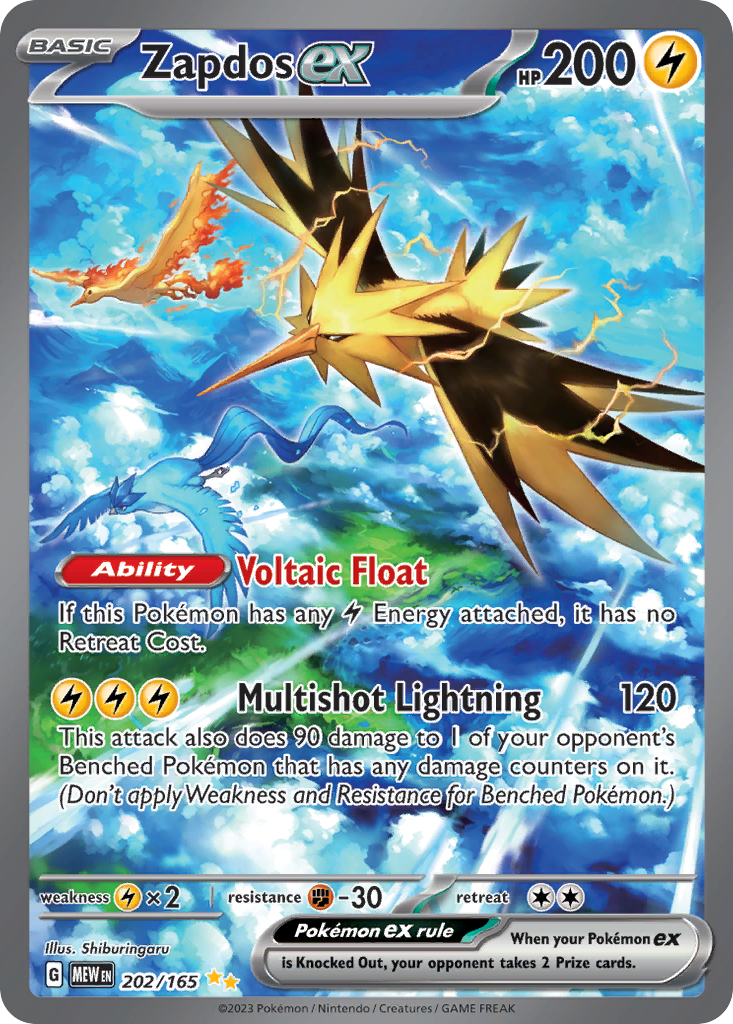
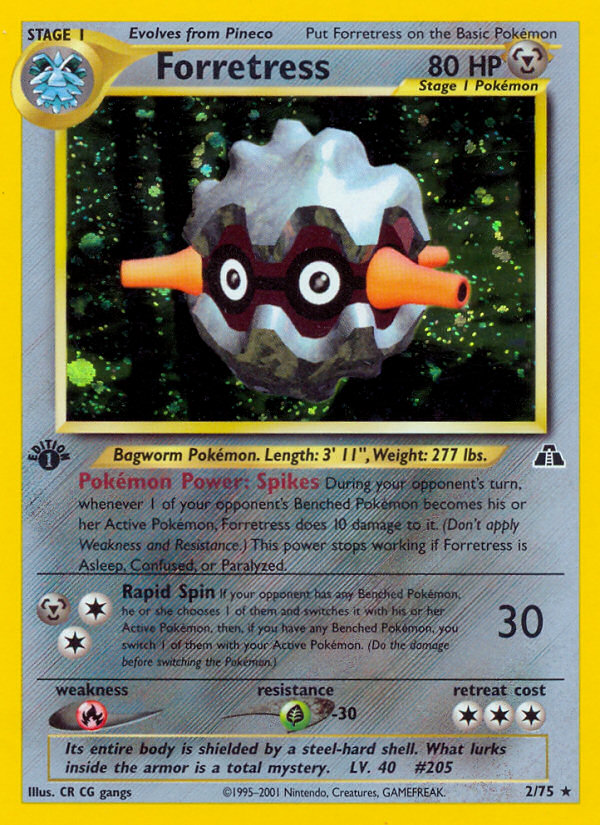
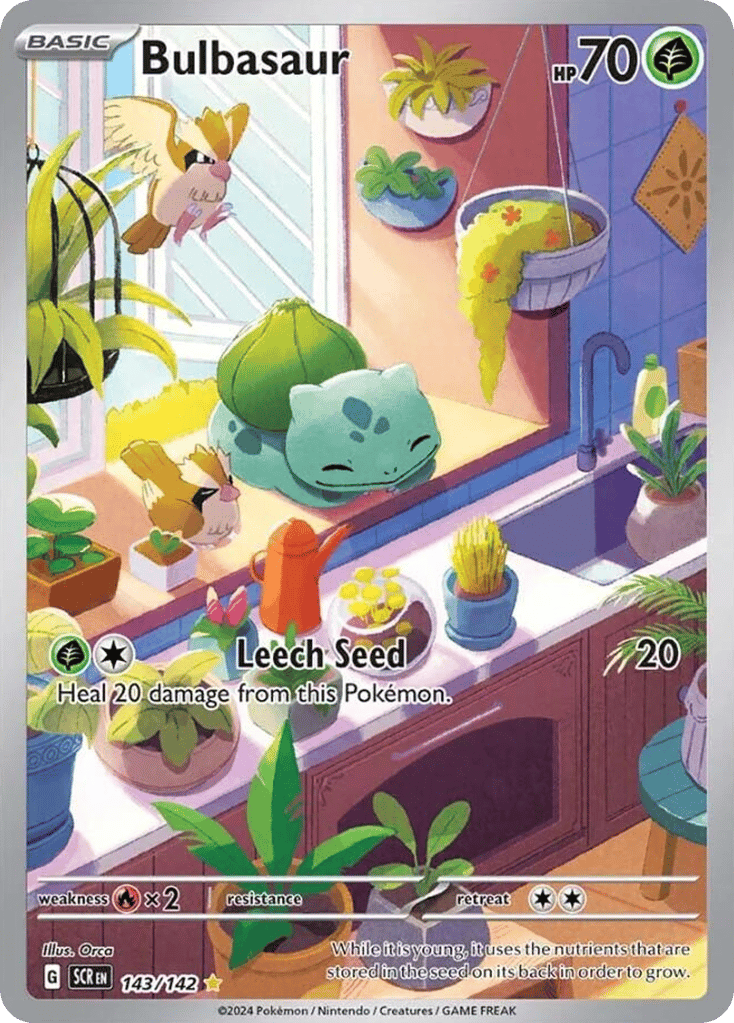
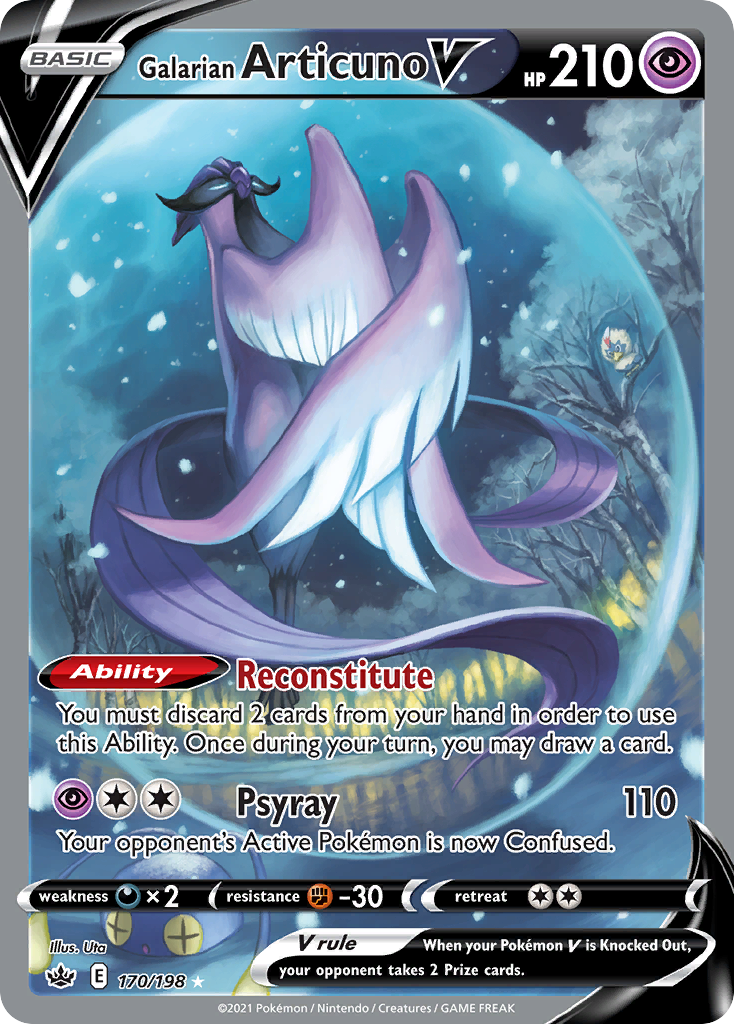
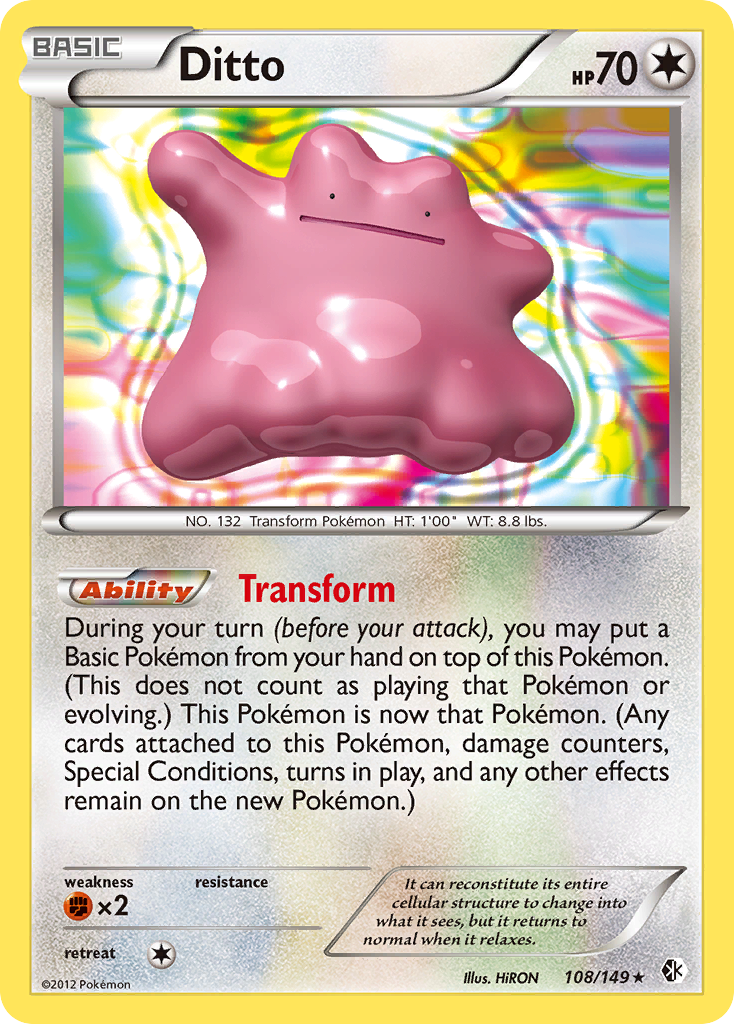
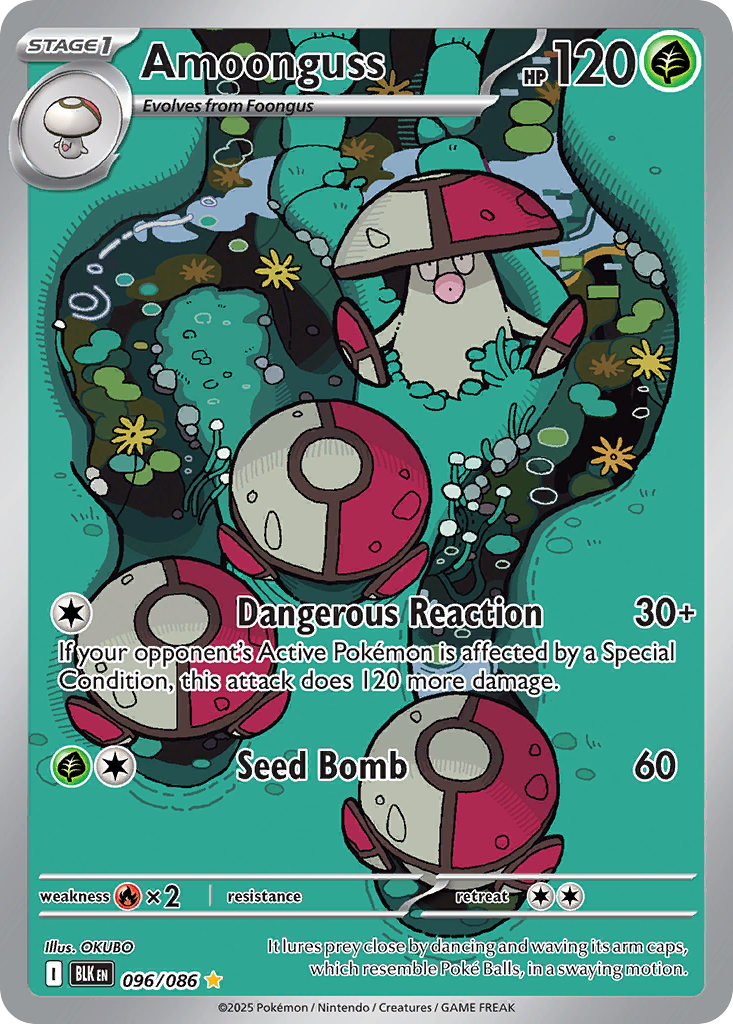
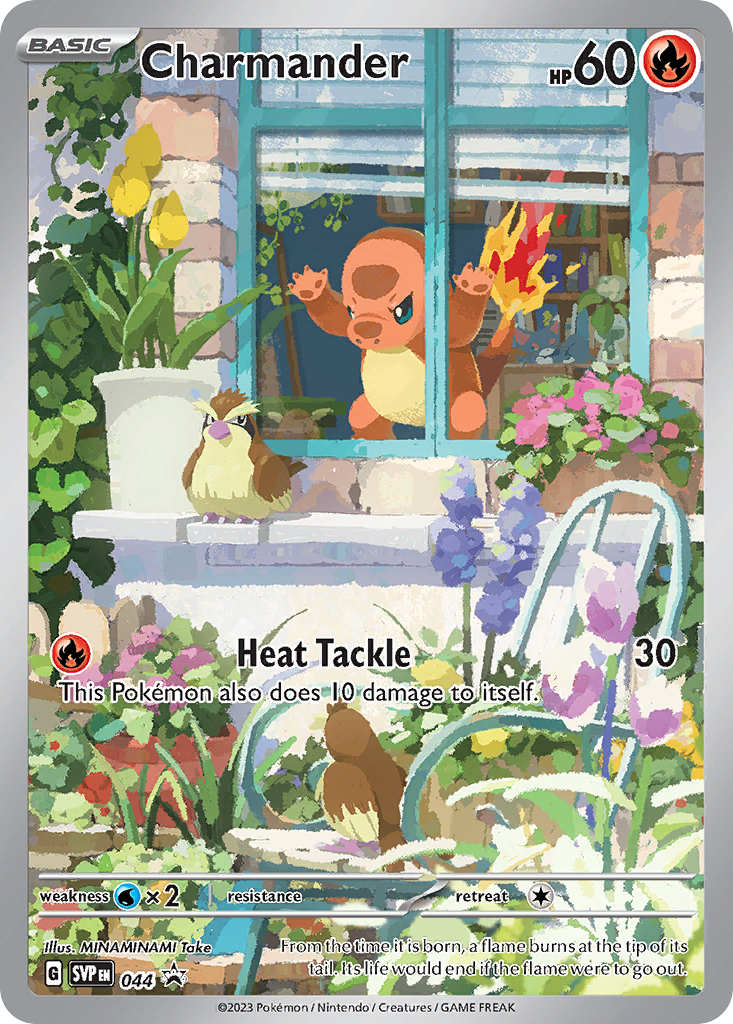
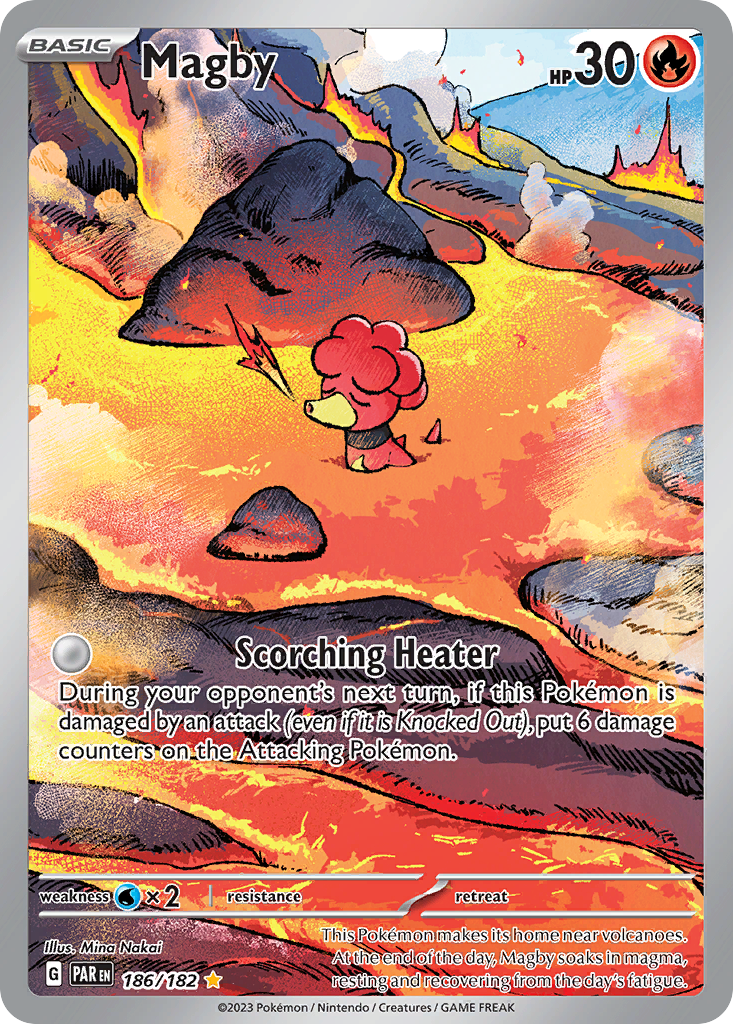
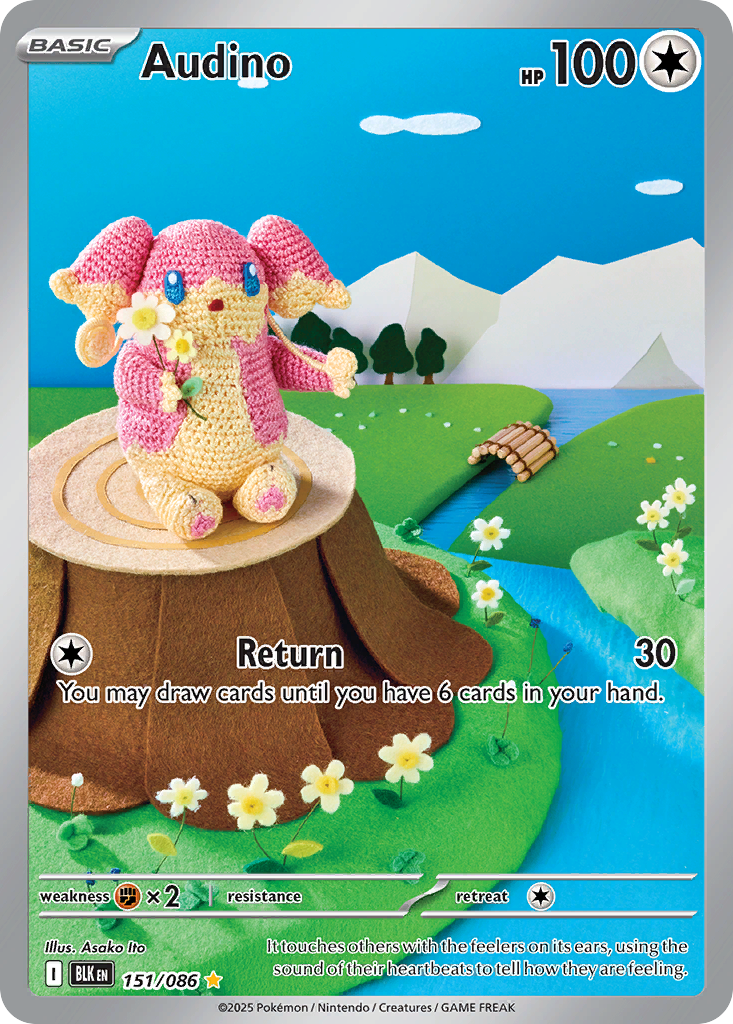
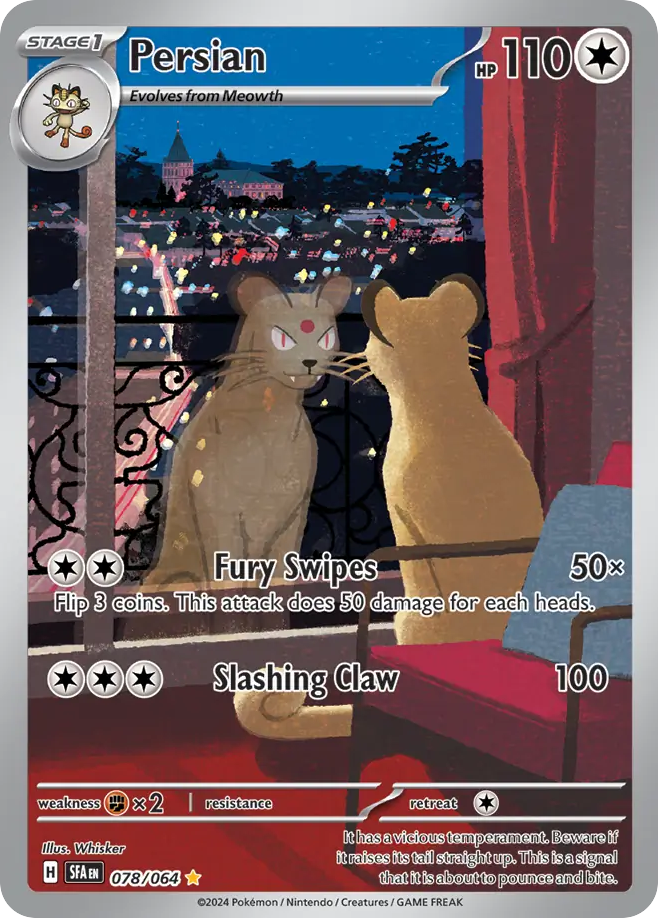
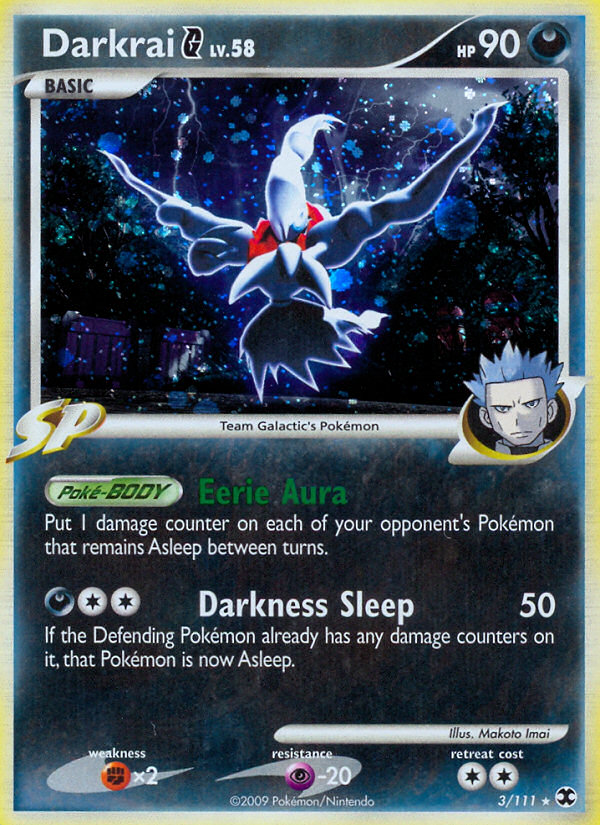
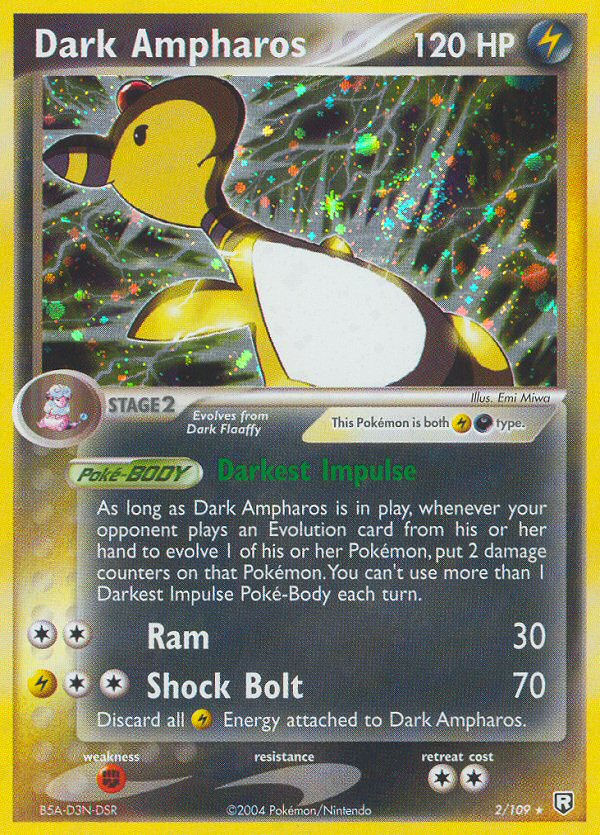
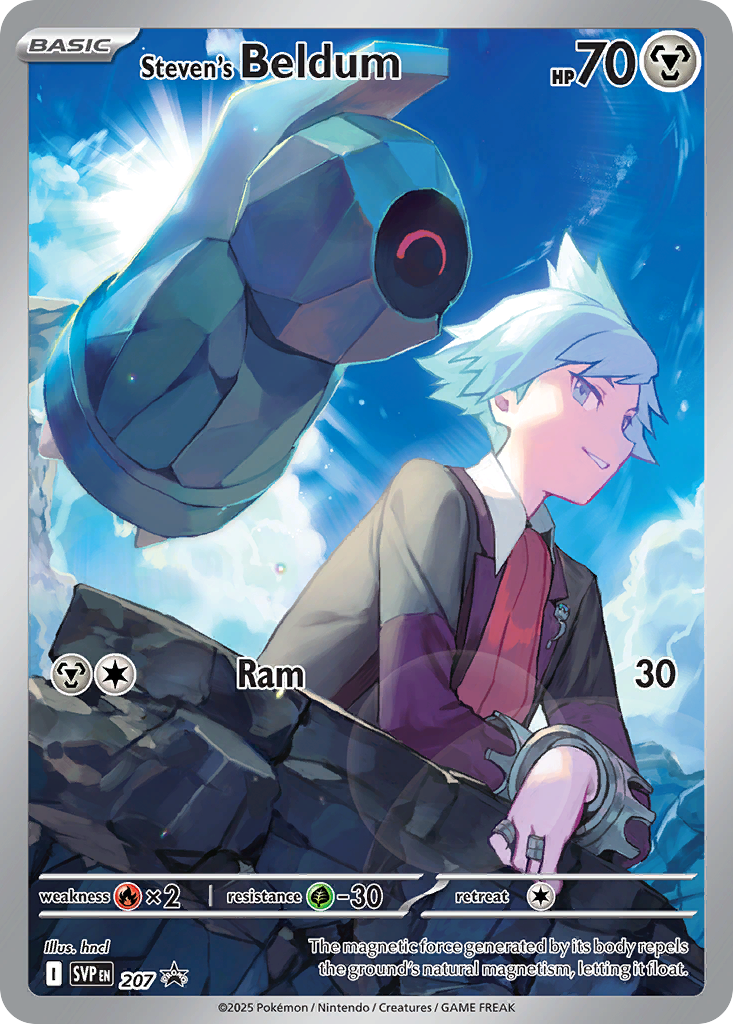
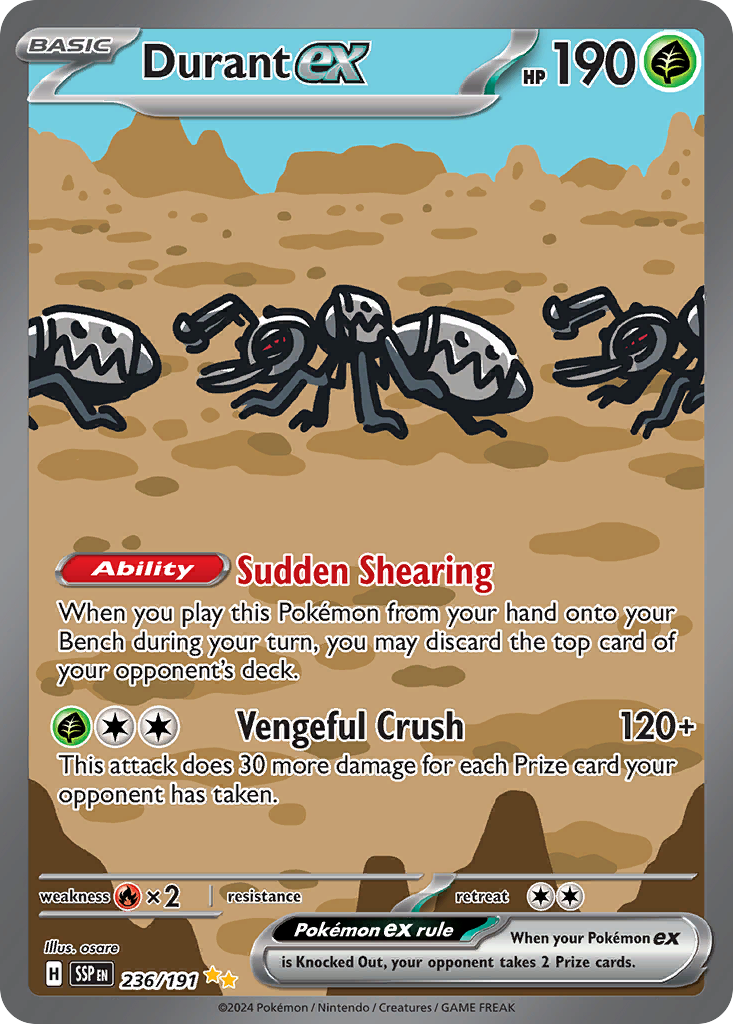
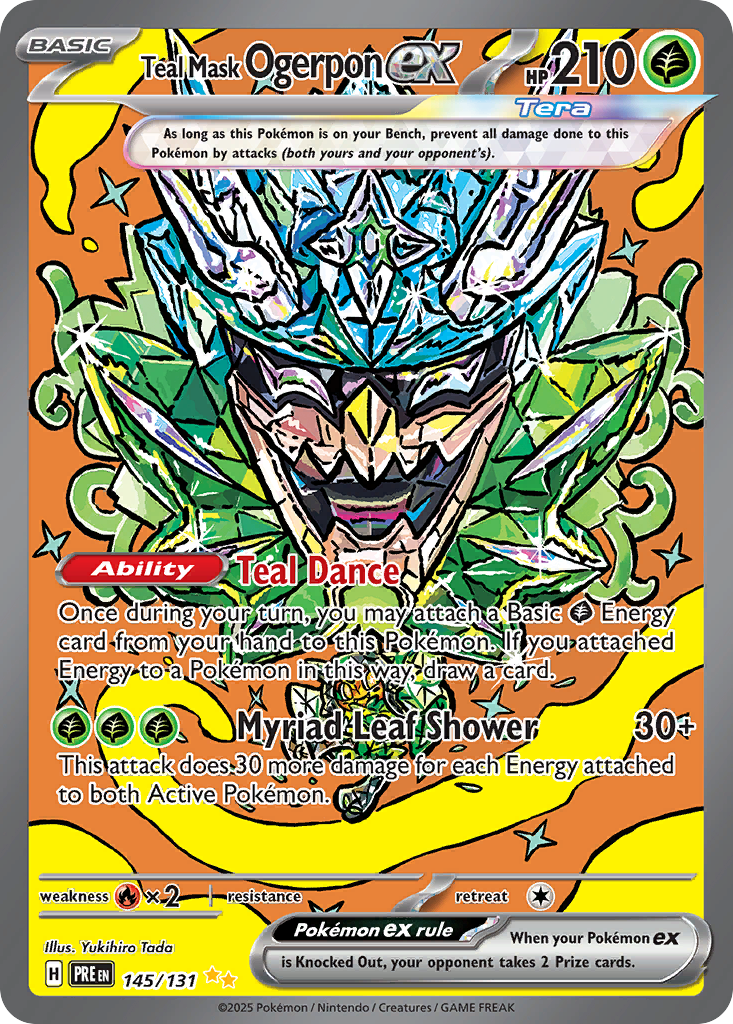

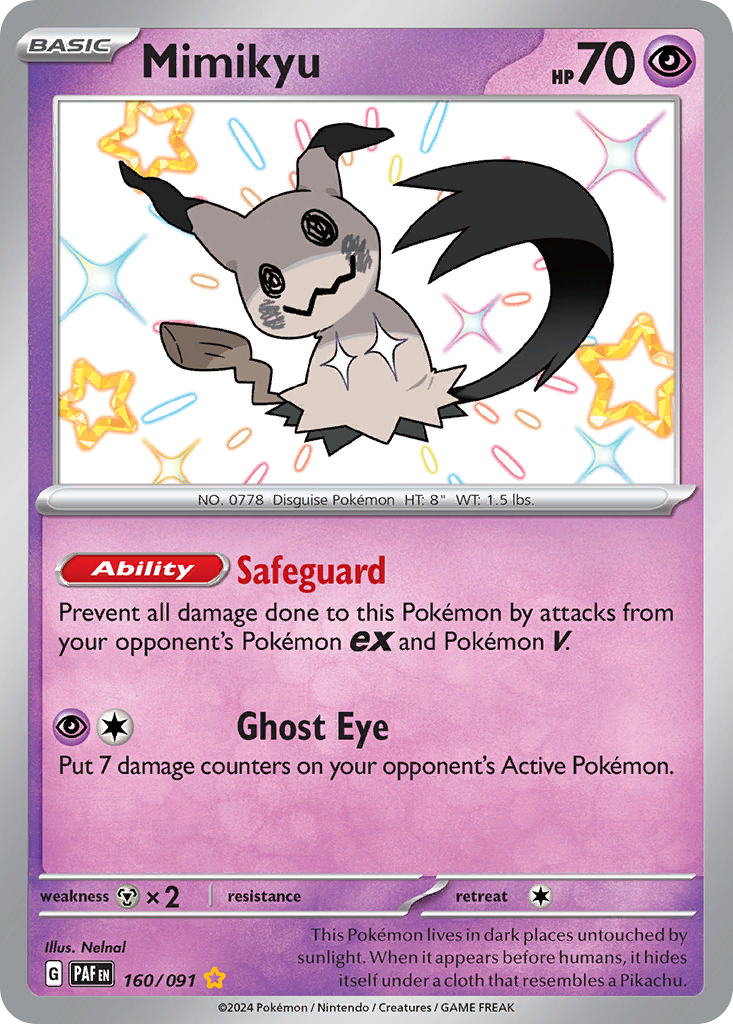

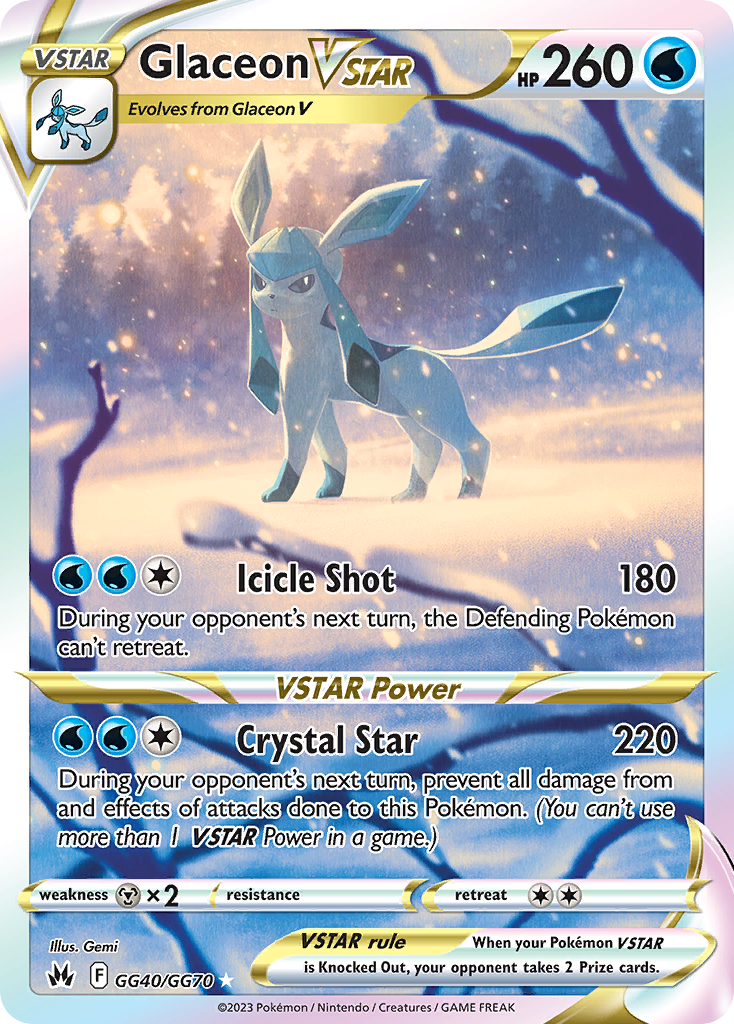
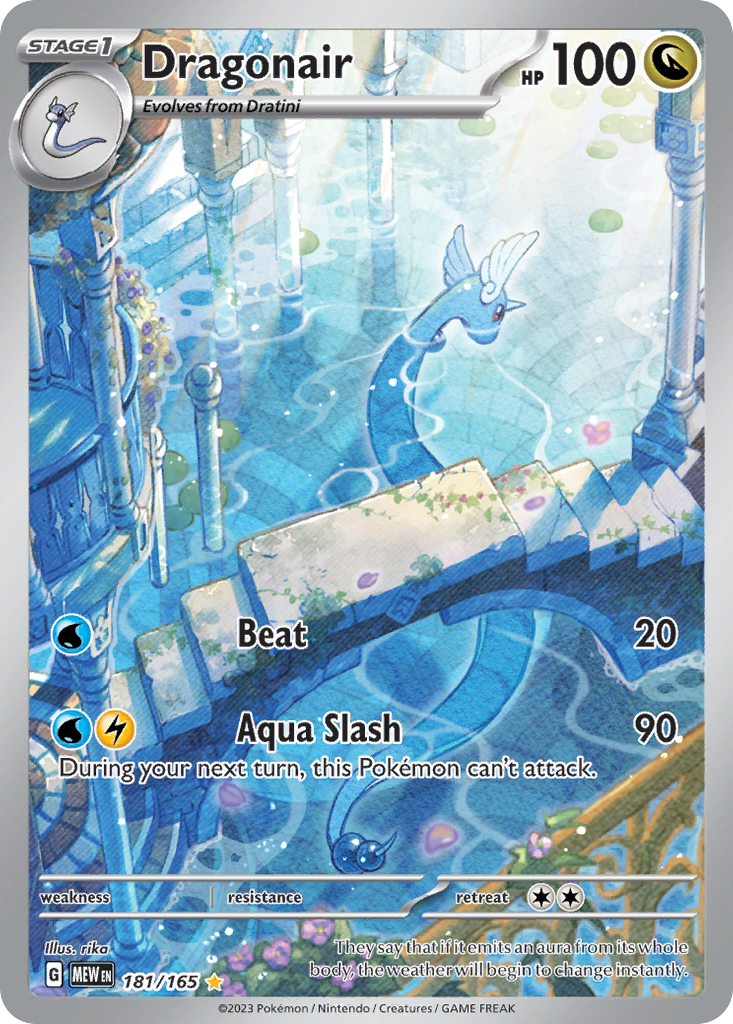
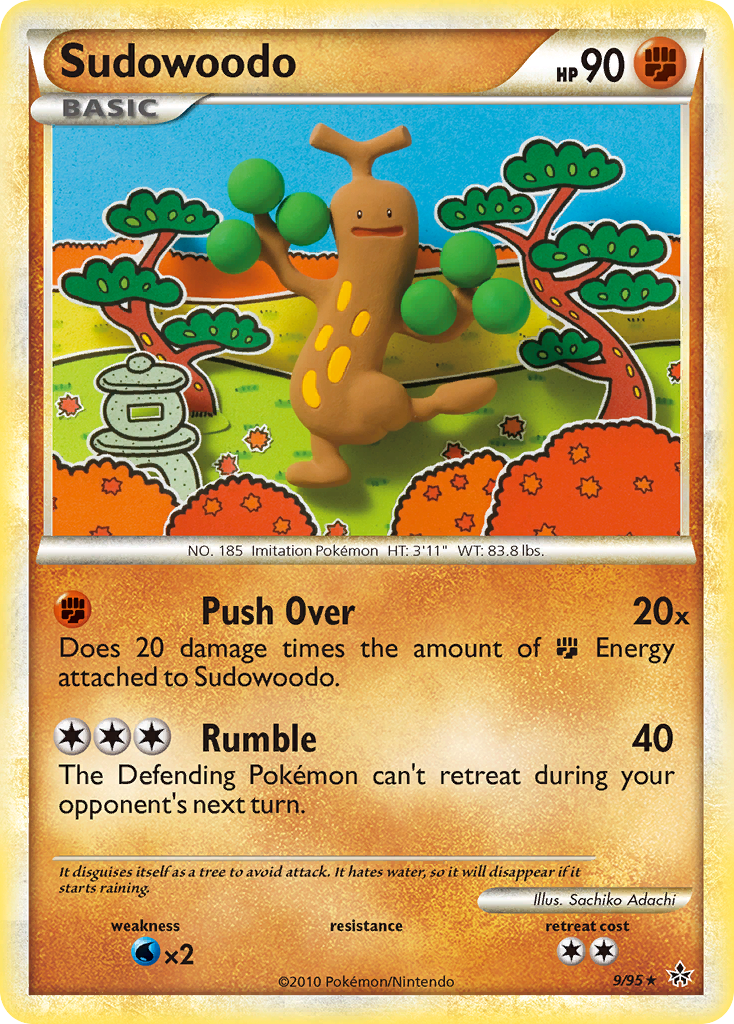
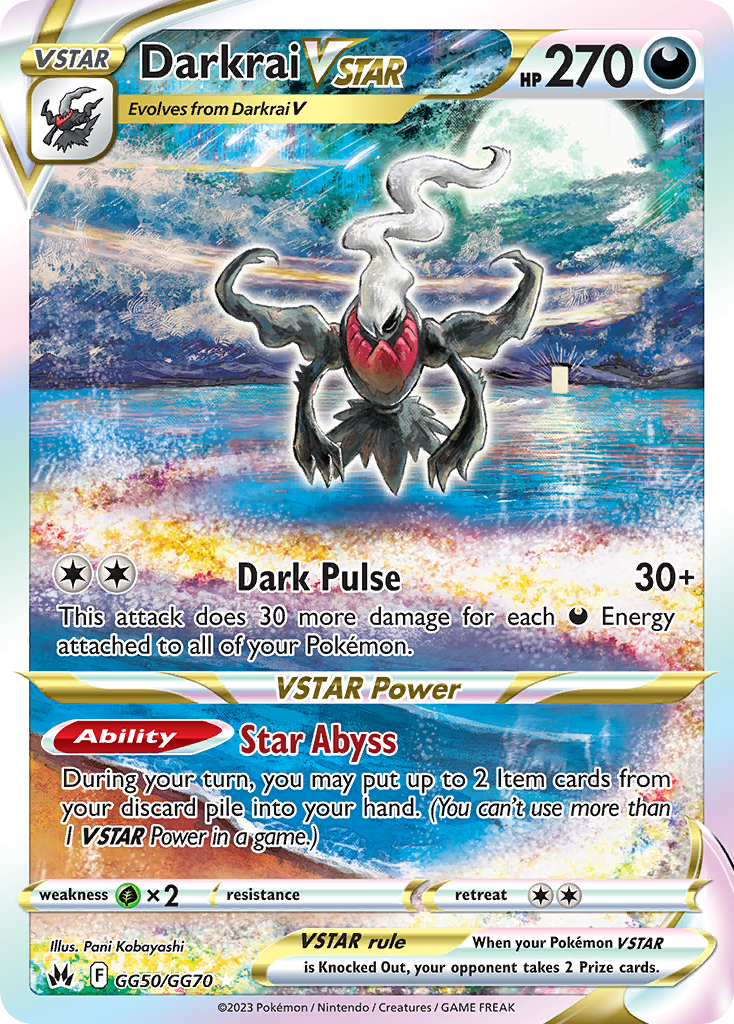

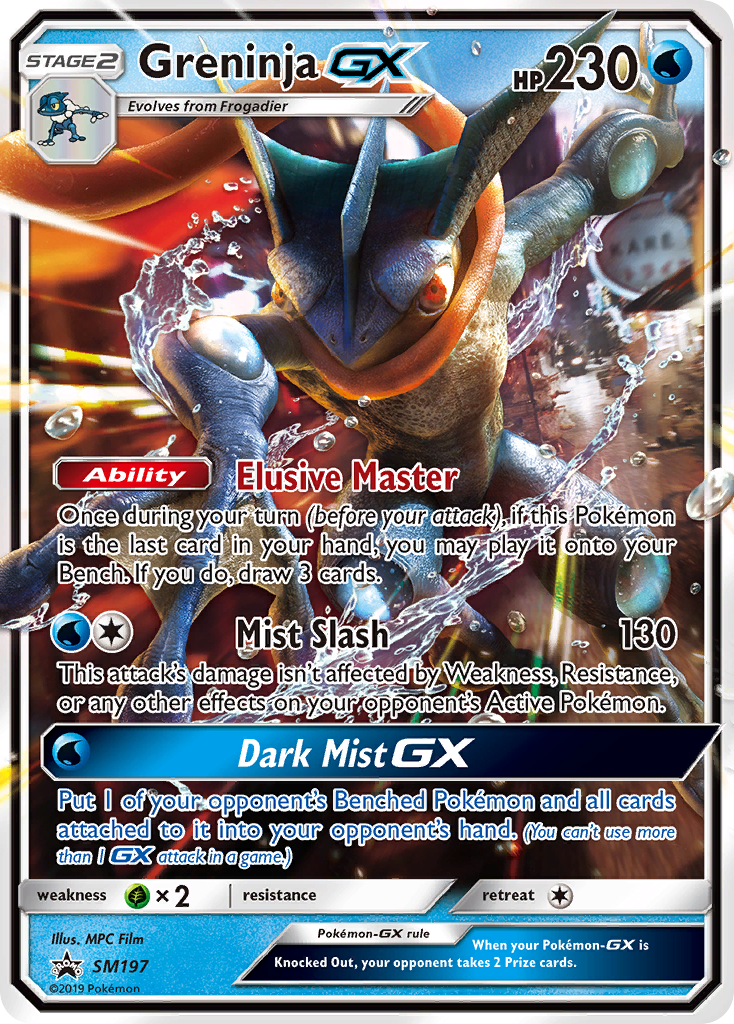
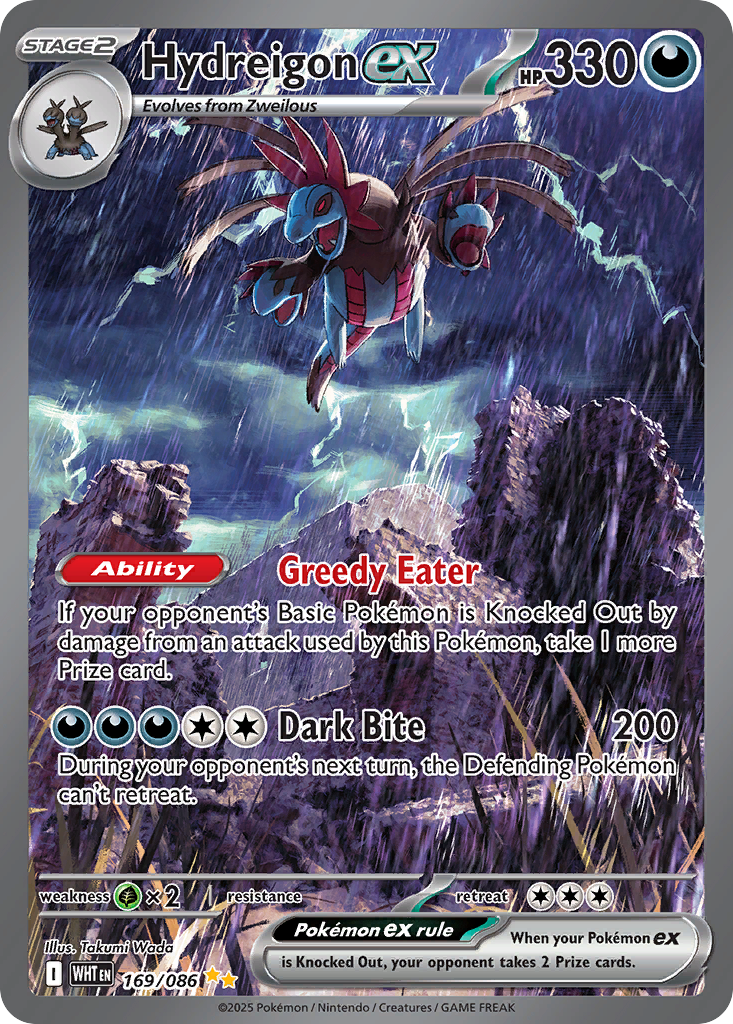
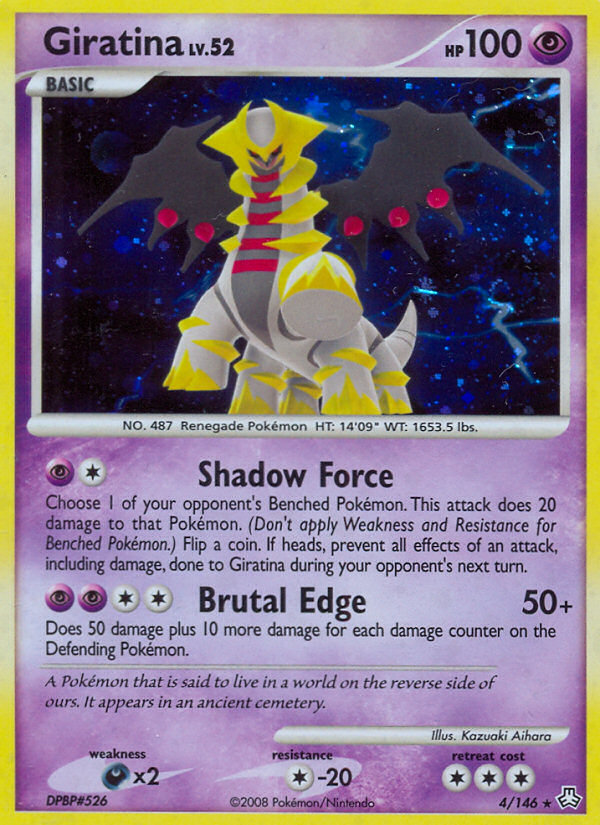
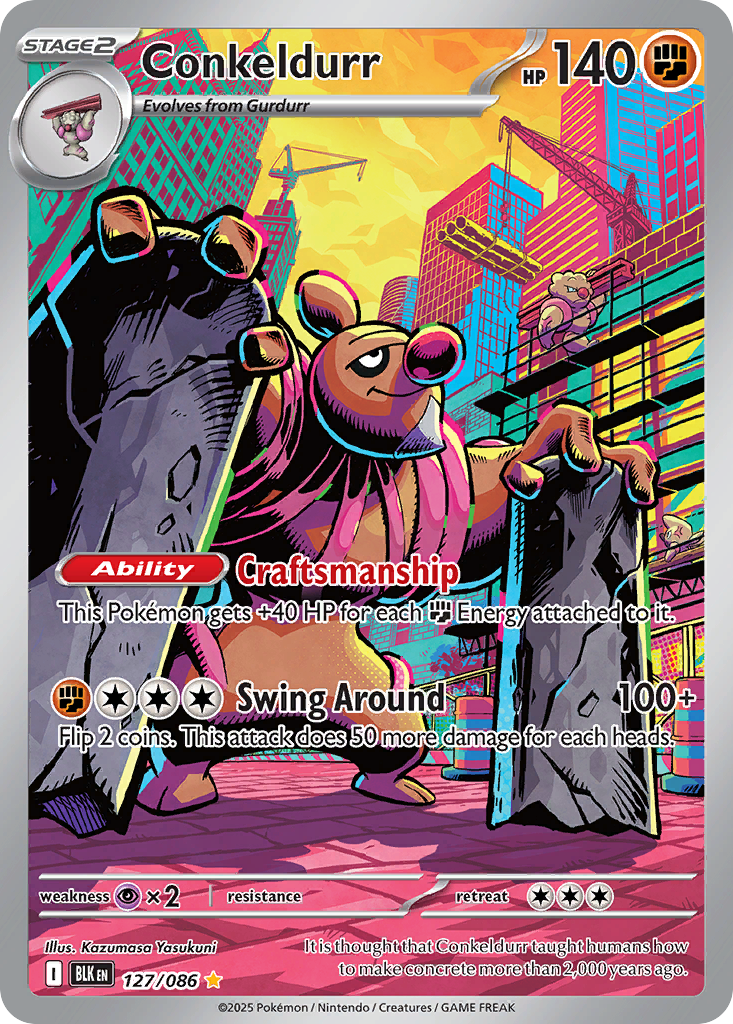
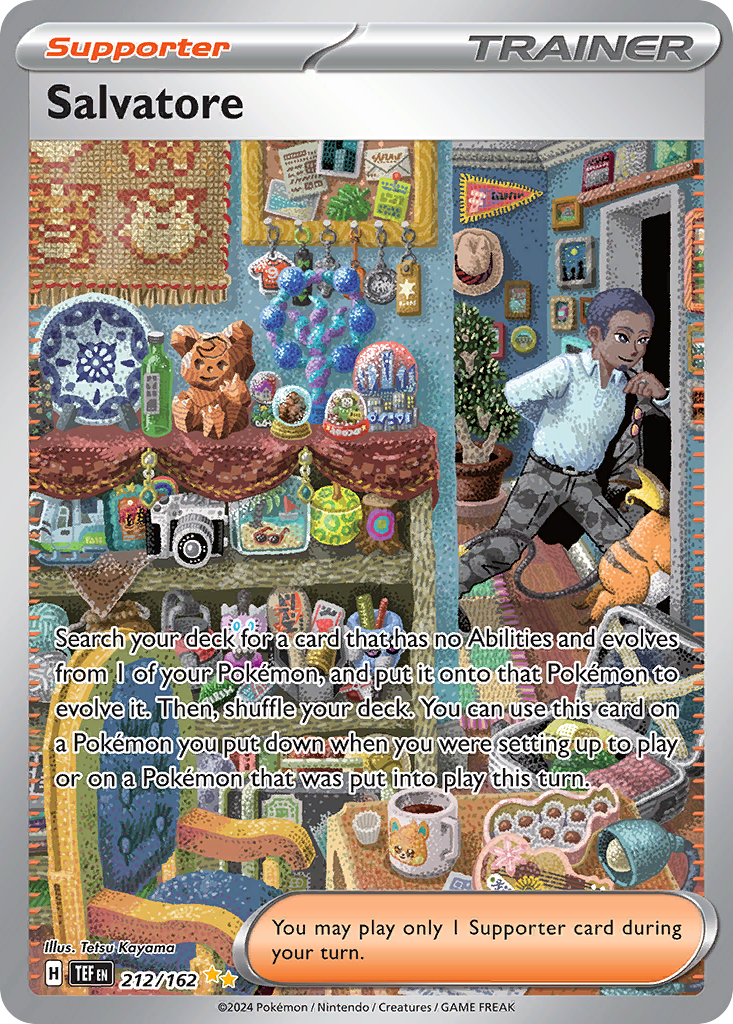
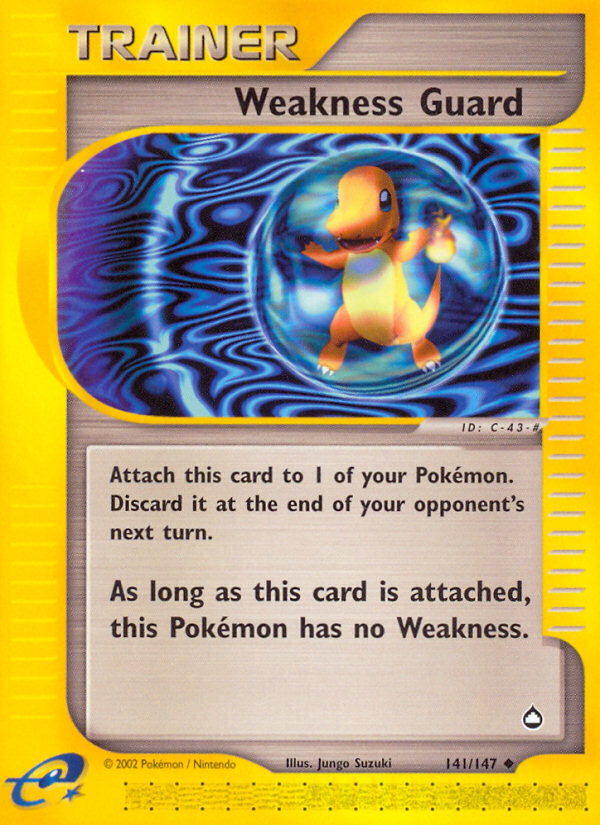
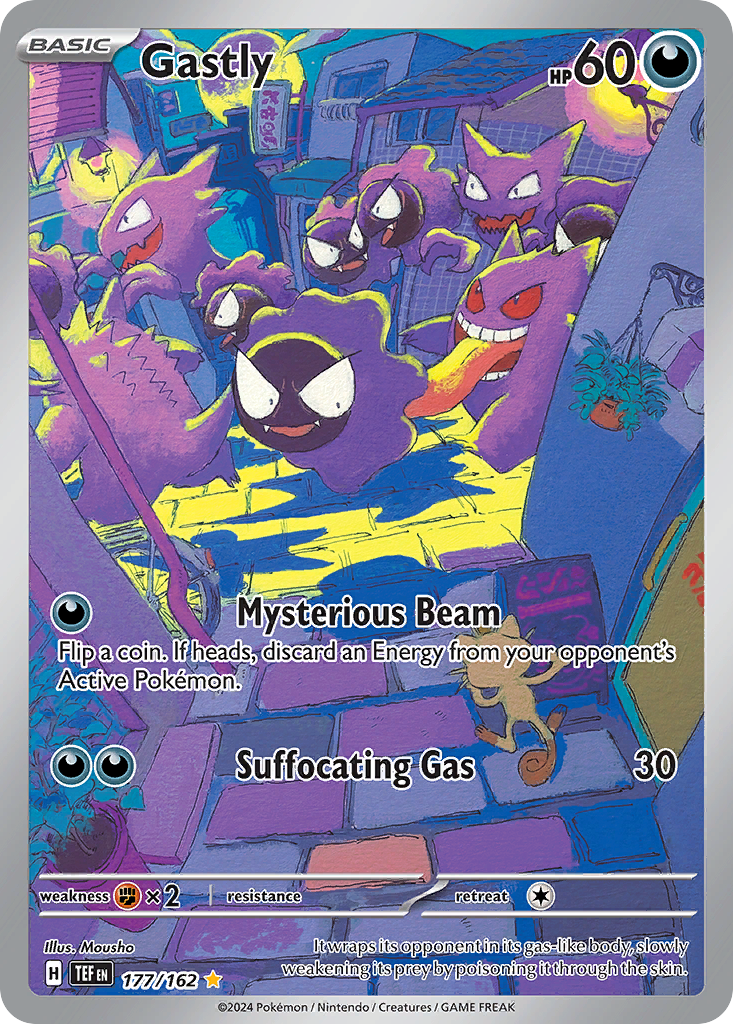
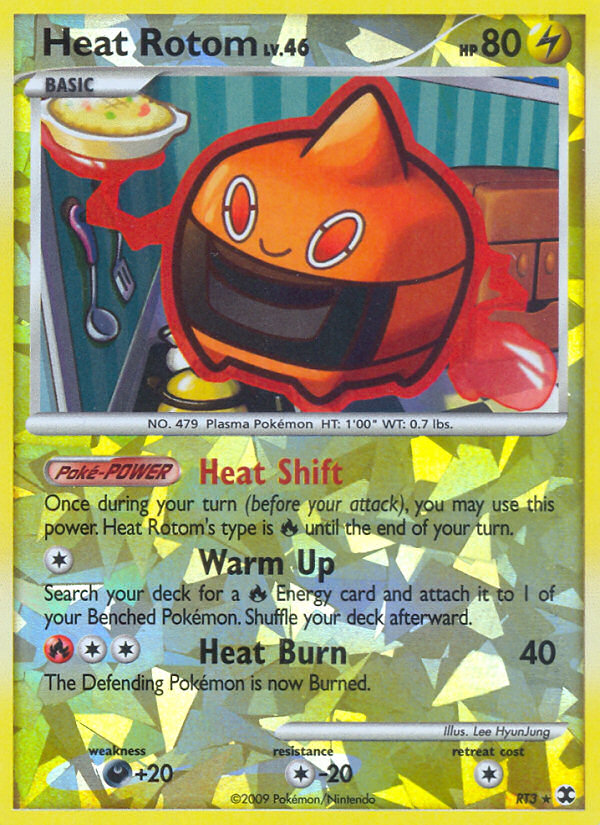
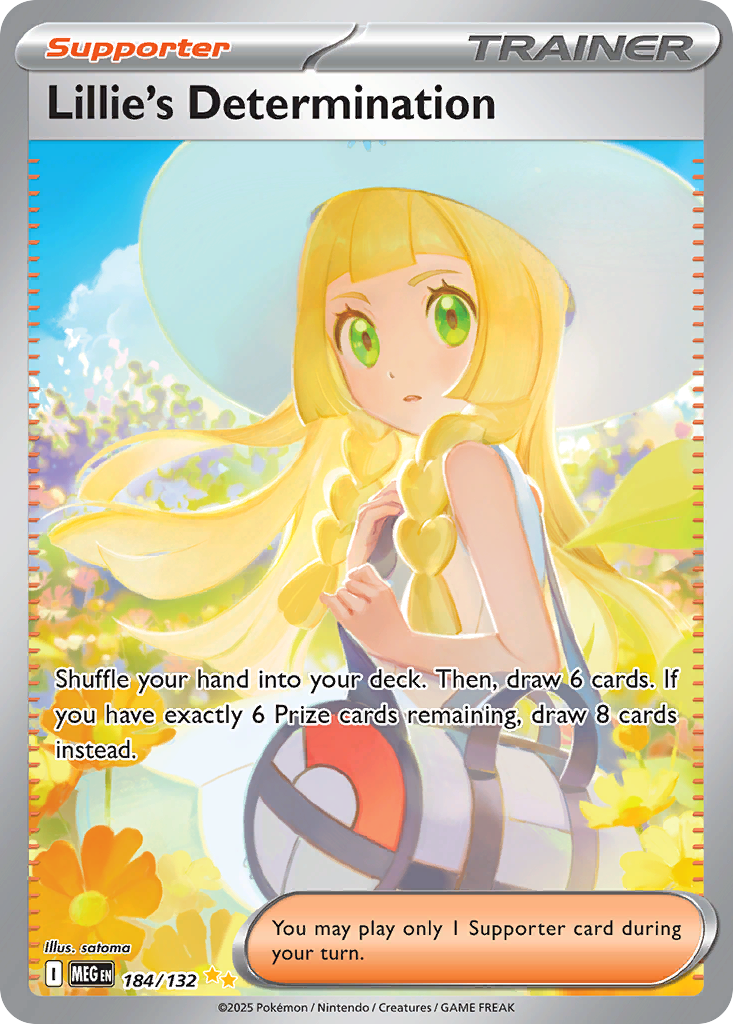
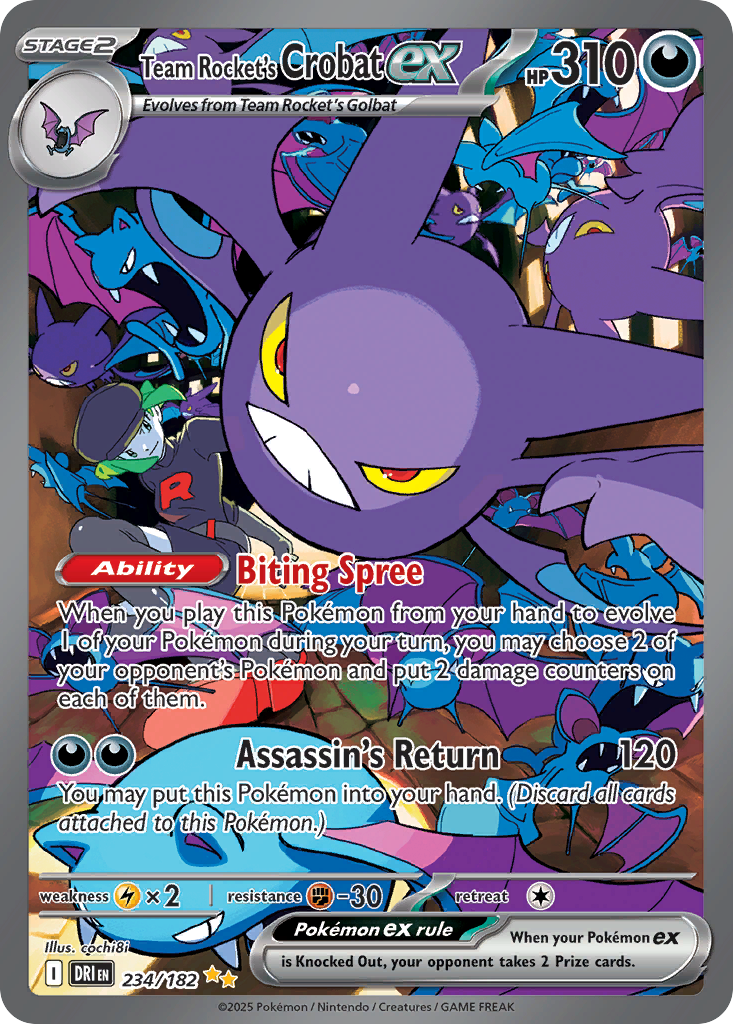
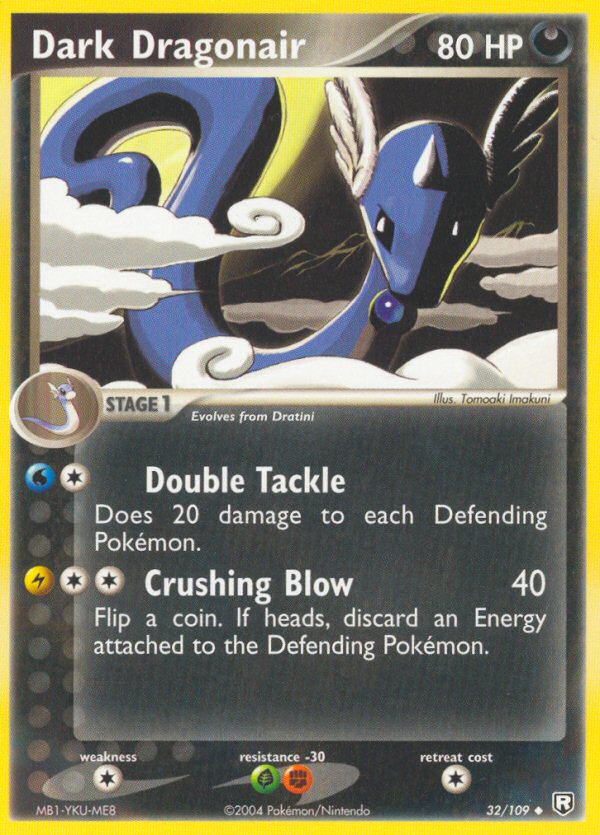
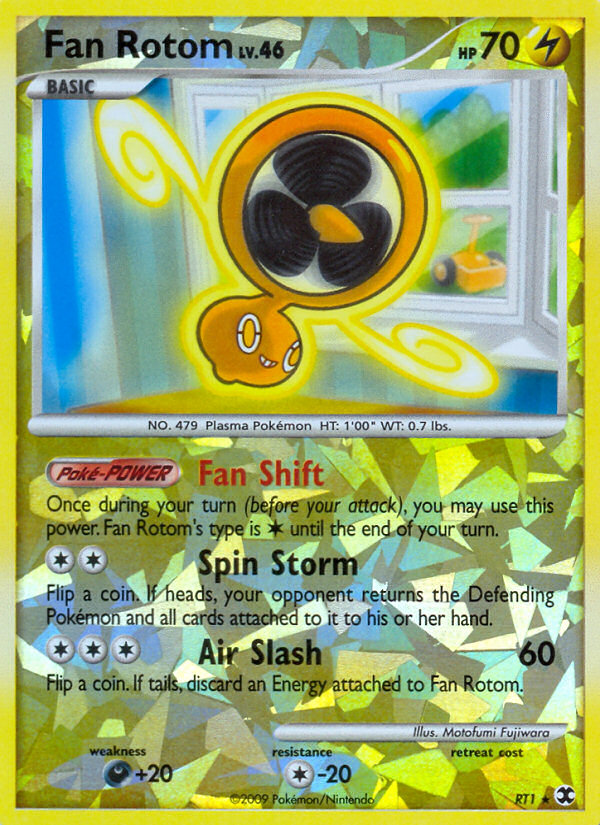

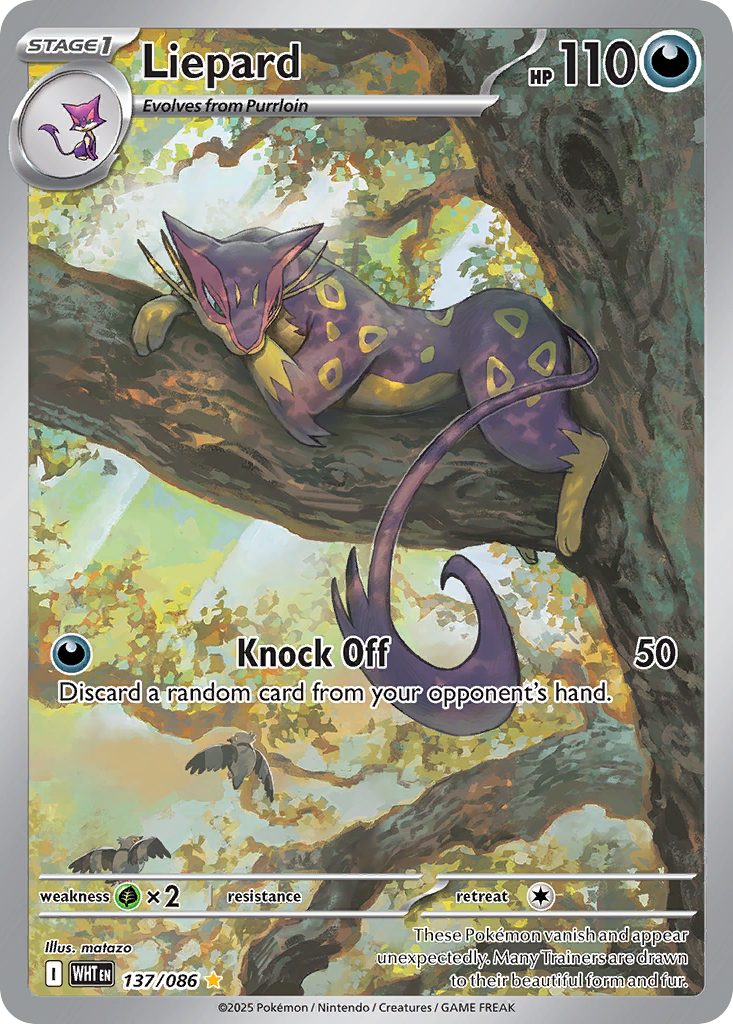

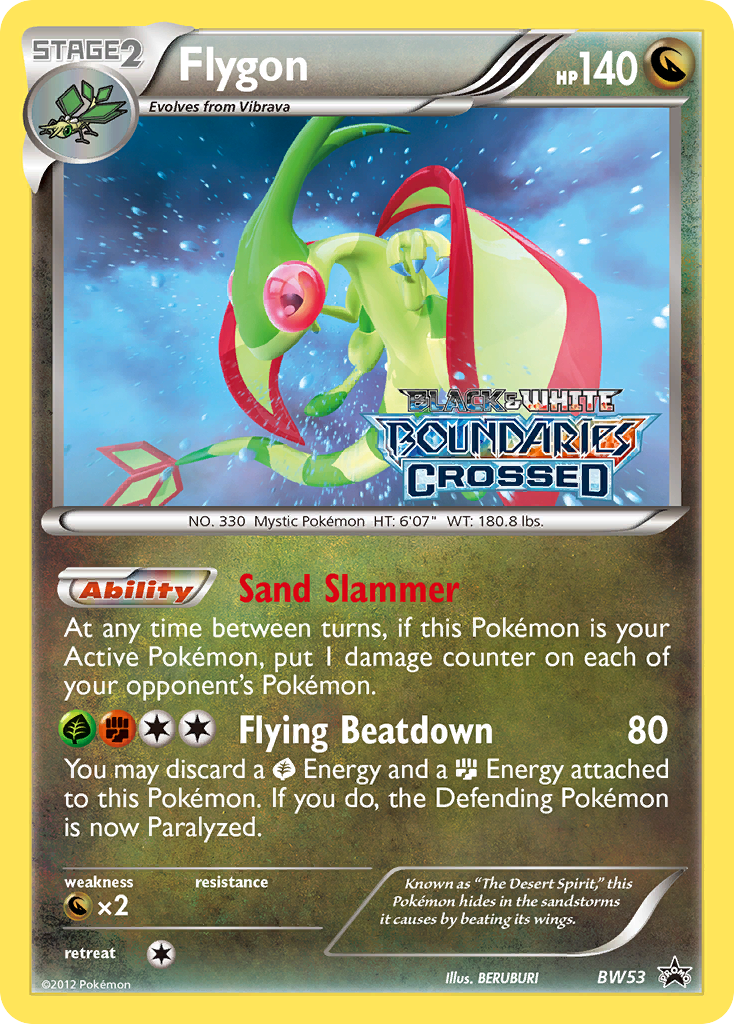
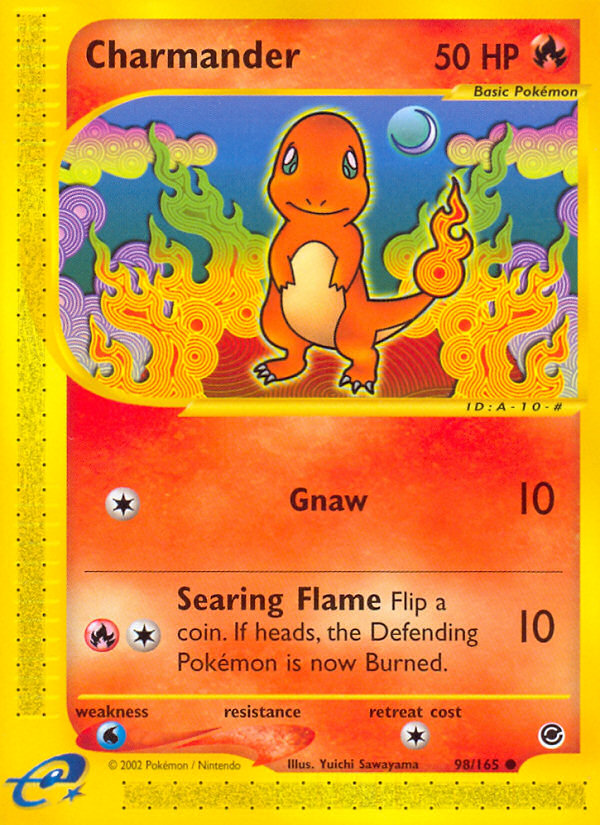
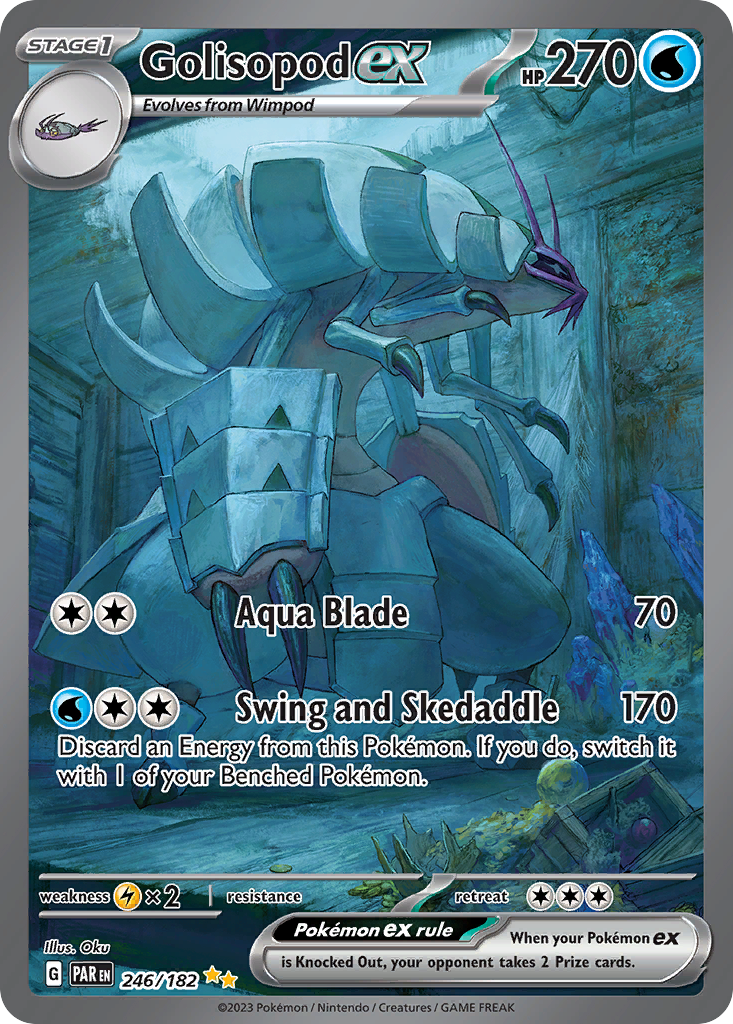
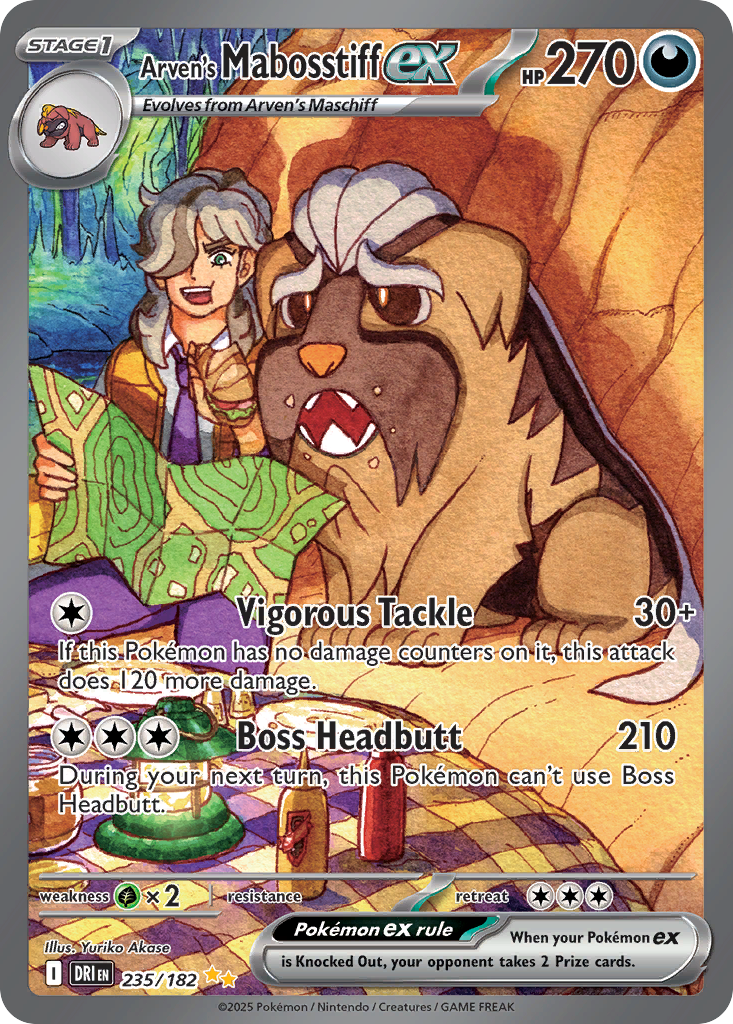
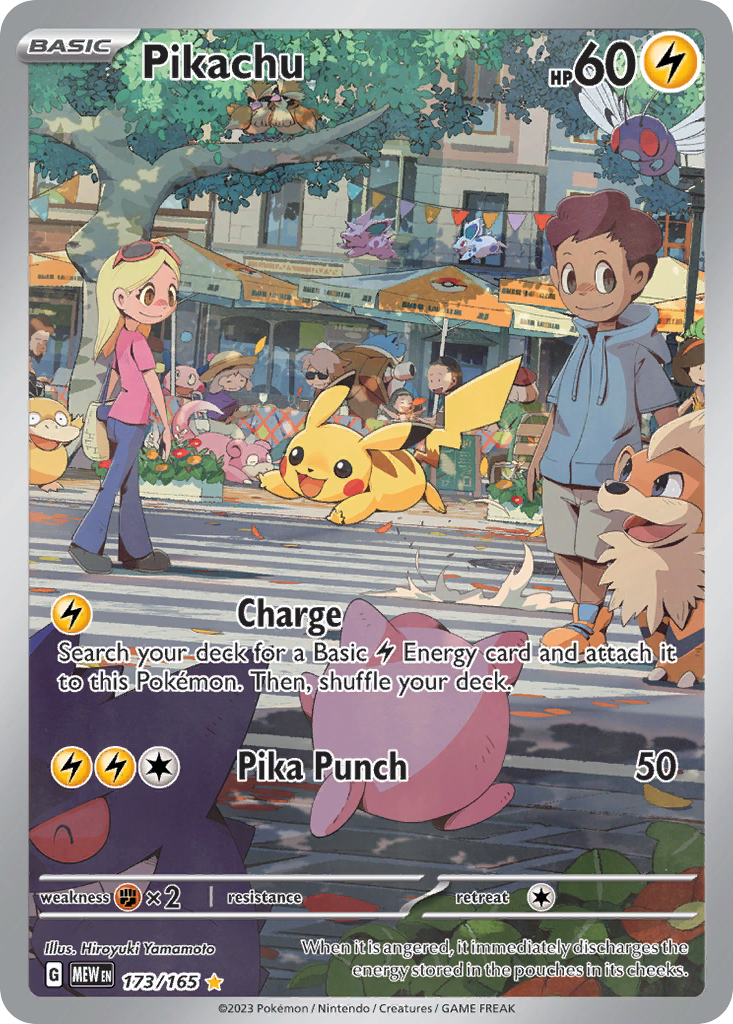

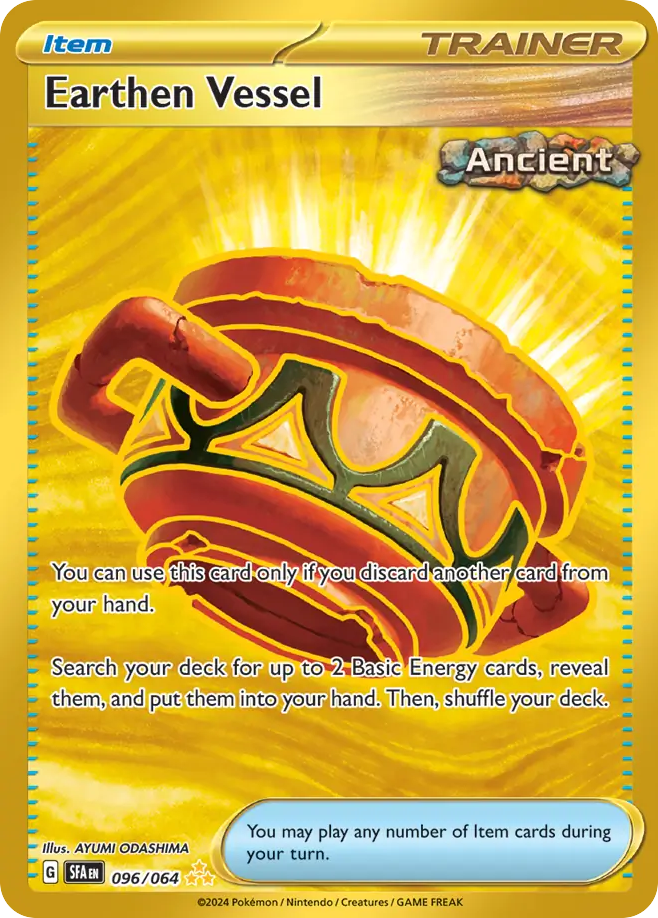
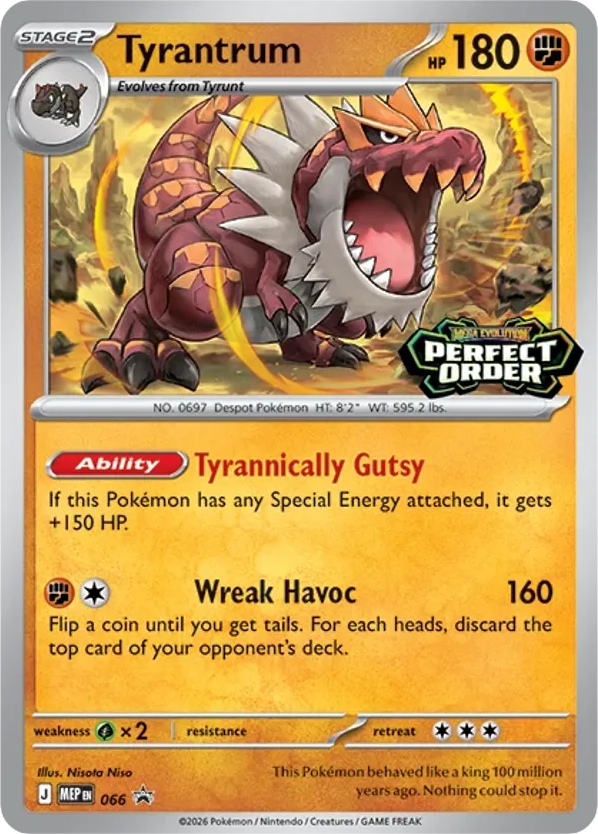
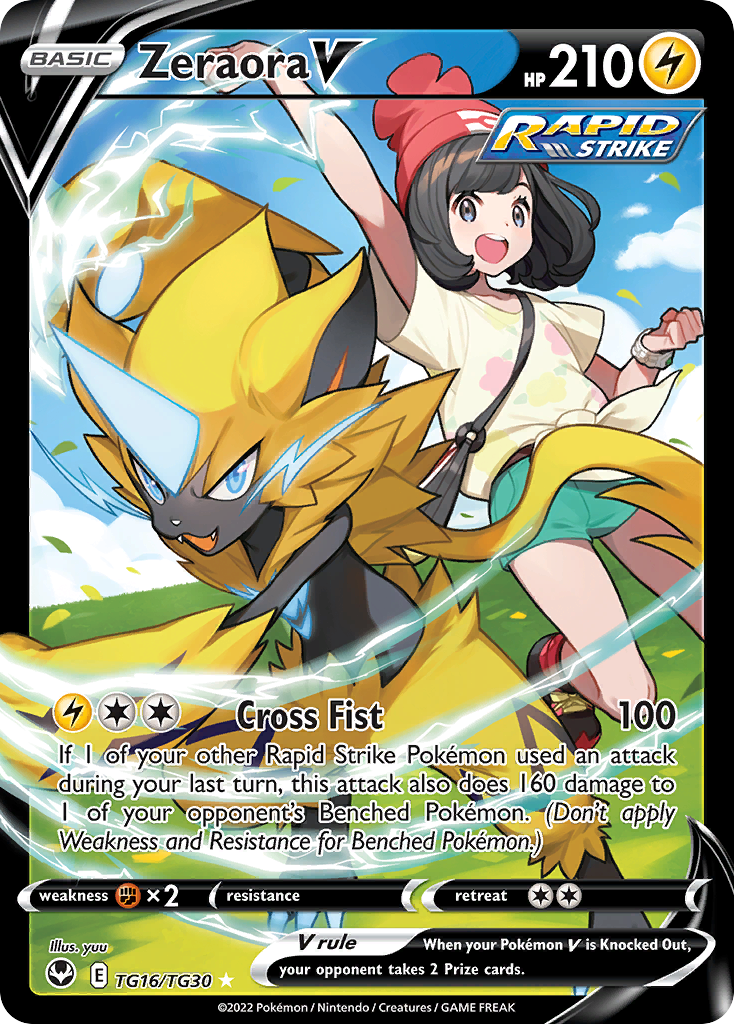
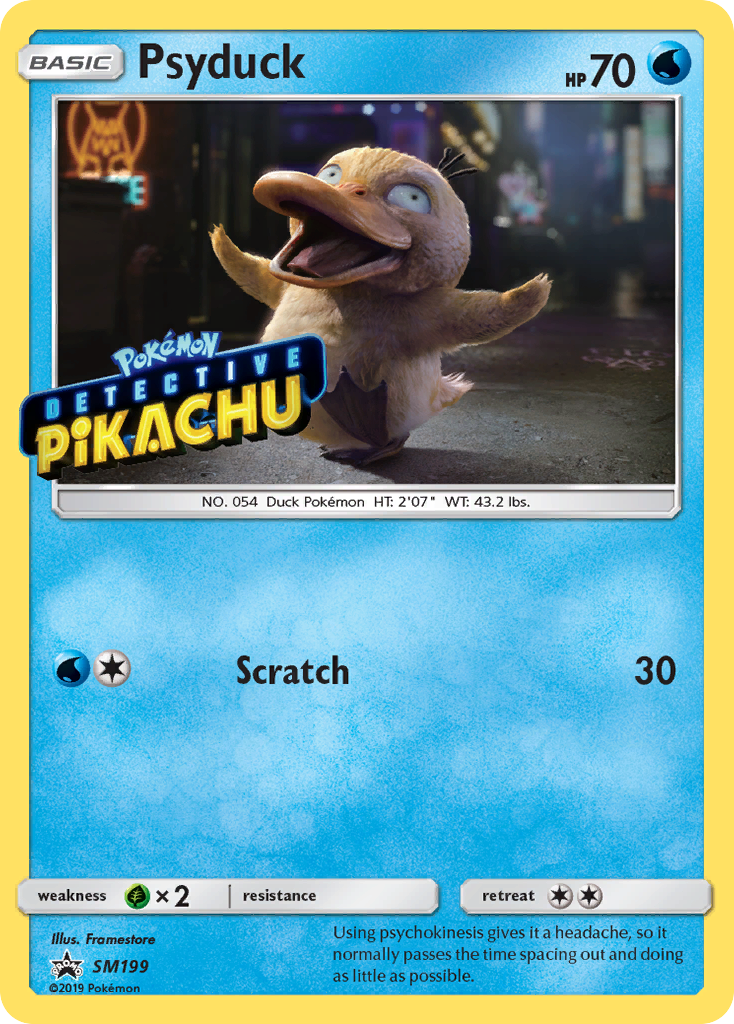
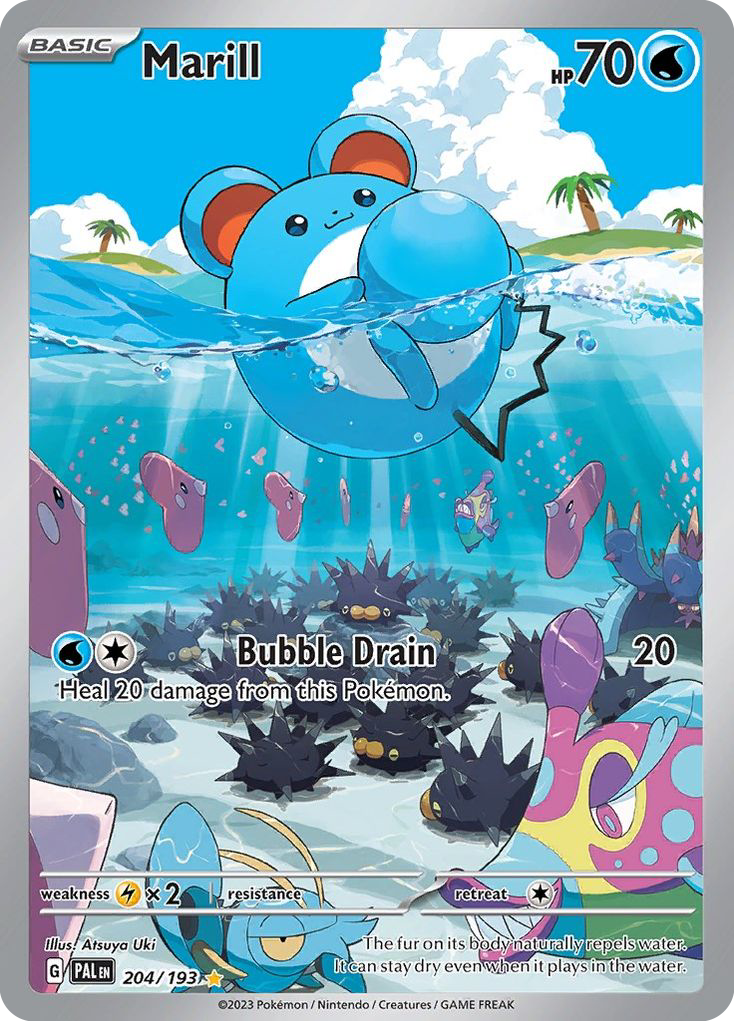
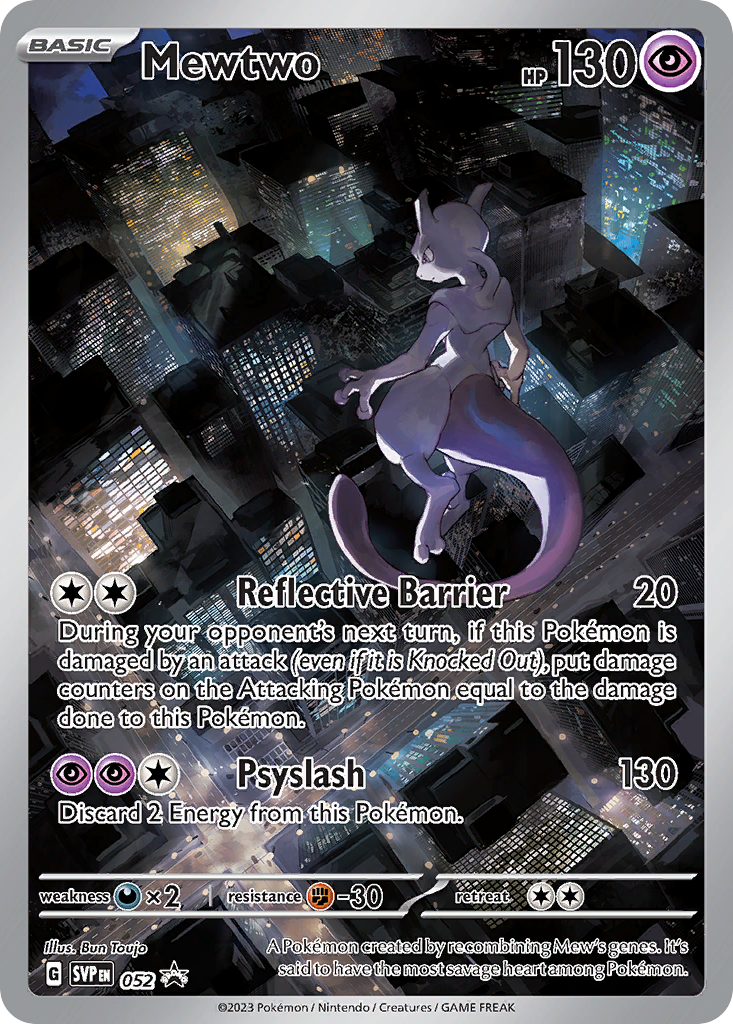
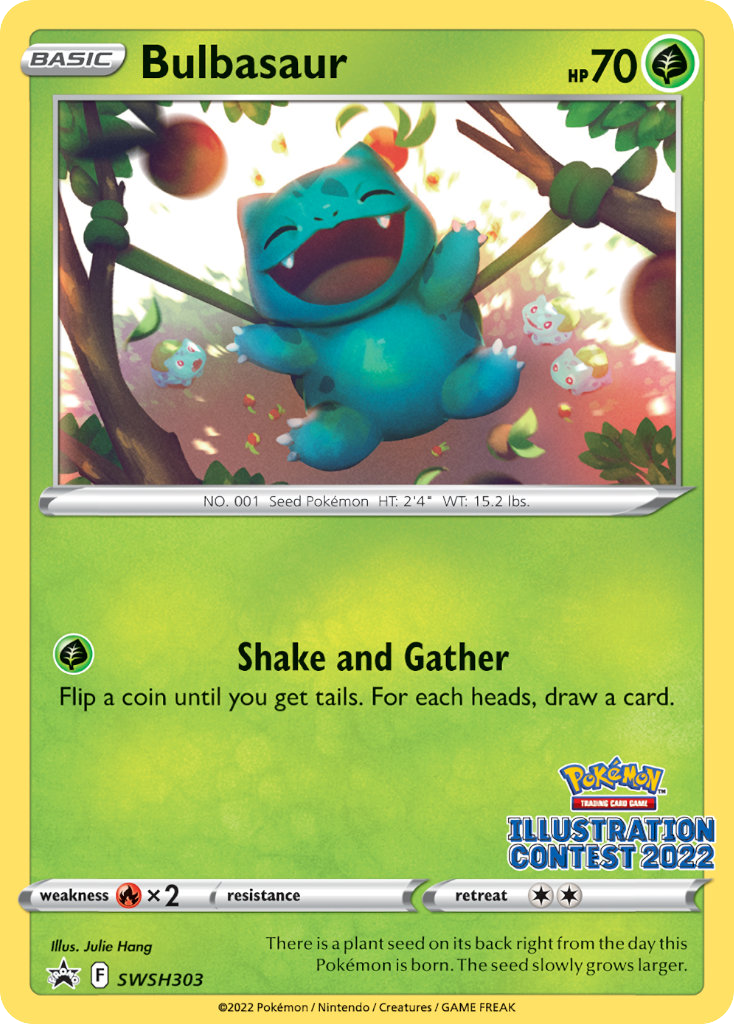
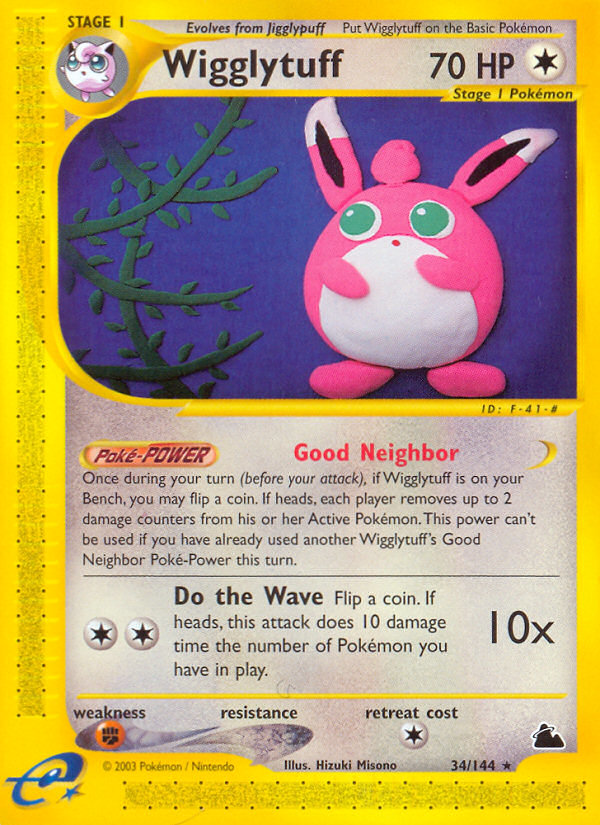
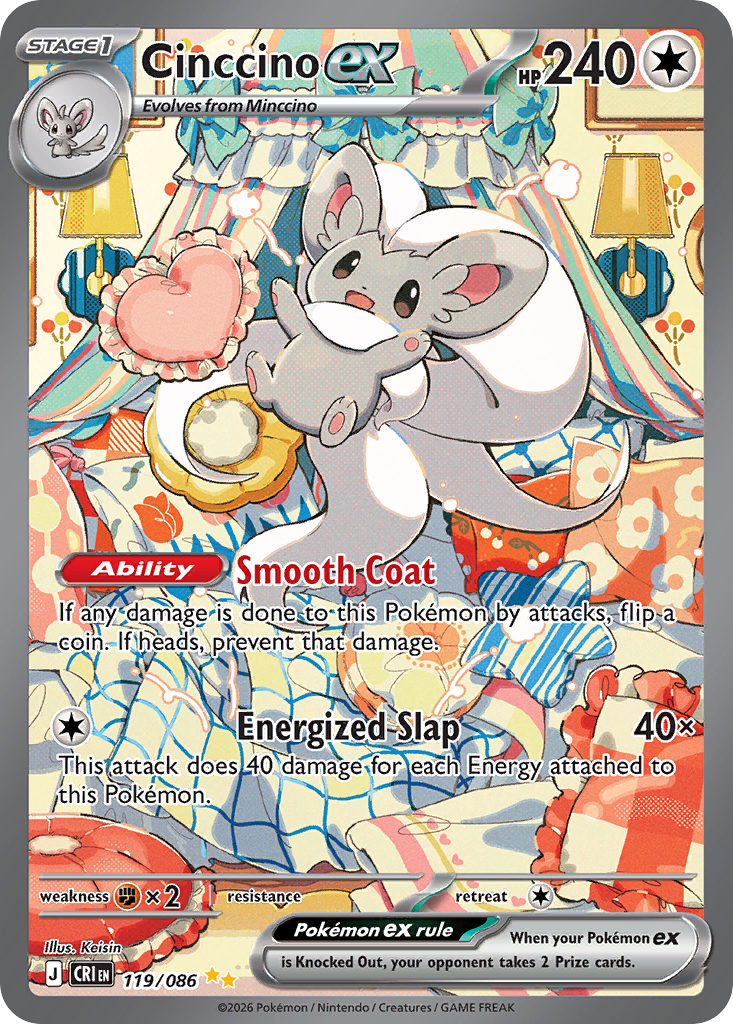
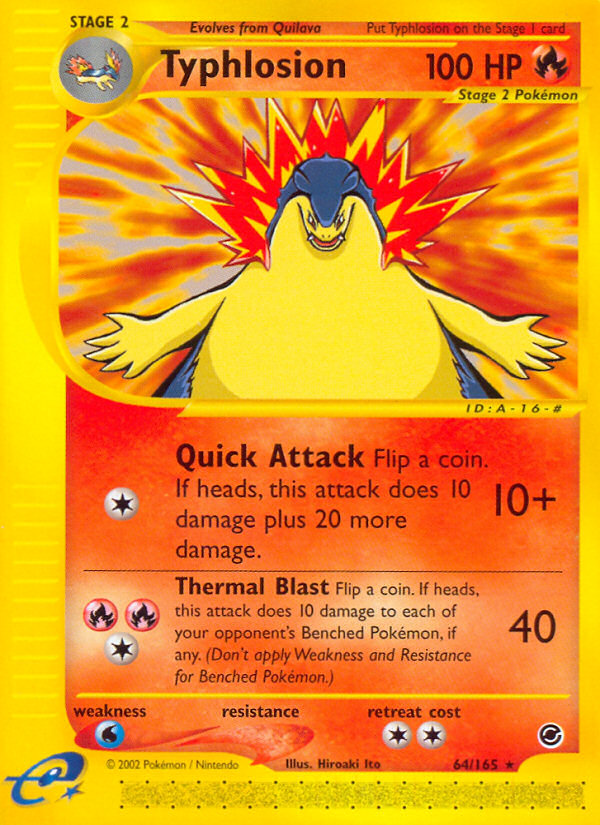
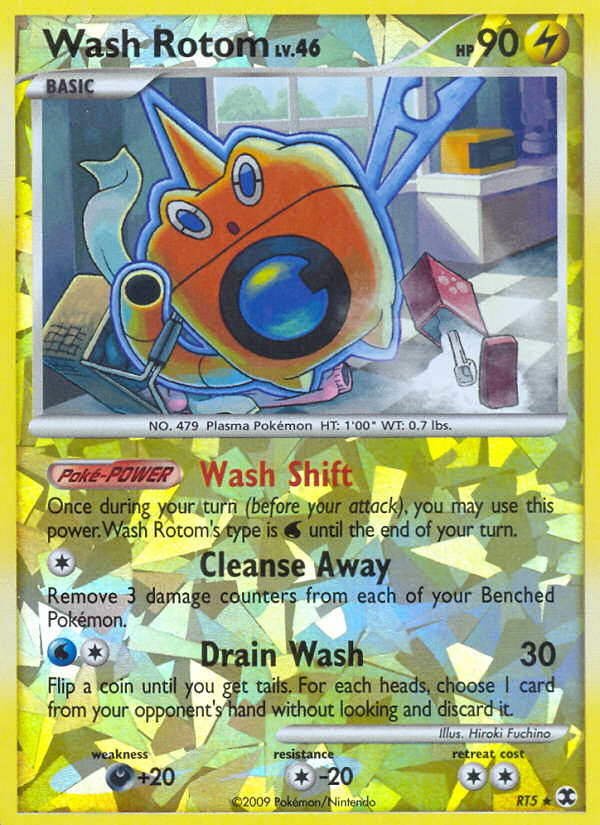
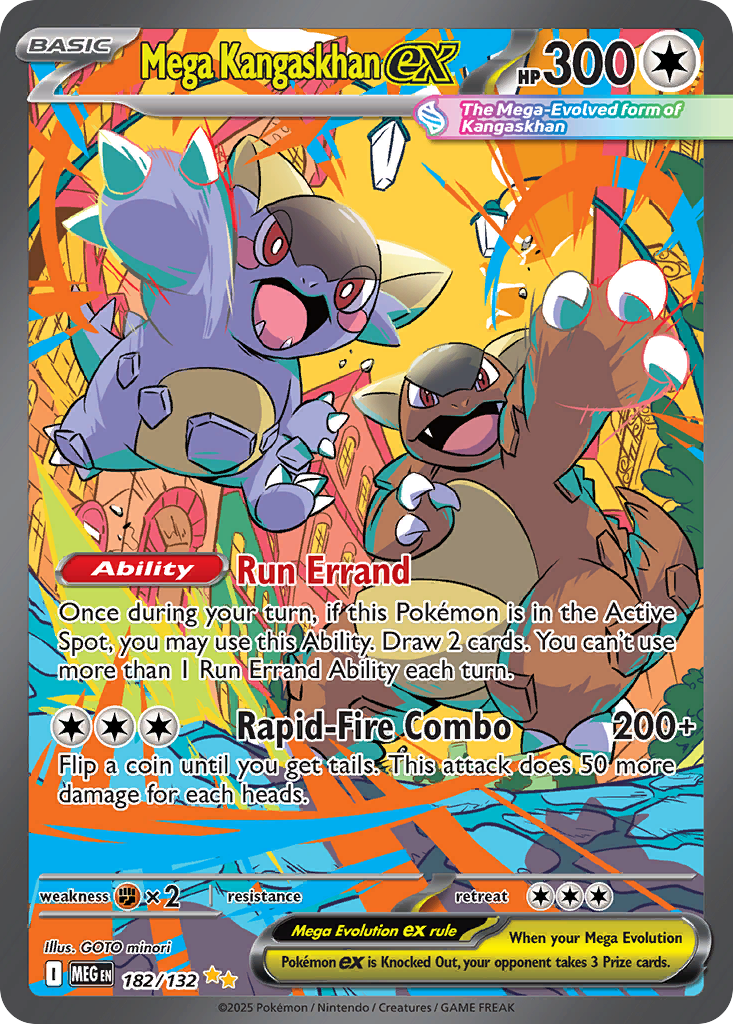
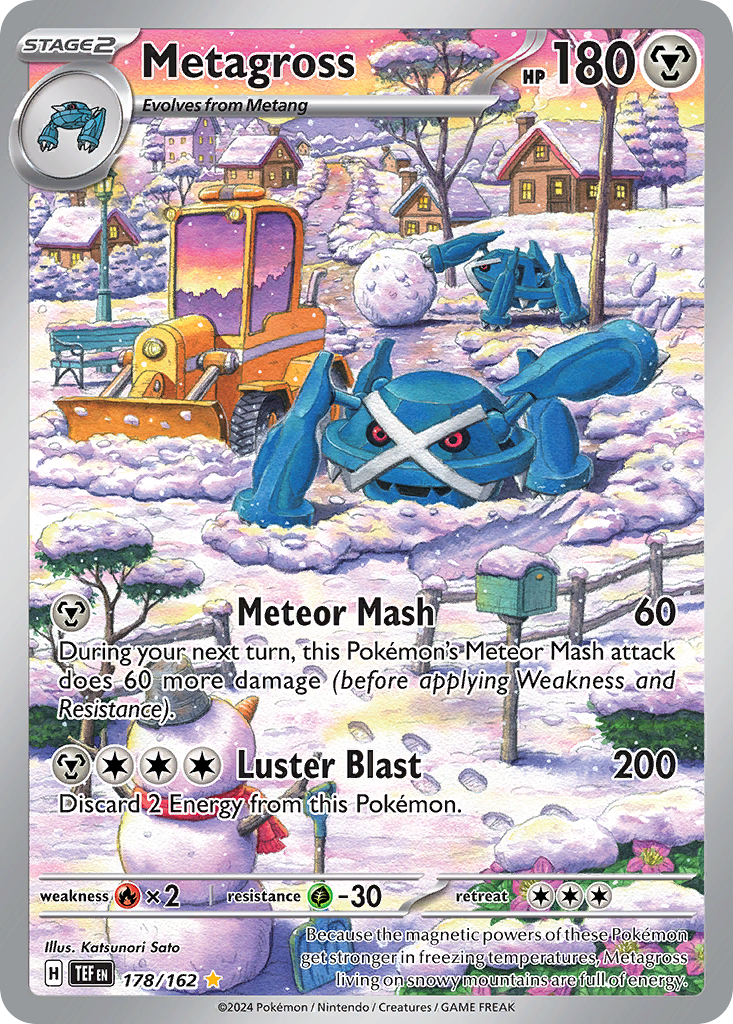
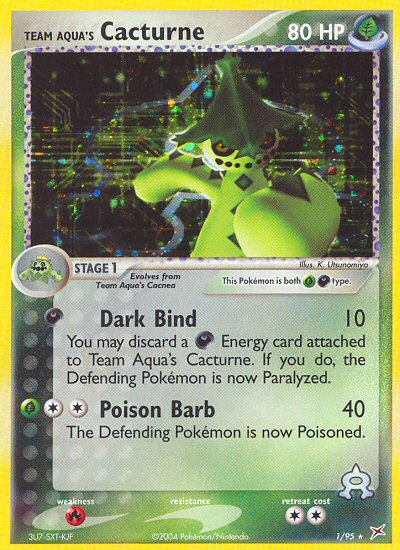

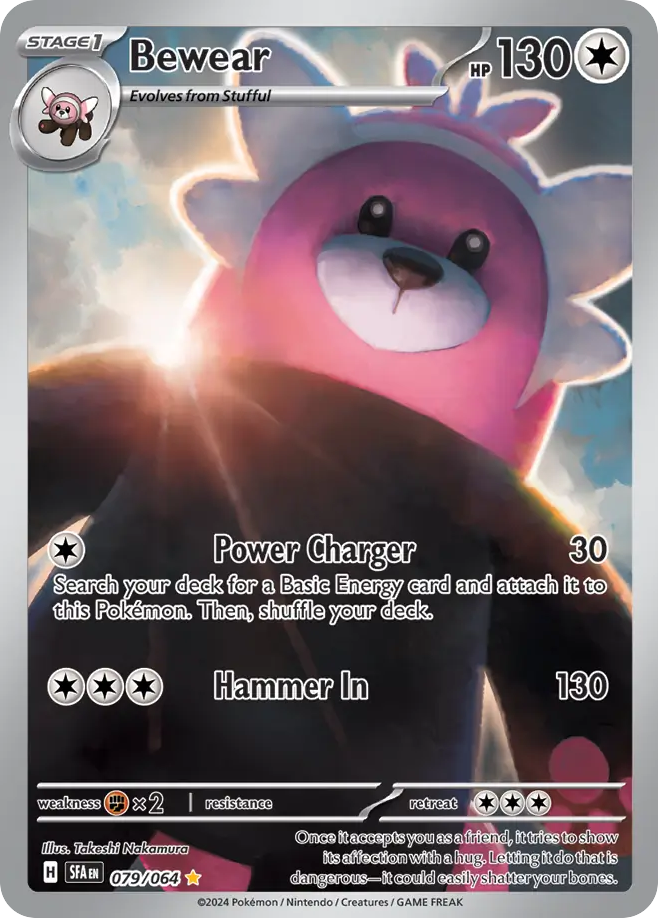
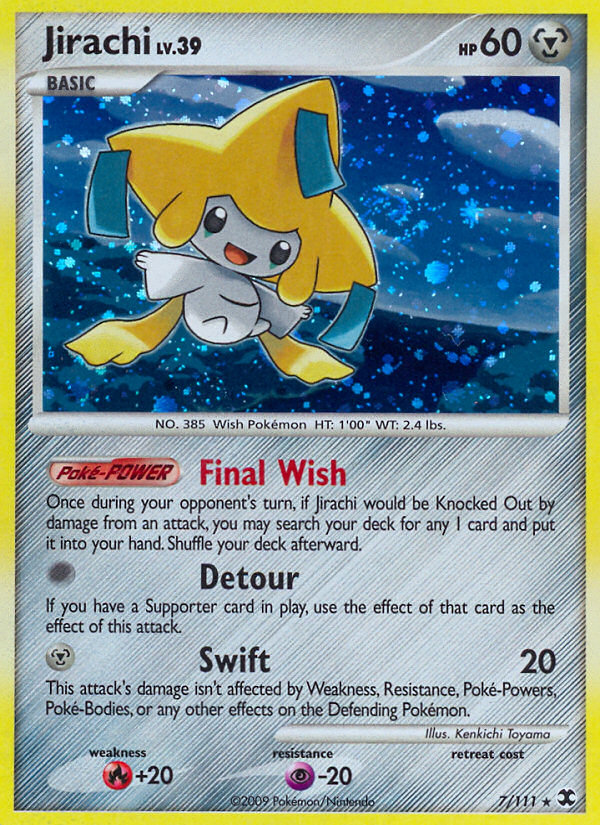
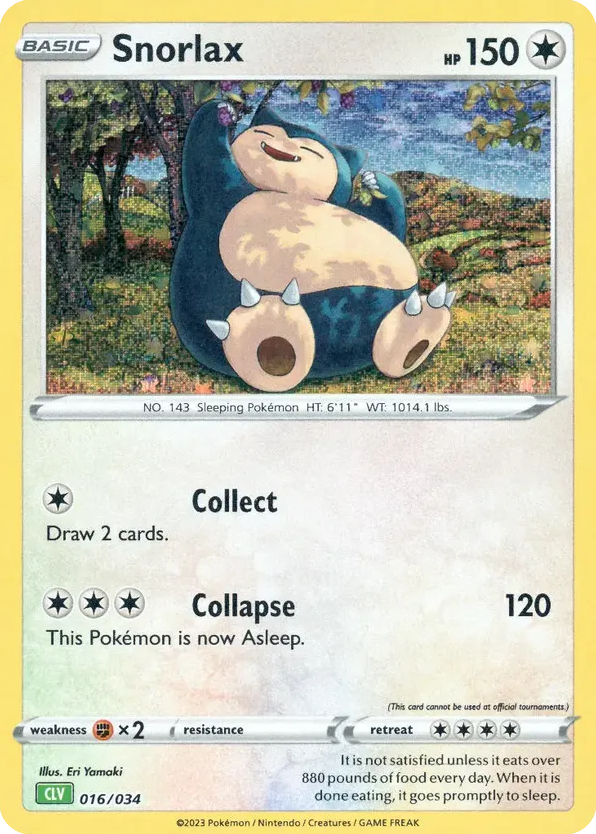
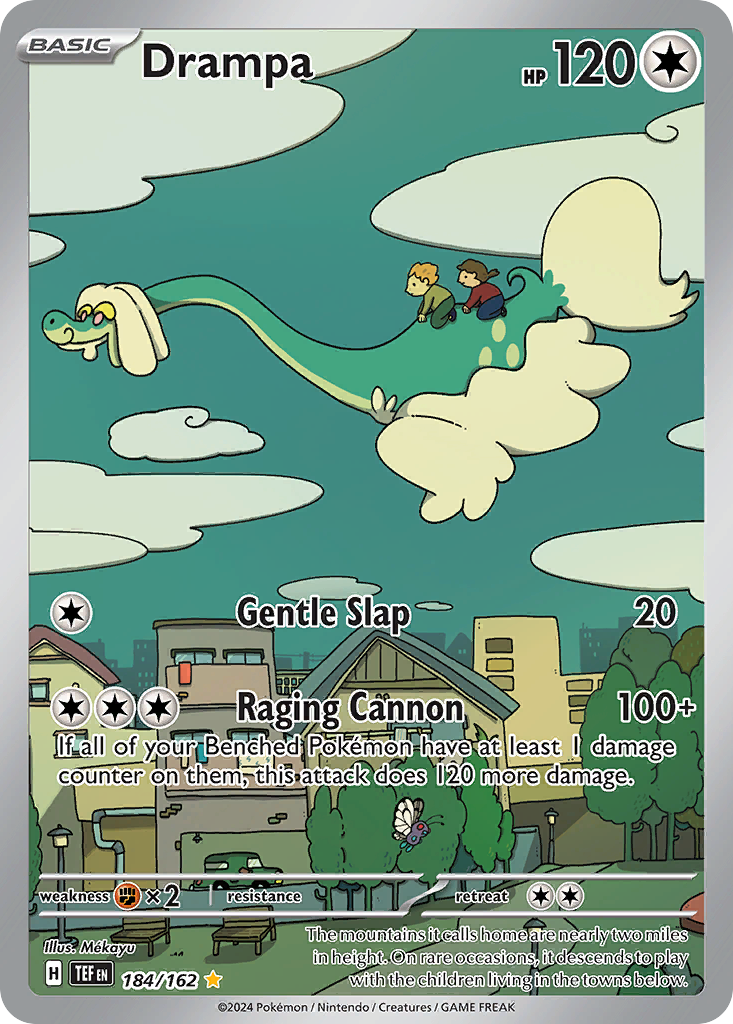
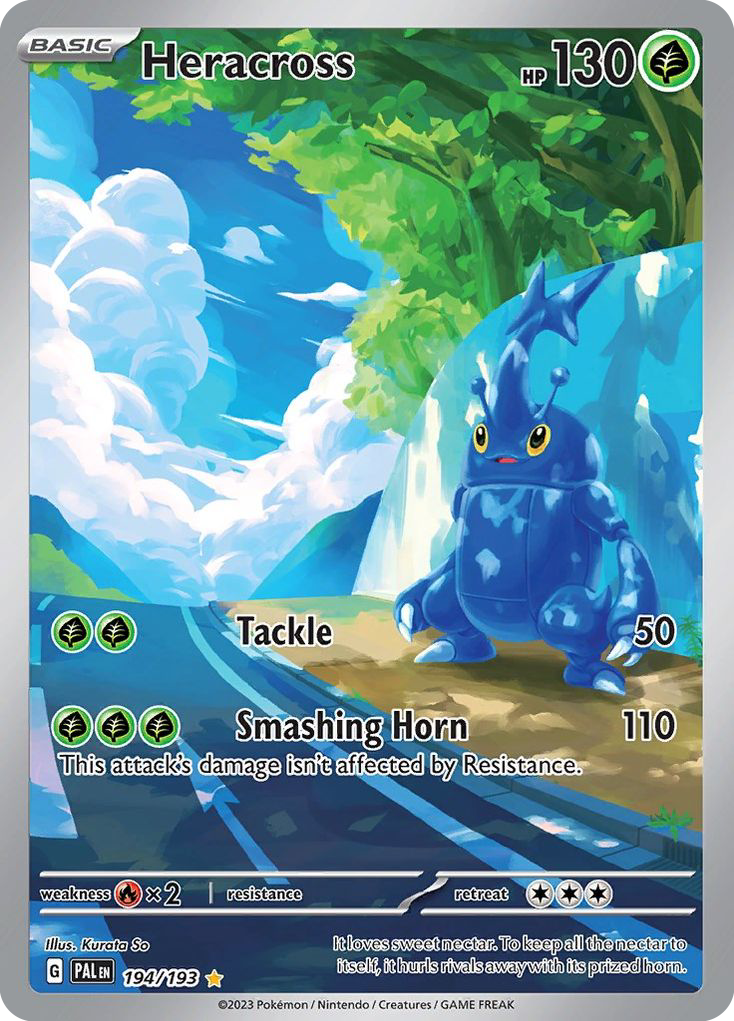
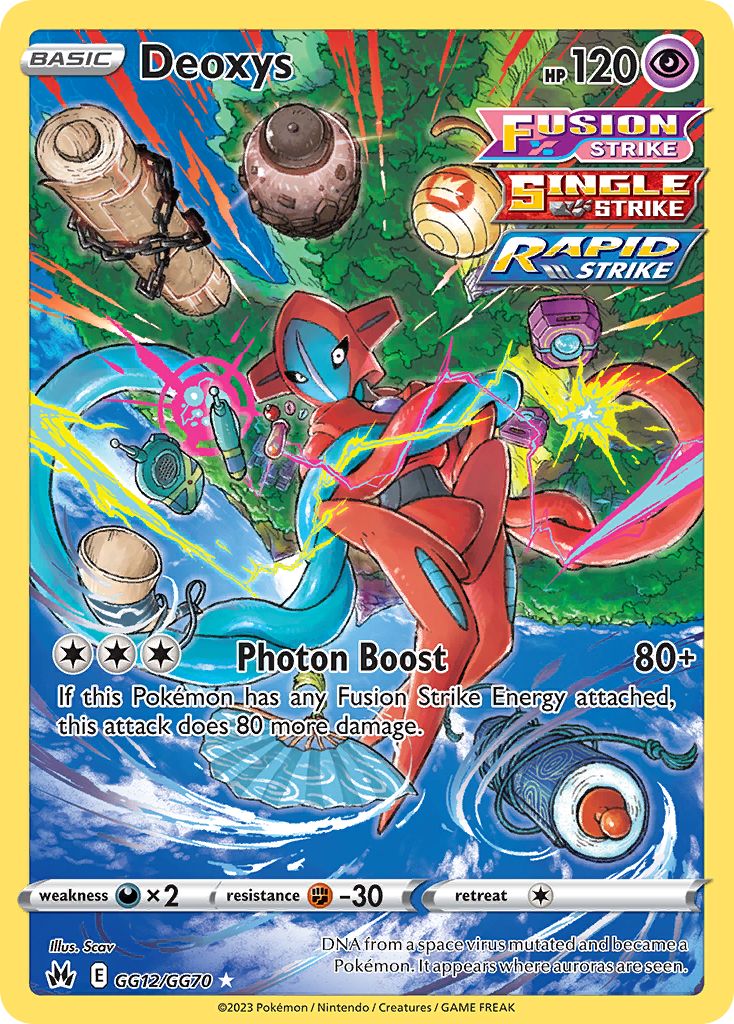

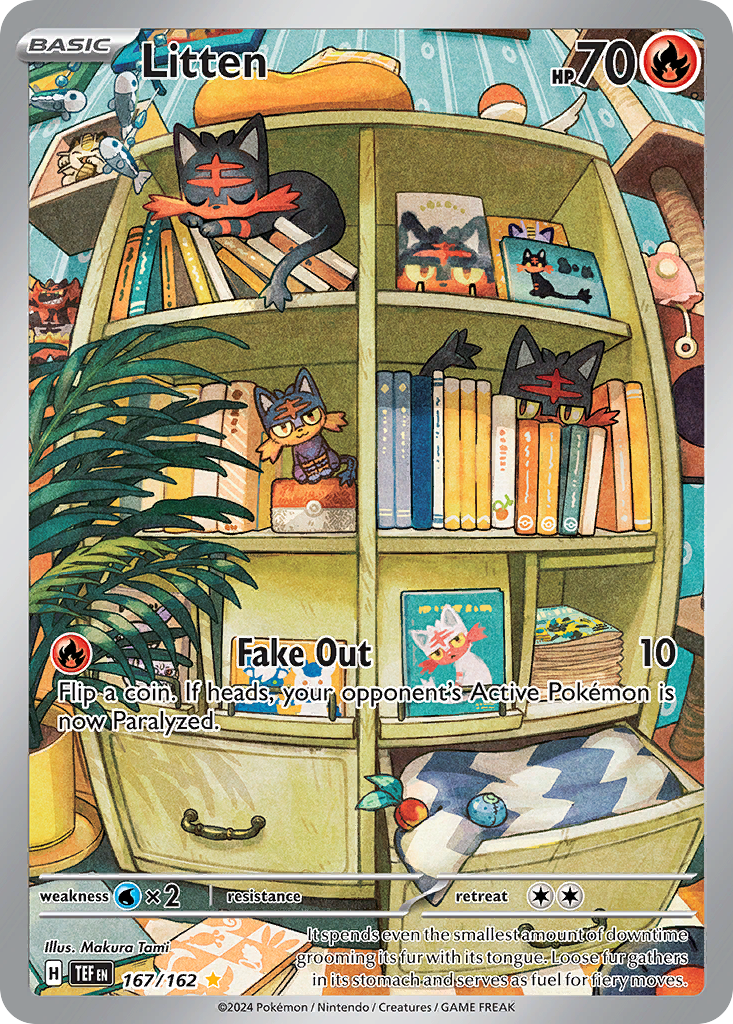

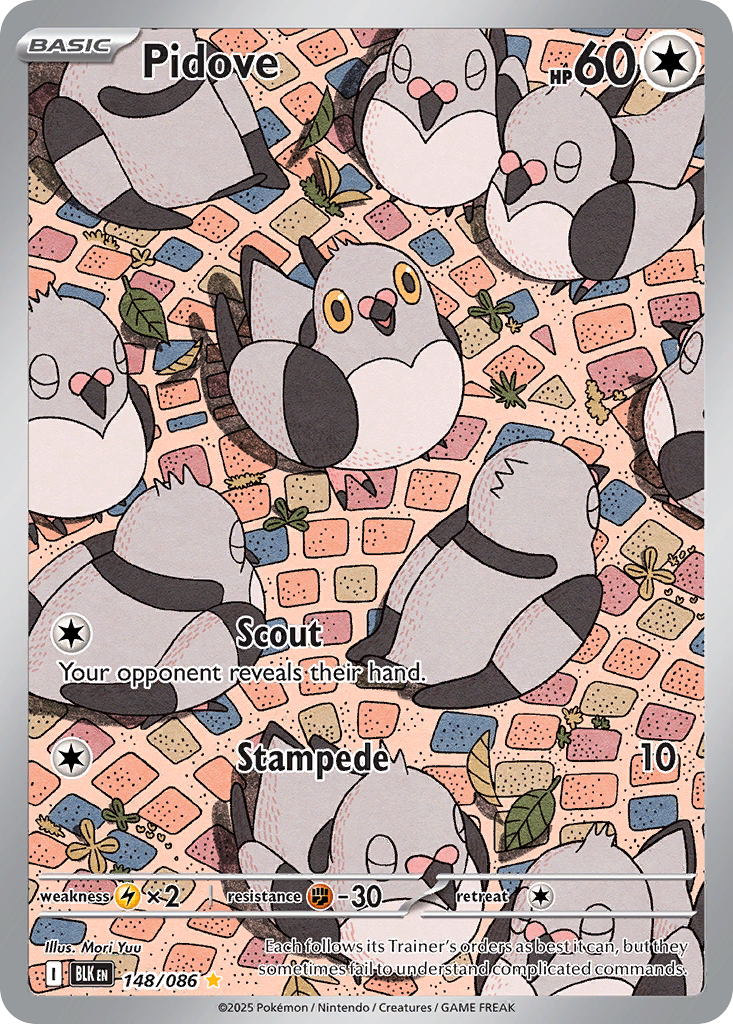
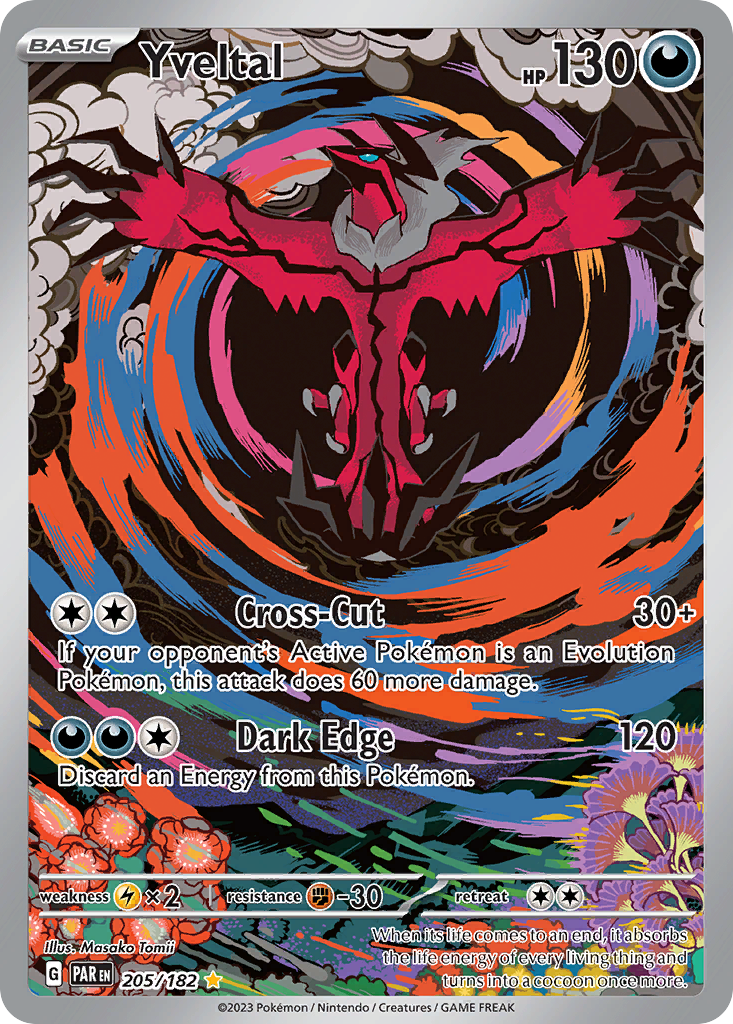
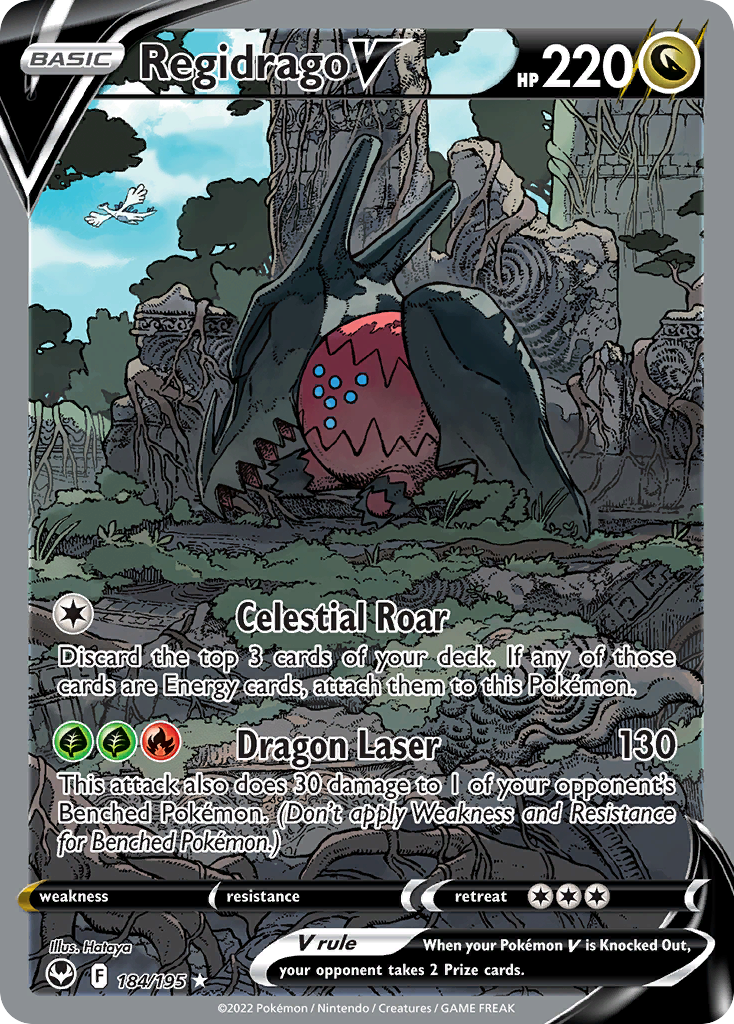
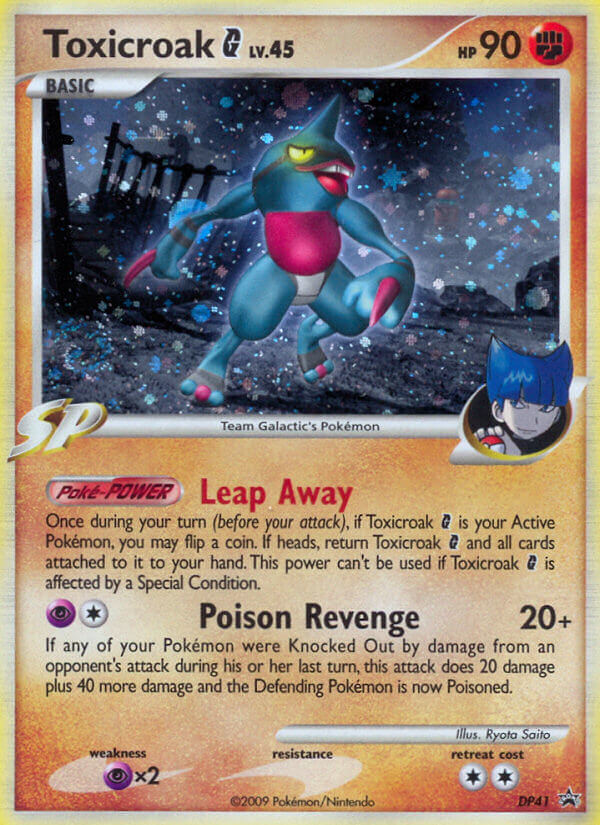
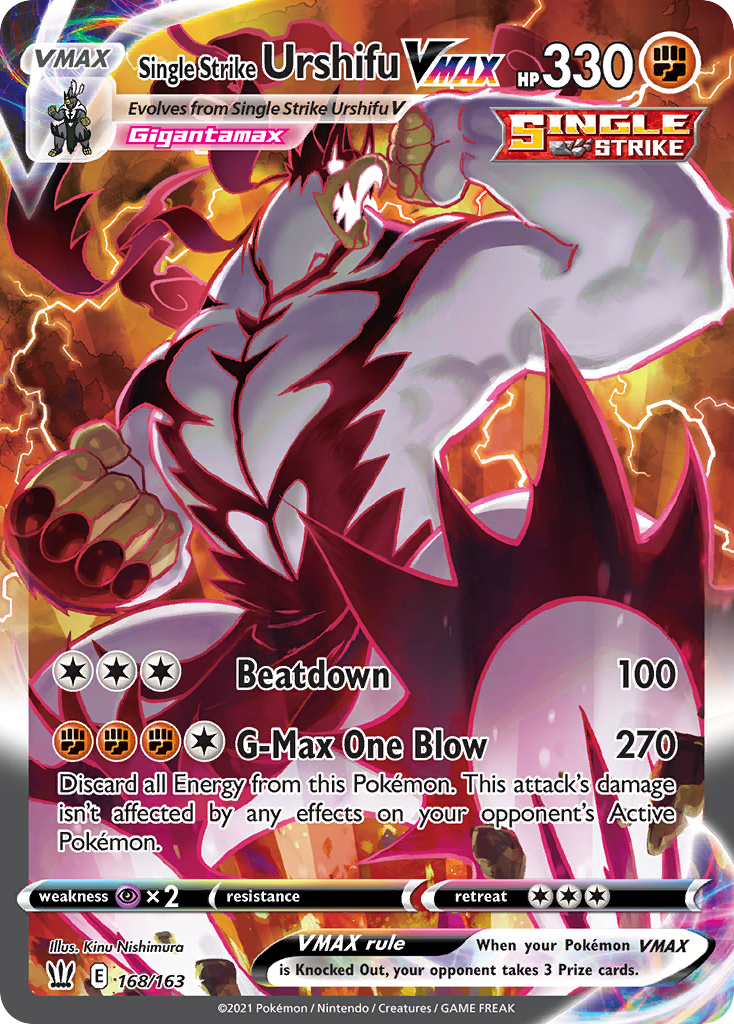
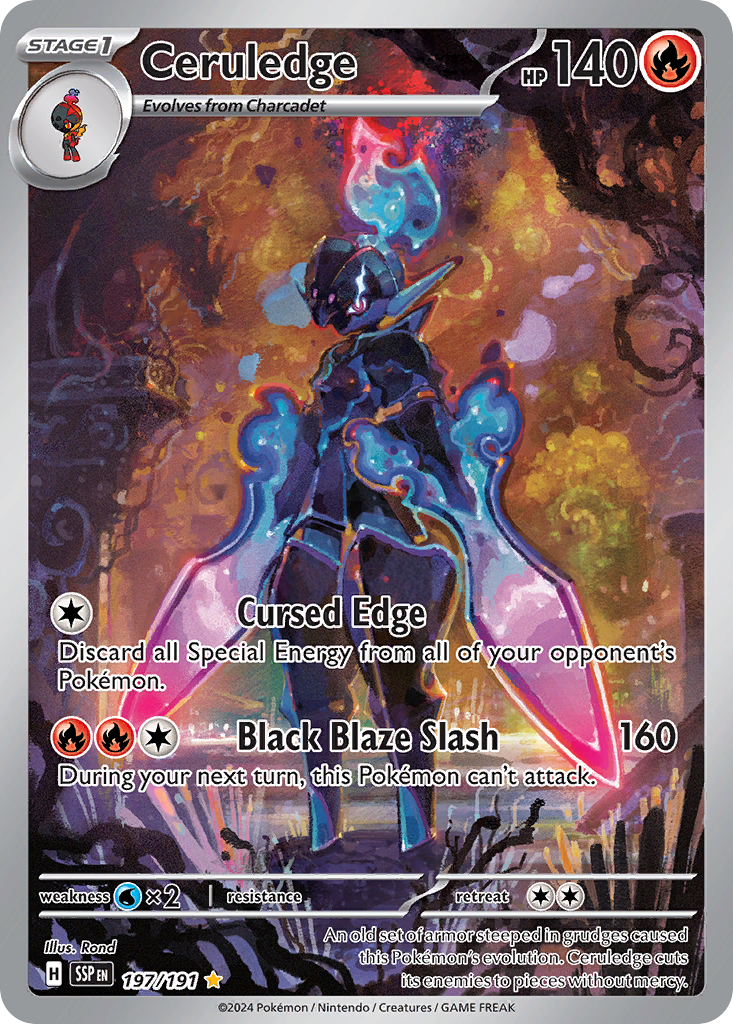

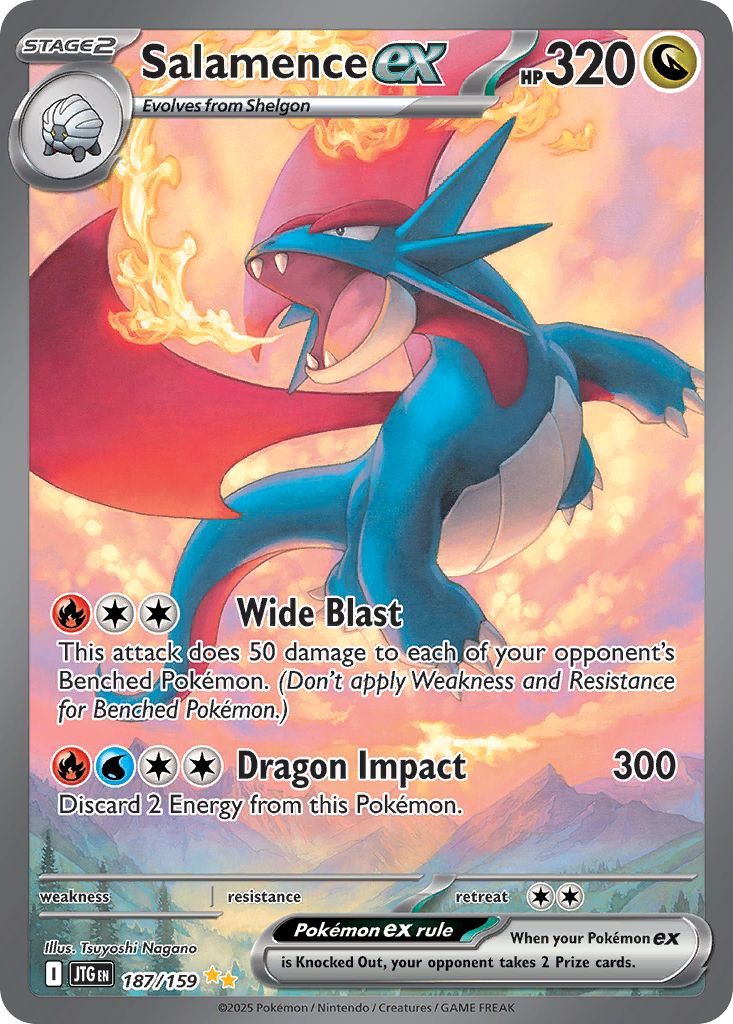
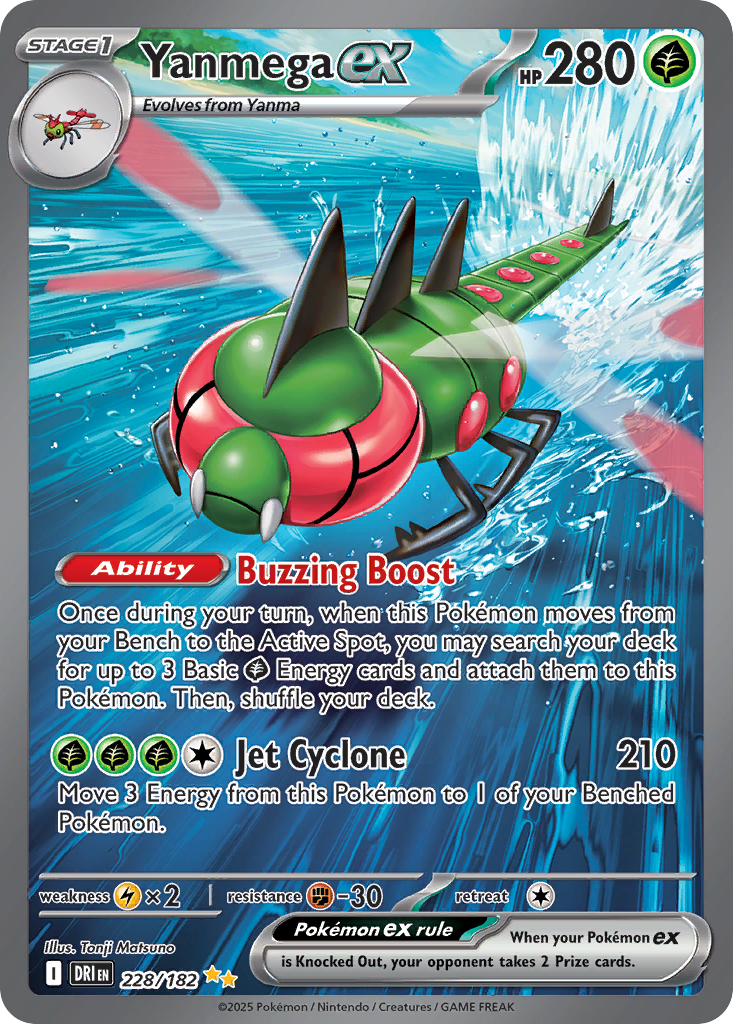
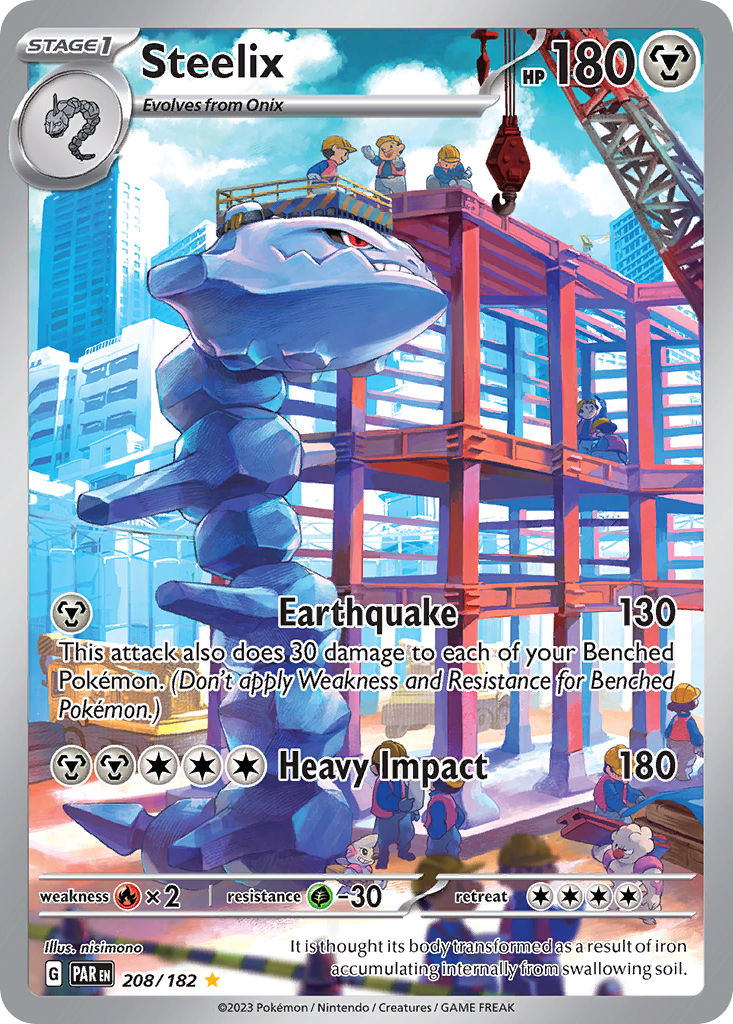

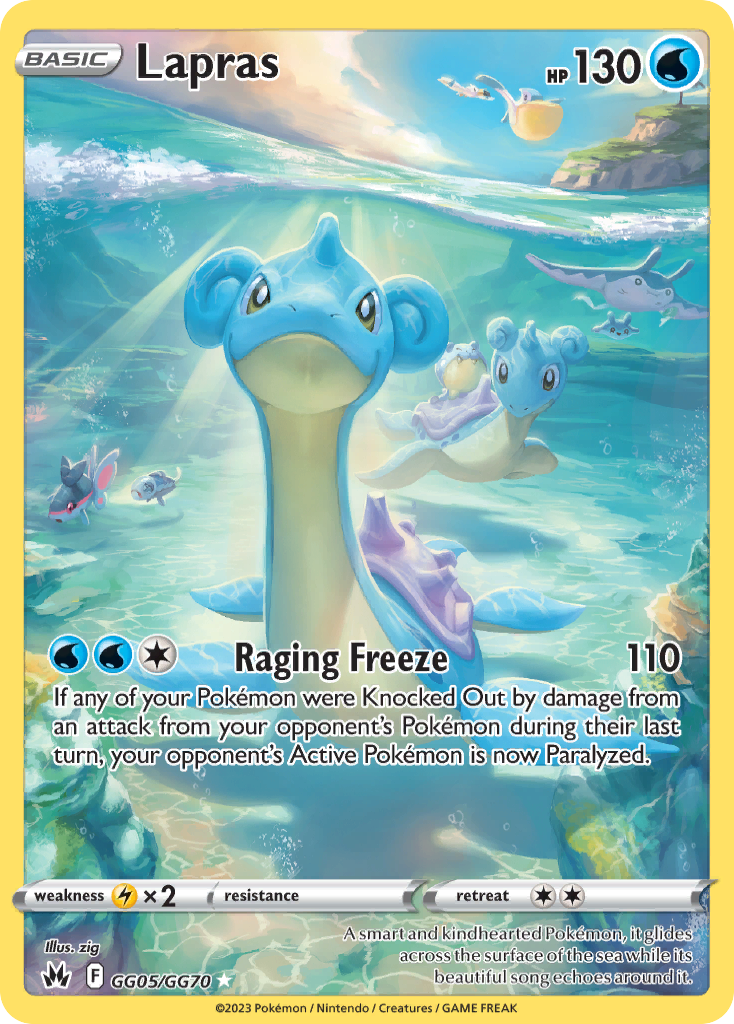

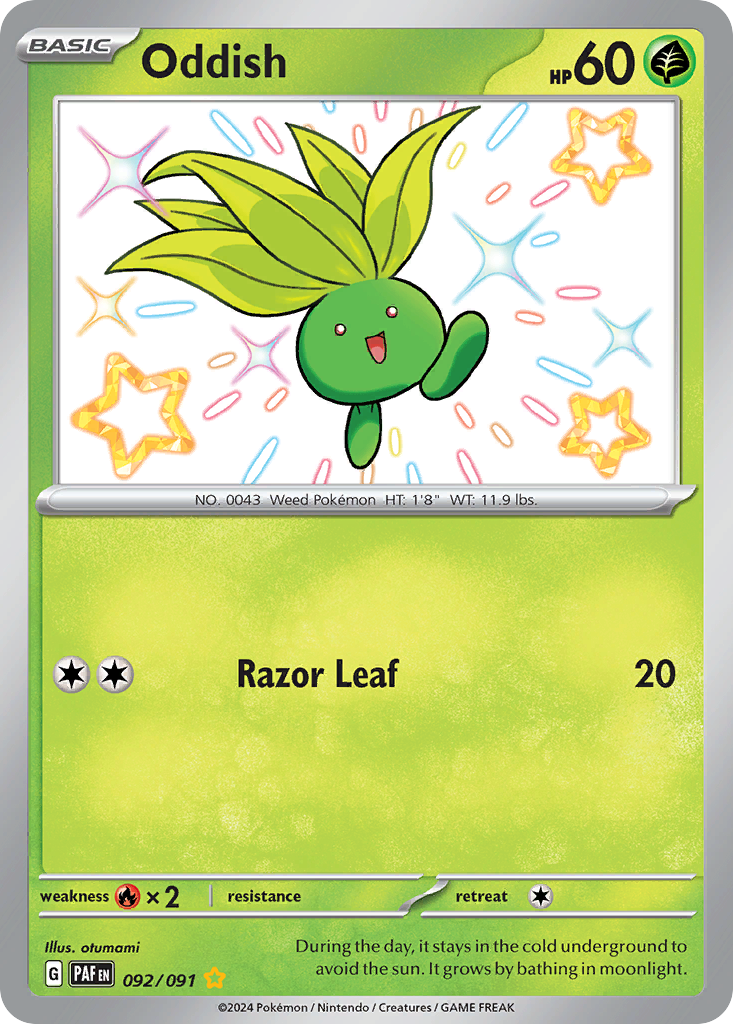
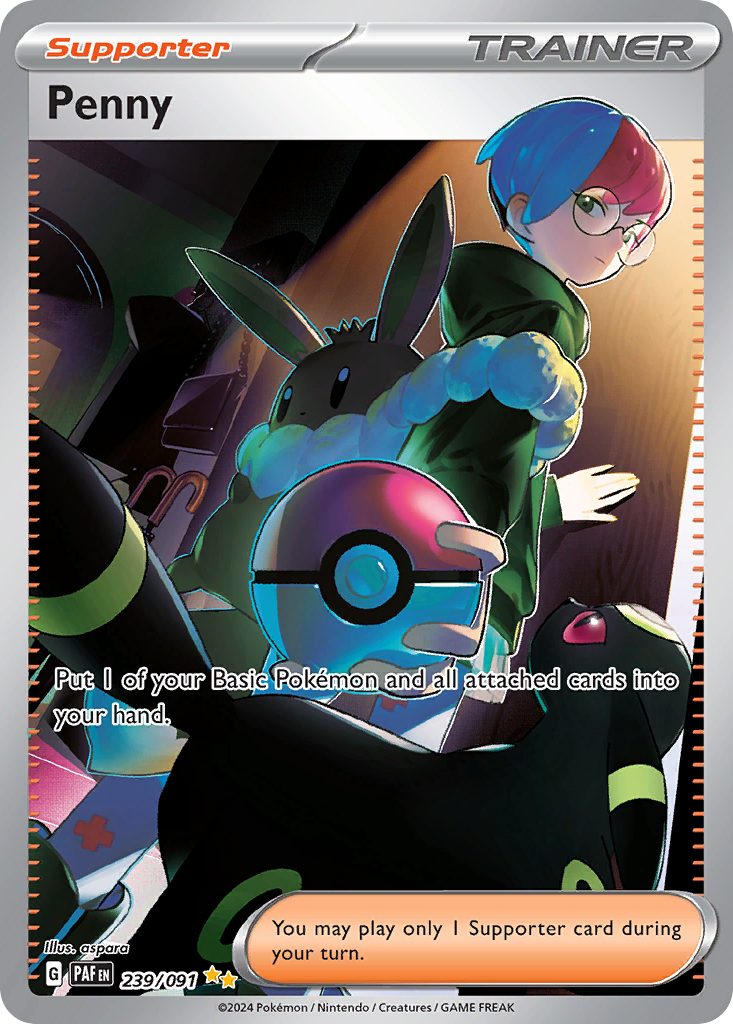
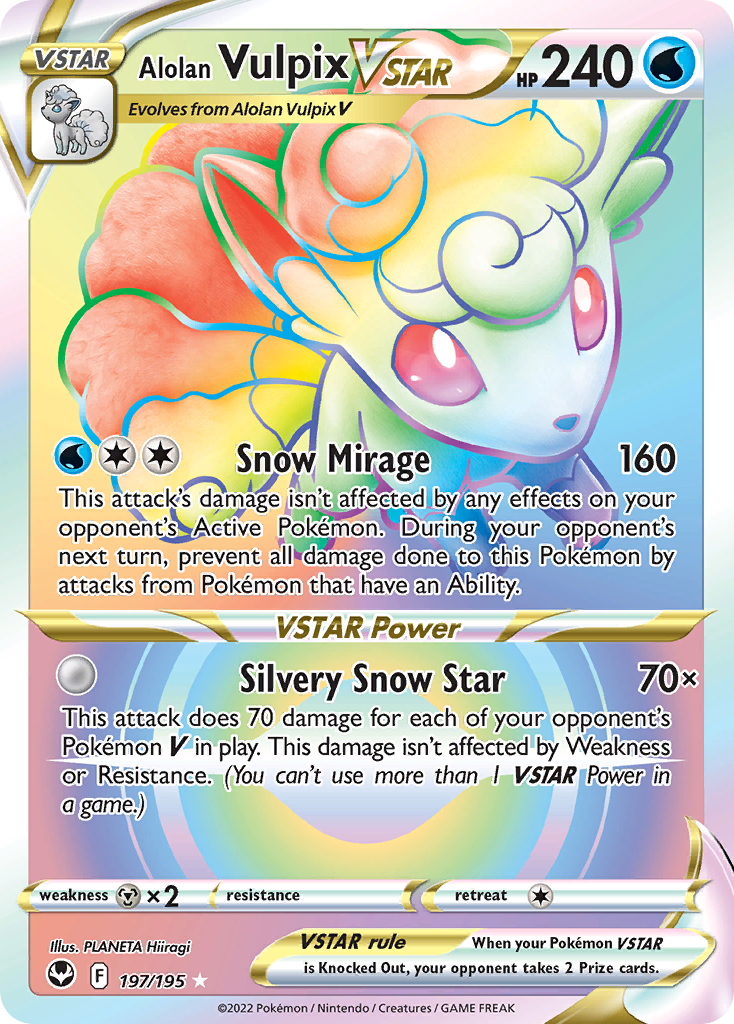
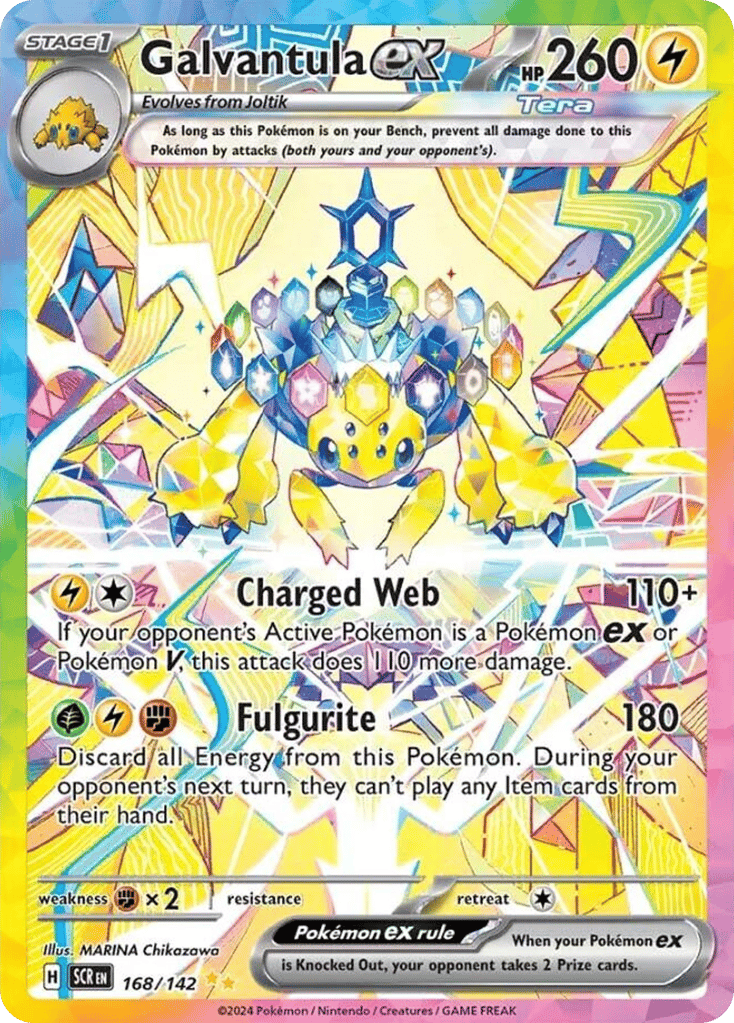
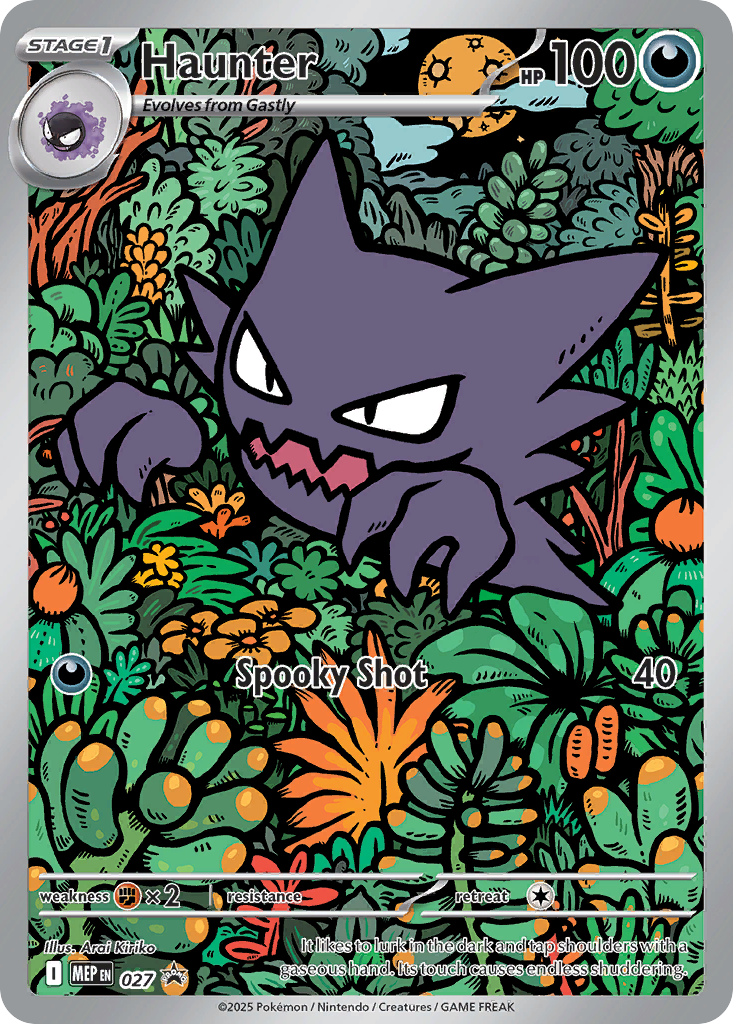
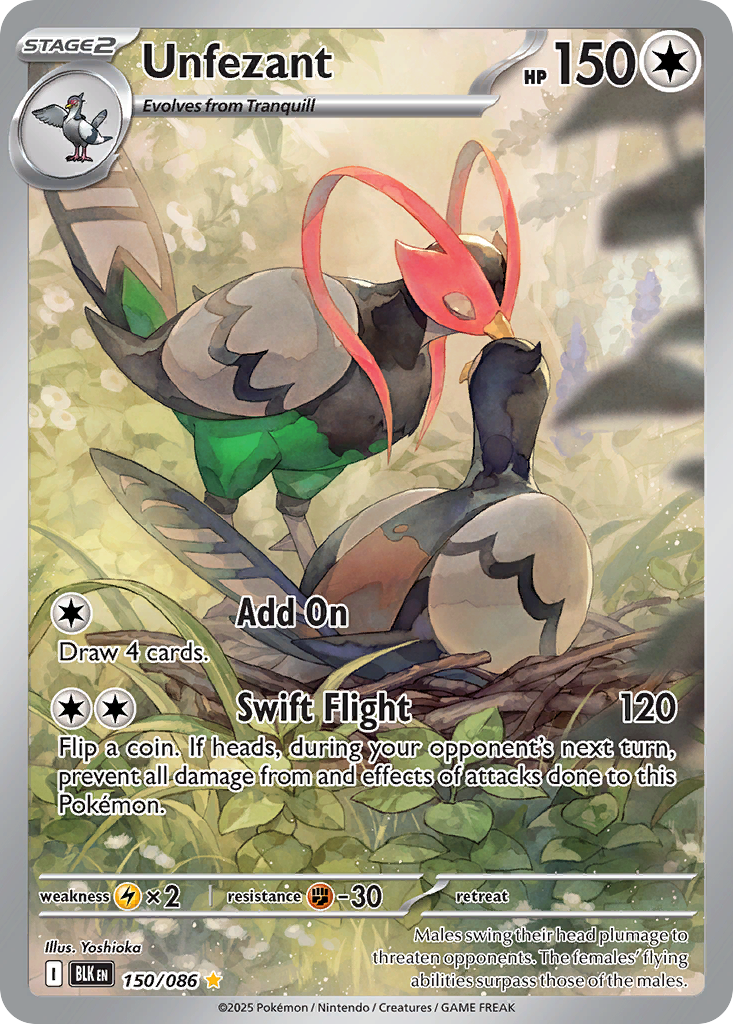
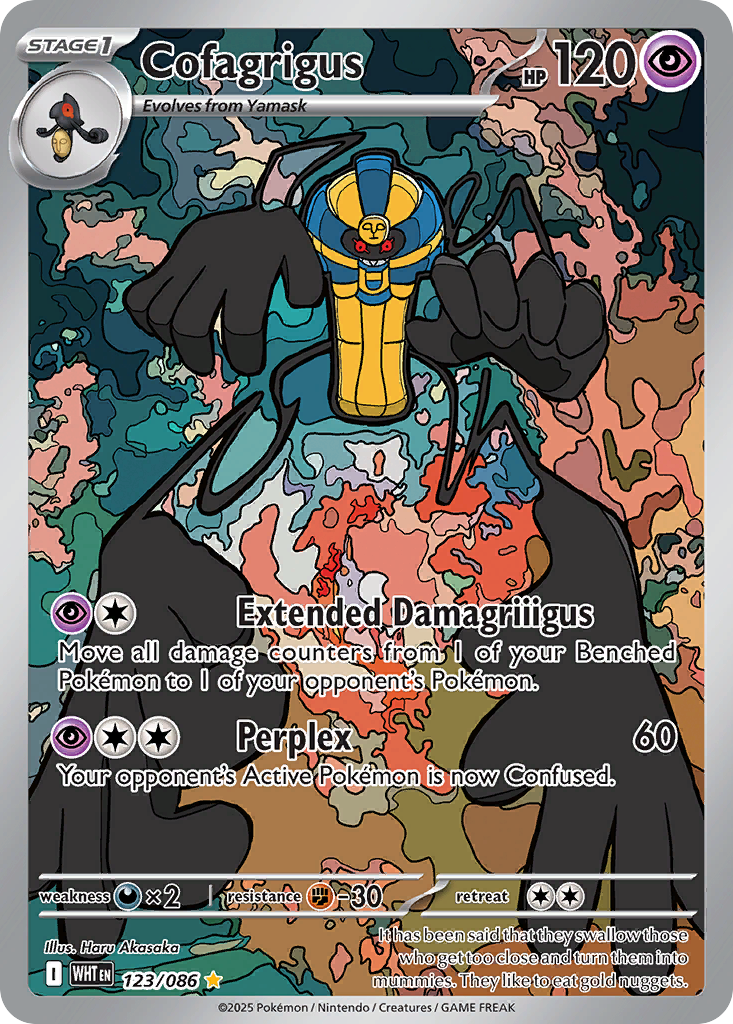

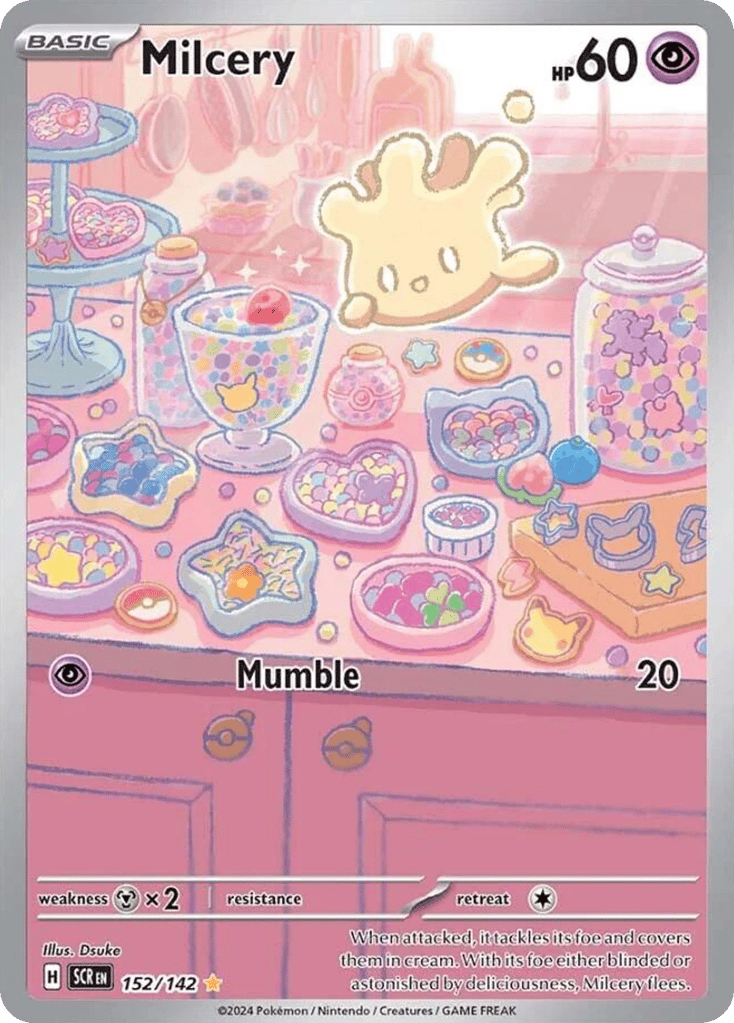
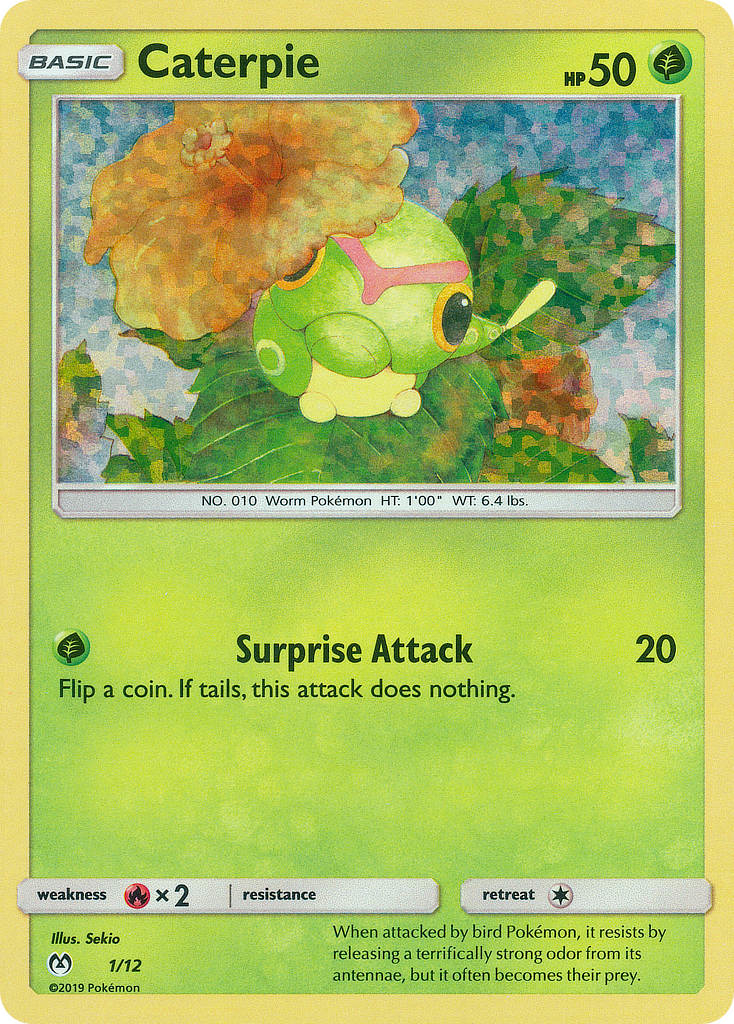
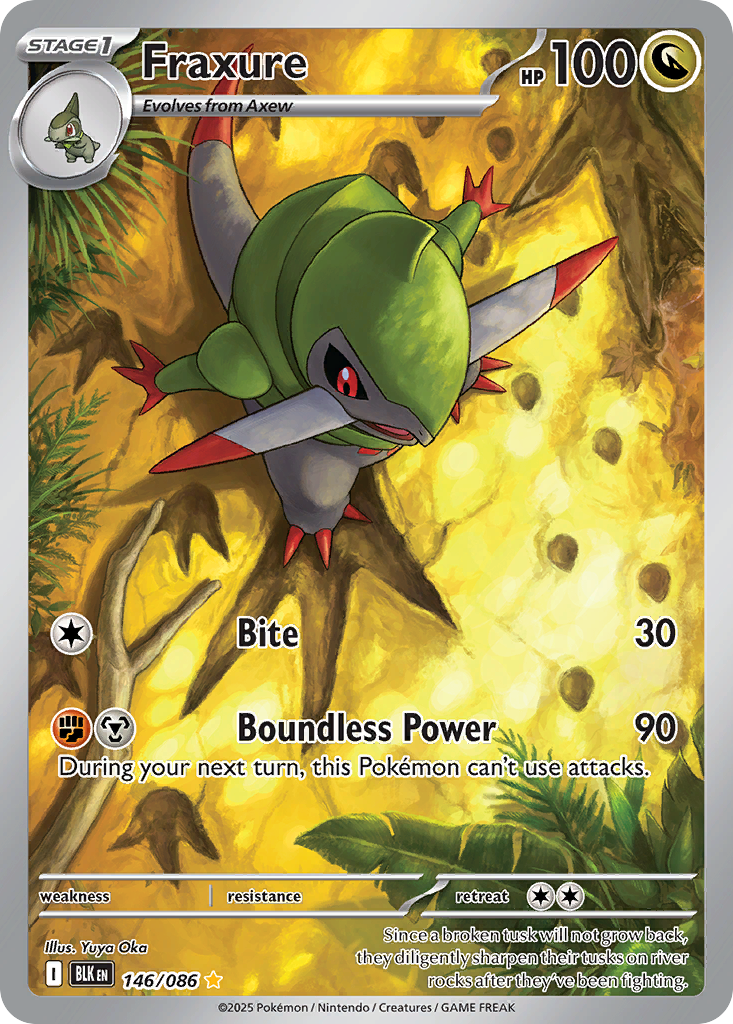
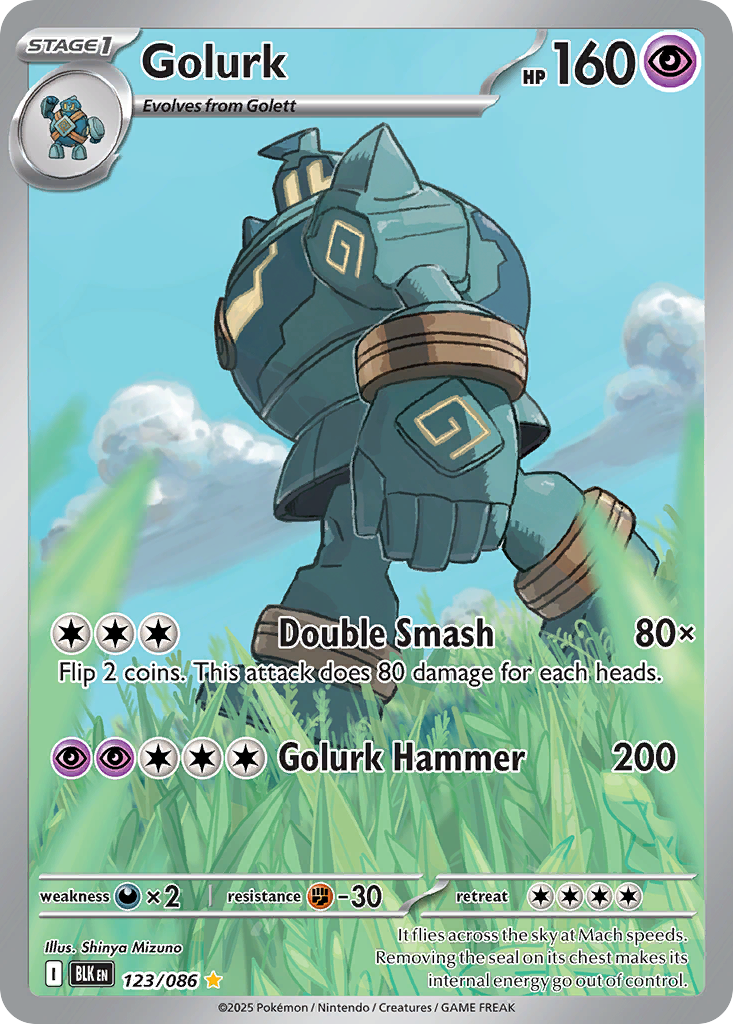
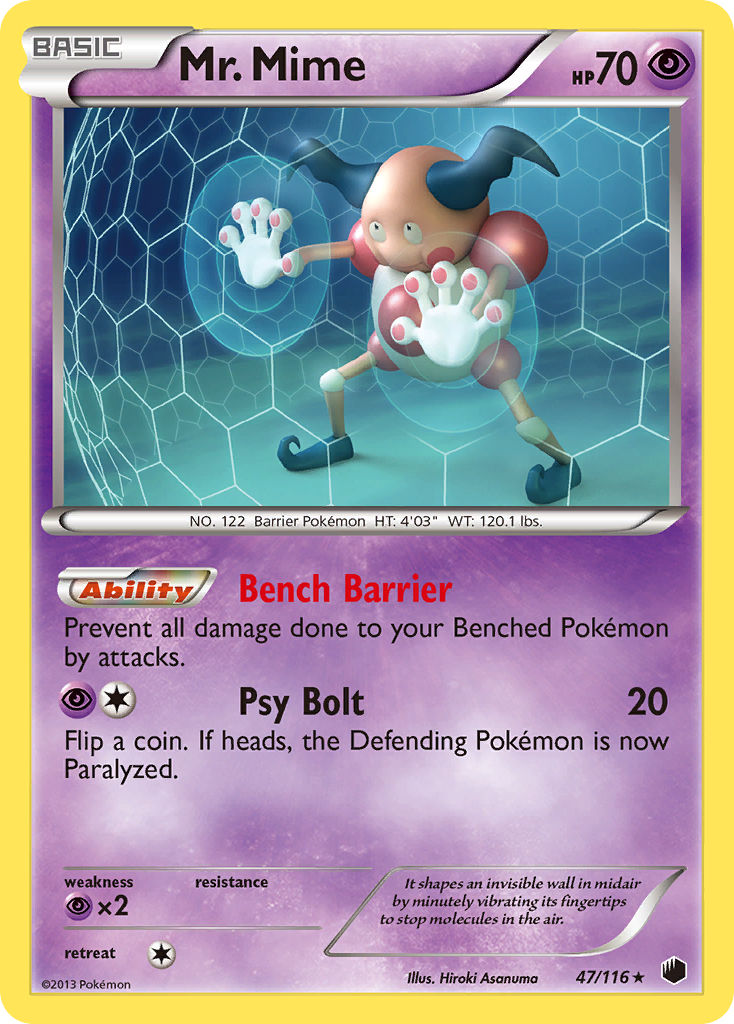
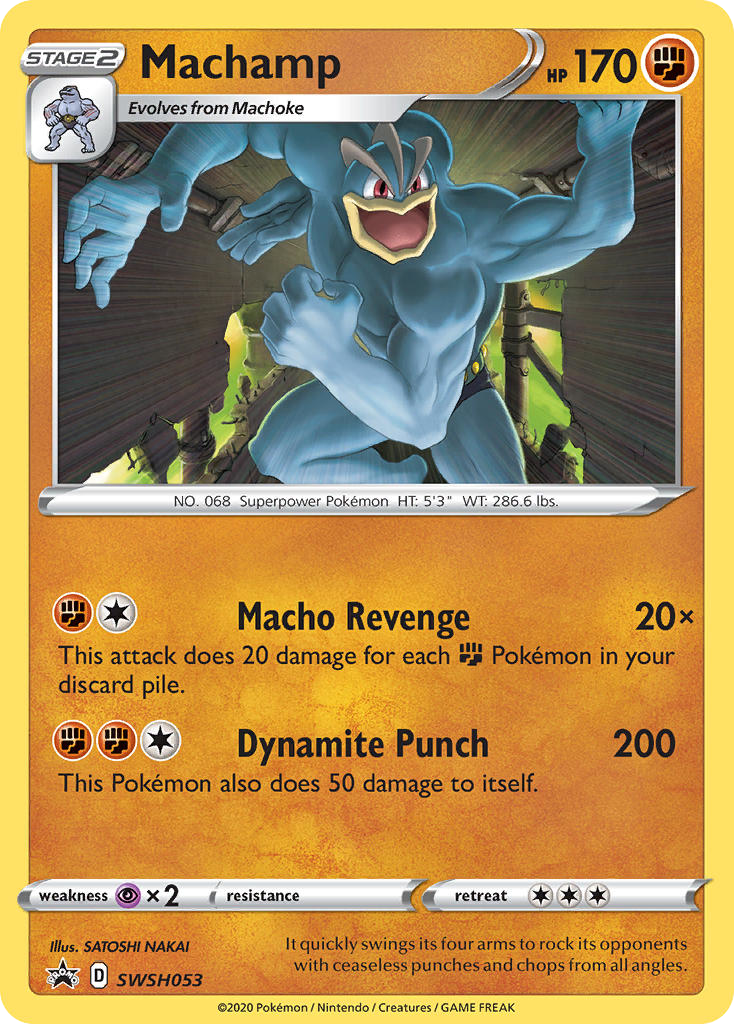
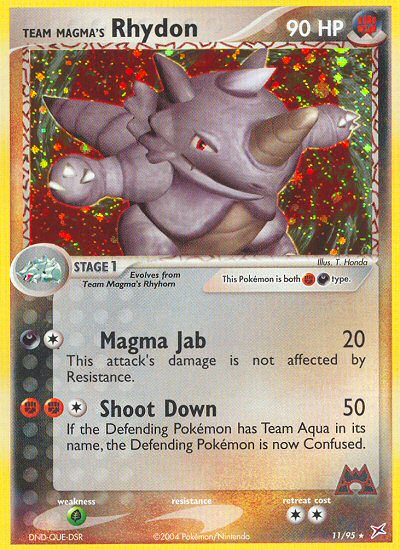
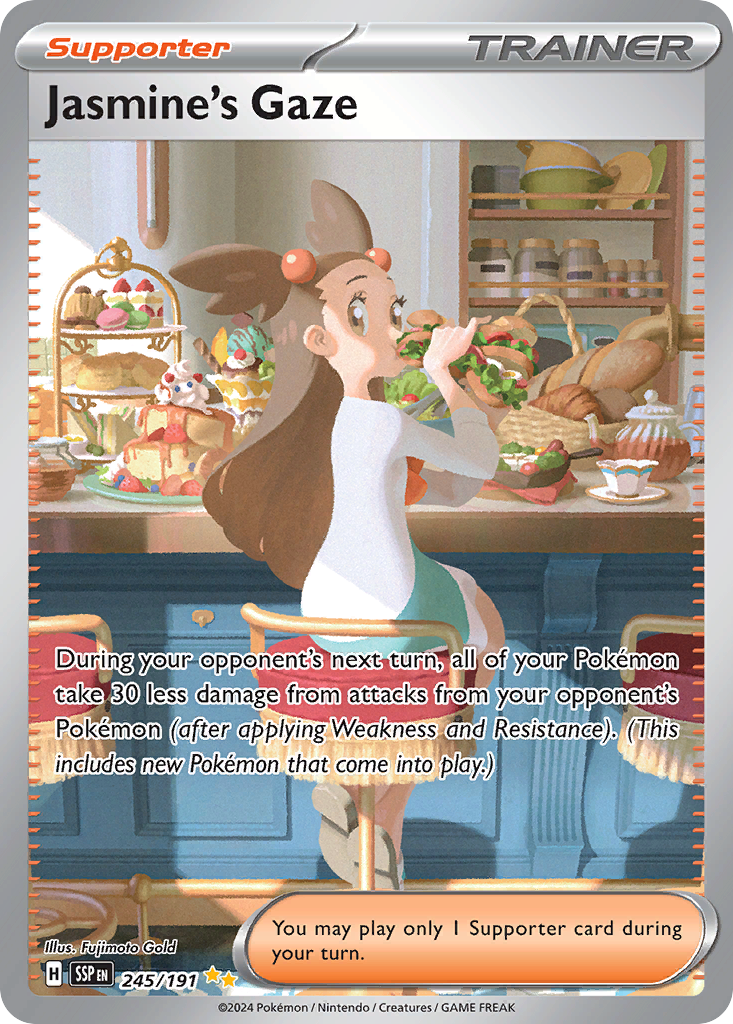
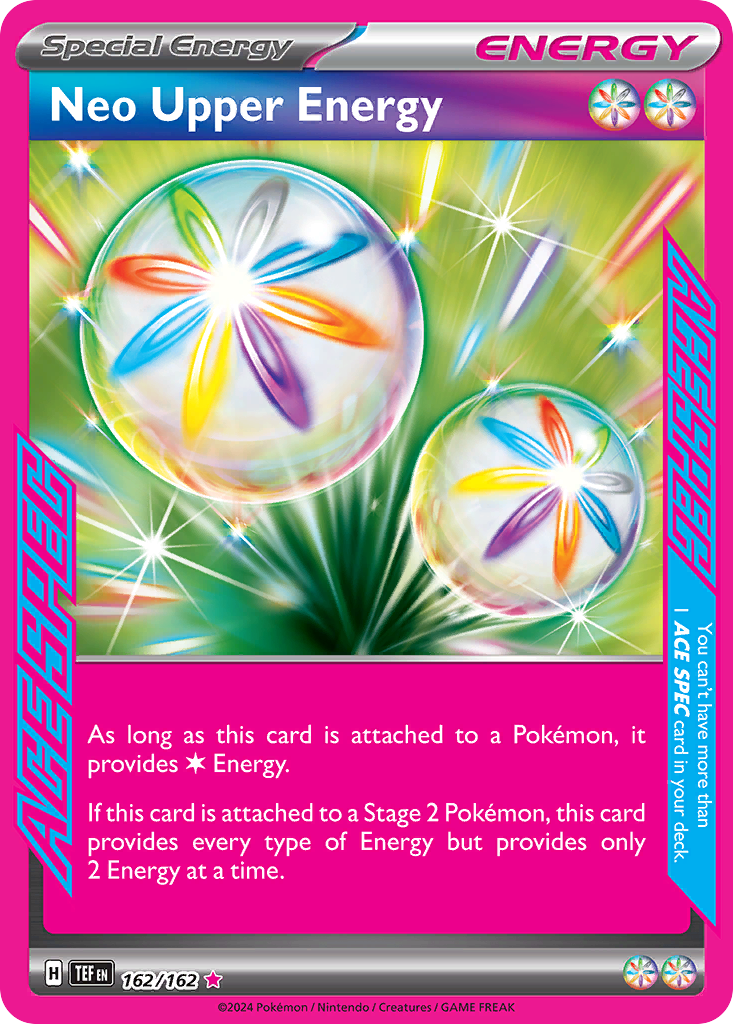




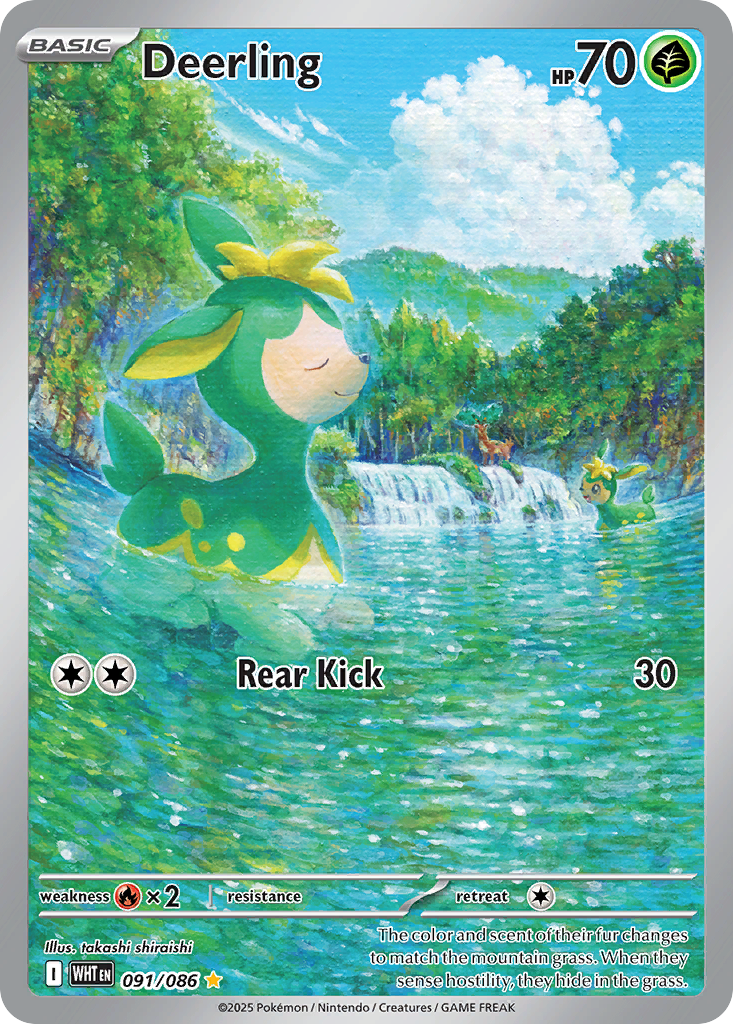
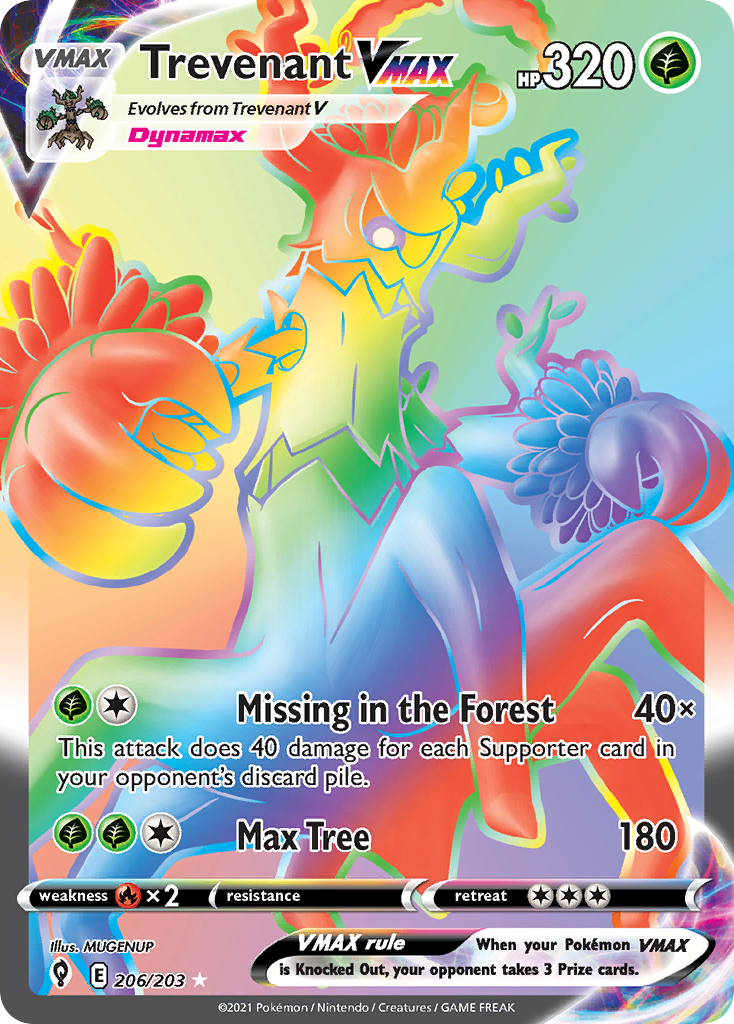
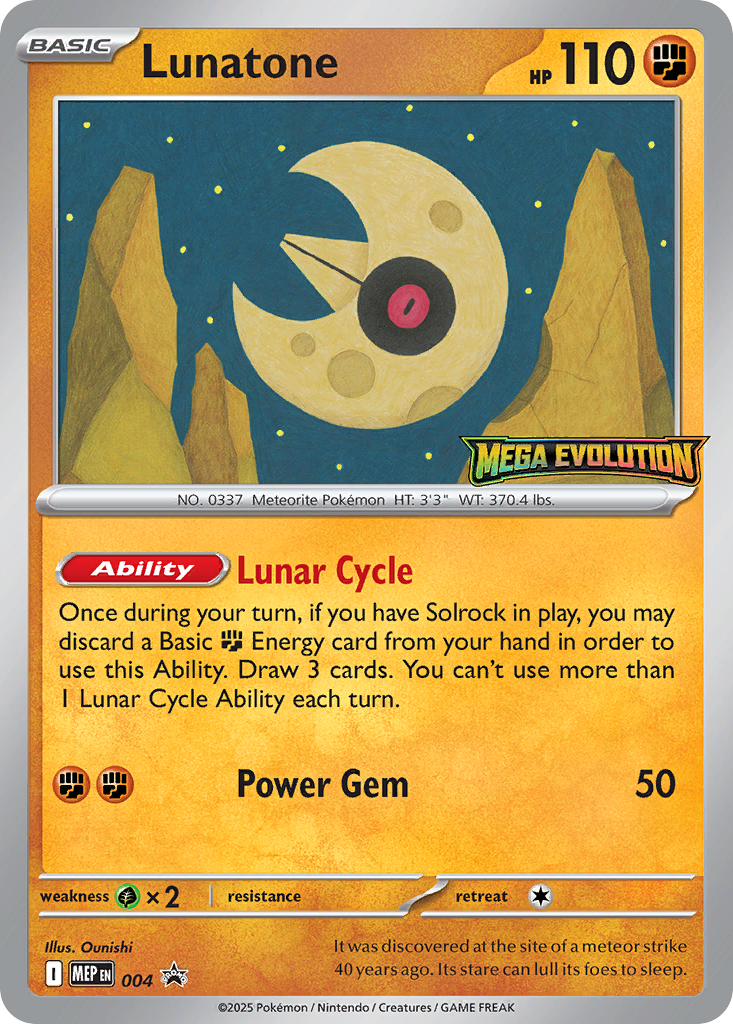
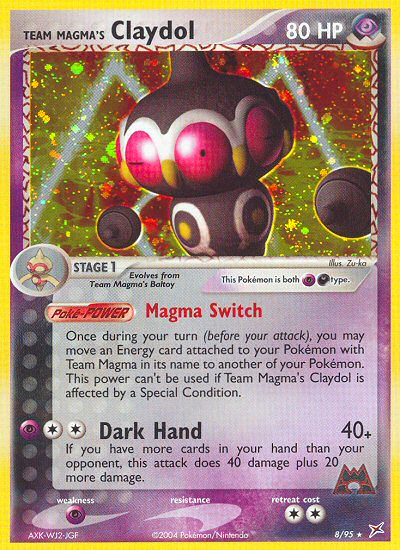


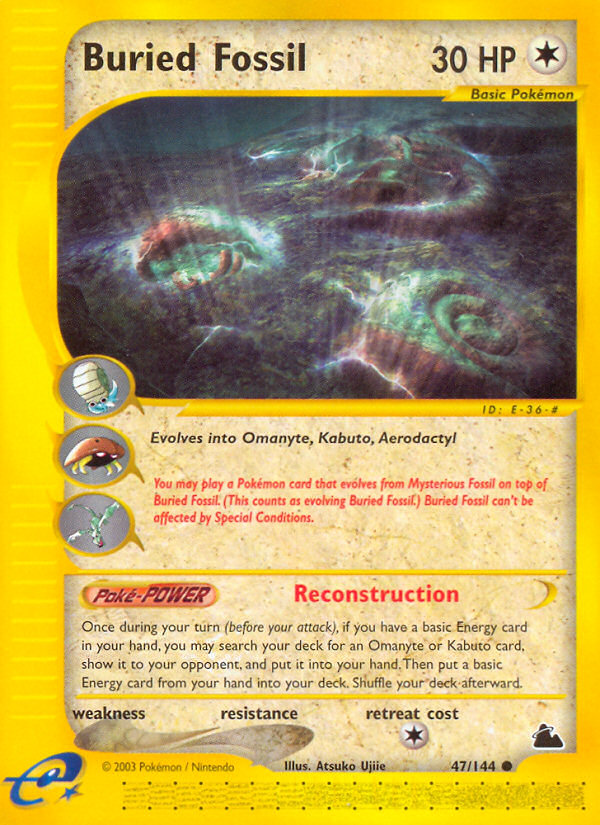
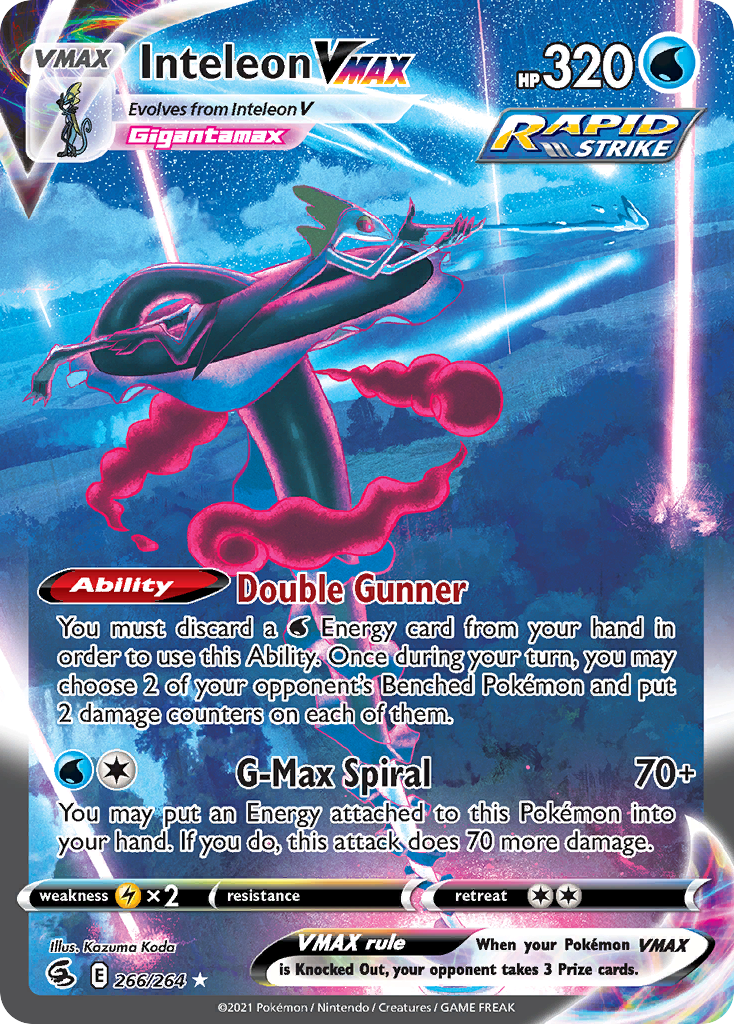
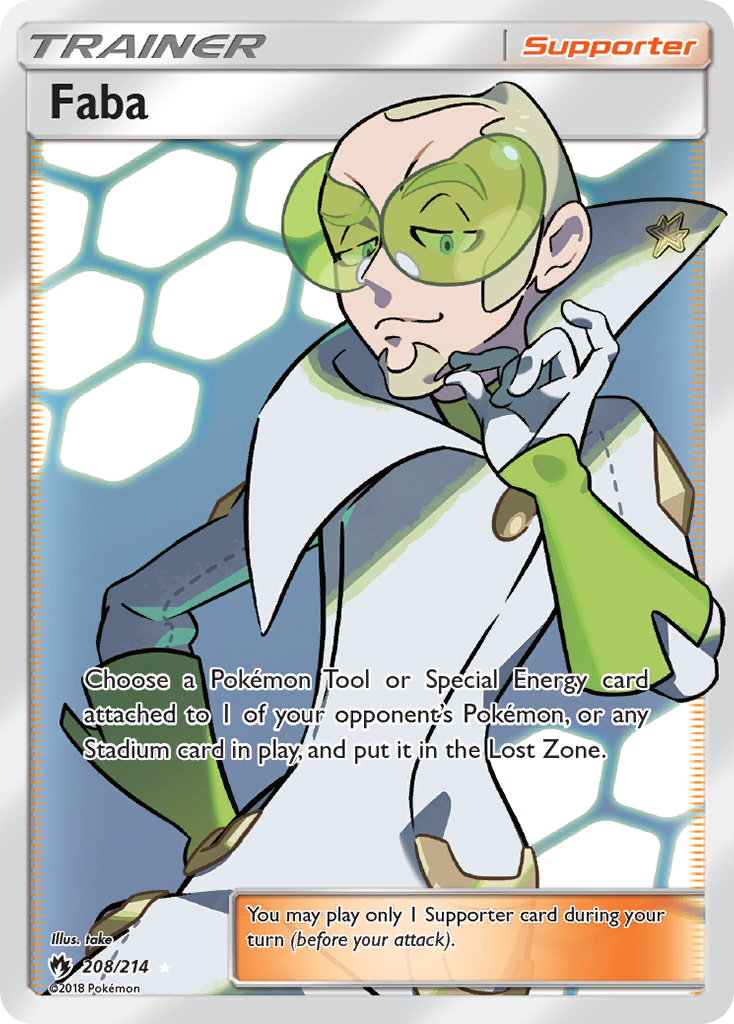
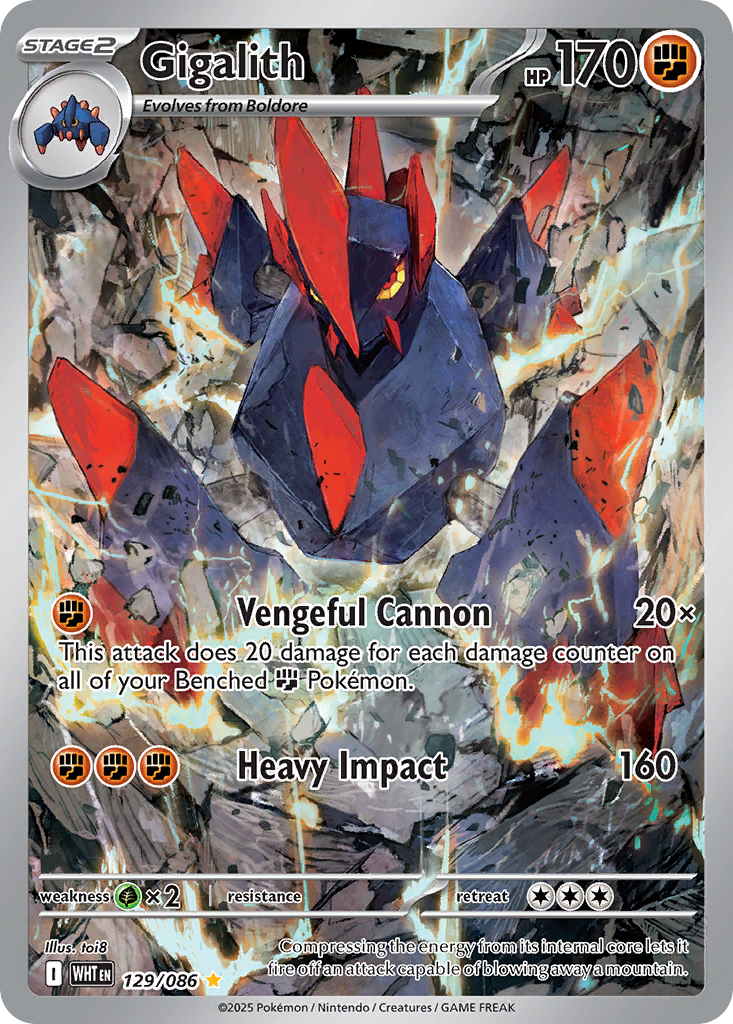
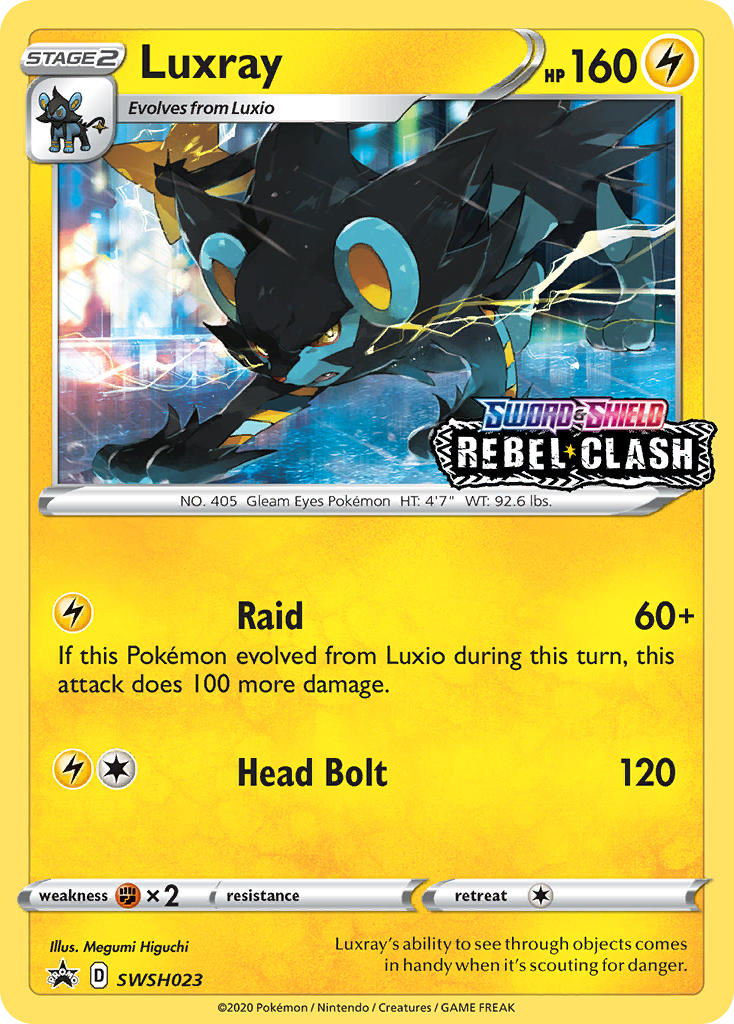
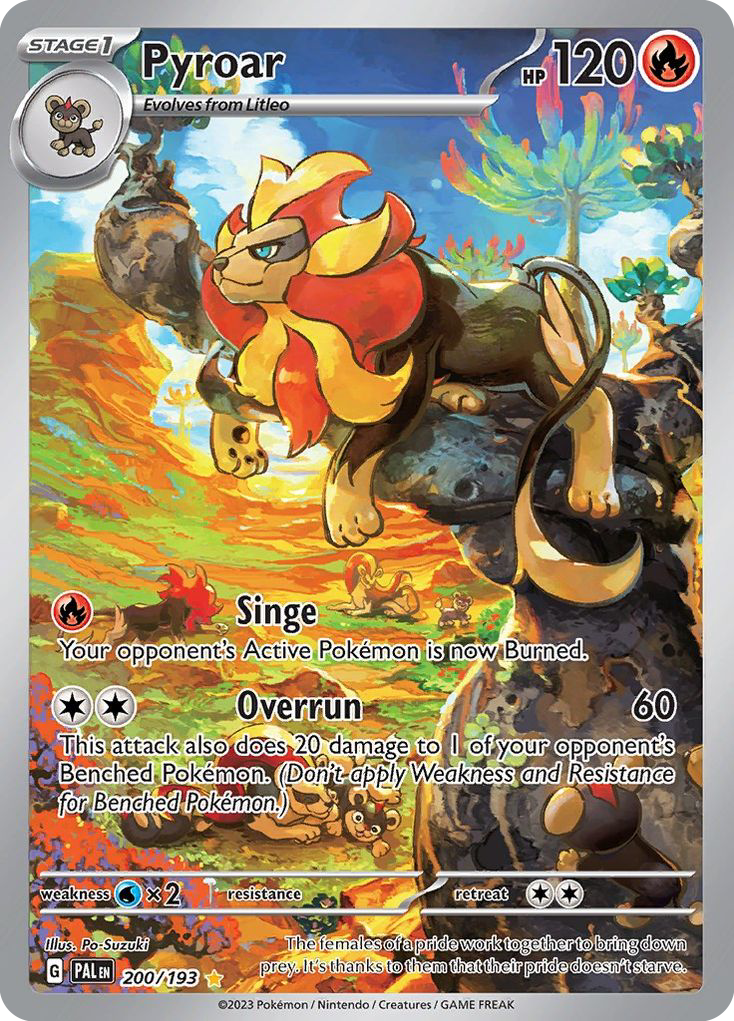
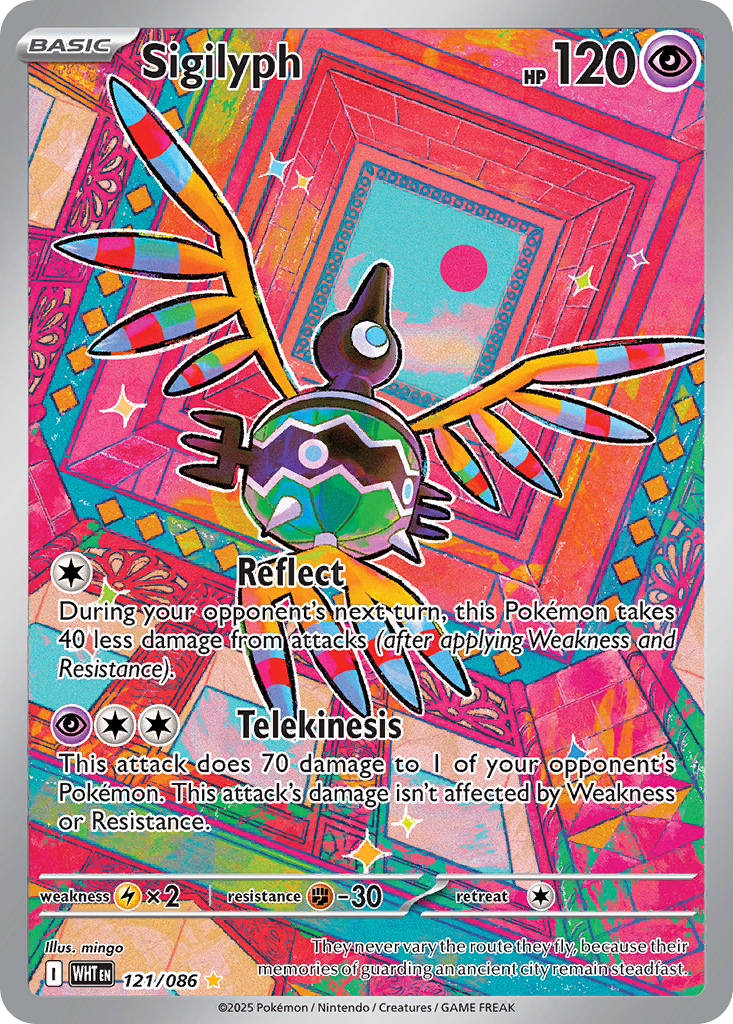
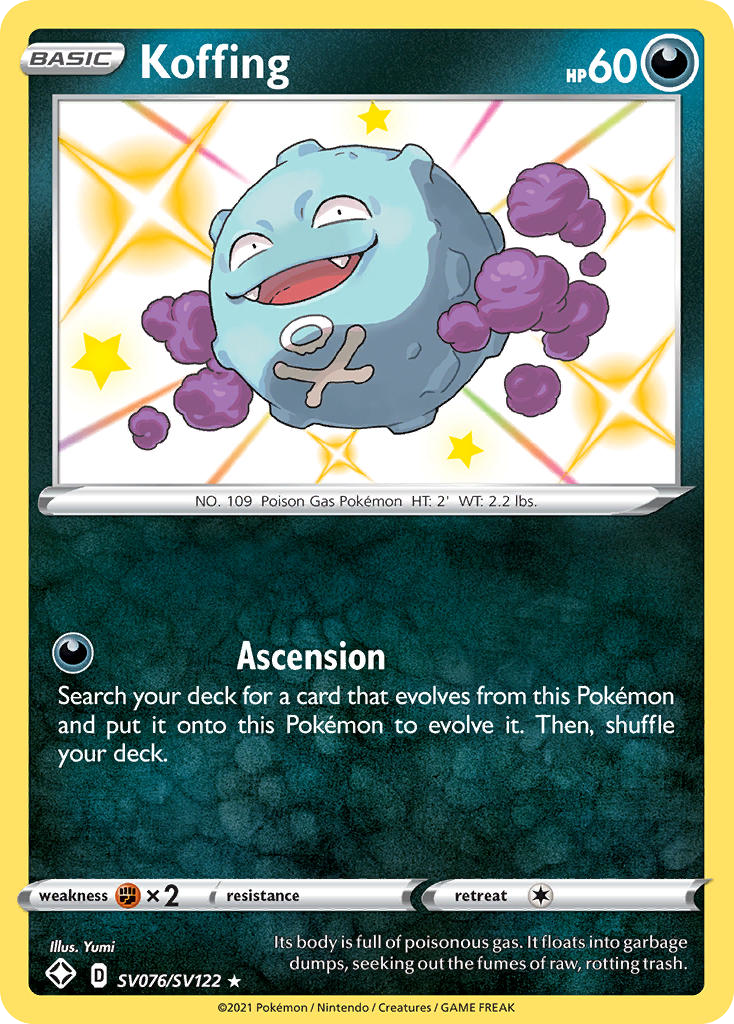
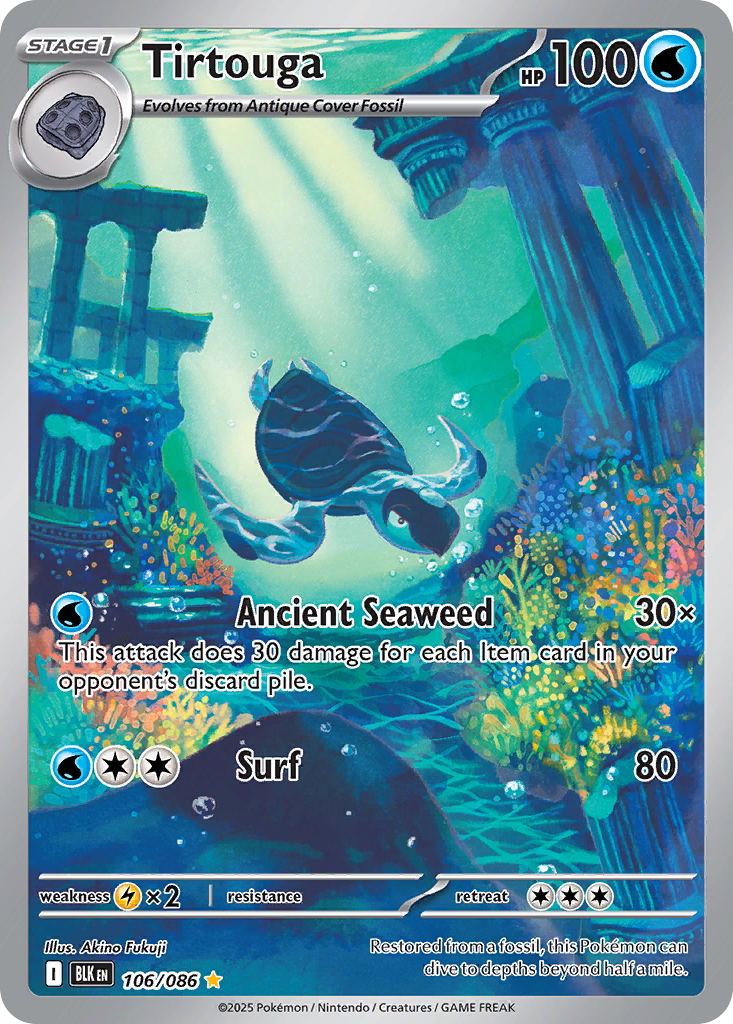
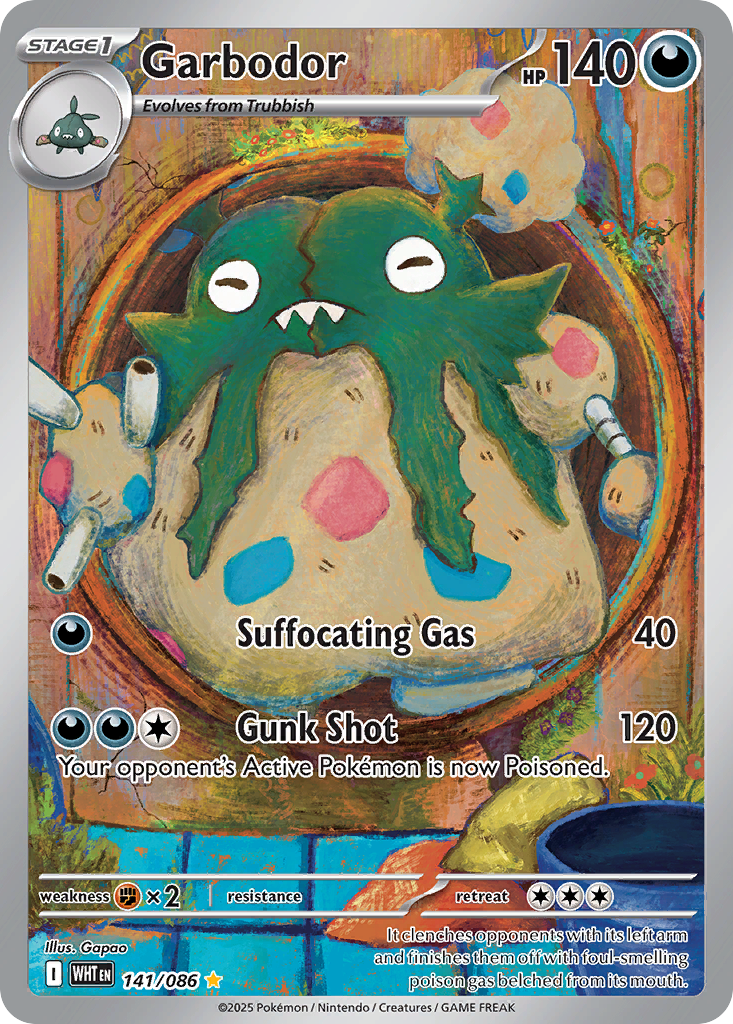
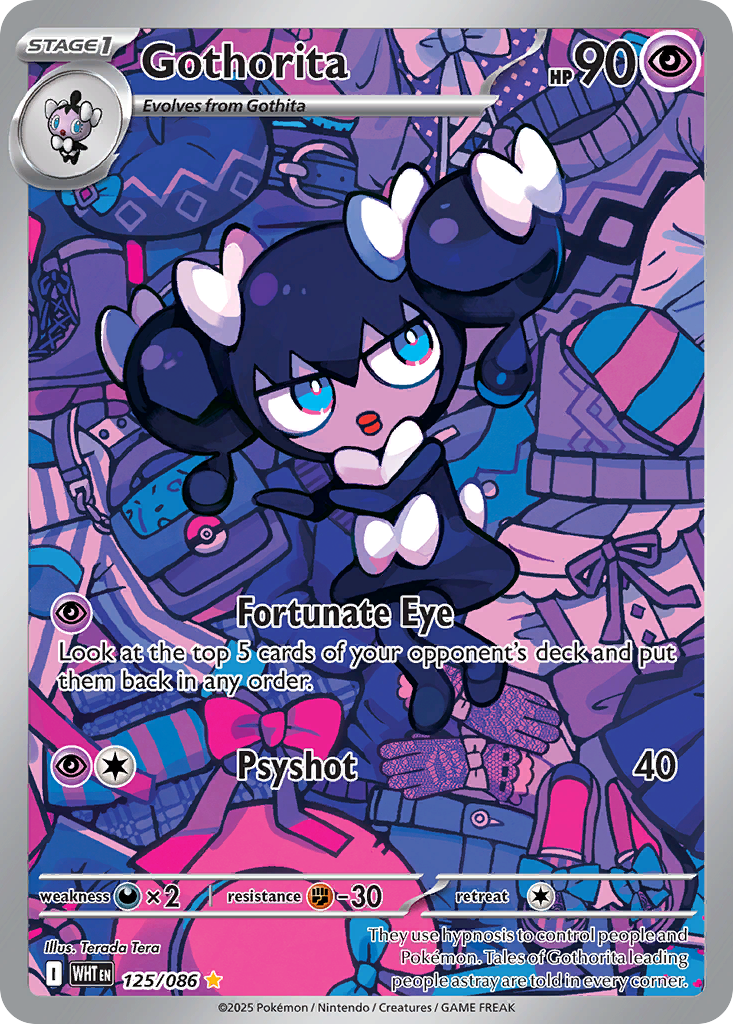
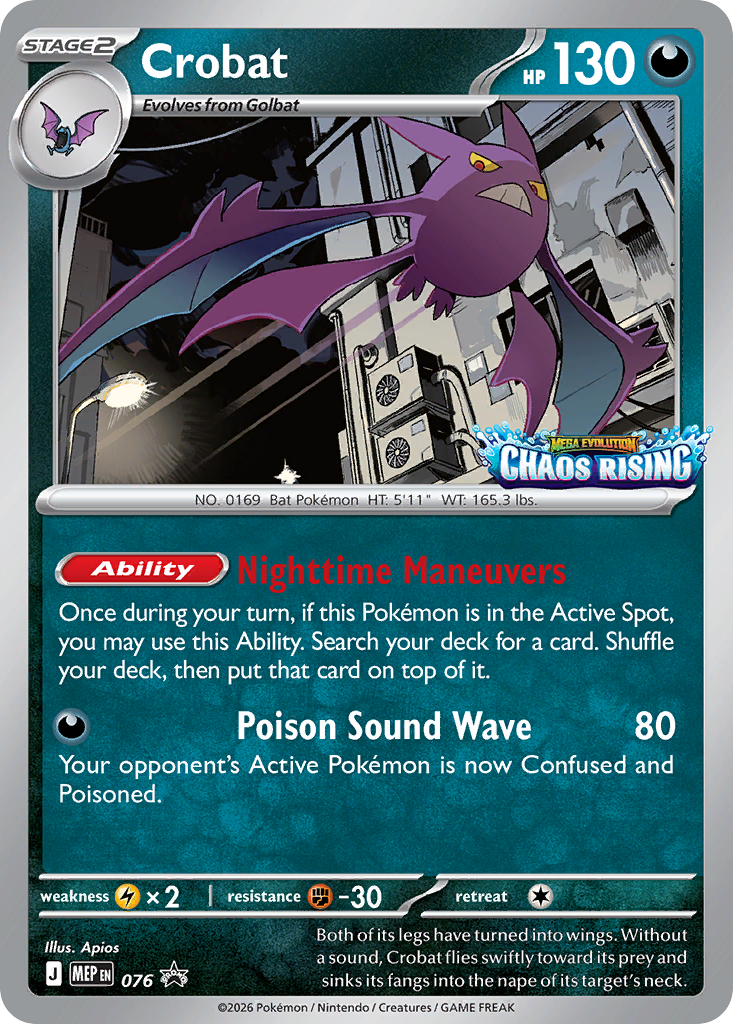
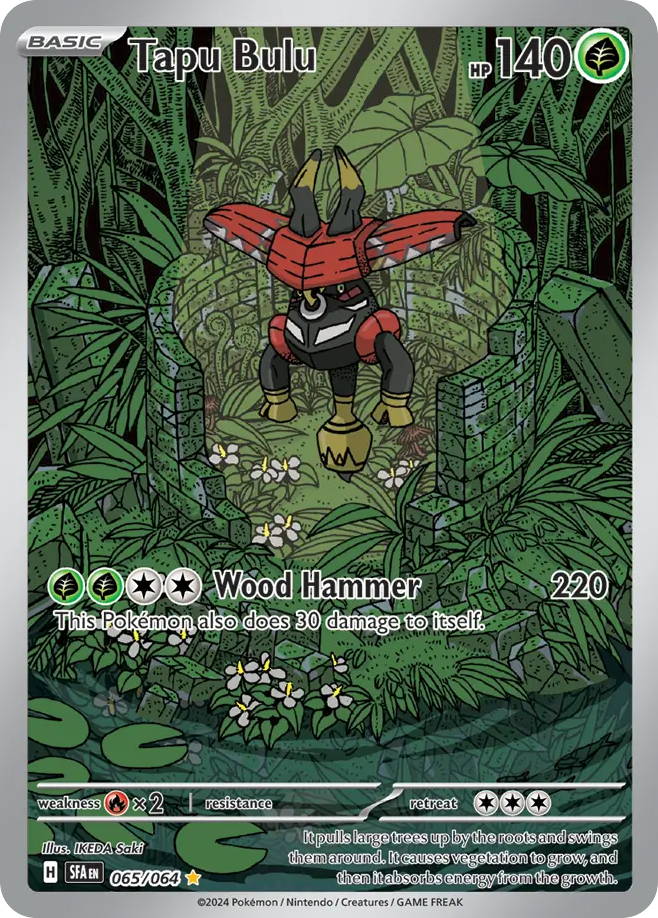
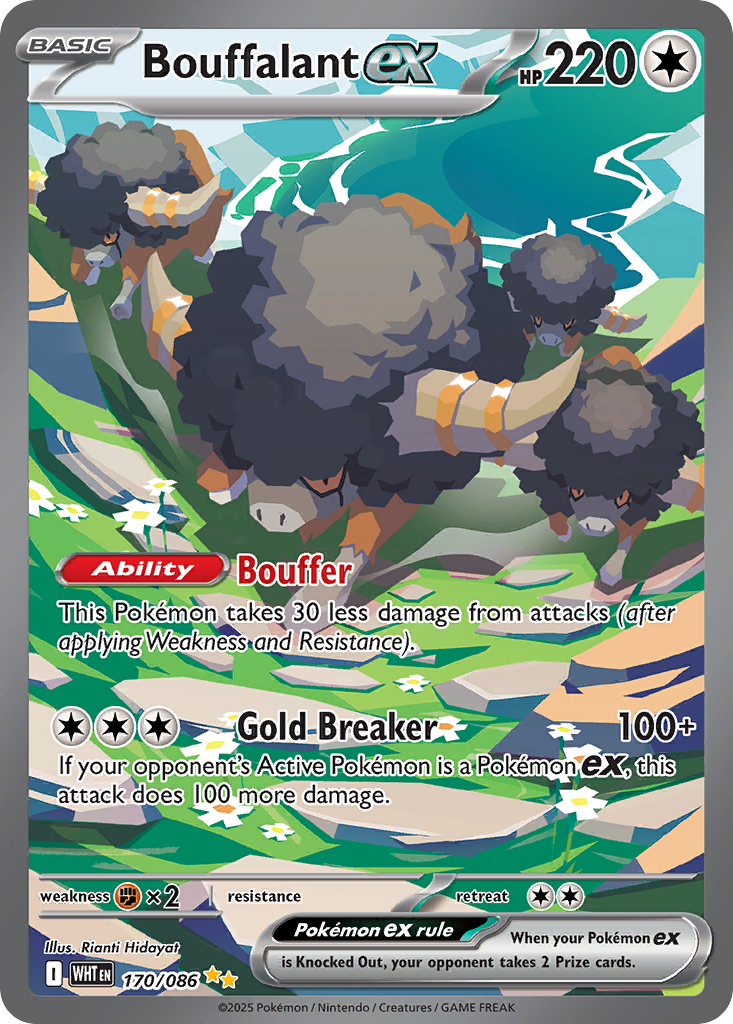
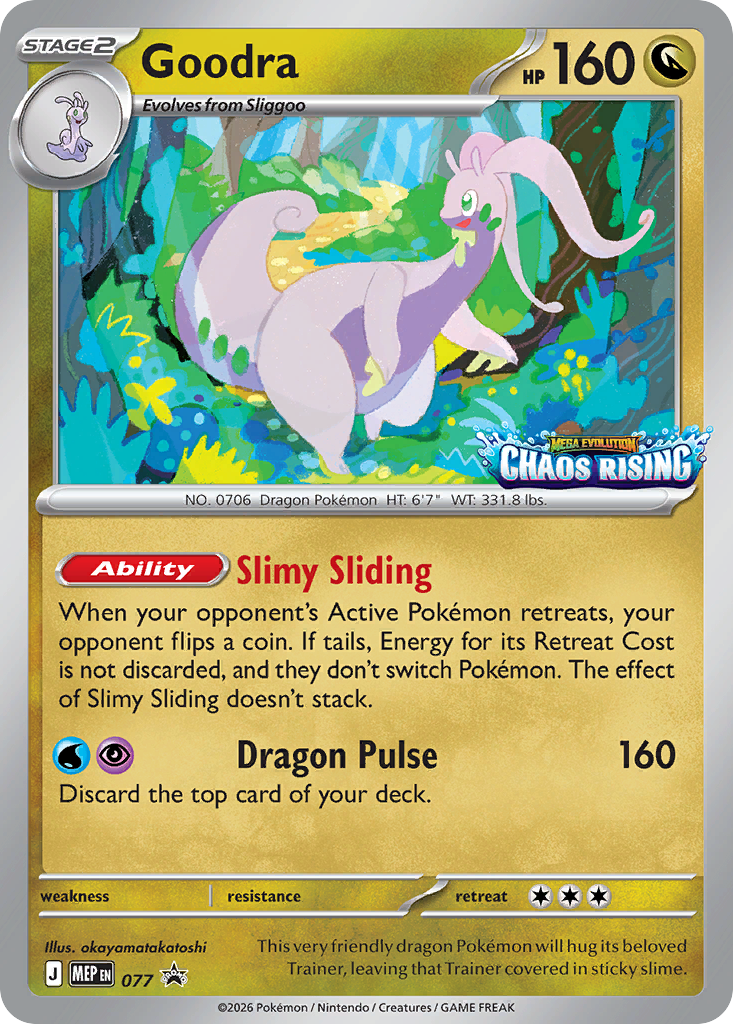
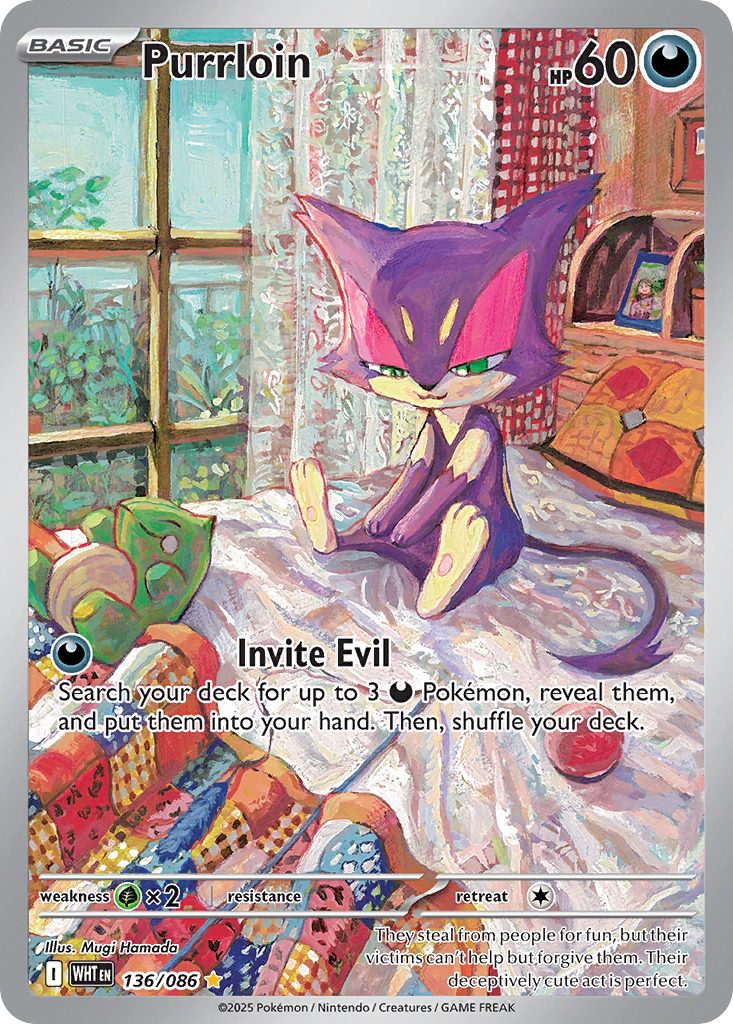

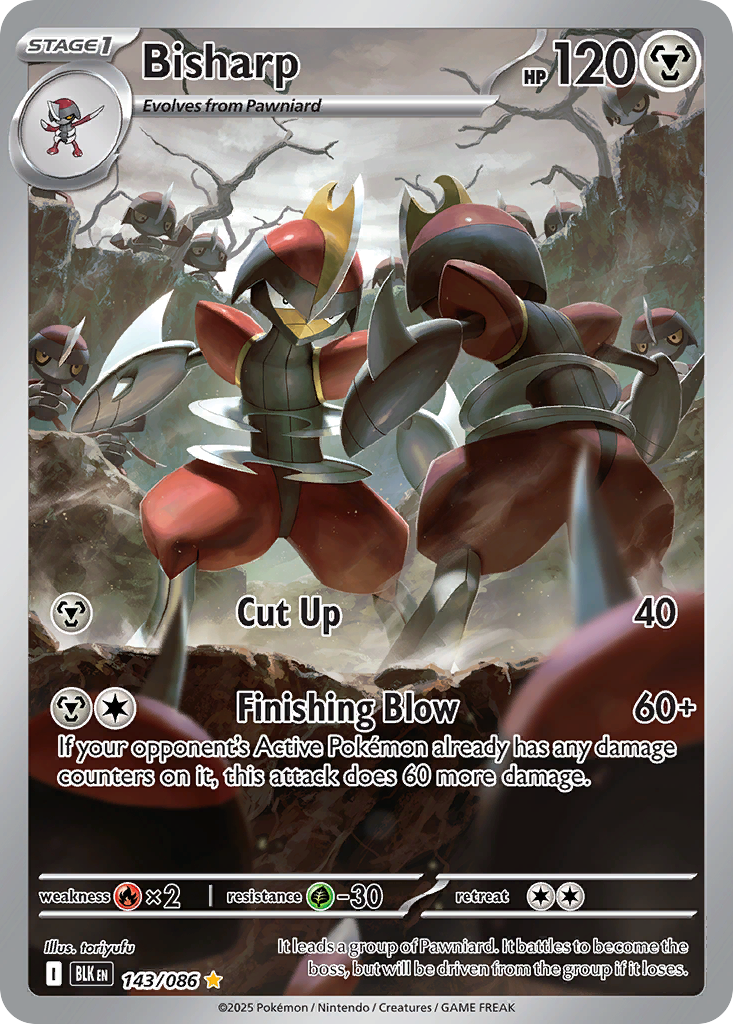
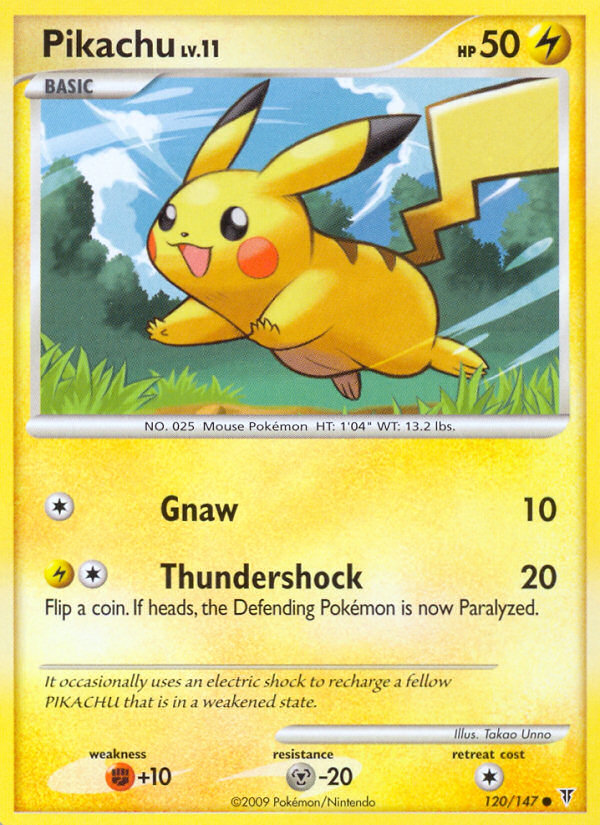

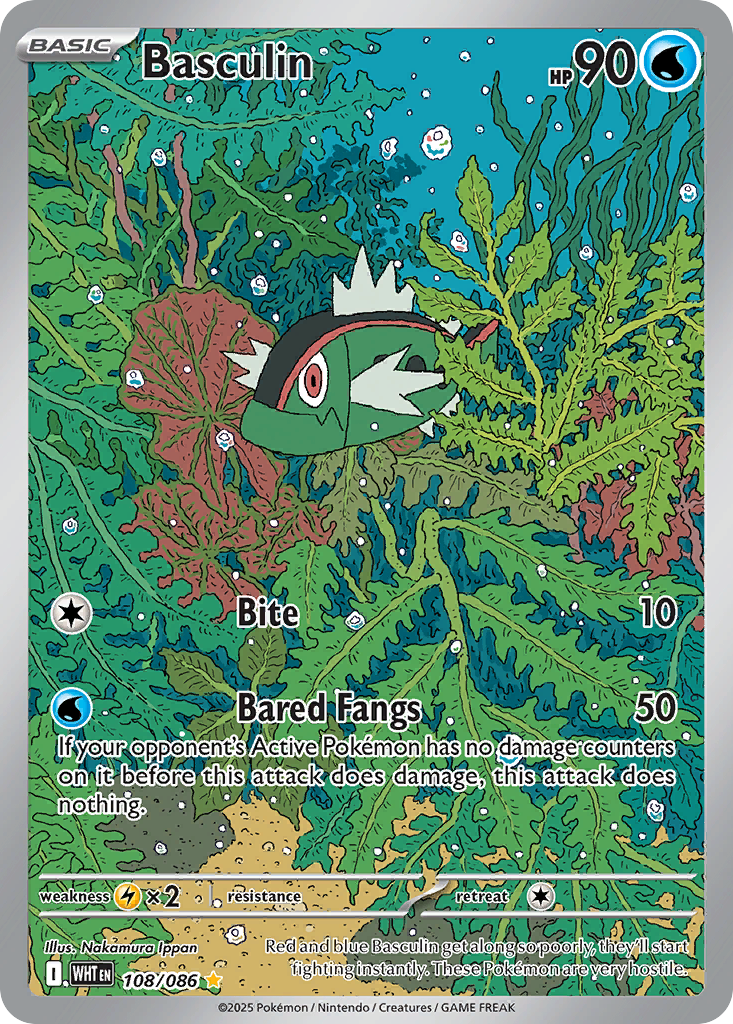
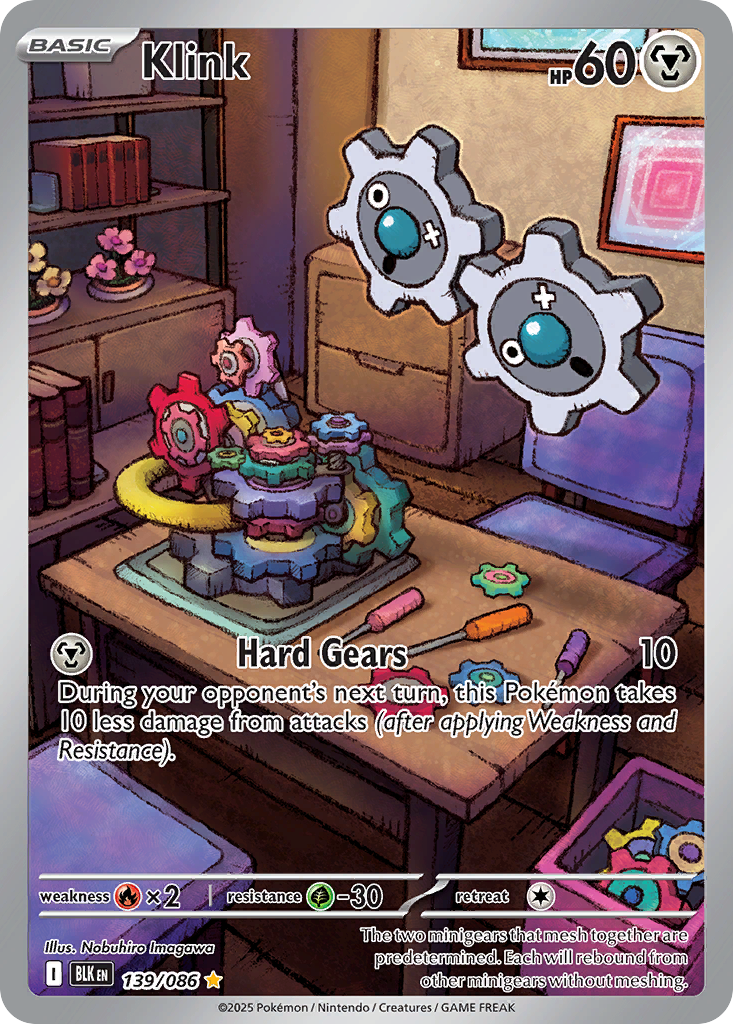

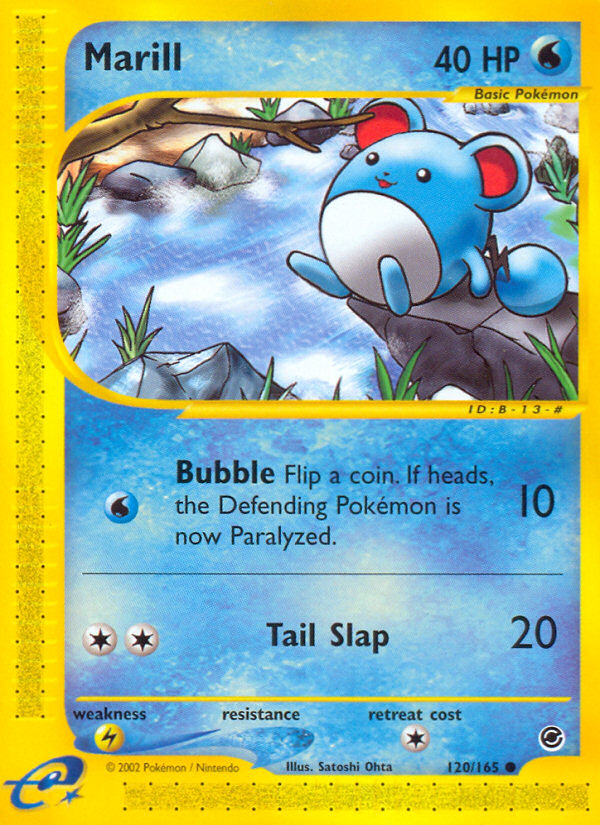
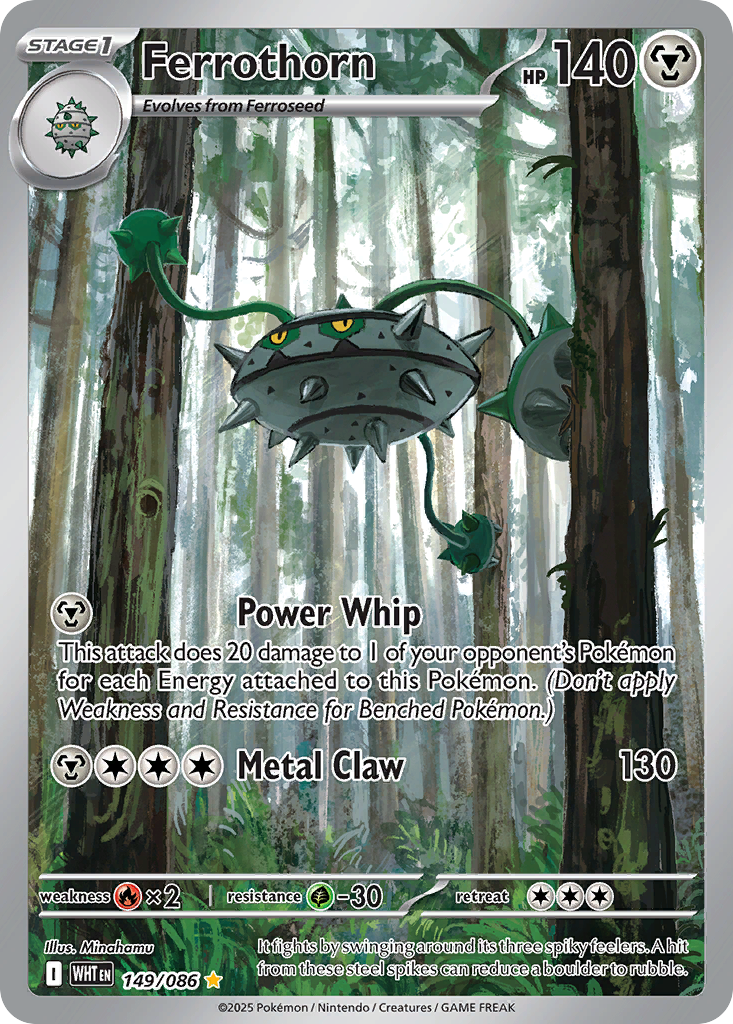
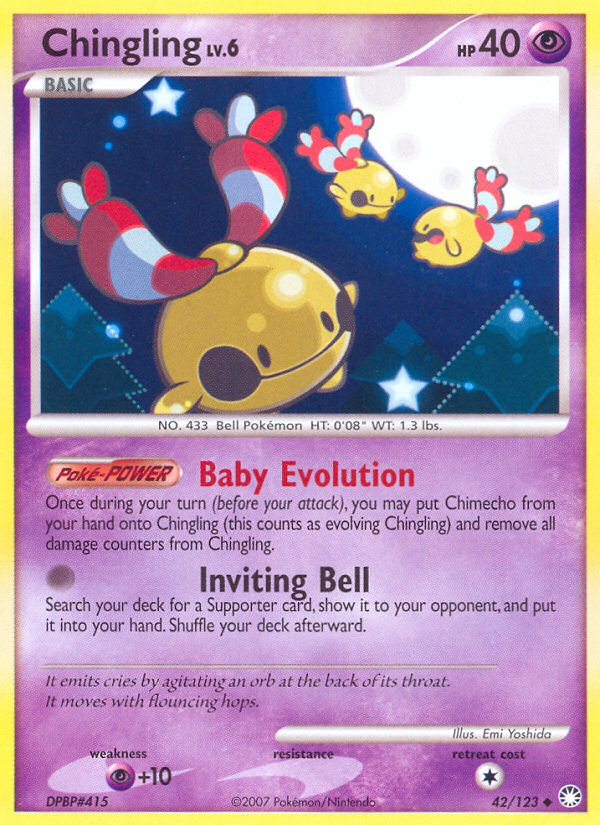


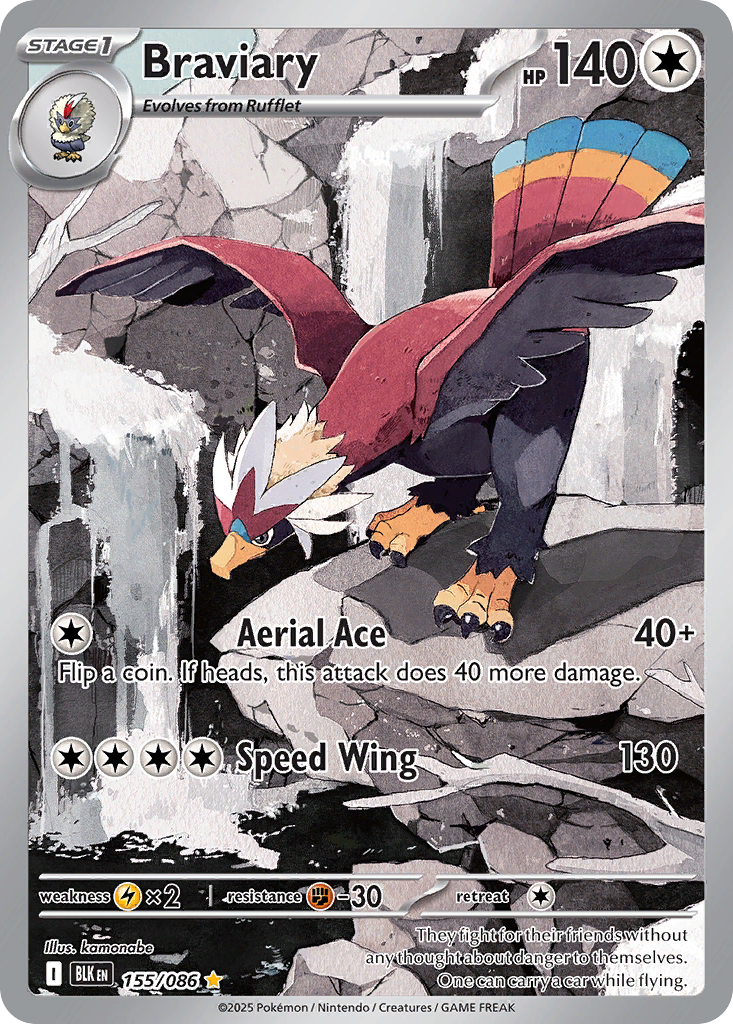


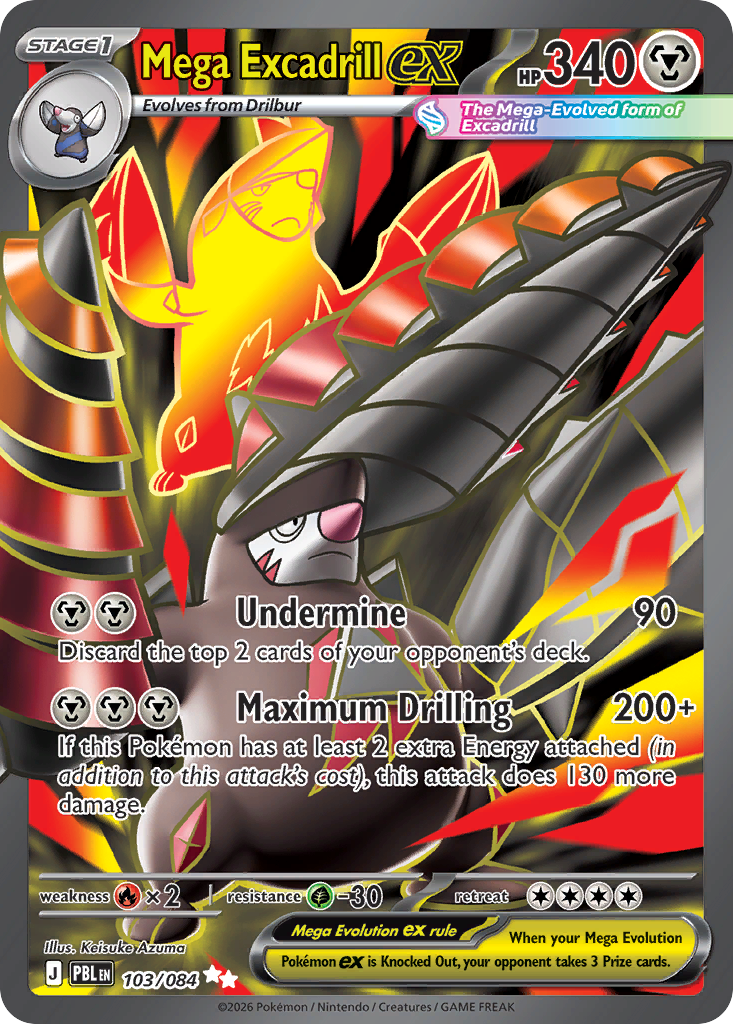

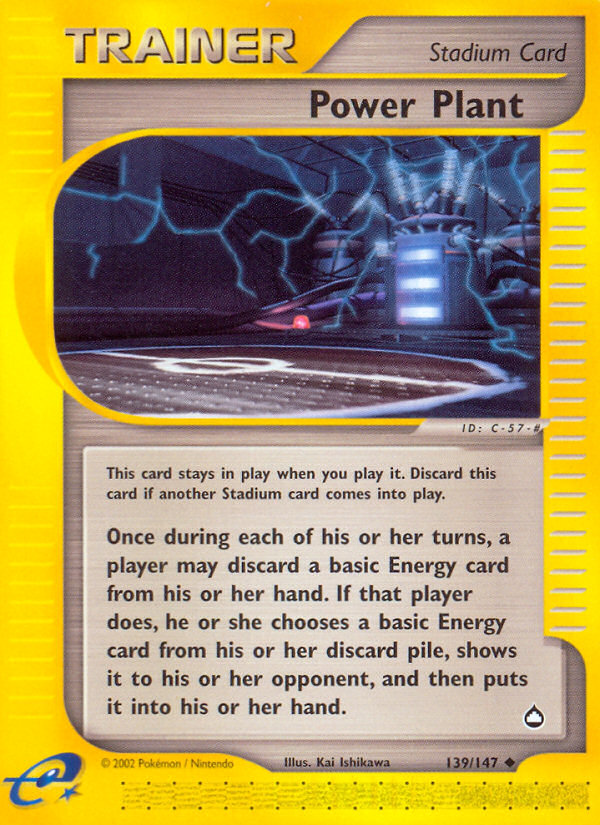
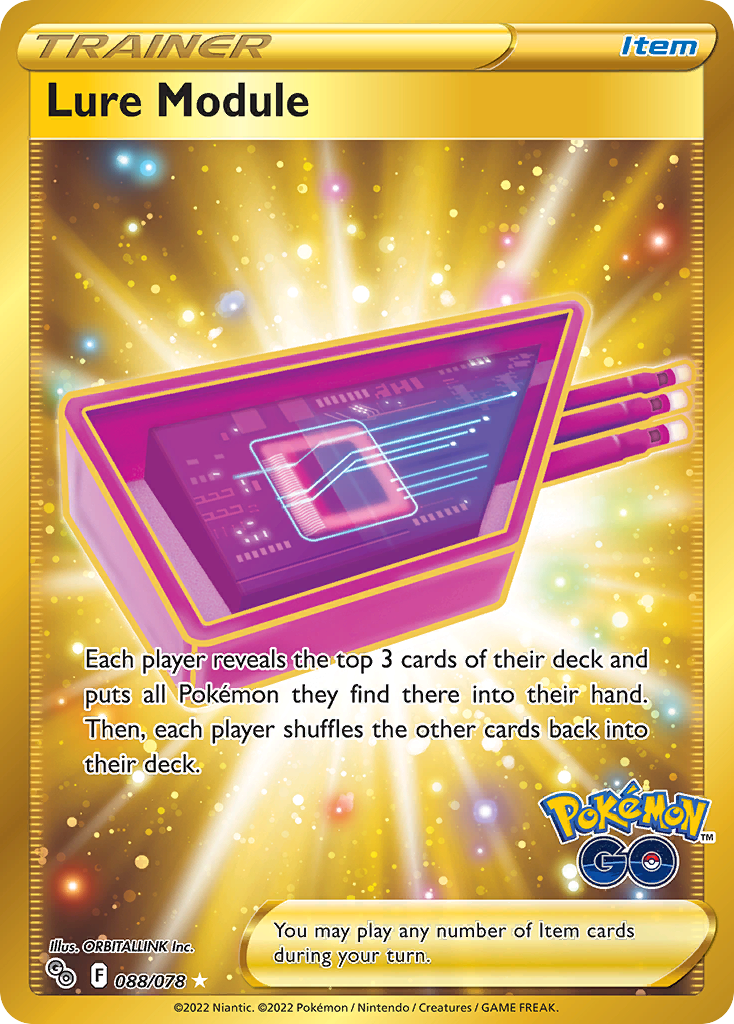
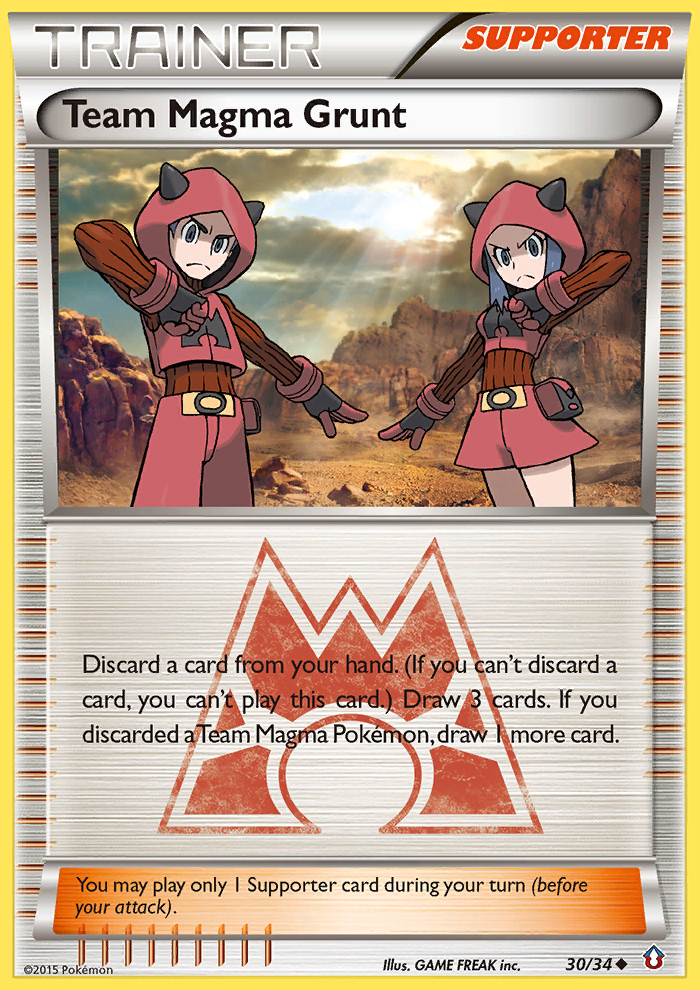
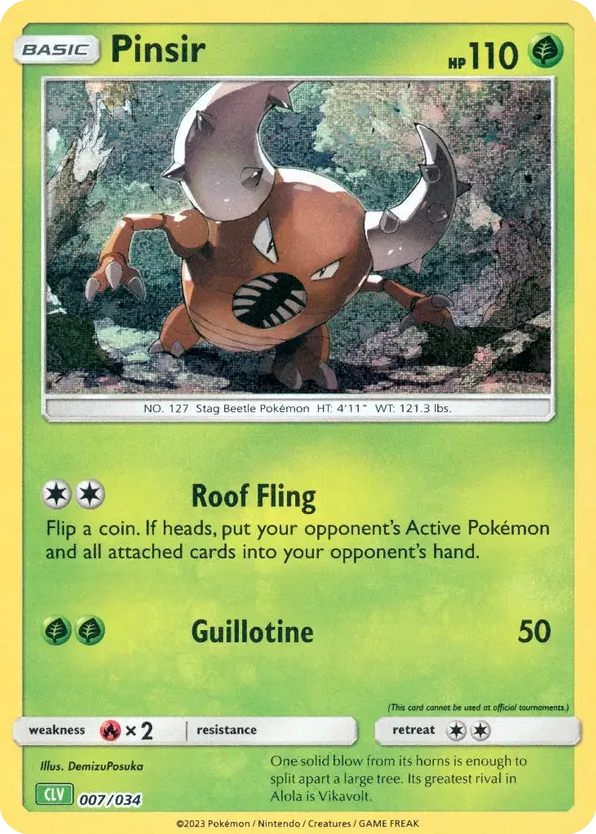

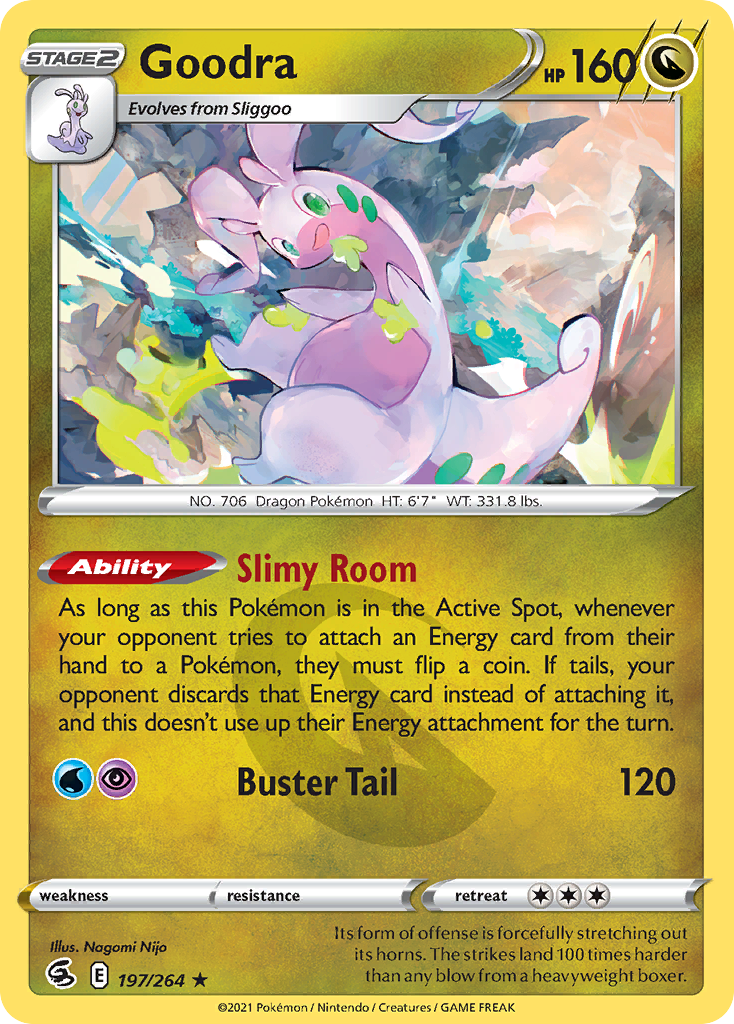
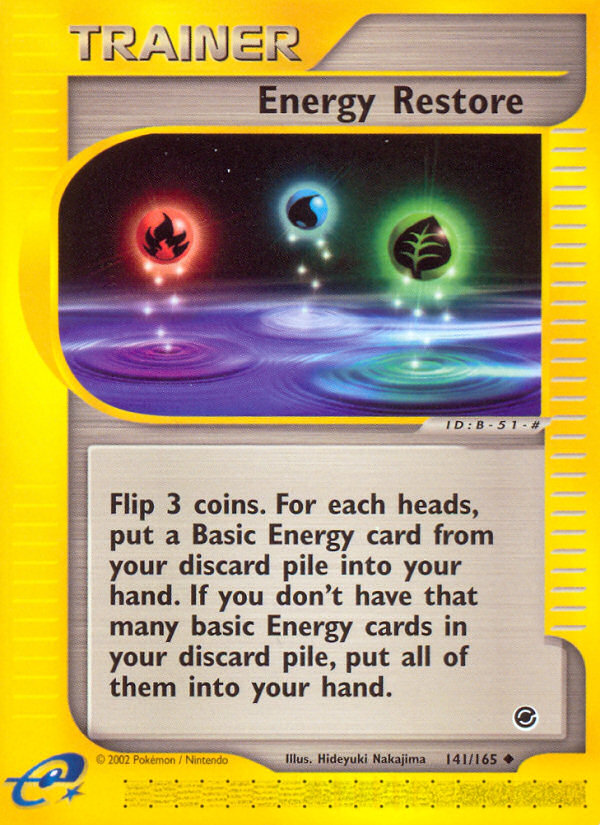
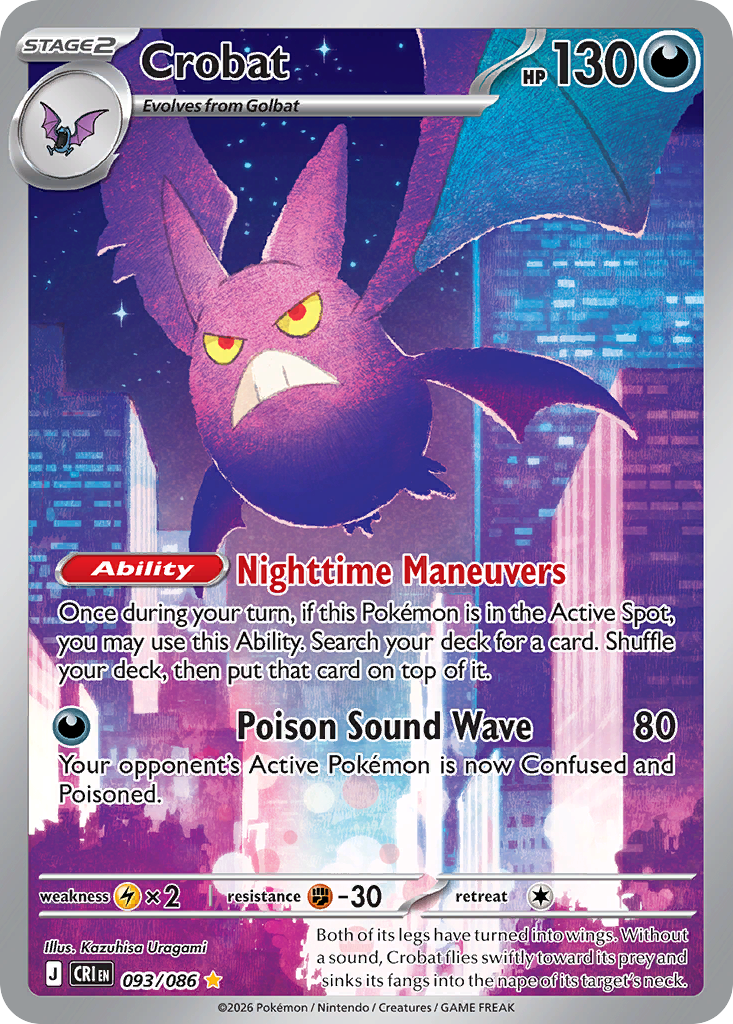

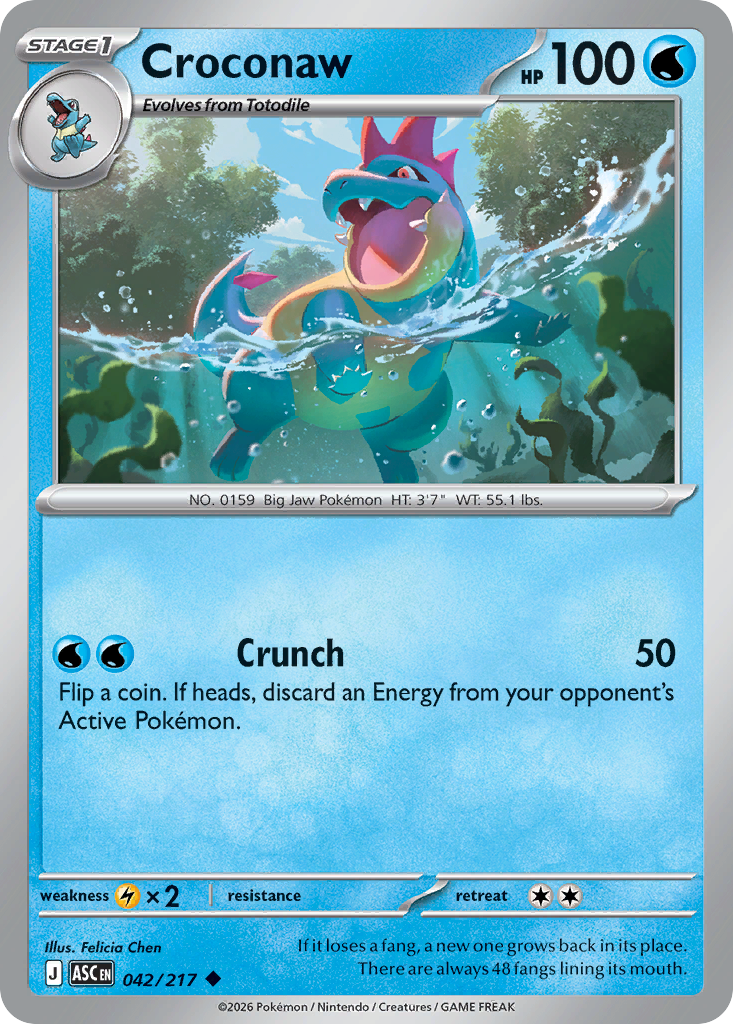

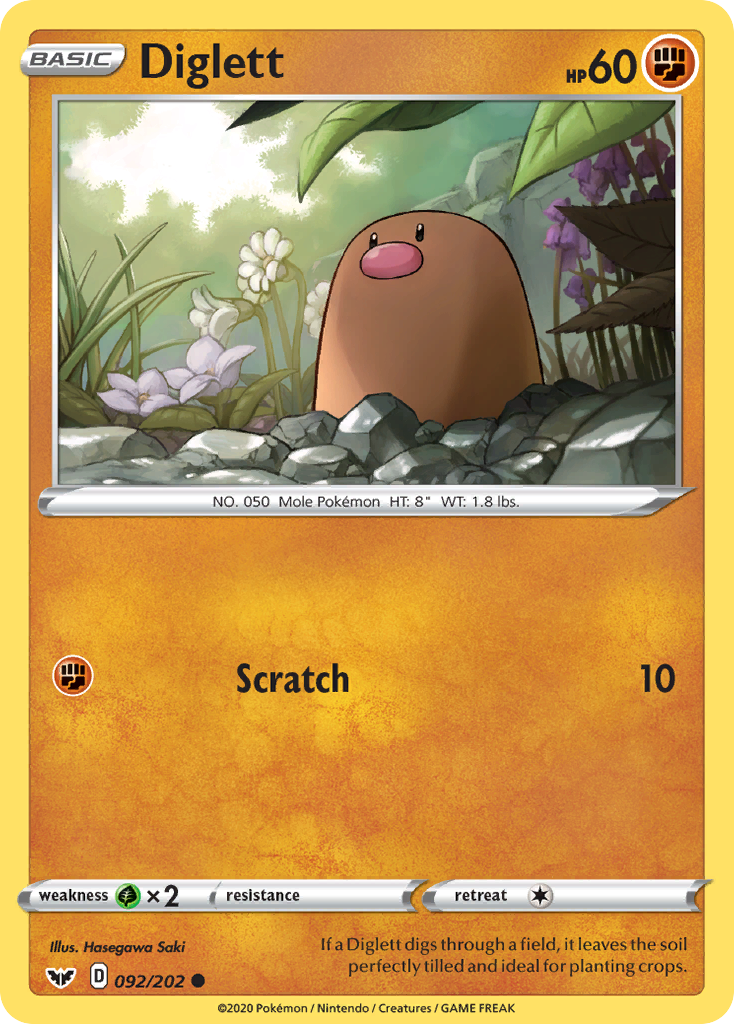

What an illustrator credit is
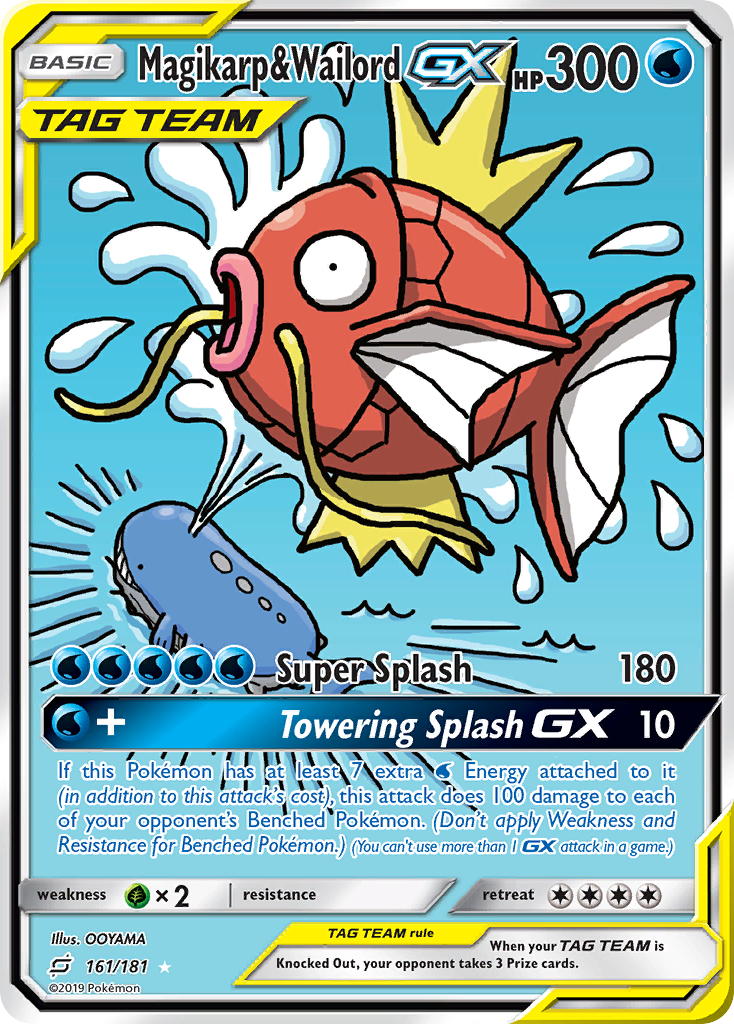
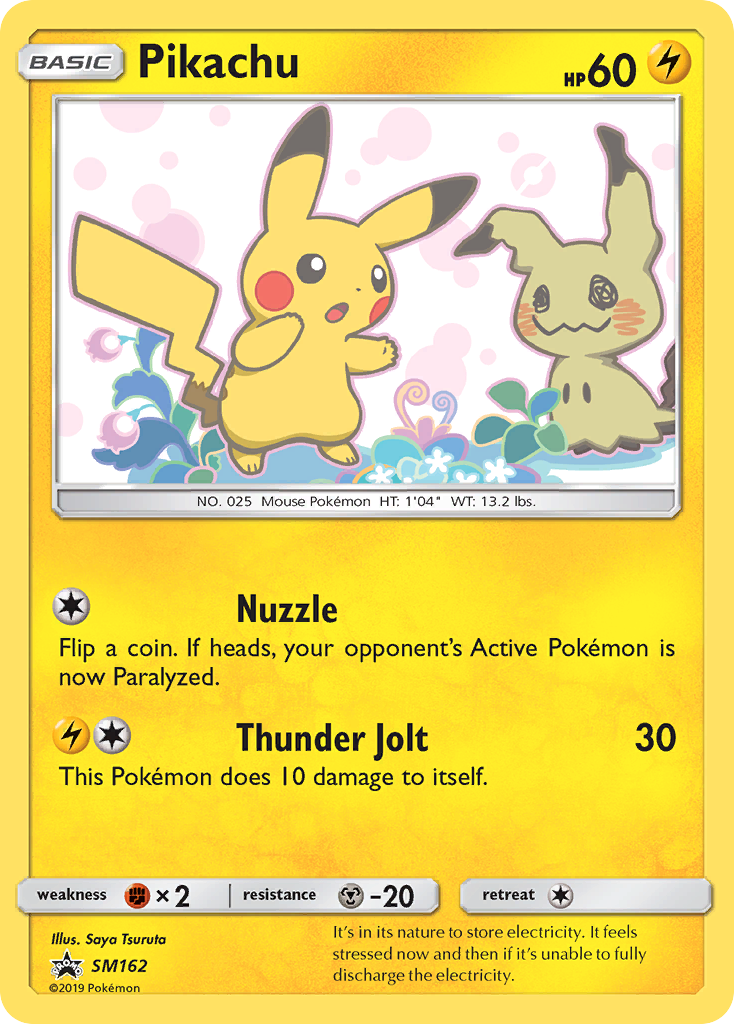
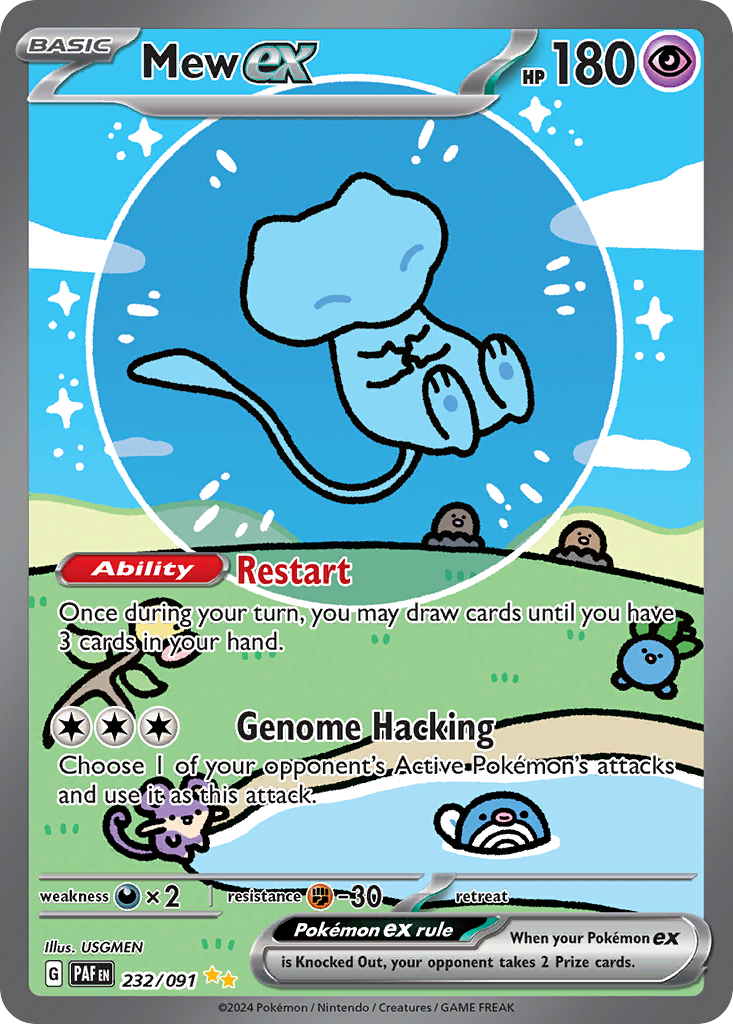
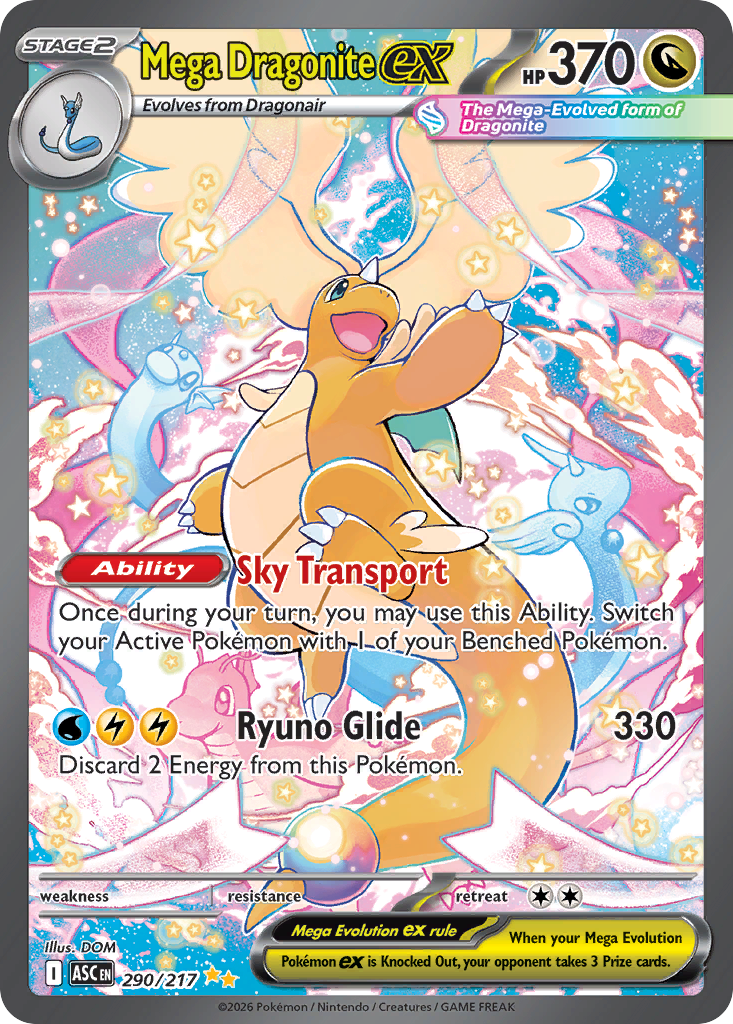
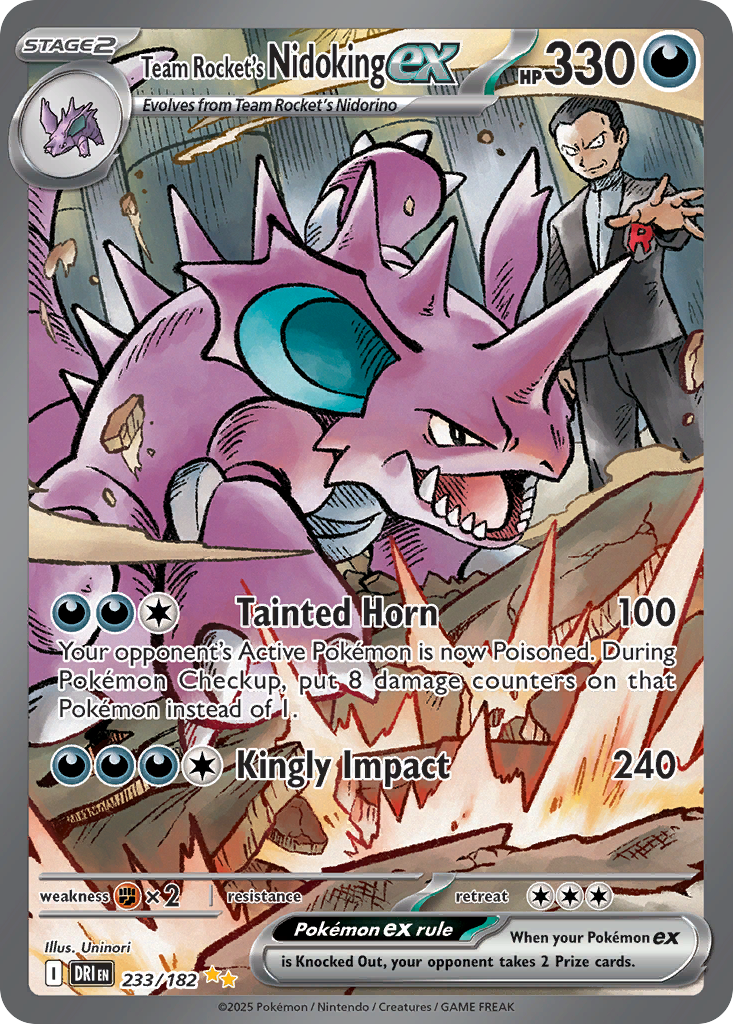
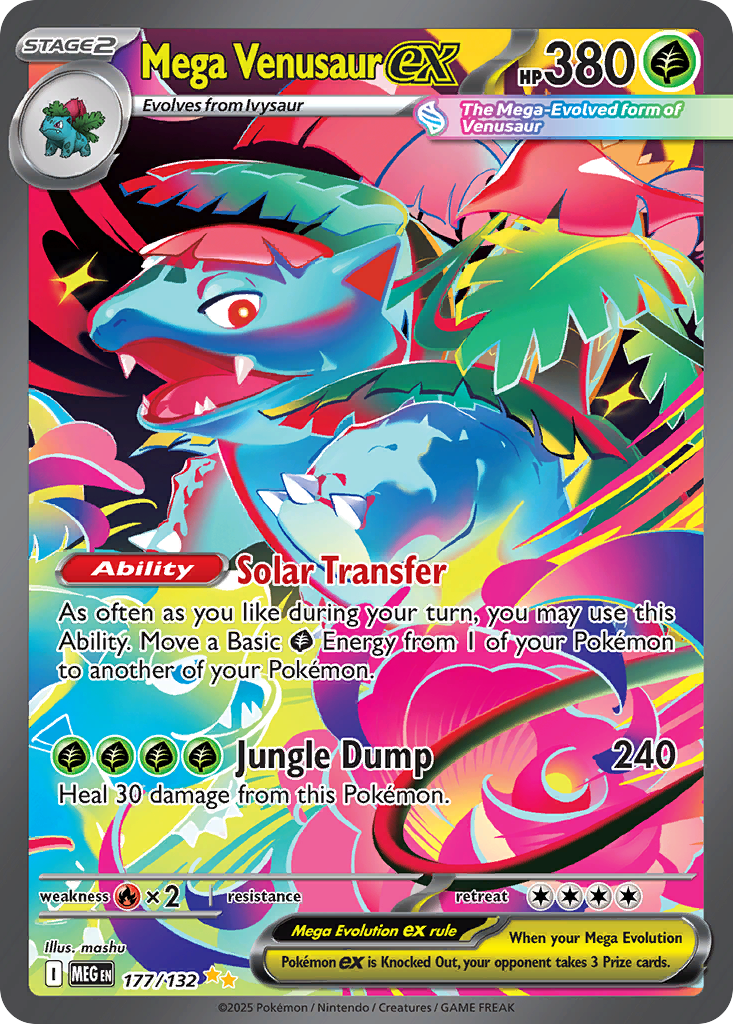
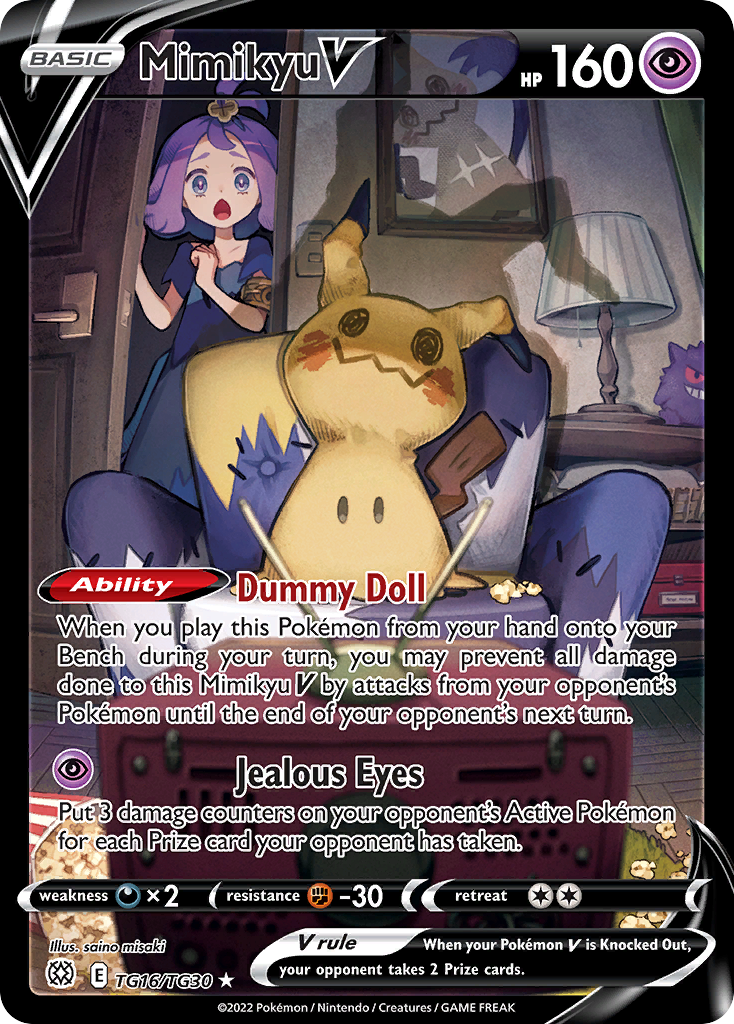
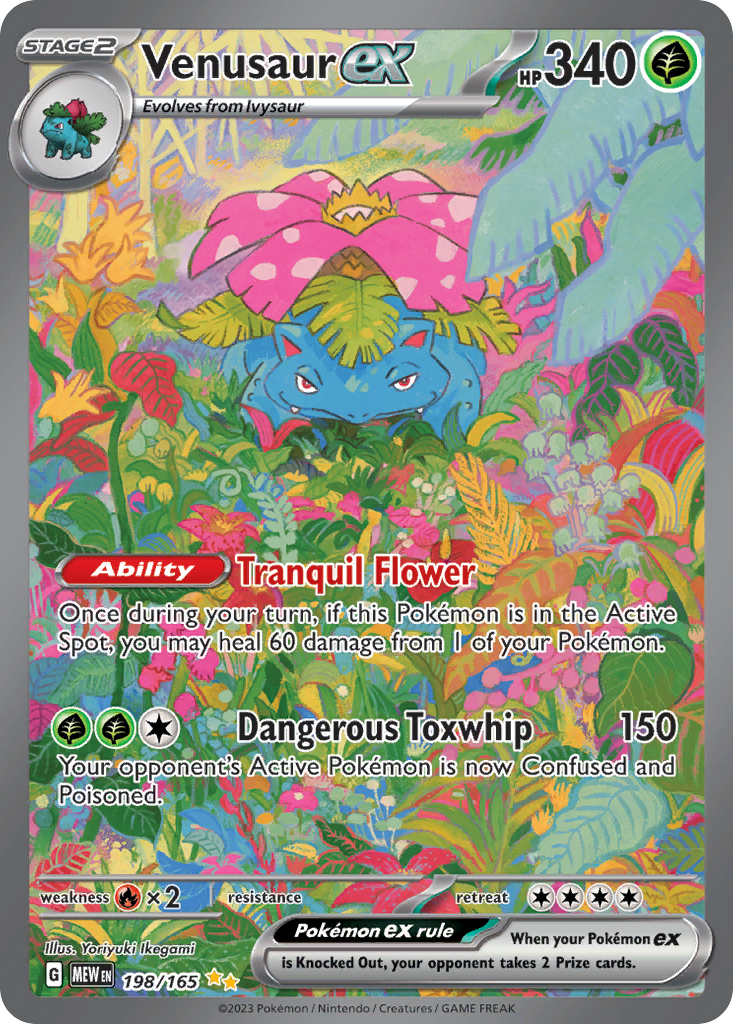
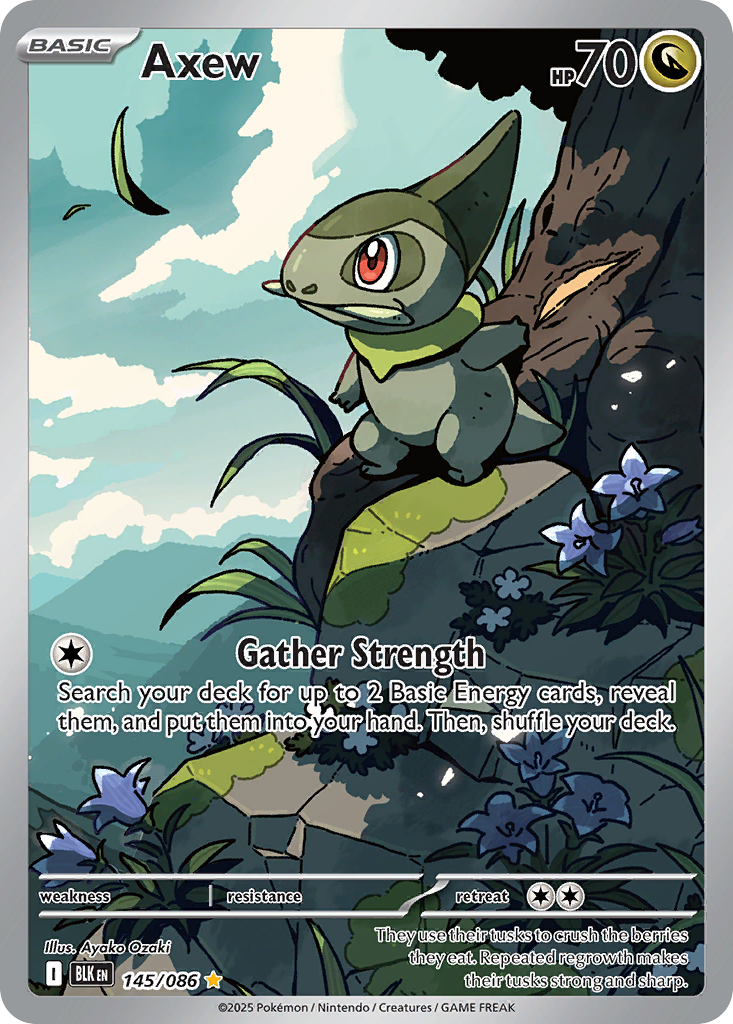
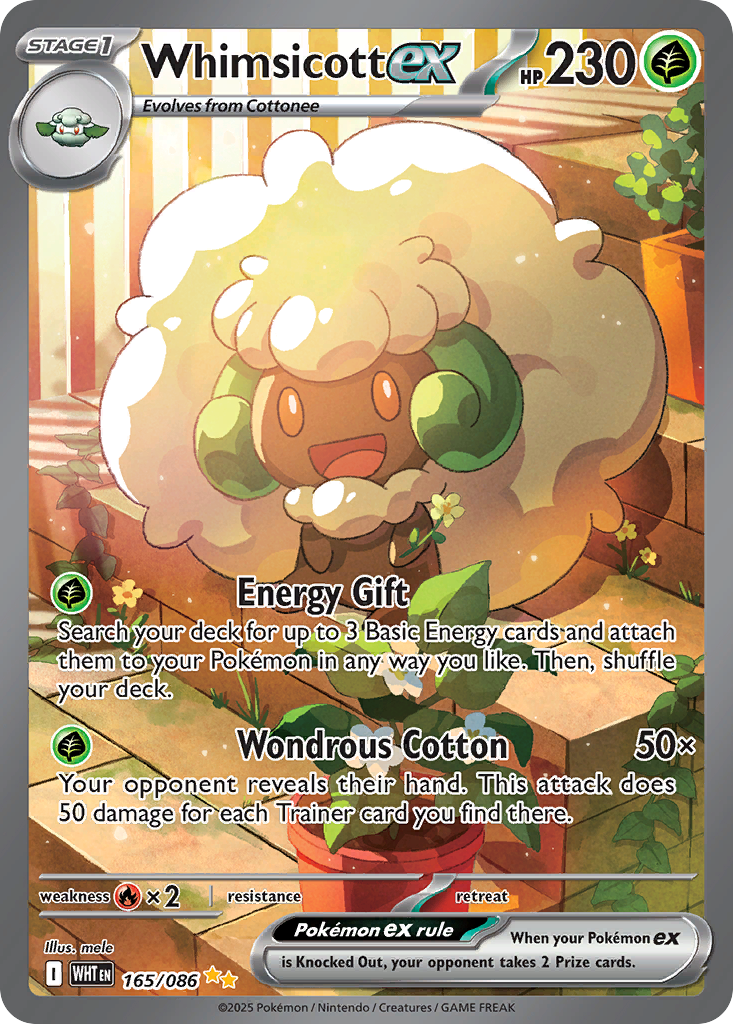
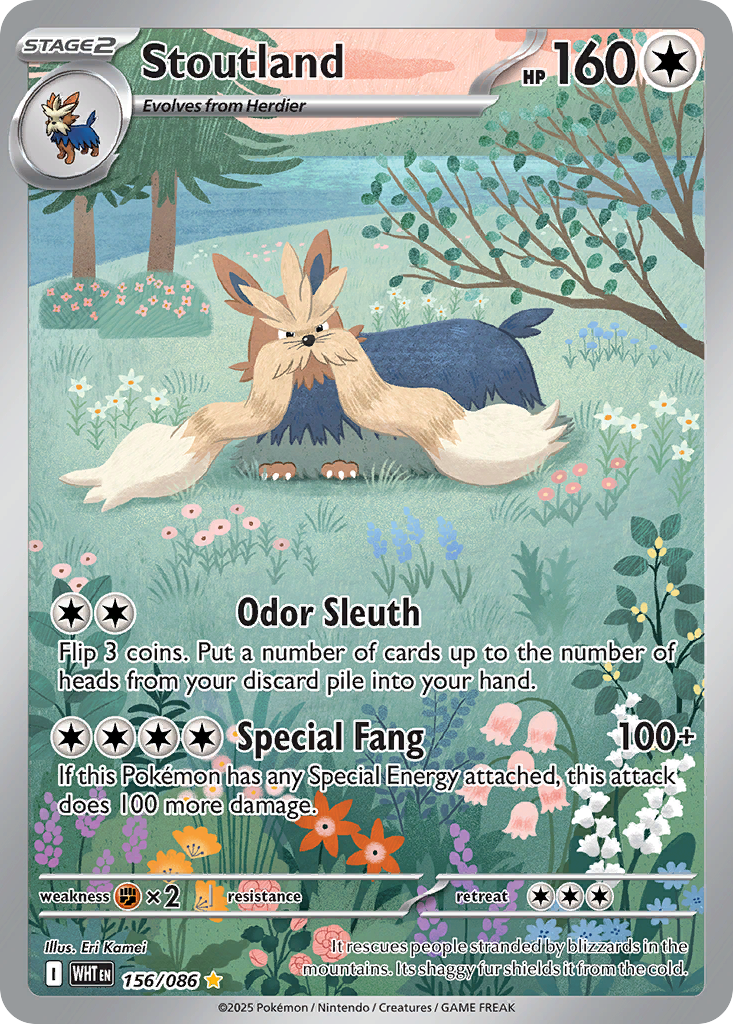
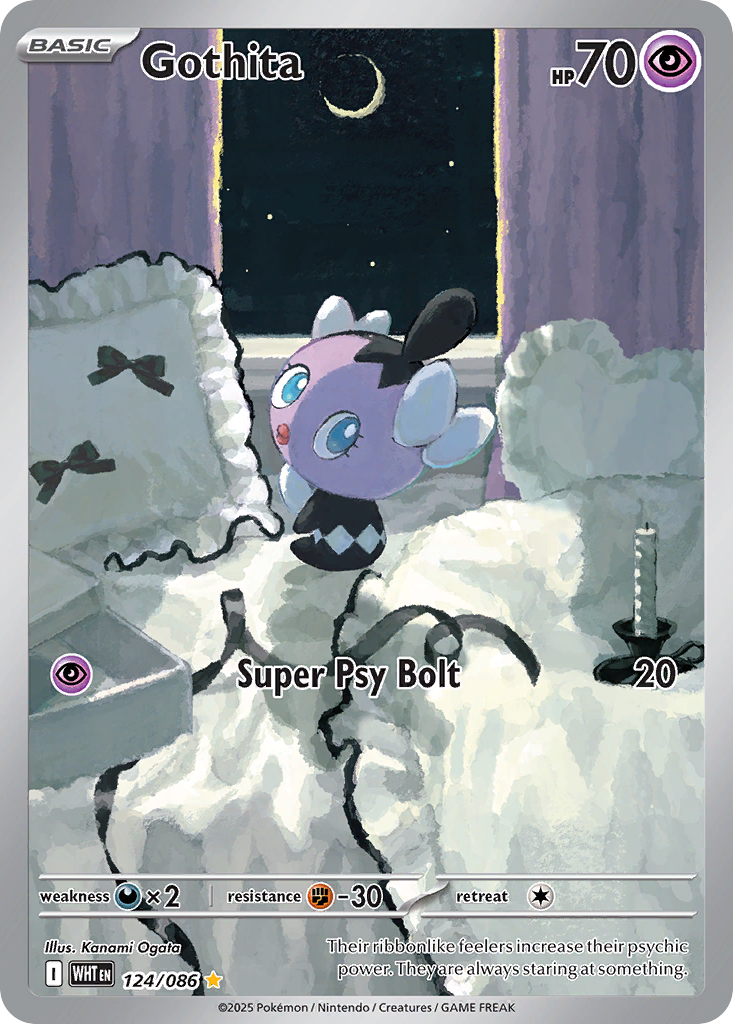
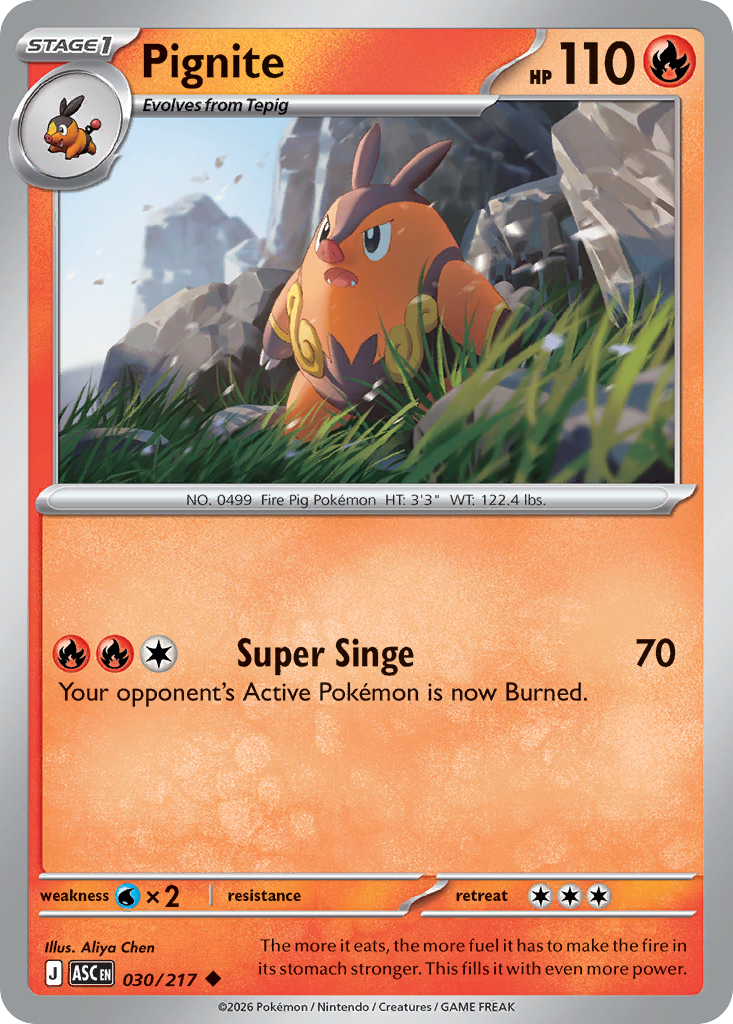
Every Pokémon card names the person or studio who drew its artwork, in small print at the bottom of the card. The credit has been part of the layout since the game's first sets, and it is the only attribution a card carries: no designer, no photographer, just the illustrator. CardTrack reads that credit from the catalogue for each card and groups cards by it, which is how this directory is built.
20,654 of the 20,902 cards we track carry a credit, spread across 416 illustrator names; 248 have none in our data. Names are used exactly as printed, so a studio credited by name — several modern sets credit a design house rather than an individual — appears here alongside individual artists, and its card count and value are counted the same way. The best-known credit in the game is the Base Set Charizard's: Charizard #4 is credited to Mitsuhiro Arita, who has 747 credited cards in the catalogue.
How the ranking works
Each illustrator's figure is the sum of the blended market estimate of every priced card credited to them, in US dollars, so the ranking measures the value of a body of work rather than any one card. That rewards two different things at once: a long catalogue of ordinary cards, and a short one that includes a few expensive chase cards. The card count on each tile tells you which you are looking at.
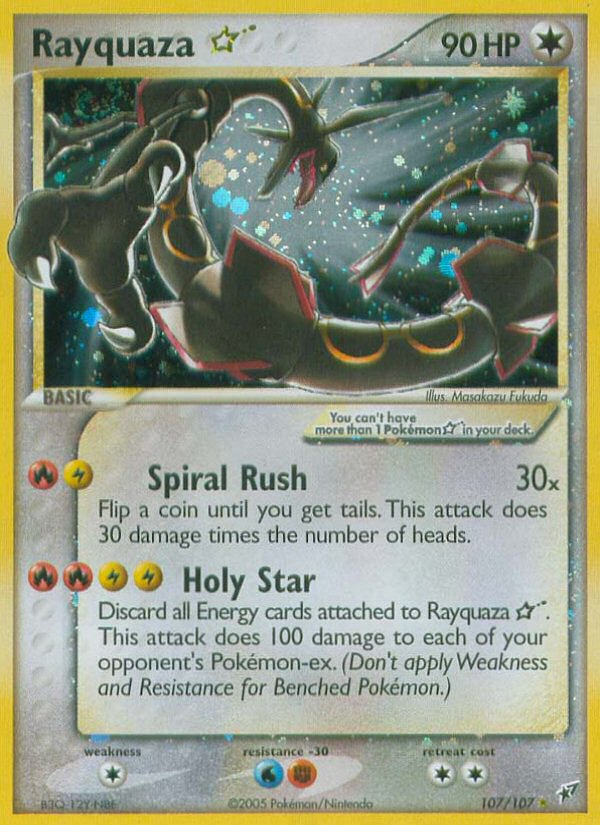
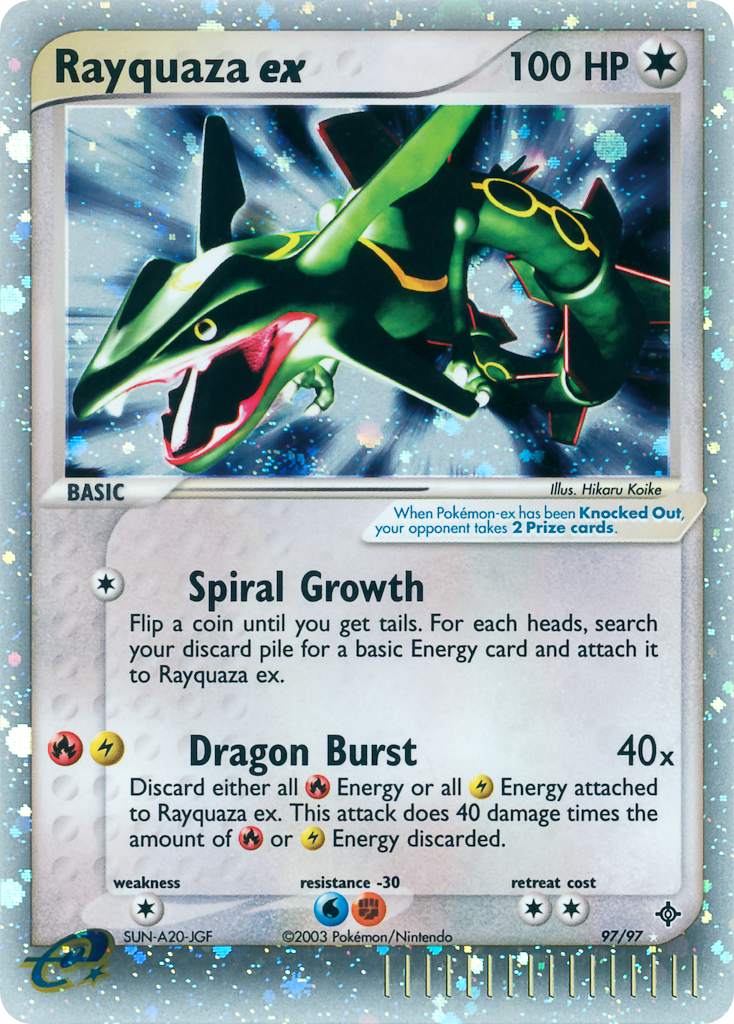
At the top, Masakazu Fukuda leads on $120,748 across 473 cards, with Rayquaza ☆ (Deoxys) the most valuable of them at $17,388 — 14% of that total, so the lead rests on depth rather than a single card. The largest catalogue belongs to 5ban Graphics with 1,744 credited cards, which shows how count and value diverge. The ten highest-value illustrators account for about 60% of all credited value, the median illustrator in the main grid has 21 cards, and 25 illustrators have at least one card priced at $1,000 or more.
The grid shows illustrators with four or more tracked cards; the 95 with one to three cards are listed by name below it, 51 of them with a single card. Prices refresh daily, so positions near the top can swap as chase cards move; the ranking is a snapshot of current value, not a fixed league table.
How the artwork drives value
A card's price starts with its rarity, its set and its Pokémon, but within those the artwork decides which printing collectors chase. The same Pokémon at the same rarity can carry two very different prices in two sets purely on the strength of the illustration, and a card page's other-printings list, or the card comparison tool, makes that comparison directly.
The modern game has made this explicit. Since Scarlet & Violet, sets include Illustration Rares and Special Illustration Rares — full-art cards that show the Pokémon in a scene rather than a portrait, where the illustration is the reason the card exists. The catalogue holds 511 Illustration Rares and 232 Special Illustration Rares, and in those tiers a handful of scene cards can outweigh hundreds of commons.
Vintage value works the other way round. The holo rares of the first sets (Base Set above all) were drawn by a small group of illustrators, and their cards are valuable because of age, scarcity in high grade and nostalgia as much as art. Both routes lead to the same directory, so read the count and the top card together before judging why an illustrator ranks where they do.
Reading the top of the list
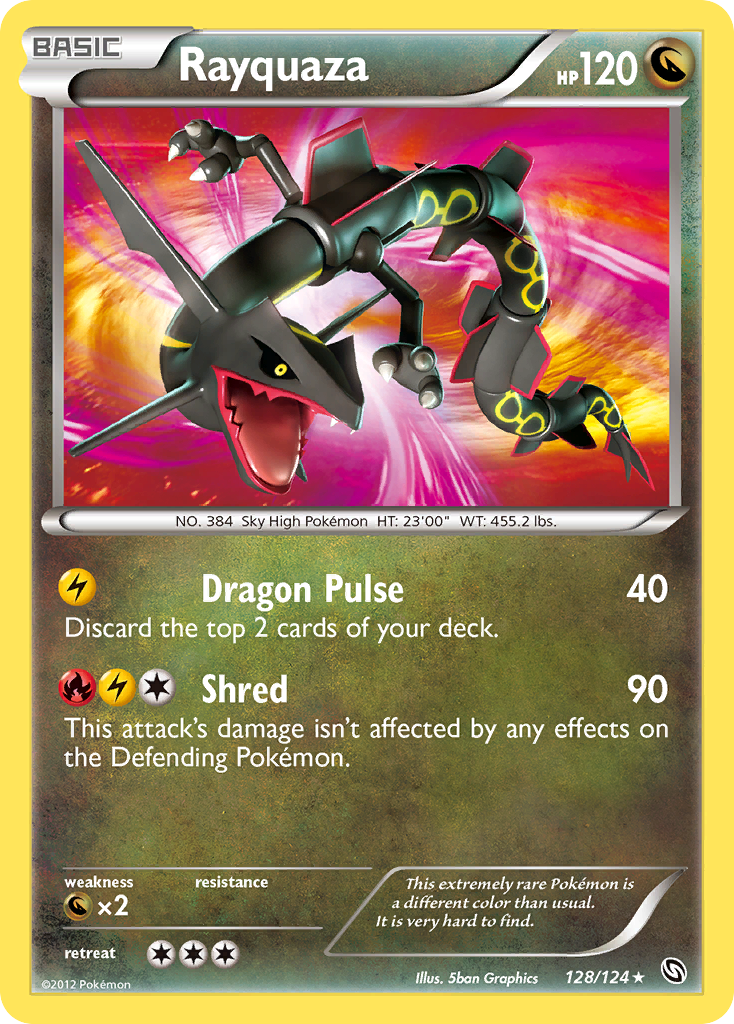
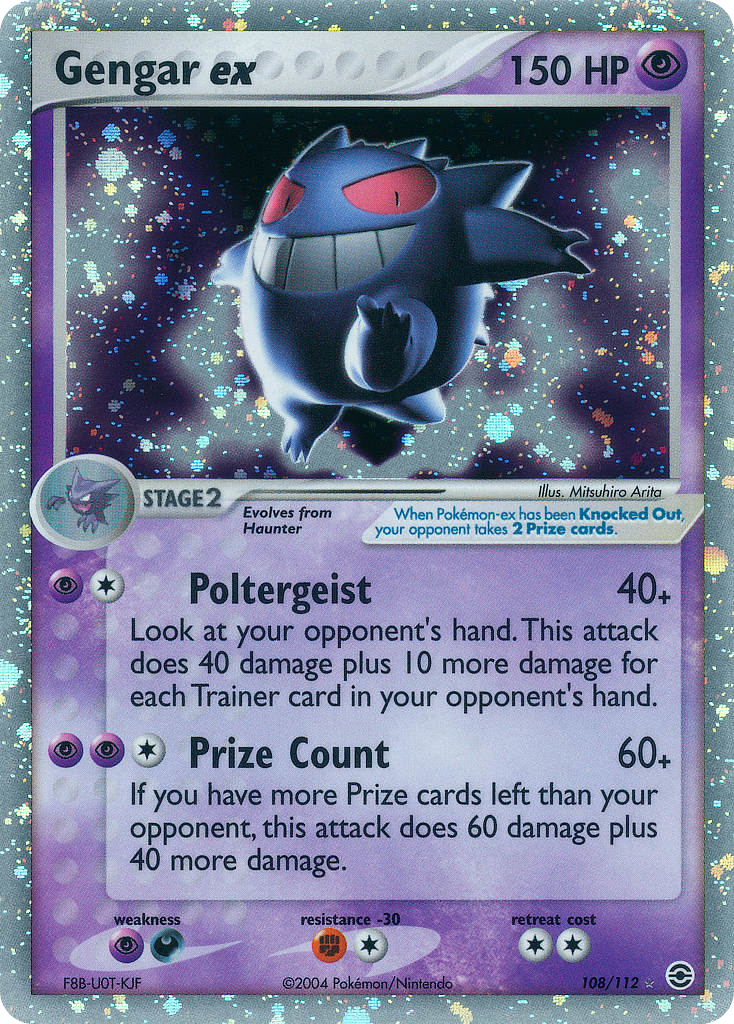
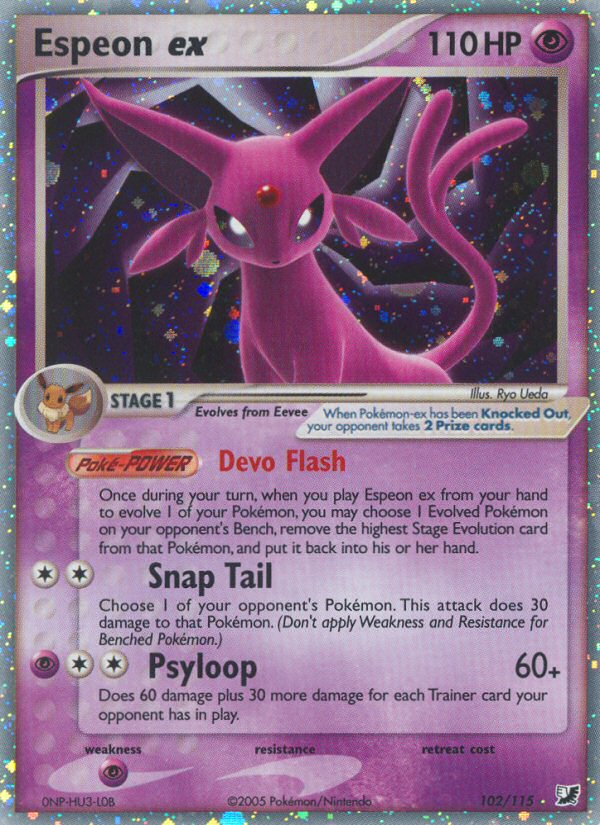
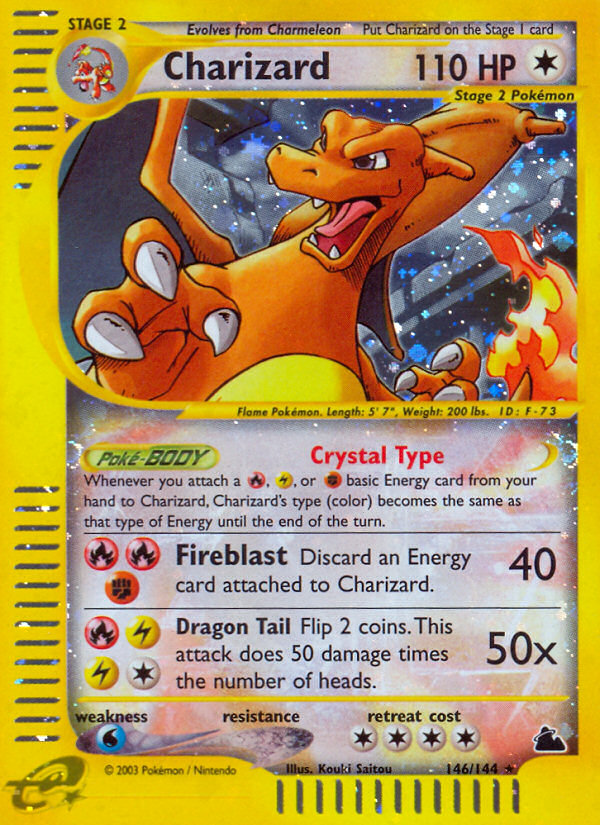
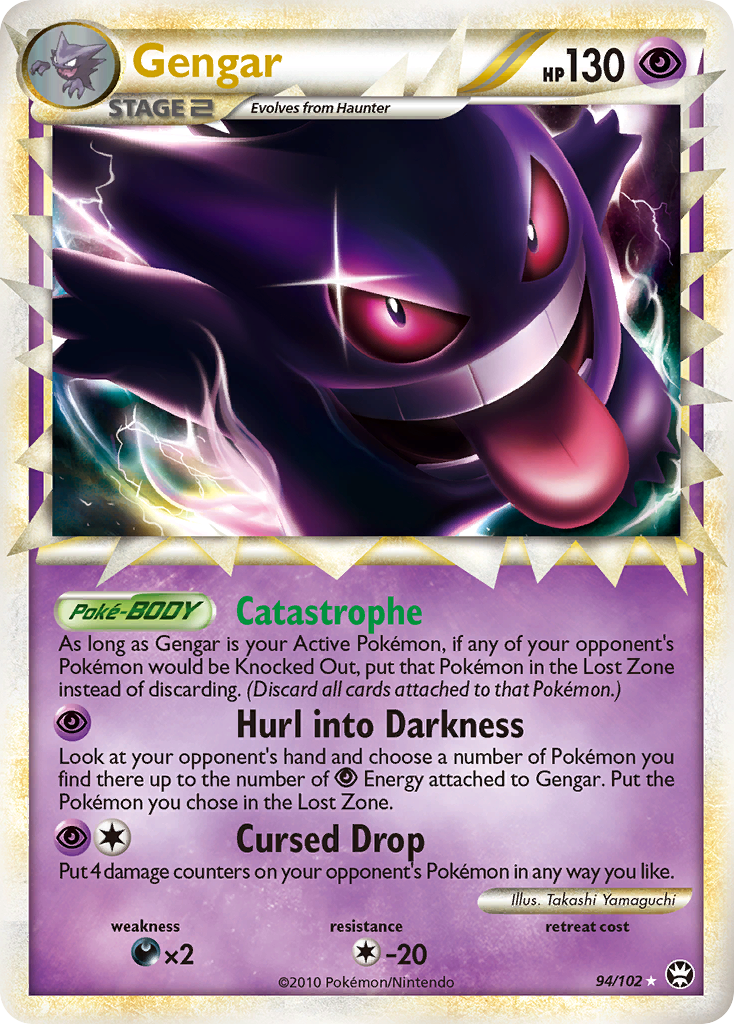
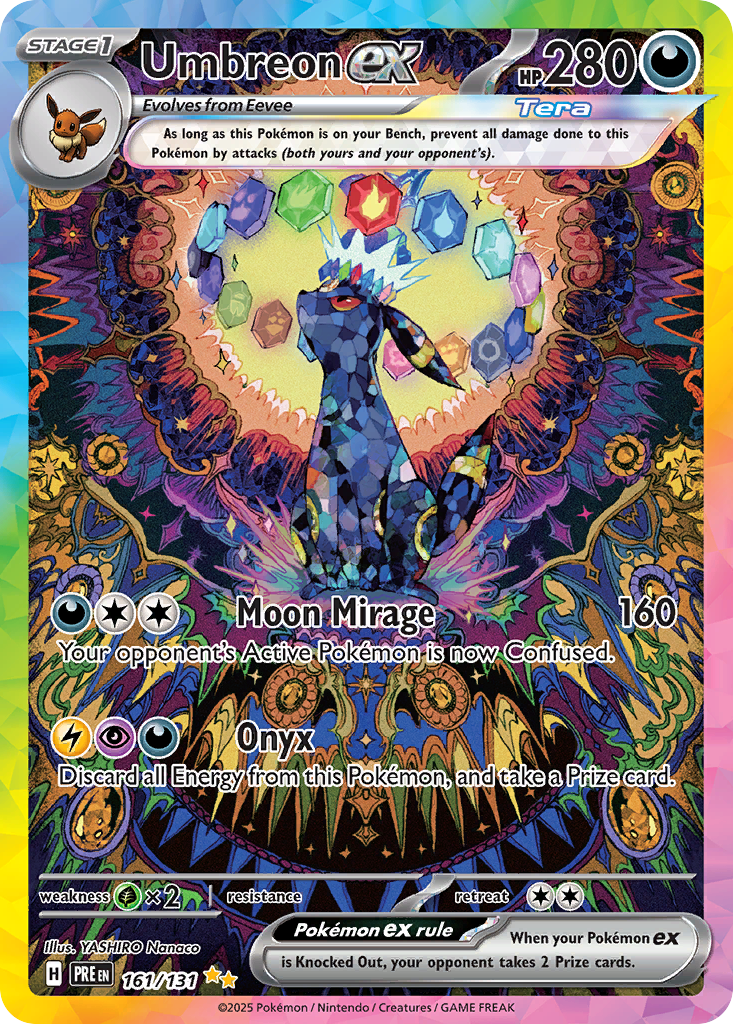
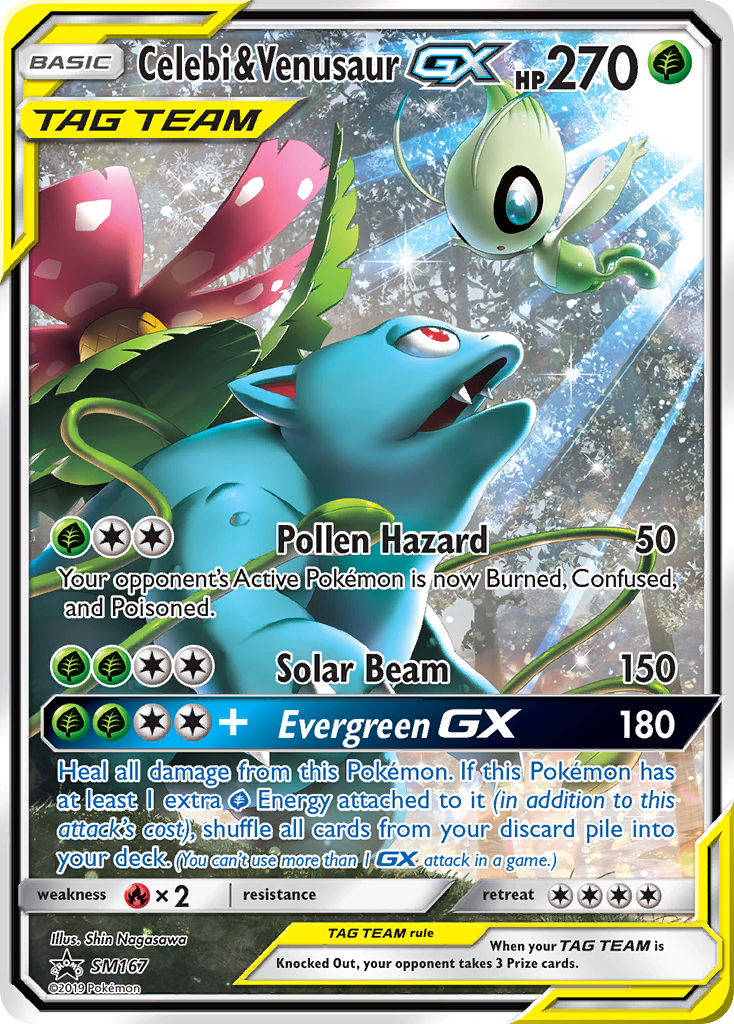
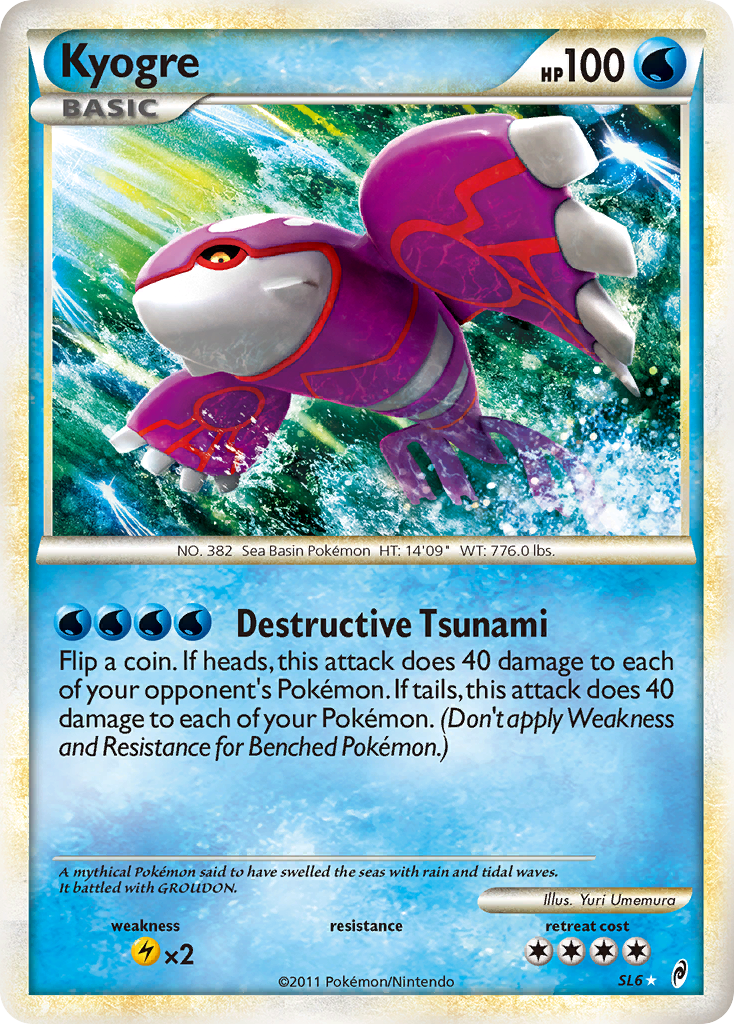
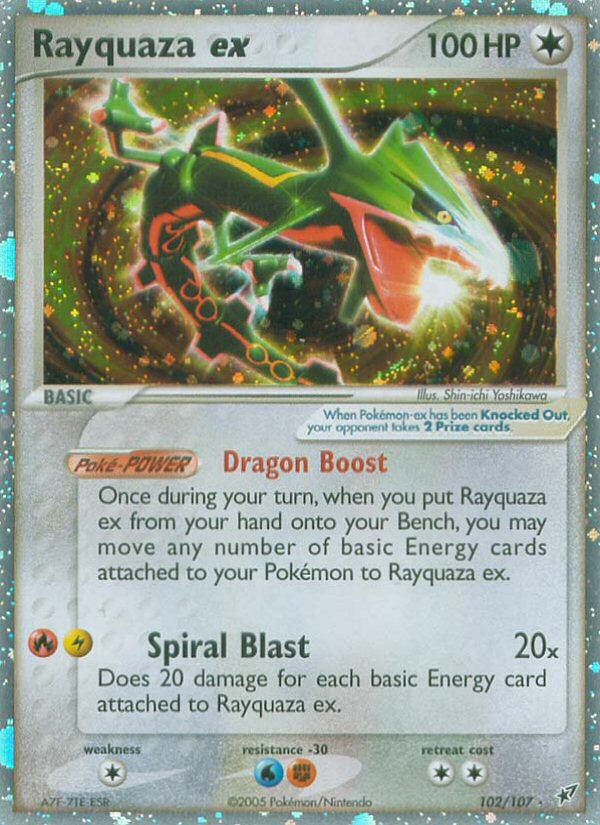
Masakazu Fukuda ranks first with $120,748 from 473 cards, topped by Rayquaza ☆ from Deoxys at $17,388. 5ban Graphics is second on $44,714 from 1,744 cards, topped by Rayquaza from Dragons Exalted at $1,100. Mitsuhiro Arita is third on $38,991 from 747 cards, topped by Gengar ex from FireRed & LeafGreen at $3,900. Ryo Ueda is fourth on $38,980 from 466 cards, topped by Espeon ex from Unseen Forces at $2,150. Kouki Saitou is fifth on $29,204 from 662 cards, topped by Charizard from Skyridge at $18,943.
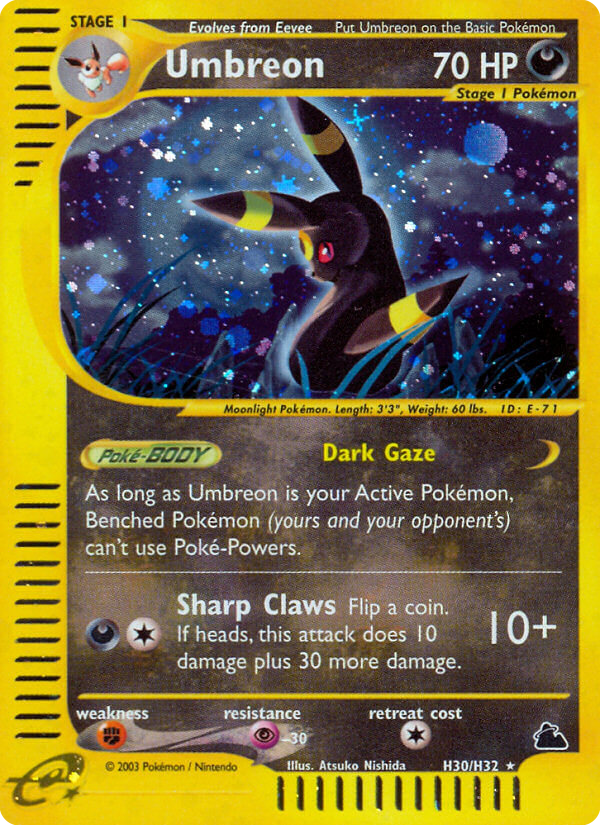
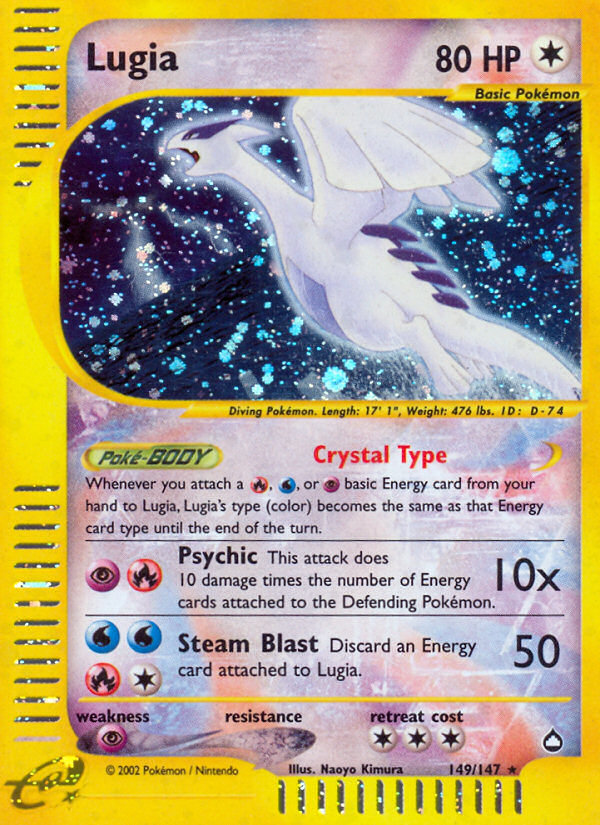
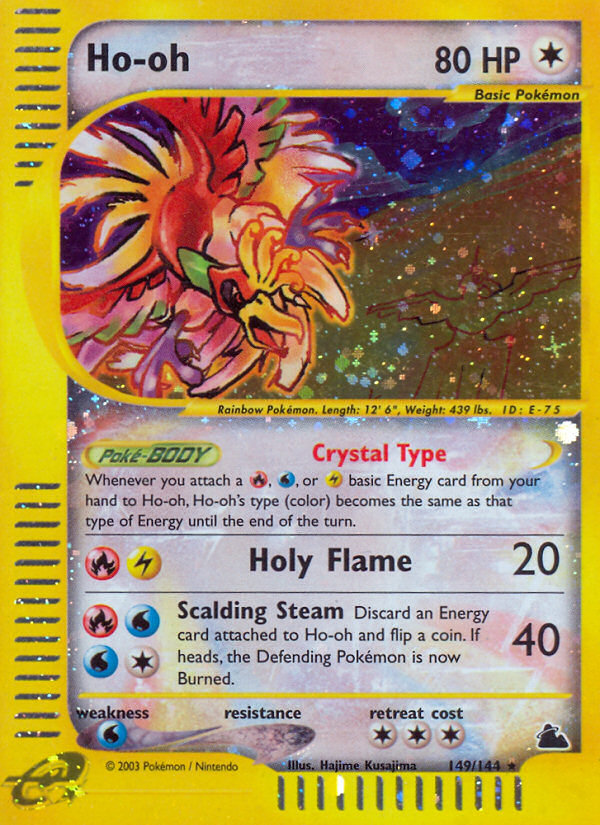
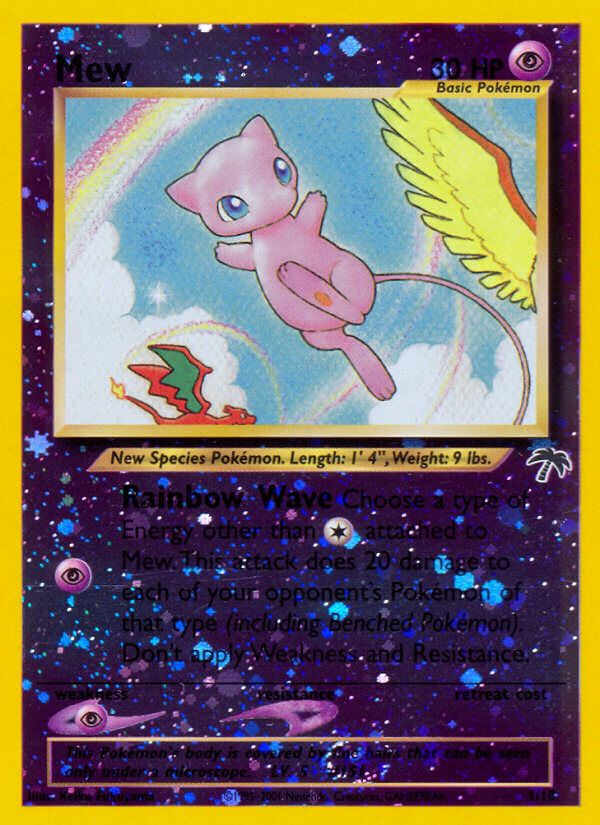
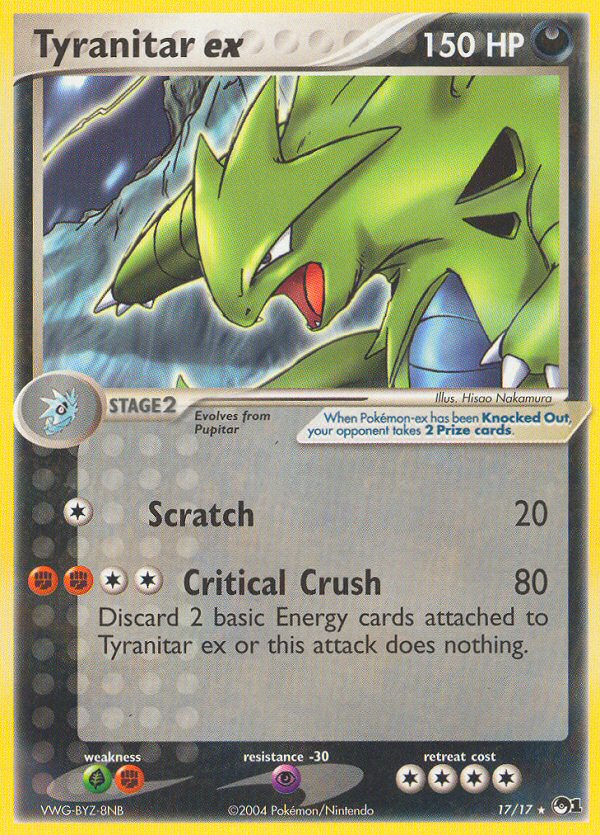
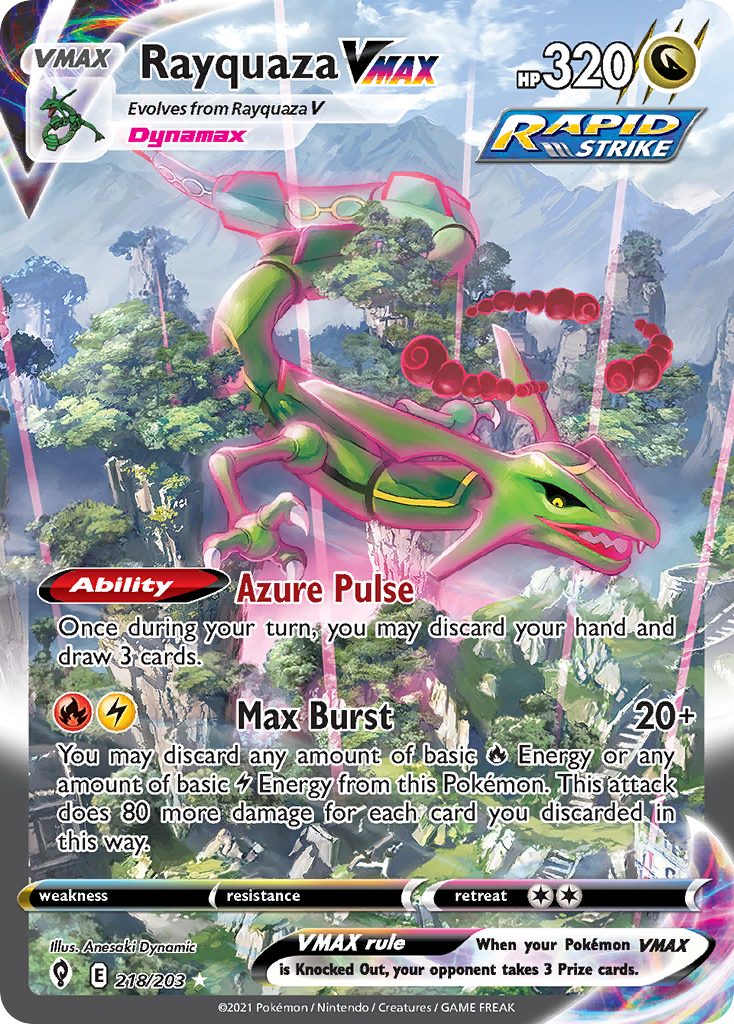
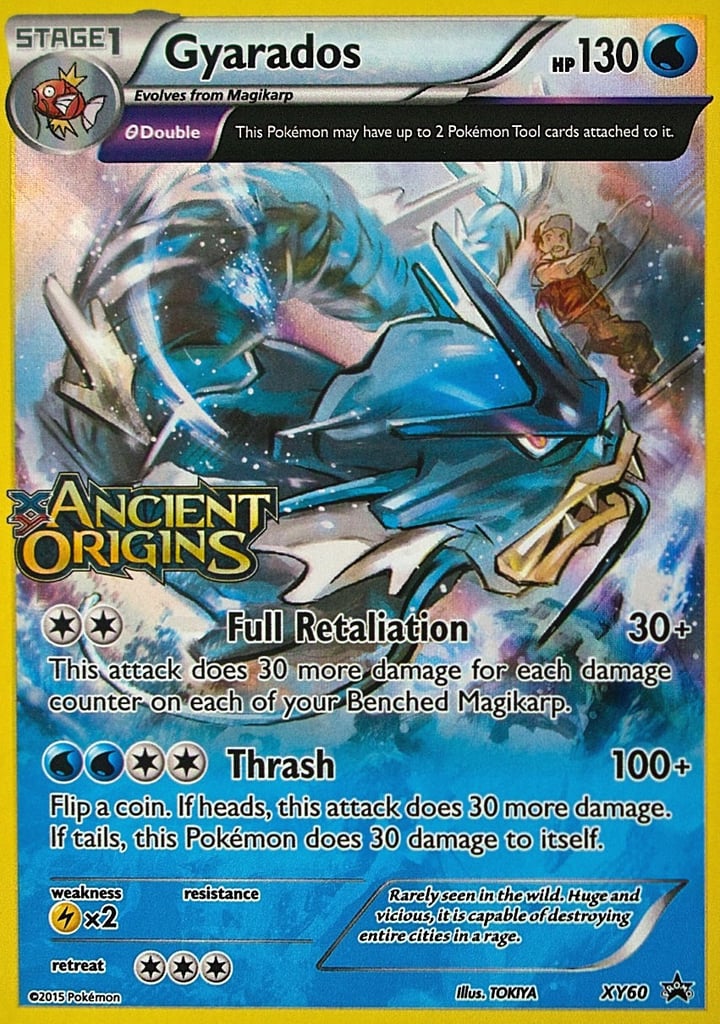
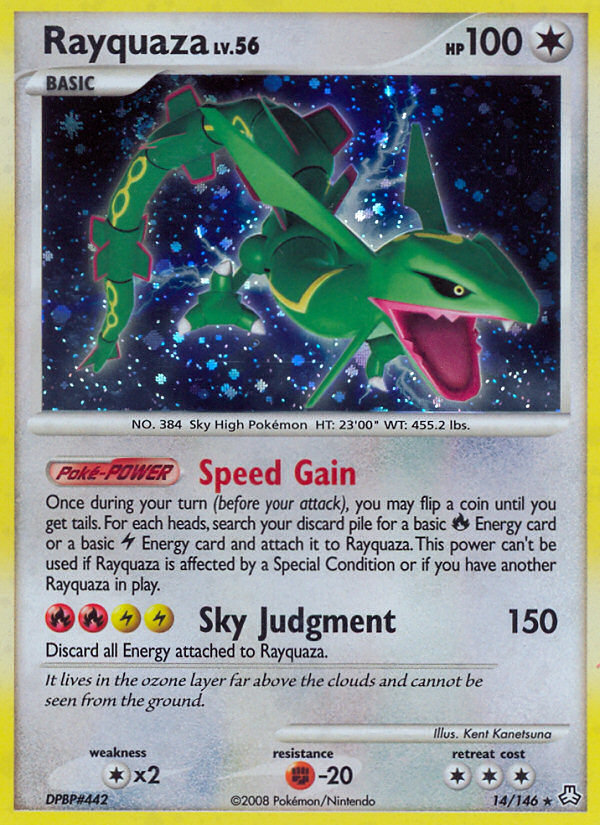
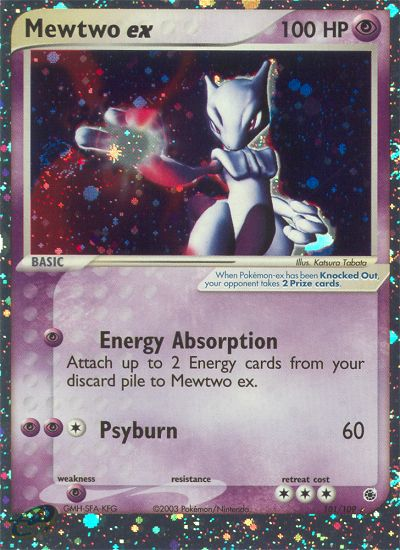
Each illustrator's page lists every credited card ranked by value with live prices, the sets they appear in and the top card's graded prices where we have them; how many graded copies of a card exist is on the population report. The captions on the first fifteen tiles above name each illustrator's most valuable card for the same reason: it is the one fact about an artist the catalogue can state without guessing.
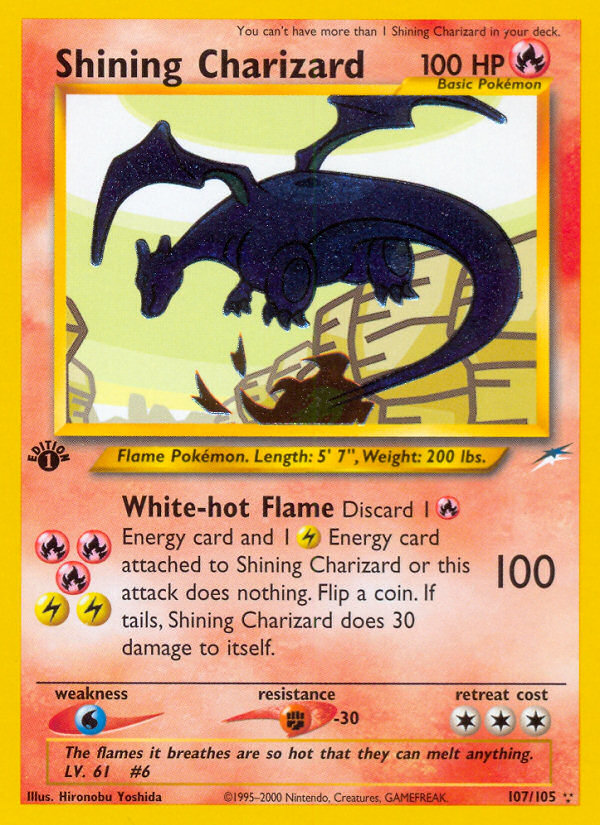
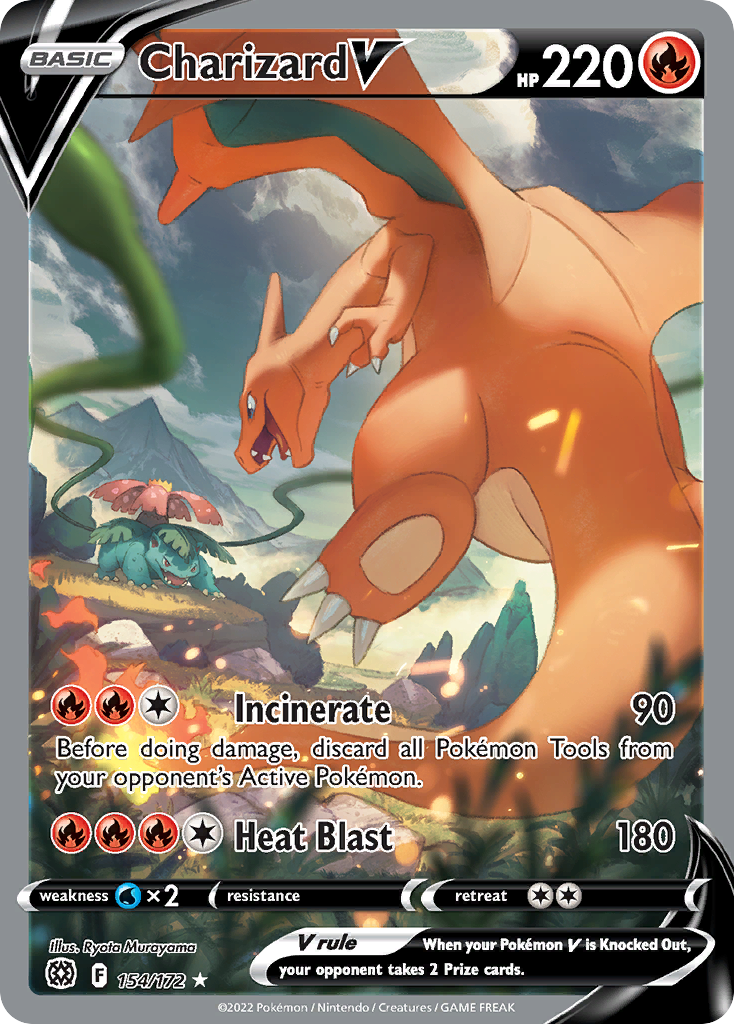
The directory works in both directions. Start from an illustrator to see everything they drew, or start from a Pokémon and see how many hands have drawn it: the Charizard character page lists 114 cards credited to 40 different illustrators, each priced, which is the clearest view of how much the artwork alone moves a price. To value a specific card you own, the card value checker identifies it from a photo and returns the same estimate used in these totals.
Common mistakes when browsing by artist
Reading the total as a measure of talent or fame. It is a sum of card prices, and it moves with the market, the size of a catalogue and which rarities an illustrator has been assigned. Reading a studio credit as a person: a design house credited on hundreds of cards will rank on volume. Assuming an artist's cards are worth more because the artist is well known — a common by a famous illustrator is still a common, and the card page's price, not the name at the bottom, is what a buyer pays. And treating the credit as a guarantee of authenticity: a counterfeit reproduces the printed name along with everything else, so a suspect card goes through the fake card check on its print quality, not its illustrator.