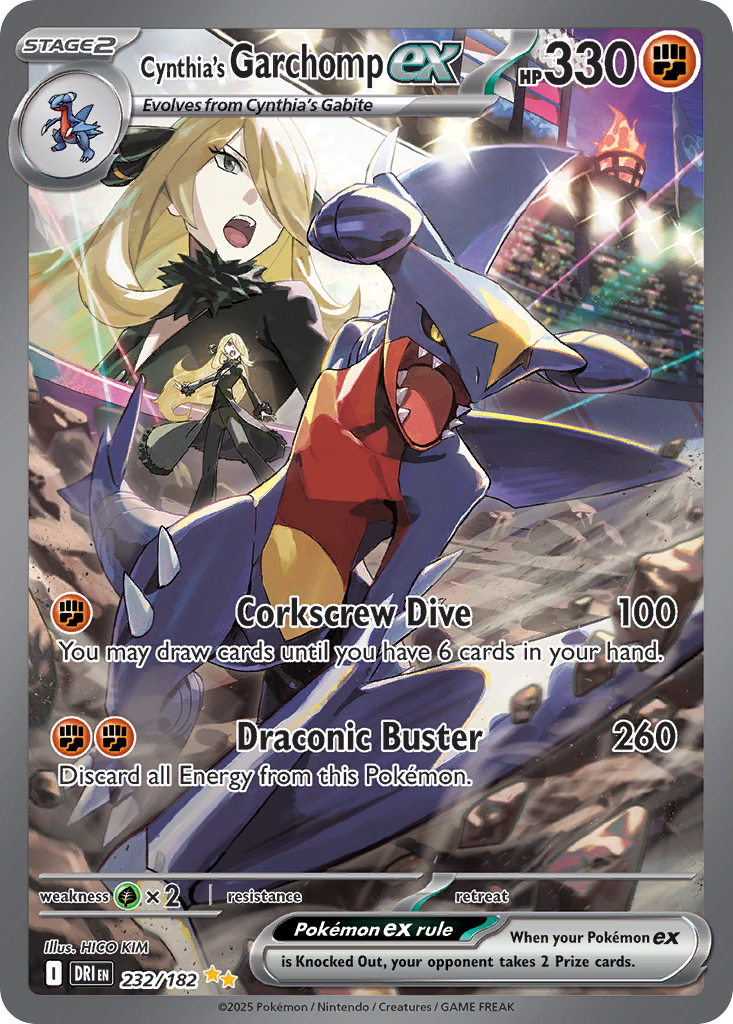
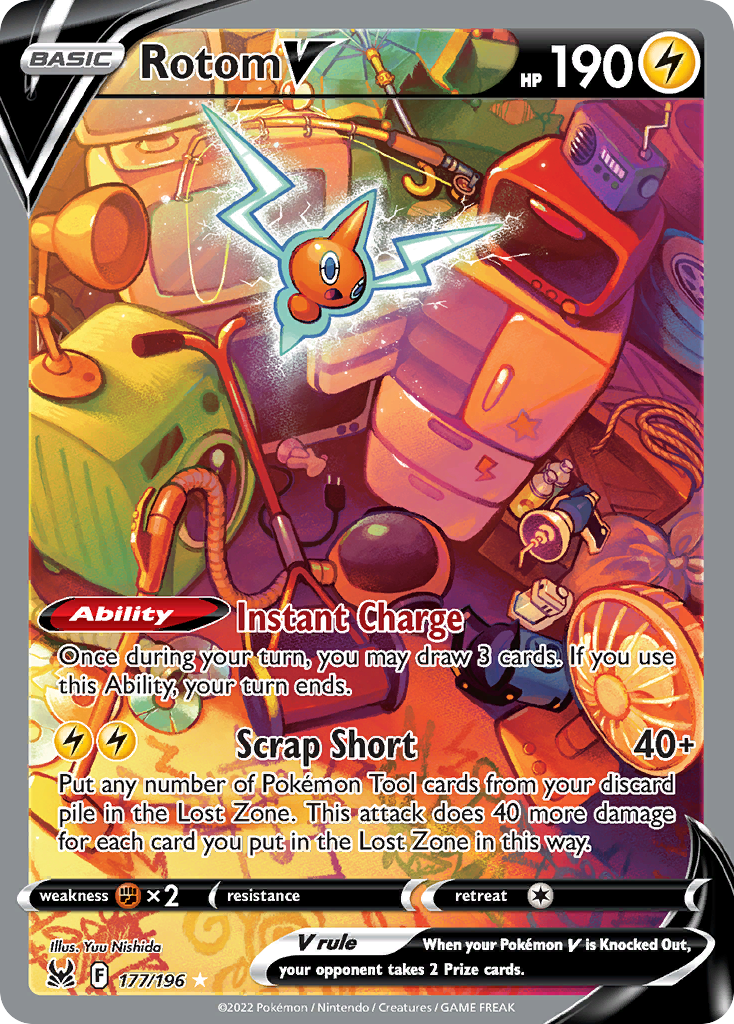
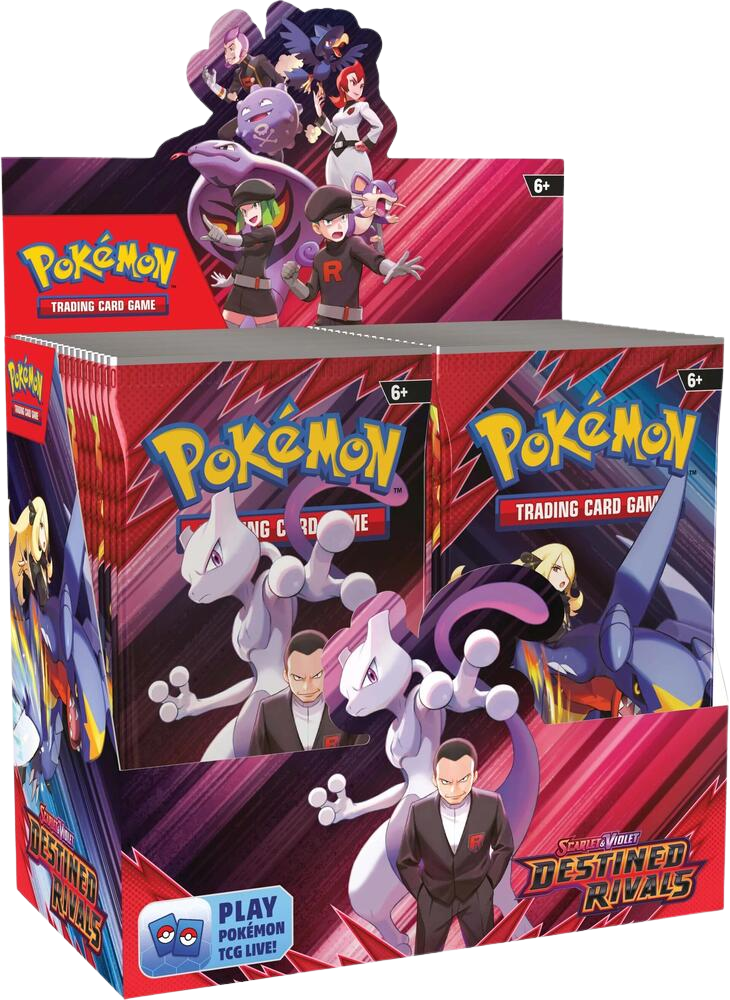
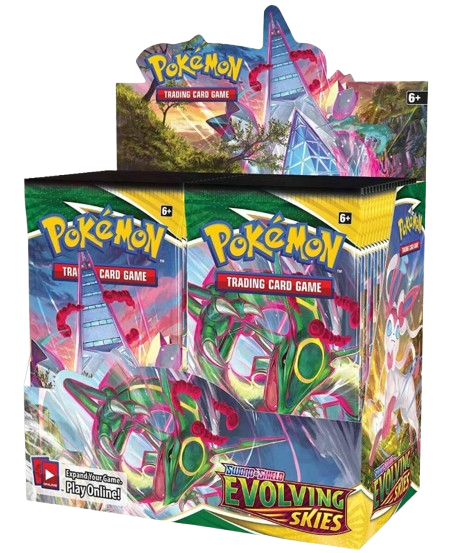
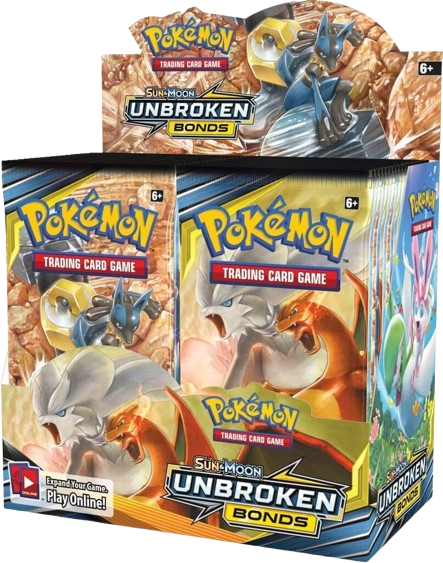
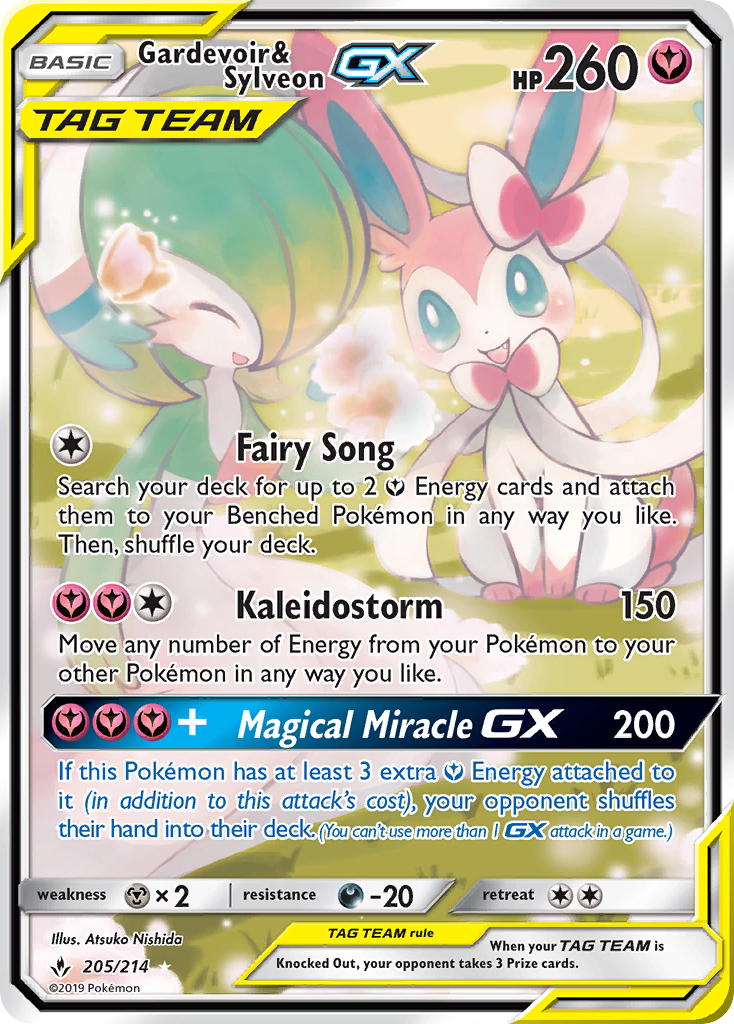
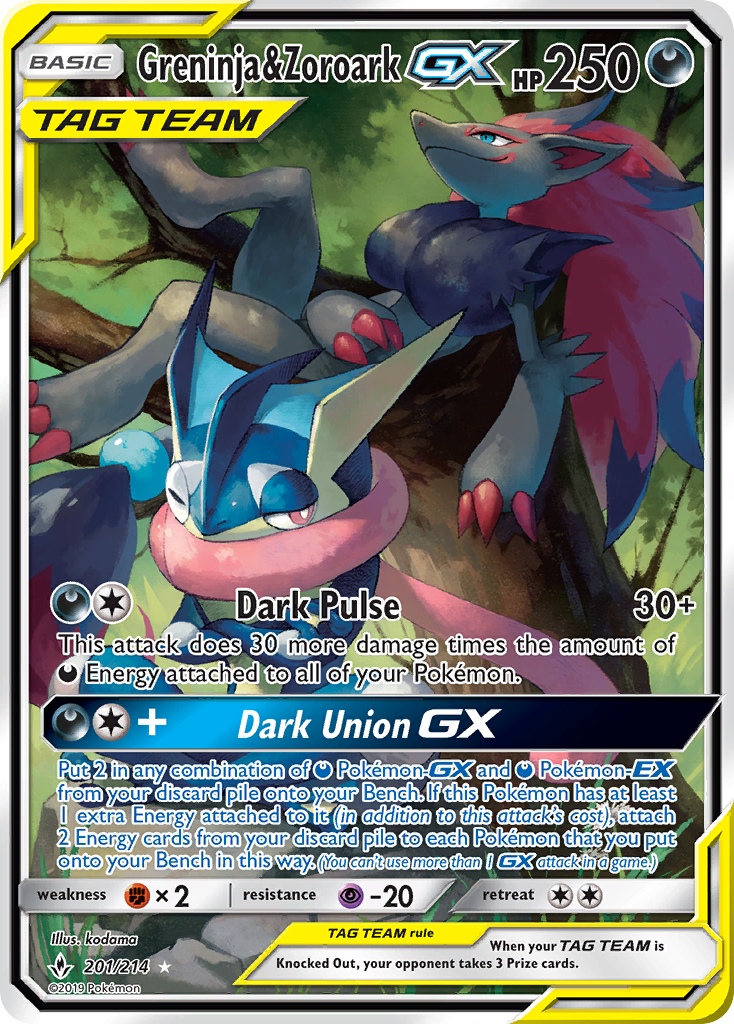
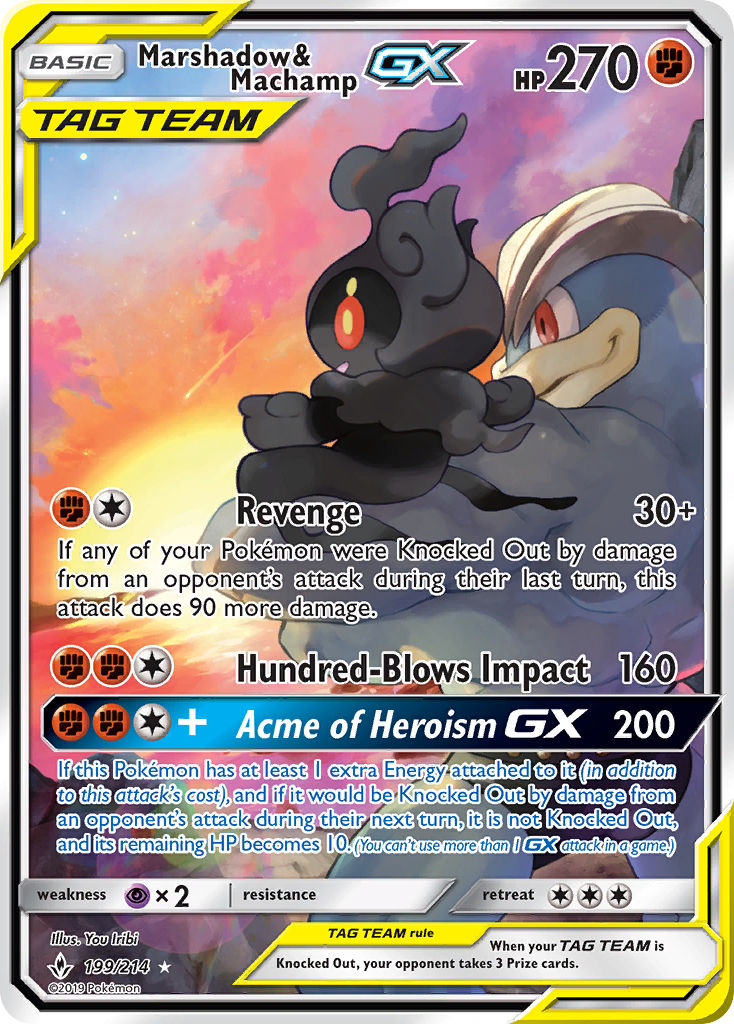
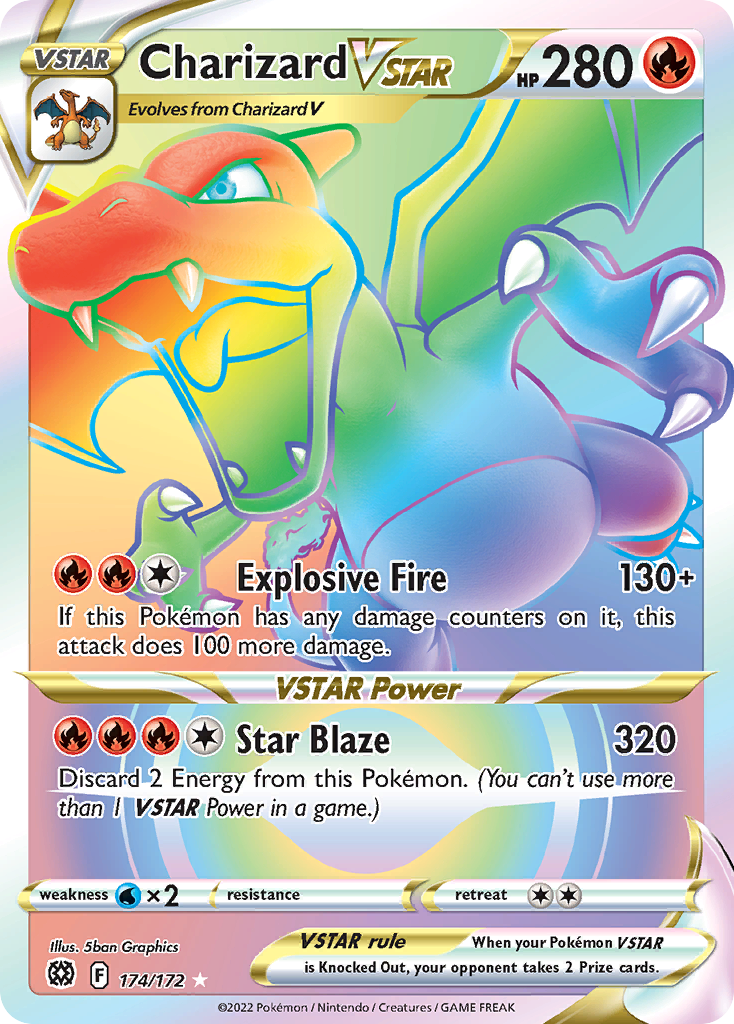
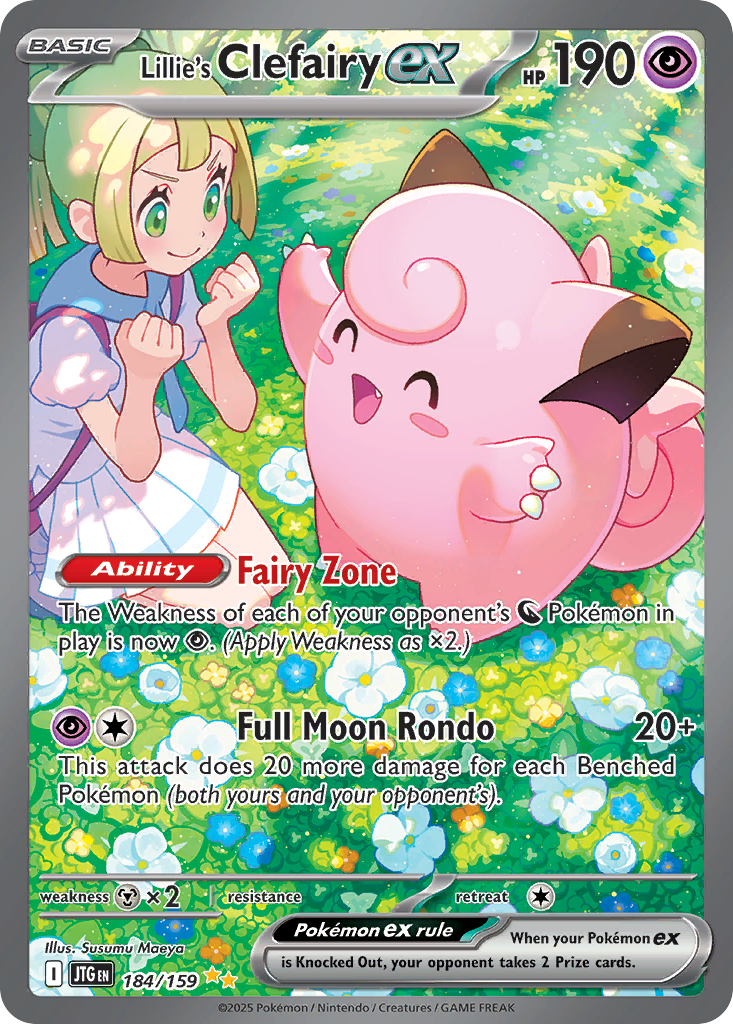
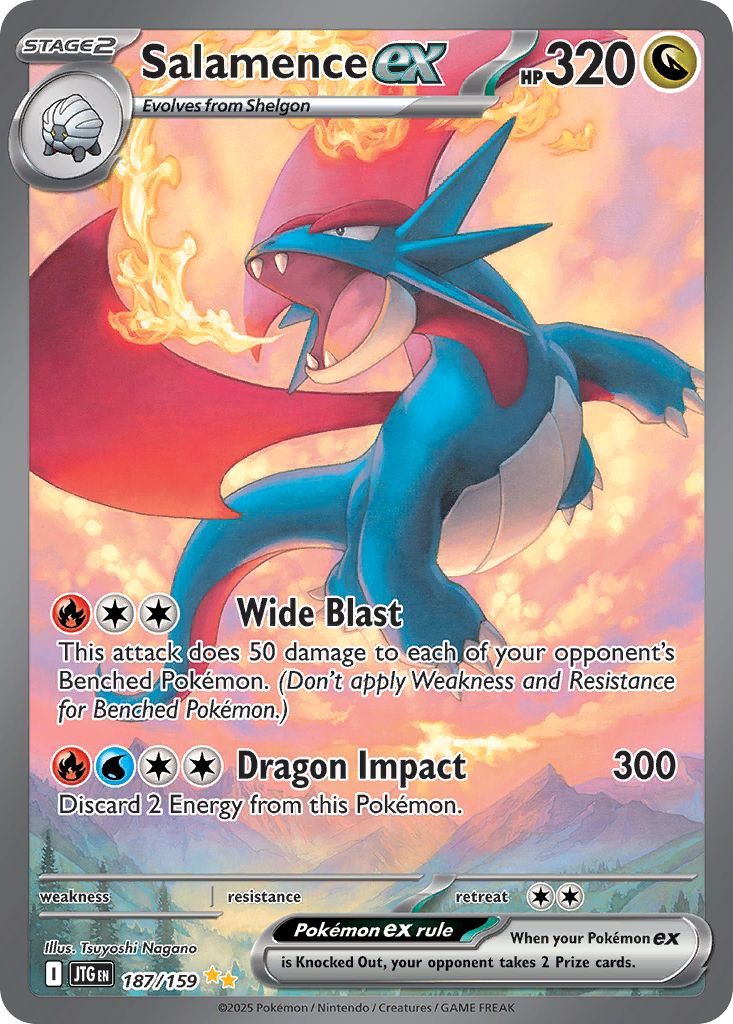
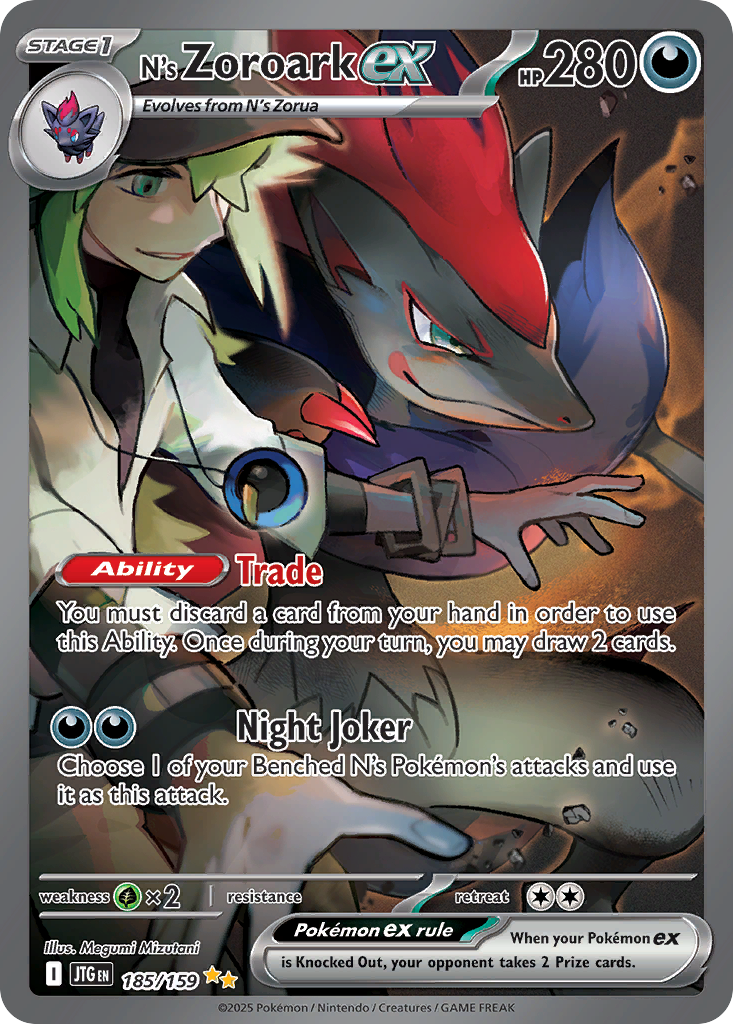
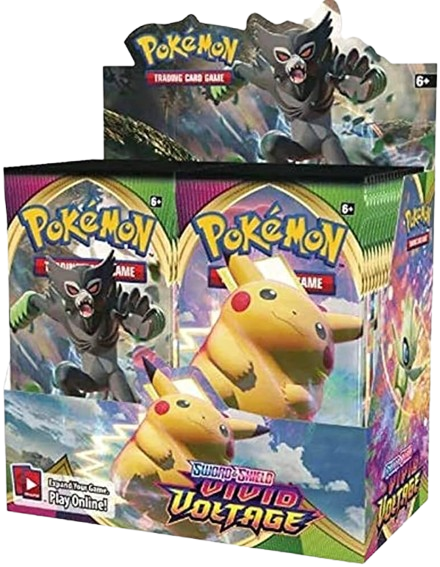
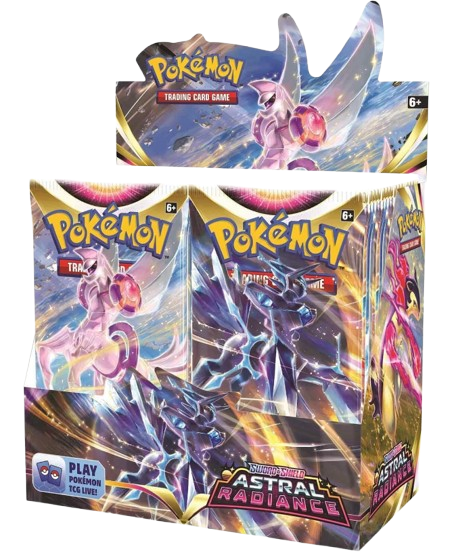
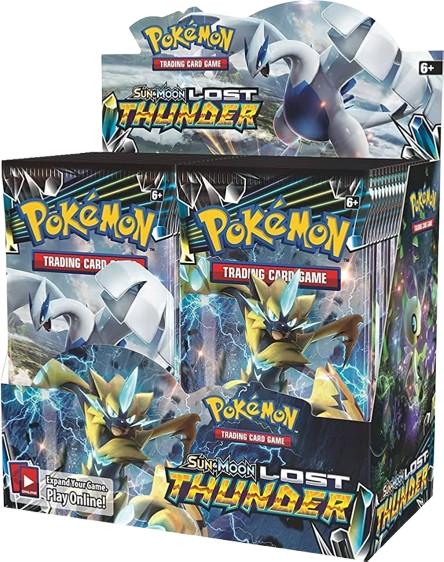
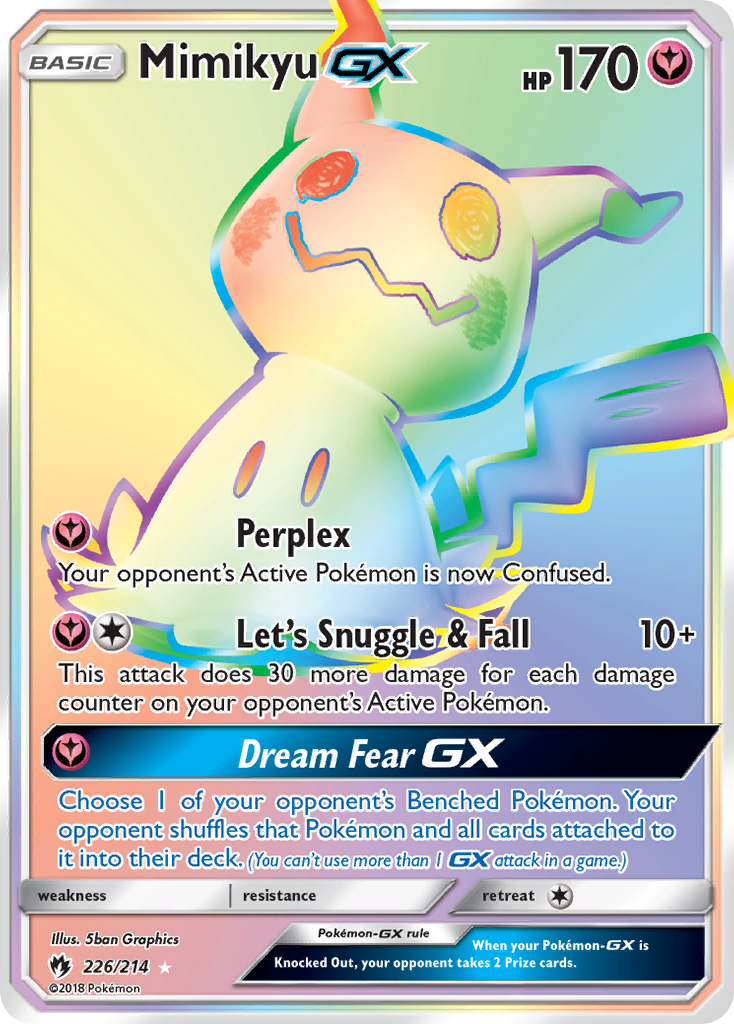
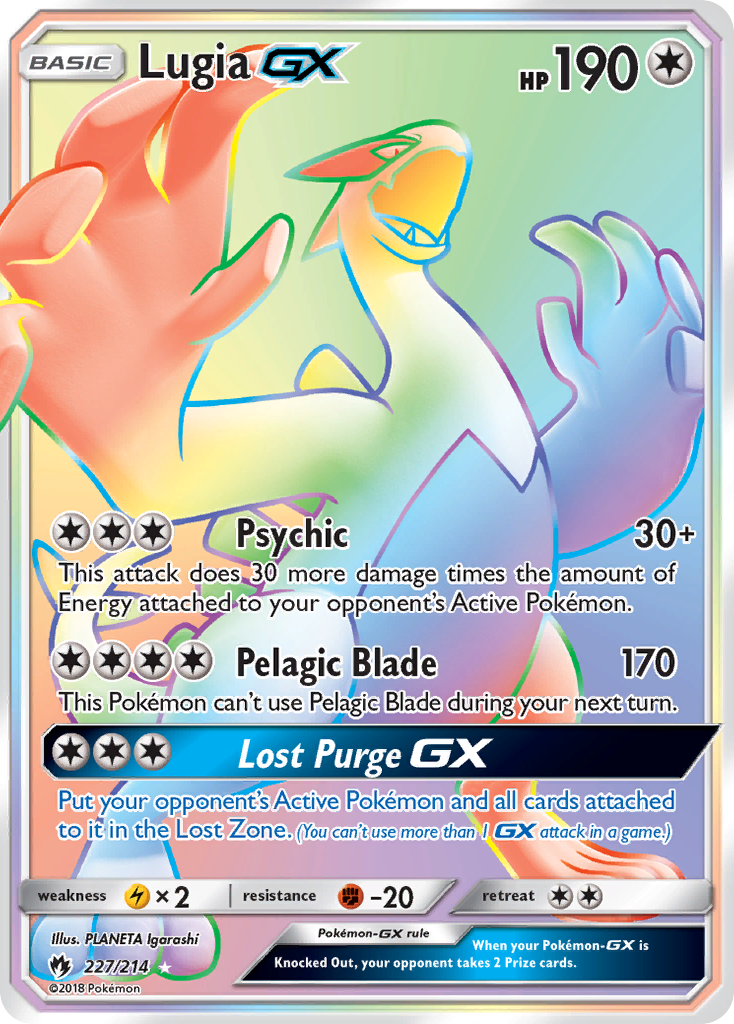
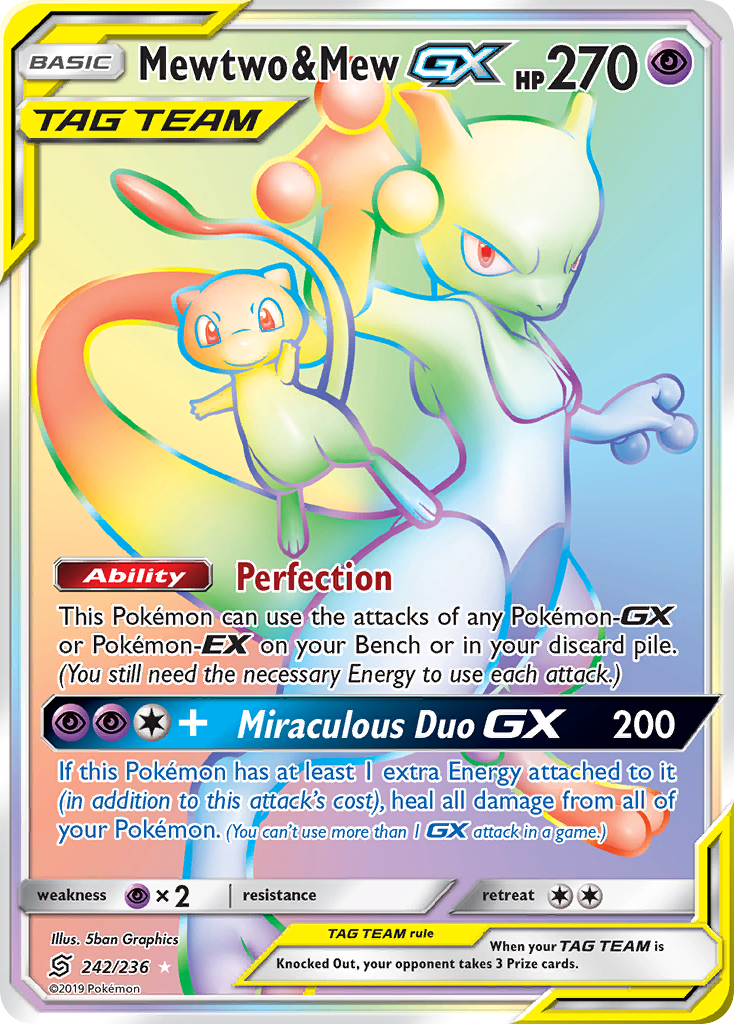
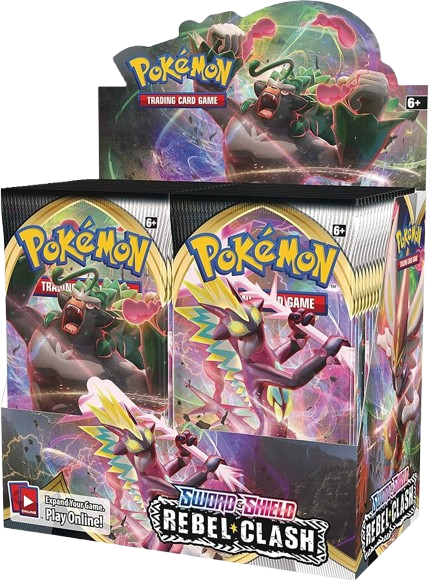
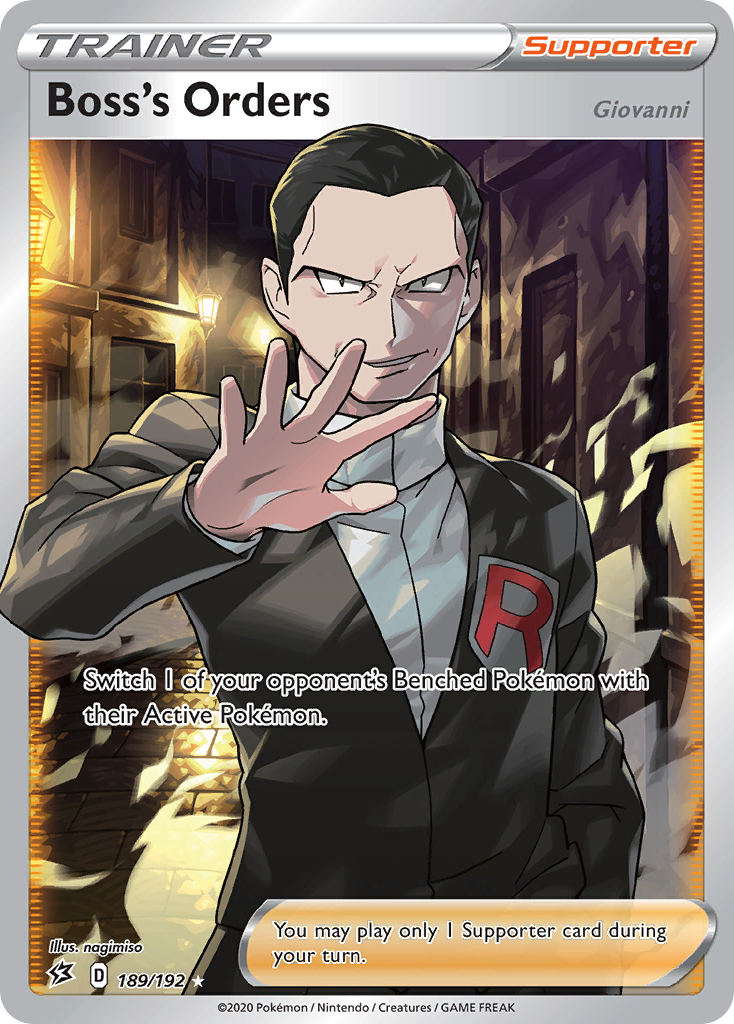
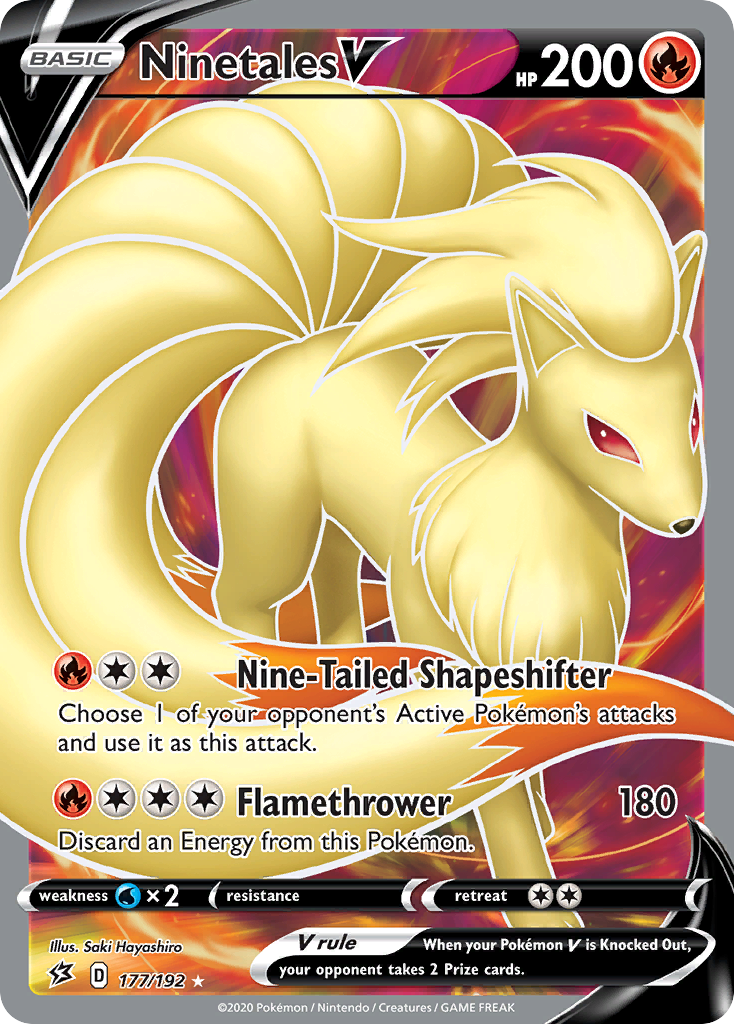
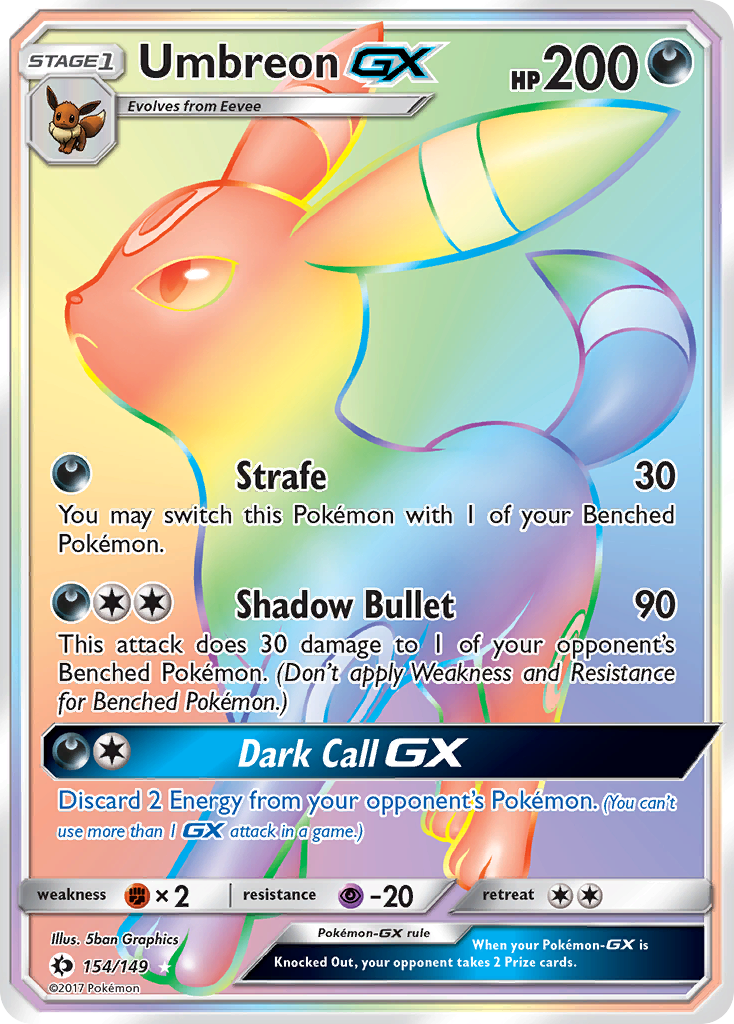
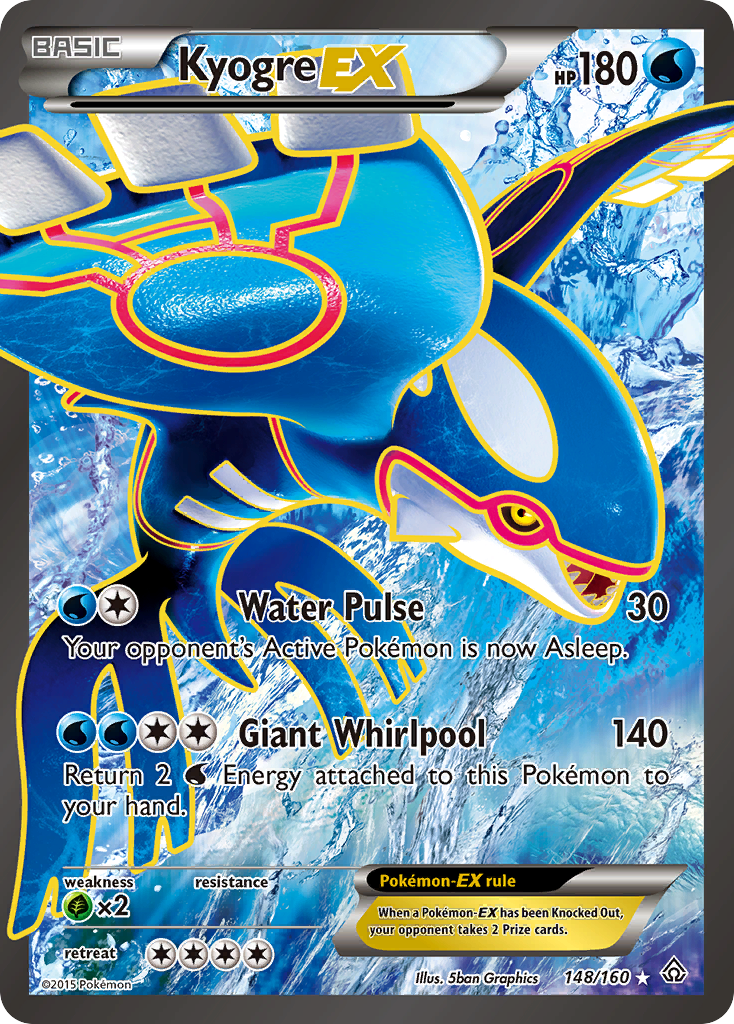
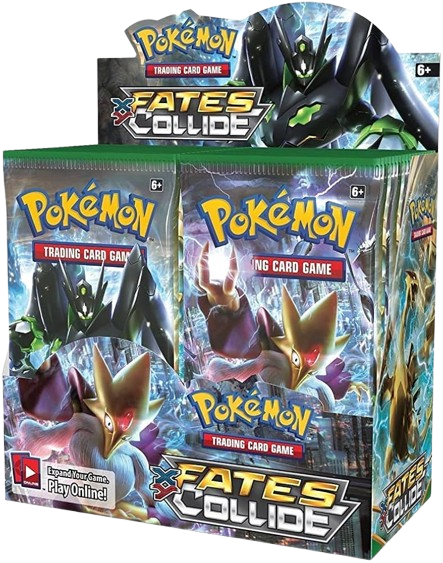
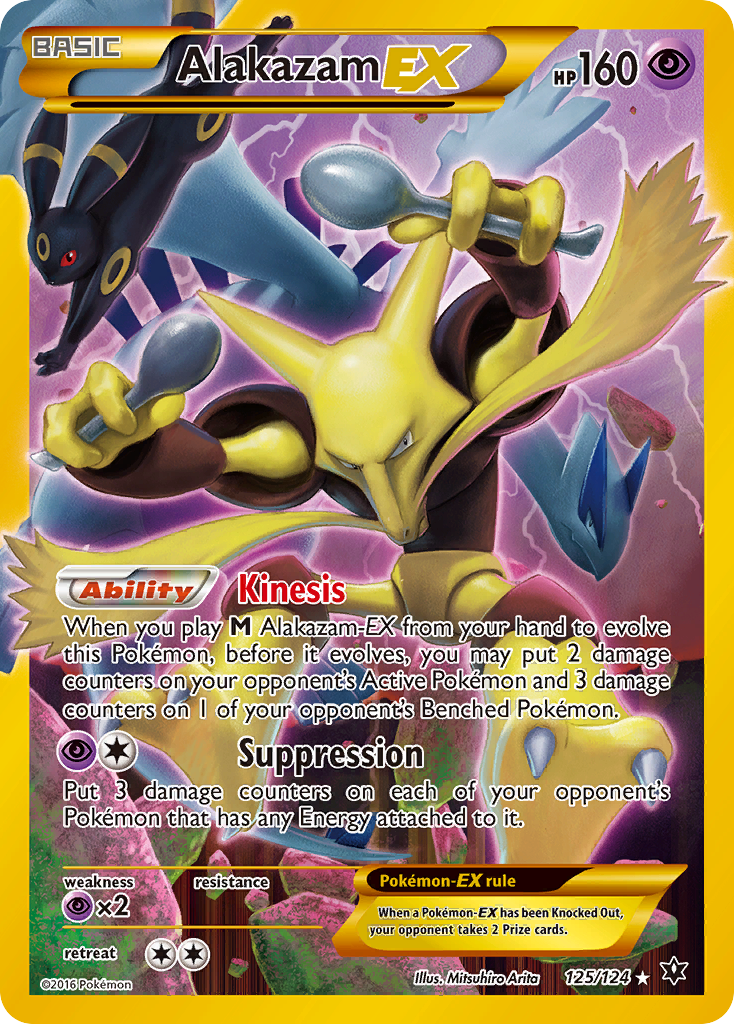
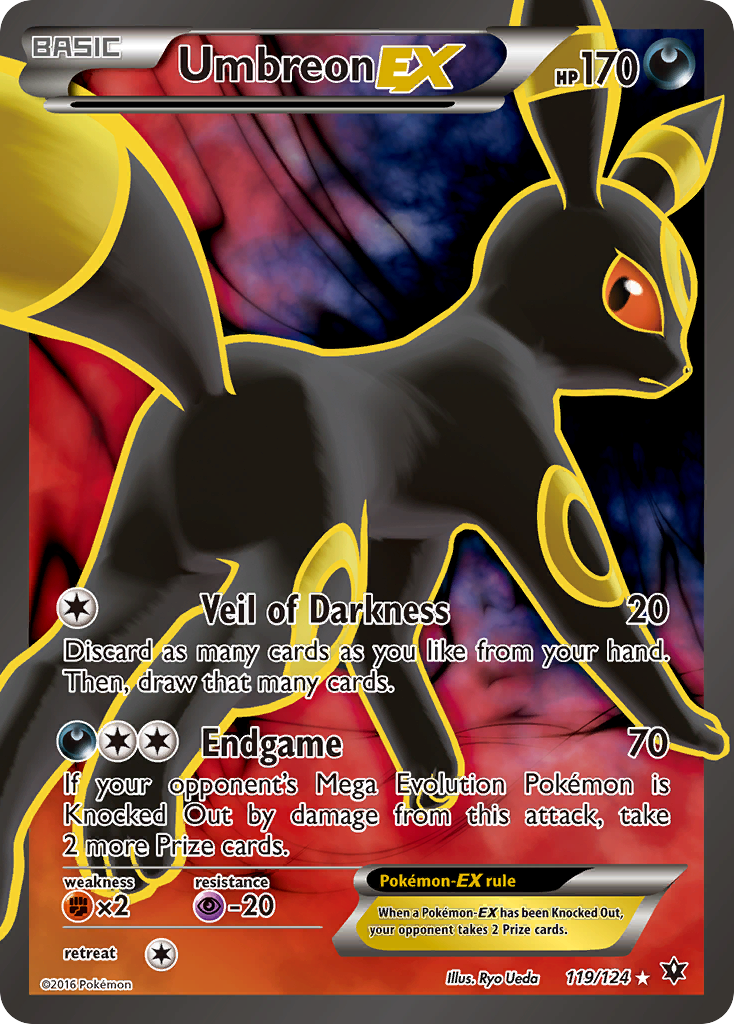
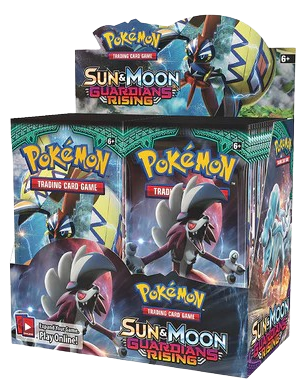
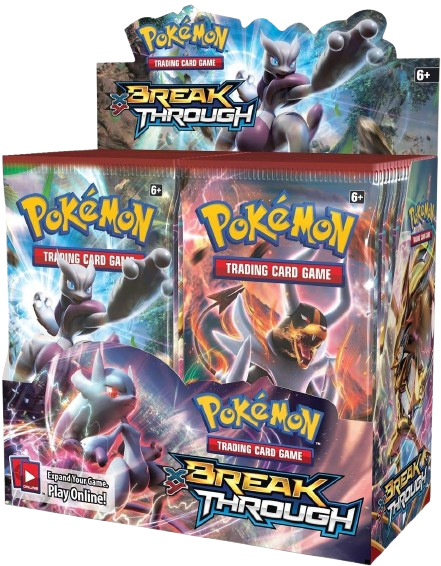
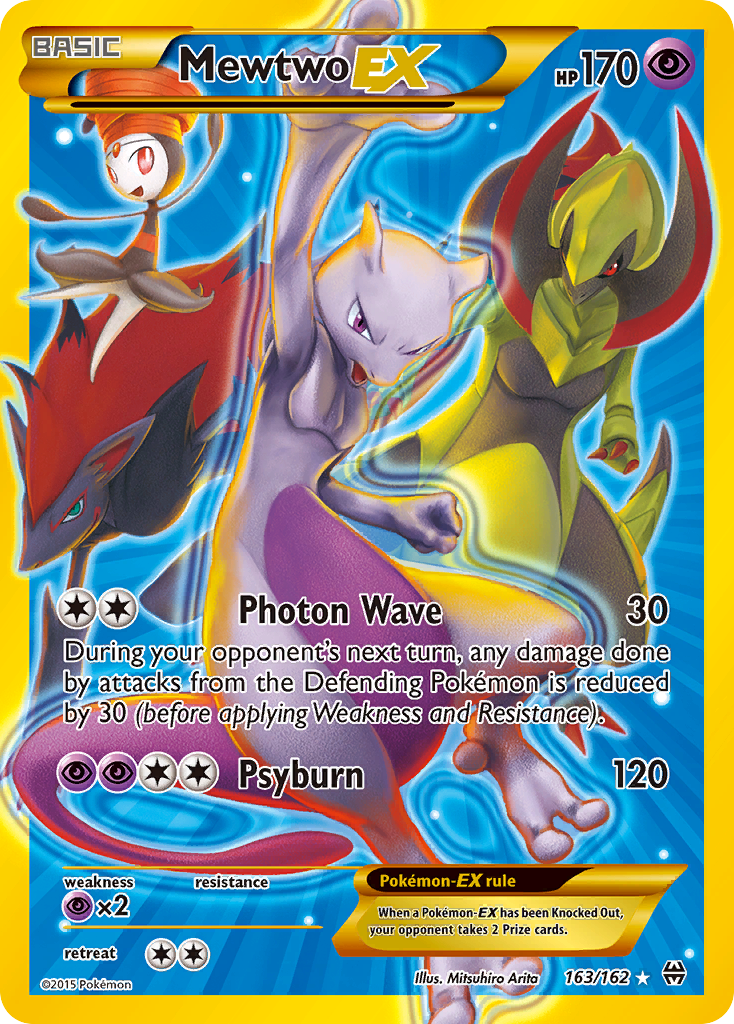
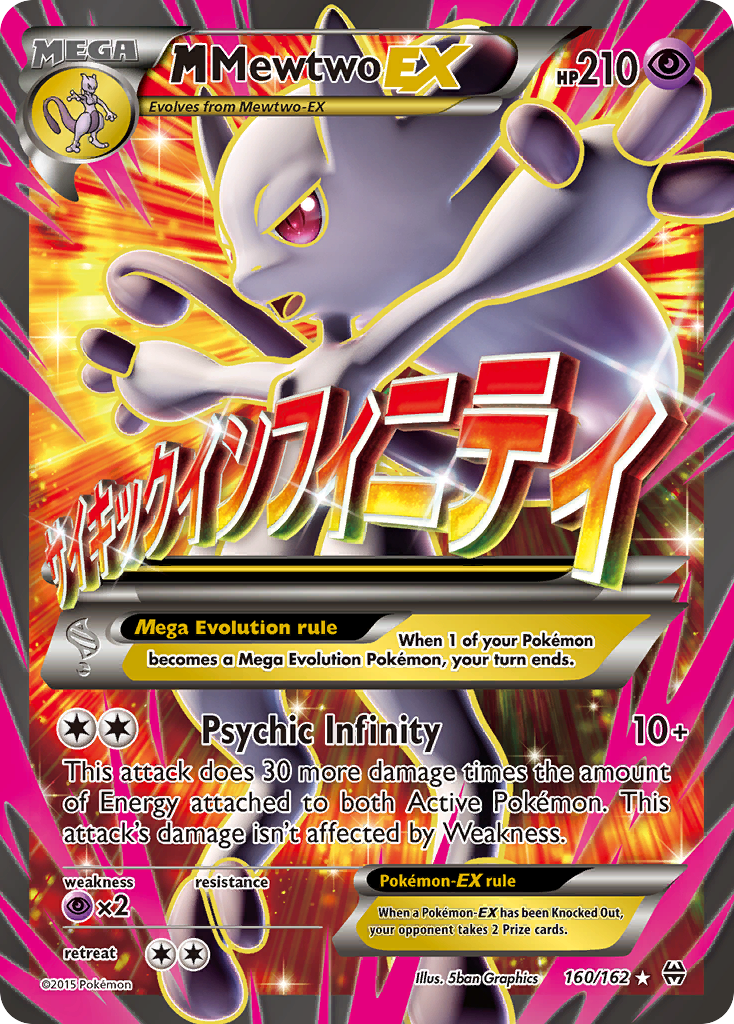
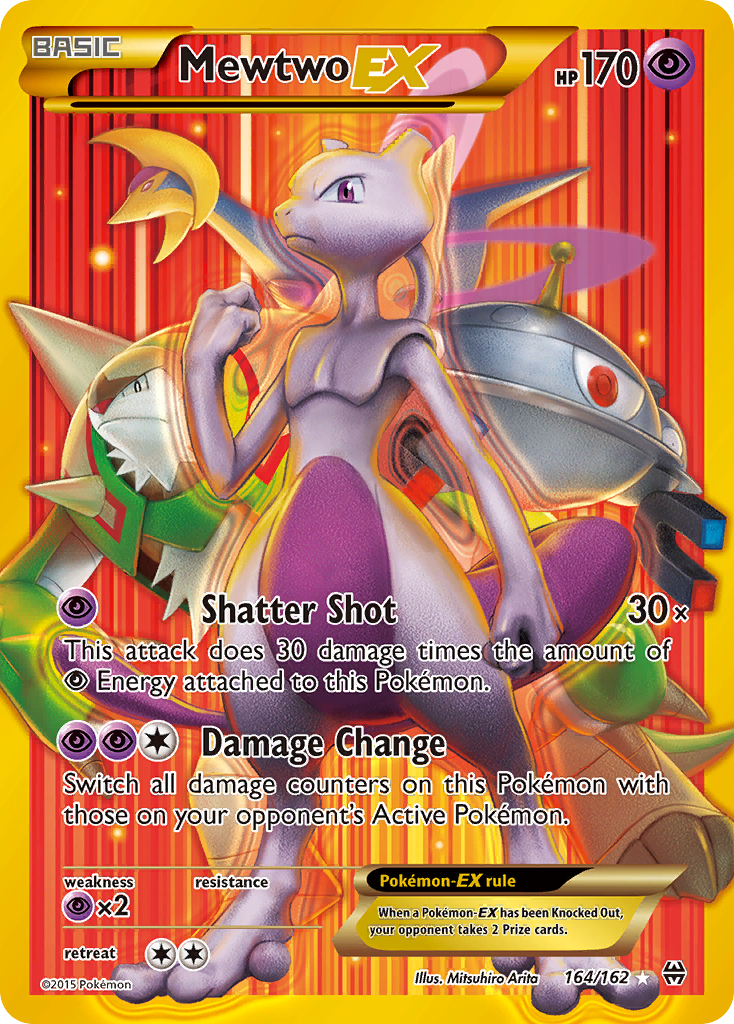
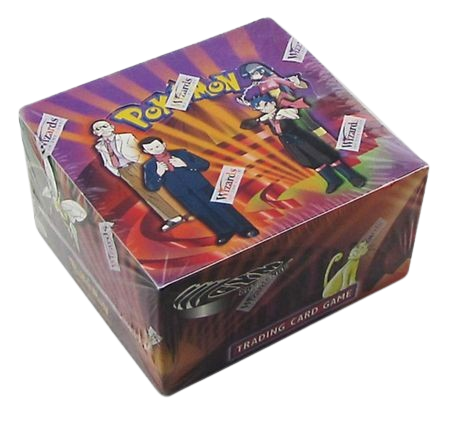
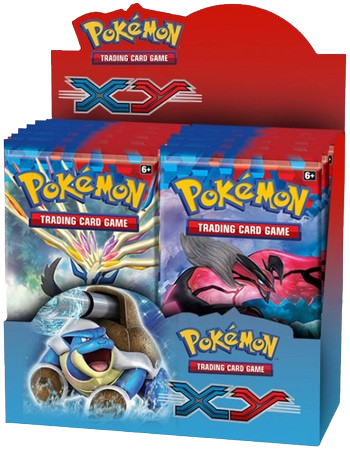
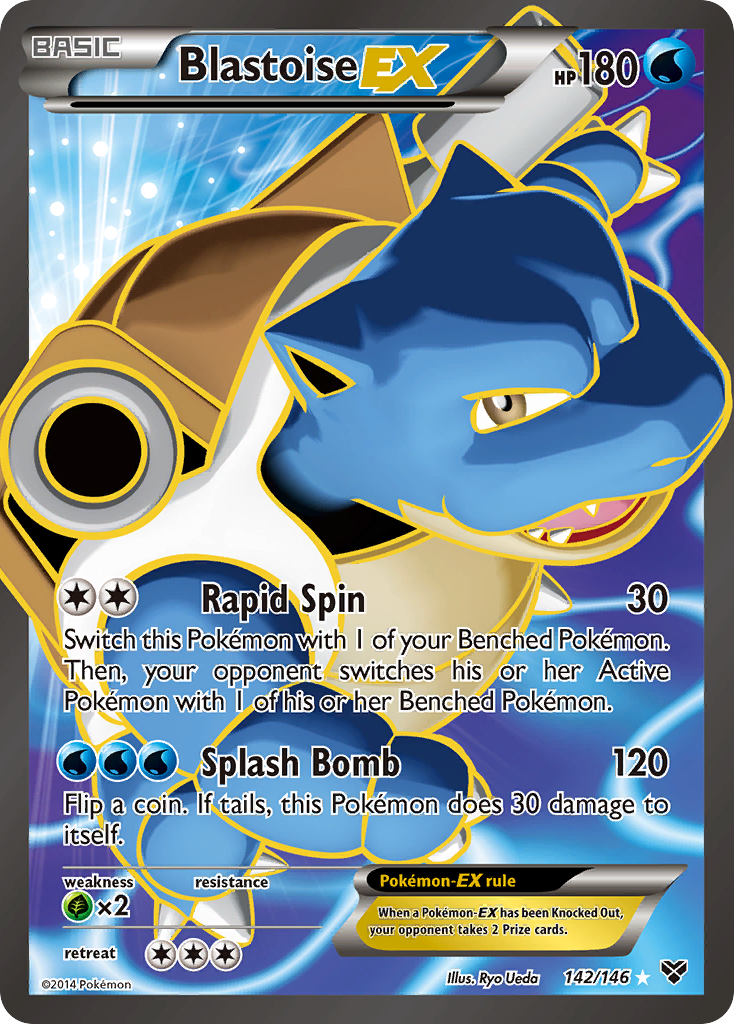
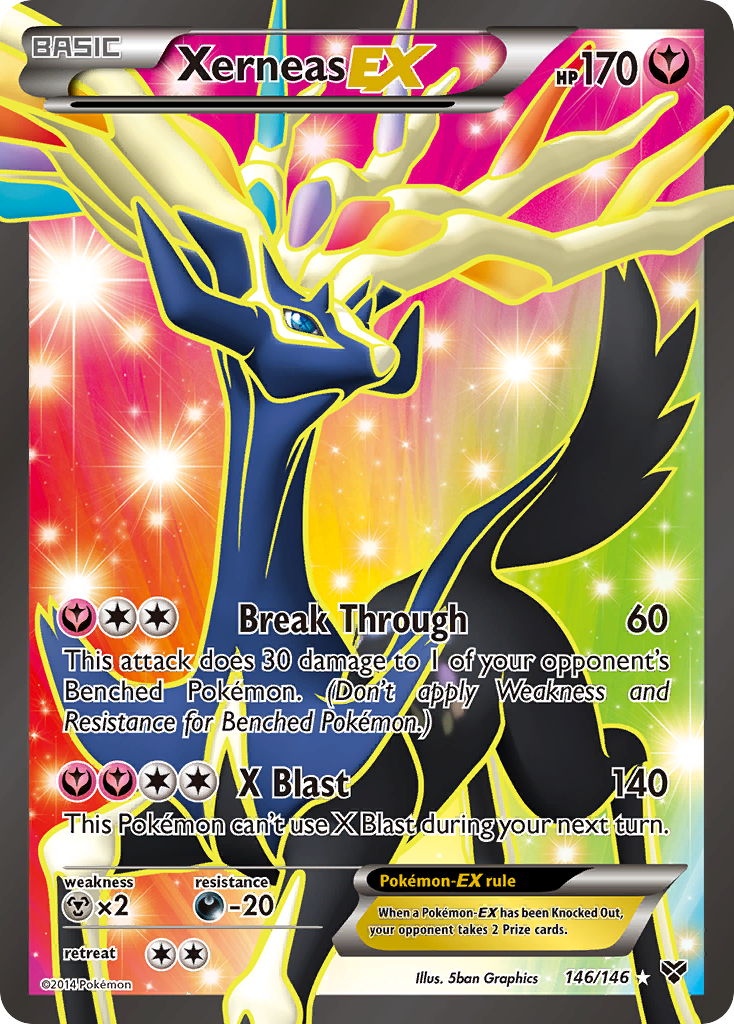
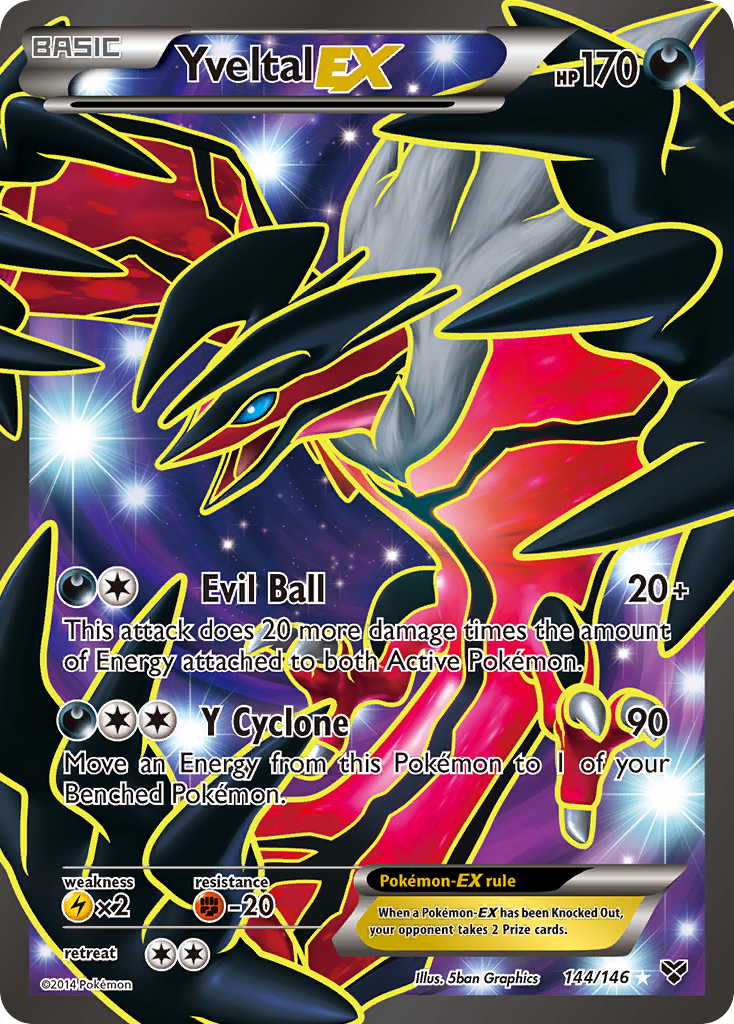
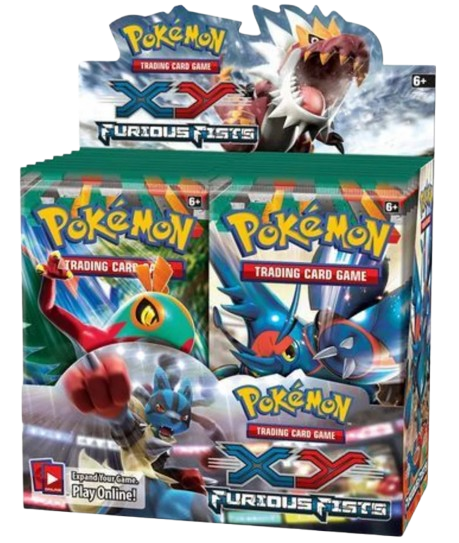
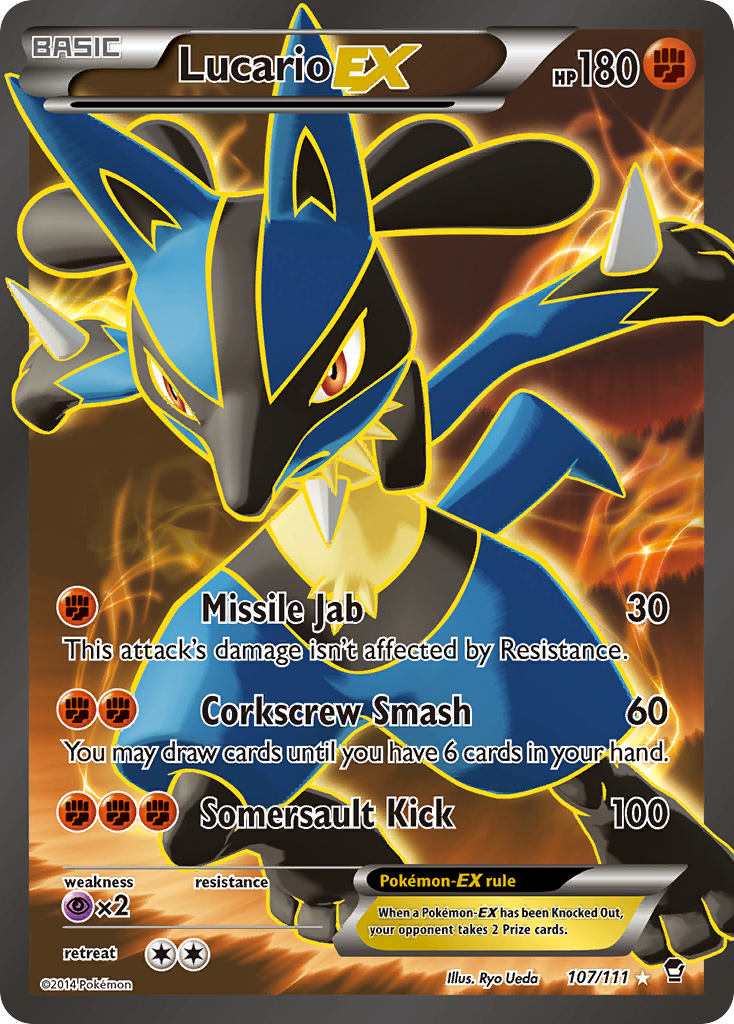
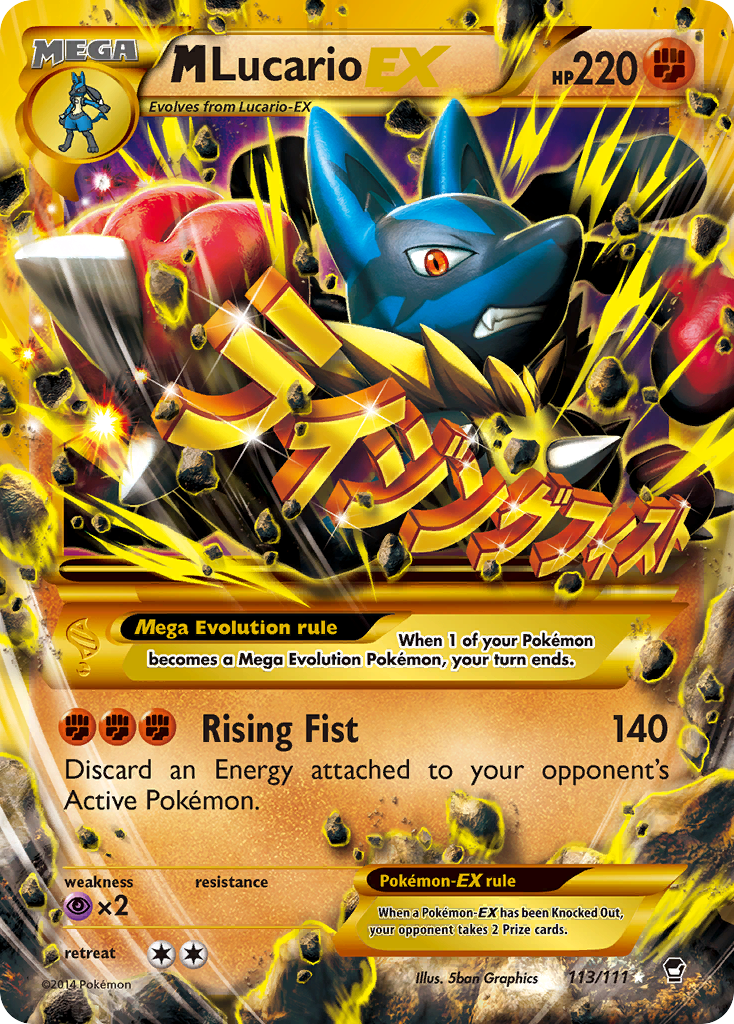
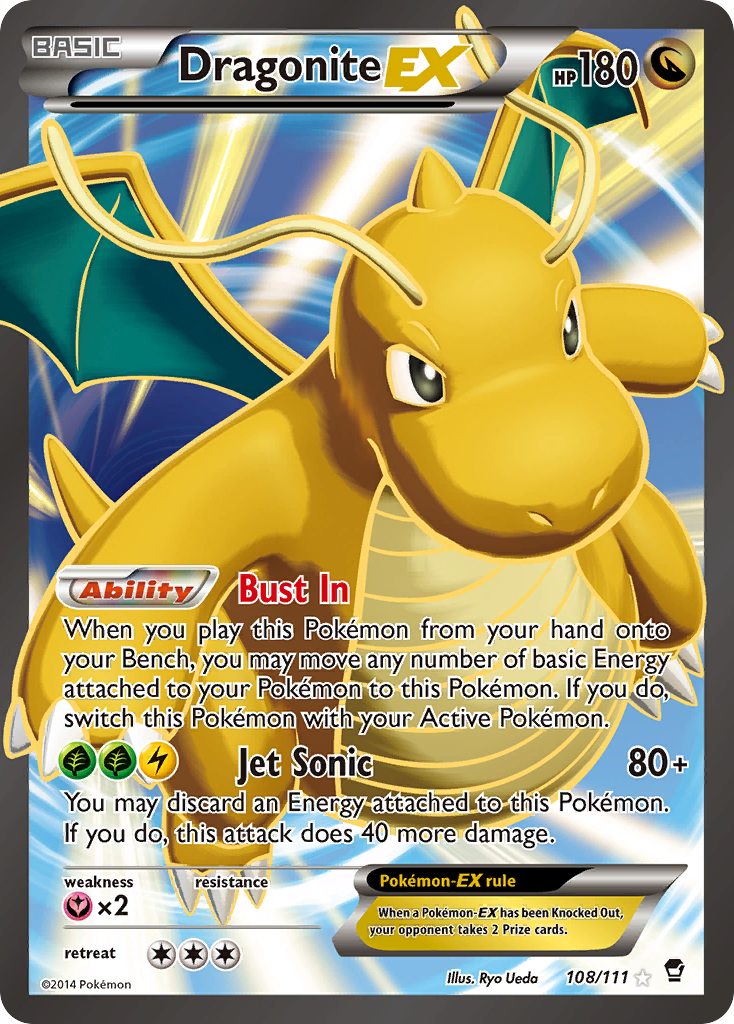
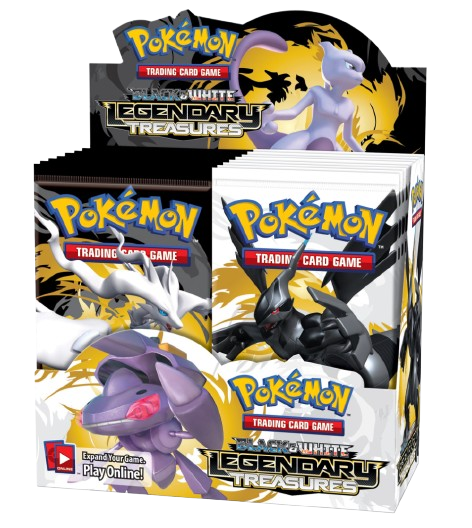
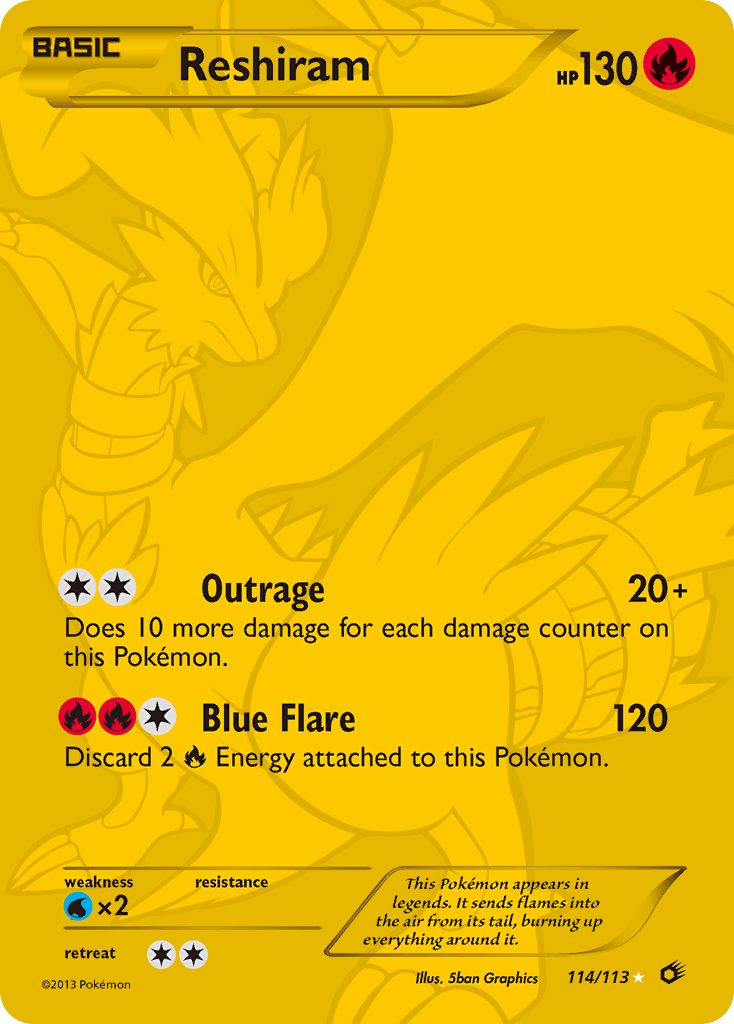
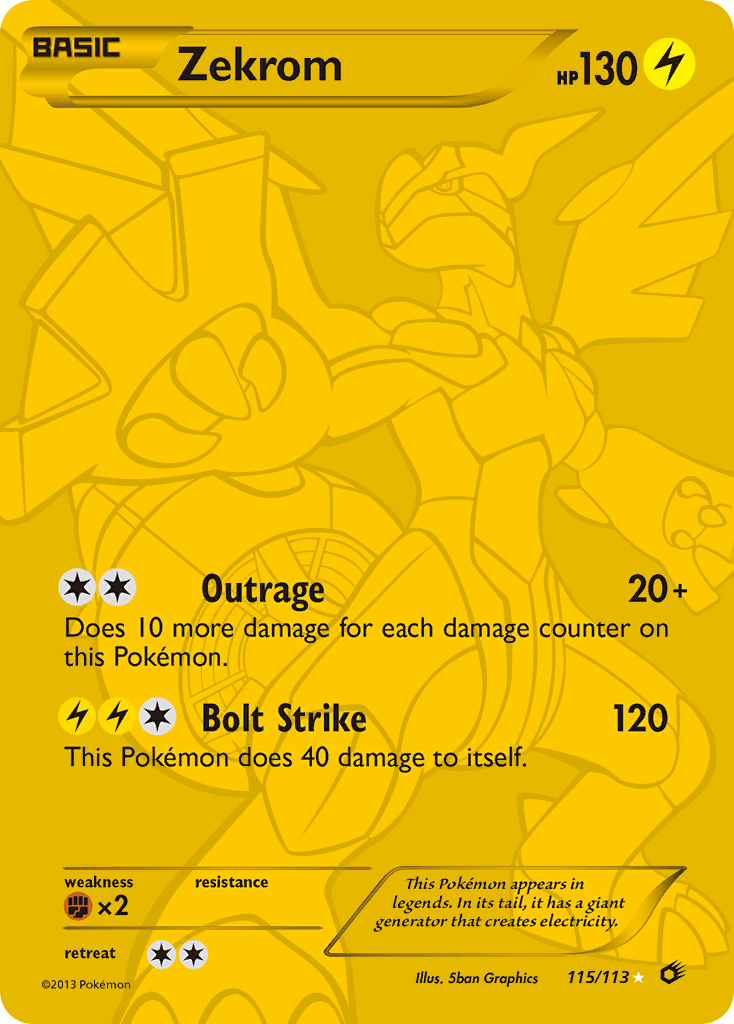
Is that booster box worth opening? Box EV vs sealed price
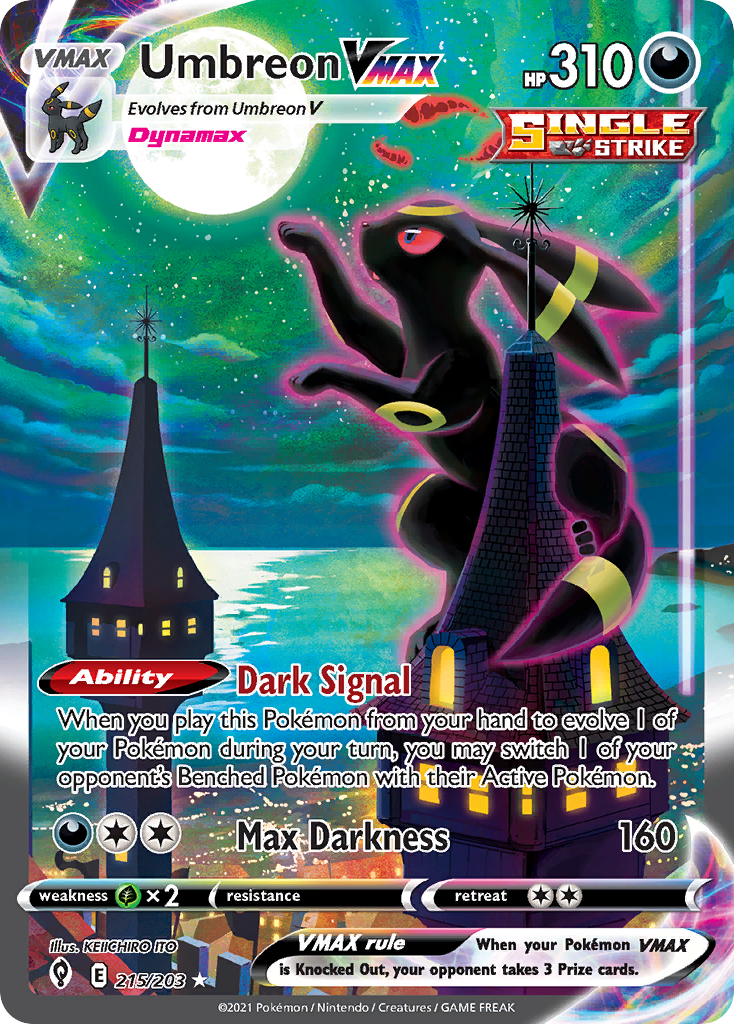
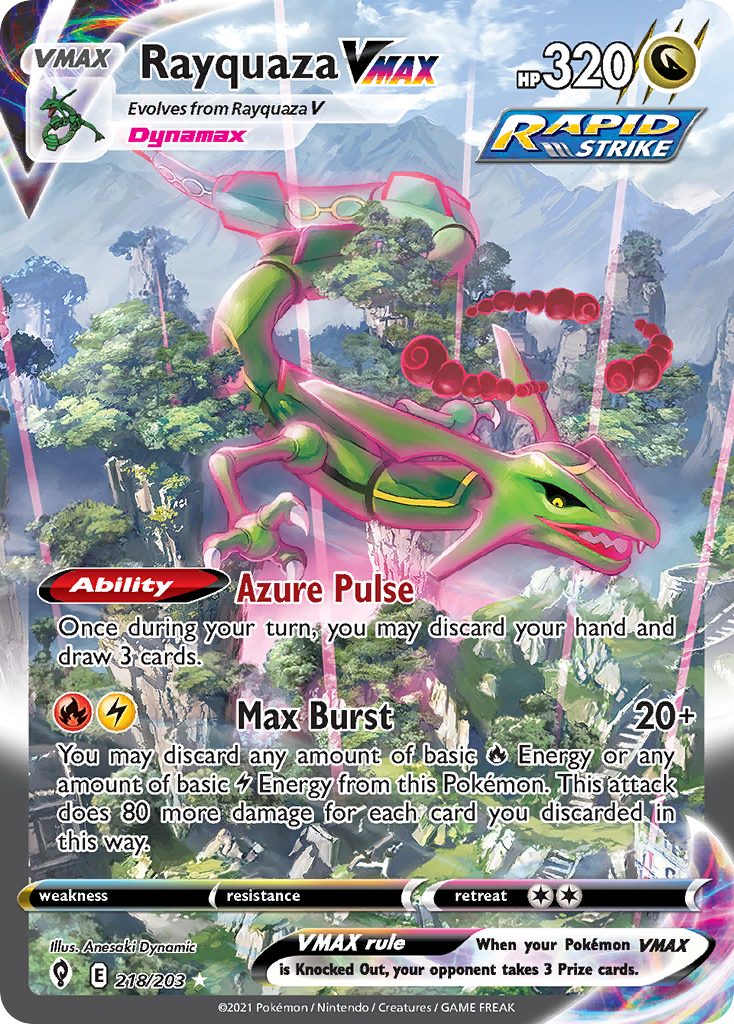
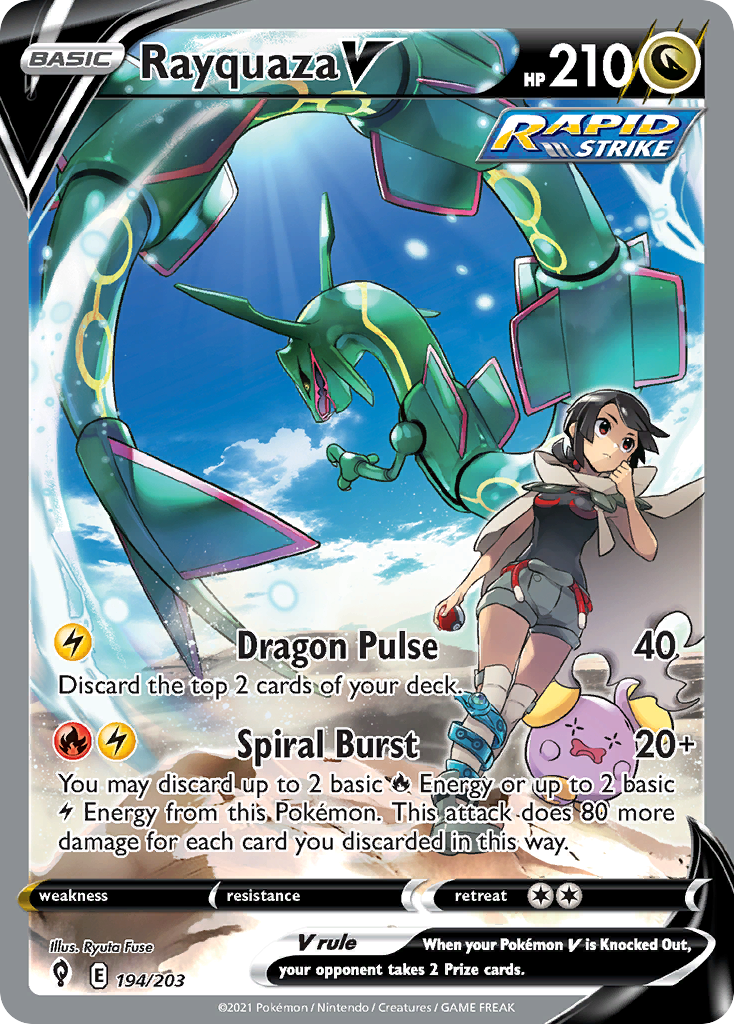
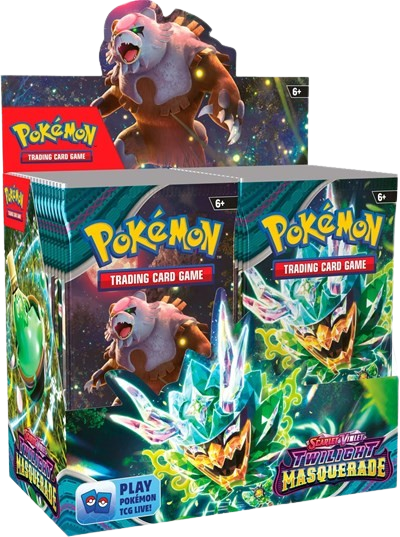
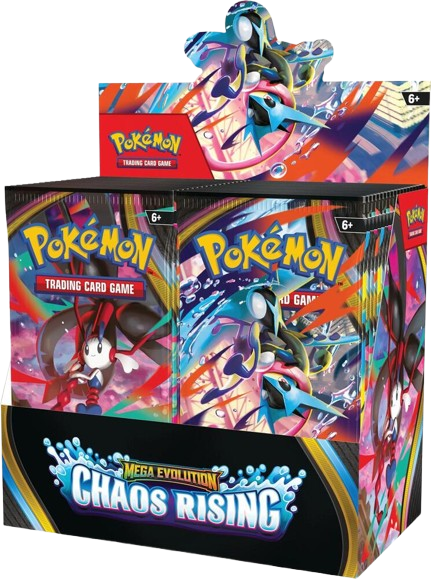
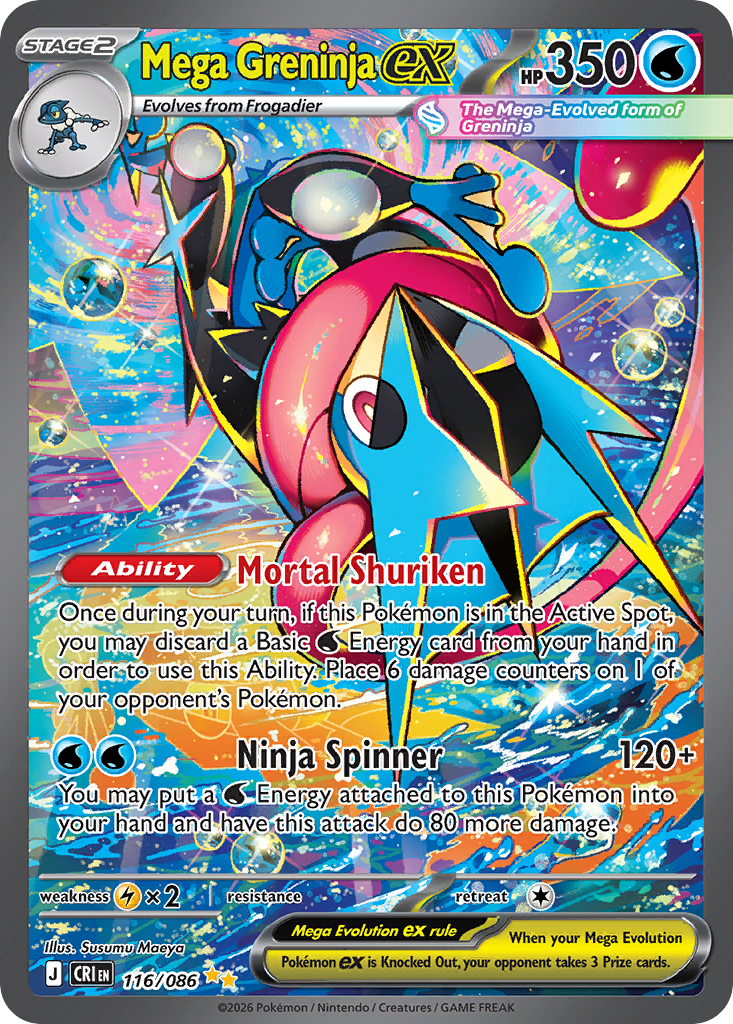
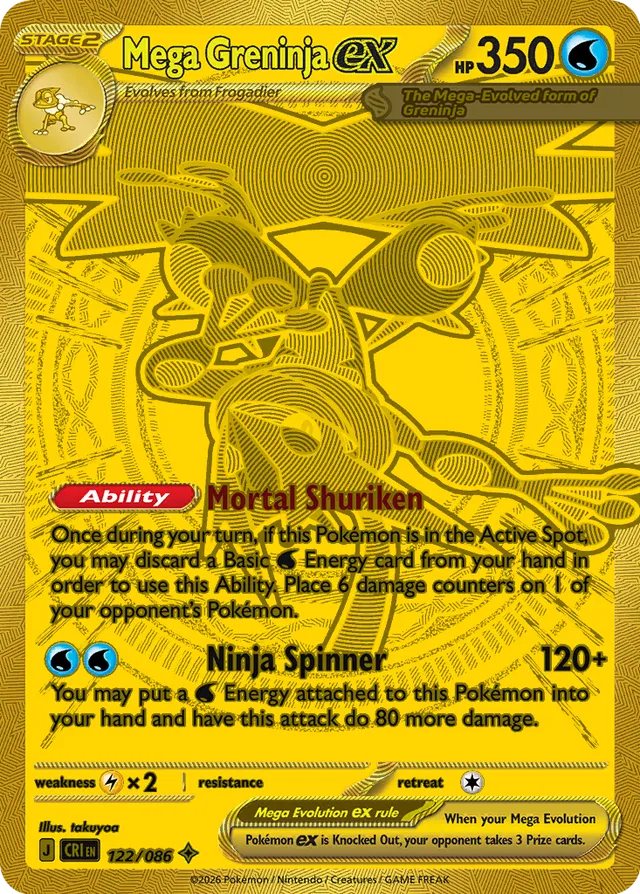
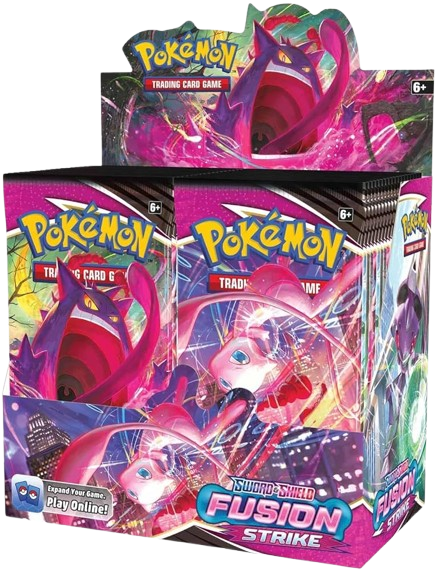
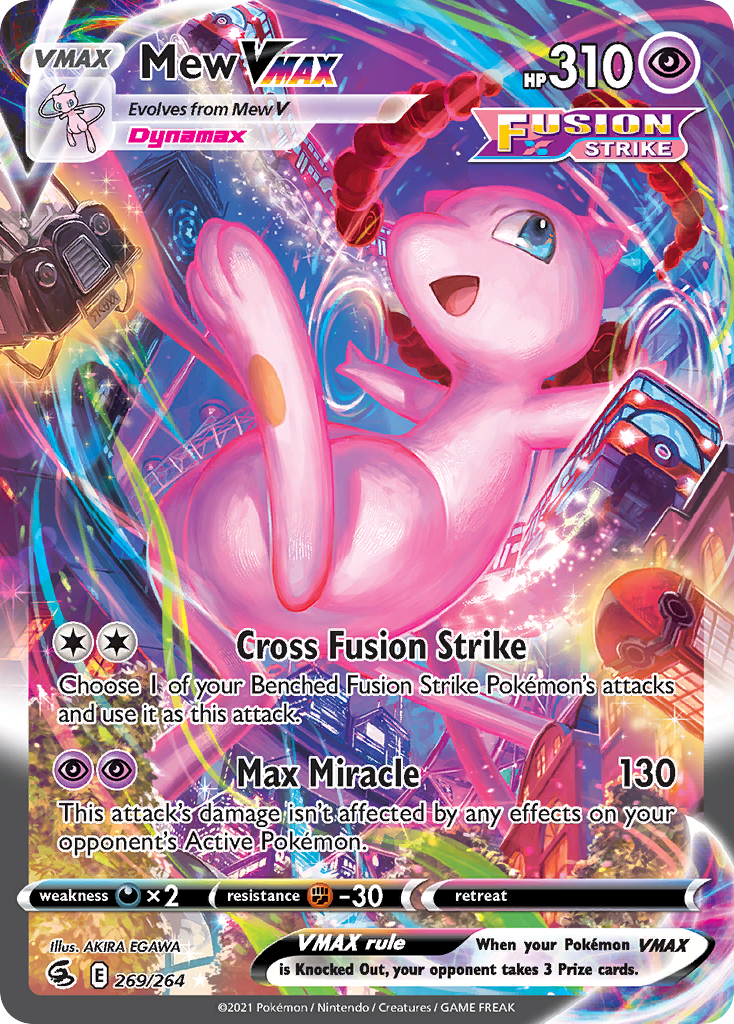
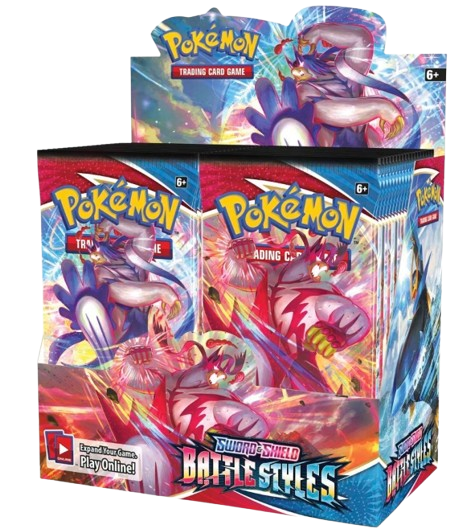
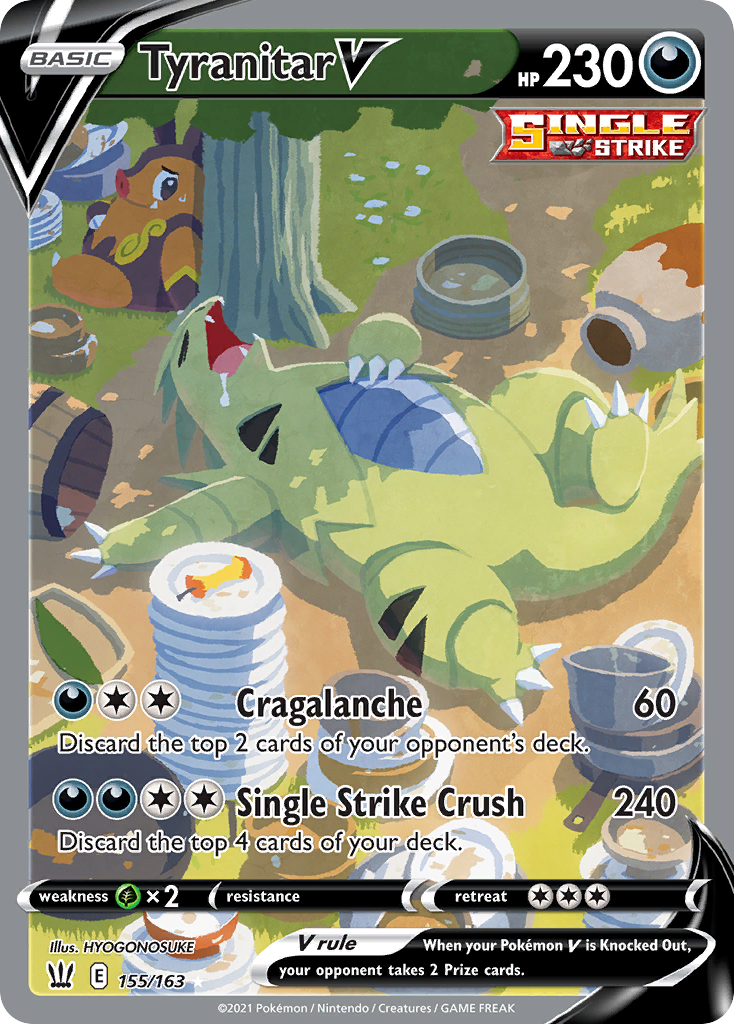
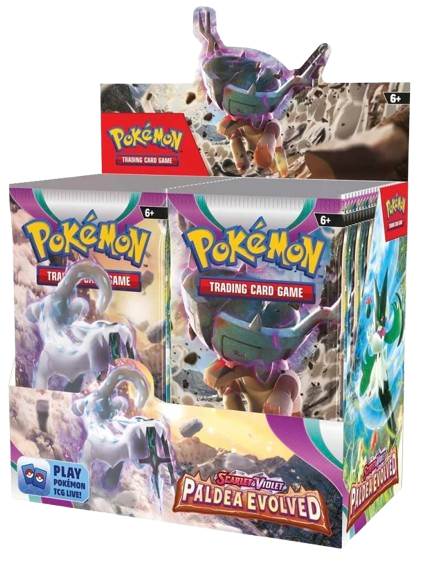
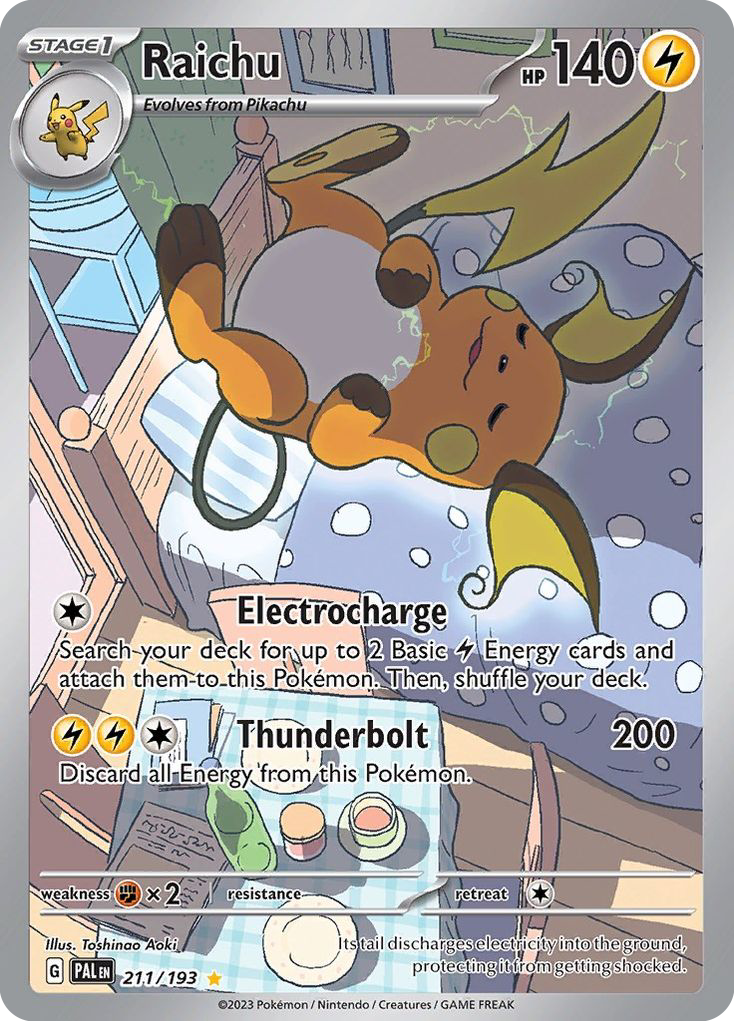
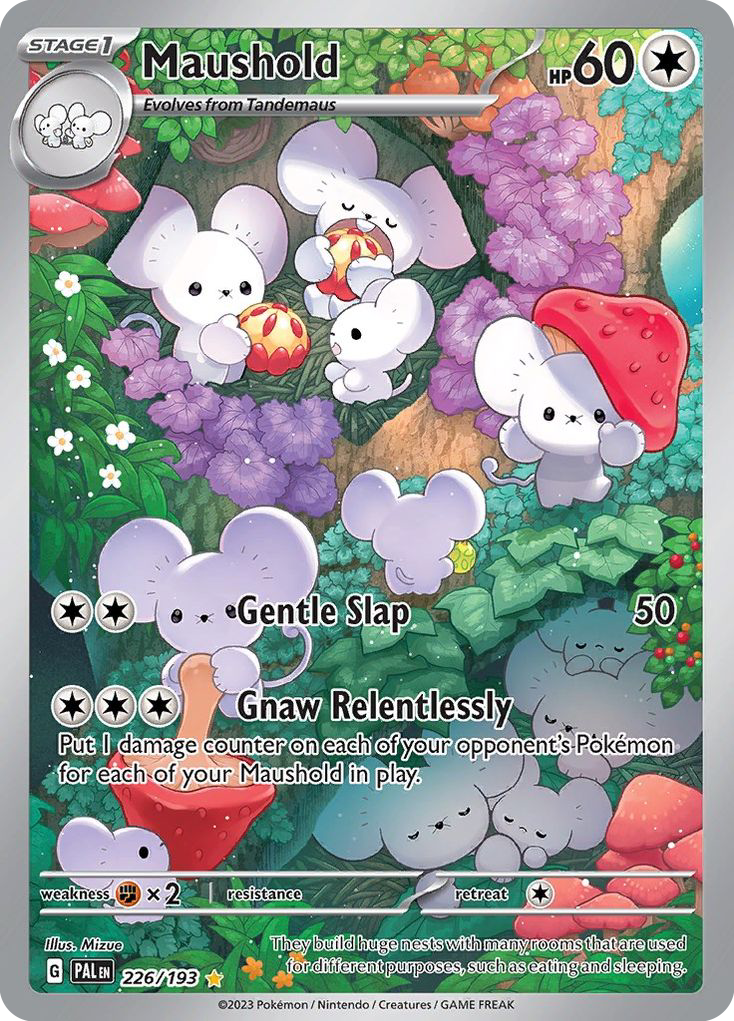
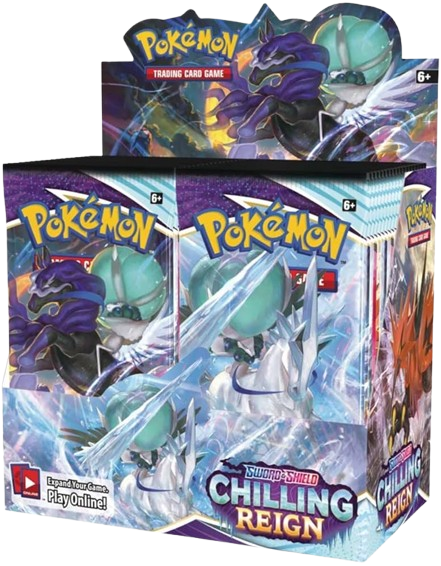
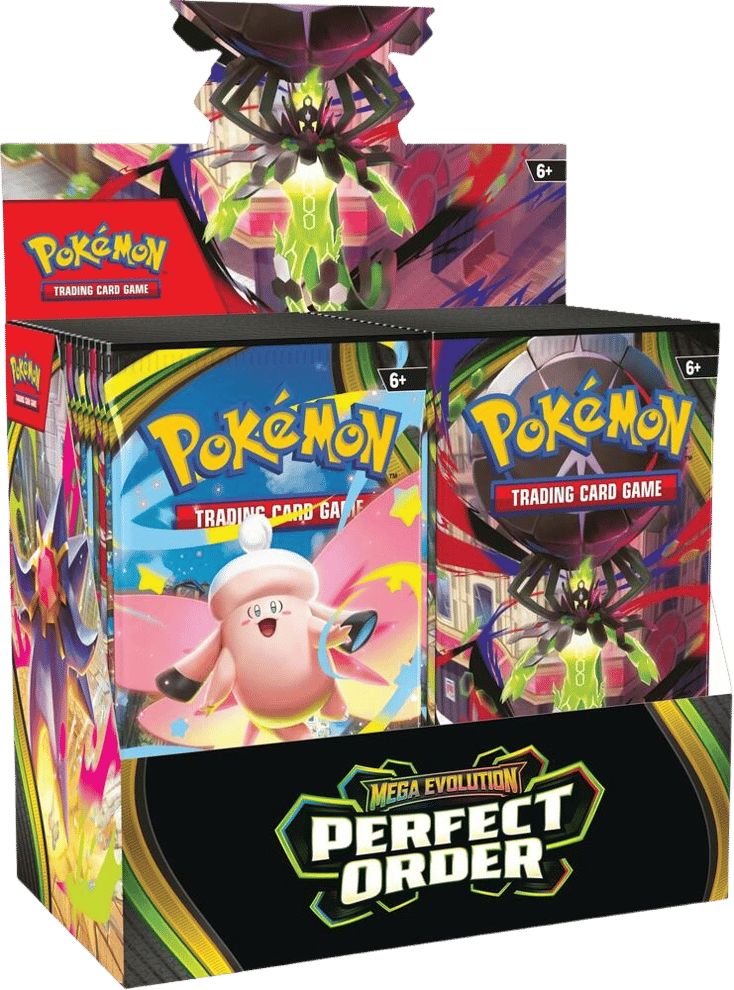
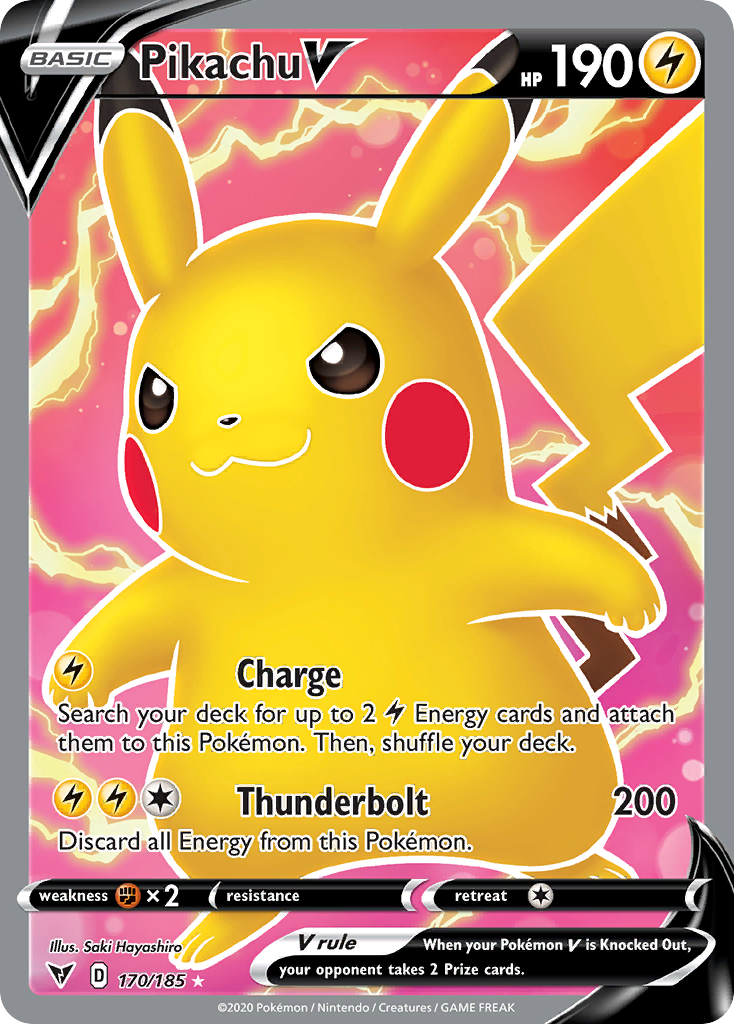
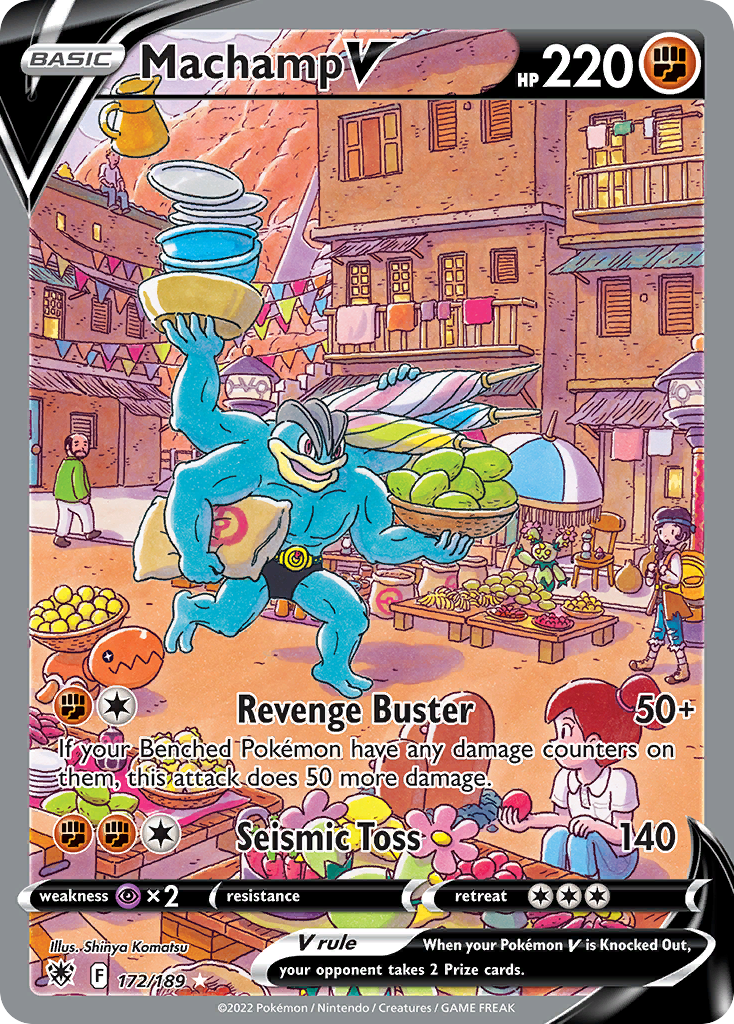
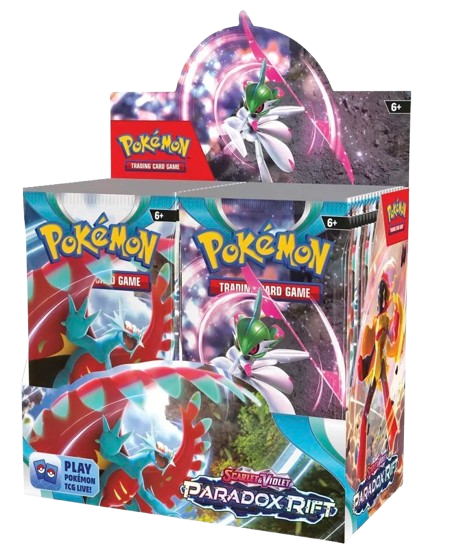
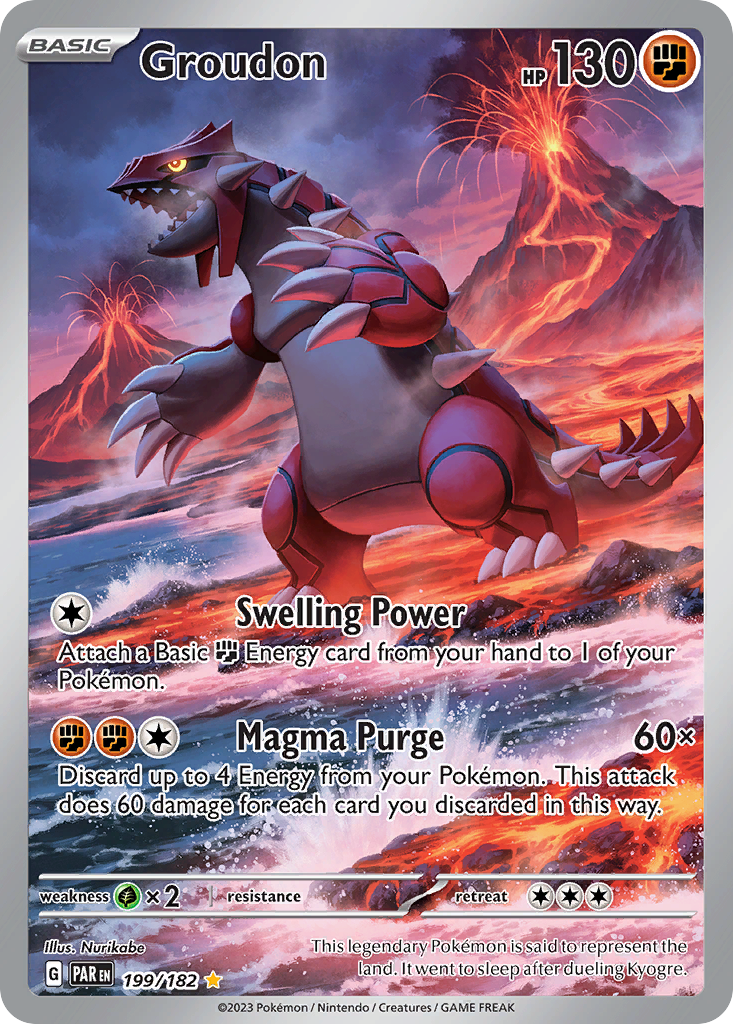
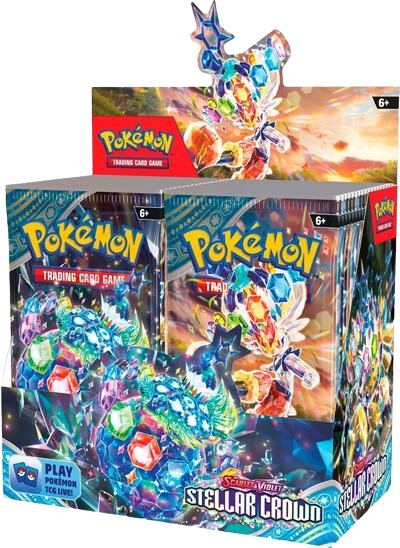
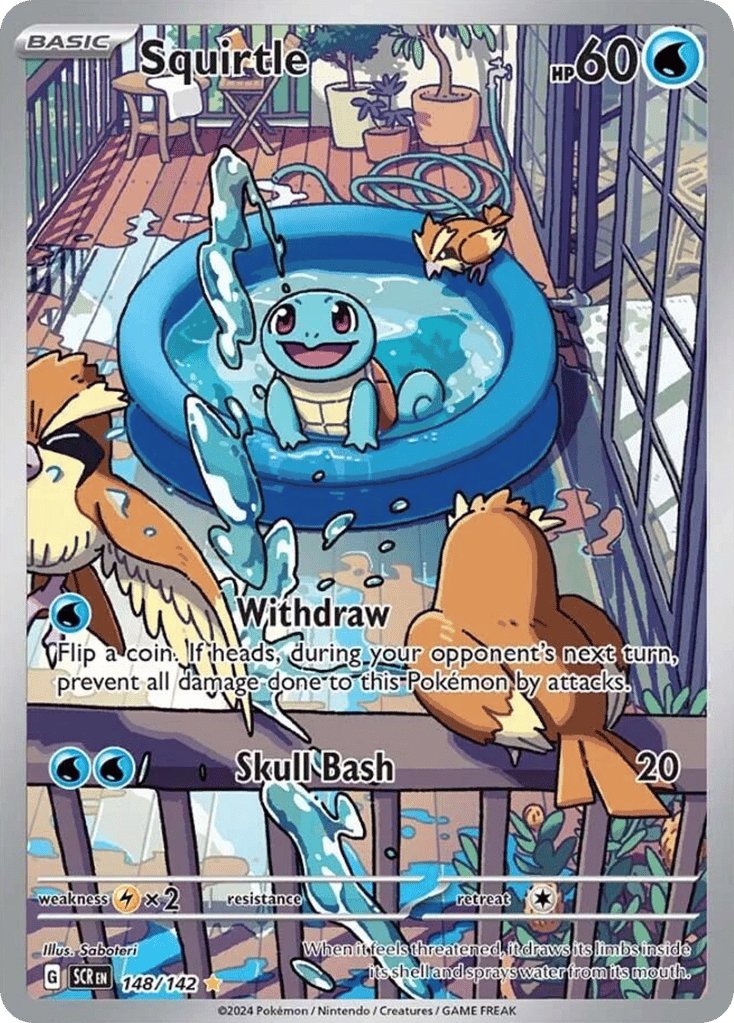
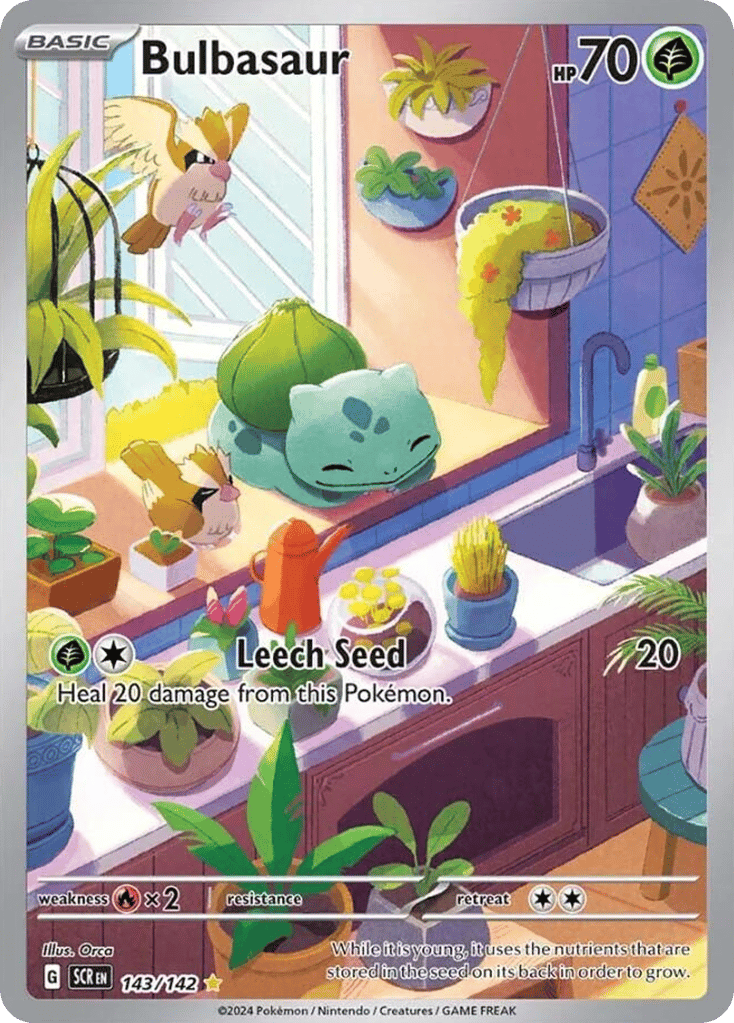
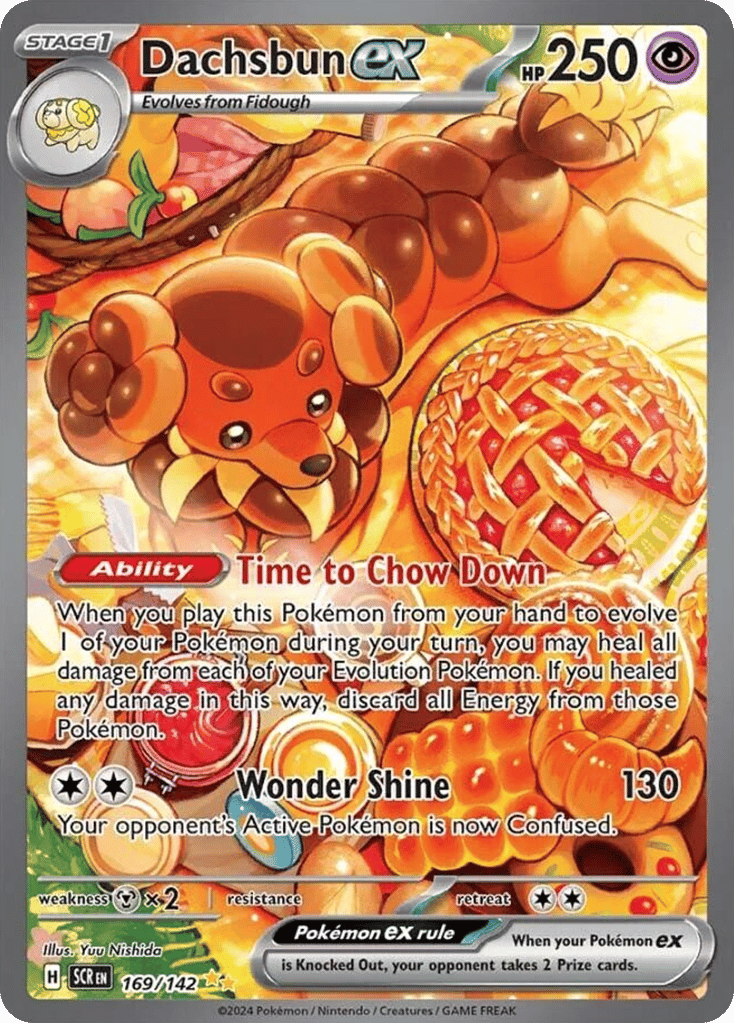
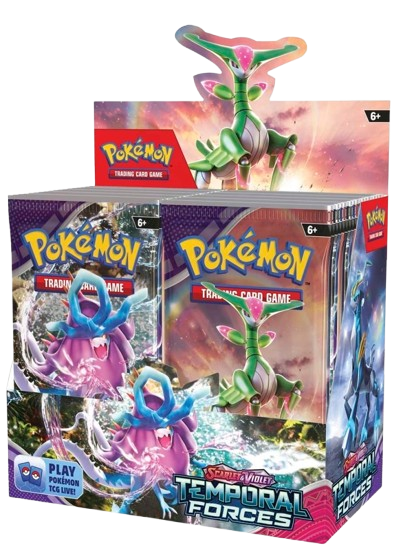
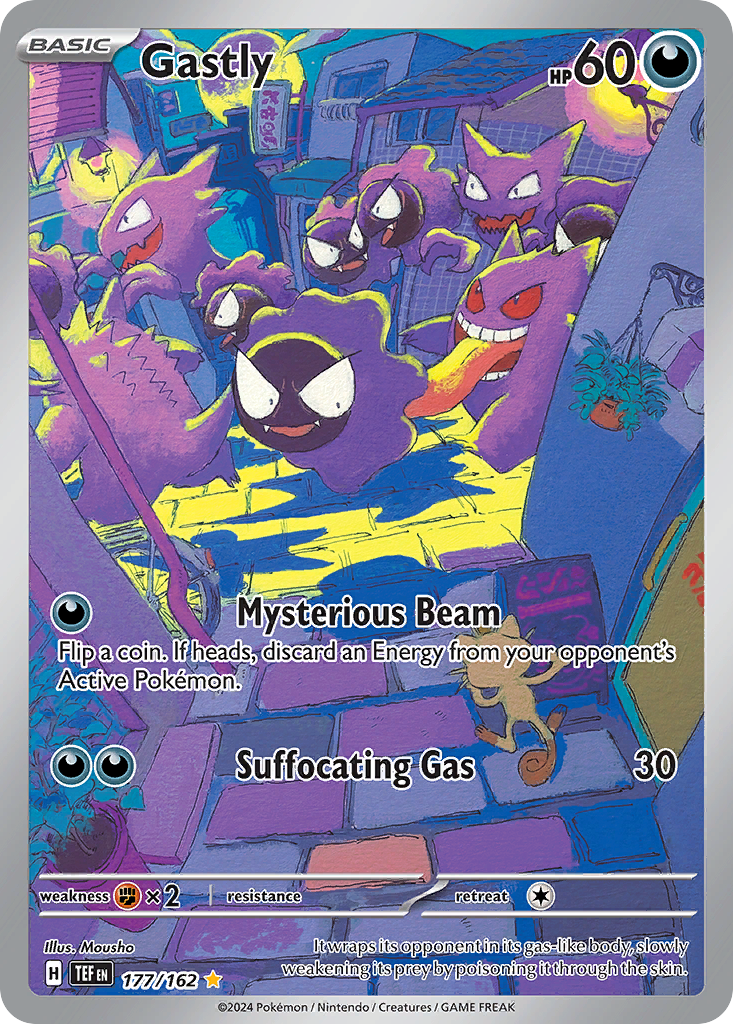
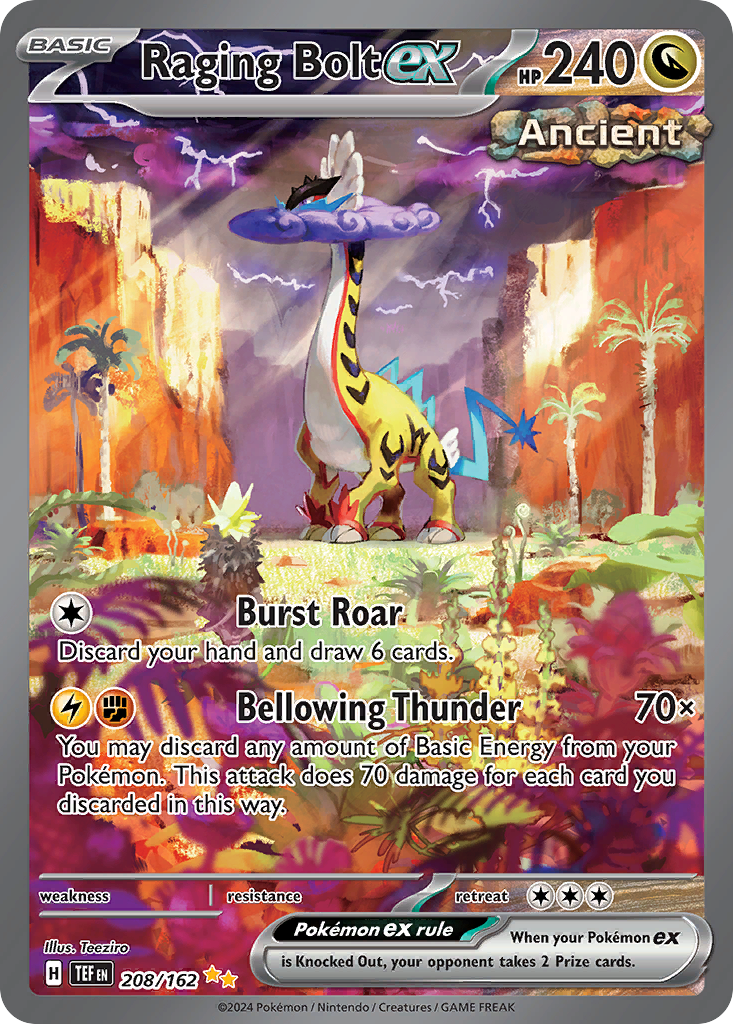
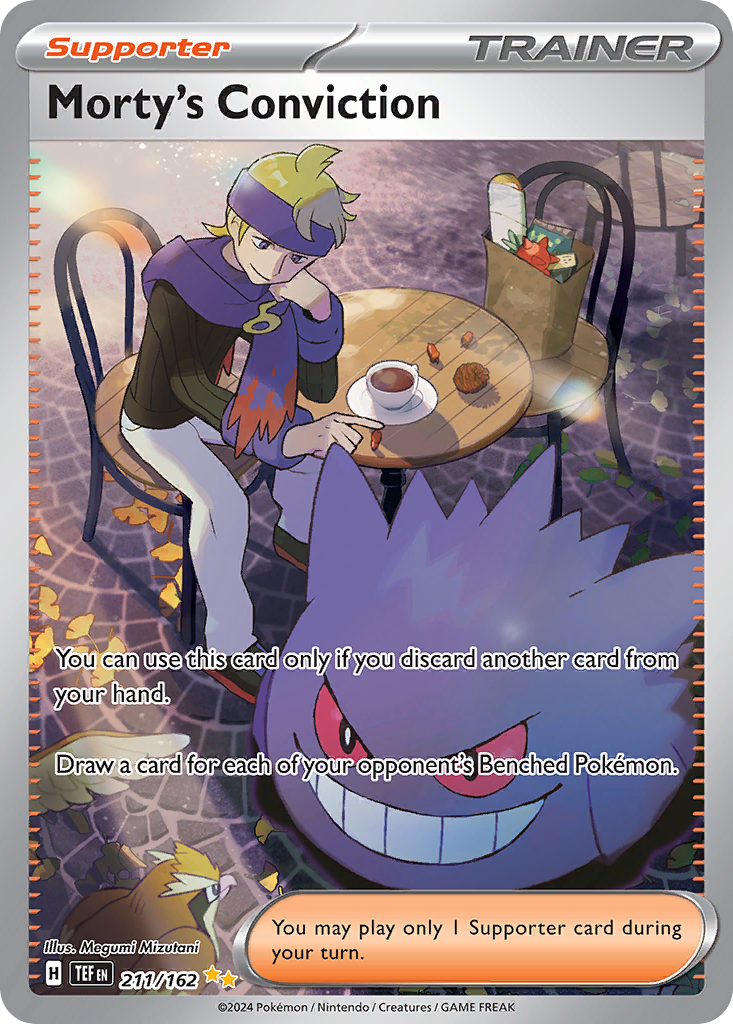
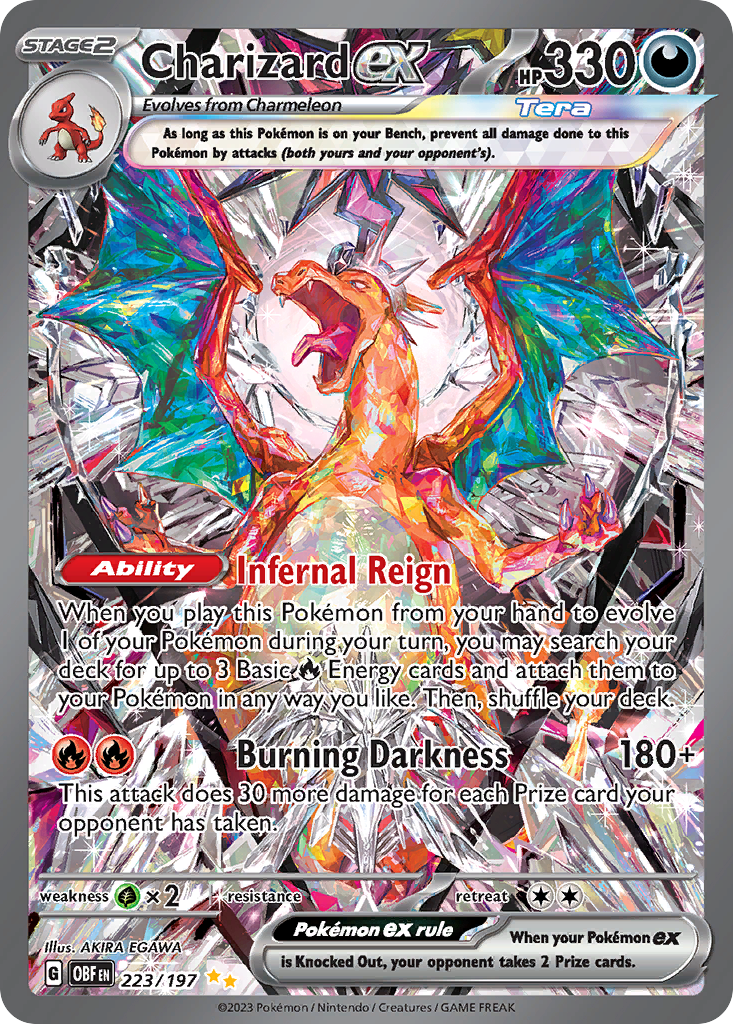
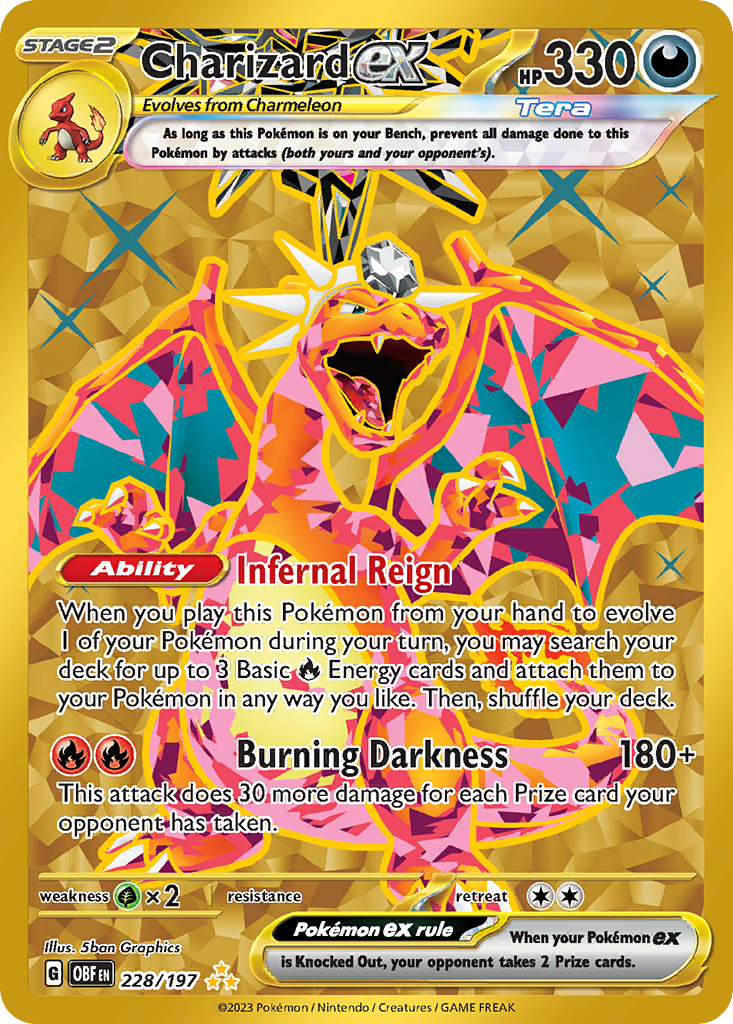
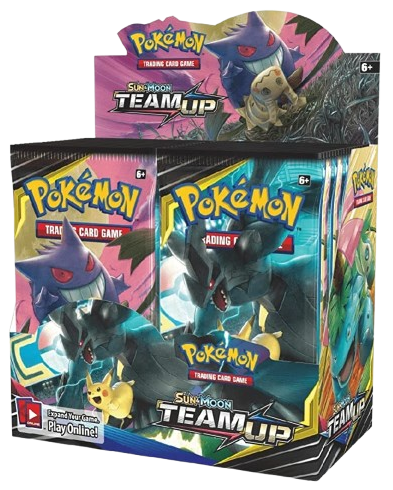
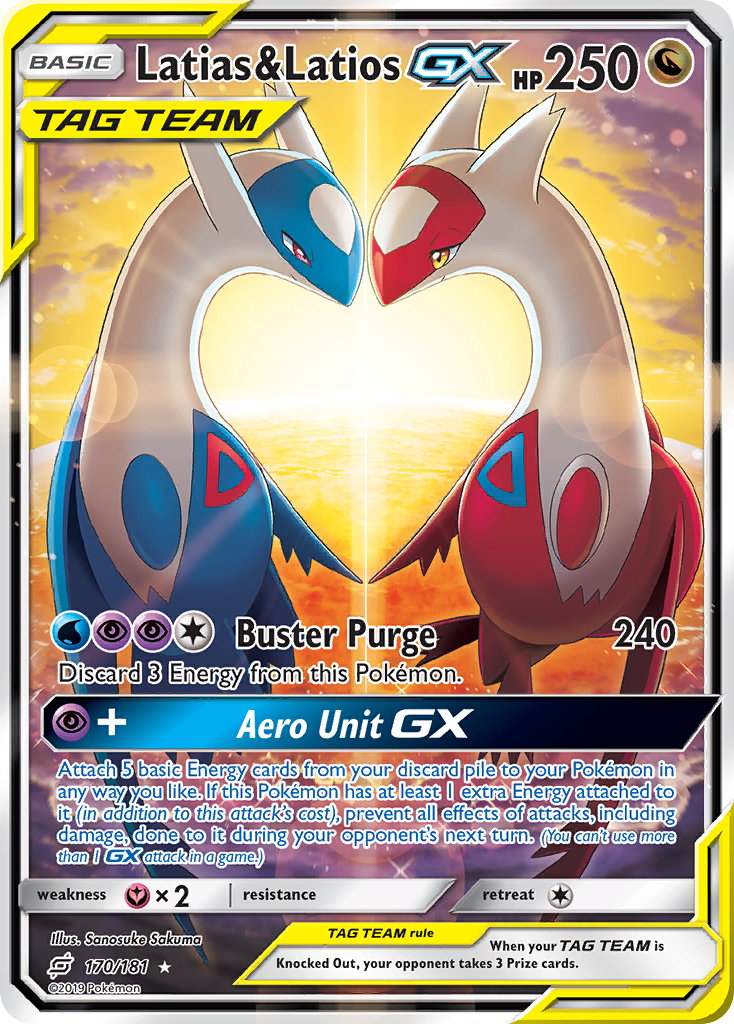
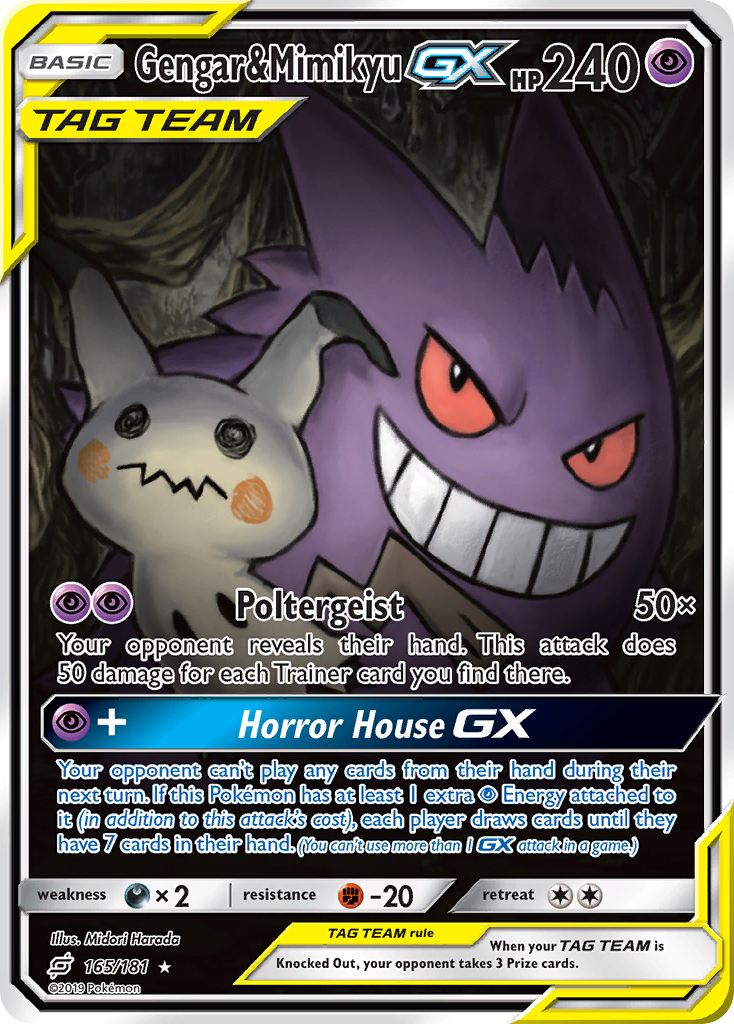
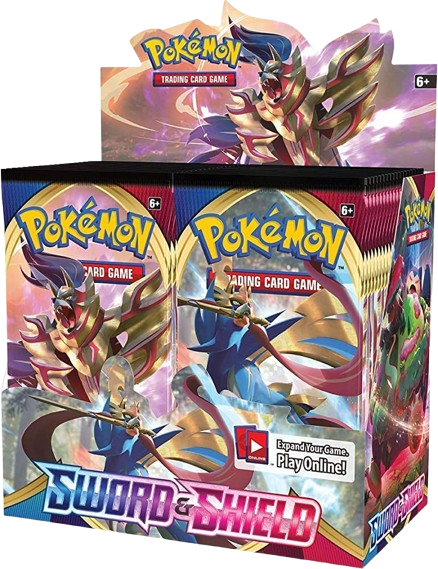
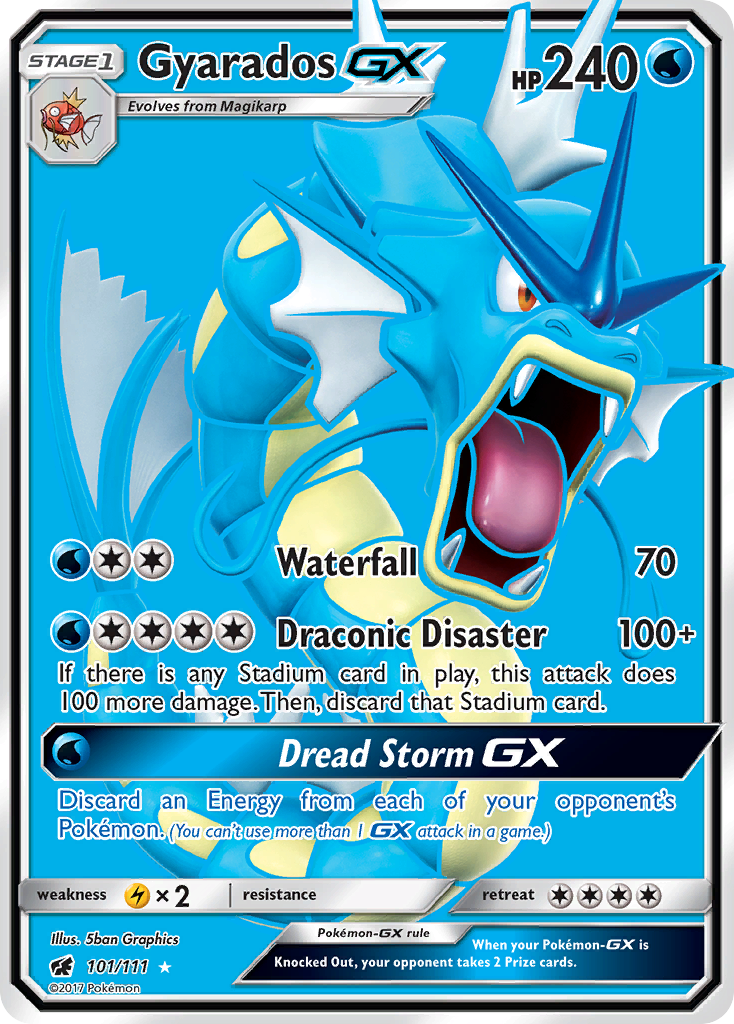
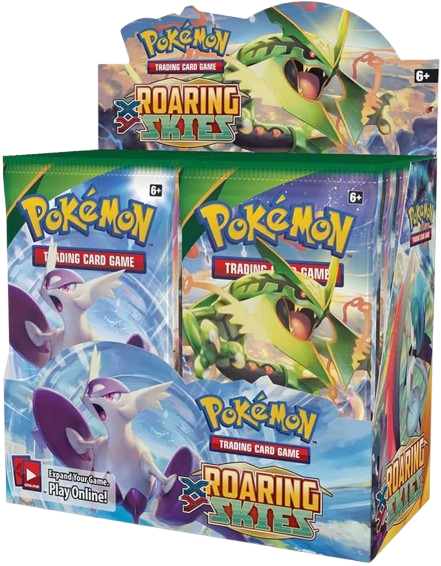
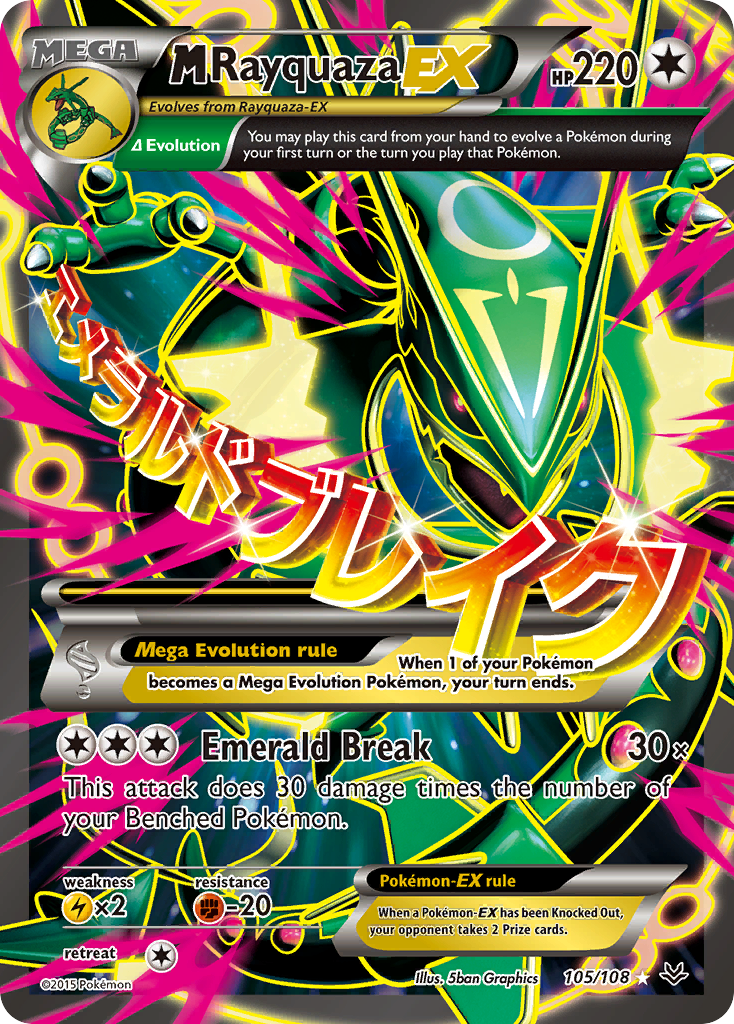
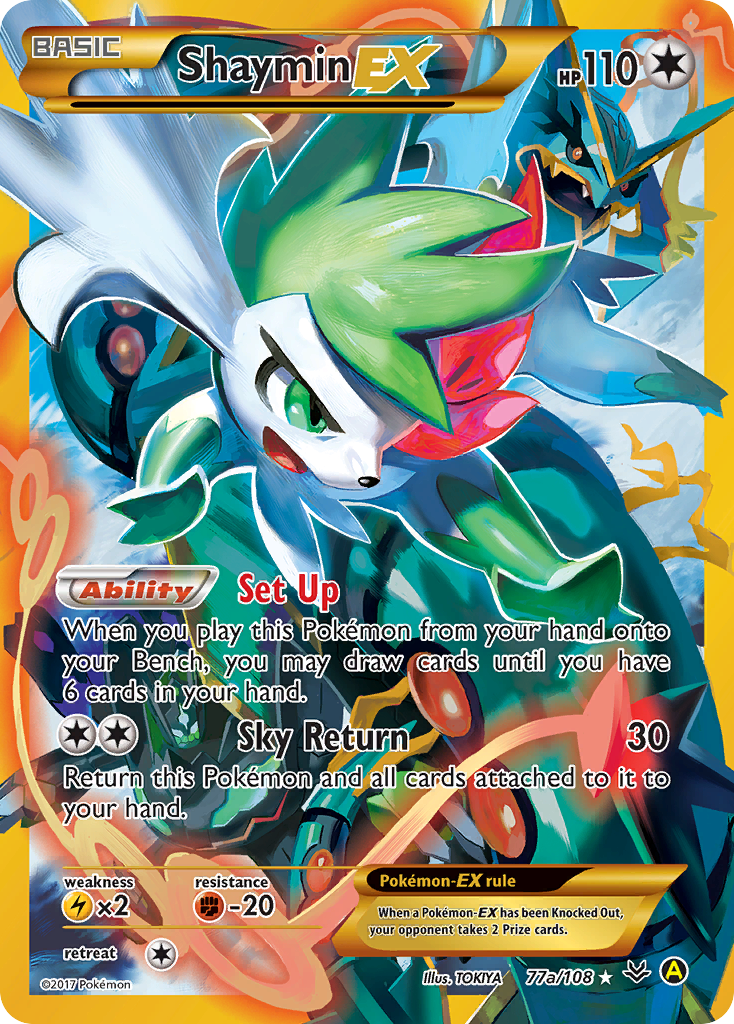
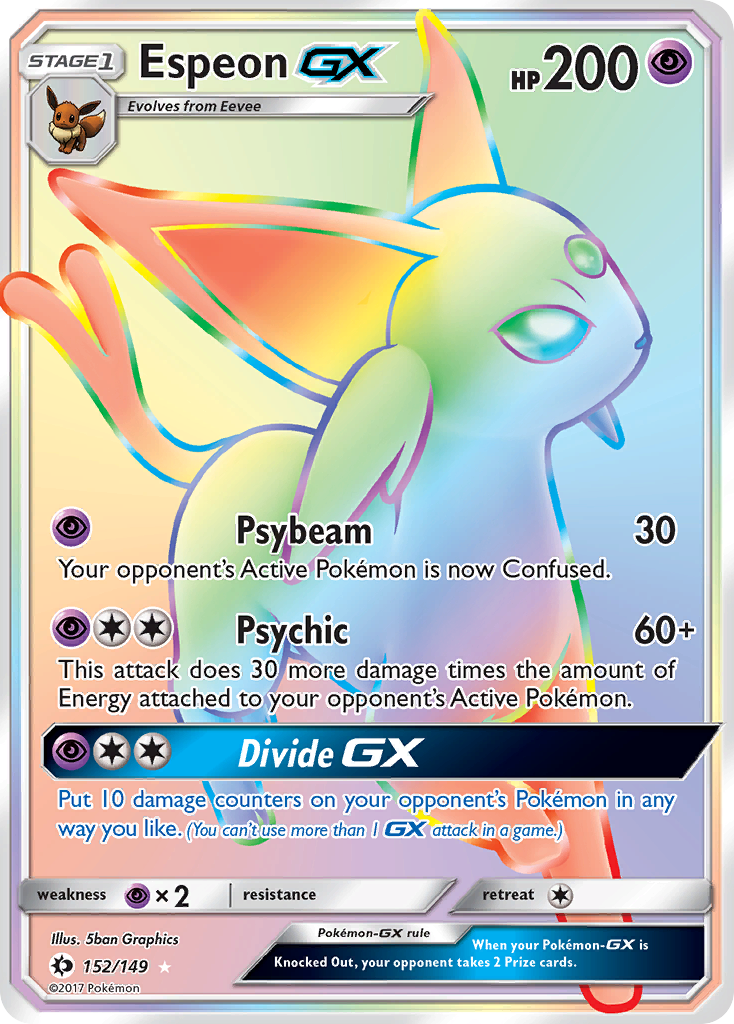
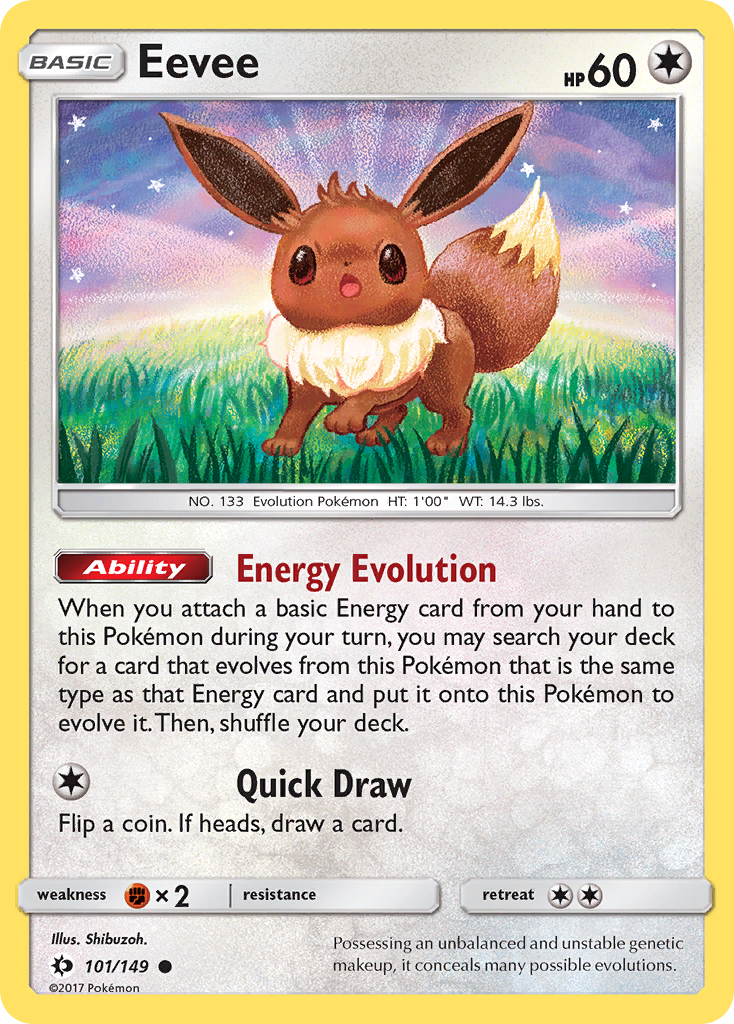
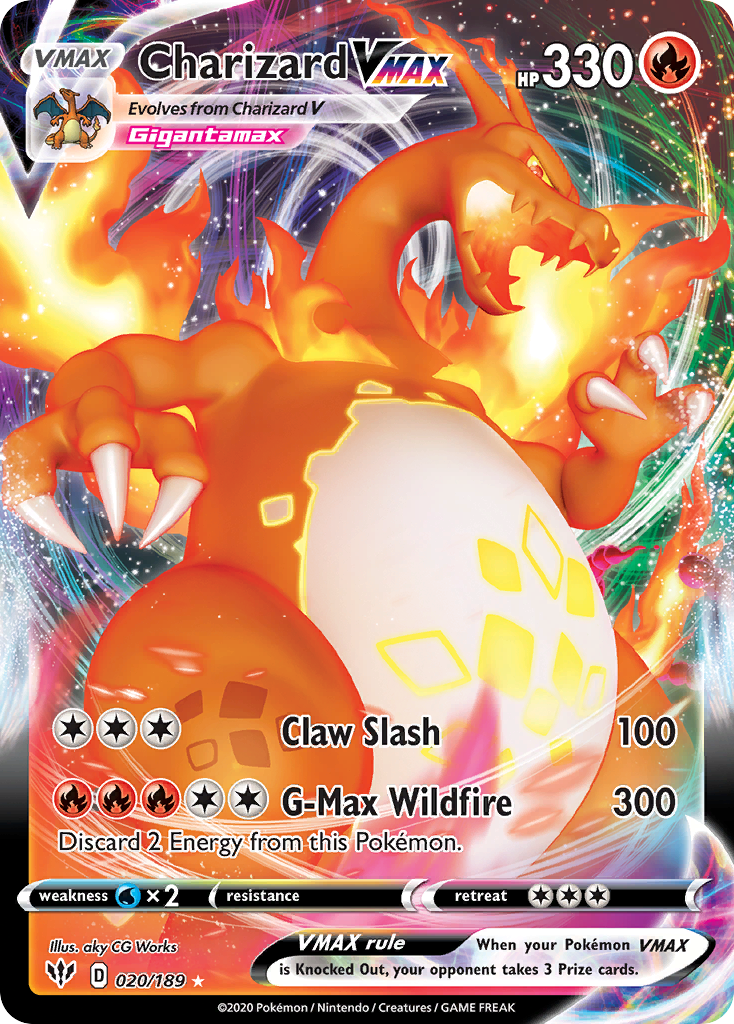
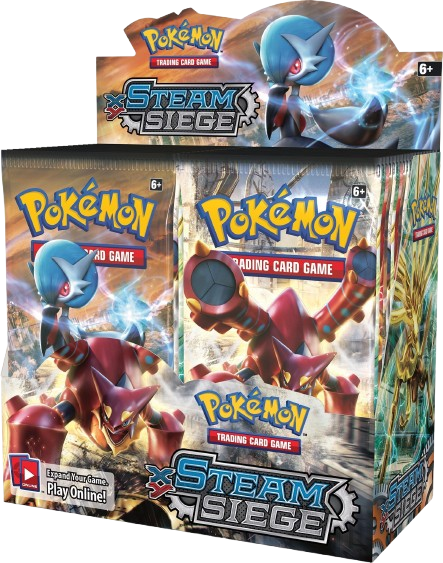
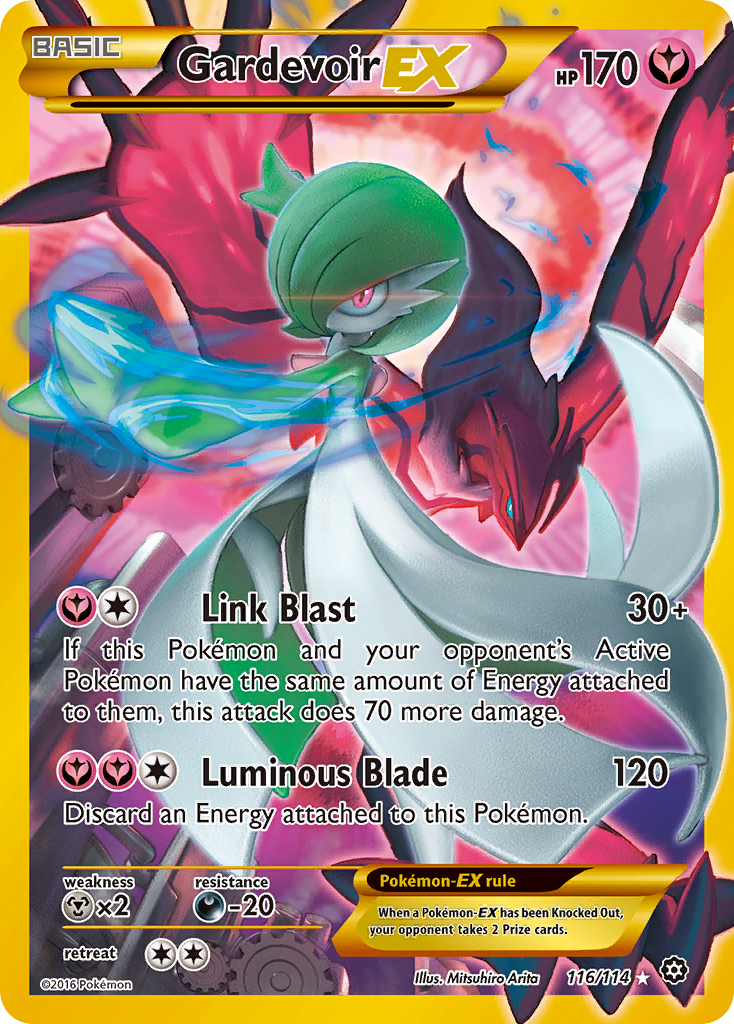
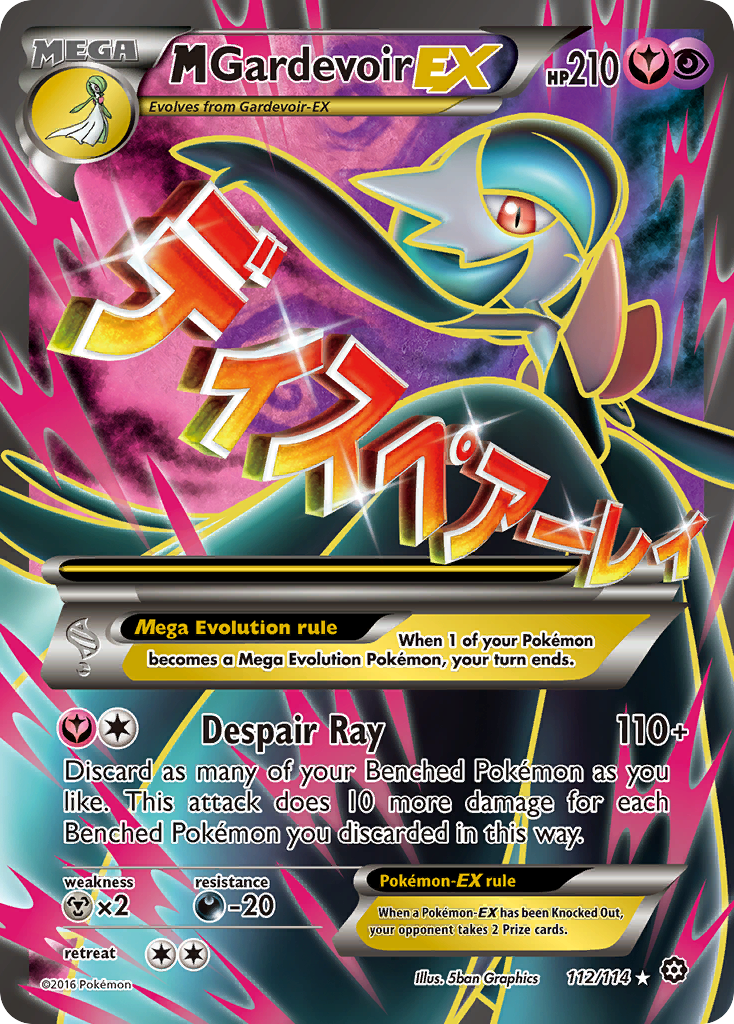
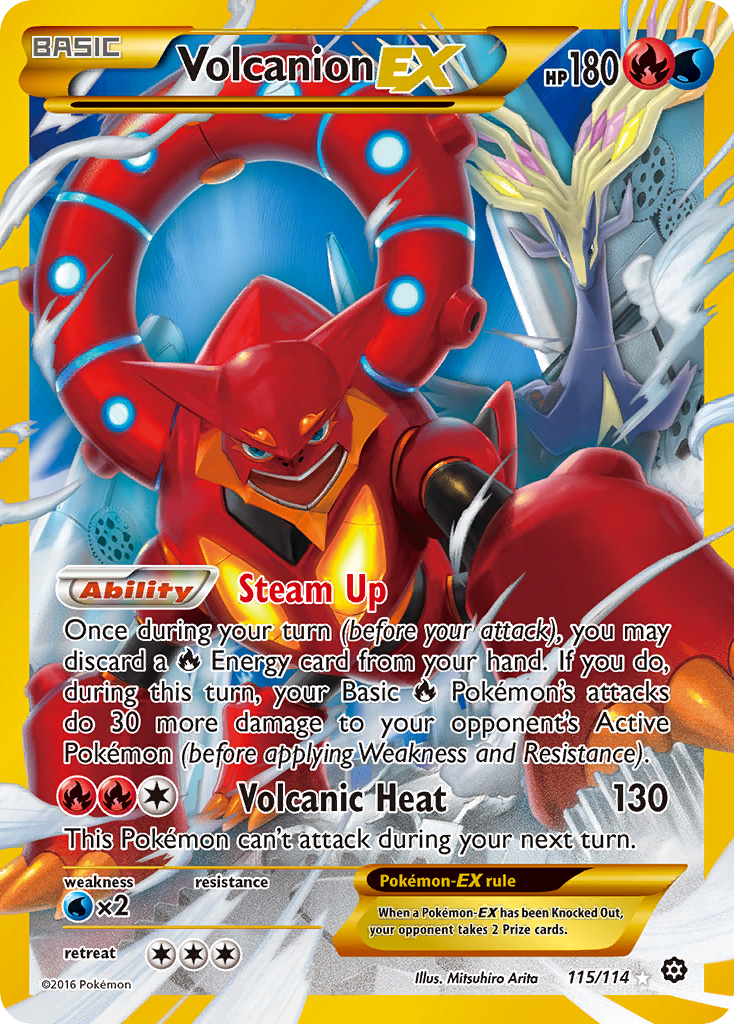
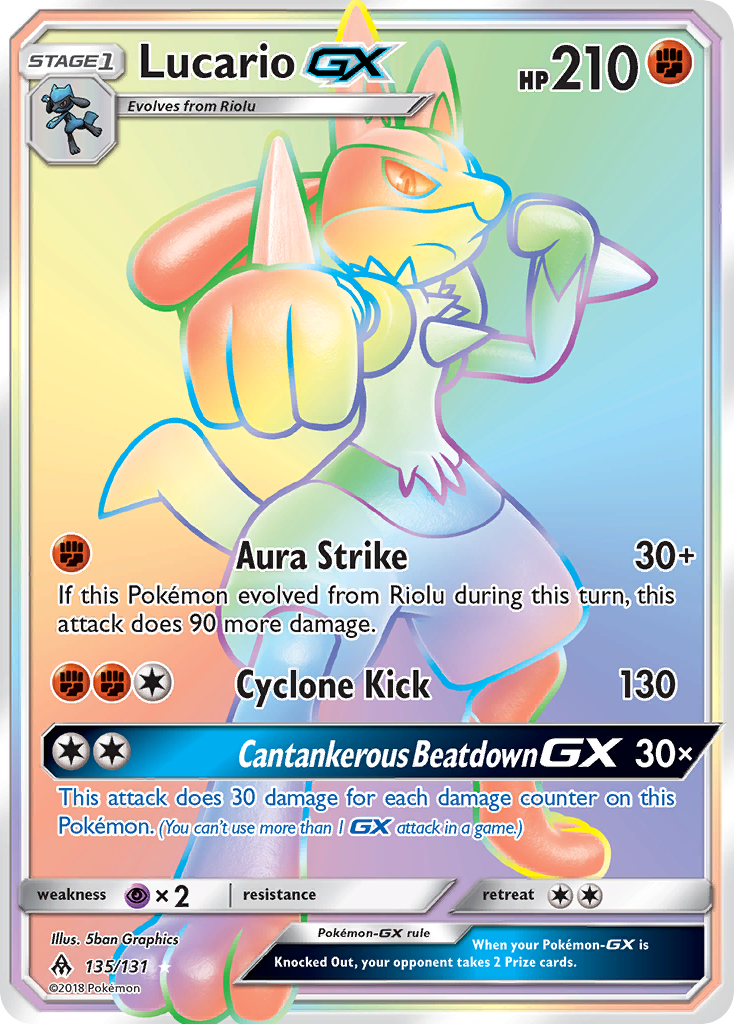
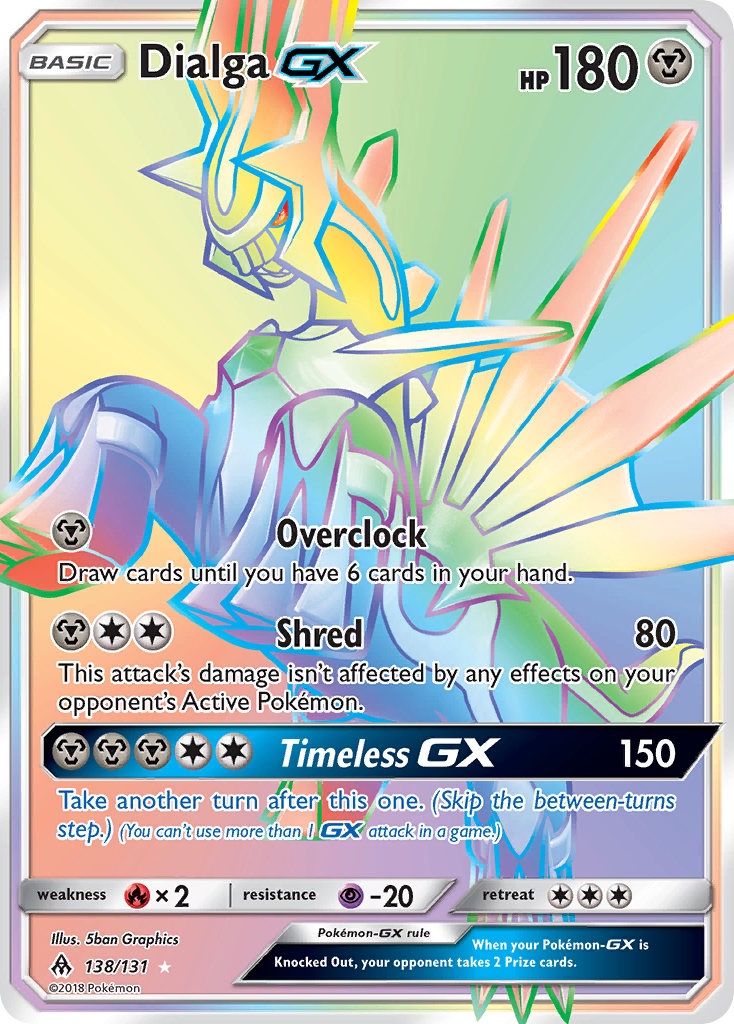
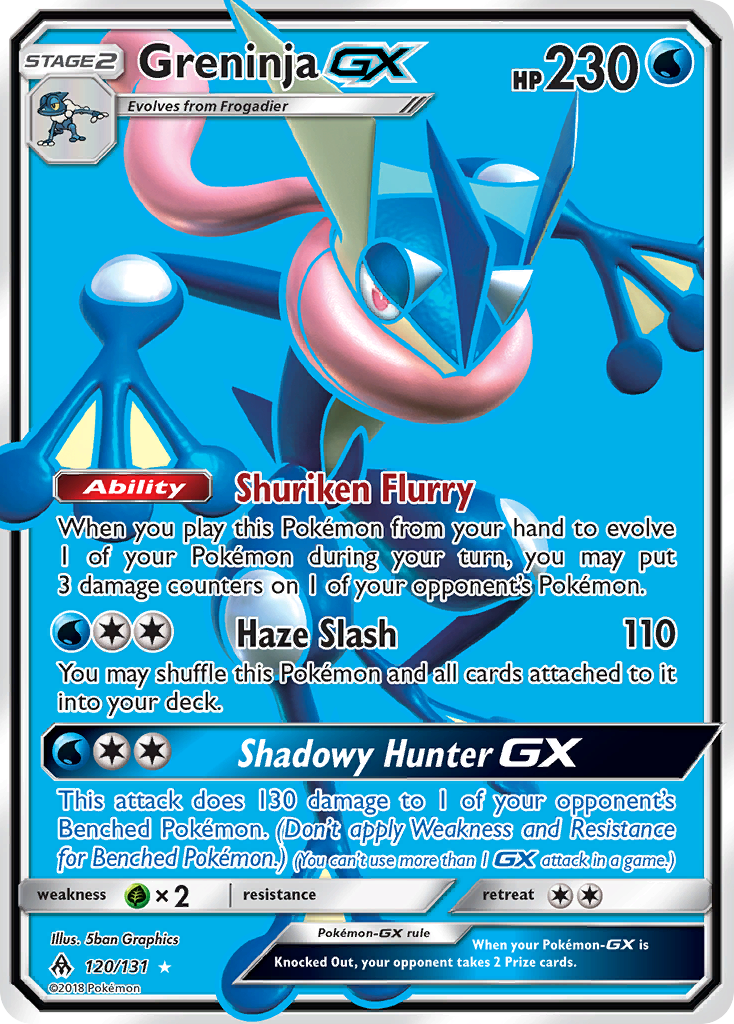
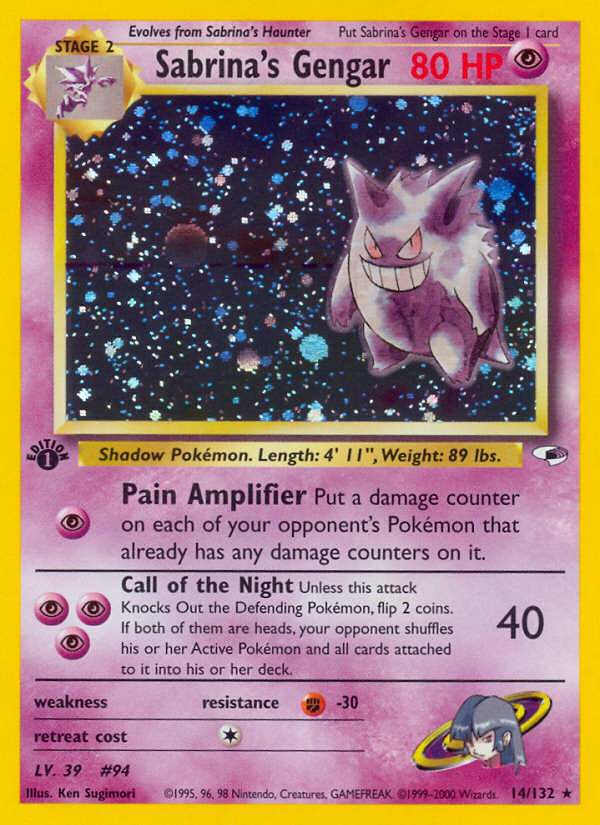
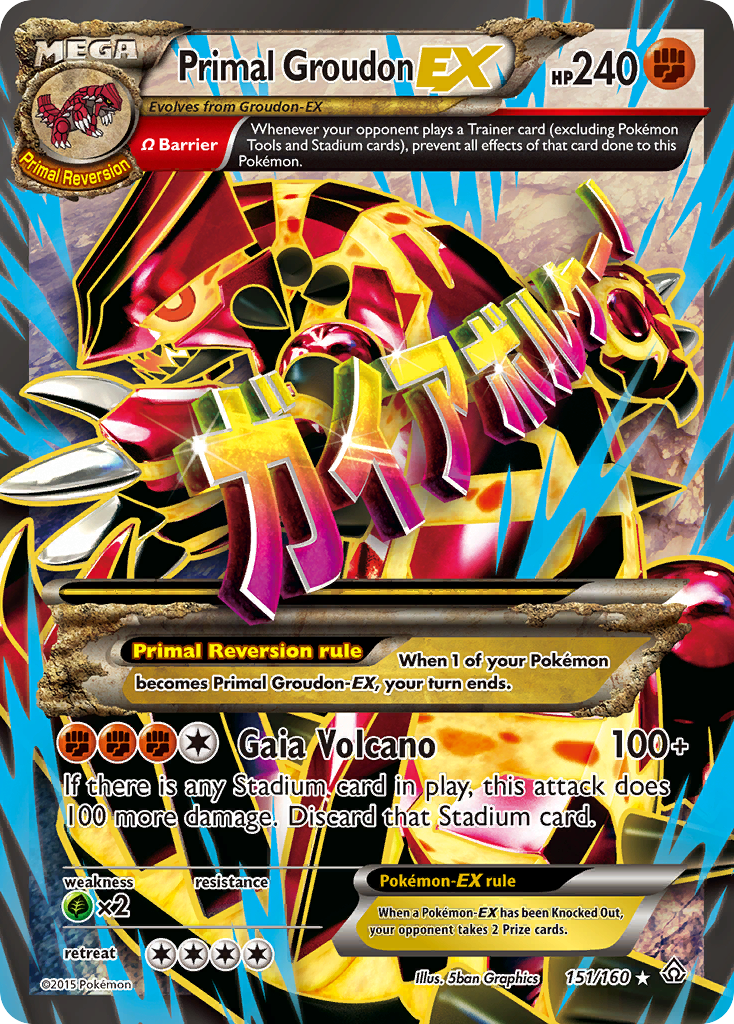
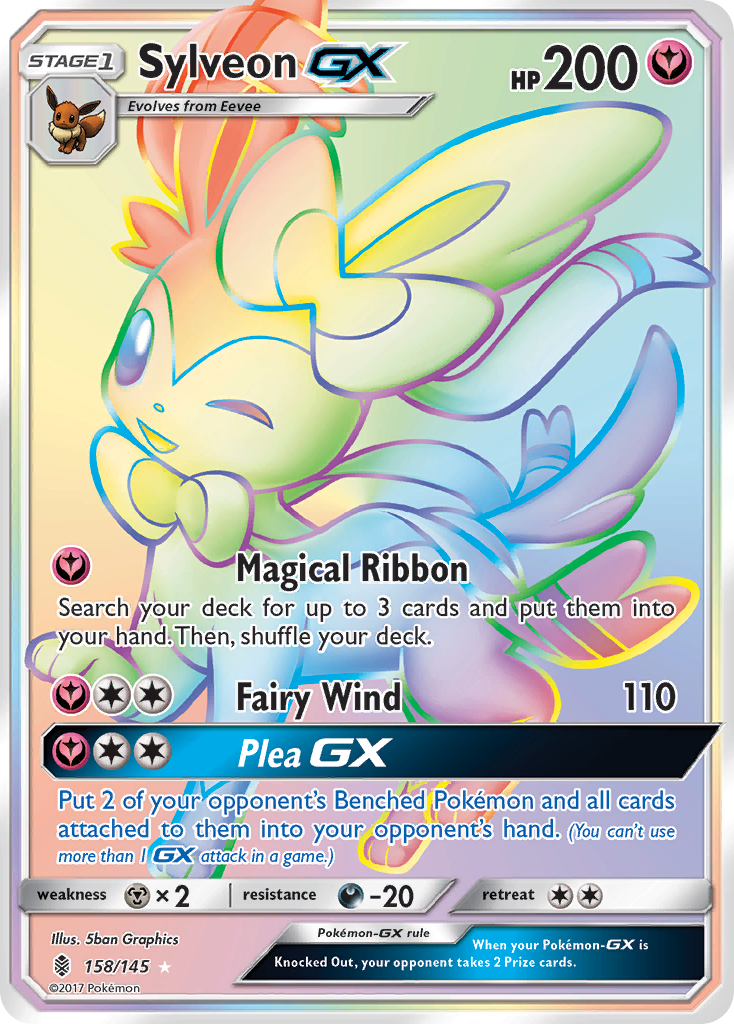
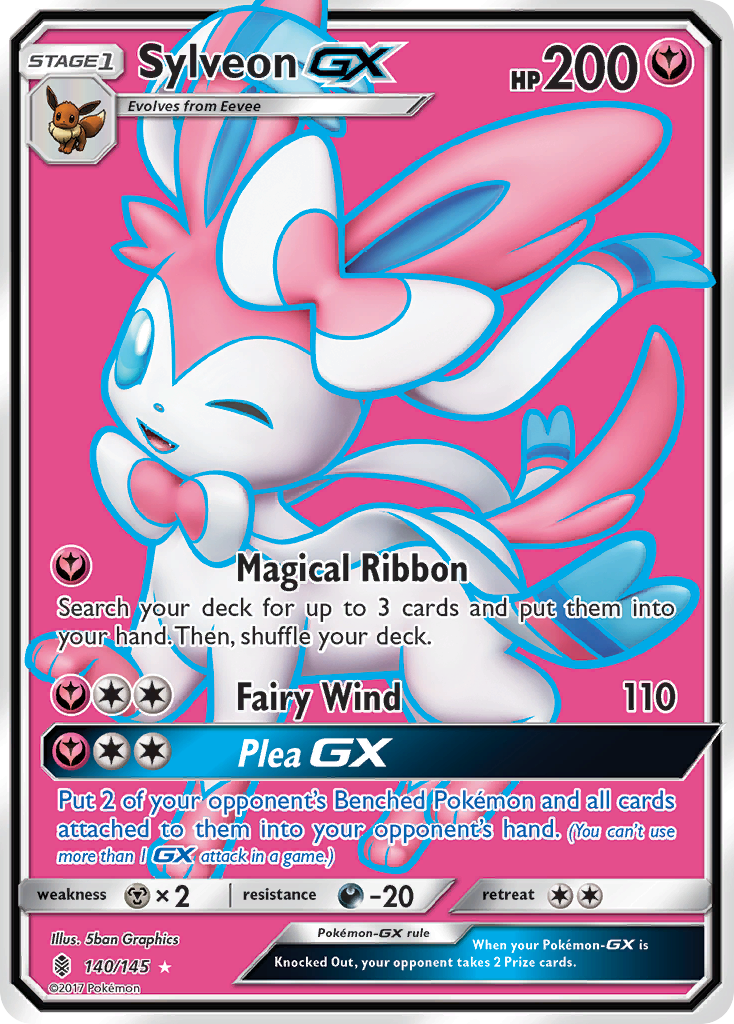
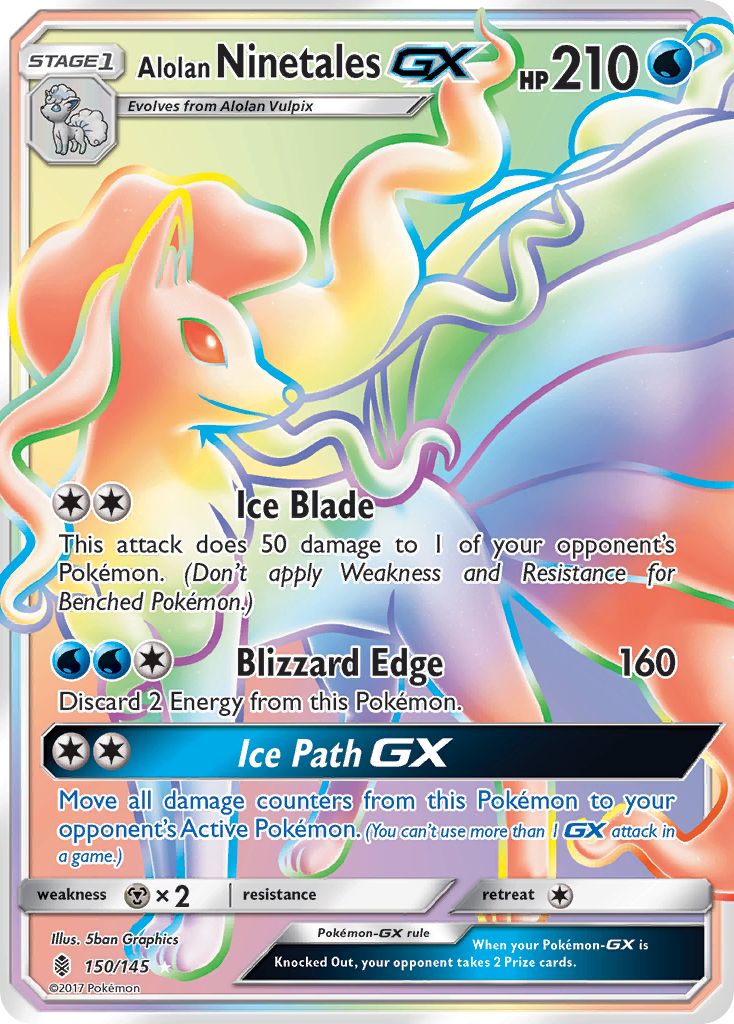
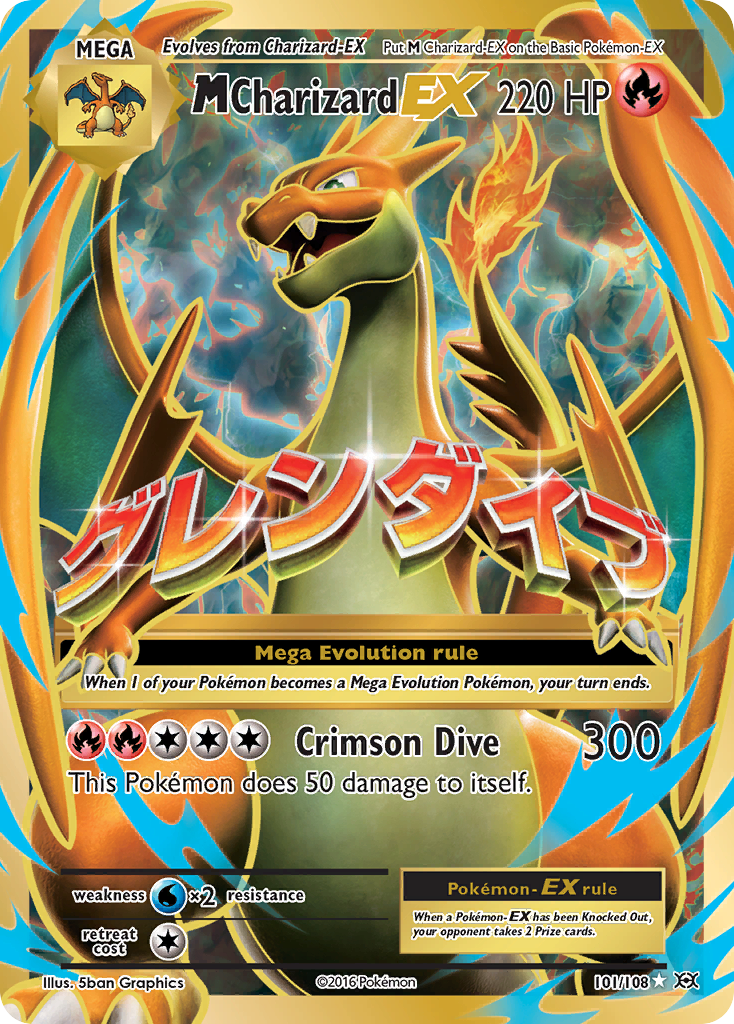
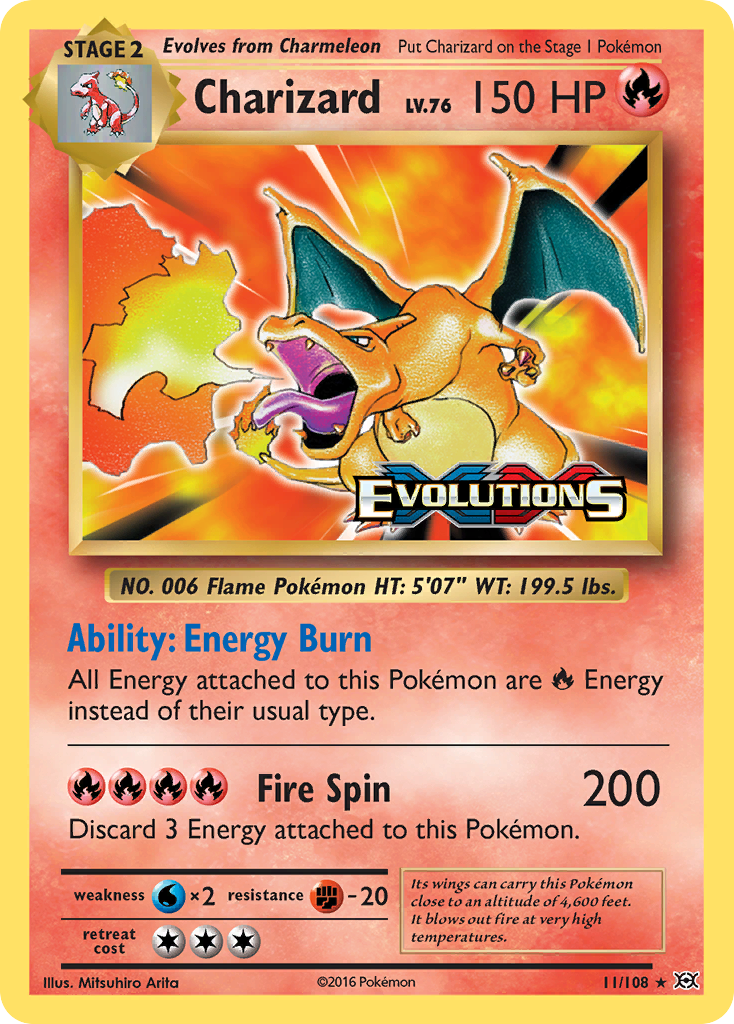
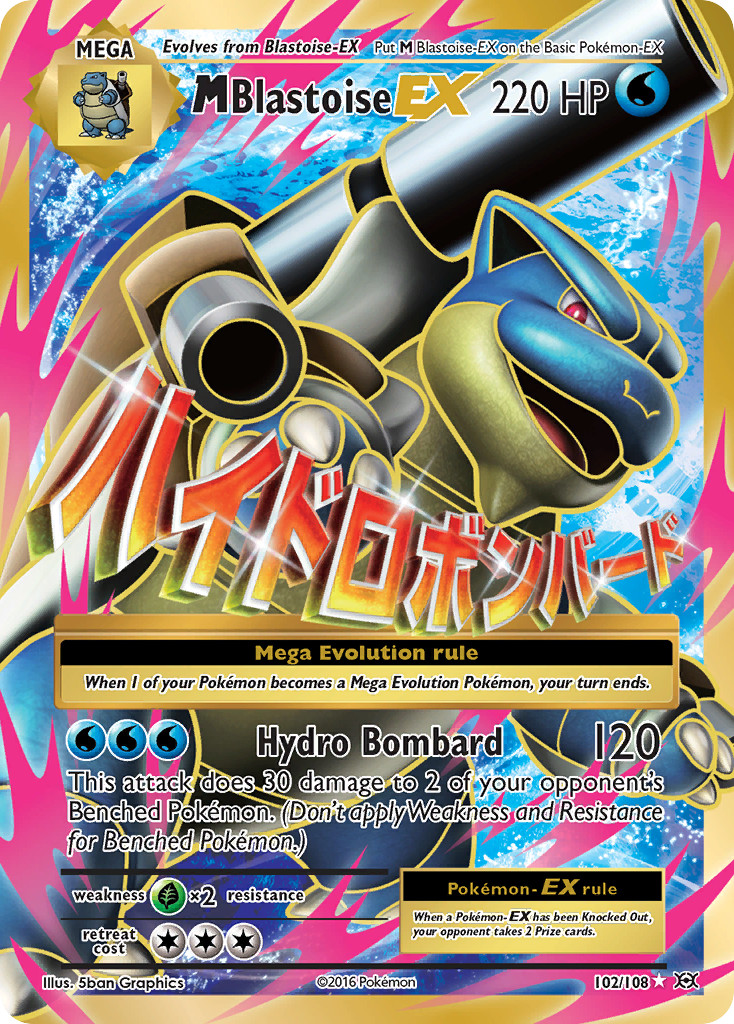
Open it, or buy the singles you actually want? For each sealed booster box we line up its price against what's inside — the single biggest chase card, and the whole set bought as singles — net of typical selling fees, not the raw asking value. Where CardTrack has a pack model for the set, the modelled expected value (EV) of an average box is shown too; the “chase covers the box” flag is the best case, not a promise. Boxes are ranked highest chase-ratio first.
Box, singles and chase-card prices are CardTrack's blended market values, refreshed daily. Where a set has a pack model, “expected pulls” is that model's per-pack value × 36 packs (18 for a half box) — the same odds that power the pack simulator, not a measured pull rate. Because selling a card costs a fee, the chase-card and expected-pull figures used for the “covers the box” comparison are shown net of eBay's typical selling fee (≈13%) — see the fee calculator for how that's worked out. Booster Box Case listings (a case of several boxes) are excluded, since the data has no per-case box count to divide by, and so are Japanese boxes, which differ in pack count and card list.
How this is calculated
Chase ratio = top card value ÷ box price; Singles total = Σ every card in the set at market; Expected pulls ≈ modelled pack value × 36
Assumptions
Box price is the live listing where CardTrack matches one, otherwise the sealed catalogue market value — an asking price, not a sale.
Expected pulls come from CardTrack's pack model (fixed hit-slot weights), not measured pull rates; the chase ratio is a best case, not an expectation.
Expected pulls ≈ $1,958 per box on average (9% of the box price after typical selling fees) — from the same pull-odds model as our pack simulator.
Booster box FAQ
Should I open a Pokémon booster box or buy singles?
Open it if the box price is well below the value of the singles inside — or if one realistic chase pull covers the box, net of selling fees. If the singles you actually want cost less bought individually, buy singles. This page shows both figures for every sealed box.
Does this use real pack pull rates?
Partly. The "expected pulls per box" figure comes from our pack model — the same rarity-slot odds that power the pack simulator — averaged over hundreds of simulated boxes. The "one chase hit covers the box" flag is still a best case, not a probability: expected value tells you the average box, variance decides your box.
How is a box's singles value worked out?
We sum CardTrack's blended market value of every card in the set, updated daily, and compare it to the current sealed box price.
Does this account for selling fees?
Yes. The chase-card and expected-pulls figures used to decide whether a box "covers itself" are shown net of eBay's typical selling fee (roughly 13%) — see the fee calculator for the full breakdown. Buying and holding sealed has no such cost; opening and selling does.
What's the difference between a Booster Box and a Booster Box Case?
A case is several booster boxes sold together at a multiple of the single-box price. This page only lists individual Booster Boxes — a case listing is excluded rather than shown against one box's worth of cards, since CardTrack doesn't have a reliable boxes-per-case count for every case listing to scale the comparison by.
Why don't some sets show an 'expected pulls' figure?
Either CardTrack has no pack model for that set yet, or the modelled value per pack came out more than three times the pack's own price — a sign of a modelling issue for that set rather than a real number, so it's hidden instead of shown.