MTG Sets in Order: Every Magic Set and Its Standout Cards
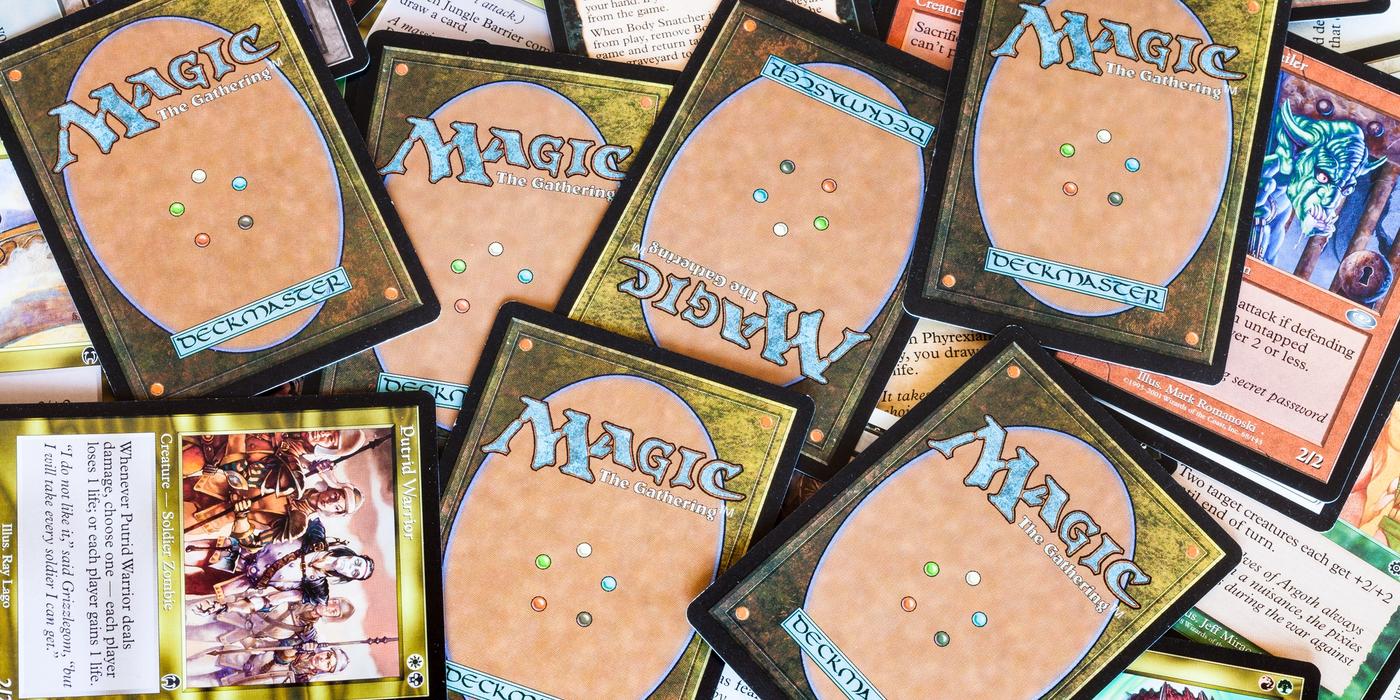
Every Magic set ever printed, in order of release, starts with Alpha in August 1993 and runs through whatever Wizards dropped last month — and getting the order straight is the first thing you need if you're trying to figure out what you actually own. I've been buying and selling this stuff for years, and the full sets list is the tool I point people to when they need the release dates and card counts laid out properly. This post is the narrative version — the story of how Magic got from Alpha to today, block by block, with the cards from each era that actually matter.
Why Knowing MTG Sets in Order Actually Helps You
I get asked constantly why the release order matters if you're "just" trying to sell a binder of old cards. Here's why. Card frames changed. Rarity symbols changed. Reprint policy changed. A card printed in 1994 and the same card reprinted in 2018 can be worth wildly different amounts, and the only way to tell them apart sometimes is knowing which set came first and what set number or expansion symbol shows up in the corner.
Set order also tells you a lot about scarcity. Early sets had tiny print runs compared to anything from the last decade. A common from Arabian Nights can be worth more than a mythic from a set printed last year, purely because so few of them exist. That's not a tip to go buy anything — it's just how the math of old cardboard works.
MTG Sets in Order: The Founding Era (1993–1995)
This is where it all starts, and it's the messiest stretch of the entire catalog because Wizards was making the rules up as they went.
- Alpha (August 1993) — the original 295-card set. Rounded corners, tiny print run, and home to the original Power Nine, including Black Lotus.
- Beta (October 1993) — same cards, bigger print run, square corners. Beta Black Lotus copies still trade for serious money.
- Unlimited (December 1993) — the first set most people can actually afford a piece of.
- Arabian Nights (December 1993) — first expansion set, and the one that gave us Juzam Djinn, a card that was genuinely busted in its era and still commands real money as a piece of Magic history.
- Antiquities (March 1994) — artifact-heavy, home to the Urza's/Mishra's legendary lands.
- Legends (June 1994) — legendary creatures as a concept starts here, plus dual lands packed into a set that had a rough print run and shortage issues.
- The Dark (August 1994) — smaller, weirder set, no basic lands included in packs.
- Fallen Empires (November 1994) — overprinted badly, which is why most of it is worth pocket change today.
- Ice Age (June 1995) — brought back a bunch of Alpha/Beta effects and kicked off a lasting subtheme of the game.
If you're holding anything from this window, get it checked. Counterfeits of Power Nine cards and early duals are common enough now that I run anything questionable through a fake card checker before I even think about selling.
The Revised and Dual Land Problem
Revised Edition (April 1994) deserves its own mention because it's where most people's "old Magic cards" actually come from. It's also where the original dual lands (Bayou, Tundra, Underground Sea, etc.) got their most affordable printing. Those lands, along with a chunk of other early cards, eventually landed on the Reserved List, which is Wizards' promise never to reprint them. That policy is a huge chunk of why vintage and legacy prices behave the way they do.
Ice Age Through Urza's Saga: The Block Era Begins (1995–1999)
This stretch is where Magic figured out "blocks" — three sets tied together thematically and mechanically.
- Homelands (October 1995) — widely considered one of the weakest sets ever made.
- Alliances (June 1996) — small cards, big power. Force of Will comes from here and it's still a Legacy staple.
- Mirage block (1996–1997) — Mirage, Visions, Weatherlight. Not flashy, but solid role players.
- Tempest block (1997–1998) — Tempest, Stronghold, Exodus. Survival of the Fittest is the chase card here and it's stayed relevant in Vintage and cube for decades.
- Urza's block (1998–1999) — Urza's Saga, Urza's Legacy, Urza's Destiny. This is where things got dangerous. Tolarian Academy, Grim Monolith, and the artifact combo pieces from Urza's Saga were strong enough that several of them ended up banned. This block is also home to Urza's Saga the card, one of the most powerful lands ever printed and still a Modern/Legacy player today.
Masques Through Odyssey: Turn of the Millennium (1999–2002)
- Mercadian Masques block — Masques, Nemesis, Prophecy. Rebel tribal, largely forgettable outside of niche decks.
- Invasion block (2000–2001) — Invasion, Planeshift, Apocalypse. Multicolor got serious here, and this is where the original "gold card matters" design philosophy really took off.
- Odyssey block (2001–2002) — Odyssey, Torment, Judgment. Graveyard matters as a mechanical theme starts here in a real way, and it hasn't left the game since.
Onslaught Through Mirrodin: Fetchlands and Affinity (2002–2004)
- Onslaught block (2002–2003) — gave us the original fetch lands (Bloodstained Mire, Flooded Strand, etc.), which are still Modern and Legacy staples and command solid prices based on recent sales because they never stopped being playable.
- Mirrodin block (2003–2004) — artifact-centric and home to Skullclamp, a card so efficient it got banned within months, plus the original Mirrodin swords.
- Kamigawa block (2004–2005) — Japanese-flavored block, mixed reception, but Umezawa's Jitte from Betrayers of Kamigawa is one of the most efficient equipment ever printed and still sees play.
Ravnica Through Shadowmoor: The Guild Era Arrives (2005–2008)
- Ravnica: City of Guilds block (2005–2006) — ten guilds, shocklands (Sacred Foundry, Steam Vents, etc.), and a template Wizards has gone back to repeatedly because it just works.
- Time Spiral block (2006–2007) — a nostalgia-driven set built for long-time players, dense with callbacks to old mechanics.
- Lorwyn/Morningtide (2007–2008) — tribal-focused, and this is where Bitterblossom shows up, a card that's stayed a Modern and Legacy fixture ever since.
- Shadowmoor/Eventide (2008) — hybrid mana mechanics, split with Lorwyn's tribal themes.
This era also matters because it's roughly when the modern rarity structure settled in — common, uncommon, rare, and eventually mythic rare starting with Shards of Alara in 2008. If you're ever unsure what a symbol on a card actually means, the rarity breakdown covers how that system evolved.
Shards of Alara Through Innistrad: Mythic Rares and Planeswalkers (2008–2012)
- Shards of Alara block — first appearance of mythic rare as a rarity tier.
- Zendikar block (2009–2010) — fetchlands return, and Jace, the Mind Sculptor from Worldwake became one of the most iconic — and expensive — planeswalkers ever printed.
- Scars of Mirrodin block (2010–2011) — infect mechanic, mixed with a grim "the world is being consumed" story arc.
- Innistrad block (2011–2012) — horror theme, and honestly one of the most beloved blocks with players. Snapcaster Mage and Liliana of the Veil both come out of here and both are still heavily played and traded today.
Return to Ravnica Through Khans: Wedges and Guilds Again (2012–2015)
- Return to Ravnica block (2012–2013) — guilds return, Deathrite Shaman becomes a two
Top Magic Cards by Value Right Now
These carry some of the highest estimated market values on CardTrack today. Figures are based on recent sales and can move quickly, so treat them as a snapshot:
Comments
No comments yet — be the first to weigh in.