The Rarest One Piece Cards (And What They Sell For)
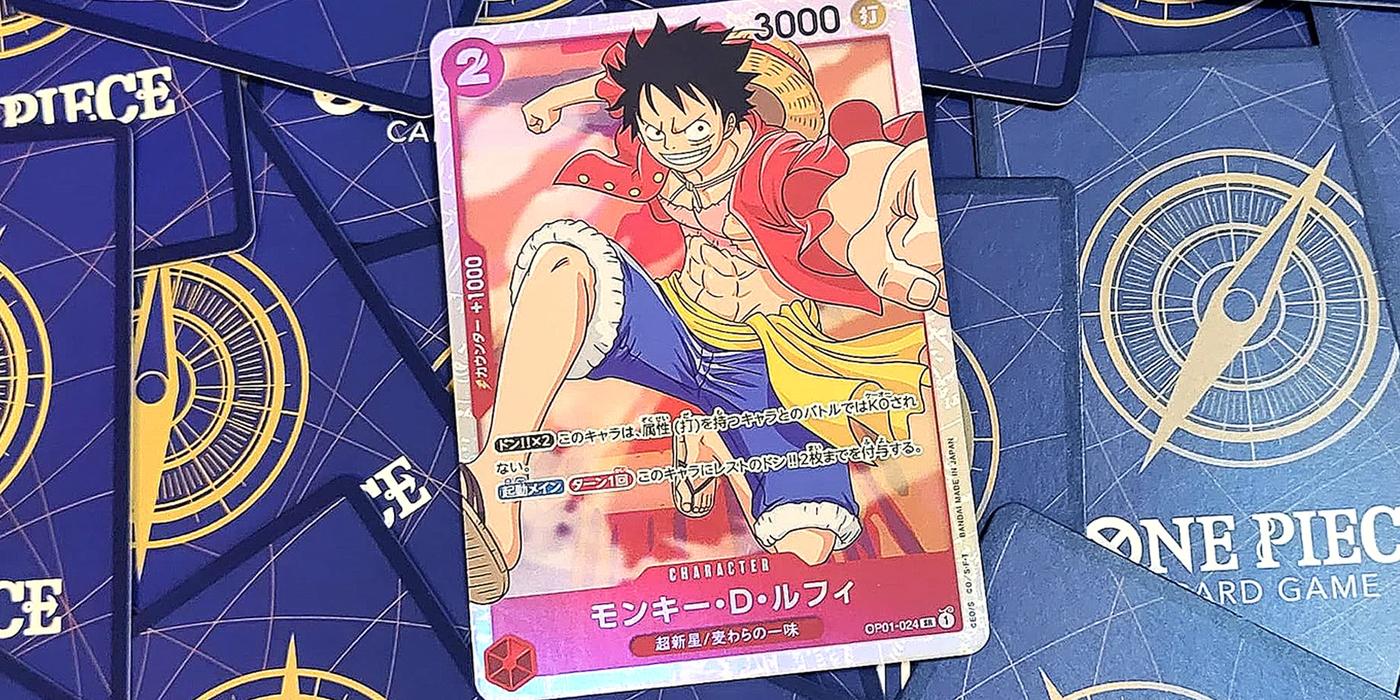
The rarest One Piece cards are the Manga rarity chase cards, special giveaway prints (like Judge cards and Card Ichiban Kuji exclusives), and low-print SEC/SP alt arts from the earliest OP-01 through OP-05 sets, with some parallels effectively limited to a few hundred known copies. I've tracked prices on these for a while now, and I keep a running list of the most expensive One Piece cards sold recently, because the market moves fast enough that "rare" and "expensive" aren't always the same thing.
That's actually the first thing I want to clear up before the list. A card can be mechanically rare — low pull rate, tiny print run — and still not sell for much if nobody wants that character. Meanwhile a "only" SR rarity Luffy or Shanks card can outsell a Manga rarity nobody, because collectors buy characters as much as they buy rarity tiers. Keep that in mind as you read.
What Actually Makes a One Piece Card Rare
Before I get into specific cards, it helps to know how Bandai actually builds scarcity into this game, because it's not just "SEC beats SR."
There's the printed rarity tier — C, UC, R, SR, SEC, and the manga-style parallels — which I cover in more depth in the rarity guide if you want the full breakdown. But rarity tier alone doesn't tell you print run. Some SR cards were printed in huge numbers across a set with a long print life, while a specific manga rarity variant from a limited box run might have a fraction of the copies.
Then you've got true scarcity drivers:
- Print run/allocation — early sets like OP-01 had smaller initial US allocations than later sets, so even common alt arts from that set are tougher to find in top condition now.
- Event exclusivity — prize cards, judge/store champion cards, and promo cards given out at regional or national tournaments never hit retail shelves at all.
- Language and region — Japanese-exclusive promos, especially ones tied to store campaigns, often never got an English print.
- Error and misprint cards — genuine factory errors are rare almost by accident, and collectors chase them specifically because Bandai isn't going to make more.
- Condition scarcity — a card can have thousands of copies in circulation but almost none in true Gem Mint, which is its own kind of rare once you're talking PSA 10 pop reports.
I'll flag which category each card below falls into, because "rare" means something different depending on which bucket you're in.
The Rarest One Piece Cards Right Now
This is the actual list — the cards I'd point to if someone asked me for the rarest One Piece TCG cards worth knowing about, not just "expensive right now."
1. Manga Rarity Roronoa Zoro (OP-01 Romance Dawn)
This is probably the card that got the most non-collectors talking about One Piece TCG in the first place. The manga rarity parallel swaps the standard illustration for black-and-white manga panel art, and in OP-01 these were seeded at an extremely low rate — early estimates put it well under 1% of packs. Based on recent sales, raw copies have traded anywhere from $2,000 to $5,000+, and graded Gem Mint copies have gone considerably higher during hype spikes. Pull rate this low, combined with Zoro being a top-3 most collected character in the game, is exactly why this one sits at the top of most "rarest" lists.
2. Manga Rarity Monkey D. Luffy (OP-01 Romance Dawn)
Same set, same mechanic, main character premium. Luffy manga rarity cards from OP-01 command some of the highest resale numbers in the entire game's short history. I've seen raw copies list in the $3,000–$6,000 range depending on condition and timing, and this is a card where I'd genuinely recommend running it through a fake card checker before paying that kind of money to a stranger, because counterfeiters go straight for the cards everyone wants.
3. Shanks Manga Rarity (OP-01 Romance Dawn)
Slightly less hyped than Luffy or Zoro at launch, but Shanks has since become one of the most heavily collected characters in the entire card pool thanks to how central he is to the story. Manga rarity Shanks from OP-01 regularly trades in the low-to-mid four figures based on recent sales, with spikes tied to anime news or story arcs featuring him.
4. Trafalgar Law SEC Alternate Art (OP-02 Paramount War)
OP-02 introduced some gorgeous SEC alt arts, and Law's stood out immediately for the artwork alone. It's not manga rarity, but the SEC print run combined with strong demand from Heart Pirates fans has kept this one consistently in the few-hundred-to-low-thousand dollar range depending on grade.
5. Judge SR — Store Championship Promo
This is where things shift from "hard pull" to "you basically had to be there." Judge was a store championship exclusive promo, never available in booster packs or structure decks. Copies only exist because someone placed well at a sanctioned event and got handed one. That kind of distribution — tournament-only, one region, limited event count — is a different flavor of rare than a low pull-rate chase card, and it shows in the price, with clean copies routinely selling for several hundred to over a thousand dollars.
6. Kaido Manga Rarity (OP-01 Romance Dawn)
Kaido doesn't get quite the same attention as the Straw Hats in casual collecting circles, but this card still commands serious money because it's from the same limited manga rarity print run as Luffy and Zoro. If you're chasing a complete OP-01 manga rarity set, this is usually the piece that takes longest to track down in good condition.
7. Ichiban Kuji Exclusive Promos
Japan's Ichiban Kuji lottery events have produced some genuinely rare One Piece TCG promo cards that never had a proper retail release anywhere. These are region-exclusive by design — you had to buy into a physical lottery draw in Japan to even have a shot at one. Because there's no reprint path and no official US distribution, prices are almost entirely driven by import demand, and they can swing hard based on how much attention a particular print gets on social media that month.
8. Nami SEC Alternate Art (OP-01 Romance Dawn)
Nami's SEC alt art doesn't hit manga rarity money, but it's consistently one of the more searched cards in the game, partly because she's a fan favorite and partly because early SEC cards from OP-01 had a rougher print run than later sets. Based on recent sales, well-centered raw copies sit in the low hundreds, with graded Gem Mint copies pushing higher.
9. Yamato Manga Rarity (OP-04/OP-05 era)
As Bandai kept using the manga rarity mechanic in later sets, they didn't make it easier to pull — if anything, community pull-rate tracking suggests some later manga rarity cards are just as scarce as the OP-01 originals. Yamato's popularity as a newer, high-profile character has pushed demand well above what you'd expect from set age alone.
10. Error/Misprint Cards
I lump these together because there isn't one single card — it's a category. Off-center cuts so extreme they're basically a different card, missing foil stamps, wrong-rarity print runs that slipped through quality control. These pop up occasionally on auction sites and collector forums, and prices are genuinely unpredictable because there's no consistent supply to compare against. A legitimate, well-documented misprint can sell for a real premium purely because it's a one-of-a-kind production accident.
Rarest One Piece TCG Cards By Print Mechanic
If you want the short version without reading every entry above, here's how I'd sort the categories by actual scarcity mechanism:
- Lowest pull rate: Manga rarity cards from OP-01, still the benchmark for "hardest pull in the game."
- Zero retail availability: Judge cards, store championship promos, and other tournament-only prints.
- Import-only scarcity: Ichiban Kuji and other Japan-exclusive lottery promos.
- Condition-driven scarcity: Early SEC alt arts from OP-01 and OP-02, where raw supply is decent but true Gem Mint copies are thin.
- Accidental scarcity: Genuine error and misprint cards, unpredictable by nature.
If you're trying to figure out where a specific card in your binder falls, the full sets list is worth scanning so you can see which set and print era a card came from — that context matters more than people think when judging real scarcity.
What These Cards Actually Sell For (Based On Recent Sales)
I want to be straight with you here: I'm not going to hand you a price chart and pretend it's fixed. Prices on these cards move fast, sometimes week to week, based on anime episodes airing, tournament results, and just general hype cycles on social media. What I can give you is the rough band I've seen recently, and I'd treat all of it as informational rather than a guarantee of anything.
- OP-01 Manga Rarity Luffy/Zoro: roughly $2,000–$6,000+ depending on grade and market timing
- OP-01 Manga Rarity Shanks/Kaido: roughly $1,000–$4,000
- Judge/store championship promos: roughly $300–$1,500
- OP-01/OP-02 SEC alt arts (Law, Nami, etc.): roughly $150–$800
- Ichiban Kuji exclusives: highly variable, often $500+ for desirable characters
- Verified error/misprint cards: no consistent range, priced case by case
For a broader database that goes beyond just the rarest tier, the price guide tracks a much wider set of cards if you're trying to value something outside this top-ten list.
How To Tell If Your "Rare" Card Is The Real Thing
Here's the uncomfortable truth about a game where a single card can sell for thousands: the second a card gets valuable, someone starts printing fakes. I've seen convincing fake manga rarity Luffys sell to people who didn't know better, and I've seen legitimate cards get accused of being fake just because a buyer wasn't familiar with how the foil or texture is supposed to look.
A few things I always check before I believe a "rare" card is legit:
- Foil pattern and texture under raking light — real manga rarity cards have a specific finish that's genuinely hard to replicate well.
- Card stock thickness and rigidity compared to a known-good card from the same set.
- Centering, which sounds unrelated to authenticity but often flags a card as suspicious if it's wildly off in a way that doesn't match known production tolerances.
- Back-of-card printing quality, which counterfeiters get wrong more often than the front.
If you're not confident doing this yourself, running it through a fake card checker before you pay real money is just common sense, especially for private sales without buyer protection.
Should You Get Your Rare One Piece Cards Graded?
I get asked this constantly, and my honest answer is "it depends on the card." Grading costs money and time, and it doesn't make a common card valuable. But for the cards on this list, a PSA 10 or equivalent top grade can be the difference between a few hundred dollars and a few thousand, because the population of true Gem Mint copies is so much smaller than the raw population.
Before you even submit anything, check your centering yourself — it's one of the most common reasons a card that looks perfect to the eye comes back a grade lower than expected. I use the centering tool on anything I'm on the fence about, just to save myself the submission fee on a card that's obviously off. If you want the fuller picture on the grading
Top One Piece Cards by Value Right Now
These carry some of the highest estimated market values on CardTrack today. Figures are based on recent sales and can move quickly, so treat them as a snapshot:
Comments
No comments yet — be the first to weigh in.