Is It Worth Opening a Pokémon Booster Box?
Card values in this article's embedded cards are live from CardTrack's catalogue as of 16 October 2026; figures quoted in the text are as at publication.

Is it worth opening a Pokémon booster box? Honestly, it depends on why you bought it in the first place — as a collectible to resell sealed, probably not. As something to rip for fun and keep the cards, sure, go for it. There's no clean yes-or-no answer here, and anyone who tells you there is hasn't actually sold cards.
I've opened plenty of boxes over the years, and I've also sat on sealed product for years without touching it. Both approaches have paid off at different times. Before you crack anything, it's worth running the cards you might pull — or already own — through a card value checker so you're working with real numbers instead of vibes.
Sealed vs Opened: Where the Value Actually Sits
A sealed booster box carries a premium just for being sealed. Collectors pay for the guarantee that nothing's been touched, resealed, or weighed. The moment you break that seal, that premium is gone for good. What you're left with is whatever cards happen to be in those 36 packs — no more, no less.
Take Evolving Skies. It's one of the most chased sets from the last few years, mostly because of the Umbreon VMAX Alt Art, which became one of the most recognizable chase cards in modern Pokémon and has sold for serious money at points since its 2021 release. That reputation alone keeps sealed Evolving Skies boxes in strong demand. But here's the catch: that card is a low-probability pull. Most boxes won't contain it. Crack a box hoping to land the Umbreon and you're much more likely to end up with a stack of commons, a few mid-tier holos, and maybe a secret rare that sells for a fraction of what the box cost.
Compare that to something like an older XY-era set. Older sealed boxes often carry a collector premium purely because of age and scarcity — fewer boxes survive untouched each year. The chase cards inside might be worth a reasonable amount individually, but once you add up realistic pull odds across a full box, the average expected return often lands well under what the sealed box trades for. That gap is exactly why sealed boxes from popular older sets keep climbing while the loose singles inside plateau.
The pattern holds across most sets: unless you get genuinely lucky, the math usually favors the sealed box over the open one. If you want a feel for how chase-card values swing, our most expensive Pokémon cards page is a decent reality check on how top-end prices move.
None of this matters much if you bought the box to actually play with or collect the cards. If the goal was always to open packs and build a collection, holding it sealed just means you never get what you paid for in the first place.
What EV Actually Means for a Sealed Box
You'll see "EV" thrown around a lot in collecting circles — short for expected value. For a booster box, it's an estimate of what the cards inside are worth on average if you opened it, based on current market prices and pull rates.
Here's roughly how it works. Take a card, say one worth $50 with a 1% pull rate per pack. That card contributes about $0.50 to the per-pack EV. Do that for every card and rarity tier in the set, add it all up, and you get an estimated EV per pack. Multiply by the number of packs in the box — usually 36 — and you've got a rough box EV.
Pokémon doesn't publish official pull rates, so these numbers come from community tracking: people opening hundreds or thousands of packs and logging what they get. It's not perfect science, but with enough sample size it gets close. The key thing to remember is that EV is an average across many boxes, not a prediction for your specific box. You could open one box and smash the average, or open one and fall way short. That's the whole risk.
What's Actually Inside a Booster Box
If you've never opened one, a standard booster box is basically 36 sealed packs bundled together. Each pack typically has 10 game cards, one basic energy card, and a code card for Pokémon TCG Live. That works out to 360 cards total across the box.
The exact pack count and card breakdown can vary slightly by set and region, so always check the product listing for the specific box you're buying before assuming it matches older releases. Japanese booster boxes in particular often use different pack counts and card totals than English ones — worth checking our Japanese cards guide if you're buying imports.
If you're after promo cards, pins, or playmats, a booster box isn't really built for that — an Elite Trainer Box gets you those extras alongside fewer packs. Understanding what rarity tiers you're even chasing helps too; our rarity guide breaks down what separates a common holo from a secret rare, which matters a lot when you're trying to judge whether a pull was actually good.
Should You Use a Sealed vs EV Tool Before Opening?
If you're trying to decide whether to crack a box or keep it sealed, it helps to look at the numbers side by side rather than going off gut feeling. Find the set, check the current sealed box price, then look at what the big chase cards are selling for and how often they actually show up in boxes. That comparison tells you a lot more than just staring at the box art and hoping.
It won't tell you what you'll personally pull — nothing can promise that — but it gives you a realistic picture of the odds before you commit.
One more thing people underrate: condition matters enormously for sealed product. A box with dented corners or a split shrink wrap sells for noticeably less than a pristine one, even if nothing inside changed. If you're holding boxes long-term, get them into proper storage rather than stacking them in a closet. And if you do end up opening packs and want to know what grade a card might pull, our card grader tool is a decent first pass before you spend money sending it anywhere.
My Honest Verdict
If you're treating it purely as an investment, opening the box is usually the weaker play. You're trading a known sealed value for an unknown pile of cards, and the odds of beating that sealed price are generally against you. That's not a guarantee either way — prices can move quickly, and markets shift — but it's the pattern that holds across most sets I've tracked.
If you bought the box because you want the experience — ripping packs, building a binder, chasing that one card for yourself — that's a completely different reason to open it, and a perfectly good one. Just don't go in expecting the cards to automatically outvalue what you paid.
Top Pokémon Cards by Value Right Now
These carry some of the highest estimated market values on CardTrack today. Figures are based on recent sales and can move quickly, so treat them as a snapshot:
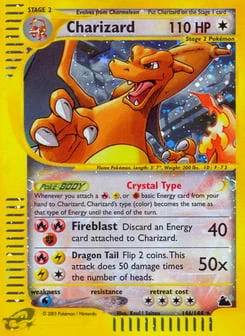 CharizardSkyridge · #146$16,239 · PSA 10 $288,000Live market value · 16 Oct 2026 · low confidenceView live price on CardTrack →
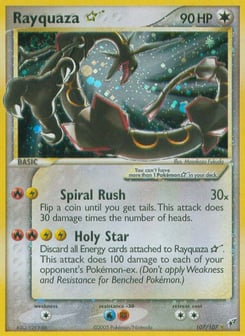 Rayquaza ☆Deoxys · #107$20,000 · PSA 10 $682,500Live market value · 16 Oct 2026 · medium confidenceView live price on CardTrack →
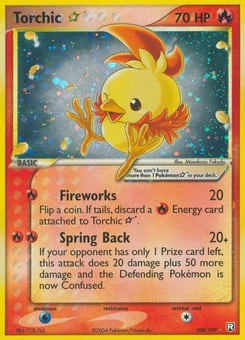 Torchic ☆Team Rocket Returns · #108$12,244 · PSA 10 $2,700,000Live market value · 16 Oct 2026 · high confidenceView live price on CardTrack →
Frequently Asked Questions
Is it worth opening a Pokémon booster box for the money?
Usually not if resale value is your only goal — sealed boxes tend to hold their premium better than the average pull return. It can still make sense if you genuinely want the cards for your own collection rather than to flip them.
Is it better to collect sealed ETBs or booster boxes?
Neither is automatically better. Booster boxes give you more raw packs, while Elite Trainer Boxes add accessories and promos. For long-term sealed collecting, the specific set and how in-demand it is matters more than the product type.
How long should you hold a sealed Pokémon booster box?
There's no fixed timeline. Some collectors treat sealed boxes as long-term holds with no plan to sell, while others wait for a specific price point or demand spike before letting go.
Can you tell what's inside a Pokémon booster pack without opening it?
No reliable, legitimate method exists for seeing inside a sealed pack before opening it. Weight-checking tricks get talked about online, but they're inconsistent and don't actually tell you which cards are inside.
Data and sources behind this article
CardTrack data pages: Pokemon Card Value Checker · Most expensive cards · Pokemon Japanese · Pokemon Rarity · Pokemon Card Grader
Latest Pokémon market report · live
October 2026 — Pikachu (Black & White) led the Pokémon card market, up 87.3% over the past 30 days. 1 October 2026
Go to the numbers: All sets · Set completion cost · Pack pull rates
Comments
No comments yet — be the first to weigh in.