Pokémon card rarity chart
Every Pokémon card rarity, ranked by total market value — 40 distinct rarity tiers tracked across every set. Pick a rarity to see its most valuable cards.

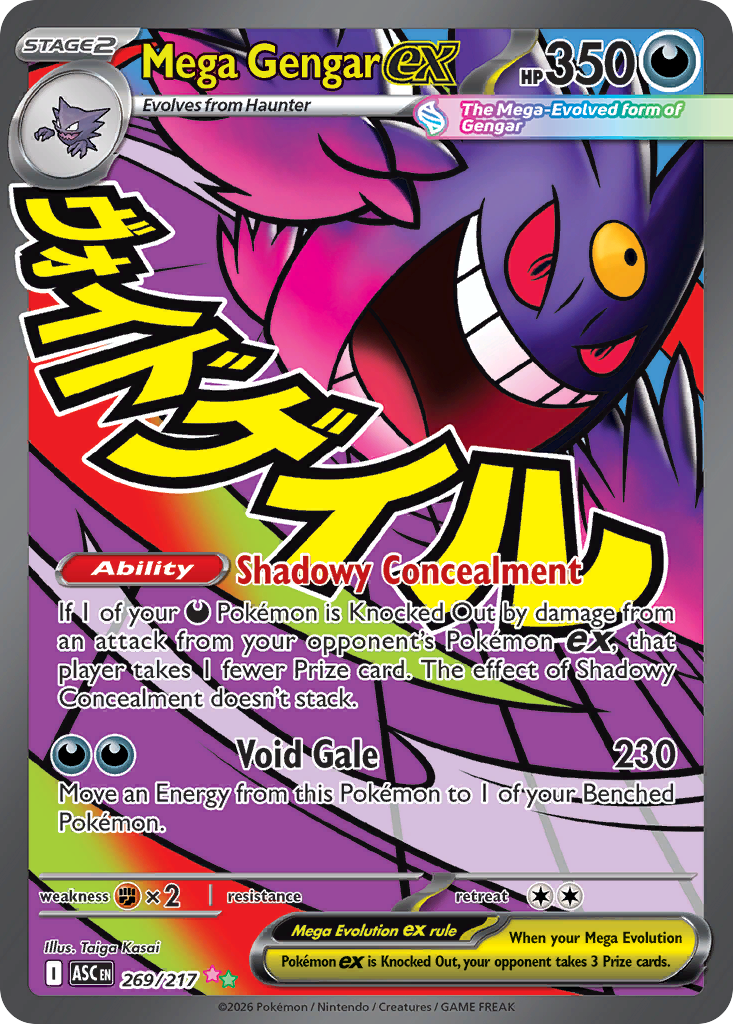

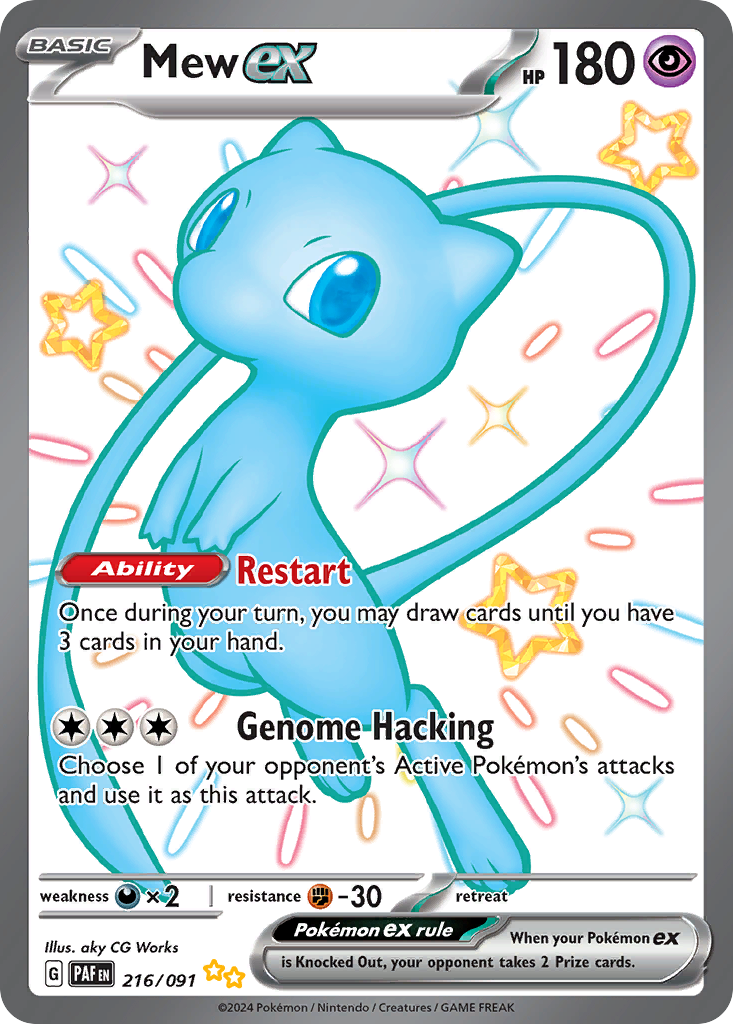

Pokémon card rarity explained
Rarity is the single biggest clue to what a Pokémon card might be worth. It tells you how hard a card was to pull from a booster pack — and the harder it was, the higher its ceiling. This guide covers how to read a card's rarity, every modern rarity tier from common to grail, and why rarity alone never tells the whole story.
How to tell a card's rarity
Check the bottom corner of almost any English card for a small rarity symbol:
- ● Circle — Common
- ◆ Diamond — Uncommon
- ★ Star — Rare (a black star; a holographic finish makes it a Holo Rare)
- Higher set number than the total (e.g. #198/185) — a Secret Rare that sits beyond the main set
Modern sets layer extra tiers on top, signalled by the card's artwork and finish rather than a single symbol. Snap a card with our free scanner and it identifies the exact card, rarity and value for you.
Modern Pokémon card rarities, from common to grail
- Common & Uncommon — the bulk of every set; usually low value
- Rare & Holo Rare — one or two per pack; the holo foil lifts value
- Reverse Holo — a standard card with a shiny background pattern
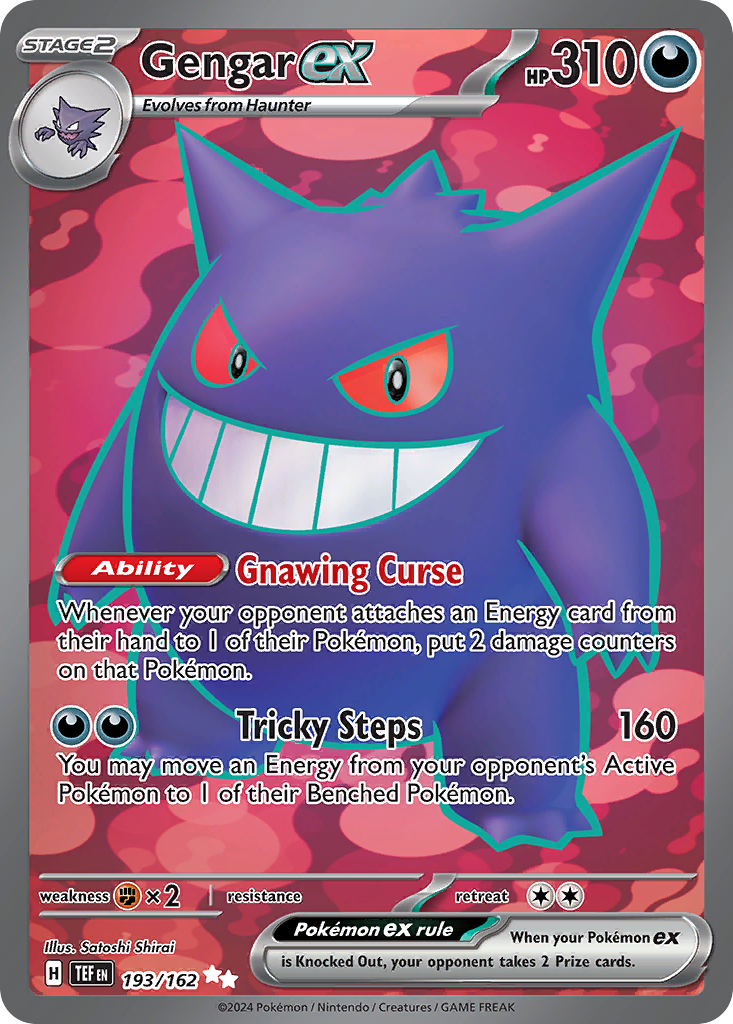
- Ultra Rare — V, VMAX, VSTAR, ex and GX cards with bold full-card art
- Full Art & Illustration Rare — edge-to-edge artwork, harder to pull
- Special Illustration Rare — premium alt-art chase cards
- Secret Rare, Rainbow & Gold — the scarcest pulls, and often the most valuable
- Promo — special-release cards from events, boxes and tie-ins
How many rarities are there?
There is no official total, because every era names its own tiers and retires the last era's. The catalogue keeps each label as the set printed it, so the chart runs to 40 distinct rarities; 26 have a curated definition below. The only constant is the three base tiers — the same circle, diamond and star since 1999.
The rarity tiers, group by group
The base tiers: common, uncommon, rare and holo rare
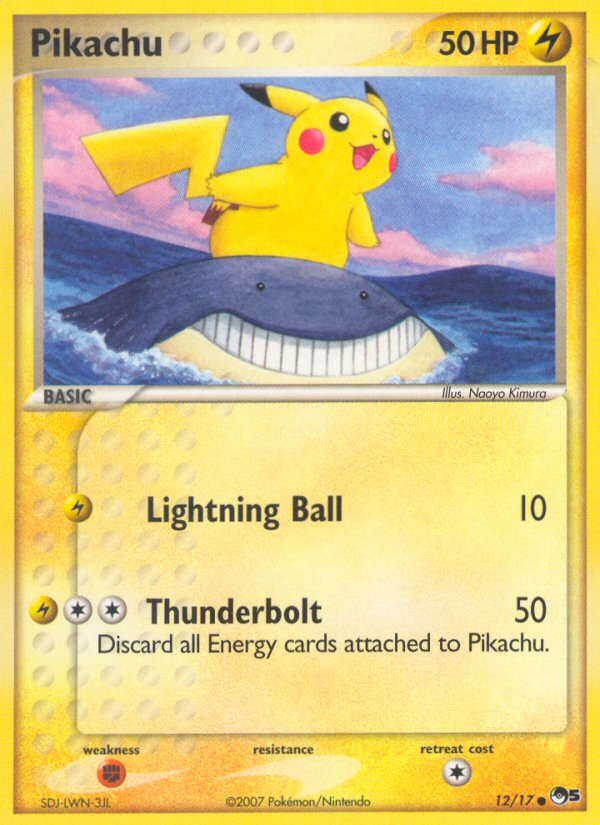
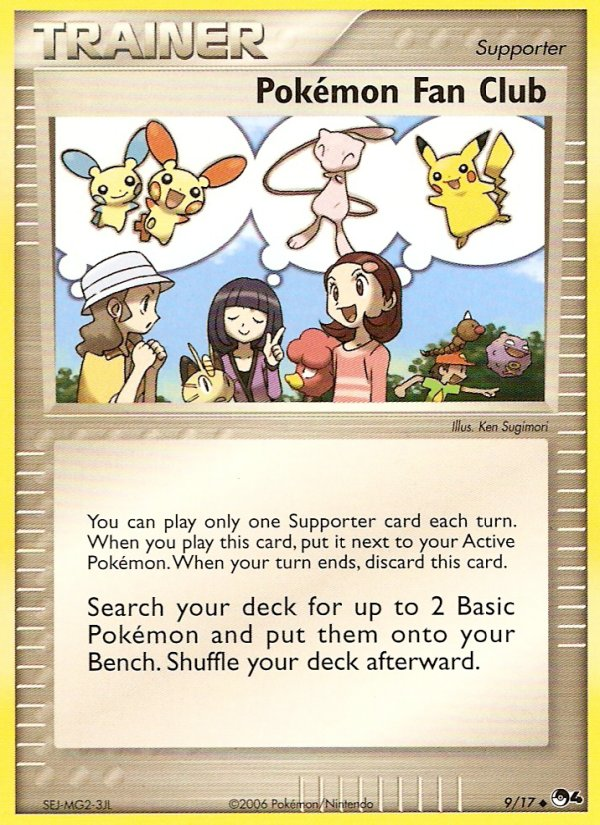
Common (5,420 cards across 142 sets, median $0.26, topped by Pikachu (POP Series 5) at $291) and Uncommon (4,889 cards across 136 sets, median $0.30, topped by Pokémon Fan Club (POP Series 4) at $460) are the bulk of every set and every pack. They fill the guaranteed slots in a booster and most change hands for less than the cost of posting them. What value exists here is condition-driven — a common only becomes worth grading when a popular character, an early print and a genuinely clean copy line up.
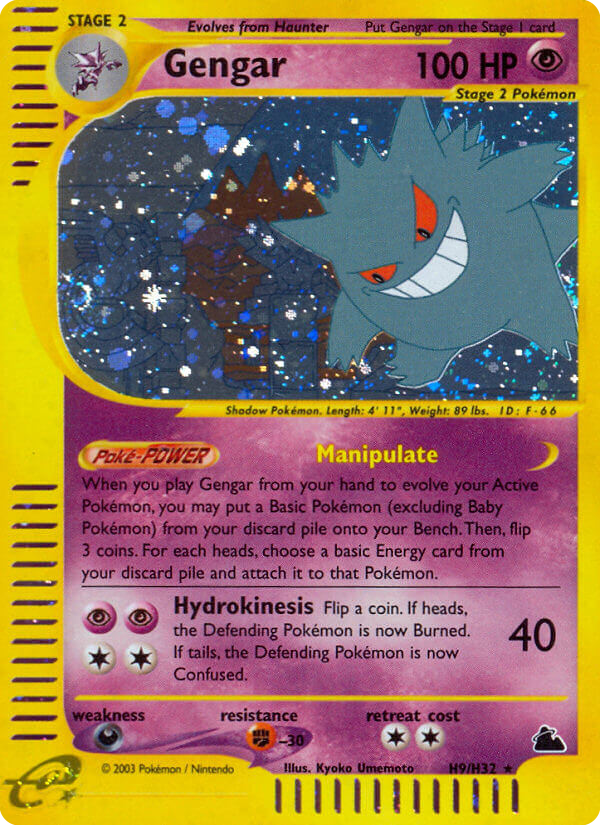
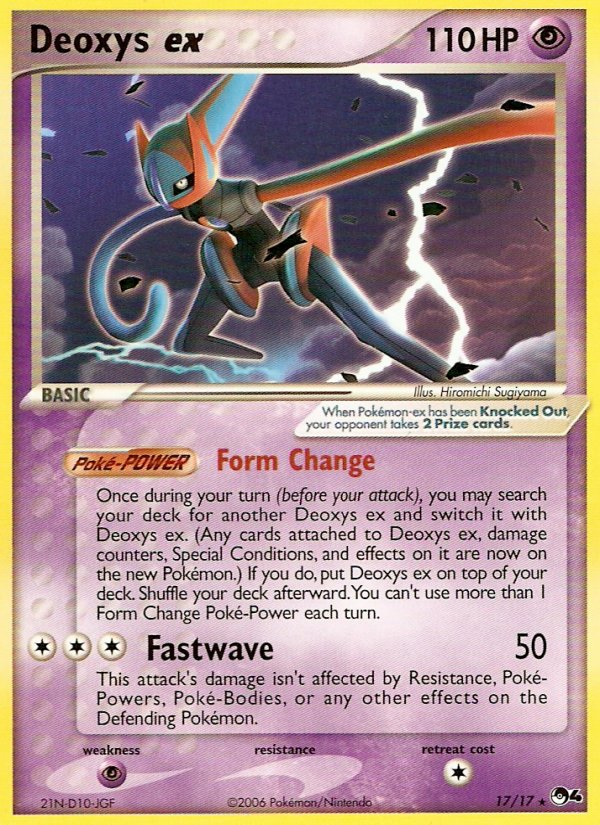
Rare (2,567 cards across 136 sets, median $0.91, topped by Deoxys ex (POP Series 4) at $1,006) is marked with a black star and, in most eras, a pack guarantees one card of this tier or better, which is why Rares are common in absolute terms despite the name. Rare Holo (1,621 cards across 106 sets, median $7.69, topped by Gengar (Skyridge) at $4,779) is the same star with a holofoil treatment on the artwork. It was the pack chase for most of the game's history and where the bulk of vintage value sits — the Base Set and Neo-era holos are all filed here, which is how a tier with a modest median can lead the chart by total value.
Promos
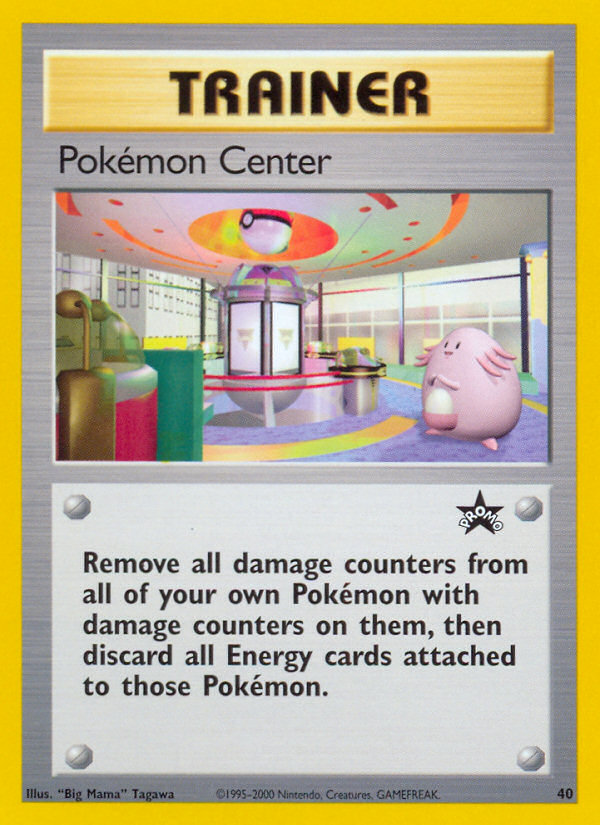
Promo (1,351 cards across 13 sets, median $8.23, topped by Pokémon Center (Wizards Black Star Promos) at $1,894) is a distribution channel rather than a pack tier. Promo cards arrive in tins, blisters, boxed products and as event prizes, so the label covers everything from mass-produced inserts to trophy cards handed to a handful of winners. The tier's median says little about any single card; the promo page's own ranking is the number to read.
The secret range: Secret, Rainbow and Hyper Rare
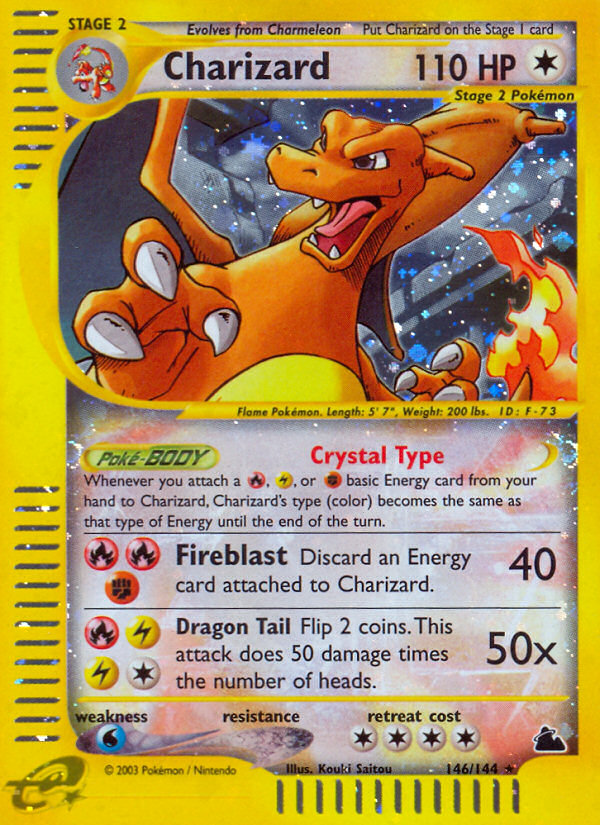
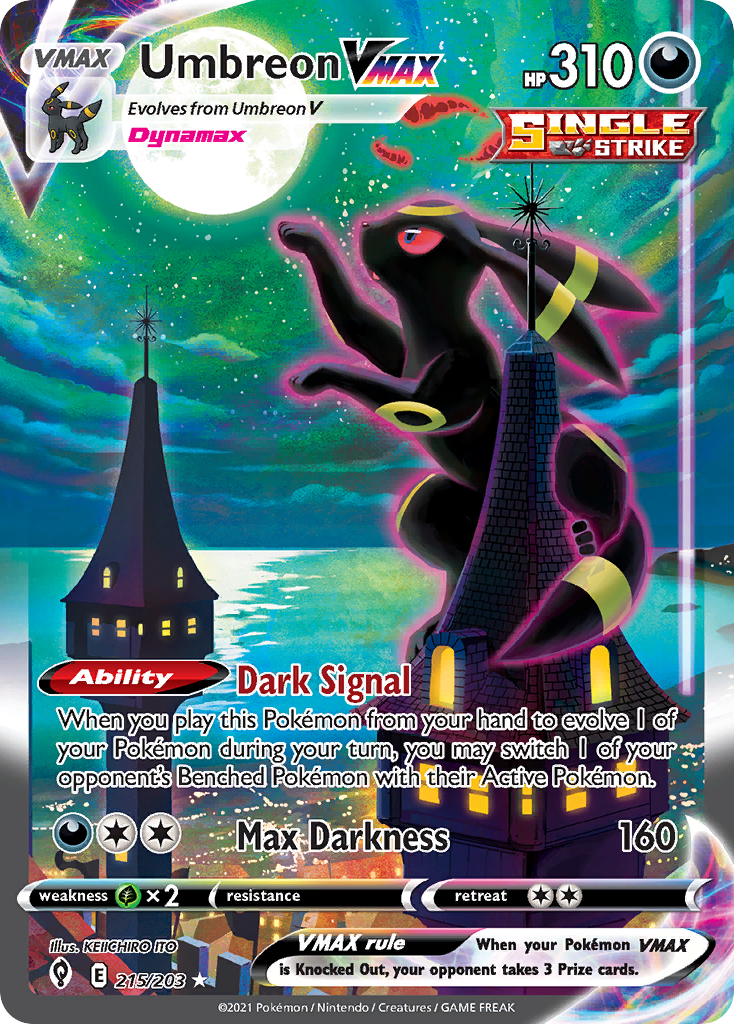
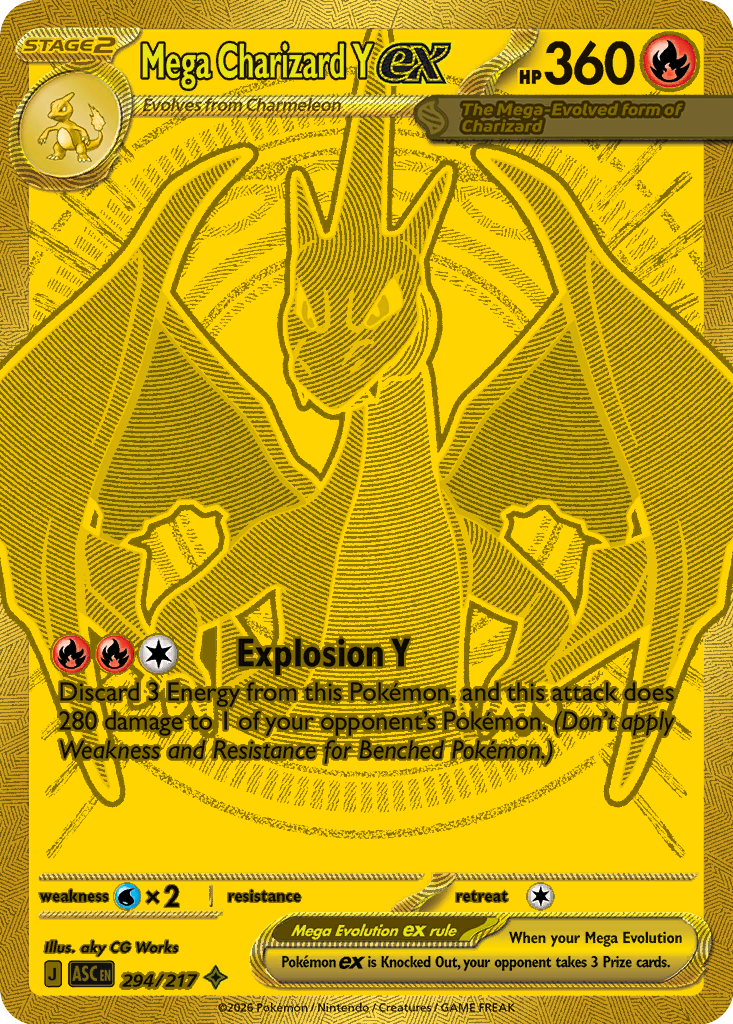
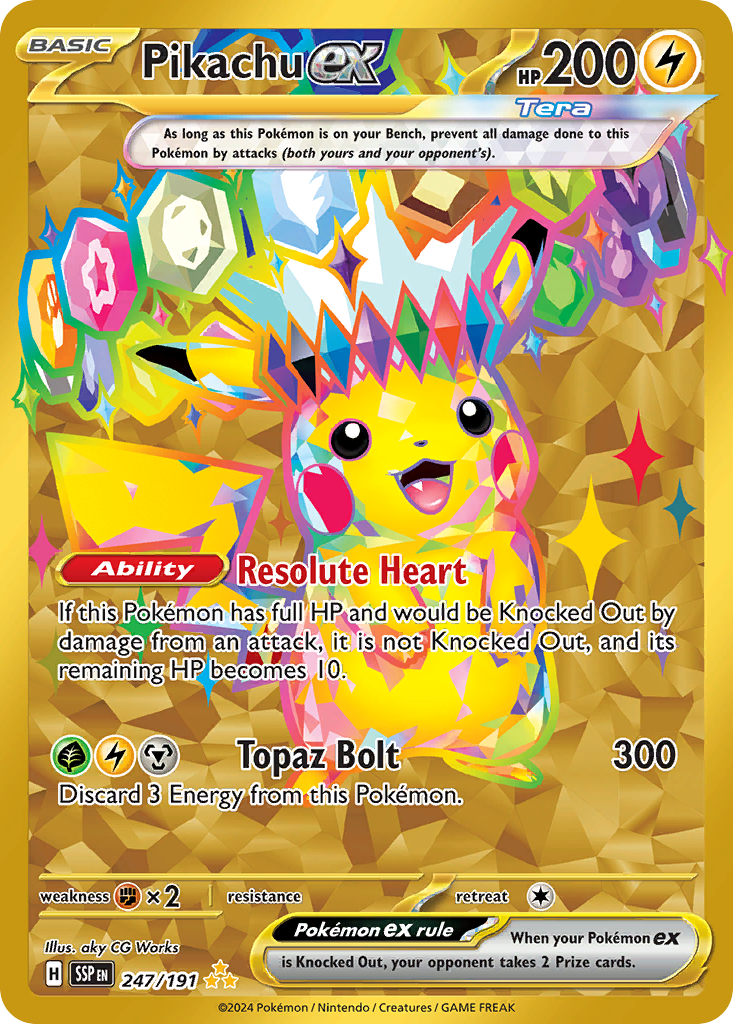
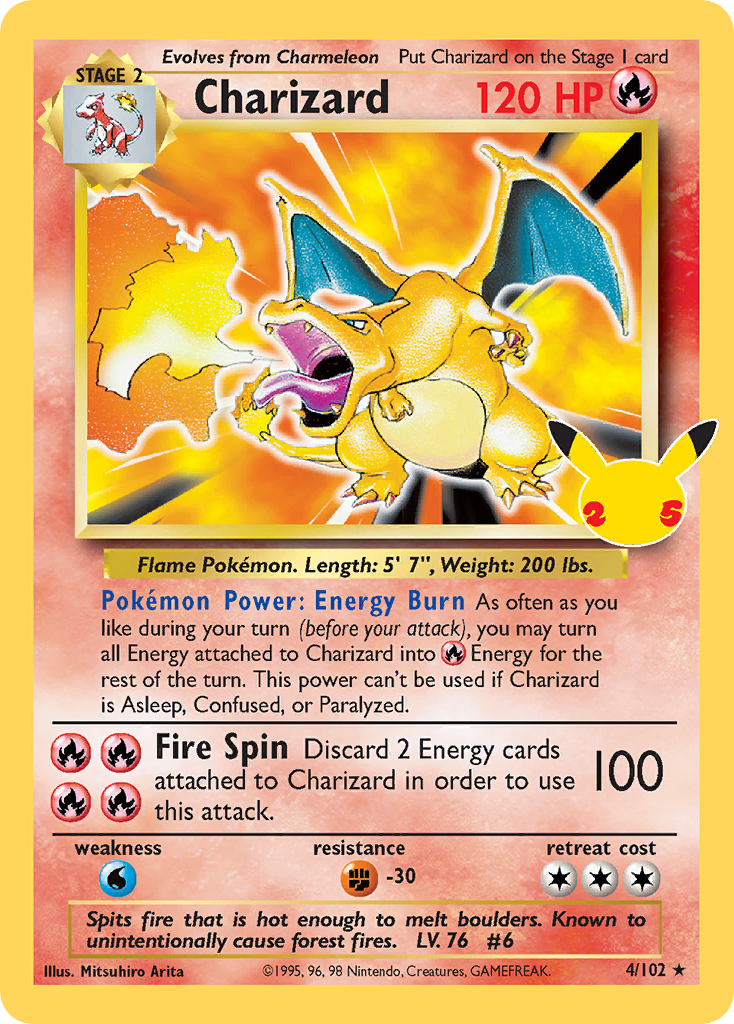
Rare Secret (327 cards across 81 sets, median $15.08, topped by Charizard (Skyridge) at $11,019) is any card numbered beyond the set's printed total — 200/197, for instance — so it cannot appear in the set's normal numbering. A gold or textured finish is typical, and because each is pulled far less often than a holo they are among the scarcest cards in any booster. Rare Rainbow (324 cards across 30 sets, median $15.25, topped by Umbreon VMAX (Evolving Skies) at $2,401) is the rainbow-textured full-art treatment that sat above a set's normal ladder through the Sun & Moon and Sword & Shield years, usually numbered into the same secret range. Hyper Rare (74 cards across 14 sets, median $9.34, topped by Pikachu ex (Surging Sparks) at $88) is the textured gold tier at the top of Scarlet & Violet sets from 2023 onward; earlier sets filed their gold cards as Rare Secret and their rainbow cards as Rare Rainbow, so the three labels are related secret-rare tiers with different finishes, and which one a card carries depends on the year.
Scarlet & Violet tiers (2023 onward)
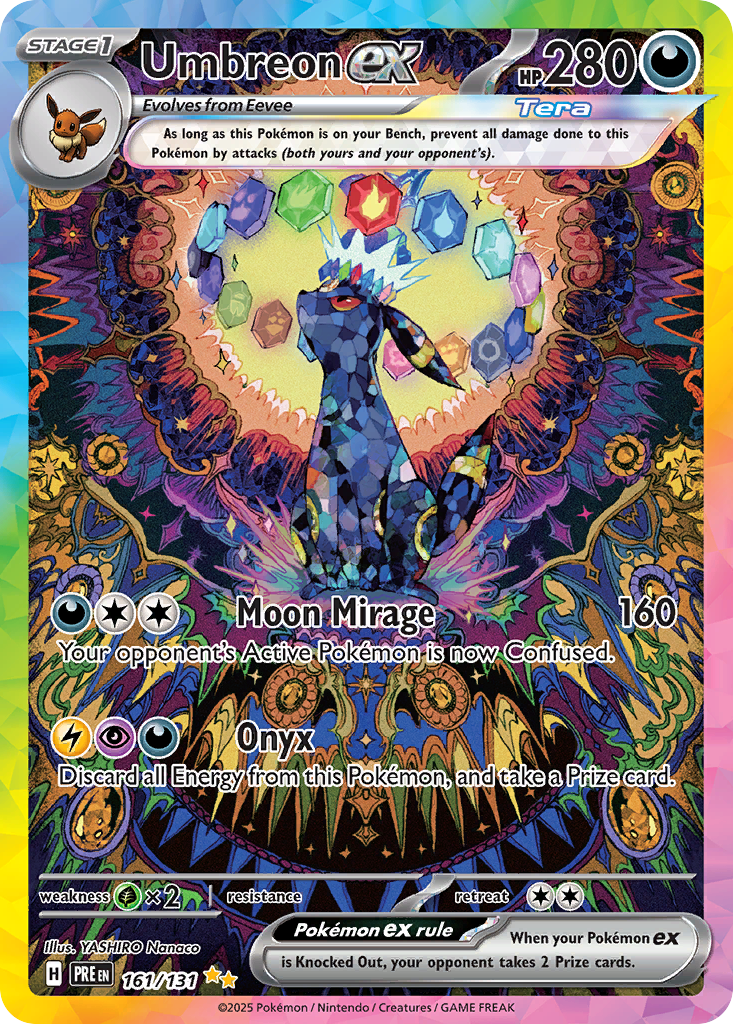
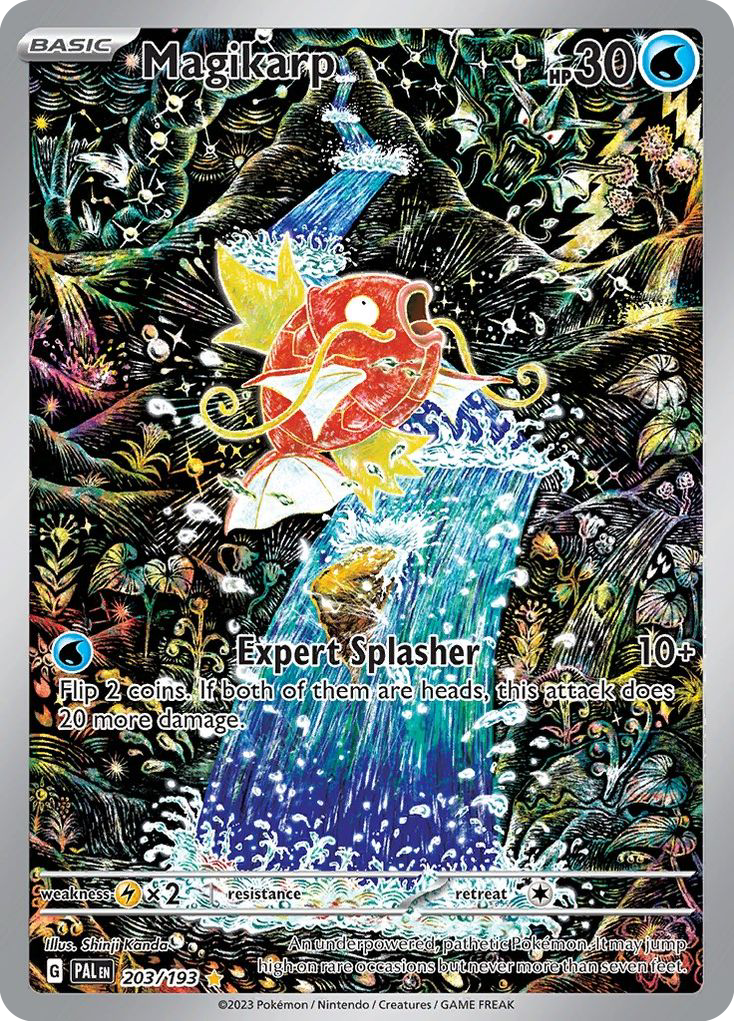
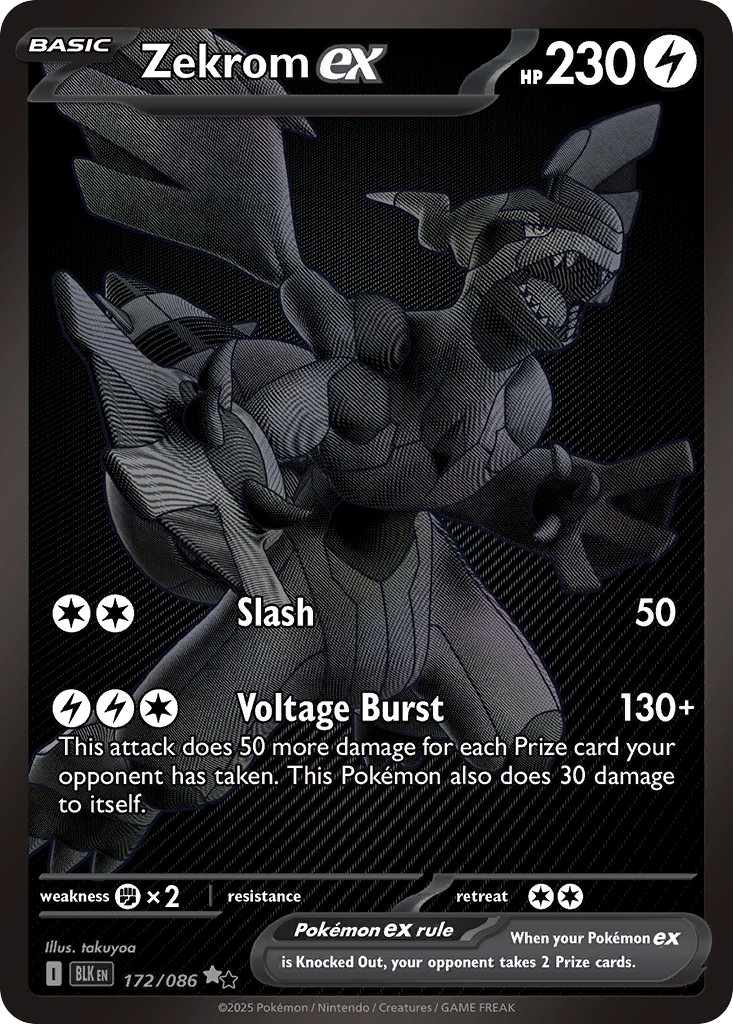
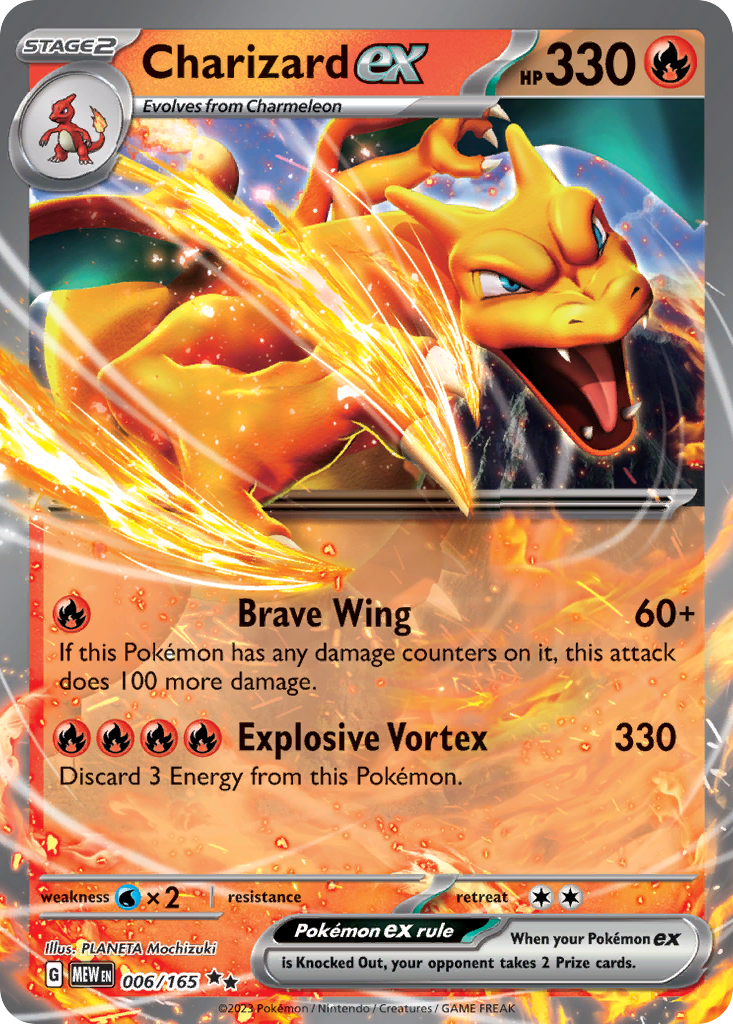
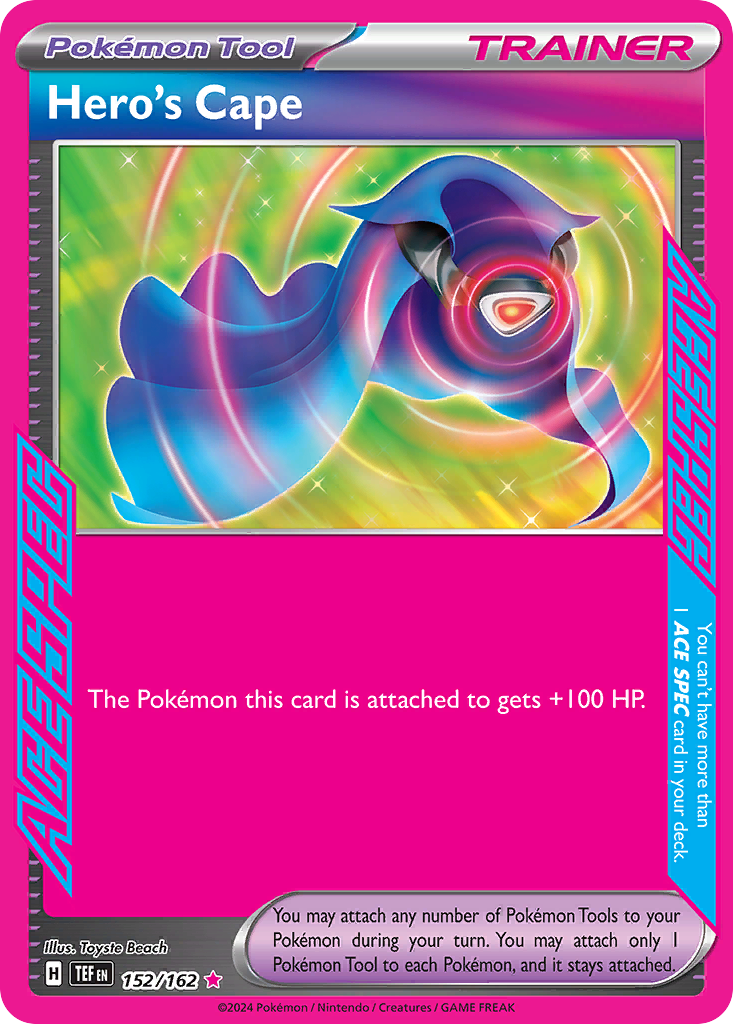
Double Rare (325 cards across 23 sets, median $0.76, topped by Charizard ex (151) at $9) is the ex Pokémon of the current era, marked with two black stars — a mechanic tier, not a scarcity tier. Illustration Rare (499 cards across 23 sets, median $12.46, topped by Magikarp (Paldea Evolved) at $380) shows the Pokémon in a full-art scene rather than a portrait pose. Special Illustration Rare (223 cards across 23 sets, median $35.11, topped by Umbreon ex (Prismatic Evolutions) at $1,356) is the scarcer illustration treatment, applied to ex and Supporter cards and numbered into the secret range; it is where the era's most valuable pulls sit. ACE SPEC Rare (33 cards across 6 sets, median $0.52, topped by Hero's Cape (Temporal Forces) at $21) covers the ACE SPEC Trainers that deck rules limit to one per deck, so its prices follow the tournament meta rather than collectors.
Sword & Shield tiers (2020–2022)
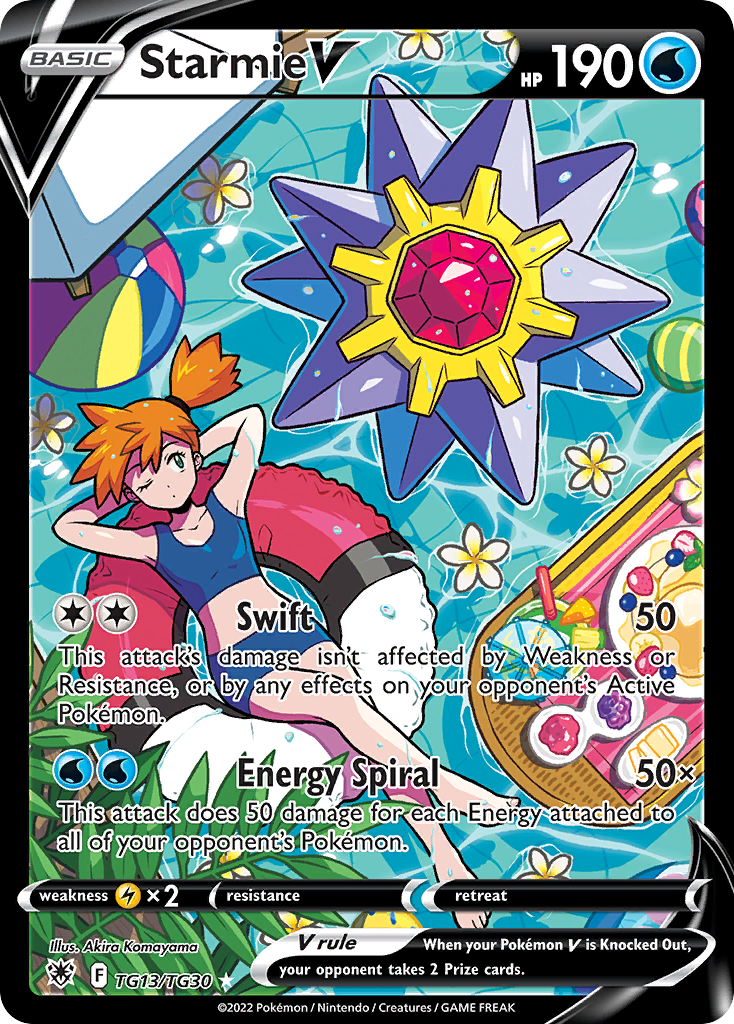
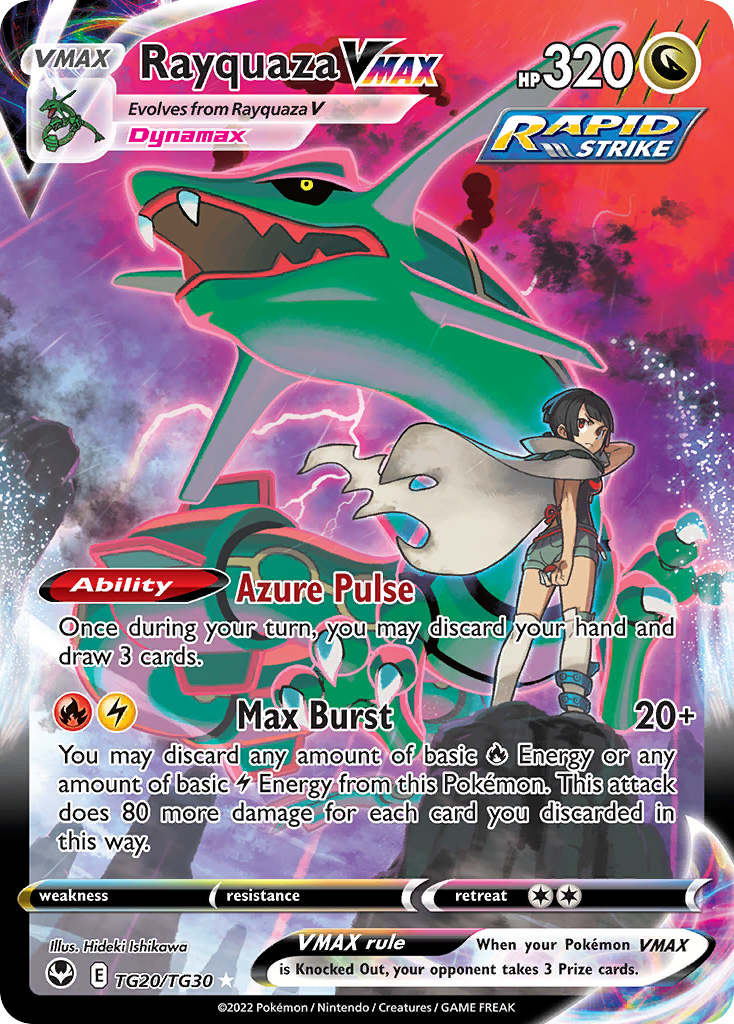
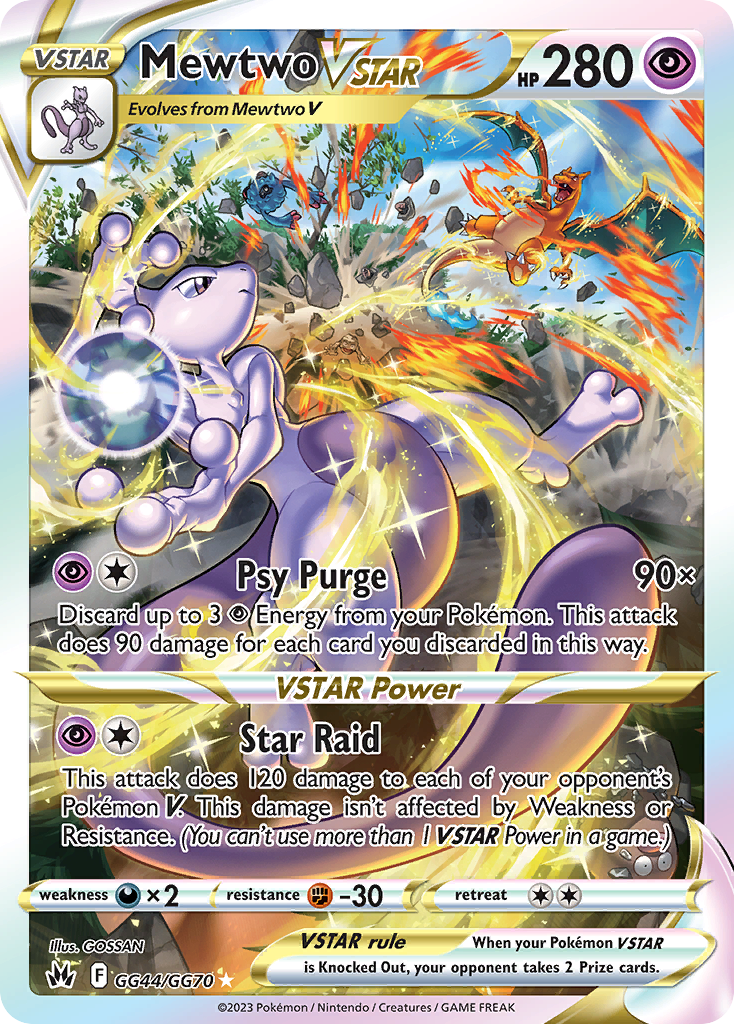
Rare Holo V (281 cards across 23 sets, median $1.13, topped by Starmie V (Astral Radiance Trainer Gallery) at $132) was the era's headline mechanic — a Pokémon V is worth two prize cards when knocked out. Rare Holo VMAX (110 cards across 23 sets, median $3.84, topped by Rayquaza VMAX (Silver Tempest Trainer Gallery) at $197) is the giant evolution of a V, worth three prizes, and Rare Holo VSTAR (43 cards across 7 sets, median $2.22, topped by Mewtwo VSTAR (Crown Zenith Galarian Gallery) at $289) the later evolution with a once-per-game VSTAR Power. All three were printed in large numbers, which is why their medians sit close to the base tiers despite the bold artwork; the era's value is in the full-art and alternate-art versions.
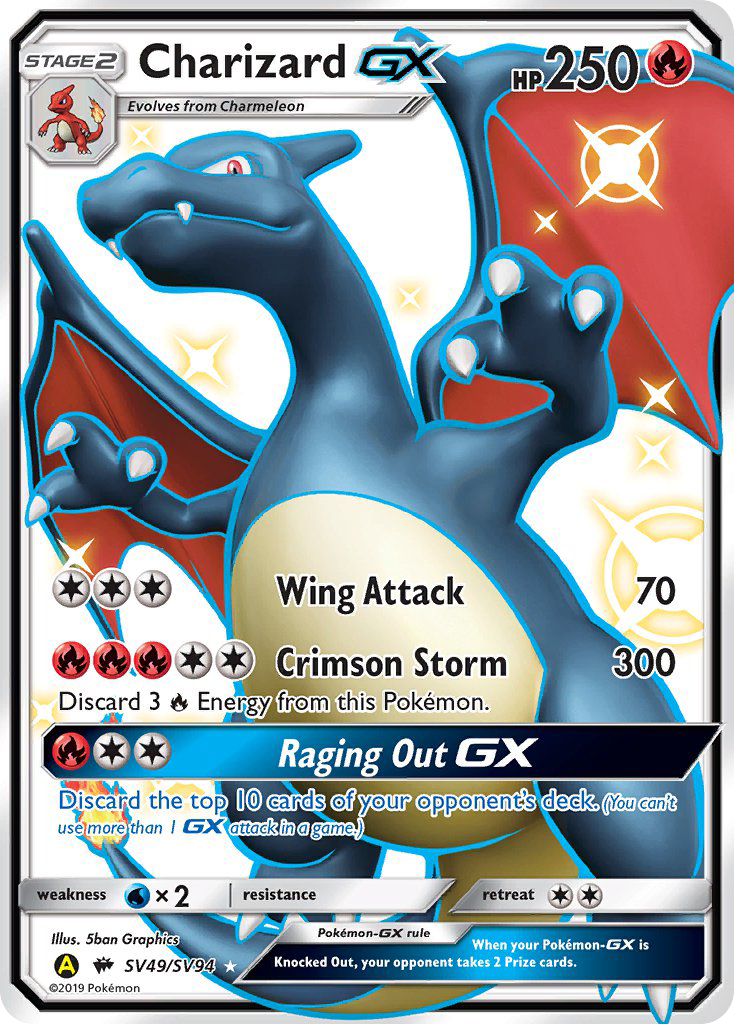
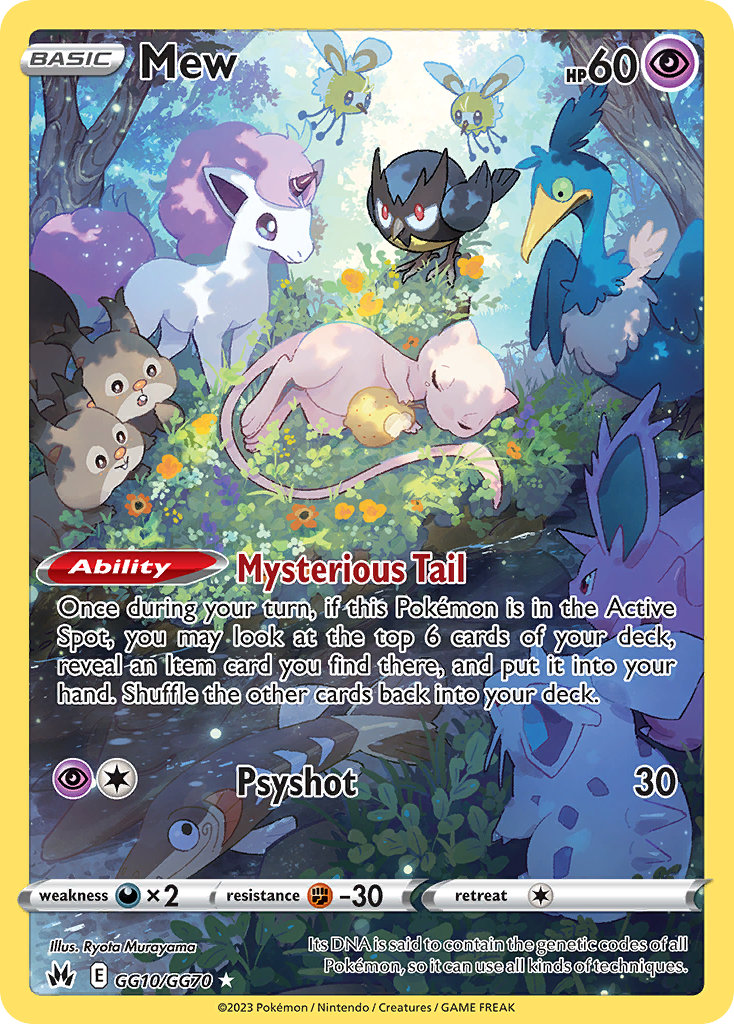
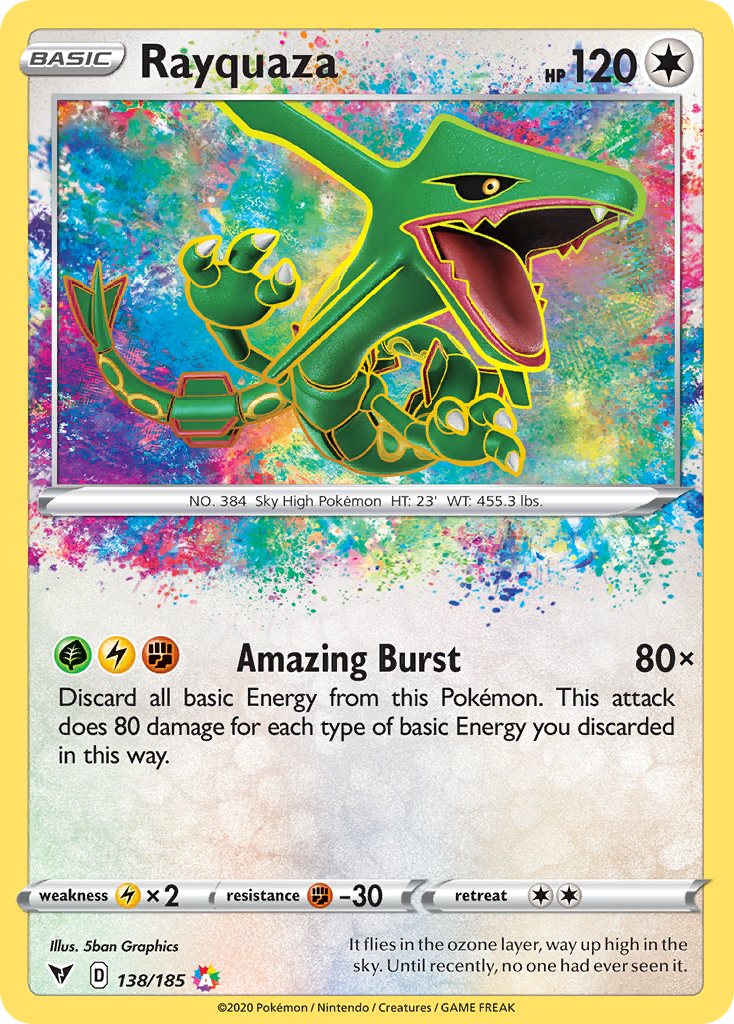
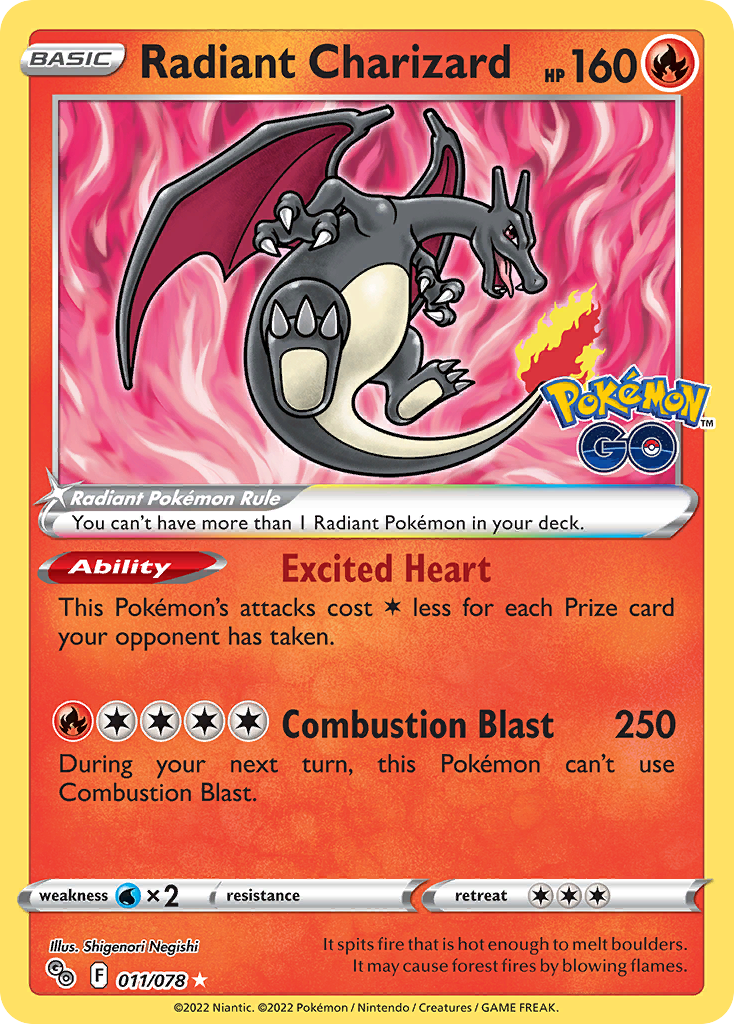
Radiant Rare (15 cards across 5 sets, median $1.69, topped by Radiant Charizard (Pokémon GO) at $20) is the shiny-colouration treatment limited to one per deck. Amazing Rare (10 cards across 3 sets, median $4.62, topped by Rayquaza (Vivid Voltage) at $27) was a short-lived tier with a distinctive rainbow-splatter holo pattern. Trainer Gallery Rare Holo (80 cards across 5 sets, median $6.24, topped by Mew (Crown Zenith Galarian Gallery) at $76) is the Trainer Gallery subset, which pairs Pokémon with the human characters of the game in the artwork. All three are small tiers whose prices are driven by a few character-led favourites rather than by scarcity across the tier.
Sun & Moon tiers (2017–2019)
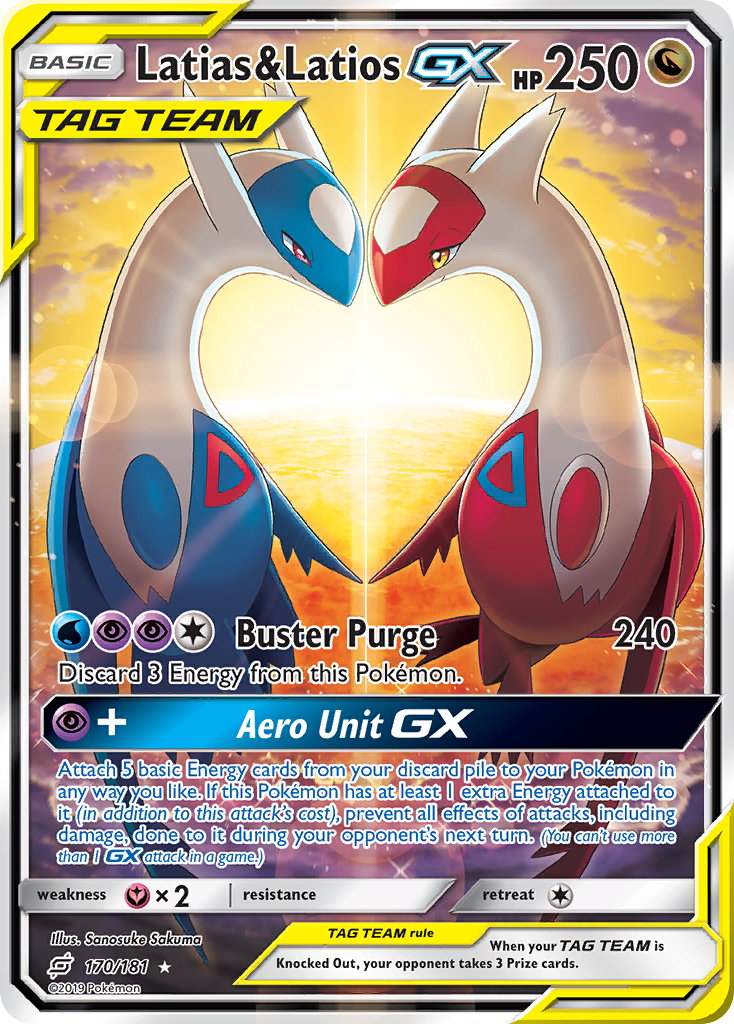
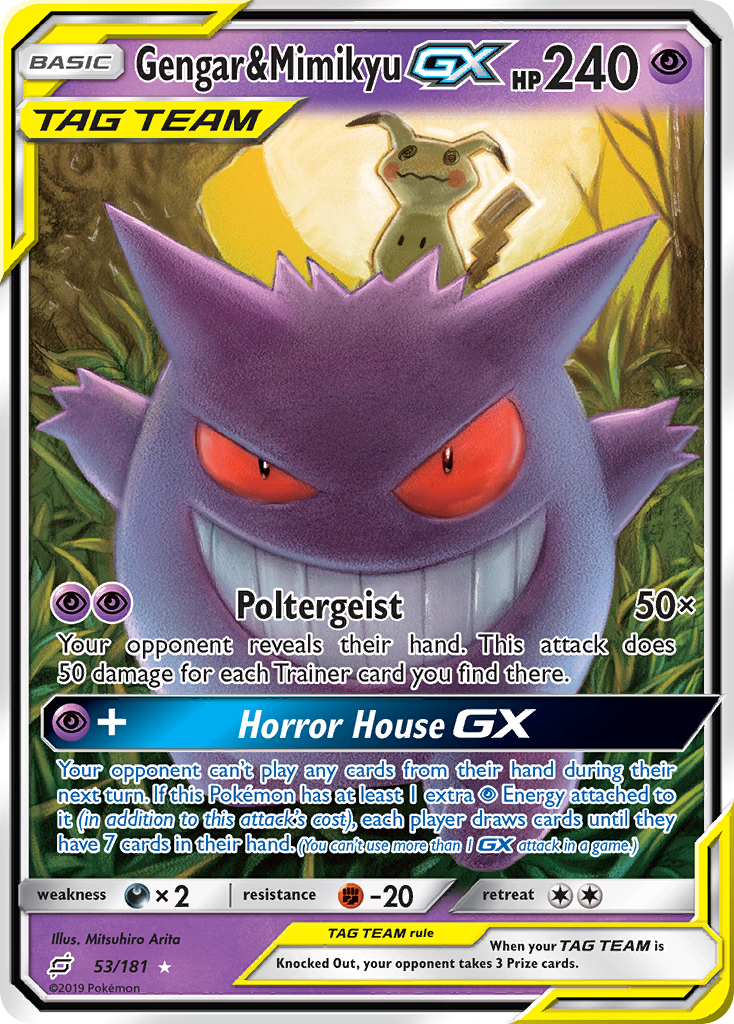
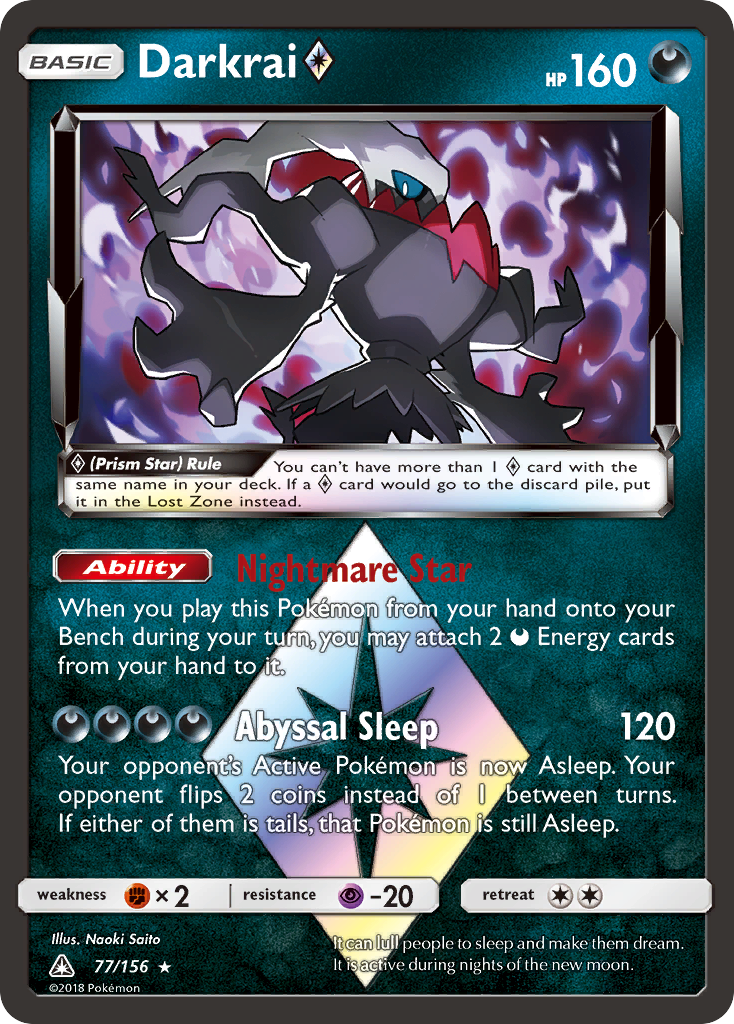
Rare Holo GX (168 cards across 16 sets, median $6.66, topped by Gengar & Mimikyu-GX (Team Up) at $373) was the era's two-prize mechanic, each carrying a once-per-game GX attack. Rare Prism Star (27 cards across 6 sets, median $5.00, topped by Darkrai ◇ (Ultra Prism) at $20) cards were limited to one copy of each per deck and went to the Lost Zone rather than the discard pile when removed from play. As with the V era, the standard GX holo is a mechanic tier with a modest median; the money is in the full-art and rainbow versions, filed under their own labels.
Older tiers, from Neo to XY
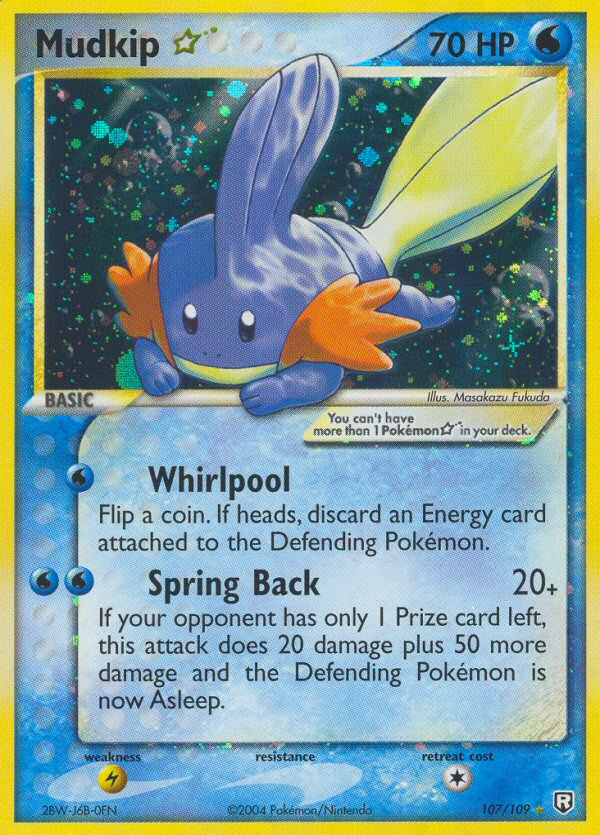
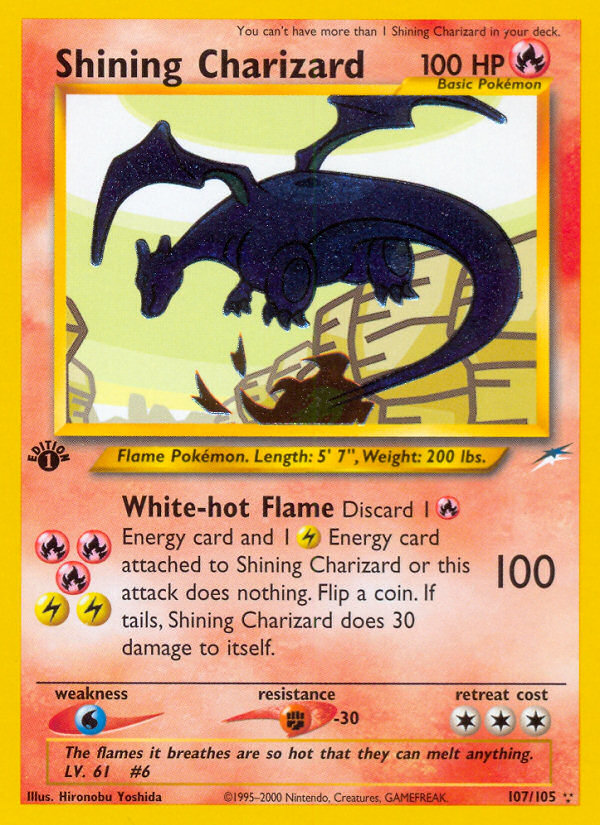
Rare Shining (16 cards across 3 sets, median $475.17, topped by Shining Charizard (Neo Destiny) at $2,583) is the alternate-colouration treatment of Neo Revelation and Neo Destiny, revived in 2017's Shining Legends, and among the scarcest pulls of the Neo sets. Rare Holo Star (27 cards across 10 sets, median $2,127.19, topped by Mudkip ☆ (Team Rocket Returns) at $10,417) is the Gold Star tier of the EX era, marked by a gold ☆ beside the name, and the tier with the highest median price in the whole chart. Both tiers are small enough that a single sale moves the total.
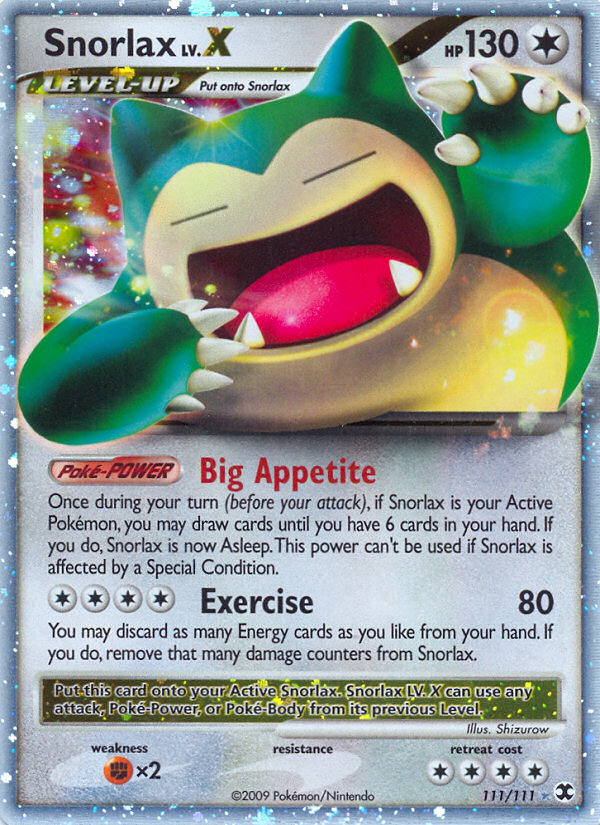
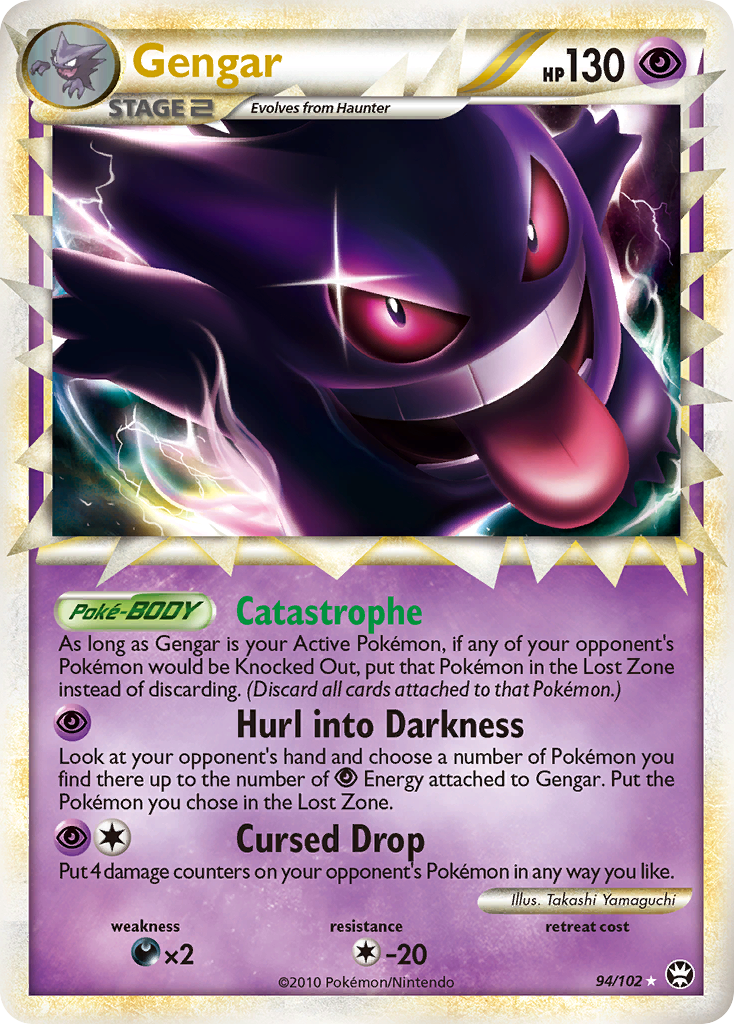
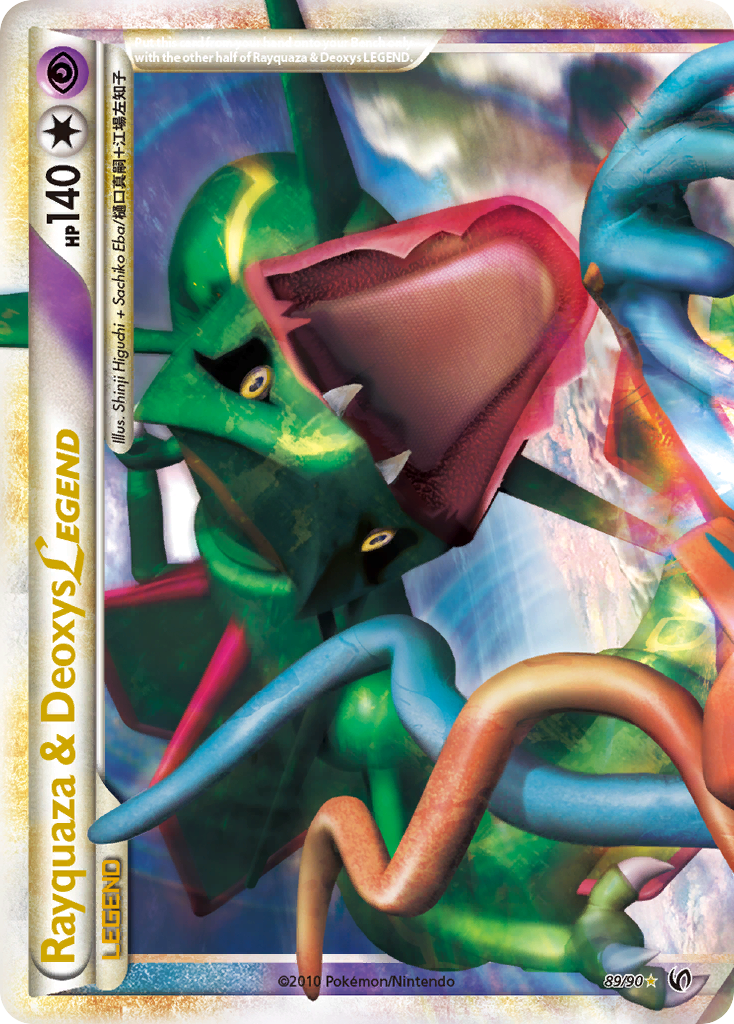
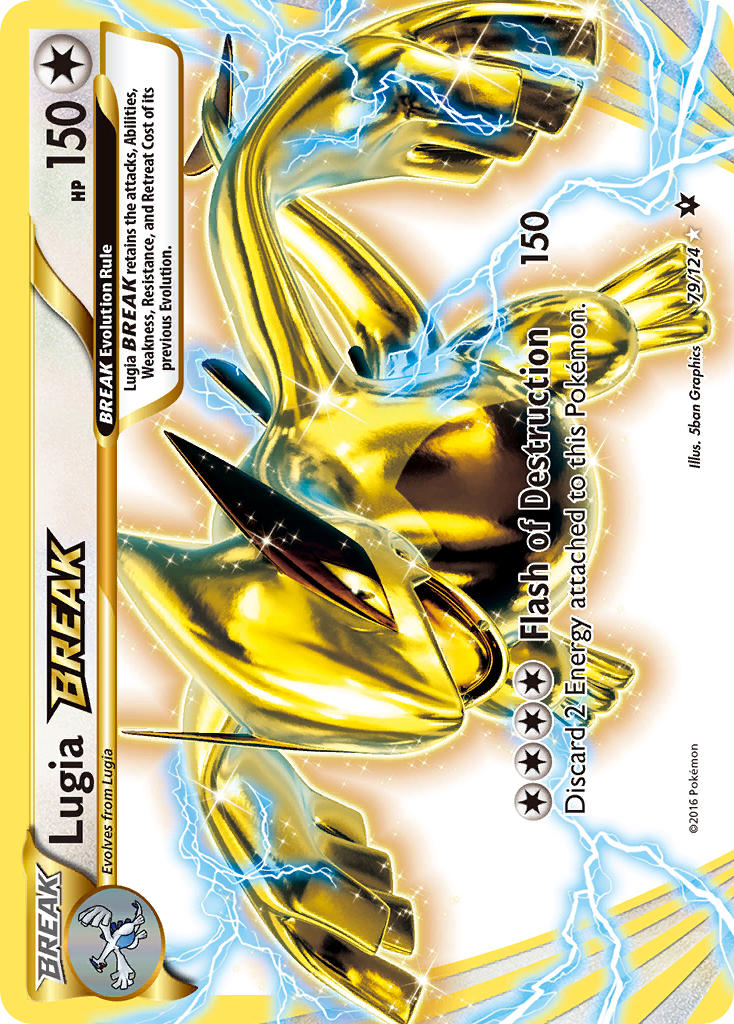
Rare Holo LV.X (57 cards across 12 sets, median $89.53, topped by Snorlax LV.X (Rising Rivals) at $905) cards of the Diamond & Pearl and Platinum years were played on top of a matching Pokémon already in play. Rare Prime (27 cards across 5 sets, median $84.50, topped by Gengar (HS—Triumphant) at $800) was HeartGold & SoulSilver's treatment of a set's strongest Pokémon, with a distinct holo foil and Prime frame, and LEGEND (20 cards across 5 sets, median $149.47, topped by Rayquaza & Deoxys LEGEND (HS—Undaunted) at $297) the same era's two-part cards, printed as halves that must both be in play. Rare BREAK (28 cards across 6 sets, median $4.31, topped by Lugia BREAK (Fates Collide) at $24) is the XY era's gold-foil evolution card, laid out sideways over the Pokémon it evolves from.
Labels we report but do not define
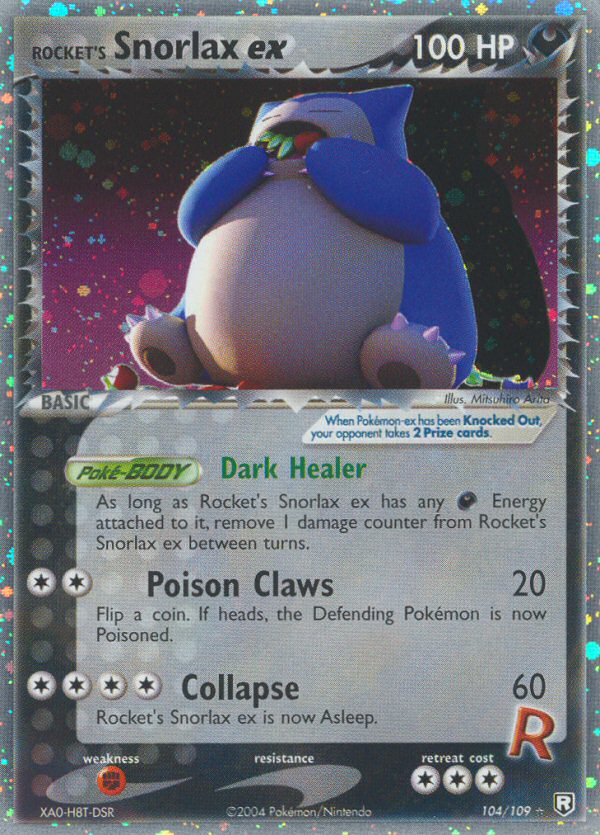
Rare Holo EX (321 cards across 38 sets, median $22.47, topped by Rocket's Snorlax ex (Team Rocket Returns) at $1,365) shows why: the catalogue files both the lower-case Pokémon-ex of 2003–2007 and the capital Pokémon-EX of 2012–2016 under one label, and those are different mechanics that happen to share a suffix. 14 of the 40 labels — Rare Ultra, Rare Holo EX, Rare Shiny GX, Black White Rare, Mega Hyper Rare, Ultra Rare and others — are in this position. Their figures are computed like every other tier's; only the defining sentence is missing.
Are holographic cards automatically rare?
No. A holo finish on the artwork itself normally marks a holo rare, but since 2002 nearly every set has also printed a reverse holo of most of its cards, with the foil on the frame rather than the picture. A reverse holo common is still a common: the symbol in the corner decides the tier, and the shiny border adds a small premium at most.
Rarity and the PSA 10 premium
The "median premium" on each tile is the median PSA 10 price over the raw price across the tier's cards that have both, and it varies widely — the PSA premium index tracks the same multiple card by card. Rare Holo LV.X carries the widest typical premium at 235.3×, Special Illustration Rare the narrowest at 3.5×. Old tiers gem rarely, and a cheap raw price turns any PSA 10 into a large multiple of it, so older and bulk tiers carry the widest premiums; modern full-art chase tiers start from a high raw price, so the grade multiplies it by less. Check a card's own gem rate on the population report and the fee against the premium with our grading ROI tool before sending it in.
Does rarity equal value?
Not on its own. Rarity sets a card's ceiling, but three other things decide where it lands: condition (a crisp card beats a scuffed one), grading (a PSA 10 can be worth many times the raw card), and demand (a popular Charizard outsells an obscure rare every time). Browse the most expensive Pokémon cards to see how the rarest and best-graded cards rise to the top.
I have a rare card — what next?
Identify it exactly — set, number and printing, since a 1st Edition copy and an Unlimited copy are different prices — then find it on its tier's page or scan it, and compare its condition honestly with the raw price shown. Well above the median and clean, price up grading with the grading ROI tool; near the median, enjoy or trade it.