Gold Star Pokémon Cards
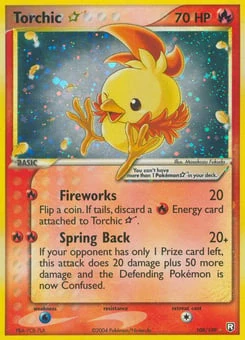
Every Gold Star Pokémon card, ranked by value. Leading is Torchic ☆ (Team Rocket Returns), worth up to $2,700,000 as a PSA 10. These 27 EX-era ☆ cards (2004–2007), plus one 2021 reprint (28 in total), are among the rarest and most valuable modern Pokémon cards ever printed.
Prices last updated 4 November 2026 · How we price →
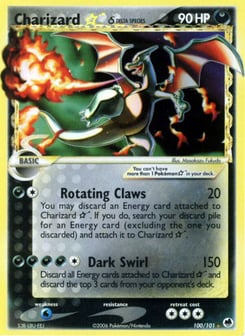
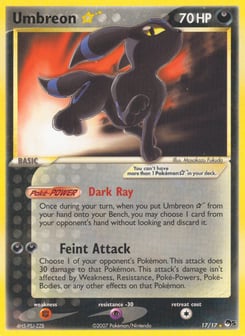
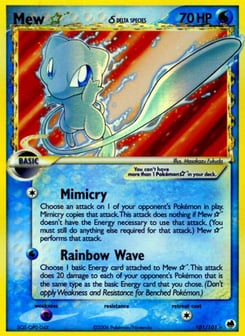
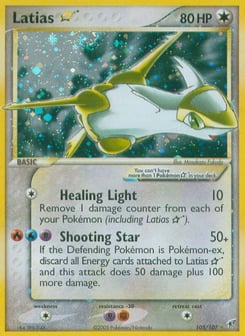
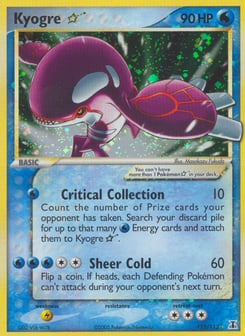
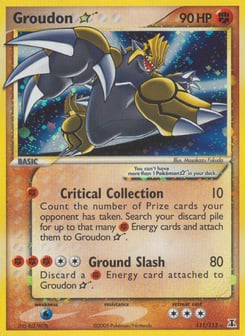
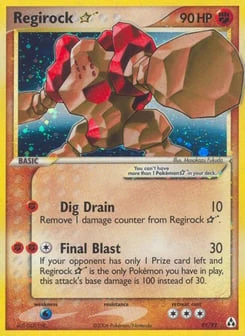
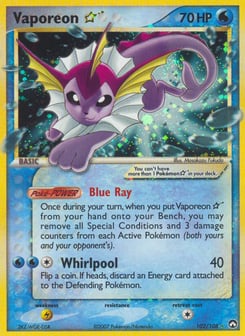
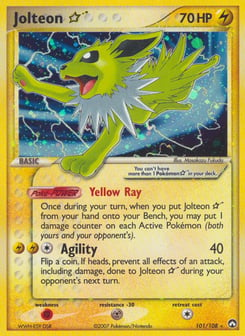
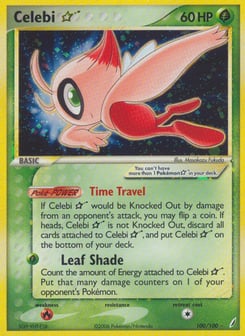
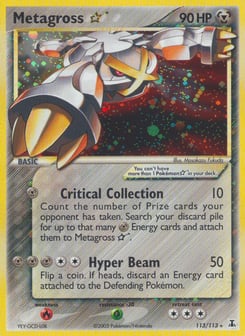
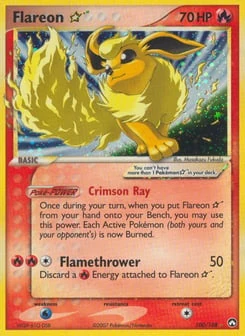
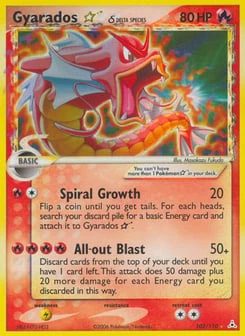
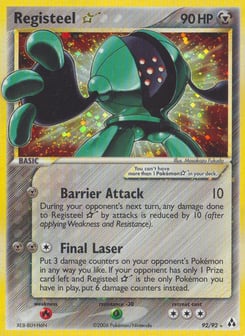
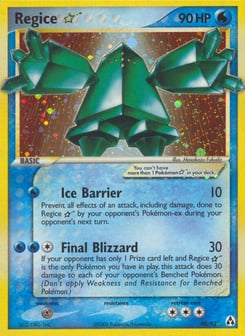
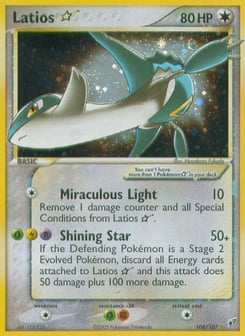
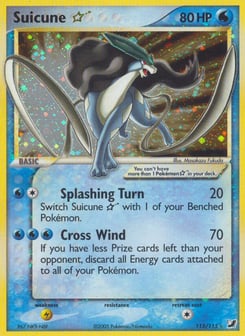
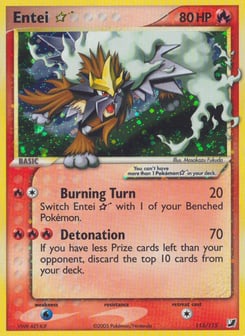
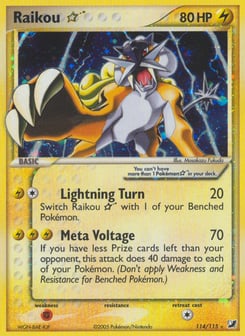
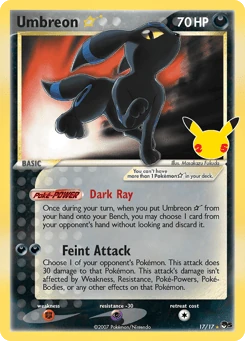
What a Gold Star card is
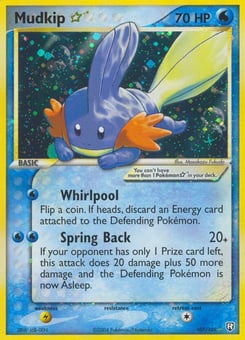
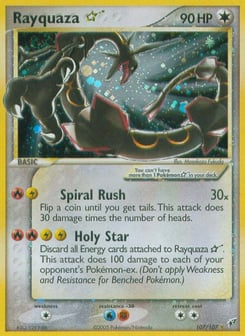
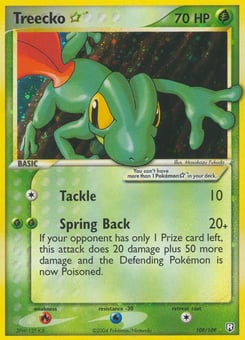
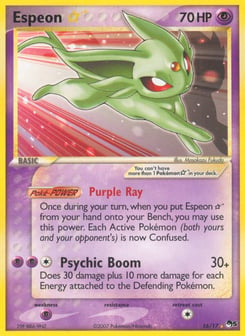
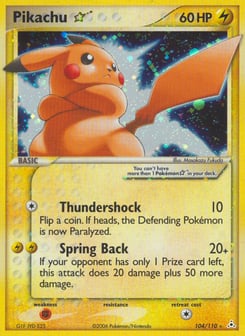
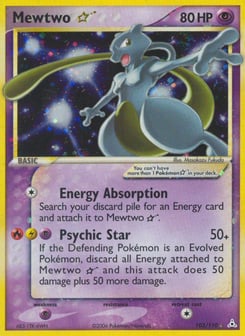
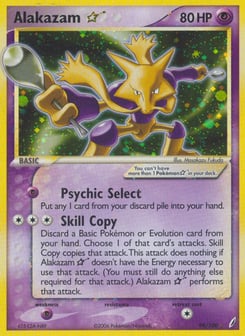
Gold Star cards carry a gold ☆ beside the Pokémon's name and show it in an alternate shiny colour. 27 English Gold Stars were printed from 2004–2007 across the EX-era sets; Celebrations: Classic Collection added a 2021 reprint of Umbreon ☆, which we include as a documented exception rather than drop from the list. Collectors report a pull rate of around 1 in 72 packs (no official figure was published) — with 36 packs to a box, roughly one Gold Star every two boxes on average, not a guaranteed per-box pull.
The 27 cards, set by set
Gold Stars arrived three at a time in most sets, usually numbered near the end of the set. In release order, our catalogue holds: Team Rocket Returns (2004): Mudkip ☆, Torchic ☆ and Treecko ☆; Deoxys (2005): Latias ☆, Latios ☆ and Rayquaza ☆; Unseen Forces (2005): Entei ☆, Raikou ☆ and Suicune ☆; Delta Species (2005): Groudon ☆, Kyogre ☆ and Metagross ☆; Legend Maker (2006): Regice ☆, Regirock ☆ and Registeel ☆; Holon Phantoms (2006): Gyarados ☆ δ, Mewtwo ☆ and Pikachu ☆; Crystal Guardians (2006): Alakazam ☆ and Celebi ☆; Dragon Frontiers (2006): Charizard ☆ δ and Mew ☆ δ; Power Keepers (2007): Flareon ☆, Jolteon ☆ and Vaporeon ☆; POP Series 5 (2007): Espeon ☆ and Umbreon ☆. The one later reprint — Umbreon ☆ (Celebrations: Classic Collection, 2021) — sits outside that run.
4 of the 27 are δ Delta Species cards (Charizard ☆ δ, Mew ☆ δ, Gyarados ☆ δ and Pikachu ☆), which carry a type other than the Pokémon's usual one as well as the shiny colouring. The two POP Series 5 cards, Espeon ☆ and Umbreon ☆, were never in booster packs at all: they came in the two-card POP Series 5 packs handed out through Pokémon Organized Play, and they sit at or near the top of the list.
Design details that mark a Gold Star
Beyond the star and the colouring, two design choices are consistent across all 27. Each card carries a printed deck restriction: you can't have more than one Pokémon ☆ in your deck. And every one is credited to the same illustrator, Masakazu Fukuda, so the line work and colouring look the same from Team Rocket Returns to POP Series 5. A card that has the star but fails any of these is worth a closer look.
Is it a genuine Gold Star?
Gold Star fakes and mix-ups are common enough that a few checks are worth doing before paying a premium (our fake card checker covers the general tells):
- The gold ☆ sits directly beside the Pokémon's name in the title bar — it is not the small rarity symbol printed in the bottom corner of every card.
- The artwork shows the Pokémon in its unusual shiny colouring, not its standard art recoloured or edited.
- Compare the holofoil and print quality against a graded copy or a known-genuine scan of the same card — a mismatched or overly glossy foil is a red flag.
For anything above a token price, buy graded (the PSA population report counts the slabbed copies) or have a high-value raw copy authenticated before paying — visual checks alone aren't conclusive on a card this valuable to fake.
How Gold Stars are priced
There is no cheap Gold Star. The median original in our catalogue is worth $2,952 ungraded, and the least expensive, Entei ☆ (Unseen Forces), still costs about $1,102 raw. Value is nonetheless concentrated: the top three rows account for 49% of the combined value of the whole list, because a handful of Pokémon carry a collector following the rest do not, even though every card was pulled at the same rate.
Grade moves the price more than the Pokémon does. Every row above is priced on its PSA 10 value, and across the cards with both prices the PSA 10 sits at a median 49.7x the raw price (see the PSA 10 premium index), ranging from 3.4x to 296.3x depending on the card. Even the lowest PSA 10 among the originals is priced at $17,400. Those multiples are far larger than a modern card carries because EX-era holofoil scratched easily and the cards are two decades old, so gem-mint copies are hard to find. A PSA 9 of an original sits at a median 5.7x raw but only 12% of the PSA 10 price.
Grading a Gold Star
Even Raikou ☆ (Unseen Forces) is worth $17,400 as a PSA 10, but grading a Gold Star is not cheap. PSA sets its grading fee by the slab's value, so a copy that grades to the median original's PSA 10 value of $130,050 costs about $6,320 in fees and shipping. At PSA 10 prices the gap between a raw sale and a slabbed one is far larger than that, and a slab settles the authenticity question for the buyer. Before submitting, look at the holofoil under a strong light for the fine scratches and print lines that cap EX-era cards at a 7 or 8, check all four corners for whitening (our card grader estimates a grade from photos), and do not attempt to clean the surface. PSA, CGC and Beckett all grade Gold Stars; the PSA 10 values on this page are what a PSA slab sells for, so compare like with like when a copy is in another company's holder.
Common mistakes
The most frequent mix-up is with Shining Pokémon, the Neo-era alternate-colour cards from 2001–2002: they are also shiny, also scarce, but carry "Shining" in the name rather than a star, and they trade at different prices. The second is the later shiny promos that borrowed the ☆ glyph, such as the Sword & Shield-era Greninja ☆ promo, which are not Gold Stars and are excluded from this list by the set-year rule. The third is confusing the 2021 Celebrations reprint of Umbreon ☆ with the 2007 POP Series 5 original: the reprint carries the Celebrations stamp and trades at a small fraction of the original's price, so check the set symbol before paying.
Why they're grails
The combination of shiny art, a short print window and low pull rates makes Gold Stars a blue-chip chase. Rayquaza, Charizard, Espeon and Umbreon Gold Stars reach five figures or more in top grades, and even lesser Pokémon hold strong value. Grade matters enormously: the prices above show the higher of the ungraded market price and a PSA 10 value where one exists — a PSA 10 tag next to a price means the card's real ceiling is in the graded slab, not raw.
Where to buy and sell
Raw Gold Stars mostly trade on eBay and TCGplayer; graded, high-value copies also appear at auction houses such as Fanatics Collect and Goldin. Because valuable Gold Stars are faked and misdescribed, buying an already-graded copy from a seller with a track record is the safer route for any of them, and when selling, the fee calculator shows what each marketplace keeps.
Gold Star cards — an alternate-colouration treatment with a gold ☆ beside the name. Among the most valuable cards in the game. Originally an EX-era mechanic (2004–2007); Celebrations: Classic Collection (2021) later reprinted one Gold Star, which this list includes as a documented exception. EX (2004–2007), plus one 2021 reprint
How a card qualifies: Name carries a ☆ glyph or rarity is Rare Holo Star, AND the set is EX-era (2007 or earlier) or a documented reprint set. A later promo with a ☆ is not a Gold Star.
Gold Star Pokémon Cards — FAQ
Cite this ranking
Free to use with attribution to CardTrack.
Gold Star Pokémon Cards — CardTrack, https://cardtrack.com/pokemon/gold-star