Best Tapu Koko Cards to Grade
The Tapu Koko cards worth grading, ranked by expected profit per submission — every grade outcome weighted by how often the card actually receives it — after current grading fees. The PSA 10 best case is shown on every row but does not decide the order. Top pick: Tapu Koko-GX (Guardians Rising) at an expected −$13.
Ranked by expected profit 4
| # | Card | Raw | PSA 9 | PSA 10 | Cost | Best case | Gem rate | Expected | Sample |
|---|---|---|---|---|---|---|---|---|---|
| 1 | 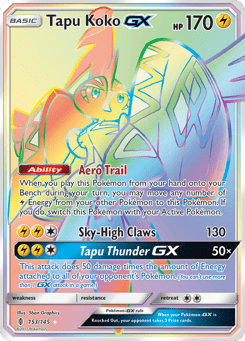 Tapu Koko-GXGuardians Rising #153 · Modern (2011–2019) Expected loss −$13 per submission: 47.5% of 303 graded copies came back PSA 10 ($135), and only a PSA 10 covers the $95 you have in it — a 9 loses money. Confidence high on that sample. | $14 | $40 | $135 | $81 | +$39 | 47.5% | −$13 | 303 high |
| 2 | 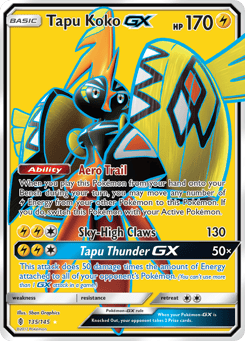 Tapu Koko-GXGuardians Rising #135 · Modern (2011–2019) Expected loss −$26 per submission: 45.6% of 274 graded copies came back PSA 10 ($116), and only a PSA 10 covers the $87 you have in it — a 9 loses money. Confidence high on that sample. | $6 | $18 | $116 | $81 | +$28 | 45.6% | −$26 | 274 high |
| 3 | 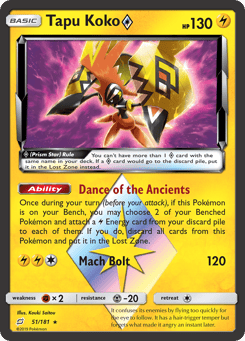 Tapu Koko ◇Team Up #51 · Modern (2011–2019) Expected loss −$27 per submission: 23% of 282 graded copies came back PSA 10 ($201), and only a PSA 10 covers the $91 you have in it — a 9 loses money. Confidence high on that sample. | $9 | $25 | $201 | $82 | +$110 | 23% | −$27 | 282 high |
| 4 | 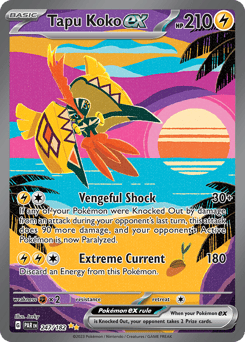 Tapu Koko exParadox Rift #247 · Current (2020–) Expected loss −$28 per submission: 34.8% of 3,267 graded copies came back PSA 10 ($153), and only a PSA 10 covers the $102 you have in it — a 9 loses money. Confidence high on that sample. | $20 | $30 | $153 | $82 | +$52 | 34.8% | −$28 | 3,267 high |
Expected = every grade outcome weighted by its share of the card's graded population, minus the raw price and the grading cost (PSA tier fee for the graded value plus ~$20 round-trip shipping, fees as of 2026-09-26). Best case is the PSA 10 leg alone. Gem rates come from a self-selected population — collectors grade their cleanest copies — so read them as an upper bound. Raw is a blended market price, not a sale of your copy. Full method and filters on the grading index.
PSA population 24
Every Tapu Koko card with a PSA population reading, ranked five ways. A historical PSA 10 rate is the share of graded copies that came back a 10 — how hard a 10 has been to earn, not the chance your copy earns one — and it is only quoted on cards with at least 20 graded copies; the PSA 10 tables use the same floor. PSA counts as of 15 Oct 2026. How population is measured.
Most graded 24
The most-submitted cards, by total PSA graded.
| # | Card | Graded | PSA 10s |
|---|---|---|---|
| 1 | Tapu Koko ex Paradox Rift #247 | 3,267 | 1,137 |
| 2 | Tapu Koko-GX Hidden Fates Shiny Vault #SV93 | 1,952 | 1,176 |
| 3 | Tapu Koko V Sword & Shield #72 | 320 | 189 |
| 4 | Tapu Koko-GX Guardians Rising #153 | 303 | 144 |
| 5 | Tapu Koko ◇ Team Up #51 | 282 | 65 |
| 6 | Tapu Koko ex Paradox Rift #222 | 278 | 113 |
| 7 | Tapu Koko-GX Guardians Rising #135 | 274 | 125 |
| 8 | Tapu Koko VMAX Battle Styles #166 | 220 | 132 |
| 9 | Tapu Koko-GX Guardians Rising #47 | 217 | 111 |
| 10 | Tapu Koko VMAX Battle Styles #51 | 207 | 131 |
Show the next 14
| # | Card | Graded | PSA 10s |
|---|---|---|---|
| 11 | Tapu Koko-GX SM Black Star Promos #SM50 | 130 | 27 |
| 12 | Tapu Koko SM Black Star Promos #SM30 | 130 | 1 |
| 13 | Tapu Koko ex Paradox Rift #68 | 126 | 40 |
| 14 | Tapu Koko ex Journey Together #51 | 111 | 29 |
| 15 | Tapu Koko-GX SM Black Star Promos #SM33 | 102 | 7 |
| 16 | Tapu Koko V Battle Styles #147 | 101 | 61 |
| 17 | Tapu Koko V Battle Styles #50 | 99 | 39 |
| 18 | Tapu Koko Darkness Ablaze #61 | 88 | 43 |
| 19 | Tapu Koko SM Black Star Promos #SM31 | 72 | 12 |
| 20 | Tapu Koko Surging Sparks #65 | 60 | 8 |
| 21 | Tapu Koko SM Black Star Promos #SM30a | 18 | 0 |
| 22 | Tapu Koko Unified Minds #69 | 15 | 8 |
| 23 | Tapu Koko Lost Thunder #85 | 11 | 3 |
| 24 | Tapu Koko Ascended Heroes #67 | 1 | 0 |
Fewest PSA 10s 20
The smallest PSA 10 populations among cards with at least 20 graded.
| # | Card | PSA 10s | Graded |
|---|---|---|---|
| 1 | Tapu Koko SM Black Star Promos #SM30 | 1 | 130 |
| 2 | Tapu Koko-GX SM Black Star Promos #SM33 | 7 | 102 |
| 3 | Tapu Koko Surging Sparks #65 | 8 | 60 |
| 4 | Tapu Koko SM Black Star Promos #SM31 | 12 | 72 |
| 5 | Tapu Koko-GX SM Black Star Promos #SM50 | 27 | 130 |
| 6 | Tapu Koko ex Journey Together #51 | 29 | 111 |
| 7 | Tapu Koko V Battle Styles #50 | 39 | 99 |
| 8 | Tapu Koko ex Paradox Rift #68 | 40 | 126 |
| 9 | Tapu Koko Darkness Ablaze #61 | 43 | 88 |
| 10 | Tapu Koko V Battle Styles #147 | 61 | 101 |
Show the next 10
| # | Card | PSA 10s | Graded |
|---|---|---|---|
| 11 | Tapu Koko ◇ Team Up #51 | 65 | 282 |
| 12 | Tapu Koko-GX Guardians Rising #47 | 111 | 217 |
| 13 | Tapu Koko ex Paradox Rift #222 | 113 | 278 |
| 14 | Tapu Koko-GX Guardians Rising #135 | 125 | 274 |
| 15 | Tapu Koko VMAX Battle Styles #51 | 131 | 207 |
| 16 | Tapu Koko VMAX Battle Styles #166 | 132 | 220 |
| 17 | Tapu Koko-GX Guardians Rising #153 | 144 | 303 |
| 18 | Tapu Koko V Sword & Shield #72 | 189 | 320 |
| 19 | Tapu Koko ex Paradox Rift #247 | 1,137 | 3,267 |
| 20 | Tapu Koko-GX Hidden Fates Shiny Vault #SV93 | 1,176 | 1,952 |
Most PSA 10s 20
The largest PSA 10 populations among cards with at least 20 graded.
| # | Card | PSA 10s | Graded |
|---|---|---|---|
| 1 | Tapu Koko-GX Hidden Fates Shiny Vault #SV93 | 1,176 | 1,952 |
| 2 | Tapu Koko ex Paradox Rift #247 | 1,137 | 3,267 |
| 3 | Tapu Koko V Sword & Shield #72 | 189 | 320 |
| 4 | Tapu Koko-GX Guardians Rising #153 | 144 | 303 |
| 5 | Tapu Koko VMAX Battle Styles #166 | 132 | 220 |
| 6 | Tapu Koko VMAX Battle Styles #51 | 131 | 207 |
| 7 | Tapu Koko-GX Guardians Rising #135 | 125 | 274 |
| 8 | Tapu Koko ex Paradox Rift #222 | 113 | 278 |
| 9 | Tapu Koko-GX Guardians Rising #47 | 111 | 217 |
| 10 | Tapu Koko ◇ Team Up #51 | 65 | 282 |
Show the next 10
| # | Card | PSA 10s | Graded |
|---|---|---|---|
| 11 | Tapu Koko V Battle Styles #147 | 61 | 101 |
| 12 | Tapu Koko Darkness Ablaze #61 | 43 | 88 |
| 13 | Tapu Koko ex Paradox Rift #68 | 40 | 126 |
| 14 | Tapu Koko V Battle Styles #50 | 39 | 99 |
| 15 | Tapu Koko ex Journey Together #51 | 29 | 111 |
| 16 | Tapu Koko-GX SM Black Star Promos #SM50 | 27 | 130 |
| 17 | Tapu Koko SM Black Star Promos #SM31 | 12 | 72 |
| 18 | Tapu Koko Surging Sparks #65 | 8 | 60 |
| 19 | Tapu Koko-GX SM Black Star Promos #SM33 | 7 | 102 |
| 20 | Tapu Koko SM Black Star Promos #SM30 | 1 | 130 |
Hardest to gem 20
The lowest historical PSA 10 rates among cards with at least 20 graded.
| # | Card | Historical PSA 10 rate | Graded |
|---|---|---|---|
| 1 | Tapu Koko SM Black Star Promos #SM30 | 0.8% | 130 |
| 2 | Tapu Koko-GX SM Black Star Promos #SM33 | 6.9% | 102 |
| 3 | Tapu Koko Surging Sparks #65 | 13% | 60 |
| 4 | Tapu Koko SM Black Star Promos #SM31 | 17% | 72 |
| 5 | Tapu Koko-GX SM Black Star Promos #SM50 | 21% | 130 |
| 6 | Tapu Koko ◇ Team Up #51 | 23% | 282 |
| 7 | Tapu Koko ex Journey Together #51 | 26% | 111 |
| 8 | Tapu Koko ex Paradox Rift #68 | 32% | 126 |
| 9 | Tapu Koko ex Paradox Rift #247 | 35% | 3,267 |
| 10 | Tapu Koko V Battle Styles #50 | 39% | 99 |
Show the next 10
| # | Card | Historical PSA 10 rate | Graded |
|---|---|---|---|
| 11 | Tapu Koko ex Paradox Rift #222 | 41% | 278 |
| 12 | Tapu Koko-GX Guardians Rising #135 | 46% | 274 |
| 13 | Tapu Koko-GX Guardians Rising #153 | 48% | 303 |
| 14 | Tapu Koko Darkness Ablaze #61 | 49% | 88 |
| 15 | Tapu Koko-GX Guardians Rising #47 | 51% | 217 |
| 16 | Tapu Koko V Sword & Shield #72 | 59% | 320 |
| 17 | Tapu Koko VMAX Battle Styles #166 | 60% | 220 |
| 18 | Tapu Koko-GX Hidden Fates Shiny Vault #SV93 | 60% | 1,952 |
| 19 | Tapu Koko V Battle Styles #147 | 60% | 101 |
| 20 | Tapu Koko VMAX Battle Styles #51 | 63% | 207 |
Fastest growing 17
The most copies newly PSA graded over 30 days, between our readings of 24 Aug 2026 and 28 Sept 2026 — weekly readings, never interpolated between.
| # | Card | New graded | PSA 10s change |
|---|---|---|---|
| 1 | Tapu Koko ex Paradox Rift #247 | +28 | +5 |
| 2 | Tapu Koko ◇ Team Up #51 | +14 | 0 |
| 3 | Tapu Koko-GX Hidden Fates Shiny Vault #SV93 | +9 | +4 |
| 4 | Tapu Koko-GX Guardians Rising #135 | +4 | 0 |
| 5 | Tapu Koko ex Paradox Rift #68 | +4 | 0 |
| 6 | Tapu Koko ex Paradox Rift #222 | +3 | 0 |
| 7 | Tapu Koko VMAX Battle Styles #51 | +3 | 0 |
| 8 | Tapu Koko SM Black Star Promos #SM30 | +3 | 0 |
| 9 | Tapu Koko VMAX Battle Styles #166 | +2 | +1 |
| 10 | Tapu Koko V Battle Styles #50 | +2 | 0 |
Show the next 7
| # | Card | New graded | PSA 10s change |
|---|---|---|---|
| 11 | Tapu Koko V Sword & Shield #72 | +1 | 0 |
| 12 | Tapu Koko-GX Guardians Rising #153 | +1 | +1 |
| 13 | Tapu Koko-GX Guardians Rising #47 | +1 | 0 |
| 14 | Tapu Koko-GX SM Black Star Promos #SM50 | +1 | 0 |
| 15 | Tapu Koko ex Journey Together #51 | +1 | +1 |
| 16 | Tapu Koko V Battle Styles #147 | +1 | +1 |
| 17 | Tapu Koko Surging Sparks #65 | +1 | 0 |
How to read the Tapu Koko ranking
Every Tapu Koko card listed here clears one bar: its PSA 10 price beats its raw price by more than the cost of grading it. 4 Tapu Koko printings pass. 4 of them (100%) have a gem-rate sample of at least ten graded copies in the population reports, and 0 of those keep a positive expected value once every grade outcome is weighted by how often the card actually receives it.
The order is expected profit, not the PSA 10 best case, which rewards the widest raw-to-gem gap whether the card gems one time in two or one in fifty. Here the top row, the Tapu Koko-GX from Guardians Rising, gems 47.5% of the time across 303 graded copies: −$13 is what a long run of submissions would average, $39 is what one lucky copy returns.
The median gem rate across the sampled Tapu Koko cards is 45.6%. Roughly one submitted copy in 2 came back PSA 10, and no row here covers raw price plus fee at PSA 9, so the gem rate decides whether a submission pays. Of the 4 ranked cards, 4 need a 10 to break even and 4 lose money on expectation. 4 rest on a hundred or more graded copies.
Before you submit a Tapu Koko card
Grading pays on condition. The four things every grader scores — centering, corners, edges and surface — can be checked at home before paying a fee, and a copy that is visibly off-centre or has a whitened corner will not gem whatever the population says. Those gem rates come from a self-selected population of clean copies, so a random copy does worse.
The cost column assumes a PSA submission at the tier covering the card's PSA 10 value, fees as of 2026-09-26, and raw is CardTrack's blended near-mint price, not a sale of your copy: pay more, or hold a lighter copy, and the break-even moves against you. Test a card with your own numbers in the ROI calculator, see the printings that fail the bar on the Tapu Koko card list, or see how gem-mint premiums run across the whole catalogue on the PSA premium index.