Alternate Art One Piece Cards: The Complete Value Guide
Card values in this article's embedded cards are live from CardTrack's catalogue as of 22 June 2026; figures quoted in the text are as at publication.
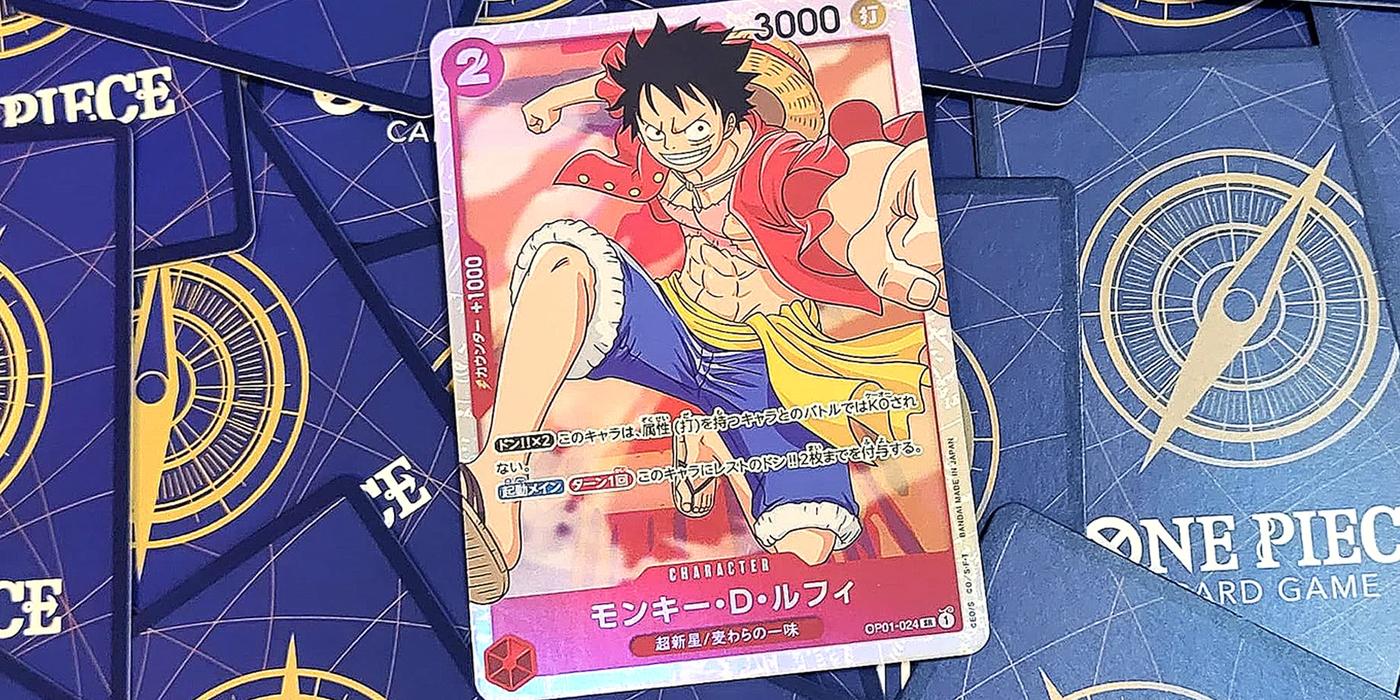
Alt art One Piece cards are the special illustration versions of a character — same card function, different (usually way better) artwork — and they carry a premium because pull rates are low and demand from players and collectors overlaps hard. That premium can range from a few bucks over the base card to hundreds of dollars depending on the character, the set, and how clean the copy is.
I've been cracking OP boxes since OP-01 was still sitting on shelves nobody wanted, and the alt art chase is honestly the main reason a lot of us keep buying this game. Base rares are fine. Alt arts are why people record themselves opening boxes.
What Makes an Alt Art One Piece Card Different
Bandai slots alt art versions of certain Leaders and characters into most sets, usually at Super Rare or Secret Rare rarity, sometimes even reprinting a common character at a wildly higher rarity just because the art is special. A card's letter-and-number rarity (C, UC, R, SR, SEC) tells you the print slot, but it doesn't automatically tell you the value — two SR alt arts from the same set can sell for completely different prices based on who's on the card. If you're still fuzzy on how the rarity system actually works, the One Piece rarity guide breaks down every tier and where alt arts typically land.
What separates a real chase alt art from a "meh, cool art but nobody wants it" alt art usually comes down to three things: is the character actually popular (Luffy, Law, Shanks, Zoro sell themselves), is the art genuinely a departure from the normal style, and is the card actually good on the table. A busted alt art on a card nobody plays still sells fine to collectors, but a busted alt art on a card people are also running in competitive decks moves way faster.
How Alternate Art One Piece Value Gets Set
Nobody sets a fixed price on these things — the market does, and it moves. Alternate art One Piece value comes down to pull rate, print run, and whether the set is still in production or long out of print.
A few patterns I've noticed after tracking this stuff for a couple years:
- Leader alt arts tend to hold value better long-term than character alt arts, because every deck needs exactly one Leader and people building around a specific Leader alt art will pay up for the matching sleeve-worthy card.
- OP-01 alt arts as a category got a big bump once the game proved it wasn't a flash in the pan — early sets always look expensive in hindsight.
- Manga-style alt arts (black and white, panel-lifted art) split the community. Some collectors love them, some think they're a lazy insert. That disagreement actually keeps prices a bit more volatile than the full-color painted alts.
- Convention-exclusive or box-topper alt arts (the ones only available through prize packs or events) sit in their own tier entirely since the print run is tiny compared to a normal set pull.
Prices can move quickly around new set releases, anime arcs airing, or a character getting hyped in the manga, so anything I mention below is a snapshot based on recent sales, not a prediction of where it's headed. If you want to track live numbers instead of taking anyone's word for it, the One Piece price guide updates off actual sold listings rather than asking prices.
Best Alt Arts One Piece Has Printed So Far
Ask ten collectors for the best alt arts One Piece has ever printed and you'll get ten different lists, but a few names come up constantly whenever this conversation happens at a locals event or on Discord:
- Nami (OP-01, the Kabocha/pumpkin-style parallel) — one of the earliest cards to prove the community would chase art over playability.
- Yamato alt arts across multiple sets — consistently strong demand since she's a fan-favorite character with genuinely striking illustration choices.
- Shanks Leader alt arts — Leader alt arts of a top-tier character basically never cool off completely.
- Luffy Gear 5 alt arts — anything Gear 5 spiked hard the moment that arc hit anime, and alt versions spiked harder.
- Law and Zoro SR/SEC alts from newer sets — both characters have deep competitive relevance which keeps demand from purely collector-driven and adds a playability floor under the price.
None of these are locked in at a specific number forever — I've watched supposedly "safe" alt arts drop 30% after a reprint announcement and watched sleeper alts triple after a single anime episode. If you're trying to figure out what the biggest names in the game are actually worth right now, the most expensive One Piece cards page is a good gut check before you assume your pull is life-changing.
Why Some Alt Arts Underperform
Not every alt art holds up. A lot of early-set alt arts of side characters nobody plays or even really remembers just sit flat for years. Overprinted sets are the other killer — if a set got restocked constantly at retail, the alt arts from it usually stay cheap no matter how good the character is, because supply never actually got tight. Scarcity plus demand is the whole game. Either one alone isn't enough.
Checking Your Own Card's Value Before You Sell or Trade
If you pulled something and you're trying to figure out if it's actually worth grading or just worth sleeving and moving on, don't eyeball it off a random eBay "Buy It Now" listing — those are asking prices, not sold prices, and they're routinely double what a card actually closes for. Run it through the card value checker to get a number based on real completed sales instead of wishful listings.
Condition matters more on alt arts than on base rares, honestly, because collectors buying these are pickier — they want the art to look perfect, not just the card to be functional. Whitening on a border stands out way more against a busy full-art illustration than it does on a plain-bordered common. Before you decide a card's grade-worthy, check the centering since off-center alt arts get bounced down a full grade constantly, and centering issues are the single most common reason a pack-fresh alt art doesn't come back at a 10.
Grading and Counterfeit Risk on High-Value Alt Arts
Once a card starts selling in the hundreds, fakes show up. It's just how it goes with any hobby that gets real money attached to it. Before you buy a pricier alt art secondhand — especially older OP-01/OP-02 secret rares — it's worth running through a fake card check since counterfeiters have gotten noticeably better at foil texture and card stock over the last year or so.
If a card's condition looks strong and the value justifies it, grading can add real trust when you go to sell, since a graded 9 or 10 removes the "trust me" element for a buyer. The card grader tool gives you a reasonable pre-check estimate, and the grading guide walks through what actually separates a 9 from a 10 on these — it's usually corners and centering, not some mystery factor.
Top One Piece Cards by Value Right Now
These carry some of the highest estimated market values on CardTrack today. Figures are based on recent sales and can move quickly, so treat them as a snapshot:
Frequently Asked Questions
What's the difference between a parallel and an alt art in One Piece TCG? "Parallel" is a broader term for any non-standard print of a card, while "alt art" specifically means the illustration itself is different from the base version. Some parallels just add foil or texture to the same art — those aren't true alt arts even though people sometimes use the terms loosely.
Do alt art One Piece cards hold their value over time? It depends heavily on the character and the set's print run — Leader alt arts and cards tied to competitively strong characters tend to hold up better than niche character alts from overprinted sets. Prices can move quickly with anime episodes, reprints, or new set hype, so treat any current number as a snapshot, not a guarantee.
Are manga-style alt arts worth more than full-color alt arts? Not consistently — it really comes down to which specific card and how limited the print was. Some manga-style alts command a premium because collectors see them as harder to pull, others sit flat because the community just prefers painted-style art.
How can I tell if my alt art One Piece card is a fake? Check the card stock thickness, the foil pattern under light, and font consistency on the text box against a known legit copy — counterfeits usually get at least one of these slightly wrong. Running it through a fake card check alongside a side-by-side comparison to sold listings is the safest way to confirm before you pay real money for it.
Data and sources behind this article
CardTrack data pages: One Piece Rarity · One Piece Prices · One Piece Most Expensive · One Piece Card Value Checker · One Piece Card Centering · One Piece Fake Card Check · One Piece Card Grader · One Piece Grade
Latest One Piece market report · live
September 2026 — Nico Robin (Emperors In The New World) led the One Piece Card Game card market, up 73.7% over the past 30 days. 1 September 2026
Go to the numbers: Sets · Set completion cost
Comments
No comments yet — be the first to weigh in.