Are Common One Piece Cards Worth Money?
Card values in this article's embedded cards are live from CardTrack's catalogue as of 22 June 2026; figures quoted in the text are as at publication.
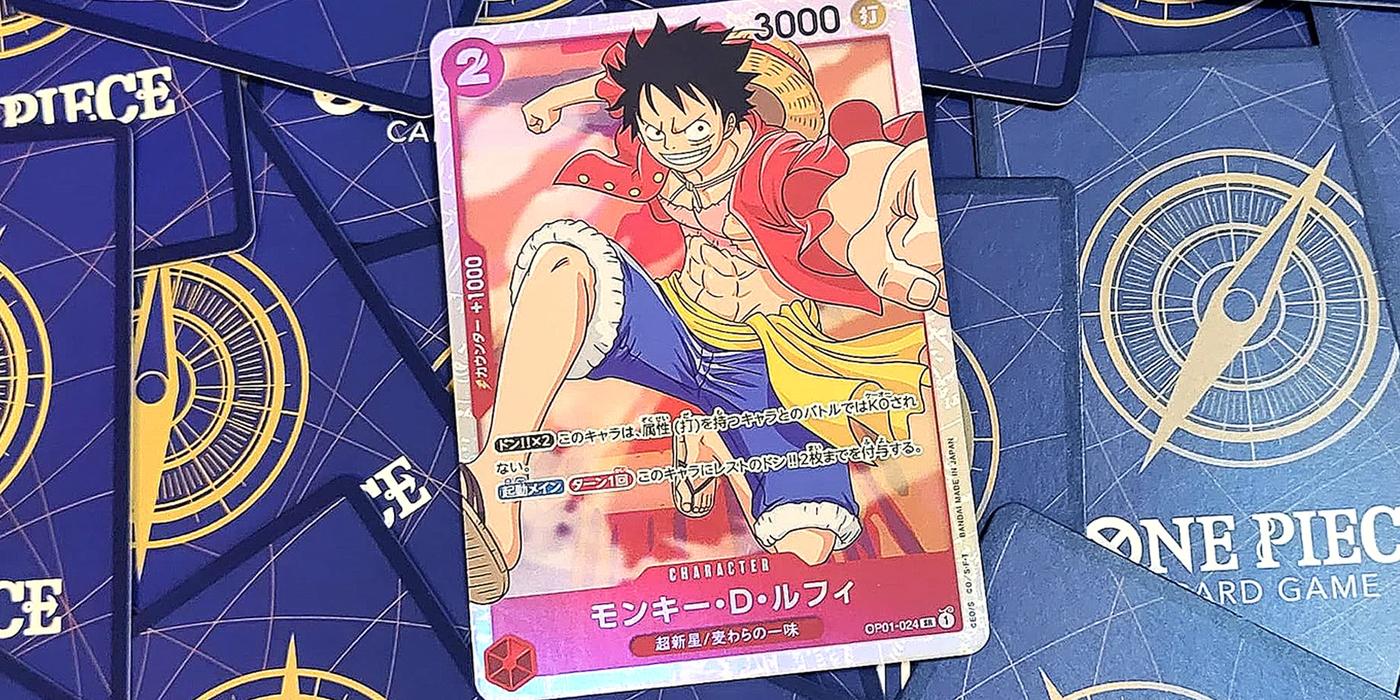
Short answer: most One Piece common cards worth money are worth basically nothing on their own, a few cents to maybe a dollar, but that's not the whole story. Some commons from early sets or with alt-art treatments actually hold value, and bulk commons add up faster than people think when you're sitting on a few thousand of them.
I get asked this a lot at locals. Somebody cracks a box of OP-01 or Paramount War, pulls a wall of commons, and wants to know if any of it is cash. The honest answer is "it depends on the card, the set, and how many you've got." Let me break down how I actually think about it.
What Makes a One Piece Common Card Worth Anything
Rarity in this game isn't a straight line from common to secret rare like some other TCGs. A "C" on the card just tells you the print rarity, not the demand. If you haven't looked at how OP grades its cards, the rarity guide breaks down the difference between commons, uncommons, rares, and the leader/secret tiers — worth five minutes if you're new to the game.
That said, a few things push a common above the "junk bin" price:
- It's a playable staple. Some commons see play in competitive decks because of their effect, not their rarity. If a deck archetype is popular, demand for the common that makes it work goes up.
- It's from an early or low-print set. OP-01 commons in good condition have held a little more value than later sets simply because early print runs weren't huge and a chunk got damaged or binder-worn before people knew to sleeve everything.
- It has an alternate art version. A lot of people forget commons can have parallel or alt-art prints. Those aren't "common" in practice even if the rarity letter says otherwise.
- It's tied to a popular character. Luffy, Zoro, Shanks — cards with fan-favorite characters tend to sell faster even at low prices, which matters if you're trying to offload a stack.
Individual Commons vs. Bulk: Where the Real Money Is
Selling one common at a time is usually a waste of your time. Shipping alone eats the profit. Where commons actually make sense financially is in bulk.
One piece bulk cards value works differently than singles. Buyers — usually other players building decks, or people doing set collections — will pay a flat rate per hundred or per thousand cards, sorted by set. I've seen bulk commons/uncommons go for roughly $10 to $25 per thousand depending on set and condition, sometimes more if the set is newer and people still need pieces for want-lists. It's not exciting money, but if you've got 5,000 cards sitting in a box doing nothing, it's better than nothing.
A few practical notes if you're going the bulk route:
- Sort by set first. Buyers pay more for sorted bulk than a mixed pile they have to sort themselves.
- Condition matters less for bulk sales than for singles, but cards that are bent or water damaged usually get tossed from the count entirely.
- Don't bother grading bulk commons. Grading costs more than the card is worth in almost every case — save that for the cards that are actually chase pieces.
Checking If Your Specific Common Is Worth Something
Before you assume a stack of commons is worthless, it's worth spot-checking a few. Card names, set codes, and specific print numbers matter here — "OP01-016" is a different animal than a generic "Luffy common."
I usually run cards through a card value checker before deciding whether something's bulk fodder or a keeper. It's a faster way to get a read on current numbers than scrolling through marketplace listings for twenty minutes. You can also browse the full price guide if you want to see how a whole set is trending, common through secret rare, side by side.
If a card looks like it might actually be worth grading — meaning it's in genuinely clean shape, no whitening on the edges, sharp corners — check centering first. A common in a PSA 10 holder is still just a common in most cases, so don't throw money at grading unless the card has real demand behind it. The card grader tool and the centering checker are free ways to see if a card's even in the range worth paying to slab.
Commons That Actually Broke the Trend
Every set has one or two commons that quietly outperform. Early on, some commons attached to strong effects in aggro or rush-style decks jumped in price for a few months purely on tournament demand, not rarity. That's the exception, not the rule, and prices can move quickly once a deck falls out of favor and the card's original hype fades.
If you're curious what the actual top end of this game looks like — the stuff that isn't commons at all — the most expensive cards page is a good reality check. It puts common card value in perspective fast. We're talking cents versus cards pulling four and five figures.
Sets Matter More Than You'd Think
Not all commons are created equal just because they share a rarity letter. A common from a small, low-print starter deck can behave differently than a common from a mainline booster set that got printed by the millions. If you're trying to figure out where your cards fall, the sets list is a decent way to check print context — starter deck exclusives, structure decks, and mainline boosters all have different supply levels feeding the secondary market.
Top One Piece Cards by Value Right Now
These carry some of the highest estimated market values on CardTrack today. Figures are based on recent sales and can move quickly, so treat them as a snapshot:
Frequently Asked Questions
Are any One Piece common cards actually worth money? A small number are, usually because they're playable in a competitive deck, come from an early low-print set, or have an alt-art version. Most commons sit in the cents-to-a-dollar range based on recent sales, and that's normal for the rarity tier.
Is it worth grading a common One Piece card? Almost never. Grading costs more than most commons are worth even in perfect condition, so it only makes sense for the rare common that has real demand, like a tournament staple or alt-art chase piece.
How much is bulk One Piece cards worth? Sorted bulk commons and uncommons typically sell in the range of $10 to $25 per thousand cards depending on set and condition, though this shifts as new sets release and demand for specific sets changes.
What's the fastest way to check if my common cards are worth anything? Run the specific card numbers through a value checker rather than guessing off memory, since set code and print version change the number a lot. It's also smart to double check anything that looks unusual against a fake card checker before assuming it's a rare variant.
Data and sources behind this article
CardTrack data pages: One Piece Rarity · One Piece Card Value Checker · One Piece Prices · One Piece Grade · One Piece Card Grader · One Piece Card Centering · One Piece Most Expensive · One Piece Sets · One Piece Fake Card Check
Latest One Piece market report · live
September 2026 — Nico Robin (Emperors In The New World) led the One Piece Card Game card market, up 73.7% over the past 30 days. 1 September 2026
Go to the numbers: Compare two cards
Comments
No comments yet — be the first to weigh in.