A Beginner's Guide to Collecting the One Piece TCG
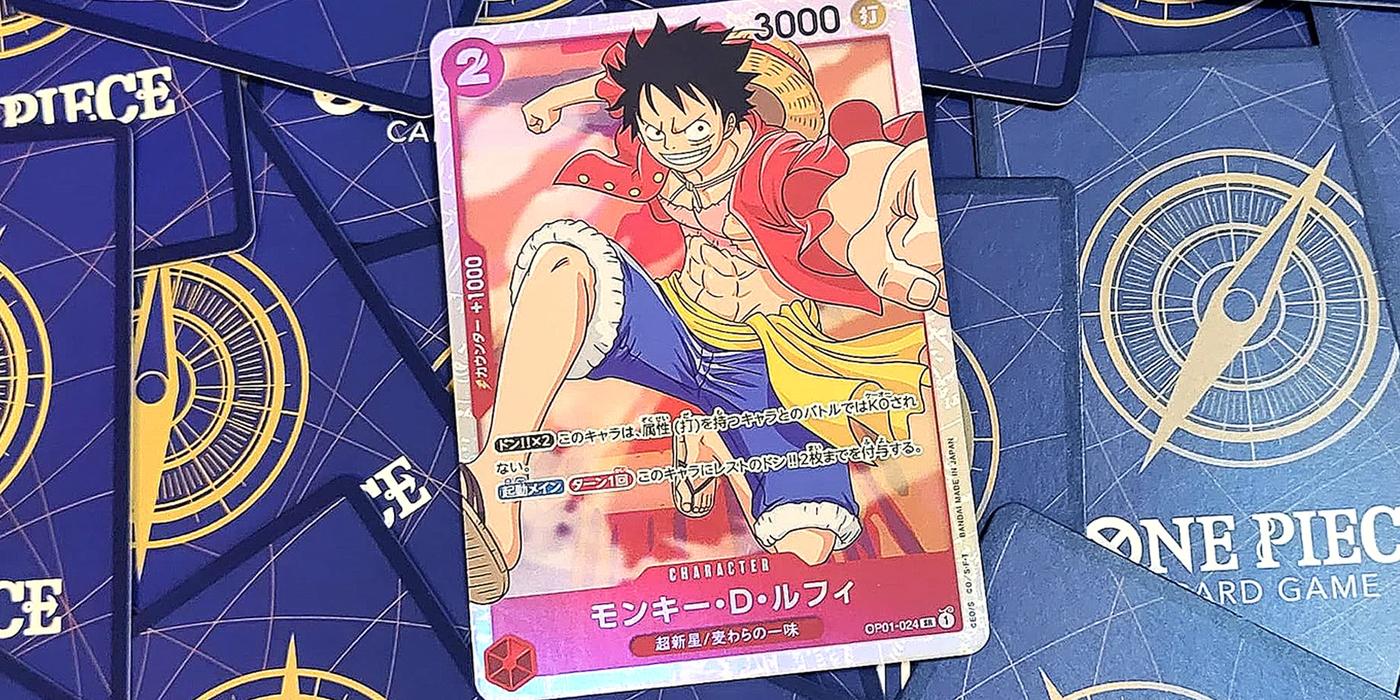
If you're wondering how to start collecting One Piece cards, the short answer is: pick a set you actually like, learn the rarity system before you buy anything expensive, and start small with a booster box or a few singles instead of chasing chase cards on day one. I've been buying, opening, and selling this game since OP-01 dropped, and I've made every mistake a new collector can make so you don't have to.
This game blew up fast. What started as a niche import for manga fans turned into one of the biggest TCGs on the secondary market in about two years. If you're just getting into it, the One Piece TCG hub is a good place to bookmark while you're learning, since it links out to pretty much everything else you'll need as you go.
Why One Piece TCG Collecting for Beginners Feels Overwhelming at First
I get why new collectors freeze up. There are a dozen+ sets already out, alt-art rates that seem to change every release, and a resale market where a single card can be worth $2 or $200 depending on the print run and the artwork variant. Add in the fact that Bandai reprints some cards and not others, and you've got a hobby that looks simple on the surface but has real depth once you're a few sets in.
The good news: you don't need to understand all of it before you buy your first pack. You need to understand enough to not get burned.
Learn the Rarity System Before You Spend Real Money
This is the single biggest thing that separates a smart starting One Piece card collection from one that stalls out after a month. One Piece uses a rarity structure that looks like this, roughly low to high:
- Common (C)
- Uncommon (UC)
- Rare (R)
- Super Rare (SR)
- Secret Rare (SEC)
- Leader (L) — leaders have their own tier regardless of rarity letter
- Special Card (SP) and Parallel prints, which cut across the above
Then you've got alternate art versions of Rares, Super Rares, and Leaders that carry way more value than the base print of the same card. A Nami SR from OP-01 in a normal print might run you a few bucks. The alt-art Manga Rare version of a chase card from the same set can go for hundreds based on recent sales.
I'd genuinely tell any beginner to spend twenty minutes with a proper rundown of how this all fits together before buying anything above a booster pack. There's a full rarity guide that breaks down every tier and what to actually look for on the card itself — foiling, the little symbol in the corner, the border treatment. Once you can identify rarity on sight, you stop overpaying and stop underselling.
Decide What Kind of Collector You Actually Want to Be
Before you buy a single card, be honest with yourself about why you're doing this. It changes everything about how you should spend your money.
Set collectors
You want one of every card in a set, commons included. This is the cheapest way to enjoy the hobby long-term but it's a grind — commons are easy, the last few SRs and SECs you need are not.
Character or crew collectors
You only care about Luffy, or only Zoro, or only the Straw Hat crew across every set. This narrows your buying dramatically and it's how a lot of long-term collectors keep costs sane while still building something personal.
Investment-minded collectors
You're buying with an eye on value. I'll be straight with you here — I'm not going to tell you a card is going to go up in price, because nobody honestly knows that, and prices in this hobby move fast in both directions. What I will say is that if this is your angle, you need to get comfortable reading sales data instead of asking price on a card. A price guide that tracks recent sales rather than asking prices is a much better gut-check than scrolling marketplace listings and assuming that's what a card is worth.
Most people end up some blend of all three. That's fine. Just don't pretend you're a set collector while dropping $150 on a single alt art — know what you're actually doing.
Booster Boxes vs Singles: Where Beginners Should Actually Put Their Money
New collectors almost always want to start by ripping packs. I understand the appeal — it's fun, it feels like gambling in a good way, and pulling your own alt art hits different than buying one online. But let's talk numbers honestly.
A booster box typically runs somewhere in the $90–$140 range depending on the set and how hot it is at the time. You're getting 24 packs. Realistically, most boxes give you a handful of Rares, a couple SRs if you're lucky, and maybe one SEC or better if the set's average pull rate holds. There's no guarantee you pull the specific card you want.
If there's a specific card you're after — say, a particular Leader for a deck you're building, or a character card for a personal collection — buying that single card directly is almost always the more efficient move than opening boxes hoping to hit it. Save the box-breaking for when you want the experience itself, not when you're chasing one card.
For actual starting One Piece card collection budgets, here's roughly how I'd think about it:
- Under $50: buy a couple of packs for the experience, then put the rest into 2–3 specific singles you actually want.
- $50–150: one booster box of a set you like, or a mix of singles across a couple of sets to get a feel for different art styles and mechanics.
- $150+: this is where I'd slow down and read up before spending. Look at what you're actually buying — condition, rarity, whether the print is a first run or reprint — instead of impulse-buying because a card looks flashy in a listing photo.
Know Which Sets to Start With
You don't have to start at OP-01 just because it's first. A lot of beginners actually have more fun starting with a more recent set because the card pool is bigger, the art has improved, and singles for commons and uncommons from older sets are cheap enough to backfill later.
That said, OP-01 (Romance Dawn) has a certain foundational appeal — it's the set everyone else references, it introduced Leaders like Luffy and Shanks, and some of its SEC cards are now genuinely expensive based on recent sales, not just hype. If you want the full picture of everything that's released so far, the sets list lays out every main set and structure deck in order, which is honestly the easiest way to see how the game has evolved.
My honest advice: pick whichever set has your favorite characters or art. You'll enjoy collecting a lot more when you actually like what you're holding.
Protect What You Buy From Day One
This part gets skipped constantly and it's the one that costs people the most money long-term. Cards lose value fast when they get bent, scuffed, or centered badly out of the pack. Sleeve everything the second it comes out of a pack — a cheap penny sleeve plus a rigid card saver is enough for most of your collection. Anything you consider a real keeper deserves a hard case or a toploader.
Centering matters more in this game than people expect, especially on the alt arts where the border is thin and any shift is obvious. If you're on the fence about whether a card is worth submitting for grading, it's worth running it through a centering check first — it takes the guesswork out and tells you if the centering is actually good enough to justify the grading fee.
Should Beginners Get Cards Graded?
Not right away. Grading costs money and takes time, and it only really pays off on cards that are already valuable enough to justify the fee — rare alt arts, SEC cards, first-print Leaders in strong condition. Grading a common to protect it is a waste of a submission slot.
If you do have a card you think is grade-worthy, read through an actual grading guide first so you know what graders are looking at — surface, corners, edges, centering — before you pay to send it in. And if you're ever unsure what a graded card would realistically pull versus raw, there's a card grader tool that gives you an estimate based on the card's current condition markers, which is a lot more useful than guessing.
Watch Out for Fakes
This is unfortunately part of the hobby now. As One Piece cards climbed in value, counterfeits followed — mostly on the higher-end alt arts and SEC cards where the payoff for a scammer is bigger. Fakes usually give themselves away through color saturation that's slightly off, a texture on the foil that feels wrong, or text that's subtly misaligned, but none of that is obvious to someone new.
If you're buying a higher-value single from anywhere other than a trusted local shop, it's worth running it past a proper fake card checker before you finalize the purchase, especially for anything bought sight-unseen online. I've seen collectors get burned on this more than any other single issue in the hobby, and it's almost always avoidable with five minutes of checking.
Figure Out What Your Cards Are Actually Worth
Once you've got a few sets going, you'll want a real sense of what your collection is worth — not for bragging rights, just so you know what you're holding and can make sensible decisions if you ever want to sell or trade. Estimated market value on any given card can shift week to week depending on tournament results, anime episodes airing, and what's currently in the newest set, so don't treat any one number as fixed.
A card value checker is the fastest way to get a current estimate on a specific card without digging through marketplace listings yourself. And if you're curious just how far the top end of this game goes, the list of the most expensive One Piece cards sold to date is a good reality check on what's possible at the very top of the market — though I'd say most collectors will never own anything near that tier, and that's completely fine.
A Realistic First Month for a New Collector
If you want an actual plan instead of just advice, here's roughly what I'd do in your shoes:
1. Read up on rarities so you can identify what you're looking at. 2. Pick one set based on characters or art you like, not hype. 3. Buy a small mix — a few packs plus one or two singles you actually want. 4. Sleeve everything immediately. 5. Check condition and centering on anything that looks like a real keeper. 6. Hold off on grading until you've got a card that clearly justifies it. 7. Start tracking estimated values just so you understand how this market moves, not to obsess over it.
That's genuinely it. The hobby rewards patience way more than it rewards impulse buying, and the collectors I know who've stuck with this game the longest are the ones who bought what they liked first and worried about value second.
Top One Piece Cards by Value Right Now
These carry some of the highest estimated market values on CardTrack today. Figures are based on recent sales and can move quickly, so treat them as a snapshot:
Frequently Asked Questions
What's the cheapest way to start collecting One Piece cards? Buy a few individual packs from a recent set plus one or two singles of characters you actually like, rather than a full booster box. It keeps your first purchase under $30–40 and still gives you the pack-opening experience without much financial risk.
Do I need to buy every set to have a real collection? No. Plenty of collectors focus on one character, one crew, or just their favorite couple of sets. A focused collection is usually more satisfying and cheaper to maintain than trying to chase every release.
Are One Piece cards a good investment? I'm not going to tell you to buy cards as an investment — prices can move quickly in either direction, and nobody can promise a card's value will rise. If you're collecting with resale in mind, treat estimated market value as informational and base decisions on your own research, not hype.
How do I know if my One Piece card is a fake? Check foil texture, color saturation, and text alignment against a known-genuine copy of the same card — fakes usually get one of those slightly wrong. Running the card through a dedicated fake card checker before buying or selling is the safest way to confirm it without guess
Comments
No comments yet — be the first to weigh in.