Are 1st Edition Yu-Gi-Oh Cards Worth More? (1st Ed vs Unlimited)

So are first edition yugioh cards worth anything? Yeah, usually — but not always, and not by the margin most people assume. A 1st Edition card from a set that got reprinted a hundred times might sell for the same two bucks as the unlimited version. A 1st Edition from a set that barely got a second print run can go for real money. It's all about scarcity, not the "1st Ed" text itself.
I've been collecting since the Legend of Blue Eyes days, and I still see people post their binders online thinking every 1st Edition card is a goldmine. It's not that simple. Let me break down how this actually works.
What "1st Edition" Actually Means on a Yu-Gi-Oh Card
When Konami (well, back then it was Upper Deck handling the US release) prints a new set, the first print run gets stamped with "1st Edition" in small text, usually near the card number on the bottom left. Once that first run sells through, later reprints drop the stamp and just become "Unlimited" — no wording at all, or in older cards sometimes you'll see "Unlimited Edition" written out.
Some sets only ever got a single print run. Legend of Blue Eyes White Dragon (LOB) is the classic example — Konami didn't expect the game to blow up the way it did, so that first print was small, and unlimited LOB cards are almost as scarce as the 1st Editions because there wasn't much reprinting demand once the game's popularity exploded and newer sets took over shelf space.
Compare that to something like Rise of Destiny or Cybernetic Revolution from the mid-2000s, where Konami reprinted unlimited copies for years because the game was still hot. In cases like that, 1st Edition doesn't carry much of a premium because unlimited copies aren't scarce at all — supply just kept flowing.
Are 1st Edition Yugioh Cards Worth Anything More Than Unlimited?
Here's the honest answer: it depends entirely on the print history of that specific set, not on the 1st Edition mark alone.
Some real patterns I've seen when checking sales data:
- LOB Blue-Eyes White Dragon (1st Edition): commands a serious premium over unlimited, since 1st Ed LOB packs are brutally hard to find sealed and most raw copies floating around are played.
- Metal Raiders 1st Edition commons/rares: modest bump over unlimited, nothing crazy, because Metal Raiders got several print runs.
- Pharaoh's Servant 1st Edition Jinzo: noticeably higher than unlimited, because that set's 1st print was tiny compared to demand at the time.
- Modern sets (2020s onward): 1st Edition basically doesn't exist anymore for most mainstream releases — Konami largely moved to Unlimited-only prints outside of special products, so this whole conversation matters way more for vintage cards than anything from the last several years.
If you want to see how wide this gap actually gets card by card, I'd check a proper Yu-Gi-Oh price guide instead of trusting whatever number gets repeated in Facebook groups. Prices move fast, and what a card sold for six months ago isn't always where it sits now.
How to Tell 1st Edition Yugioh Cards From Unlimited
This is where I get the most questions, because the print is small and easy to miss if you're not looking in the right spot.
Where to Look on the Card
Flip to the bottom left corner of the card, right by the card number (the little code like LOB-001). On a 1st Edition card, you'll see "1st Edition" printed in gold or black text just above or beside that number. On an Unlimited card, that space is just blank.
A few things trip people up:
- Limited Edition vs 1st Edition — these are different things. Limited Edition cards were given out at tournaments or came in promotional tins, and they say "Limited Edition" instead, often with a different rarity symbol like a sword or star icon depending on the release.
- Some Asian-English prints don't use "1st Edition" wording at all — Asian-English (like the ones printed for Southeast Asia) sets sometimes have their own edition markings, so don't assume a card without the stamp is automatically a fake or a later print without checking which region it came from.
- Font and placement changed slightly across eras — older cards from 2002-2004 have a slightly different font weight than cards from 2010 onward, so don't panic if two 1st Ed cards from different sets don't look identical letter for letter.
If you're holding an old binder and can't remember what a stamp is supposed to look like on a specific set, cross-reference it against the sets list so you know exactly what year and print run you're dealing with before you decide it's something special.
First Edition Yugioh Cards How to Tell — Common Mistakes People Make
I see this constantly in trade groups and at locals:
- People confuse "Unlimited" with "no edition printed at all" and think it's a misprint. It's not — that's just the standard unlimited stamp (or lack of one).
- People assume foil wear or print lines mean a card's fake, when it's often just factory print variance from that era. If you're genuinely suspicious, run it through a proper fake card checker rather than guessing off a forum photo.
- People forget that rarity and edition are two separate things. A 1st Edition Common isn't worth more than an Unlimited Secret Rare of the same card just because it says "1st Edition." Rarity usually matters more than edition stamp. If you're fuzzy on how the rarity tiers work, the rarities guide breaks down Common through Ghost Rare and everything between.
Why Some 1st Edition Cards Are Worth Way More Than Others
This is the part people skip past. It's not the stamp — it's the story behind the print run.
Print run size matters more than anything. LOB, Metal Raiders, and Pharaoh's Servant were printed when nobody at Konami/Upper Deck knew Yu-Gi-Oh was about to become a massive hit in the West. Once the game exploded, demand for those early sets massively outpaced how many were printed, and there wasn't much point reprinting 1st Edition stock once the initial run sold — Konami just moved to unlimited for future runs. That's why early 1st Ed cards from those sets carry a real premium today.
Reprints and structure decks reset the market. Cards like Dark Magician or Summoned Skull got reprinted so many times across structure decks and starter sets that even the original 1st Edition copies don't command crazy prices, because the card itself isn't scarce — only that specific print run is, and most buyers don't care which print run they get as long as it's playable or looks decent.
Condition compounds everything. A 1st Edition LOB Blue-Eyes in played condition with whitening on the edges is worth a fraction of a crisp near-mint copy. If you're trying to figure out where your card actually lands, get an honest look at the corners and surface using something like a card grader, and check how well-centered the print is with a centering tool before you get too excited about a number you saw online. Off-center prints are common in vintage sets and can tank the grade even if the card looks fine at a glance.
If you want a sense of just how far the ceiling goes on 1st Edition rarities, the most expensive Yu-Gi-Oh cards list is a good reality check — most of the top entries are 1st Edition, low-print vintage cards in near-mint or better condition, not random pulls from recent sets.
Top Yu-Gi-Oh Cards by Value Right Now
These carry some of the highest estimated market values on CardTrack today. Figures are based on recent sales and can move quickly, so treat them as a snapshot:
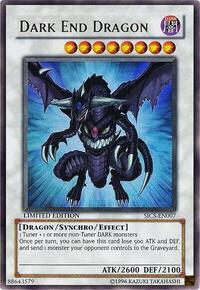 Dark End DragonShonen Jump Championship Series Prize Cards · #SJCS-EN007$5,000View live price on CardTrack →
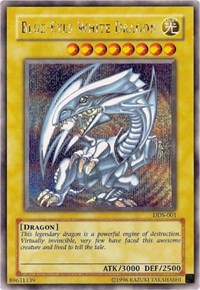 Blue-Eyes White Dragon (Dark Duel Stories)Yu-Gi-Oh! Video Game Promotional Cards · #DDS-001$3,000View live price on CardTrack →
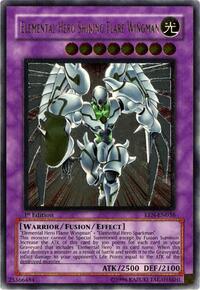 Elemental Hero Shining Flare Wingman (UTR)Elemental Energy · #EEN-EN036$1,250View live price on CardTrack →
Frequently Asked Questions
Are 1st edition Yugioh cards worth anything if they're from a recent set? Usually not much extra, since Konami doesn't really do limited 1st Edition print runs for most modern mainstream releases the way they did in the early 2000s. The premium mostly applies to vintage sets from the LOB-through-Pharaoh's Servant era where print runs were genuinely small.
How can I tell if my card is 1st Edition without looking it up online? Check the bottom left corner next to the card number for the small "1st Edition" text in gold or black. If that spot is blank, it's Unlimited, and if it says "Limited Edition" instead, that's a separate promotional category entirely.
Does 1st Edition always mean higher value than Unlimited? No — it depends on how many times that set got reprinted. Some sets like LOB have a big gap between 1st Ed and unlimited prices, while heavily reprinted sets show almost no difference between the two.
Can a fake card have a 1st Edition stamp added to it? Yes, counterfeiters do fake the stamp on reprints of valuable cards like Blue-Eyes White Dragon, so it's worth checking suspicious cards through a dedicated checker rather than trusting the stamp alone. Based on recent sales data, cards with authentication or professional grading tend to sell with far more buyer confidence than raw claims of "1st Edition" in a listing title.
Comments
No comments yet — be the first to weigh in.