Are One Piece Cards Worth Anything? What Drives Value
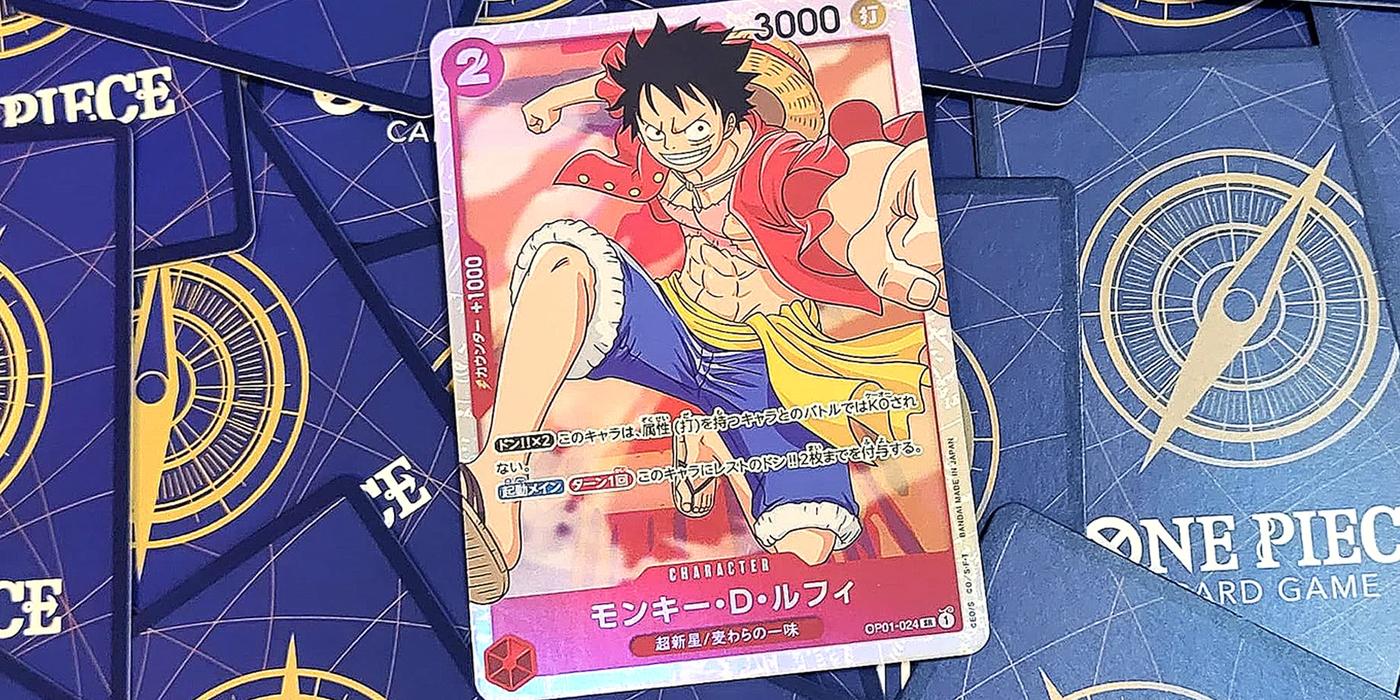
Yes, some One Piece cards are worth real money — a handful of chase cards trade for thousands, and plenty of common alt-arts sit comfortably in the $20-100 range. Most cards from your average booster box, though, are worth a few cents to a few dollars. The gap between "worth anything" and "worth a lot" comes down to a short list of factors: rarity, print run, condition, and whether the character on the card actually matters to players and collectors.
I've been opening this game since the English OP-01 release, and I've bought, sold, and graded enough of these to know the honest answer isn't exciting. It's "it depends," but I can tell you exactly what it depends on.
What Actually Makes a One Piece Card Worth Money
Rarity is the obvious starting point, but it's not the whole story. A Super Rare (SR) from a low-print set can outsell a Secret Rare (SEC) from a set that got reprinted six times. Print runs matter more than the letters on the card.
Here's the rough hierarchy of what tends to drive value, from most to least important in my experience:
- Character relevance. Luffy, Zoro, Shanks, Law — cards featuring the main cast almost always carry a premium over side characters, even at the same rarity.
- Alt-art status. Parallel and alternate-art versions of Leaders and characters get chased hard, especially the manga-style ones.
- Print run / set scarcity. Early sets like OP-01 and some of the Japanese-exclusive promos had smaller runs before Bandai ramped up production.
- Condition. A played, whitened-edge card and a pack-fresh copy of the same print can differ by 300% or more in what buyers will pay.
- Tournament relevance. Cards that see play in competitive decks hold value better than cards that just look nice sitting in a binder.
If you want to see this play out in real numbers rather than take my word for it, the One Piece price guide tracks recent sales across sets, and it's the fastest way to get a feel for where things actually land instead of guessing.
So, Are One Piece Cards Worth Anything?
Short answer: yes, but the average card in a booster pack is not going to fund your rent. Out of a typical 12-card pack, you're usually looking at commons and uncommons worth pocket change, one rare that might hit a dollar or two, and maybe an SR if you're lucky that could land anywhere from $5 to $80 depending on the character and art.
The cards people ask about — the ones worth genuinely serious money — are almost always one of these:
- Manga-rare alternate arts of major Leaders
- Special/anniversary promo cards given out at Bandai events
- Early Japanese SEC and Special (SP) cards from OP-01 through OP-04
- Winner cards from official tournaments (these were never sold retail)
A tournament Winner card is a completely different animal from a pulled SEC. Those were print runs in the low hundreds, given only to event winners, and that scarcity is why some have sold for four figures. Compare that to a pulled Secret Rare from a recent set, where Bandai might have printed tens of thousands.
How Much Are One Piece Cards Worth, Realistically?
People want a number, so here's a rough breakdown based on what I've seen move on the secondary market recently. Prices shift constantly, so treat these as ballpark, not gospel.
Commons and Uncommons: Mostly $0.10 to $1. A handful of playable staples (removal effects, cheap events with good text) hold a small premium because decks need four copies.
Rares: Usually $1 to $10. Leader cards in this tier can go higher if they're strong in the current meta.
Super Rares: Wide range, roughly $5 to $150. This is where character popularity really swings the number. An SR Nami might sit at $15 while an SR Shanks from the same set clears $80.
Secret Rares: Typically $30 to $400+ for pulled copies in near-mint condition. Manga-style SECs of fan-favorite characters are consistently the strongest performers in this tier.
Special/Promo/Winner cards: This is the wild card category. Some sit at $50, others — particularly early tournament prizes — have sold well into the thousands based on recent auction results.
If you're trying to figure out where a specific card of yours lands, cross-reference it against the most expensive One Piece cards list first. It won't tell you your exact card's price, but it gives you a sense of the ceiling and which sets and characters consistently punch above their rarity.
Rarity Symbols Aren't the Full Picture
New players often assume the rarity letter on the card is a direct value indicator. It's a decent starting signal, but it lies to you more often than you'd think. A Leader card marked "L" can be worth more than an SR from the same set if that Leader is dominant in tournament play. Meanwhile plenty of SECs from oversaturated sets have quietly dropped below $20.
If you're not sure how the rarity tiers actually work — Common, Uncommon, Rare, Super Rare, Secret Rare, Leader, and the Special/Promo cards that sit outside the normal numbering — it's worth reading through the rarity guide once. It'll save you from overvaluing a card just because it has a shiny border.
Set matters here too. Some sets were clearly overprinted to meet retail demand at launch, and their SECs have softened as a result. Others, especially early Japanese-only releases before the English game caught up, had tighter print runs and those cards have generally held up better. The sets list is a useful reference if you're trying to place a card in context — knowing which wave it came from tells you a lot about how scarce it actually is.
Condition Changes Everything
I've watched a "worth $40" card get offered $12 because of a soft corner and a visible scratch across the foil. Condition isn't a minor detail in this hobby — it's often the difference between a card being desirable and being a bulk-bin filler.
Centering is the big one people overlook. One Piece cards, especially the OP-01 through OP-05 print runs, are notorious for centering issues straight out of the pack. A card that looks fine to the naked eye can be 65/35 off-center once you actually measure it, and that single flaw can knock a grade down a full point or two. If you're planning to submit anything for grading, it's worth checking centering yourself first with a centering tool before you spend money on submission fees for a card that's going to grade lower than you hoped.
Grading itself has become a real factor in what buyers are willing to pay. A raw SEC and the same card graded a 9 or 10 by a reputable service can sell for meaningfully different prices, sometimes double. If you've got a card you think is genuinely gem-mint, the grading guide walks through what graders are actually looking for, and the card grader tool can give you a rough estimate before you commit.
Fakes Are a Real Problem Now
I didn't expect to be writing this section a couple years ago, but counterfeit One Piece cards have gotten noticeably better, especially copies of the expensive alt-arts and SECs coming out of overseas sellers. The fakes used to be obvious — wrong card stock, blurry text, off colors. Some of the newer ones aren't.
If you're buying a high-value card secondhand, especially anything over $50, it's worth running it through a fake card checker before you finalize anything, particularly if you're buying from a marketplace listing rather than in person from someone you trust. It takes two minutes and it's saved me from a bad purchase more than once.
Where to Actually Check Your Cards
If you've got a binder of cards and you're trying to figure out what's worth sorting from what's just going in a bulk lot, don't rely on memory or old price checks from a year ago. This market moves fast — a character can jump in value after a new anime arc airs or a card suddenly becomes relevant in the competitive meta.
Start with the price guide and search by set and card number rather than just the character name, since alt-arts and different print versions of the same character can vary wildly in price. From there, if something looks like it might be a genuine standout, check it against the most expensive cards list and think about condition before you assume the top-end number applies to your copy.
The Practical Takeaway
Most One Piece cards you pull are not going to be retirement material, and that's fine — this is still a fun game and a fun thing to collect regardless of dollar value. But a real number of cards, particularly early SECs, manga alt-arts, and tournament promos, do carry legitimate value based on recent sales, and that value is driven by character popularity, scarcity, and condition more than by the rarity letter printed on the card.
If you think you've got something worth checking, look it up properly, check the centering and condition honestly before you get excited, and confirm it's authentic before you buy or sell anything at a serious price. Prices in this hobby move quickly in both directions, so whatever number you see today is a snapshot, not a promise.
Comments
No comments yet — be the first to weigh in.