Are One Piece Cards Worth Collecting in 2026?
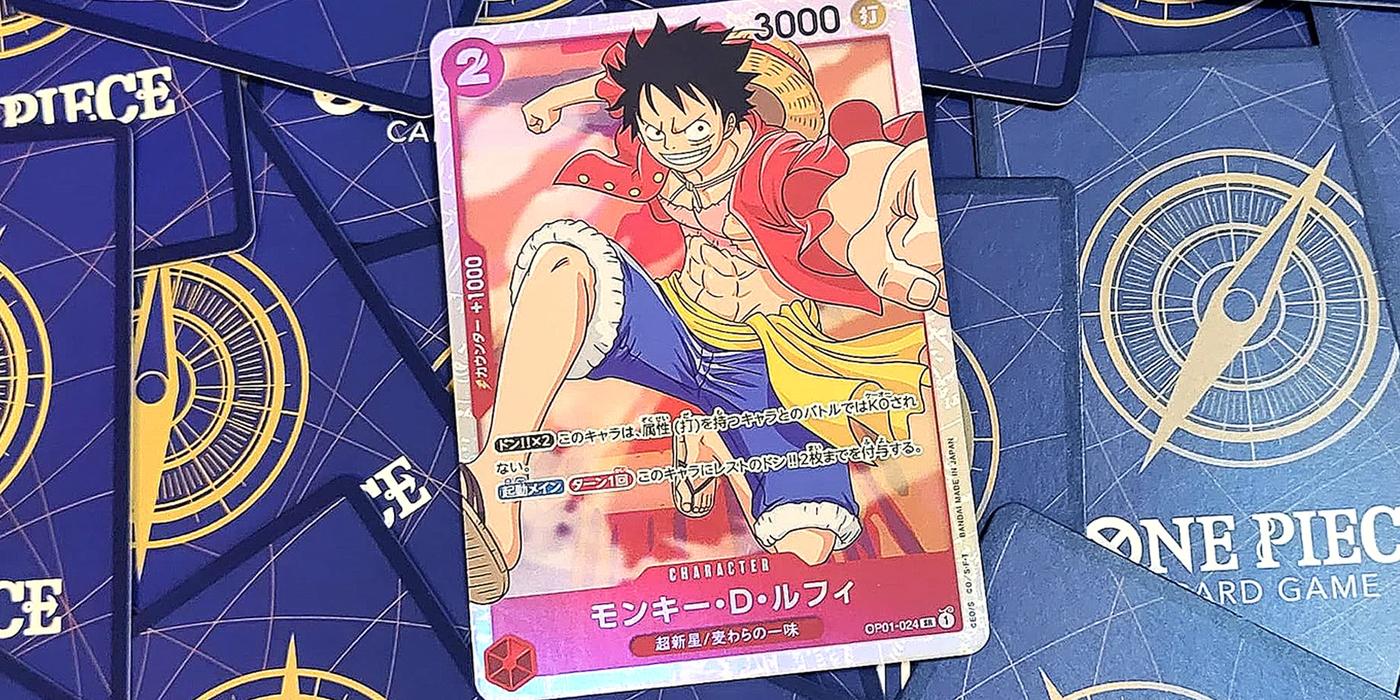
Are one piece cards worth collecting in 2026? Short answer: yes, for most people who actually like the show or enjoy playing the game, but not as some guaranteed money machine. I've been buying, opening, and selling One Piece cards since Romance Dawn dropped in English, and the honest take is that this game rewards collectors who care about the cards themselves, not just people chasing a quick flip.
If you're new to the game and want the full picture before you spend a dime, the One Piece TCG hub is a good starting point — it covers the sets, the rarities, and how the whole card game actually works.
Are One Piece Cards Worth Collecting Right Now?
I'll give you the real answer instead of a hype answer. One Piece cards are worth collecting if you're in it for the long game — the art, the characters, the nostalgia of the anime, and the fun of pulling a Special Rare Luffy or a manga-style alt art. As a pure "buy low sell high next month" scheme, it's a lot shakier than people on TikTok make it sound.
The game has grown fast since Bandai brought it West in 2022. Romance Dawn (OP01) singles that were $5-10 at release now sell for hundreds if they're in good condition, especially the Shanks Leader and the Roronoa Zoro Alternate Art. That kind of growth got a lot of attention, and now every new set launches with people camping storage units and card shops for cases. That demand is real. It's also why prices on hot new sets can spike hard on release day and then cool off a few weeks later once supply catches up.
So is one piece cards worth collecting in 2026 specifically? I'd say the game has matured past its "gold rush" phase. Bandai keeps printing more, distribution has gotten better, and that means fewer cards behave like OP01 did. You're less likely to see a random common triple in value overnight. But the top-end cards — Leader alt arts, Special Rares, Secret Rares of fan-favorite characters — still move, and move fast when a new anime arc lines up with a set release.
Why Collectors Actually Like This Game
A few things separate One Piece TCG from the pile of licensed card games that came and went:
- The art is genuinely good. Bandai uses actual manga panels and original illustrations, not just screenshots slapped on a template. The Wanted poster alt arts and the manga-panel rares are some of the best-looking cards in modern TCGs.
- It's a real, playable game. Unlike some collectible-only products, One Piece TCG has a competitive scene with regional and world championships. That gives cards a functional demand floor, not just a collector demand.
- Long-running source material. One Piece has been running for 25+ years and still isn't done. New arcs mean new characters, which means new chase cards for years to come. That's a big reason people stick with it instead of treating it like a one-season fad.
I've talked to plenty of players who started because they wanted a Zoro card for their deck and ended up with a full box of Luffys they'll never trade away. That's the hook. The game part keeps people in even when the market cools.
Are One Piece Cards Worth It as an Investment?
I need to be straight with you here: I'm not a financial adviser, and nobody should treat cardboard like a retirement account. What I can tell you is what I see in the market.
Some cards have held or grown their estimated market value well — early Leader cards from Romance Dawn, the Shanks and Kaido Special Rares from Paramount War, and certain Secret Rares from Two Legends. Others dropped hard once the initial hype faded, especially commons and uncommons from sets that got overprinted. Prices can move quickly in either direction, and a card that's $150 today based on recent sales was $40 six months ago or could be $80 in another six. Nobody's got a crystal ball on this.
If you want to track this instead of guessing, check the One Piece price guide regularly. It's a lot more useful than scrolling marketplace listings and assuming the highest asking price is the real value — asking price and sold price are two very different numbers, and that gap trips up a lot of newer collectors.
For anyone curious what the absolute ceiling looks like, the most expensive One Piece cards page is worth a look too. It's mostly graded Special Rares and one-of-a-kind promos, and it shows you what's actually possible at the top end versus what's realistic for a typical collection.
Is One Piece Cards Worth Collecting for New Players?
If you're brand new and wondering whether you should even bother getting in now versus three years ago — yes, honestly, it's a fine time. You're not late. The game has more sets, more variety, and more accessible entry points than it did at launch.
Start with structure decks or a couple of boosters from a recent set rather than dropping money chasing OP01 sealed product, which has gotten expensive purely off scarcity. Learn the rarity system before you buy anything serious. The rarity guide breaks down the difference between Rare, Super Rare, Secret Rare, and the Special/Leader tiers, which matters a lot because two cards that look similar in a binder can be worlds apart in estimated market value depending on their rarity stamp and print run.
What Actually Holds Value in This Game
From what I've watched over the last couple years:
- Leader cards from popular characters (Luffy, Shanks, Kaido, Law) tend to hold up better than random supporting-cast cards.
- Alt arts and manga-panel rares age well because they're visually distinct and limited per set.
- Tournament-relevant cards get a boost when the meta shifts toward them, then cool off when the meta moves on. That's normal for any playable TCG.
- Sealed boxes from early, low-print sets carry a premium just for being harder to find now.
None of that is a promise. It's just a pattern based on what's sold recently, and patterns break.
Condition, Grading, and Why It Matters More Than People Think
Here's something a lot of new collectors underestimate: condition swings value way more in One Piece cards than people expect, because these cards ship with weaker centering out of the box compared to something like Pokemon. A Shanks alt art with off-center borders can sell for half of what a well-centered copy gets, even in the same raw grade.
Before you list anything or send it off, run it through a card centering tool to actually see the numbers instead of eyeballing it under a lamp. If a card looks like a real grading candidate, get familiar with the process using a grading guide so you know what graders are actually looking for — surface scratches from factory cutting are common on this game and they'll tank a grade fast.
If you're deciding whether it's worth paying to send a card in, a card grader tool can give you a rough estimate first so you're not gambling grading fees on a card that's only going to come back a 7.
Watch Out for Fakes
This part isn't optional advice, it's just reality: One Piece cards are popular enough now that counterfeits are floating around, especially on the big chase cards and sealed boxes sold through third-party marketplace sellers. I've seen fake Shanks Special Rares that looked convincing in photos but felt wrong in hand — wrong card stock, slightly off color saturation, print lines in the wrong spot.
If you're buying secondhand, especially anything above $50, run it past a fake card checker before you commit, or at minimum compare it closely against verified images. And if you're just trying to figure out what something in your binder is actually worth before you sell or trade it, a card value checker based on recent sales data beats guessing off a random eBay "Buy It Now" listing that nobody's actually paying.
Top One Piece Cards by Value Right Now
These carry some of the highest estimated market values on CardTrack today. Figures are based on recent sales and can move quickly, so treat them as a snapshot:
Frequently Asked Questions
Are One Piece cards worth collecting if I don't play the game? Yes, plenty of people collect purely for the art and characters without ever building a deck. Just know that non-playing collectors usually focus on Special Rares, alt arts, and Leader cards since those hold visual and market appeal on their own. The sets list is a good way to browse what's out there without needing to learn the rules first.
Are One Piece cards worth it compared to Pokemon or Magic? It depends what you're after. Pokemon has a bigger, older secondary market and Magic has decades of tournament history, but One Piece is newer, growing fast, and its top cards have shown some of the sharpest price movement of any current TCG. Each game has its own risk and reward, and none of them come with guarantees.
Is One Piece cards worth collecting for kids or casual fans? Absolutely, if the goal is enjoying the show and playing casually rather than chasing resale value. Structure decks and cheaper boosters are the sensible entry point, and there's no need to touch expensive singles just to have fun with the game.
How do I know if a One Piece card I own is actually valuable? Check the rarity symbol, the set it's from, and its condition, then compare against recent sold listings rather than active ones. Tools built around actual sales data will give you a far more honest number than guessing based on what sellers are asking.
Comments
No comments yet — be the first to weigh in.