Are Yu-Gi-Oh Cards Worth Collecting in 2026?

Short answer: yes, are yugioh cards worth collecting is still a fair question to ask before you drop money on a booster box, and for most people the answer is still yes — but it depends heavily on what you're buying and why. If you're chasing quick flips on random commons, probably not worth your time. If you're building a collection around cards you actually love, or picking up specific chase cards with real long-term demand, there's a solid case for it.
I've been opening packs and buying singles since the Metal Raiders days, and I've watched this game go through some wild swings. Prices on old cards have done things I never expected back when I was trading Dark Magician Girls in the school cafeteria. So let me walk through what's actually going on right now, and where I think the smart money in this hobby is sitting.
Is Yu-Gi-Oh Worth Collecting Right Now, or Has the Window Closed?
People ask me this constantly, usually right after they see a headline about some LOB Blue-Eyes selling for five figures. Is yugioh worth collecting in 2026, or did everyone who was going to make money already make it?
Honestly, the window never really closes — it just shifts. Early 2000s cards from sets like Legend of Blue Eyes White Dragon and Metal Raiders are basically the vintage tier now. Those aren't going to get cheaper, and the pool of surviving high-grade copies only shrinks over time. But that doesn't mean new collectors are locked out. Modern sets still produce chase cards, and reprints in structure decks or anniversary sets create fresh entry points constantly.
The whole Yu-Gi-Oh hub is worth browsing if you're new to this, just to get a feel for how much is actually going on in this game beyond the cards you remember from childhood. There are literally hundreds of sets now, spanning three different eras of card design, and that's part of what makes collecting it interesting instead of a one-note hobby.
What Actually Drives Yu-Gi-Oh Card Values
This is where most beginner guides get lazy and just say "rarity matters." Sure, but it's more textured than that.
Playability still moves prices more than people admit. A card that's dead in the current meta can be a two-dollar bulk common even if it's a Secret Rare. Meanwhile a Common that sees play in a competitive deck can outprice fancier rarities from the same set. I've seen Ultra Rares sit at a dollar while a plain Common from the same box sells for fifteen because it's a four-of in a tier-one deck.
Print run matters enormously, and it's invisible to most casual buyers. Early 2000s sets had way smaller print runs than anything printed after 2015. That's the entire reason a Metal Raiders Jinzo commands real money while a similar-rarity card from a 2021 set doesn't.
Rarity structure has gotten genuinely confusing, and that confusion itself affects price. Secret Rare used to mean something specific. Now you've got Prismatic Secret, Quarter Century Secret, Platinum Secret, Ultimate Rare, Ghost Rare — the list keeps growing every couple years. If you're not sure what separates these tiers or which ones actually carry a premium, the rarity guide breaks it down set by set, which saved me from misidentifying a few pulls myself.
Condition and grading have become a much bigger deal than they were even five years ago. PSA and other grading companies have made near-mint versus lightly-played a much bigger price gap than it used to be. A raw copy and a PSA 10 of the exact same card can be worlds apart in price now.
Vintage vs Modern: Two Very Different Collecting Games
Collecting Yu-Gi-Oh in 2026 basically splits into two lanes, and I think a lot of confusion in this hobby comes from people mixing the two up.
Vintage collecting (roughly 2002 through 2008) is about scarcity and nostalgia. You're hunting first-edition prints, specific holo patterns, Asian versus English variants. Prices here are driven by a shrinking supply of well-kept cards from an era before anyone protected their pulls with sleeves.
Modern collecting (2015 onward) is about competitive relevance and short print windows. Tournament staples spike hard right after a big event, then often cool off once the deck falls out of favor. This is a faster, choppier market — good if you like following the meta, rough if you want something that just quietly sits and appreciates.
Neither lane is "better." They're just different games wearing the same jersey.
A Practical Yu-Gi-Oh Collecting Guide for 2026
If I were starting fresh, or advising a friend getting back into it, here's roughly how I'd think about it.
Know what you're actually chasing before you buy
Are you collecting for nostalgia, for investment curiosity, or to actually play? Be honest with yourself, because the answer changes what you should buy. Someone chasing childhood nostalgia should probably just buy the cards they remember pulling as a kid, condition be damned. Someone treating this more seriously about value should be paying much closer attention to grading and print rarity.
Check current prices before every purchase, not just once
Yu-Gi-Oh prices move faster than people expect, especially around Ban List updates and reprint announcements. A card can drop 40% in a week if it gets hit on the list, or spike just as fast if it suddenly becomes format-relevant. I check the price guide regularly before buying or selling anything meaningful, just because relying on memory of "what it used to sell for" is a great way to overpay.
Learn to spot a fake before you're the guy who got burned
Counterfeits have gotten noticeably better over the last few years, especially for the expensive vintage chase cards. I've handled fakes that fooled me for a solid ten seconds under bad lighting before something felt off in the font weight. If you're buying anything above bulk-box money, especially loose singles off eBay or Facebook groups, run it past a fake card checker before you pay. It takes two minutes and it's saved me from at least one bad purchase I can think of off the top of my head.
Get comfortable with grading terminology even if you never send in a card
You don't need to grade every card you own. But understanding what separates a PSA 9 from a PSA 10, or why centering alone can knock a card down a full grade, changes how you evaluate a purchase. The grading guide explains the process end to end, and if you're eyeballing a raw card and trying to guess how it'll come back, the centering tool is a nice sanity check before you spend the submission fee.
Know your set landscape
New collectors underestimate just how many sets exist. Browsing the full sets list is genuinely useful for spotting which sets had small print runs, which ones got reprinted to death, and which sets are quietly building a reputation years after release. Some of the most interesting value stories in this hobby are sets nobody cared about on release that became sleepers three or four years later.
What Are the Most Valuable Yu-Gi-Oh Cards Worth Collecting?
If you want a north star for what "valuable" actually looks like in this game, it's worth looking at the most expensive cards that have sold. It's not always what casual fans expect — tournament prize cards and Asian promotional prints often outsell the famous Egyptian God cards that get all the attention in casual conversation.
Based on recent sales I've tracked, the real outliers tend to share a few things: extremely limited distribution (prize cards, promo-only prints), first-edition status, and — for anything post-2010 — a grading slab attesting to near-perfect condition. A raw copy of the same card might sell for a tenth of the graded price.
Prices can move quickly on these top-tier cards specifically, so any number you see quoted online is a snapshot, not a promise. Estimated market value on a headline chase card can swing meaningfully within a single quarter depending on tournament results, reprint news, or just which streamer happened to pull one on camera.
Should You Actually Start Collecting in 2026?
I'm not going to tell you to buy anything — that's not my job here, and honestly nobody can promise you a card's price direction with a straight face. What I'll say is this: the hobby has more infrastructure now than it ever has. Grading is more accessible, price tracking is more transparent, and fake detection has caught up somewhat with the counterfeiters. That makes it a genuinely easier hobby to collect in responsibly than it was a decade ago, when you were mostly guessing based on forum posts and gut feeling.
If you go in with realistic expectations — some cards will appreciate, some will sit flat, some will lose value if their card gets banned — you'll enjoy it a lot more than someone who went in expecting every pull to be a retirement plan.
Top Yu-Gi-Oh Cards by Value Right Now
These carry some of the highest estimated market values on CardTrack today. Figures are based on recent sales and can move quickly, so treat them as a snapshot:
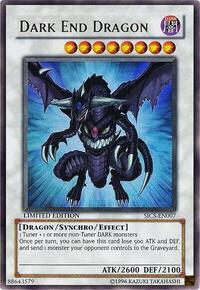 Dark End DragonShonen Jump Championship Series Prize Cards · #SJCS-EN007$5,000View live price on CardTrack →
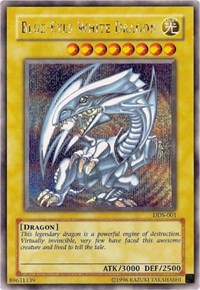 Blue-Eyes White Dragon (Dark Duel Stories)Yu-Gi-Oh! Video Game Promotional Cards · #DDS-001$3,000View live price on CardTrack →
 Elemental Hero Shining Flare Wingman (UTR)Elemental Energy · #EEN-EN036$1,250View live price on CardTrack →
Frequently Asked Questions
Is it too late to start collecting Yu-Gi-Oh cards in 2026? No. Vintage cards from the early 2000s have gotten pricier, but modern sets and reprints still offer accessible entry points. New chase cards get created every set release, so there's always a fresh on-ramp even if the original Blue-Eyes market feels out of reach.
Are old Yu-Gi-Oh cards actually worth money, or is that overhyped? Some genuinely are, especially first-edition holos from Legend of Blue Eyes White Dragon through Metal Raiders in strong condition. A lot of common bulk from that same era is still worth very little, so age alone doesn't guarantee value — condition, edition, and rarity all matter together.
What Yu-Gi-Oh cards should a beginner collector focus on? There's no single right answer, but most beginners do best focusing on either cards tied to nostalgia they personally care about, or well-documented chase cards with clear sales history. Checking a card's recent sale prices before buying beats guessing based on what you remember it "used to" cost.
How do I know if a Yu-Gi-Oh card I want to buy is real or fake? Look closely at font weight, holo pattern, and card stock texture compared to a verified authentic copy — counterfeits have improved but usually miss small details. When in doubt on anything above bulk value, running it through a proper fake card check before paying is worth the two minutes it takes.
Comments
No comments yet — be the first to weigh in.