Ghost Rare Yu-Gi-Oh Cards: The Full Guide
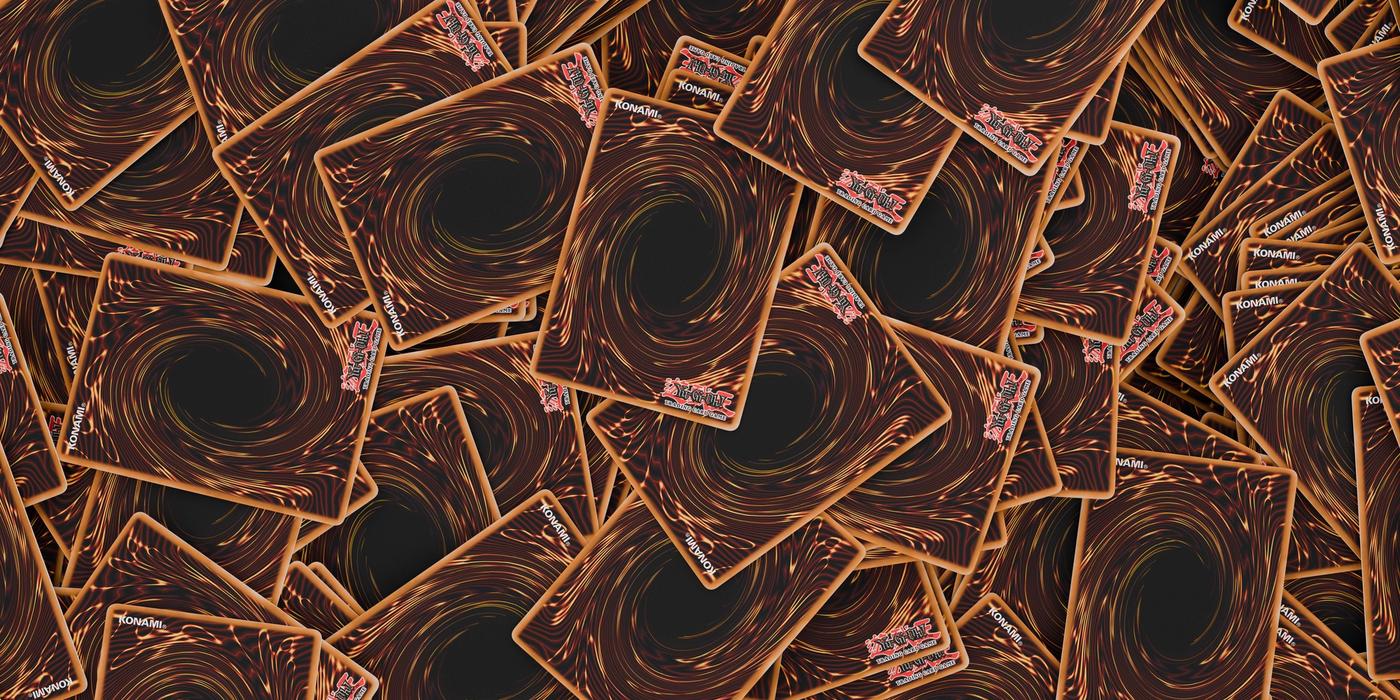
A ghost rare yugioh card is that holo that looks like it's holding a hologram of itself — a silvery, almost 3D print job that Konami started using back in 2008 with Crush Card Virus. It's not a "rarity" in the same tier system as Ultra or Secret Rare exactly, it sits above them, closer to a special print run that Konami rolls out maybe once or twice a year.
I've been cracking packs since the Metal Raiders days, and Ghost Rares are still the one pull that makes me actually yell in my apartment. If you want the full breakdown of where Ghosts sit next to Ultimates, Collector's Rares, and the rest, our rarity guide walks through the whole hierarchy. This post is just about Ghosts specifically — what they are, which ones matter, and roughly what they're worth right now.
What Makes a Ghost Rare Different From Other Foils
Regular holo cards have a flat sparkle finish. Ghost Rares use a silver-ish, almost pearlescent coating that catches light in a completely different way — under a lamp the card art seems to lift off the surface. Konami calls the finish "Ghost/Gold" printing on some later cards, but the OG Ghost Rare look is unmistakable once you've held one in hand.
A few things set them apart from every other special rarity:
- The foil pattern is silver/holographic rather than gold or rainbow, which is why people sometimes confuse early Ghosts with Platinum Rares — they're not the same thing.
- Print runs were tiny compared to Ultra or Secret Rares from the same set.
- Almost every Ghost Rare printed was also a genuinely playable, meta-relevant card at the time, not a random filler common bumped up in rarity.
- They only ever appeared in a handful of products, mostly Structure Deck reprints and a few Duelist Pack/Legendary Collection style sets.
That last point is why the pool stays small. There's no yearly "Ghost Rare set" the way there's a Ghost Rare... well, actually there kind of is now with the Ghosts From the Past boxes, but the classic era Ghosts are a closed list.
The Ghost Rare Cards List Every Collector Should Know
If you're building out a want list, these are the ones that come up again and again in trade circles and auction results:
- Crush Card Virus — Dark Beginning 2, the card that started it all. Still one of the most recognized Ghosts out there.
- Dark Armed Dragon — Champion Pack, tournament-relevant when it dropped, which pushed early demand hard.
- Judgment Dragon — Champion Pack Game One, another meta staple in Ghost form.
- Stardust Dragon — Turbo Pack, arguably the most iconic Synchro of its era, which keeps this one in constant demand.
- Number 39: Utopia — Duelist League promo, one of the more modern chase Ghosts.
- Blue-Eyes White Dragon — Legendary Collection, and yes it's exactly as sought after as you'd guess given the character it is.
- Dark Magician — Legendary Collection, same story, iconic art plus iconic finish.
The Ghosts From the Past sets (2021 onward) brought the mechanic back for cards like Ash Blossom, Effect Veiler, and Called By The Sacrifice — genuinely good cards, but a lot of the community still treats those as a separate, more modern wave rather than lumping them in with the classic 2008–2011 run. Worth knowing the difference if you're talking to an older collector who says "Ghost Rare" and means one specific era.
Ghost Rare Value: What Drives the Price Up or Down
Ghost Rare value swings on a few concrete factors, same as any collectible card:
- Playability at time of print. Cards that were tournament staples when they got the Ghost treatment (Dark Armed Dragon, Judgment Dragon) had huge demand out of the gate because players actually wanted to run them.
- Character recognition. Blue-Eyes and Dark Magician Ghosts sell to people who've never played a match in their life. Nostalgia is its own market force here.
- Condition, obviously. Ghost Rares are notoriously prone to surface wear and print lines because of the foil texture — a lightly played copy can be worth a fraction of a gem mint one.
- Grading and slabbing. A PSA 10 Ghost Rare Blue-Eyes commands a real premium over a raw copy, sometimes several times more, because the finish is so easy to damage.
Based on recent sales I've tracked, common playable Ghosts like Dark Armed Dragon tend to land somewhere in the low-to-mid hundreds for a raw copy in good shape, while the big nostalgia hits — Blue-Eyes, Dark Magician — can run well into four figures for a graded copy. Prices move around a lot depending on what's happening in the meta or whether a card just got reprinted somewhere, so I'd treat any number as a snapshot, not gospel. If you want to check where a specific card sits today, our price guide tracks recent sale data across rarities, and the card value checker is useful if you've got a specific print and want a fast estimate.
Spotting a Fake Ghost Rare
Ghost Rares get counterfeited more than people expect, mostly because the finish is genuinely hard to fake convincingly but scammers try anyway on lower-resolution listings. A few red flags:
- The holographic pattern looks too uniform or too glossy — real Ghosts have a specific pearl-like texture, not a rainbow shimmer.
- Text font or card border looks slightly off compared to a verified copy of the same card.
- Seller won't provide a raw, well-lit photo under different light angles.
If you're about to drop real money on a Ghost off a marketplace listing, run it through our fake card checker before you commit. It's saved me from at least one bad eBay decision personally.
Grading a Ghost Rare: Why It's Trickier Than Normal Cards
Grading companies see Ghost Rares as a headache because the foil texture shows scratches and surface roll under bright light that a normal holo would hide. Centering also tends to run worse on some of these older prints — Champion Pack and Duelist League promos in particular weren't always cut perfectly at the factory.
Before you send one off, check the centering on all four borders yourself with a decent macro photo. It's the fastest way to catch a card that's going to grade a 7 instead of a 9 before you pay grading fees. Our grading guide covers what companies look for specifically, and if you want a rough sense of what a raw card might come back as, the card grader tool gives you a starting estimate before you commit to a submission.
Where Ghost Rares Fit in the Bigger Picture
Ghosts aren't the most expensive cards in the game — some Tournament Prize cards and early Asian-exclusive promos blow past them — but they're arguably the most visually striking rarity Konami has ever done. If you're curious how they stack up dollar-for-dollar against the true chase cards of the game, our most expensive cards list has the current top of the market, and the sets list is a good way to hunt down exactly which product a specific Ghost came from before you go hunting singles.
Top Yu-Gi-Oh Cards by Value Right Now
These carry some of the highest estimated market values on CardTrack today. Figures are based on recent sales and can move quickly, so treat them as a snapshot:
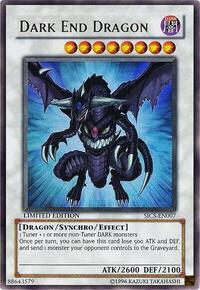 Dark End DragonShonen Jump Championship Series Prize Cards · #SJCS-EN007$5,000View live price on CardTrack →
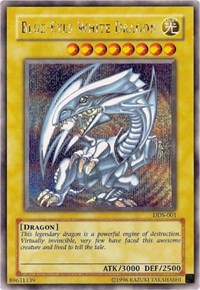 Blue-Eyes White Dragon (Dark Duel Stories)Yu-Gi-Oh! Video Game Promotional Cards · #DDS-001$3,000View live price on CardTrack →
Frequently Asked Questions
What is a Ghost Rare in Yu-Gi-Oh? It's a special foil treatment Konami introduced in 2008, using a silvery holographic print that makes the card art look like it's floating above the surface. They were printed in small numbers, usually in Structure Decks, Champion Packs, or Legendary Collection sets.
Are Ghost Rares rarer than Secret Rares? Generally yes — Ghost Rares had much smaller print runs than standard Secret or Ultra Rares from the same era, and they only appeared in a handful of products total. That said, rarity on the pack-pull chart doesn't always match resale value, since demand matters just as much as scarcity.
Why are some Ghost Rare cards worth so much more than others? It mostly comes down to how playable or iconic the card was. A tournament staple like Judgment Dragon or a nostalgia favorite like Blue-Eyes White Dragon pulls in buyers who aren't just collecting rarities — they want that specific card.
How can I tell if my Ghost Rare card is real? Look closely at the foil texture under different lighting — real Ghosts have a distinct pearl-like shimmer, not a flat rainbow effect. If you're unsure, running clear photos through a fake card checker is a quick way to get peace of mind before buying or selling.
Comments
No comments yet — be the first to weigh in.