How Much Are My Pokémon Cards Worth? (How to Check)
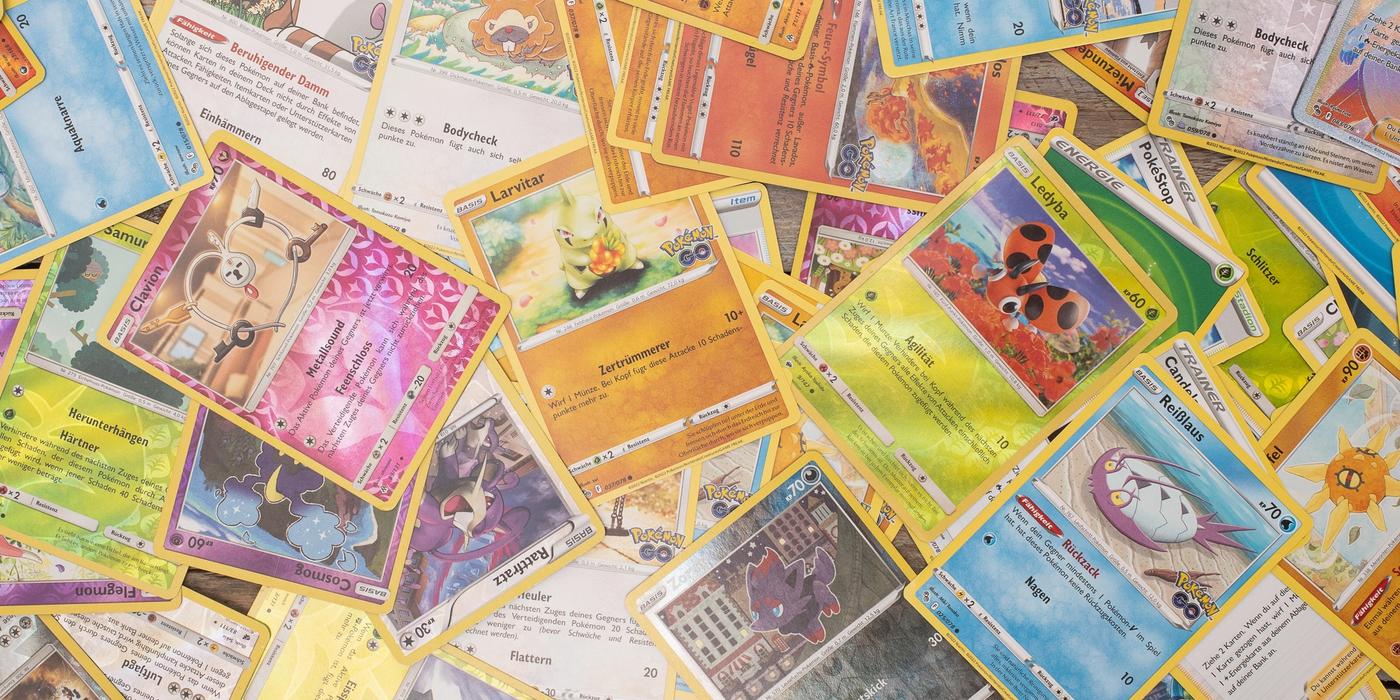
Pokémon cards aren't fixed like the price tag at a store. Some are worth millions of dollars — like the PSA 10 Pikachu Illustrator that recently sold for over $16 million — while others are worth less than a cup of coffee. The large price gap comes down to demand, rarity, condition, the artwork, and, of course, the Pokémon featured.
So how do you tell whether something you found in an old binder or at a flea market is worth anything? In this guide you'll learn the real worth of your Pokémon cards, including why some cards sell for millions while others are worth a few cents.
Fastest way — scan your cards
You don't have to jump through hoops or consult experts to learn the real value of a card. The simplest, fastest, most convenient way is to scan your card — yes, scan.
Scanning a Pokémon card (or an entire binder) takes a couple of seconds. Snap a photo, upload it to a Pokémon Card Value Checker, and you get the market price without waiting. It's handy whether you're sorting a large collection or just checking a single card.
That said, do your due diligence — many Pokémon cards have multiple printings of the same artwork across different sets. Take Mareep Unseen Forces 62/115 normal versus the holofoil: same artwork, very different value (the holofoil ~$50, the normal a fraction of that).
To make sure you get the correct price, always check:
- The card number — found near the bottom of the card (e.g. 62/115).
- The rarity symbol (circle, diamond, or star) and any special markings, such as the First Edition stamp.
- Whether the card is holographic, reverse holo, or non-holo.
- Whether there are shadows (or no shadows — "shadowless") on the side of the artwork box.
Tip: also check whether your card carries a 'promo' label.
Reading a price
Once you've confirmed the right card, the next step is understanding why the checker returns different price points. The biggest factor is condition, which is usually graded into four buckets:
- Near Mint (NM)
- Lightly Played (LP)
- Moderately Played (MP)
- Damaged (DMG)
Near Mint is the most valuable; Damaged the least. Whitening on the edges, scratches on the holofoil, dents, creases, bent corners and even tiny surface scratches all reduce a card's value.
So where does a price actually come from? It's the blended market value, which averages recent sales across multiple marketplaces rather than relying on one vendor's number.
Raw vs graded
When checking prices you'll meet two key terms: raw and graded. A 'raw' card hasn't been professionally graded; most Pokémon cards are collected, sold and traded this way. Cards sealed in a hard plastic case ('slabs') have been graded by Professional Sports Authenticator (PSA), CGC and other companies, and given a numerical score (typically 1–10). The higher the score, the more buyers will usually pay, because authenticity and condition are verified.
Graded sells for more than raw. Take Cleffa Obsidian Flames #202: the raw near-mint version is around $45, but the PSA 10 graded version is roughly 10× that. So should you grade your card to maximise returns? Not always — high-value vintage cards and rare modern chase cards in exceptional condition are the best candidates. If a card is only worth a few dollars, grading rarely pays off unless you simply want it authenticated for your personal collection.
Bulk vs chase
You'll also hear 'bulk' and 'chase'. Bulk means low-value commons and uncommons — often a few cents to a dollar, even in Near Mint. It isn't worthless: bulk is useful for building decks and completing master sets. Chase cards are the opposite — hard to pull, stunning artwork, or a fan-favourite Pokémon, which makes them far more valuable. A chase card doesn't have to be modern; a rare, high-value vintage card counts too.
Frequently asked questions
How do I know if my Pokémon card is valuable?
Check its number (usually at the bottom), then use an online Pokémon card value checker for the current market price — and always assess condition, since flaws like nicked corners lower the value.
Are all holographic Pokémon cards valuable?
No. Modern holos are often worth only a few dollars because they're mass-produced. A holo's price depends on rarity, demand and condition.
Are vintage Pokémon cards more valuable?
Not automatically. Older cards are more collectible, but age alone doesn't set the price — a vintage common of an unpopular Pokémon in played condition may be worth a few dollars, while a rare holo fan-favourite in great condition can sell for much more.
Should I price my cards based only on a checker?
A checker is a strong starting point, but comparing recently completed sales shows what buyers are actually paying for cards in similar condition. Prices can move quickly.
Should I grade my cards to increase their value?
Usually only for rare vintage or high-value cards. Grading is expensive ($15–$300+), takes weeks or months, and you don't always get the grade you expect.
Why does condition matter so much?
Collectors want well-preserved cards. Wear reduces visual appeal and makes a high professional grade harder to achieve.
What can I do with bulk cards?
You can still sell them — many collectors need bulk to complete master sets, trade, or build decks.
Ready to check yours? Scan a card or browse live Pokémon card prices on CardTrack.
Data and sources behind this article
CardTrack data pages: Pokemon Card Unseen Forces Mareep 62 · Methodology · Best cards to grade · Pokemon Card Obsidian Flames Cleffa 202 · Grading ROI calculator · Pokemon Cards
Latest Pokémon market report · live
September 2026 — Vintage Pokémon cards outpaced modern chase by 12 points over the past 30 days. 1 September 2026
Go to the numbers: Card value checker · Most expensive cards · Compare two cards
Comments
No comments yet — be the first to weigh in.