How to Check What a One Piece Card Is Worth
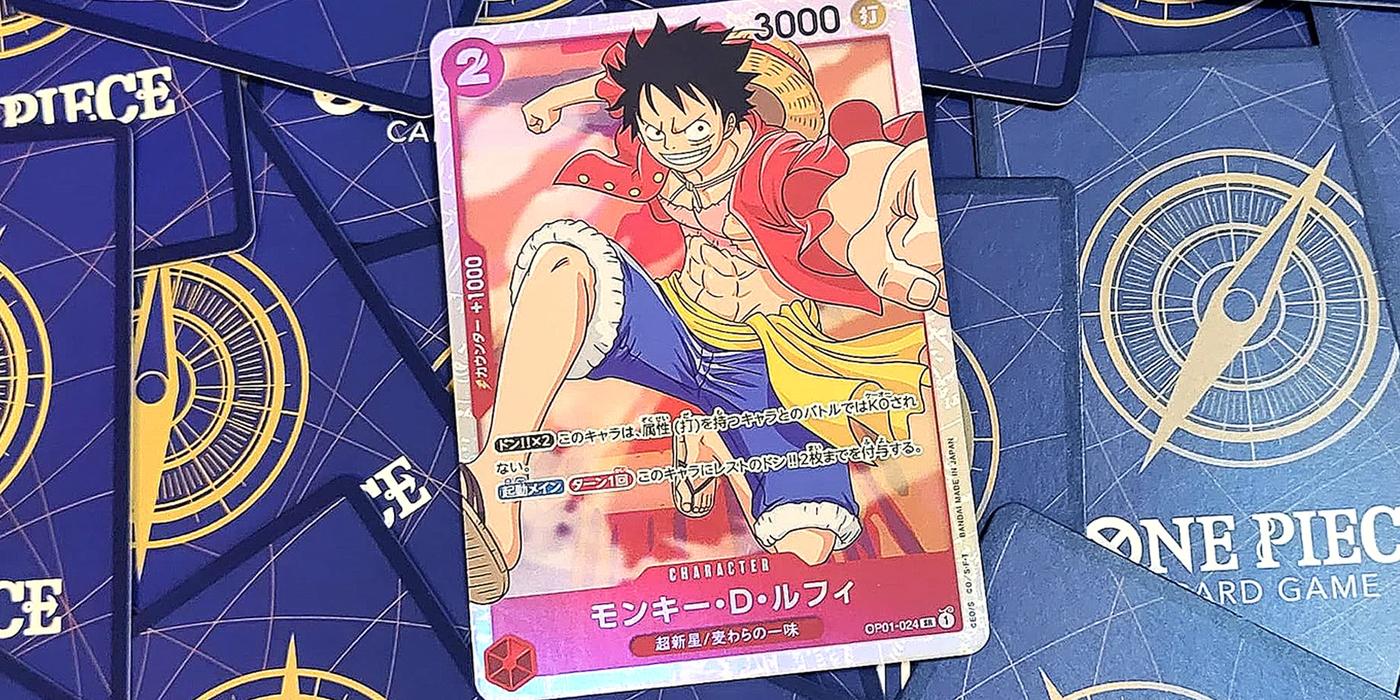
The fastest way to check what a One Piece card is worth is to pull up recent sold listings for that exact card, number, and print (parallel, alt-art, whatever) and look at what people actually paid, not what sellers are asking. Asking prices are wishful thinking half the time. Sold prices are the truth.
I've been collecting and trading these since OP-01 first hit shelves, and I still see the same mistake over and over: people check one listing on one site, see a big number, and think that's what their card is worth. It's not that simple, but it's not complicated either once you know where to look and what actually moves a price.
Why One Piece Card Values Move Around So Much
This game is young compared to Pokémon or Magic. Print runs, reprints, and set rotations all still swing prices in ways that would surprise someone coming from an older TCG. A card that sold for $80 in March can sell for $45 in June because a new set added a reprint of a similar effect, or because a big tournament changed what's meta.
Condition matters more than people think too. A Roronoa Zoro SEC in near-mint condition and the same card with a whitened edge or a soft corner are not the same card price-wise, even though they look identical to a casual eye. I've watched two copies of the same card sell within days of each other for a 30% difference just because one had cleaner centering.
How to Check One Piece Card Value Step by Step
Here's the actual process I use, not a vague "check some sites" answer.
1. Identify the exact card. Get the set code (OP-01, OP-09, EB-02, whatever), the card number, and the rarity. "Luffy from Romance Dawn" isn't specific enough — there are multiple Luffy cards in that set alone. 2. Check if it's a parallel or alt art. Manga rares, alt arts, and parallel foils all sell differently than the base version of the same card number. Mixing these up is the single biggest reason people misjudge value. 3. Look at recent sold listings, not active ones. eBay's "sold" filter is the classic move here. Ignore the outlier that sold for triple everything else — someone probably overpaid, or it was a graded 10 in a mislabeled listing. 4. Cross-reference a price guide. This is where a tool like the One Piece price guide is genuinely useful, because it aggregates sales instead of making you dig through eBay history one card at a time. 5. Factor in grading. A PSA 10 or BGS 9.5 version of a card can sell for multiples of the raw price. Don't assume your raw card is worth what you saw a graded one go for.
That's really the whole method. It sounds basic because it is basic — the hard part is being disciplined about only trusting sold data.
How to Know a One Piece Card's Value Without Getting Fooled by Fake Comps
If you're trying to figure out how to know one piece card value with any real confidence, the biggest trap is fake or misleading comps. I've seen listings titled to include a chase card's name just to get search traffic, when the actual card in the photo is a common. Always match the photo to the card number, not just the title.
Another trap: bundle listings. If someone sold "10 One Piece cards including Shanks SEC" for $200, that tells you almost nothing about what the Shanks card alone is worth. People use these as comps constantly and it skews their sense of value.
A few things that genuinely move the needle on price:
- Language and print run — Japanese and English versions of the same card can have very different values depending on the set and how limited that print was.
- Errata or misprints — rare, but they exist, and collectors pay a premium for verified ones.
- Set popularity — some sets like OP-01 and the Romance Dawn era just have more collector demand because of nostalgia, even when the card pool inside isn't objectively stronger.
- Tournament relevance — cards used in winning decklists at big events can spike temporarily, then cool off once the meta shifts.
Checking the sets list helps if you're not sure which set a card belongs to, especially with reprints that share art but come from different releases.
Understanding Rarity Before You Check Value
You can't estimate a card's worth accurately if you don't understand what rarity tier it actually falls into. One Piece has a rarity structure that trips up newer collectors constantly — Leader, Secret Rare (SEC), Special Card (SP), Alternate Art, and Parallel are not interchangeable terms even though people use them loosely in casual conversation and on marketplaces.
A card marked SEC is going to carry a different baseline value than the same character printed as a Common or Uncommon in a different set. The rarity guide breaks down the symbols and letter codes printed on the card itself, which is honestly the fastest way to confirm what you're holding before you go looking up prices.
Checking Condition and Centering Before You Trust a Price
Here's something a lot of value guides skip entirely: the price you see quoted online almost always assumes a specific condition tier, and most people's cards don't actually match it.
Centering is the one collectors underestimate the most. A card that looks fine to the naked eye can be 65/35 off-center, which knocks it out of gem-mint territory entirely for grading purposes. I run cards through a centering tool before I even consider sending something in for grading, because paying for grading only to get a 7 or 8 back on a card you thought was flawless is a rough way to learn this lesson.
If you're deciding whether grading is worth it for a specific card, it helps to understand the process first. The grading guide walks through what graders are actually looking for, and the card grader tool can give you a rough estimate of where your card might land before you commit money and time to sending it off.
Watch Out for Fakes Before You Even Worry About Value
None of this matters if the card isn't authentic. Fake and proxy One Piece cards have gotten noticeably better over the last couple years, especially with some of the higher-value alt arts and secret rares. Texture, font weight, and the foil pattern on the back are usually where fakes fall apart under close inspection.
If you picked up a card from a source you don't fully trust, or you're buying something expensive off a marketplace with no return policy, running it through a fake card checker before you factor it into any collection value is just common sense. A convincing photo doesn't mean much when you're paying real money based on estimated market value.
Where to See What the Priciest One Piece Cards Have Actually Sold For
If you want a sense of the ceiling for this game, look at what the actual chase cards have gone for. The most expensive cards page tracks the top sales, and it's a good reality check — most cards in your binder are not going to be in that territory, and that's fine. Most collections are built on mid-range cards that hold steady value, not the one-in-a-thousand grail pull.
Prices in this hobby move quickly, sometimes within a single set release, so treat any number you see as a snapshot based on recent sales rather than a fixed price tag.
Top One Piece Cards by Value Right Now
These carry some of the highest estimated market values on CardTrack today. Figures are based on recent sales and can move quickly, so treat them as a snapshot:
Frequently Asked Questions
How do I check the value of a One Piece card I just pulled? Identify the set code, card number, and rarity first, then search recent sold listings for that exact combination. A price guide like the prices page speeds this up by aggregating sales instead of making you search manually.
Does grading actually change a One Piece card's value? Yes, often significantly — a graded PSA 10 can sell for several times the raw price for the same card, especially on secret rares and alt arts. But grading costs money and takes time, so it's worth checking centering and condition first before deciding it's worth sending in.
Why do prices for the same One Piece card vary so much between listings? Condition, language version, and whether it's graded all affect price, and sellers often list at wildly different asking prices compared to what buyers actually pay. Always weight sold listings over active asking prices when estimating value.
Are Japanese One Piece cards worth more than English ones? It depends entirely on the card and set — some Japanese prints command a premium due to earlier release or limited print runs, while for other cards the English version sells for more due to regional demand. There's no blanket rule, so check both markets separately for the specific card you're pricing.
Comments
No comments yet — be the first to weigh in.