How to Organise Your Lorcana Collection
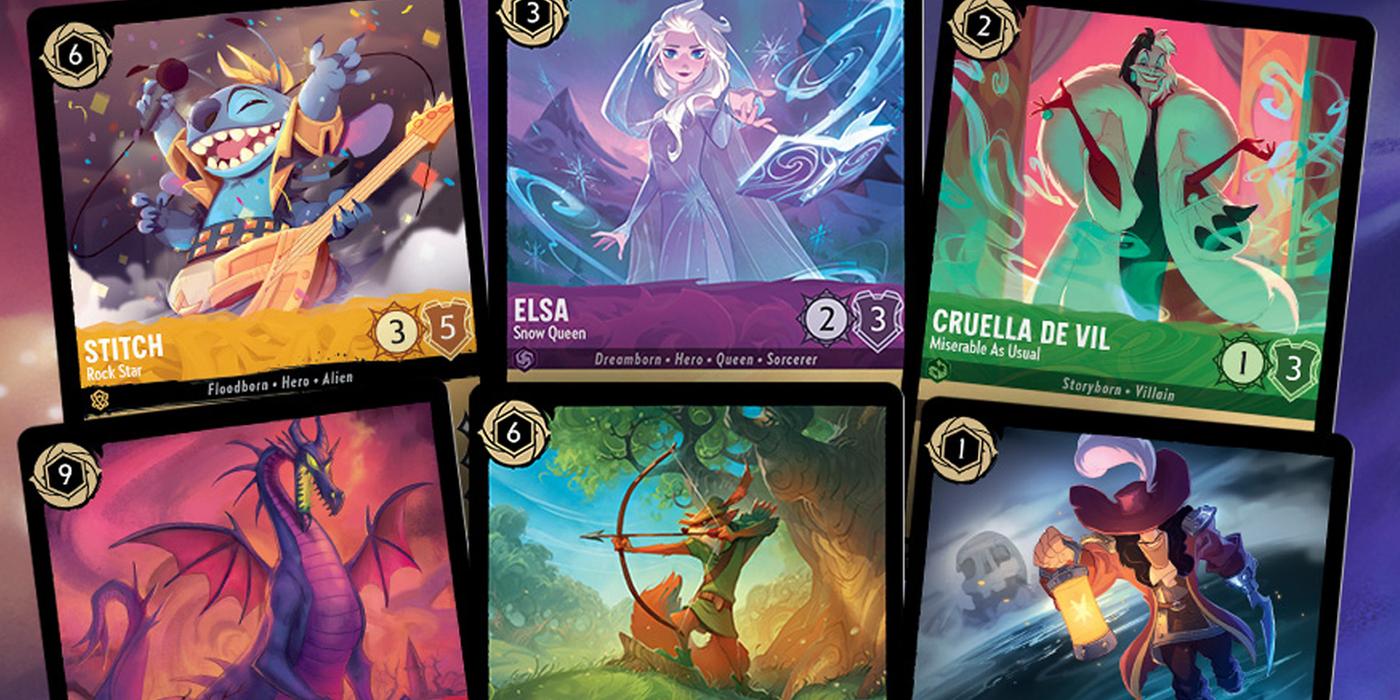
How to organize Lorcana cards comes down to three decisions: what goes in binders versus boxes, how you split things up (by set, by ink color, by rarity), and how much you spend on protecting the stuff that's actually worth protecting. I've been doing this since the first Lorcana boosters landed, and I've redone my whole system twice because my first two attempts were wrong.
If you're just getting into the game, start at /lorcana for the basics on sets and how the game's grown. But this post is just about storage and sorting, because a messy collection costs you money and time you don't get back.
Why bother organizing Lorcana cards at all
Because you will forget what you have. I've bought duplicate copies of cards I already owned three times now, all because they were buried in a shoebox under a stack of Into the Inklands commons. Once you've got more than a few hundred cards, "I'll remember" stops being true.
Organizing also protects value. A foil Elsa left loose in a drawer gets edge wear fast. Edge wear knocks a card down a full grade tier, sometimes more, and that's real money if it's a card people actually chase.
The best way to organize Lorcana cards: pick a primary sort
Everyone asks me what the best way to organize Lorcana cards is, and honestly there's no single right answer — but there is a right question: what will you actually use this collection for?
- Set-first — everything grouped by set (The First Chapter, Rise of the Floodborn, Into the Inklands, Ursula's Return, and so on), then by card number inside each set. This is what most collectors land on, because it matches how /lorcana/sets lists cards and how price guides organize things too.
- Ink color-first — Amber, Amethyst, Emerald, Ruby, Sapphire, Steel. Good if you're a player building decks and want to grab all your Ruby cards in one flip.
- Rarity-first — Common, Uncommon, Rare, Super Rare, Legendary, Enchanted. Makes sense if you're chasing chase cards specifically and want your hits separated from bulk. Worth reading up on how the tiers actually work at /lorcana/rarity before you commit to this method, since some people conflate rarity with value and they're not the same thing.
My honest take: sort by set first, card number second. It's how the game itself is structured, it's how eBay listings are titled, and it's how you'll cross-reference prices later without doing mental gymnastics.
Binders vs. boxes vs. sleeves: what actually holds up
When a binder makes sense
Binders are for display and for cards you look at often. A 9-pocket zip binder with side-loading pages is what I use for anything I'd call a "keeper" — Enchanted rarities, foils, cards from my favorite characters.
If you're wondering how to organize Lorcana cards in a binder without it turning into chaos, here's what's worked for me:
- One page per "set", roughly — don't mix sets on the same page if you can help it.
- Side-loading pockets, not top-loading. Top-load pages let cards slide out and get corner dings.
- Put your most fragile foils in the middle pages, not the front or back cover pages, which take the most physical stress from being opened and closed.
- Label pages by set and number range with a sticky tab. Sounds excessive until you're hunting for one specific Steel uncommon at 11pm.
When boxes make more sense
Bulk commons and uncommons don't need binder space. A 3200-count box, sorted by set and alphabetically within set, does the job. I keep separate boxes for "trade bait" versus "playset material" versus stuff I genuinely don't know what to do with yet.
Deck boxes are for cards in active decks — don't store your tournament deck in a binder, you'll want it loose and quick to shuffle.
Sleeving individual cards
Anything above Rare rarity, or anything with real resale value, gets a penny sleeve minimum before it touches a binder page or box. If it's a genuine high-value piece — an Enchanted, a promo, a first-print foil — I'll go sleeve plus toploader plus stored flat. Check /lorcana/most-expensive if you want a sense of which cards in this game have actually sold for four figures; that list tells you which cards deserve the extra protection step.
Sorting by value: separating the keepers from the bulk
This is the step most people skip and shouldn't. Before you file anything, run a rough pass and split your pile into three buckets:
- Bulk — commons, uncommons, anything selling for under a dollar or two.
- Mid-tier — rares and super rares, playable cards, foils of commons.
- High-value — legendaries, enchanteds, anything with tournament relevance or strong collector demand.
You don't need to know exact prices to do this sort, just rough instinct. Once it's split, check actual numbers using a card value checker for anything you're unsure about, or browse the full price guide if you want to see trends across a whole set at once. Prices can move quickly in this game, especially right after a new set drops and early print numbers are still being figured out, so don't treat any number as fixed.
Protecting the high-value pile: grading, centering, and fakes
Once you know which cards are actually worth something, the organizing question shifts from "where do I put this" to "how do I keep this in the condition it's in."
Centering matters more in Lorcana than people expect, especially on the foil Enchanted cards where the print borders are already tight. I run anything I'm on the fence about through a centering checker before I decide whether it's worth submitting for grading. If it's already off-center out of the pack, a grading company isn't going to give it a break.
For anything you're planning to send off, read through a grading guide first so you know what the actual submission tiers look like and roughly what condition thresholds matter. And if you picked up anything secondhand — a loose Enchanted from a local Facebook group, say — it's worth running it past a fake card checker before you invest more money protecting it. Counterfeit Lorcana cards aren't rampant yet, but they exist, and a toploader doesn't do you any good if the card inside isn't real.
A simple system that actually scales
Here's roughly what I run now, after two failed attempts at something fancier:
- Bulk commons/uncommons: 3200-count boxes, sorted by set, alphabetical by card name inside each set.
- Rares/super rares: 9-pocket binders, one binder per two sets, sorted by card number.
- Legendaries and Enchanteds: individual sleeves plus toploaders, stored upright in a smaller box kept somewhere it won't get sun exposure (fading is real and it's permanent).
- Active deck cards: sleeved in-deck, kept separate from everything above.
It's not glamorous. But I can find any card in under two minutes, and nothing important is getting bent because it was jammed in the wrong pocket.
Top Lorcana Cards by Value Right Now
These carry some of the highest estimated market values on CardTrack today. Figures are based on recent sales and can move quickly, so treat them as a snapshot:
Frequently Asked Questions
What's the best way to organize Lorcana cards for someone just starting out? Sort by set and card number first — it matches how the sets list and price guides are structured, so it's easiest to cross-reference later. Once your collection grows past a few hundred cards, you can layer in a value-based split for anything rare or foil.
Should I organize Lorcana cards by ink color or by set? Set-first works better for most collectors because it mirrors how the cards are printed and priced. Ink-first is really only worth it if you're a player who needs quick access to specific colors for deckbuilding rather than someone managing a full collection.
How do I organize Lorcana cards in a binder without damaging them? Use side-loading 9-pocket pages, not top-loading ones, and sleeve anything valuable before it goes in the pocket. Avoid front and back cover pages for your best cards since those take the most wear from the binder opening and closing.
Do I need to sleeve every single Lorcana card? No — bulk commons in a storage box are fine loose or in bulk penny sleeves. Save individual sleeves and toploaders for rares, foils, and anything with real resale demand.
Comments
No comments yet — be the first to weigh in.