How to Sell Yu-Gi-Oh Cards (and Actually Get a Fair Price)

If you want to know how to sell Yu-Gi-Oh cards without getting lowballed, it comes down to three things: know what you actually have, know what it's worth right now, and pick the right selling channel for that specific card. A binder full of commons goes one place, a stack of graded LOB Blue-Eyes goes somewhere else entirely.
I've been buying, playing, and selling this game since the Metal Raiders days, and I still see people mess up the same steps every single time they try to unload a collection. So let's go through it properly.
Figure Out What You Actually Have Before You List Anything
I know it's tempting to just dump your whole binder onto eBay in one auction and call it a day. Don't. The first job is sorting, and it matters more than people think.
Pull out anything that looks old, foil, or has weird text on the card (like "1st Edition" near the artwork, or a set code ending in specific letters). Separate by:
- Rarity (Common, Rare, Super Rare, Ultra Rare, Secret Rare, Ghost Rare, Starlight, etc.)
- Edition (1st Edition vs Unlimited vs Limited Edition)
- Condition (played, lightly played, near mint)
- Region (English, but also check for Asian-English prints, which trade differently)
If you're fuzzy on what any of that means, the rarity guide breaks down the differences between things like Ultra Rare and Ultimate Rare, which honestly confuse even longtime players. A card printed as a Secret Rare in one set can be a Common reprint in another, and that difference is the gap between a $2 card and a $40 card.
Check Current Prices Before You Set an Asking Number
This is the step people skip, and it's the one that costs them the most money. Before you list a single card, look up what it's actually selling for right now, not what you remember it selling for in 2019 or what some price tag at a con said three years ago.
I always run cards through the Yu-Gi-Oh price guide first. Yu-Gi-Oh prices swing a lot more than people expect, sometimes because of a reprint announcement, sometimes because a card gets errata'd or banned in the format, sometimes just because a YouTuber talked about it. A card like Snake-Eye Ash was $60+ shortly after release and dropped hard once supply caught up. Prices can move quickly in this game, in both directions, so check before you price anything based on old memory.
If you've got something that looks like a genuine chase card, cross-reference it against the most expensive Yu-Gi-Oh cards list just to get a sense of where high-end pieces land. Most of us aren't sitting on an Tournament Black Luster Soldier, but it's worth knowing what the ceiling actually looks like so you don't undersell something rare by accident.
How to Sell My Yugioh Cards: Matching the Card to the Right Platform
People ask me "how do I sell my Yugioh cards" like there's one universal answer, but the honest truth is it depends heavily on what you're selling. A $3 playset of staple traps and a graded PSA 10 Blue-Eyes White Dragon should never go through the same channel.
Bulk Commons and Playable Staples
If most of your collection is commons, rares, and mid-tier playables (think staple trap cards, generic Xyz monsters, older structure deck fodder), don't waste hours individually listing each one. Buylist sites and local game stores will take these in bulk. You won't get rich, but you'll clear space fast and get cash same-day if you go local.
Mid-Value Singles ($5–$100 range)
This is where marketplaces built for card sellers actually earn their cut. TCGplayer, Cardmarket (if you're in Europe), and similar platforms let you set your own price against real recent sales data, and buyers there already expect to pay collector prices instead of garage-sale prices.
High-End and Graded Cards
Anything that could reasonably be worth over $100 raw, or anything you think deserves grading, needs more care. eBay auctions with good photos, dedicated Yu-Giyoh Discord trade servers, and specialty auction houses (for the real high-end stuff, Secret Rares from early sets, Tournament packs, prize cards) are where serious buyers actually look.
Where to Sell Yugioh Cards: A Breakdown of the Options
Since where to sell Yugioh cards is basically the whole question once you know what you've got, here's how I'd rank the main options based on what I've actually used.
Local game stores. Fastest cash, worst prices. They need margin to resell, so expect 40-60% of market value on most cards. Good for bulk, bad for your one valuable card.
eBay. Best for individual valuable cards and graded slabs. You eat fees (roughly 13% between final value fee and payment processing) but you reach the widest buyer pool. Auctions work well for genuinely rare cards where you want the market to find the price; Buy It Now works better for common-to-mid stuff where the price is well established.
TCGplayer / Cardmarket. Great middle ground for singles. Prices are transparent, buyers trust the platform, and you're not fighting bots and lowballers the way you sometimes do on Facebook groups.
Facebook groups and Discord trade servers. Can get you close to full market value with zero platform fees, but it takes longer, and you need to be careful about who you're dealing with. I only do this with buyers who have trade history or references.
Local tournaments and card shops with buy events. Underrated. Some regional stores run "sell your binder" nights where graders and dealers show up specifically looking for vintage cards. Worth checking your local scene calendar.
Get the Details Right Before You List
Buyers in this hobby are picky, and honestly they should be, because fakes and misrepresented conditions are a real problem. A few things that separate a fast sale from weeks of nobody biting:
- Take real photos, not stock images. Front and back, in natural light, no filters. Buyers want to see the actual card they're paying for, especially for anything over $20.
- Be upfront about condition. Whitening on the edges, scratches on the foil, print lines - list them. You'll get fewer returns and better reviews if you're honest going in.
- Check for centering issues before you claim "Near Mint." A card can look flawless at a glance but be off-center enough to tank its grade if someone sends it in later. I run anything questionable through a centering checker before I commit to a condition claim in a listing.
- Verify anything that seems too good to be true. If you inherited a collection or bought a bulk lot and something looks like a rare Asian-English Ghost Rare, run it past a fake card checker before you list it as authentic. Selling a counterfeit, even by accident, gets your account flagged and your reputation wrecked in these communities fast.
Should You Grade Before You Sell?
This question comes up constantly, and the answer is: it depends on the card, not on some blanket rule.
Grading costs money and takes time, sometimes months depending on the service and their backlog. It only makes sense when the card's estimated market value in top grade clearly outweighs the grading fee plus the wait. A common from a recent structure deck isn't worth grading no matter how sharp the corners look. A 2003 Asian-English Exodia piece or a vintage Kaiba/Yugi promo, on the other hand, might be worth the gamble.
Before sending anything in, I'd read through a grading guide to understand what graders are actually looking at - corners, edges, centering, surface - because a card that looks perfect to your eye can still come back a 7 instead of a 9. And if you're on the fence about whether a specific card clears the bar, running it through a card grader tool first gives you a reasonable gut check before you spend real money mailing it off.
One thing I'll say plainly: grading is not a guaranteed profit move. Based on recent sales data, the price gap between a PSA 9 and PSA 10 of the same card can be enormous or almost nothing, depending entirely on the specific card and how many copies have already been graded. Don't grade blindly assuming it'll pay for itself.
Timing Your Sale
Yu-Gi-Oh prices aren't static, and this game has more moving parts than most people realize. New set releases, reprints in structure decks or tins, and format bans can all shift a card's price within days.
If a card just got hit with a new reprint announcement, expect the price to soften as more copies enter circulation. If a card just got a competitive boost from a new archetype release, prices can spike short-term before settling back down once the hype cools. I generally check the current listings on the price guide again right before I finalize a listing, even if I checked a week earlier, because a week is plenty of time for things to shift in this game.
Common Mistakes Sellers Make
- Pricing off memory instead of current sales data.
- Listing a whole bulk collection as "rare cards" because a couple of pulls looked shiny.
- Ignoring print runs and assuming an older card is automatically valuable (a lot of early 2000s commons are worth pennies).
- Skipping authentication on anything that seems unusually cheap or unusually good for what was paid for it.
- Sending cards for grading without checking if the value bump actually covers the fee.
Top Yu-Gi-Oh Cards by Value Right Now
These carry some of the highest estimated market values on CardTrack today. Figures are based on recent sales and can move quickly, so treat them as a snapshot:
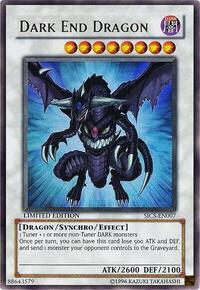 Dark End DragonShonen Jump Championship Series Prize Cards · #SJCS-EN007$5,000View live price on CardTrack →
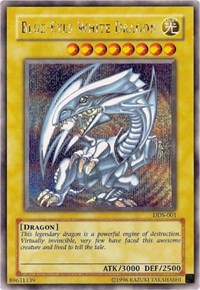 Blue-Eyes White Dragon (Dark Duel Stories)Yu-Gi-Oh! Video Game Promotional Cards · #DDS-001$3,000View live price on CardTrack →
Frequently Asked Questions
What's the fastest way to sell a big Yu-Gi-Oh collection? Sort by value tier first, then sell bulk commons to a local game store or buylist for quick cash, and list anything mid-to-high value individually on a platform like eBay or TCGplayer. Trying to sell everything as one giant lot almost always undersells the good cards mixed in.
Do I need to get my cards graded before selling them? No, grading only makes financial sense for cards where the estimated value in top condition clearly exceeds the grading fee and wait time. Most playable staples and commons aren't worth grading; older rares, promos, and low-population Secret Rares are the ones worth considering.
Where can I check what my Yu-Gi-Oh cards are actually worth? A dedicated price guide showing recent sales is more reliable than old memory or outdated price tags, since Yu-Gi-Oh prices move fast with reprints and ban list changes. Always check current data right before you set a listing price, not weeks in advance.
Is it better to sell on eBay or to a local game store? Local game stores pay less but pay instantly and take bulk lots off your hands with no listing hassle. eBay and dedicated singles marketplaces get closer to real market value but take longer and come with seller fees, so the right choice depends on how much the specific card is worth and how fast you need cash.
Comments
No comments yet — be the first to weigh in.