How to Start Collecting Disney Lorcana (Beginner's Guide)
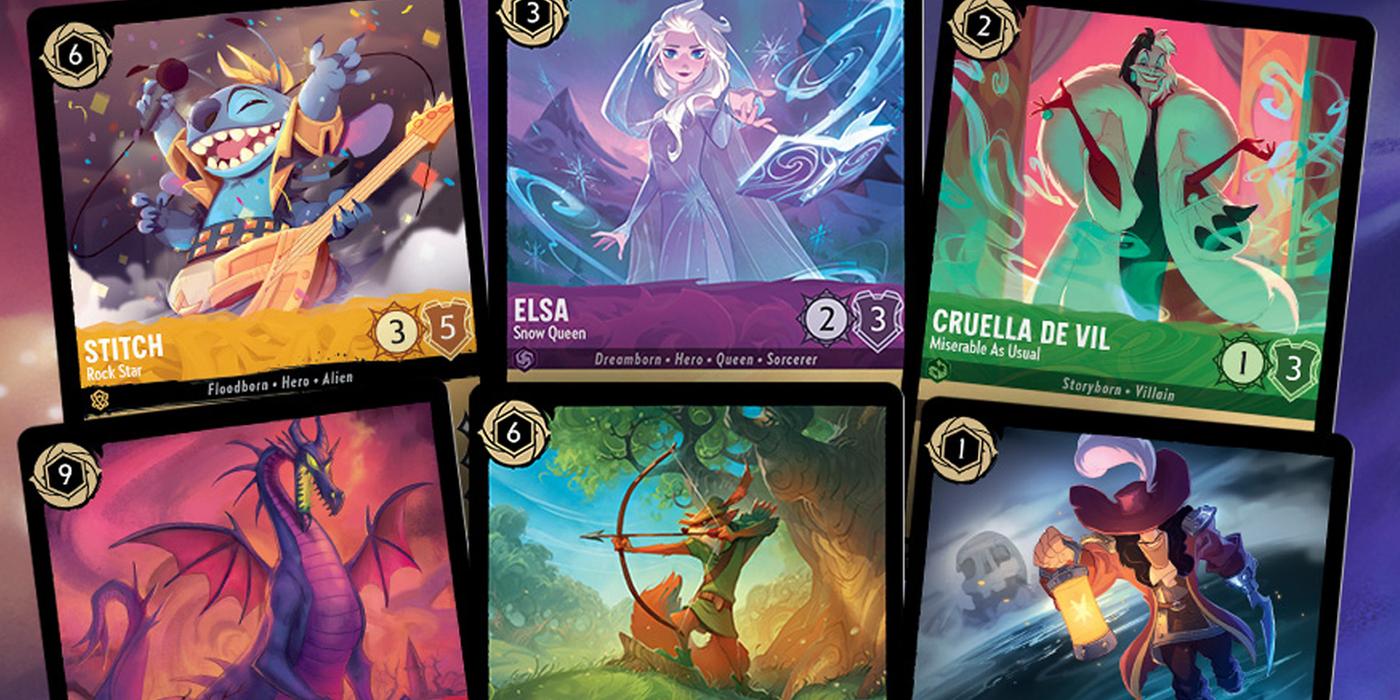
How to start collecting Disney Lorcana comes down to three things: pick a set to start with, learn the rarity system before you buy anything expensive, and decide early whether you're collecting for play, for display, or for resale. Get those three sorted and everything else falls into place.
I've been collecting cards since the Pokémon base set days, and I picked up Lorcana back when The First Chapter launched in 2023. I'll be honest, I wasn't sure it would stick. A lot of new TCGs land with a splash and fade in a year. This one didn't fade. If anything the secondary market has gotten more active, not less, and that's exactly why beginners keep messaging me asking where to even start.
This guide is the one I wish existed when I opened my first booster box.
What Lorcana Actually Is (Quick Context Before You Buy)
Lorcana is Ravensburger's Disney-themed trading card game. Characters like Mickey, Elsa, Stitch and Maleficent get turned into "Ink" cards you play in a head-to-head game, but let's be real — most people reading this care about the collecting side as much as the gameplay, if not more.
The game is built around Ink colors (six of them: Amber, Amethyst, Emerald, Ruby, Sapphire, Steel) and releases in numbered sets, each with its own art style and chase cards. If you want the full rundown of every set released so far, the Lorcana sets list is a good bookmark before you start buying blind.
Lorcana For Beginners: Decide What Kind Of Collector You Are
This is the step people skip and then regret. Before you spend a dime, figure out which of these you actually are:
- Player-collector — you want a fun deck and don't mind foils or reprints, value doesn't matter much
- Set collector — you want a full base set or a full set of a specific rarity, binder-style
- Chase collector — you want specific Enchanted or special-edition cards, usually the expensive stuff
- Flip/reseller — you're buying to sell, tracking market movement closely
I started as a player-collector and slid into set collecting within about three months. That's the normal path. Knowing this upfront saves you from buying a bunch of random singles you don't actually want six months later.
How To Start Collecting Lorcana: The Actual First Purchase
Don't buy a $200 Enchanted card as your first purchase. I don't care how good it looks on Instagram. Start smaller and learn the market with your eyes open.
Here's what I'd actually do if I were starting fresh today:
Grab a starter deck first. They're cheap, usually $15-20, and they teach you the game mechanics without any real financial risk. You'll also pull a handful of commons and uncommons that help you understand what "normal" cards look like versus the shiny stuff.
Buy a booster pack or two, not a box. A single pack runs somewhere in the $4-5 range depending on the set and retailer. Open a couple, see what a foil looks like in hand, get a feel for pull rates before committing box money.
Then decide on a set to focus on. Some collectors chase the newest set because that's where the hype and price movement is. Others go backward and collect The First Chapter because it's the "set 1" and carries that mentality premium, similar to what happened with Pokémon base set over twenty-five years.
Understanding Lorcana Rarity Before You Spend Real Money
This is where new collectors get burned. They see a shiny card and assume it's rare. Lorcana's rarity structure is more specific than that, and it directly drives price.
Broadly you're looking at Common, Uncommon, Rare, Super Rare, Legendary, and then the two tiers everyone chases: Enchanted and the newer special foil treatments like special editions tied to certain releases. Enchanted cards get an alternate full-art gold-bordered treatment and they're pulled at a genuinely low rate per box, which is why a single Enchanted can sell for more than an entire sealed booster box.
I'd genuinely recommend reading through the Lorcana rarity guide before you buy your first "chase" card. It'll save you from overpaying for something you thought was scarce but actually isn't.
Rarity Symbols Cheat Sheet
Each card has a small symbol in the bottom corner showing its rarity tier. Learn to read this before you buy singles online — sellers occasionally mislabel listings, sometimes by accident, sometimes not.
Getting Into Lorcana Collecting Without Overpaying
Getting into Lorcana collecting the smart way means checking prices before you buy, not after. I made this mistake early on — bought a Ursula's Return single at what I thought was a fair price, only to find out two days later I'd paid about 30% over what recent sales actually showed.
A few habits that fixed this for me:
- Check a Lorcana price guide before buying any single over $10
- Cross-reference recent sold listings, not just current asking prices — asking price and sold price can differ a lot
- Watch price movement over a few weeks if you're not in a rush, prices can move quickly in either direction around new set releases
- Use a card value checker when you're unsure what something in your own collection is worth before selling
None of this is about timing a market perfectly. It's about not getting fleeced on day one.
Spotting Fakes And Damaged Cards As A New Collector
I've bought exactly one fake Lorcana card in my life and it was early on, off a marketplace listing that looked completely normal. The card stock felt slightly too thin and the colors were a touch too saturated once I compared it side by side with a real one.
If you're buying singles online, especially anything Enchanted-tier or high-value, run it past a fake card checker mentally or physically before you commit real money, particularly for private sales without buyer protection. Card stock, print alignment and foil pattern are the three things I check every single time now.
Centering matters too, more than people think when they're starting out. A card can be completely authentic and still be worth noticeably less if it's badly off-center. If you're planning to grade anything down the line, run it through a centering checker first so you're not paying grading fees on a card that's going to come back with a lower grade than you hoped.
Should You Grade Your Lorcana Cards?
Not every card needs grading. Honestly, most don't. Grading fees add up fast and only really make financial sense on cards where the estimated market value clearly outpaces the grading cost.
Where I've seen it make sense:
- Enchanted rarity cards from earlier, harder-to-find sets
- Special edition or convention-exclusive prints
- Anything you pulled yourself and know is a fresh pack pull, not something that's been handled
For everything else — your commons, your playset uncommons, your everyday rares — grading usually costs more than it adds to resale value. If you're on the fence about a specific card, the Lorcana grading guide walks through what actually bumps a card from a 9 to a 10 in a grader's eyes, and it's usually corner wear and centering, not anything dramatic.
Where To Actually Buy Lorcana Cards As A Beginner
Local game stores are still my first recommendation. You can inspect the card in hand, you build a relationship with someone who might set aside singles for you later, and you skip shipping fees entirely.
Online, stick to marketplaces with buyer protection and seller ratings you can actually see history on. Avoid anything that feels like a "too good to be true" bundle deal on a brand-new set — that's usually where fakes or damaged product show up first.
If you want a general starting point on the game itself before spending anything, the main Lorcana hub has an overview of sets, mechanics and where the game's headed, which is worth a skim if you're still deciding whether this hobby is for you.
A Simple First 90 Days Plan
If you want a rough structure instead of just wandering into it:
- Weeks 1-2 — buy a starter deck, learn the game, get comfortable with terminology
- Weeks 3-4 — open a few boosters, start noticing rarity symbols and which sets you're drawn to
- Month 2 — pick one set to focus collecting on, check the most expensive Lorcana cards list just to understand the ceiling of what's out there
- Month 3 — start buying targeted singles using price guides, consider your first grading submission if you've pulled or bought something worth it
That's roughly the path I'd take again if I were starting from zero today.
Top Lorcana Cards by Value Right Now
These carry some of the highest estimated market values on CardTrack today. Figures are based on recent sales and can move quickly, so treat them as a snapshot:
Frequently Asked Questions
Is Lorcana still worth getting into as a new collector? That depends entirely on your goals and budget, and I'm not going to tell you what to do with your money. What I can say is the player base has kept growing since 2023 and new sets keep releasing on a steady schedule, which tends to keep secondary market interest alive.
How much money do I need to start collecting Lorcana? You can genuinely start for under $20 with a single starter deck. Chasing specific Enchanted or rare cards is where costs climb fast, sometimes into hundreds of dollars per card based on recent sales, so pace yourself.
What's the difference between collecting Lorcana for play versus for value? Playing focuses on deck synergy and Ink colors that work well together, value collecting focuses on rarity, condition and set scarcity. A lot of collectors, myself included, end up doing both at once without really planning to.
Do I need to get my Lorcana cards graded to sell them? No, plenty of cards sell raw (ungraded) just fine, especially lower-value ones. Grading tends to matter most on higher-value Enchanted or special edition cards where a verified condition can meaningfully affect what buyers are willing to pay.
Comments
No comments yet — be the first to weigh in.