How to Tell if a One Piece Card Is Fake
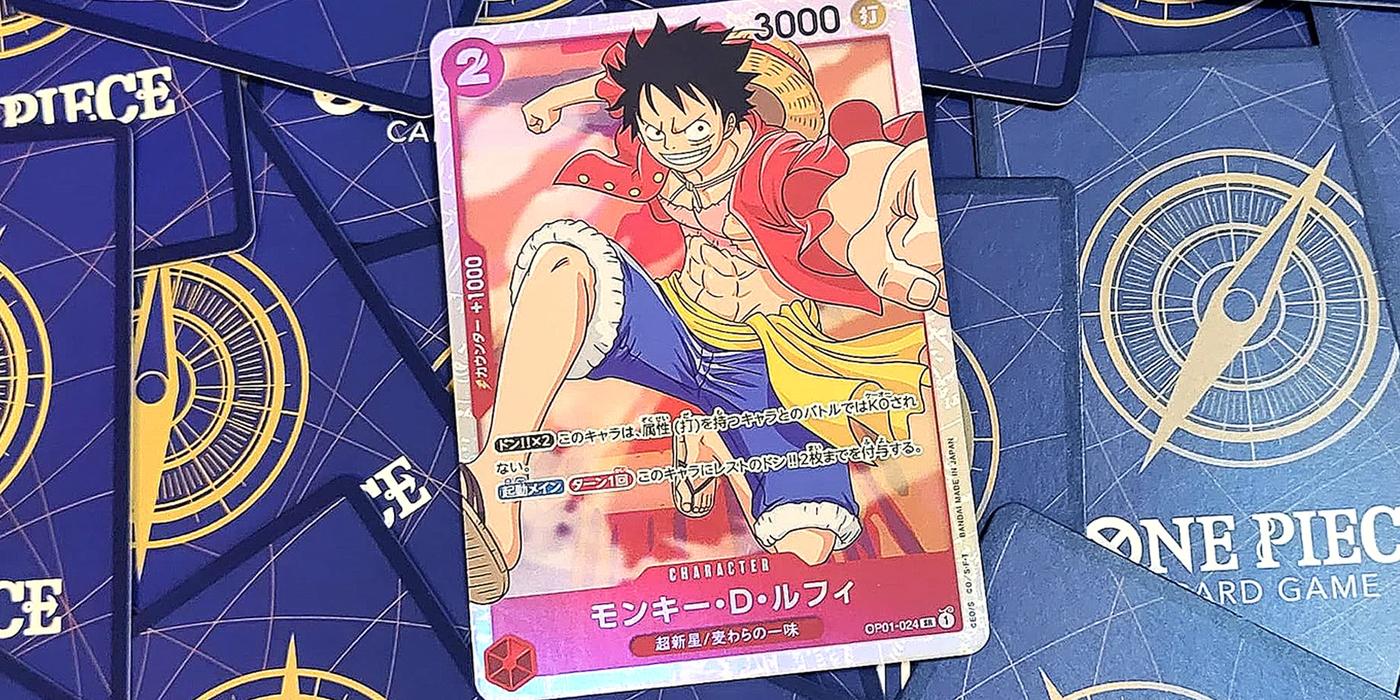
The quickest way to tell if a One Piece card is fake is to check the card stock under a light, look at the print texture on the card face, and compare the color saturation against a known real copy of the same card. Fakes almost always fail at least one of those three tests, and usually all three. If you want a fast gut check before you read the rest of this, run it through our fake card checker and then come back for the details on what to actually look for.
I've been buying and opening One Piece TCG since OP-01 came out, and I've bought exactly one fake card in that time — a Shanks leader I picked up off a marketplace listing that looked too clean for the price. Learned my lesson fast. Since then I've handled a decent number of counterfeits people send me asking "is this real," so this isn't theory. This is what actually works.
How to Tell if a One Piece Card Is Fake: Start With the Card Stock
Bandai's card stock has a specific weight and snap to it. Real One Piece cards feel stiff but not brittle, and they have a slight flex without feeling flimsy. Fakes tend to fall into two camps: paper-thin and floppy, or weirdly thick and stiff like a cheap sleeve insert.
Do the bend test carefully (don't crease it). Hold a corner and let it flex slightly. Genuine cards have a consistent give across the whole card. Bootlegs often feel stiffer in the middle and softer at the edges, or vice versa, because the print layers aren't bonded the same way.
Sound matters too. Snap a real card gently against your fingernail and you'll get a crisp, almost papery snap. Fakes usually sound duller, more like a playing card than a trading card.
Check the Front: Print Quality, Color, and Foil
This is where most fakes give themselves away if you know what you're comparing against.
- Color saturation. Counterfeit cards often run either oversaturated (colors look too bright and cartoonish) or washed out and slightly grey. Compare side by side with a verified real card from the same set if you can, or check listing photos from a trusted seller.
- Text sharpness. Zoom into the card name, the effect text box, and the set number in the corner. Real Bandai printing is crisp even at small sizes. Fakes get blurry or pixelated the moment you zoom past 200%.
- Foil pattern. Rares, Super Rares, and Secret Rares all have specific foil textures depending on rarity. If you're not sure what a specific rarity's foil should look like, our rarities guide breaks down what each tier should actually look like on the card face, which helps a lot when you're comparing a suspect card against the real pattern.
- Card border. Look at the white or colored border around the edge of the art. Genuine cards have even, consistent borders. Fakes frequently have borders that are slightly uneven side to side, because the print isn't centered on the sheet correctly.
Check the Back: The Detail Everyone Skips
People spend all their time staring at the front and completely ignore the back, which is honestly where fakes fall apart the fastest.
The One Piece card back has a specific shade of red-orange with the logo centered in a particular spot. Counterfeits are notorious for getting this color slightly wrong — too orange, too dark, too pink. Lay the suspect card face down next to any verified real card (even a different card, doesn't matter, backs are all identical) and look at the color match. If it's off even a little, that's a red flag.
Also check the gloss level. Real backs have a specific semi-gloss finish. Fakes are often either too matte or too shiny.
How to Spot a Fake One Piece Card Using Centering and Cut
Centering is one of those things that's hard to fake convincingly because it requires the exact same print alignment tech Bandai uses. A lot of counterfeit cards have noticeably off-center borders, sometimes by a wide margin.
Now, real cards can have bad centering too, so this alone isn't proof. But combined with other red flags it's useful. If you're trying to figure out how bad the centering actually is instead of eyeballing it, run it through our centering tool, which measures the border gaps for you instead of guessing.
Cut quality matters too. Real cards are cut cleanly with sharp, consistent corners. Fakes often have slightly rounded corners from a duller die cut, or you'll see small white fibers poking out along the edge where the cut wasn't clean.
The Set Number and Rarity Symbol Trick
Every One Piece card has a set code and card number printed in the bottom corner, plus a rarity letter (C, UC, R, SR, SEC, L). This is one of the easiest tells because fakes frequently get this wrong in small ways.
Cross-reference the card number and rarity against the actual set list. If a card claims to be a Secret Rare but the number format doesn't match what that set actually used, that's an immediate red flag. I keep the full sets list bookmarked for exactly this reason, because memorizing every set's numbering scheme isn't realistic and it's an easy lookup.
Font matters here too. The set code font on real cards is a specific weight. Bootleg printers often use a font that's close but not quite right — slightly bolder, slightly different letter spacing.
Price Is a Warning Sign, Not Proof
If a card that normally moves for a decent chunk of money is listed for a fraction of that, be careful. Counterfeiters target expensive cards because that's where the profit margin is. Nobody's faking a common.
Before you buy anything expensive, check the price guide or the most expensive cards list to get a sense of what a card is actually moving for based on recent sales. If a listing is priced way under that with no explanation, ask why before you ask "how do I pay."
I'm not saying every underpriced listing is fake — sometimes people just don't know what they have. But it's the first thing that should make you slow down and actually inspect the card instead of just clicking buy.
What to Do Once You Suspect a Fake
If you've got a card in hand and something feels off, don't guess. Go through the checks in order: stock and flex, front print and foil, back color, centering, then set number and rarity code. Most fakes fail two or three of these at minimum.
If you're still not sure, get a second opinion. Post clear, well-lit photos of the front, back, and a close-up of the corner and set number in a collector community, or run it through our fake card checker for a faster read. And if the card turns out real and you're thinking about getting it professionally slabbed anyway, our grading guide walks through what graders actually look for and whether it's worth it for that specific card, and our card grader tool can give you an estimate of what grade to expect before you pay to submit it.
Prices can move quickly on chase cards, which is exactly why counterfeiters bother in the first place. Slow down, check the details, and don't let a good price talk you out of a good inspection.
Top One Piece Cards by Value Right Now
These carry some of the highest estimated market values on CardTrack today. Figures are based on recent sales and can move quickly, so treat them as a snapshot:
Frequently Asked Questions
How can I tell a fake One Piece card without owning a real one to compare? Use high-res verified photos from a trusted source like a set list or price guide as your reference point, and pay close attention to the back color and set number font, since those are consistent across every card in a set. A fake card checker also helps when you don't have a real copy on hand.
Do fake One Piece cards feel different from real ones? Yes, almost always. Real cards have a specific stiffness and a crisp snap when flexed gently, while fakes tend to feel either too thin and floppy or oddly thick, and the sound is duller when you snap them against a fingernail.
Are foil cards easier or harder to fake? Harder to fake convincingly, but that also means when counterfeiters get it wrong it's more obvious. Foil pattern and texture varies by rarity, so checking the pattern against what that specific rarity should look like is one of the fastest tells.
Is it worth getting a suspected fake card graded to confirm it's real? No — graders will reject counterfeit cards outright rather than confirm authenticity for you, so it's not a cheap way to get a second opinion. Do the manual checks first or use a dedicated authentication tool before spending money on a grading submission.
Comments
No comments yet — be the first to weigh in.