How to Tell if a Yu-Gi-Oh Card Is Fake: 8 Checks
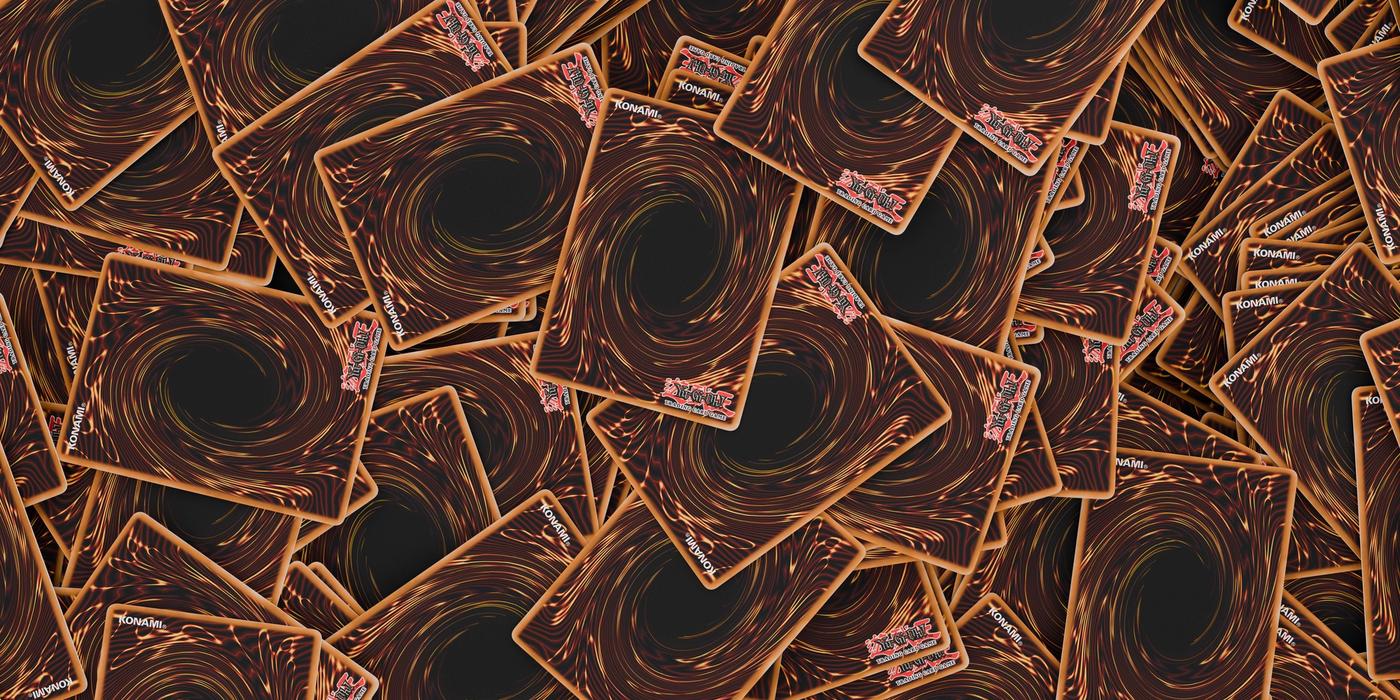
If you want to know how to tell if a Yu-Gi-Oh card is fake, start with the text font on the card name and the card back color — bootlegs almost always get the shade of yellow-brown wrong on the back, and the font on fake cards tends to be too thick or slightly off in spacing. Beyond that, there are seven more checks that catch almost every counterfeit I've ever handled.
I've been buying, selling, and grading Yu-Gi-Oh cards for close to fifteen years now, and I've seen the fakes get better every single year. The stuff people were pumping out in 2010 looked like it came out of a toy vending machine. Now some of the "Chinese fakes" (that's the catch-all term the community uses even though plenty come from other regions too) are good enough to fool people at local tournaments. So I put together the checks I actually use, in the order I use them, when someone hands me a card or I'm looking at eBay photos before I buy.
If you're ever unsure after eyeballing a card yourself, running it through a dedicated tool like a fake card checker is a smart second opinion before you spend real money or send it off for grading.
Check the Card Back Color and Texture First
This is the fastest test and it catches maybe 60% of fakes before you even flip the card over.
Real Yu-Gi-Oh card backs are a specific golden-brown color, almost like weak tea. Fakes run the gamut from too orange, to too yellow, to flat-out brown like a UNO card. Hold the card next to any card you know is real — a common from a recent set works fine — and compare.
Texture matters just as much. Genuine cards have a linen-style texture on the back, fine ridges you can feel with your thumb if you run it lightly across the surface. Cheap fakes are glossy and smooth, almost slippery. Better fakes get closer but still feel a little too slick or a little too matte compared to the real thing.
Look at the Font and Card Name Printing
Konami uses a consistent font across basically every English-language Yu-Gi-Oh card ever printed. Fakes deviate from this constantly, and it's one of the easiest ways how to spot fake yugioh cards without any tools.
Things to look at:
- The card name font on fakes is often bolder or thinner than it should be
- Letter spacing gets weird, especially with longer names like "Elemental HERO Stratos"
- The ATK/DEF numbers use a different font weight than authentic prints
- Card text in the effect box is sometimes blurry or slightly pixelated when you look closely
Pull up a verified real copy of the same card online (a seller photo from a reputable auction house works) and compare letter by letter. It sounds tedious but it takes ten seconds once you know what you're looking for.
Check the Holofoil Pattern on Rares and Above
This is where the good fakes start to separate from the bad ones, and it's a big part of learning how to identify fake yugioh cards once you're past commons.
Genuine holographic foil on Yu-Gi-Oh cards has a specific rainbow diffraction pattern that shifts as you tilt the card. Common fakes use a cheap laser-etched foil that looks shiny but doesn't have that layered rainbow shift — it just looks silver or flat under light.
For Ultra Rares, Secret Rares, and Ghost Rares specifically, the foil pattern is different for each rarity tier. A Secret Rare should have that diagonal "wave" pattern in the artwork foil. If a card is supposed to be Secret Rare but the foil looks like a generic starburst, that's a red flag. If you're not sure what a specific rarity's foil is supposed to look like, the rarities guide breaks down what each tier should actually show.
Check the Card Weight and Thickness
Real Yu-Gi-Oh cards have a consistent card stock — not paper thin, not thick like a tarot card. Fakes vary a lot here because counterfeiters use whatever stock is cheap.
If you've got a scale, genuine cards typically weigh in a fairly tight range (most collectors eyeball around 1.8 to 2 grams for a standard card, though this isn't an exact science since sleeves and moisture affect it). What matters more is comparing thickness side by side with a known real card. Fakes are frequently either noticeably thinner and floppier, or thicker and stiffer like a playing card.
Bend test: don't actually bend it hard, but real cards have a specific flex to them. Cheap fakes either feel rigid and brittle or weirdly soft, like a laminated photo.
Check the Set Code and Copyright Line
Every real Yu-Gi-Oh card has a set code in the bottom corner (like LOB-EN001) and a copyright line at the bottom of the card. Fakes mess these up constantly:
- Wrong font on the copyright line, or it's missing entirely
- The copyright date doesn't match when that print run actually came out
- Set codes with typos, wrong rarity letter, or numbers that don't exist for that set
- Misaligned or crooked set code, printed at a slight angle
If you're not sure which set code matches which print run, cross-reference it against the sets list — every official set has its code documented, so a mismatch is an instant tell.
Compare Card Dimensions and Corner Cut
This one's underrated. Real Yu-Gi-Oh cards are cut to a very consistent size — standard trading card dimensions, sharp square-ish corners with a slight round to them.
Fakes are cut inconsistently because they're not using Konami's die-cutting equipment. Stack a suspected fake on top of a known real card of the same era. If the edges don't line up, if one corner is more rounded than the other three, or if the card is even slightly larger or smaller than standard — that's your answer.
This same precision matters for grading too. Off-center cuts and inconsistent borders are exactly why centering gets scrutinized so heavily on submission — you can check how far off a card's borders are using a centering tool before you even worry about authenticity, since bad centering on an otherwise "real-looking" card can sometimes point to a fake print run.
Check Under UV or Blacklight
This is a step further than eyeballing but worth it if you're dealing with anything above $50 in estimated market value. Genuine Yu-Gi-Oh cards from most modern sets react to UV light in specific spots — usually the character artwork and certain foil elements glow faintly, while the card back and border stay dark.
Fakes often glow uniformly across the whole card, or don't react at all, or glow in the wrong areas entirely. A cheap UV flashlight (the kind sold for checking pet stains, honestly) does the job fine. This test alone has saved me from a couple bad buys over the years on Ghost Rares, which counterfeiters target a lot because of how much those sell for.
Check the Seller's History and Photos Before You Even Buy
Not a physical check on the card, but arguably the most important step in the whole process. A huge number of fakes get caught before the card ever arrives, just by being suspicious of the listing itself.
Red flags I look for:
- Stock photos instead of actual photos of the card being sold
- Prices way below estimated market value for the card's condition and rarity — if a Blue-Eyes White Dragon LOB 1st edition is listed at a fraction of what recent sales show, something's off
- Sellers with zero feedback dumping multiple "rare" cards at once
- Listings that avoid saying which set or print run the card is from
I always check the price guide before buying anything in the $30+ range, just so I know if the asking price is realistic. If a listing is 70% under recent sale prices, that's not a deal — that's a warning sign.
What to Do If You Think You Already Own a Fake
If you've already got a card and you're suspicious, don't panic and don't just toss it. Run through the checks above first. If you're still unsure, a couple options:
- Get a second opinion from a local card shop or a knowledgeable player — most people who've been in the game a while can spot a fake in seconds
- Use an online fake card checker tool to compare against verified reference images
- If the card has real value and you're planning to sell or submit it, get it looked at by a grading service before listing it, since reputable graders reject fakes outright rather than slabbing them
If it turns out to be fake, it's not worth anything as a playable or collectible card beyond novelty value. Don't try to sell it as real — that's how sellers get banned from marketplaces and burn their reputation for good.
Why This Matters More for High-Value Cards
The more a card is worth, the more likely it's been faked. Nobody bothers counterfeiting a common from a recent structure deck. But cards that show up on lists of the most expensive Yu-Gi-Oh cards — first edition Black Lotus-tier stuff, Tournament prize cards, early Ghost Rares — get faked constantly because the payoff for the counterfeiter is so much higher.
If you're spending real money on a card in that tier, it's worth doing every single check on this list, not just one or two. And if you're planning to submit it for grading afterward, understanding what graders look for in the grading guide will help you spot the same red flags they will, before you pay submission fees on a card that gets flagged as inauthentic.
Top Yu-Gi-Oh Cards by Value Right Now
These carry some of the highest estimated market values on CardTrack today. Figures are based on recent sales and can move quickly, so treat them as a snapshot:
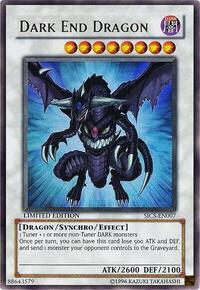 Dark End DragonShonen Jump Championship Series Prize Cards · #SJCS-EN007$5,000View live price on CardTrack →
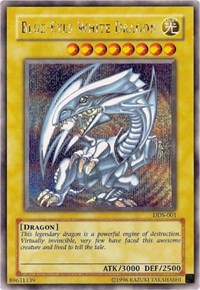 Blue-Eyes White Dragon (Dark Duel Stories)Yu-Gi-Oh! Video Game Promotional Cards · #DDS-001$3,000View live price on CardTrack →
Frequently Asked Questions
How can I tell if my Yu-Gi-Oh card is fake without any special tools? Check the card back color against a known real card, feel the texture for that linen-style surface, and compare the font on the card name closely. These three checks alone catch most low-effort fakes without needing UV lights or scales.
Do fake Yu-Gi-Oh cards react differently under UV light? Yes, in most cases. Genuine cards from modern sets tend to glow in specific spots like the artwork, while fakes either glow uniformly across the whole surface or don't react much at all. It's not foolproof for every era of card, but it's a strong extra data point.
Are holographic Yu-Gi-Oh cards easier or harder to fake? Harder to fake well, but they're also faked more often because the payoff is bigger. Genuine holofoil has a layered rainbow diffraction that shifts as you tilt it, and cheap fakes usually use flat, generic foil that doesn't move the same way.
Can a graded Yu-Gi-Oh card still turn out to be fake? It's rare but not impossible, since grading errors do happen occasionally. Reputable grading companies check authenticity before slabbing, which is a big reason grading exists in the first place — it's always worth buying graded cards from established sellers with verifiable population reports.
Comments
No comments yet — be the first to weigh in.