How to Tell What Set a Lorcana Card Is From
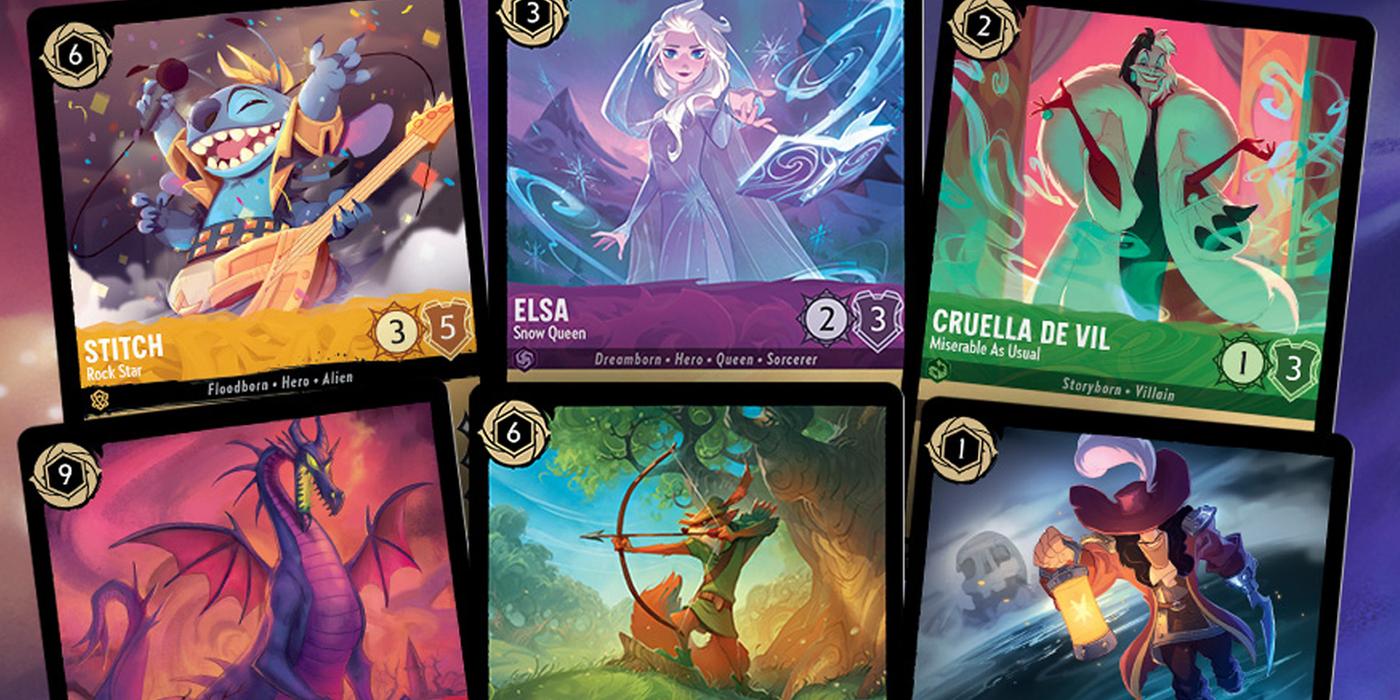
The fastest way to tell what set a Lorcana card is from is the set symbol printed on the card, usually tucked near the bottom of the card next to the card number. Every set has its own little icon, and once you learn to spot a handful of them you can identify almost any card in your binder in about two seconds.
I get asked this a lot, mostly by people sorting through a bulk lot they bought off someone clearing out their collection, or folks who pulled a card from a booster pack and want to know if it's from the newest set or an older one. It matters more than you'd think. Two cards can look nearly identical at a glance but come from different sets, and that changes rarity, print run, and what the card is actually worth. If you want the full rundown of every set released so far, the Lorcana sets list is the place to cross-reference what you find.
Check the Set Symbol First
This is the number one method and honestly the only one you need most of the time. Look at the bottom of the card, right side, next to the card number (something like 123/204). You'll see a small icon printed there. That icon is the set symbol, and Ravensburger uses a different one for every set.
Some examples off the top of my head:
- The First Chapter uses a stylized swirl/rose icon.
- Rise of the Floodborn uses a wave symbol.
- Into the Inklands has a compass-style mark.
- Ursula's Return uses an octopus tentacle icon.
- Shimmering Skies has a sun/star combo.
- Azurite Sea has a shell.
I'm not going to swear I've got every single one memorized perfectly, and honestly neither has anyone else who deals cards for a living. What I do is keep a reference photo of all the symbols side by side on my phone. Takes thirty seconds to compare and you're done. Once you've sorted a few hundred cards this way it starts sticking in your memory whether you want it to or not.
Use the Card Number as a Backup Clue
The card number format (like 87/204) tells you two things: where the card sits in that set's checklist, and how big the total set is. The First Chapter runs 204 cards. Rise of the Floodborn also runs 204. Later sets have shifted around a bit in total count, so the denominator isn't a perfect fingerprint on its own, but paired with the set symbol it confirms you're reading things right.
Where the number really helps is when the set symbol is worn down or hard to photograph clearly, which happens a lot with played cards or cards that have been through a few sleeves. If the symbol's blurry in a photo you're using to identify a card someone sent you, the number plus a card name search usually gets you there.
Look at the Bottom Corner for Rarity and Printing Details
Right next to the set symbol you'll also see a small rarity indicator, sometimes a letter or icon depending on the print run. This isn't the same thing as the set symbol but people mix the two up constantly. The set symbol tells you which expansion the card is from. The rarity mark tells you if it's common, uncommon, rare, super rare, legendary, or enchanted. If you're not sure how those tiers work or what separates a rare from a super rare visually, the Lorcana rarity guide breaks it down properly.
Enchanted cards and some promo cards can look different enough that people assume they're from a special "bonus" set. They're not usually a separate set, they're just a different rarity or finish within the set they were printed for. That trips up a lot of newer collectors.
Compare Card Frame and Art Style
This one's less scientific but still useful once you've handled enough cards. Early sets like The First Chapter have a slightly different frame texture and color saturation compared to something like Fabled or Reign of Jafar. It's subtle. I couldn't describe it well enough in text for you to use it as your only method, but if you're staring at a stack of cards and trying to presort them before checking symbols one by one, grouping by "these all look a bit warmer/cooler in tone" speeds things up. Then you confirm with the symbol.
When the Card Might Be a Reprint or Special Edition
Lorcana hasn't done a ton of straight reprints yet compared to older games, but foil variants, enchanted versions, and promo cards (think D23 exclusives or con promos) can confuse identification because the base card name and art are the same as the main set version. Here the set symbol still does its job. Promos usually carry a distinct marker instead of a normal numbered set symbol, often something small like a "P" designation or a unique one-off icon. If you pull something and the symbol doesn't match anything in your reference list, it's probably a promo, not a mystery unreleased set.
Watch Out for Fakes When Identifying Sets
Once you start getting comfortable identifying sets by symbol, you'll also start noticing when something looks off. Counterfeit Lorcana cards do exist, and they tend to get the set symbol slightly wrong, wrong color, wrong size, blurry printing. If a card you're checking has a symbol that looks almost right but not quite, or text that seems a little too thin or thick compared to a genuine copy you own, it's worth running it through a proper fake card check before you assume you've found something rare.
Use a Value Checker Once You Know the Set
Identifying the set is really step one. Once you know a card's exact set and rarity, you can look up what it's actually doing on the market. I use a card value checker constantly when I'm sorting through trade piles, mostly because estimated market value can shift week to week and I don't trust my memory for every single card across seven-plus sets now. Prices can move quickly, especially right after a new set drops and older cards get reevaluated.
If you're chasing something at the high end of the game, the most expensive Lorcana cards list is a good gut check for what enchanted and rare promos from each set have actually sold for recently, based on completed sales rather than asking prices.
Top Lorcana Cards by Value Right Now
These carry some of the highest estimated market values on CardTrack today. Figures are based on recent sales and can move quickly, so treat them as a snapshot:
Frequently Asked Questions
How can I tell what set a Lorcana card is from without the box or pack? Look at the set symbol printed at the bottom of the card next to the card number. That symbol is unique to each set and doesn't require the original packaging to identify.
Where exactly is the Lorcana set symbol located on the card? It's at the bottom of the card, usually to the right side, sitting right next to the card number like 45/204. It's small, so good lighting or a zoomed photo helps.
Do all Lorcana sets have completely different symbols? Yes, every main set uses its own distinct icon, though some promo and special releases use a modified marker instead of a standard numbered set symbol.
Can two Lorcana cards look the same but be from different sets? It's rare for the exact same card, but reprints, alternate art, and enchanted versions can look similar to a base version at a glance. Checking the set symbol and rarity mark together clears up any confusion fast.
Comments
No comments yet — be the first to weigh in.