Is It Worth Grading One Piece Cards?
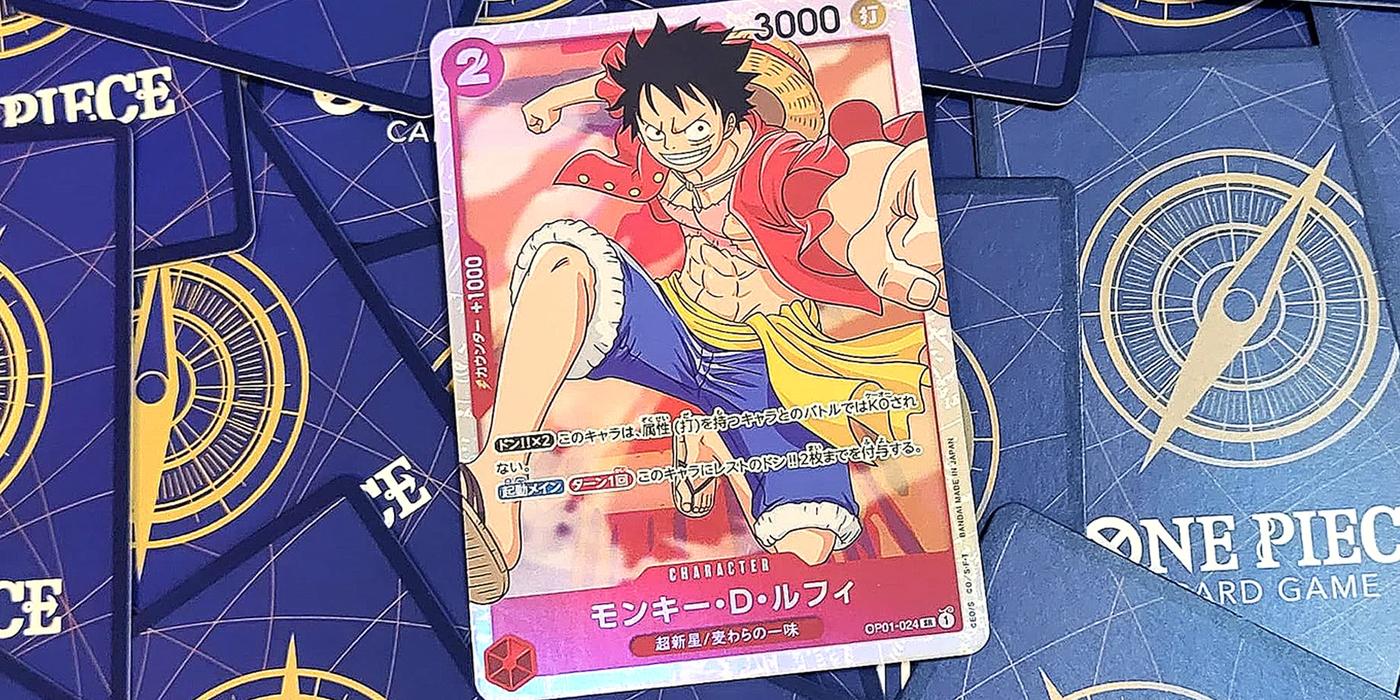
Is it worth grading One Piece cards? Yes, for certain cards — high-value chase pulls, low-pop alt arts, and anything you plan to sell rather than sleeve and play. For a bulk-rare from a $30 booster box, probably not. The math only works when the card's raw value and rarity can actually support a grading fee plus a wait.
I've been buying and cracking One Piece boxes since Romance Dawn was the only English set on shelves, and I get asked this constantly by people who just pulled a Manga Rare and want to know if they should send it in. So let's actually break this down instead of giving you the vague "it depends" answer every other site gives you. If you want the full mechanics of the process first, my grading guide covers submission steps and turnaround times in more detail than I can fit here.
Are One Piece Cards Worth Grading Right Now?
Short answer: it depends heavily on the card, not the game. One Piece TCG is young compared to Pokémon or Magic, and that changes the grading math in a few specific ways.
First, pop reports are still thin for a lot of sets. Early Romance Dawn and Paramount War cards have had years to accumulate PSA 10 populations, but something from a set that dropped six months ago might have almost no graded copies yet. Low population numbers can push prices up for early submitters, but they can also mean nobody's built demand for graded copies of that specific card yet. You're betting on future demand, not buying into an established market.
Second, Bandai's print quality has been inconsistent between print runs. I've opened boxes where centering was clean case after case, and other boxes from the same set where it felt like every third card was off by 65/35 or worse. That inconsistency is actually good news for graders who check centering before submitting — it means a truly well-centered copy of a common alt art can stand out and grade higher than casual buyers might expect.
Third, the audience buying graded One Piece cards right now is smaller than the audience buying graded Pokémon. That's shifting as the game grows in the US and Europe, but it means liquidity for graded slabs isn't guaranteed the way it is for a PSA 10 Charizard. You can grade a card and find the buyer pool for that specific graded card is thinner than you hoped.
Which One Piece Cards Are Actually Worth Grading
Not every rare is worth the fee. Here's how I actually sort my own pulls.
Cards I'd consider sending in:
- Alt art Leaders and Secret Rares from chase sets (think Shanks, Luffy, Yamato SEC cards)
- Manga Rares with strong character demand — Zoro, Sanji, and Nami tend to hold interest
- Anything already selling raw for $80+ based on recent sales
- Promo cards with limited print runs, especially ones tied to tournament wins or store championships
- Cards from early sets where population reports are now mature enough to actually mean something
Cards I wouldn't bother grading:
- Commons and uncommons regardless of condition
- Rares from bulk booster boxes worth under $15 raw
- Damaged or bent cards — no grader saves a crease
- Cards from sets so new that nobody's established what a "good" pop count even looks like yet
If you're not sure where a specific card lands, check the One Piece price guide before you spend anything on grading fees. Seeing what raw copies actually sold for recently tells you more than any listing price ever will.
The Break-Even Math Nobody Talks About
Grading fees run anywhere from about $15 to $50+ per card depending on the service and turnaround speed you pick, plus shipping both ways and often insurance if the card's worth real money. Say you're all-in at $30 per card after fees and shipping.
If your card sells raw for $40, and a PSA 10 of that same card sells for $65 based on recent sales, you're looking at a $35 gain minus your $30 cost — a $5 margin, if it grades a 10. Grade a 9 instead, and a lot of cards barely move in price between raw and PSA 9. You could lose money on the submission.
Now flip it. A Secret Rare selling raw for $300, where PSA 10s go for $600+, has way more room to absorb a grading fee and still come out ahead — even accounting for the wait time your money is tied up.
This is why I don't grade everything I pull. I grade the cards where the spread between raw and graded actually justifies the risk. Prices can move quickly in either direction while your card sits at the grading company, so build that uncertainty into your decision instead of assuming today's spread holds for months.
How Centering and Condition Change the Calculation
One Piece cards have a print quality issue that Pokémon collectors don't deal with as much: centering variance. I've pulled Manga Rares that looked perfect out of the pack and turned out to be 70/30 off-center when I actually measured them. That single issue is often the difference between a 10 and an 8.
Before I send anything in, I check it myself with a centering tool rather than eyeballing it under a lamp. It takes two minutes and it's saved me from wasting grading fees on cards that looked fine to the naked eye but were noticeably off once measured properly.
Surface condition matters just as much. One Piece cards, especially the glossier alt arts, show scratches and print lines more easily than a lot of other TCGs. Hold the card at an angle under a bright light and look across the surface, not straight at it. Scratches that are invisible head-on jump out at an angle.
Corners and edges are the third piece. Bandai's card stock is a bit softer than some competitors', which means whitening on corners happens faster if a card's been sleeved loosely or handled bare-handed. If you're planning to grade something, minimize handling from the moment it comes out of the pack. Sleeve it immediately, ideally in a penny sleeve plus a rigid holder before it goes anywhere near a binder.
Checking Authenticity Before You Spend on Grading
This one matters more with One Piece than people realize. The game's popularity has brought out a real wave of fakes and proxies, especially for the expensive Secret Rares and Leader alt arts that people are most tempted to grade.
Before you spend $30–50 grading fees on a card, confirm it's actually real. Run it through a fake card checker if there's any doubt at all — wrong font weight, slightly off card stock, colors that look a shade saturated compared to a known-good copy, that kind of thing. Grading companies will flag and sometimes just reject obvious counterfeits, but you don't want to find that out after paying for shipping both ways and waiting weeks for it to come back.
If you bought the card secondhand, from a card show table, a random online marketplace listing, or a break, this step isn't optional. I've seen convincing fakes of high-value One Piece Secret Rares circulating that fool people who've only ever seen the card in photos.
Grading for Resale vs. Grading for Your Own Collection
There are two totally different reasons people grade cards, and they lead to different decisions.
If you're grading to sell, the question is purely financial: does the graded price minus fees beat the raw price? That's the math above. You're treating the card as inventory.
If you're grading to protect a card you're keeping — your first Manga Rare pull, a Leader card from your favorite crew, whatever — the calculation is different. You're paying for a tamper-evident case and a permanent condition record, not necessarily a profit. That's a completely valid reason to grade a card even if the numbers don't work out great on paper. I've got a graded Roronoa Zoro Manga Rare sitting on my shelf that I know I'll never sell, and I don't regret grading it even though the raw-to-graded spread barely covered the fee.
Where people get into trouble is grading cards for resale based on gut feeling instead of actual sold data. Check what similar graded copies have sold for recently — not the asking price on an active listing, which can sit unsold for months, but actual completed sales. A card value checker or recent sold listings on the major marketplaces will tell you a very different story than the optimistic price someone's asking today.
Which Sets Tend to Grade Well
Population reports and pull rates vary a lot set to set, and that affects how worthwhile grading is for cards from each one. Early sets like Romance Dawn and Paramount War have had time to build real secondary markets, so graded copies from those sets have more established pricing to compare against. Newer sets are more of a guessing game — you're grading on the assumption that demand for that character or card design holds up over time, which nobody can promise.
If you're trying to figure out where a specific card sits rarity-wise before deciding whether it's grading material, the rarity guide breaks down how Bandai's rarity tiers actually work, since "Secret Rare" and "Special Card" mean different pull rates depending on the set. And if you want a sense of what the ceiling actually looks like for this game, the most expensive One Piece cards page is a good reality check — most cards, even good pulls, aren't anywhere near that tier, and that's fine.
My Honest Take
I grade selectively. I don't send in every rare I pull, and I think people who grade in bulk without checking centering, condition, and recent sold prices first end up disappointed more often than not. The cards worth grading in this game right now are the genuine chase cards — high-value alt arts, Secret Rares with real character demand, and anything where the raw-to-graded price spread clearly covers your costs even if it grades a 9 instead of a 10.
Everything else, I sleeve, I play with, or I just enjoy owning raw. Not every card needs a slab to be worth keeping.
Top One Piece Cards by Value Right Now
These carry some of the highest estimated market values on CardTrack today. Figures are based on recent sales and can move quickly, so treat them as a snapshot:
Frequently Asked Questions
Is it worth grading One Piece cards from booster boxes vs. singles bought online? It depends more on the card than where it came from. A chase pull straight from a box is worth grading under the same conditions as a single you bought — decent raw value, clean centering, and a real price spread between raw and graded copies based on recent sales.
What grading company is best for One Piece cards? PSA and BGS are the two most commonly used for One Piece right now, and both have build growing population reports for the game. Turnaround time and fees vary, so check current pricing directly with each company before submitting, since it changes fairly often.
Do One Piece cards need to be a certain condition before grading is worth it? Yes — any visible bend, crease, or deep scratch usually caps what grade you can realistically get, no matter how good the card looked out of the pack. Check corners, edges, surface, and centering yourself before paying any grading fee, since fixing nothing after submission is part of the deal.
Are One Piece cards worth grading if I'm keeping them, not selling? If you just want a permanent record of condition and a protective case for a card you love, grading can make sense regardless of the resale math. It's really only a financial mistake if you're grading purely to flip and the raw-to-graded spread doesn't cover your costs.
Comments
No comments yet — be the first to weigh in.