Manga Rare Cards: The Full Guide to One Piece's Biggest Chase
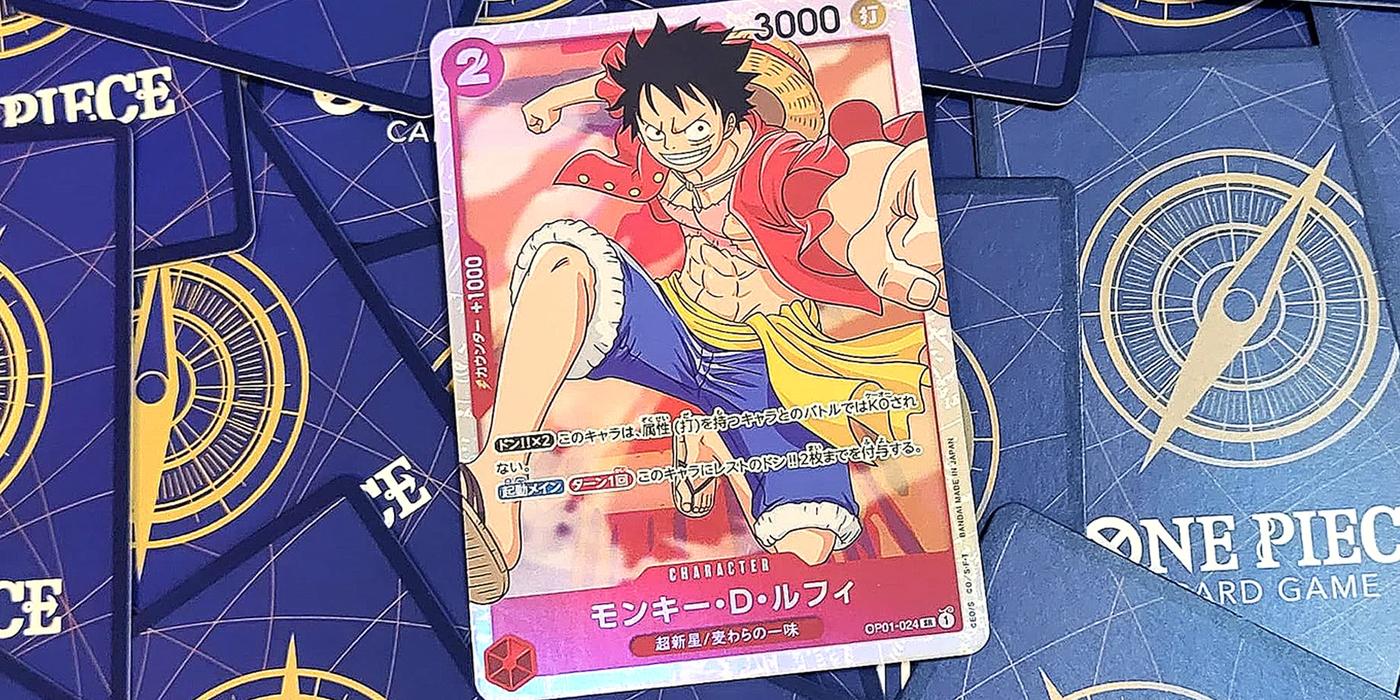
A manga rare in One Piece is the special black-and-white illustration parallel that Bandai drops into a small number of packs per case, and it's become the single hardest pull to get your hands on in the entire game. If you've ever cracked a box and heard someone yell about pulling a "manga rare," this is the card they're talking about.
I've been collecting One Piece TCG since the OP-01 days, and manga rares are still the chase that gets my heart rate up more than any Alt Art or Special Card. There's something about that stark black-and-white manga panel art, ripped straight from Oda's original pages, that hits different than another shiny SEC. Let's get into what these actually are, why they cost what they cost, and how to tell if the one you're holding is legit.
What Is a Manga Rare in One Piece TCG
A manga rare is a version of a card printed using actual manga panel artwork instead of the usual full-color anime-style illustration. No background color, no gradient foil sheen across the whole card face — just black ink line art pulled from the source material, sometimes with a little color accent on the character or the card frame.
They're not a rarity tier the way Common, Rare, or Secret Rare are. Manga rares are a parallel treatment that can land on cards of different official rarities — you'll see manga rare Leaders, manga rare Characters, even manga rare Events. If you want the full breakdown of how rarities and parallels stack up against each other, the official rarities guide covers where manga rares sit next to Alt Arts and Secret Rares, because people mix these up constantly.
The pull rate is brutal. Bandai doesn't publish exact odds, but from what collectors and shops have tracked across cases, you're looking at something in the range of 1 in multiple cases for the chase manga rares, not packs. That's a different universe than pulling a regular Super Rare.
Why Manga Rares Command Such High Prices
Manga rare value comes down to three things stacking on top of each other: scarcity, nostalgia, and print variance.
Scarcity is obvious — there just aren't many copies floating around. But the nostalgia piece matters more than people give it credit for. One Piece has been running since 1997. A huge chunk of the people buying this TCG grew up reading the actual manga in black and white, whether that was Shonen Jump or scanlations. A manga rare Luffy or Shanks isn't just a card to those buyers — it's the exact art style they fell in love with the story through. That emotional pull drives demand way past what pure scarcity would explain.
Print variance is the third piece nobody talks about enough. Manga rares are notoriously inconsistent card to card. Some copies have crisp black ink and dead-on centering. Others have visible print lines, soft corners, or off-center borders right out of the pack. That variance means two "identical" manga rares can sell for very different money depending on condition, which is exactly why grading has become such a big deal in this specific niche.
Most Valuable Manga Rares Right Now
Based on recent sales I've watched across auction sites and shop listings, a handful of manga rares have separated from the pack.
- Shanks (OP-01, manga rare) — one of the earliest and still one of the most requested. Raw copies in strong condition have traded well into four figures, with graded gem copies pushing higher.
- Portgas D. Ace manga rares — Ace pulls a premium across almost every set he appears in, and the manga rare treatment on his cards tends to sell noticeably above the anime-art Alt Arts.
- Kaido manga rares — big villain, big demand, and scarcity that matches. Prices here have been volatile, moving with whatever arc is trending in the anime at the time.
- Trafalgar Law and Roronoa Zoro manga rares — consistently strong sellers because both characters have huge individual fanbases outside the general Luffy-crew demand.
I want to be careful here: these numbers move. A card that sold for $900 last month can sell for $650 next month, or spike the other direction if a new anime arc or announcement brings fresh eyes to the character. If you want a snapshot of where specific cards are trading, the price guide tracks recent sales rather than list price, which is the number that actually matters when you're deciding what to pay or ask.
For the true top end of the hobby — the cards that regularly outsell even the best manga rares — the most expensive cards page is worth a look, since a few Special/Manga crossover treatments and ultra-limited promos still sit above most manga rares in raw dollar terms.
How Manga Rare Value Differs by Set
Not every set gets the same manga rare treatment or the same collector attention.
OP-01 (Romance Dawn) manga rares carry a first-set premium the same way OP-01 Alt Arts do. Being the debut set means these cards get bought by completionists who want "the first one" regardless of the character.
OP-02 through OP-05 manga rares are where I think the sweet spot is for a lot of buyers — strong character selection, still relatively early in the game's life, but supply has loosened up slightly compared to OP-01.
Recent sets tend to have better print quality overall — Bandai has visibly tightened up their QC — but the chase is still real because pack allocation hasn't gotten noticeably easier. If you want to see exactly which sets included manga rare parallels and which didn't, the full sets list breaks out set-by-set details including rarity distributions.
One thing collectors get wrong: assuming every set has manga rares. It's not automatic. Some sets skip the treatment entirely or only apply it to a small subset of cards, so don't go into a box assuming you're guaranteed a shot at one.
Manga Rare vs Alt Art vs Special Card: Don't Get These Confused
This trips up newer collectors constantly, so let me lay it out plain:
- Alt Art (Parallel) — full color, alternate illustration, usually with foil/holo treatment across the card.
- Manga Rare — black-and-white manga panel art, minimal or no color, no full-card holo sheen.
- Special Card / SEC — these refer to the printed rarity tier itself (based on card number and rarity letter), which is separate from whether it also happens to be a manga rare parallel.
You can have a Secret Rare card that also comes in a manga rare version. The rarity tier and the art parallel are two different labels stacked on the same card. This is exactly the kind of thing the rarities guide sorts out clearly if the terminology still feels tangled.
Spotting Fakes and Checking Condition
Manga rares get counterfeited. High dollar value plus a print style that's easier to fake on a home printer (black ink doesn't need the same color-matching precision as a full holo card) makes them a target.
Red flags I look for on any manga rare before I buy:
- Ink that looks flat or slightly grey instead of true black
- Card stock that feels thin or too glossy compared to a known real copy
- Blurry small text on the card border or set number
- A seller who won't provide close-up photos of the card edge and back
If you're buying anything above a couple hundred dollars, run it through a proper check before you pay. The fake card checker walks through the specific things to look for on One Piece cards, and it's saved me from a couple of bad eBay purchases just by making me slow down and actually look.
Condition is its own rabbit hole with manga rares specifically because of that print variance I mentioned. Centering issues are common enough that I check every manga rare I'm about to buy with a centering tool before I commit to a price, especially if I'm planning to submit it for grading later. A card that looks fine to the naked eye can be a 55/45 split that tanks the grade.
Should You Get Your Manga Rare Graded?
Grading a manga rare can meaningfully change what it sells for, especially at the high end. A raw manga rare in "looks great" condition and a PSA 10 or BGS 9.5 copy of the same card can be worlds apart in price, because buyers paying real money for these want certainty, not someone's Instagram-lighting photos.
That said, grading costs money and takes time, and not every manga rare is worth submitting. If a card's raw estimated market value is under $100, grading fees can eat most of your potential upside. For anything you suspect could grade gem mint and is already valuable raw, it's worth reading through a proper grading guide before you send anything off, so you understand what graders are actually looking at and how to prep the card.
The card grader tool is a decent first gut-check if you want a rough read on a card's condition before deciding whether a paid submission makes sense.
Top One Piece Cards by Value Right Now
These carry some of the highest estimated market values on CardTrack today. Figures are based on recent sales and can move quickly, so treat them as a snapshot:
Frequently Asked Questions
What makes a card a manga rare in One Piece TCG? A manga rare uses black-and-white manga panel artwork instead of the standard full-color illustration. It's a parallel print style applied to select cards in certain sets, not a standalone rarity tier like Common or Secret Rare.
Are manga rares rarer than Alt Art parallels? Generally yes — manga rares typically have a lower pull rate than standard Alt Art parallels in the same set, though exact odds aren't published by Bandai. This scarcity is a big part of why manga rare value tends to run high.
Why are some manga rares worth so much more than others? Character popularity, set age, and condition all play into it. A manga rare from a fan-favorite like Shanks or Ace in strong condition, based on recent sales, will typically outsell a lesser-known character from the same set by a wide margin.
How can I tell if my manga rare card is real? Check the ink quality (should be crisp true black, not grey or blurry), the card stock feel, and the small printed text near the card number. When in doubt, compare against verified images or run it through a dedicated fake card check before buying or selling.
Comments
No comments yet — be the first to weigh in.