MTG Rarities Explained: Common to Mythic (and Beyond)
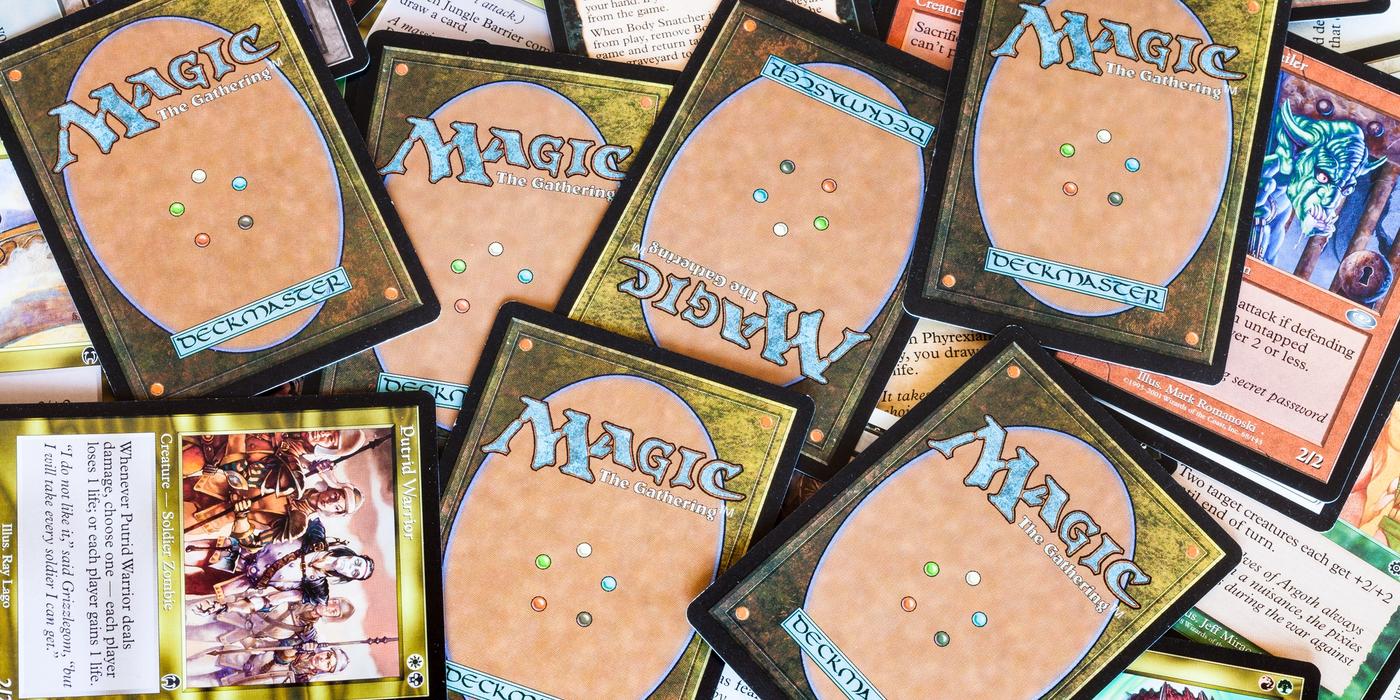
The easiest way to tell rarity of MTG cards is by looking at the little symbol in the middle-right of the card frame, right next to the set icon — black means common, silver means uncommon, gold means rare, and orange-red means mythic rare. That symbol has been the standard since Exodus back in 1998, and once you know how to read it, sorting a binder or a bulk box takes about a third of the time.
I've been cracking packs since the Ravnica block, and I still get asked at least once a week whether some random foil is "worth something" just because it looks shiny. Rarity isn't the whole story on value, but it's the first filter, and it's the one thing you can check in two seconds without a phone or a price app. If you want the full breakdown with pictures, our rarity guide covers every symbol era. This post is the plain-English version.
What the Rarity Symbol Actually Tells You
The symbol tells you how many copies of that card were printed relative to other cards in the same set — not how good the card is, not how old it is, and definitely not what it's worth. A common land can be worth more than a mythic if the mythic is a build-around bulk rare from a set nobody plays anymore (looking at you, some of the Kaladesh mythics).
Here's the breakdown of what you'll actually see printed on modern cards:
- Black symbol – Common. Roughly 10-11 per 15-card booster pack.
- Silver symbol – Uncommon. About 3 per pack.
- Gold symbol – Rare. 1 per pack in most sets.
- Orange-red symbol – Mythic Rare. Replaces the rare slot in roughly 1 out of every 8 packs.
That mythic ratio matters more than people think. In a normal 36-pack booster box, you're statistically looking at around 4-5 mythics. That scarcity is exactly why fresh mythics from a hyped set — think the Ragavan-style chase cards — spike hard the first few weeks after release and then cool off once supply catches up.
Common, Uncommon, Rare, Mythic — The Core Four Explained
Common
Commons are the glue of the game. Removal spells, vanilla creatures, cantrips. Wizards prints a ton of them so limited decks and Standard decks have enough playable filler. Don't sleep on them completely though — cards like Lightning Bolt or Ponder started as commons in some printings and became format staples, which pushed certain printings up in demand even at common rarity.
Uncommon
This is where design gets a bit spicier. Uncommons often carry the "build-around" synergy pieces or efficient removal that's slightly better than the common version. Historically this is also the rarity tier where a lot of long-term Commander staples live, because uncommons get reprinted less aggressively than commons but more often than rares.
Rare
Rares are the backbone of a set's power level and the ones that show up most in Standard and Pioneer decks. In older sets — pre-2008 or so — rare was the top rarity, full stop. There was no mythic tier yet. That's part of why old-school rares from sets like Tempest or Urza's Saga can carry weight even without being format-defining, since print runs were smaller across the board back then.
Mythic Rare
Mythic showed up in Shards of Alara in 2008 as a way to make the flashiest cards feel special and to control print numbers on the truly bomb-y designs — planeswalkers, powerful legendary creatures, splashy sorceries. Not every mythic ages well. Plenty of them end up as bulk within two years. But the ones that hit competitive play (Oko, Thing in the Ice, Wrenn and Six) can hold value for a long time because the print number stays genuinely low compared to rares.
Special and Non-Standard Rarity Symbols You'll Run Into
Once you start pulling from older sets or weird supplemental products, the four-tier system stops being the whole picture. This is where a lot of newer collectors get tripped up trying to figure out mtg rarity symbols on stuff that doesn't match current packs.
- Timeshifted cards (Time Spiral) – purple symbol, pulled from a "parallel timeline" design gimmick.
- Special/bonus rarity – often marked with a different icon entirely, used for things like retro frame cards in Dominaria or borderless treatments.
- Basic lands – technically their own category, usually printed at common-adjacent rates but not marked the same way across all sets.
- Promos – frequently carry a star, planeswalker symbol, or other custom icon instead of the standard rarity shape, since promos aren't tied to booster odds at all.
If you pick up a card and the symbol looks nothing like the four I listed above, it's almost always a supplemental product or a promo, and rarity there is more about print run than in-pack odds.
Rarity Before the Symbol System Existed
Cards from Alpha, Beta, and Unlimited didn't have any printed rarity symbol at all. You had to know print sheet data to figure out what was rare versus common, which is part of why old-school collectors memorized things like "Black Lotus was one of the rarest cards on the rare sheet." Symbols didn't get added until Exodus in 1998, so anything before that — including the original Power Nine — has to be identified by card name and set knowledge rather than a quick glance.
This matters a lot if you're buying vintage. A lot of the most valuable cards ever printed predate the symbol system entirely, and rarity there is inferred from old print sheet math, not something you can eyeball. If you're curious what tops that list today, our most expensive cards page tracks it based on recent sales.
Rarity Isn't the Same as Value — Here's the Real Relationship
I want to be straight about this because it's the single biggest misconception new collectors have: rarity affects supply, not demand. A mythic nobody wants sits as bulk. A common that every cube and Cube-adjacent deck wants (Ornithopter, say) can trade for real money because demand outpaces the huge print run.
What actually drives estimated market value is a mix of:
- Tournament playability (Standard, Modern, Commander demand all pull differently)
- Print run size for that specific set and printing
- Whether the card is on the Reserved List and can never be reprinted
- Condition and centering, which affects grading outcomes
- Nostalgia and iconic art or characters
If you're trying to figure out what something in your binder is actually worth right now, rarity is step one, not the final answer. I'd run it through a proper card value checker before assuming anything based on the gold symbol alone.
How to Tell Rarity of MTG Cards When You're Sorting a Big Collection
When I'm going through a bulk lot or helping someone sort a collection they inherited, here's the actual process I use:
1. Check the rarity symbol first. Black, silver, gold, orange-red — sort into four rough piles before doing anything else. 2. Set the mythics and rares aside for individual lookup. These are the ones worth spending time on. 3. Bulk the commons and uncommons unless you recognize a specific chase card (reprints of format staples happen at every rarity). 4. Cross-check anything that looks off. Fakes and proxies exist, and a suspiciously perfect "rare" foil from a random set is worth running through a fake card checker before you get excited. 5. Look up current numbers, since prices can move quickly based on what's being played in Standard or Commander that month. Our price guide gets updated regularly if you want current numbers instead of guessing.
For anyone building out a full set run, the sets list breaks down rarity distribution set by set, which helps a lot when you're trying to figure out how scarce a specific rare actually was within its print run.
Foil Rarity and Why It Complicates Things Further
Foil versions don't get their own rarity symbol — a foil rare has the same gold symbol as a non-foil rare. But foil print runs are smaller within most sets, especially pre-modern-foiling sets like the original foil era starting in Urza's Legacy. That means two cards can share identical rarity symbols and still have wildly different estimated market values just based on foil status and condition. This is one more reason rarity alone never tells the whole pricing story.
Top Magic Cards by Value Right Now
These carry some of the highest estimated market values on CardTrack today. Figures are based on recent sales and can move quickly, so treat them as a snapshot:
Frequently Asked Questions
How can I tell the rarity of an old Magic card with no symbol? Cards printed before Exodus (1998) don't have a rarity symbol at all, so you have to look up the card name against known print sheets for that set. Most price guide sites and the sets list will show you original rarity even for symbol-less cards.
Does mythic rare always mean a card is worth more than a rare? No. Mythic just means fewer copies were printed in that set's boosters, not that the card is in demand. Plenty of mythics settle into bulk pricing within a year or two while some rares from played formats stay valuable for years.
What's the difference between mtg rarity symbols on modern cards versus promos? Standard set symbols are black, silver, gold, and orange-red for common through mythic. Promos often swap that out for a star or other custom icon since they're distributed outside normal booster odds, so they don't fit the four-tier system cleanly.
Why do some commons cost more than rares from the same set? Rarity reflects print quantity, not playability or demand. A common that sees heavy play in Commander or cube drafts can outprice a rare that never found a home in any competitive deck.
Comments
No comments yet — be the first to weigh in.