One Piece Card Rarities Explained (SEC, Manga Rare, Alt Art & Parallel)
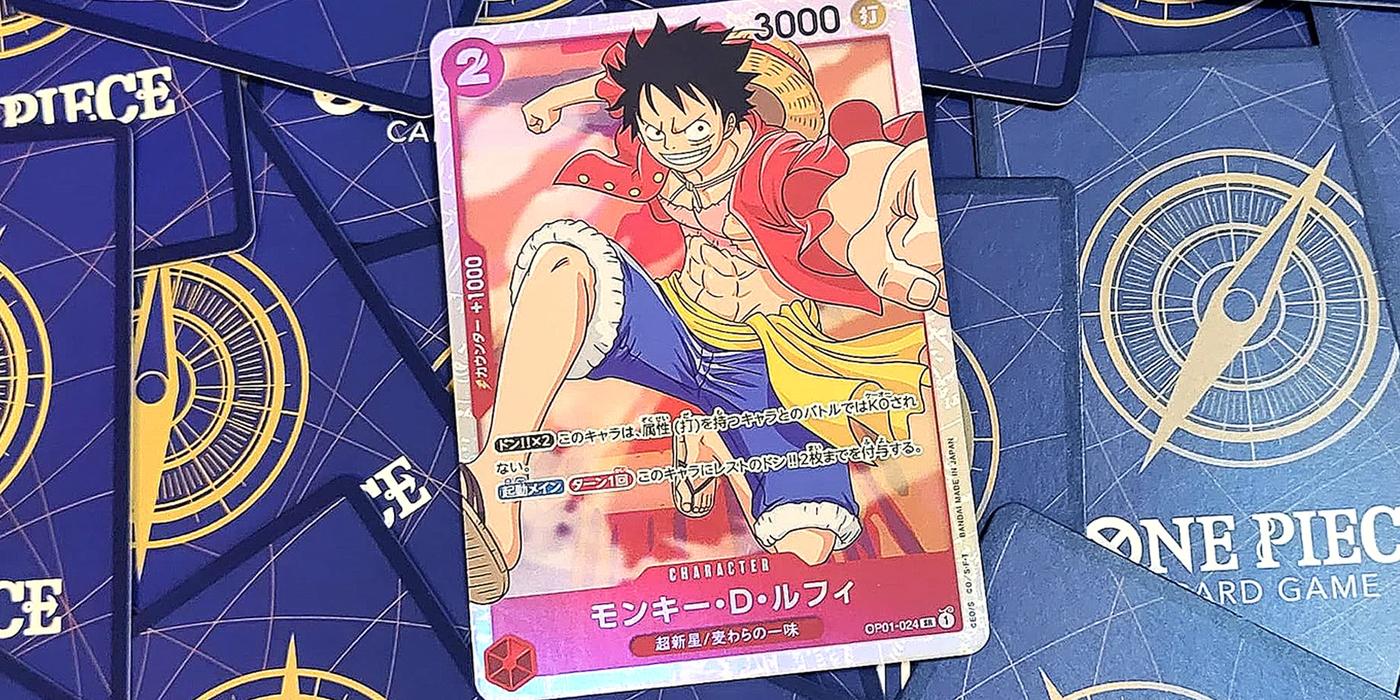
One Piece cards tell you their rarity right on the card — look at the bottom corner near the card number for a letter code like C, UC, R, SR, or SEC, and that code is your answer. That's the short version of how to tell the rarity of a one piece card, but the letter code is only half the story once you get into alt arts, manga rares, and parallels, which is what actually moves prices.
I've been cracking OP boxes since Romance Dawn dropped in English, and I still see people mix up "rare" (the actual R rarity) with "rare" as in "hard to pull." Those are different things in this game. If you want the full breakdown with every rarity tier laid out, our one piece card rarity guide covers it in one place. This post is the deeper dive into what each of those codes means in practice, and how to spot the stuff that doesn't fit neatly into a letter code at all.
The Rarity Letters: Where One Piece Card Rarity Actually Shows Up
Every single card in the game has a rarity marker printed near the card number, usually bottom-left or bottom-right depending on the set. It looks something like OP01-001 with a small letter tag next to it. Those letters are:
- C – Common
- UC – Uncommon
- R – Rare
- SR – Super Rare
- SEC – Secret Rare
- L – Leader
- P – Promo
That's it. That's the base system. Everything else — alt art, manga rare, parallel — is a variant that sits on top of these letters, not a separate tier that replaces them. This trips people up constantly. A card can be "SR" and also be an alt art. A card can be "R" and also be a parallel foil. The letter tells you the print rarity, the artwork and finish tell you the rest.
If you're staring at a card and can't find the letter at all, check the fine print near the copyright line too — sometimes it's tiny and easy to miss on darker card borders.
How To Tell If A One Piece Card Is Rare: Common Through Secret Rare
Here's roughly what each tier means when you're sorting a binder or a bulk lot.
Common (C) and Uncommon (UC) make up the bulk of any box. These are your straightforward character and event cards, usually with simple stat lines, no foil unless it's a parallel version. Worth pennies to a couple dollars in most cases, based on recent sales I've tracked across sets like OP-01 through OP-09.
Rare (R) cards start getting more interesting. A lot of key removal cards, useful Event cards, and mid-tier characters sit here. Some Rares are chase cards purely because they're good in the actual TCG — think early copies of cards like Nami or Tony Tony Chopper that saw constant competitive play.
Super Rare (SR) is where art usually steps up. Full character art, dynamic poses, foil treatment as standard. SRs are the backbone of most set checklists and usually land one or two per booster box on average, though pull rates shift set to set.
Secret Rare (SEC) is the top of the standard rarity ladder. These almost always carry alternate artwork, heavier foil, and much lower print numbers. A SEC Shanks or SEC Luffy from an early set can run well into three figures based on recent sales, sometimes more depending on condition and demand at the time. SEC is genuinely the rarest standard tier — there's nothing above it on the letter scale.
Leader (L) cards get their own code because every deck needs exactly one, and Bandai treats them as their own category for pull rates and reprints. Some Leaders also get SEC-level alternate art versions, which is where things start overlapping with what I'm about to cover next.
Alt Art, Manga Rare, and Parallel: The Part The Letter Code Doesn't Explain
This is where most "how to tell one piece card rarity" questions actually come from, because the letter code stays the same across variants and you have to look at the art and finish instead.
Alt Art
An alt art card uses completely different artwork than the standard version of that same character, usually a full-bleed image with no border, sometimes dropping the stat boxes down to a minimal strip at the bottom. Alt arts show up most often at the SR and SEC rarity tiers. A good example is the alternate art Boa Hancock or Trafalgar Law chase cards from the Paramount War and Wings of the Captain sets — same card number and effect as the standard version, completely different picture, and a very different price tag.
The giveaway: if you see two cards with the identical card number (say OP02-013) but wildly different art and one has no visible frame, you're looking at a base version and its alt art variant.
Manga Rare
Manga Rare is its own beast and honestly my favorite pull to find in a box. Instead of colored anime-style art, Manga Rares use black-and-white panel art straight out of the actual One Piece manga pages. They've shown up as special inserts in sets like the Best of Omatsuri box and select OP boosters. These are printed in much smaller numbers than even SEC cards in the same set, and collectors chase them specifically for the manga panel aesthetic, not just the rarity letter underneath.
Manga Rares can carry an SR or SEC letter code depending on the set, so don't assume the letter alone tells you it's a Manga Rare — you have to actually see the black-and-white art style to confirm it.
Parallel
A parallel is the sneaky one because it can apply to almost any rarity tier, including Commons. A parallel version of a card keeps the same artwork as the base version but adds a foil or holographic treatment across the whole card face. Some sets include parallel versions as a set bonus you get by opening enough boxes at once, others distribute them randomly in packs.
The way to catch a parallel: tilt the card under light. If a normal Common suddenly has that shimmer across the whole surface instead of just the name plate, that's a parallel, and it'll usually carry more value than its plain counterpart even though the card number and rarity letter match exactly.
Checking Rarity Against Set Checklists and Real Sales Data
Letters and art style get you 90% of the way there, but the fastest way to confirm you've actually got something worth paying attention to is to check it against the actual set list and recent sale prices, not just guess based on how shiny it looks. I keep our full set breakdown open in another tab pretty much every time I'm sorting a new box, because print runs and rarity distribution genuinely differ set to set — what counts as an unusually rare pull in OP-01 isn't the same math as OP-10.
For actual numbers, our price guide tracks estimated market value based on recent sales rather than list price, which matters because SEC and alt art prices can move quickly depending on tournament results, anime episodes airing, or a character just becoming popular again. If you're trying to figure out whether a specific pull is worth grading or selling, that's the page I'd check before doing anything else.
And if you ever pull something that seems too good to be true — a SEC hitting three times in one box, say — it's worth running it past our fake card checker too. Counterfeit SEC and alt art cards exist, and they usually get the rarity letter font or foil pattern slightly wrong even when the artwork looks convincing.
Rarity Affects Grading Value More Than People Expect
Here's something I learned the expensive way: a Rare or Common with a factory miscut or bad centering is basically unsellable, but the same flaw on a SEC or Manga Rare barely dents demand because collectors want that specific card no matter what. If you're deciding whether a pull is worth sending off, check the centering on it first — it's the single biggest factor in what grade a card comes back with. Our grading guide walks through what graders are actually looking for beyond just the front-facing scratches, and the card grader tool is a decent gut check before you commit to shipping something off.
For the truly top-end stuff, it's worth browsing our most expensive One Piece cards list just to get a feel for what separates a strong SEC pull from an actual grail. Most of what's on there is a mix of low print SEC, Manga Rare, and early alt art promos — rarely a plain SR, no matter how good the character is.
Top One Piece Cards by Value Right Now
These carry some of the highest estimated market values on CardTrack today. Figures are based on recent sales and can move quickly, so treat them as a snapshot:
Frequently Asked Questions
How can I tell if my One Piece card is a real SEC or just a regular parallel? Check the letter code near the card number first — SEC should be printed clearly, not just implied by foiling. If the artwork matches the standard version exactly and only the finish is shiny, that's a parallel, not a Secret Rare, even if it looks flashy under light.
Does Manga Rare count as a higher rarity than SEC? Not exactly — Manga Rare is a style category layered on top of the existing letter system, and a Manga Rare card can carry either an SR or SEC code depending on the set. Collectors often value Manga Rares highly because of low print counts, not because there's a separate "Manga Rare" tier above SEC on the official scale.
Why do two cards with the same number have completely different prices? That's almost always an alt art or parallel situation. Same card number and game text, but one has different artwork or foiling, and based on recent sales those variants can trade for very different amounts even though they're functionally identical in a match.
Is there a rarity higher than SEC in One Piece TCG? No — SEC sits at the top of the standard rarity ladder, though Leader cards and certain promo-only prints get treated separately since they're distributed differently rather
Comments
No comments yet — be the first to weigh in.