The Most Expensive Yu-Gi-Oh Cards Ever Sold
So what yugioh cards are worth the most? At the very top, it's a small handful of tournament prize cards and misprints that trade in the six-figure range, with the record sale sitting north of $200,000. I've been tracking auction results and grading pop reports for years, and the same names keep showing up. If you want the full running list I keep updated with recent sales, I've got a most expensive Yu-Gi-Oh cards breakdown that goes deeper into the numbers than any single blog post can.
This one is going to walk through the actual cards, what they sold for, and why some scrap piece of cardboard from a 1999 tournament is worth more than most people's cars.
What Makes a Yu-Gi-Oh Card Actually Expensive
Before the list, you need to understand why these specific cards command what they do, because it's not what new players usually assume. It's almost never about how good the card is on the field. Nobody is winning a Regional with Tournament Black Luster Soldier.
Three things drive value here:
- Print run. Some of these cards had fewer than 20 copies made, period. Not "low print run" like a Ghost Rare — actually under two dozen physical cards existing.
- Distribution method. A lot of the priciest cards were never sold. They were prizes for winning tournaments in Japan or Shonen Jump events in the US, so there's no reprint, no restock, nothing.
- Condition and grading. A PSA 10 on a 25-year-old prize card is almost unheard of. Grading houses see so few submissions of these that a single high grade can reset the entire market.
If you're trying to figure out where your own binder stands, it helps to understand the difference between a Secret Rare and something like a genuinely scarce promo. My rarity guide breaks down how the print tiers actually work, because "rare" gets thrown around way too loosely in this hobby.
The Most Expensive Yu-Gi-Oh Cards Sold So Far
Here's the list, based on recent sales and public auction records I've been able to verify. Prices move — these are estimated market values at time of writing, not fixed numbers.
1. Tournament Black Luster Soldier (1999)
This is the one everybody points to first. It was given out to the winner of a 1999 Yu-Gi-Oh tournament in Japan, and as far as anyone can tell, exactly one copy exists. A PSA-graded copy sold at auction for over $2 million in 2022, which honestly broke the ceiling on what people thought a trading card could sell for, Yu-Gi-Oh or otherwise. That sale isn't really comparable to anything else on this list — it's a one-off event, not a market.
2. Tamashii Tournament Cyber Jar
Another Japanese tournament prize, this one handed out for a different regional event around the same era. It's got that same "you had to be there in 1999" scarcity. Sales for this card land in the $100,000–$300,000 range depending on condition, and copies almost never come up for public sale, so pricing is more educated guess than hard data.
3. Tournament Black Luster Soldier – Envoy of the Beginning
Not to be confused with the first entry — this is a different tournament print with its own history. Recorded sales sit in the high five to low six figures. What separates it from the 1999 original is scarcity of confirmed copies known to still be in circulation, which is a big part of why collectors treat the two as separate grails entirely.
4. Shonen Jump Championship Kaiba Trophy Cards
These aren't standard cards at all — they're 3D trophy-style cards given to top finishers at Shonen Jump Championship events in the early 2000s. Because they're physically different from anything in a booster pack, they get treated almost like sports memorabilia rather than TCG singles. Sale prices for these have hit well into six figures, with condition and which specific tournament it came from swinging the number a lot.
5. Crush Card Virus (DDS Prize Card)
This came out of a Duelist Days event and is one of those cards where the print run is genuinely tiny — estimates put it under 10 copies. When one surfaces, it tends to sell in the $30,000–$60,000 range, though I've seen private sale rumors higher. It's a good example of how rarest Yu-Gi-Oh cards don't need flashy foil or artwork to command a price — scarcity alone does the job.
6. 1996 LOB (Legend of Blue Eyes) First Edition Sealed Box
Not a single card, but it belongs on this list because a sealed first-print LOB booster box from the original 1996-2002 English print run has sold for over $400,000. Sealed product from that era is arguably scarcer than any single prize card, since almost nobody kept boxes sealed back then — everybody just ripped packs looking for Blue-Eyes White Dragon.
7. Blue-Eyes White Dragon (LOB-001, First Edition, PSA 10)
This is the card most collectors actually recognize, and it's the one people usually mean when they ask what the most expensive normal, pack-pulled Yu-Gi-Oh card is. A PSA 10 first edition LOB Blue-Eyes has sold for well over $100,000 in recent years. What makes this one different from the prize cards above is that it's not impossibly rare in raw numbers — it's rare in gem-mint condition, because the original print quality and centering on these was genuinely bad.
That last point matters more than people think. I've handled dozens of raw first-edition LOB commons and rares over the years, and centering issues are everywhere — a lot of them are 60/40 or worse right out of the pack. If you've got one sitting in a binder and you think it might grade well, running it through a centering checker before you pay for grading can save you from a costly surprise.
8. Dark Magician Girl (First Edition, Magician's Force)
Not a six-figure card, but it's the poster child for "iconic art plus real scarcity" and regularly pops up in these discussions because raw copies still sell in the low thousands, and PSA 10 first editions have cleared $10,000+. It's proof that you don't need a tournament-only print run to build serious value — you just need a beloved character, a decent original scarcity, and time.
Why Tournament Prize Cards Dominate the Very Top
If you look at the actual top ten sales in Yu-Gi-Oh history, almost none of them are cards regular players ever owned. That's the pattern worth understanding.
Booster packs, even from the earliest sets, were printed in massive numbers. Millions of LOB packs got opened. Even the rarest pull from that set — Blue-Eyes White Dragon — exists in enough raw copies that supply isn't really the constraint anymore. Grade is.
Tournament prizes are different math entirely. Konami (and Shueisha in Japan, who ran a lot of these early events) made these cards to hand to a literal handful of winners. No reprints ever happened, no distributor got extra stock, nothing sits in a warehouse somewhere. When a print run is genuinely single or double digits, condition barely matters compared to just proving the thing exists and is real.
That last part is a real problem in this specific corner of the hobby. When a card's value crosses into six or seven figures, forgery risk goes up with it. If you're ever evaluating something claiming to be one of these ultra-rare prize cards, it's worth running it past a proper fake card checker before any money changes hands, because a good scan and print-quality comparison catches most fakes before you're out real money.
How Grading Changes the Price of Rare Yu-Gi-Oh Cards
I want to spend a section on this because it trips up a lot of newer collectors who see a headline number and assume that's what any copy of the card is worth.
A PSA 10 Blue-Eyes White Dragon and a PSA 7 of the exact same card are not close in price. We're talking a difference that can be 5x, sometimes more, depending on how thin the pop report is at the top grade. For older cards especially, PSA 9 and 10 populations are tiny because these things went through decades of sleeve-less storage, sticky album pages, and kids just being kids with their cards.
If you've got something you think could grade high, it's worth actually understanding the standards before you submit. My grading guide walks through what graders are actually looking at — surface, centering, corners, edges — because "looks mint to me" and "grades a 10" are two very different bars.
And centering specifically wrecks more submissions than anything else on old cards. Early Yu-Gi-Oh print sheets weren't cut with the precision modern Pokémon or Magic sheets get, so a card that looks perfect to the naked eye can come back centered 65/35 and grade three points lower than you expected.
Tracking Prices Without Getting Burned
The auction sales I've listed above are real, documented events, but they're also outliers by definition — that's why they made news. The vast majority of Yu-Gi-Oh cards, even genuinely old and scarce ones, sell for far less than the numbers that make headlines.
If you're trying to figure out what a specific card in your collection is actually worth right now, checking a proper price guide is a lot more useful than anchoring on a record sale from a card that's nothing like yours. Context matters — a first edition rare from a common set behaves completely differently in the market than a tournament-only print.
It also helps to know what set something actually came from, since reprints and different print runs of the same card can have wildly different values. Browsing a full Yu-Gi-Oh sets list is a good habit if you're trying to identify exactly which print of a card you're holding before you go chasing a price you saw in a forum post from three years ago.
Top Yu-Gi-Oh Cards by Value Right Now
These carry some of the highest estimated market values on CardTrack today. Figures are based on recent sales and can move quickly, so treat them as a snapshot:
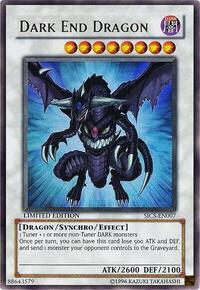 Dark End DragonShonen Jump Championship Series Prize Cards · #SJCS-EN007$5,000View live price on CardTrack →
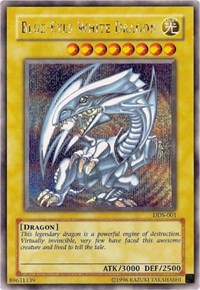 Blue-Eyes White Dragon (Dark Duel Stories)Yu-Gi-Oh! Video Game Promotional Cards · #DDS-001$3,000View live price on CardTrack →
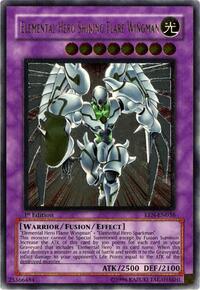 Elemental Hero Shining Flare Wingman (UTR)Elemental Energy · #EEN-EN036$1,250View live price on CardTrack →
 Dragon Master Magia (Starlight Rare)Battles of Legend: Glorious Gallery · #BLGG-EN137$1,200View live price on CardTrack →
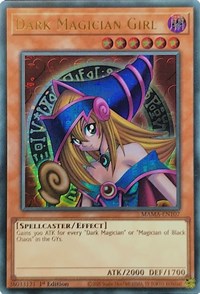 Dark Magician Girl (Ultra Pharaoh's Rare)Magnificent Mavens · #MAMA-EN107$1,000View live price on CardTrack →
Frequently Asked Questions
What is the single most expensive Yu-Gi-Oh card ever sold? Based on public auction records, that's the Tournament Black Luster Soldier from 1999, which sold for over $2 million in 2022. It's a unique tournament prize card believed to have only one copy in existence, so it's really not comparable to anything sold from regular booster packs.
What's the most expensive Yu-Gi-Oh card that came from an actual booster pack? That distinction usually goes to a PSA 10 first edition Blue-Eyes White Dragon from Legend of Blue Eyes White Dragon, which has sold for well over $100,000. It's rare mostly because of grading, not because the card itself is scarce — first-edition LOB print quality was rough, so gem-mint copies are hard to find.
Are old Yu-Gi-Oh tournament prize cards worth more than Secret Rares or Ghost Rares? Almost always, yes. Modern rarities like Ghost Rares can still have print runs in the thousands, while genuine tournament prize cards from the early 2000s sometimes have fewer than 20 copies ever made. Scarcity of actual physical copies tends to matter more than rarity tier printed on the card.
How can I tell if my old Yu-Gi-Oh card is actually rare or valuable? Start by identifying the exact set and print run using a sets reference, since the same artwork can exist across multiple prints with very different values. From there, checking a current price guide and considering grading, if the condition looks strong, gives you a much more realistic number than assuming it's worth what a record-sale headline claims.
Comments
No comments yet — be the first to weigh in.