Which One Piece Cards Are Worth Money? The Ones to Look For
Which One Piece Cards Are Worth Money? The Ones to Look For
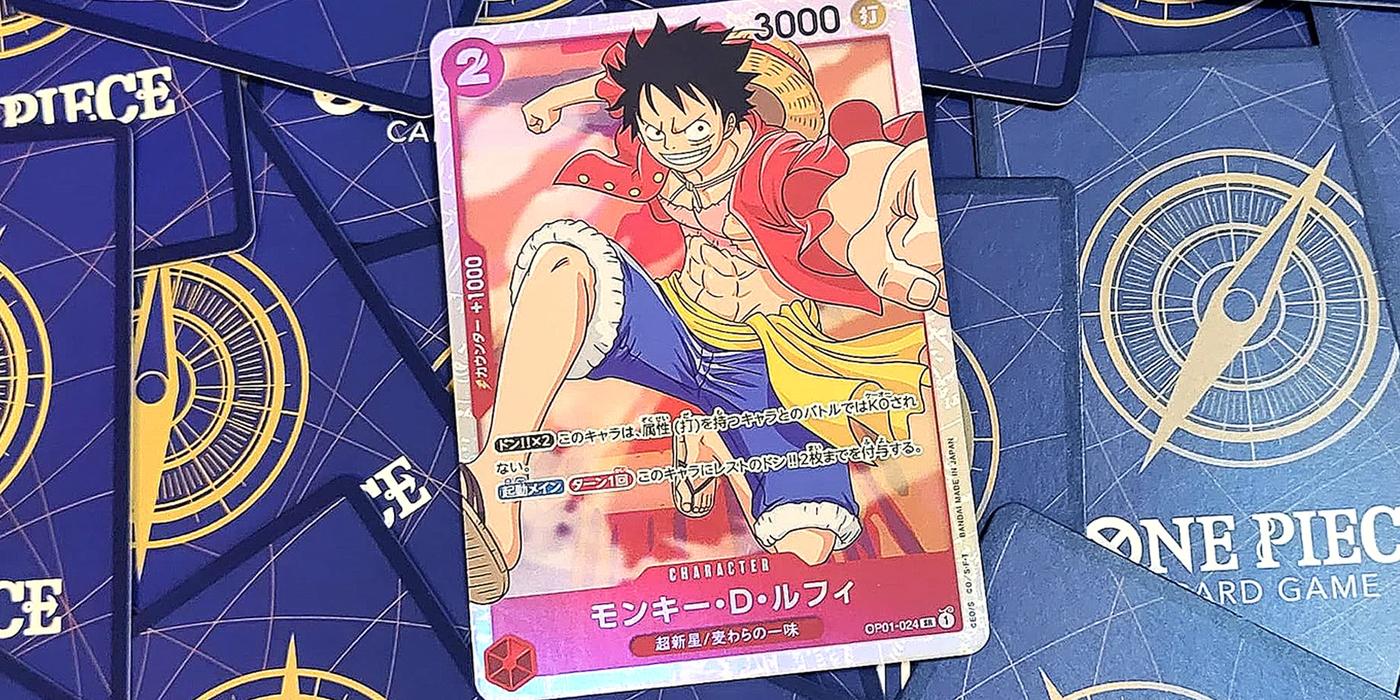
Short answer: the One Piece cards worth money right now are mostly Leader cards, Secret Rares, and Manga (parallel) rares from the early English sets — think OP-01 Romance Dawn, OP-02 Paramount War, and the alternate art Leaders that show up across the whole line. A handful of promo cards from tournament prizes and store championships sit at the top of the pile too. If you want the actual numbers instead of my guesswork, I'd start with the most expensive One Piece cards list, because that's pulled from real completed sales, not asking prices on eBay listings that never move.
I've been playing this game since Romance Dawn dropped in English, and I still open product every time a new set comes out. Some of what I'm about to tell you I learned the expensive way — buying into hype on a card that cooled off fast, and sitting on cards I thought were nothing that turned into real money six months later. So take this as a collector's notes, not a prediction chart.
What Actually Makes a One Piece Card Worth Money
Before the list, you need to understand why some cards hold value and others don't, because the rarity symbol on the card only tells half the story.
Print run matters more than rarity letter. A Super Rare from a set that got reprinted twice is worth less than a Super Rare from a set Bandai only printed once. OP-01 is the obvious example — that first print run was smaller than demand ended up being, and reprints came later but didn't fully catch up for over a year.
Leader cards get chased hardest. In this game your Leader defines your whole deck, so a strong Leader in a popular color combo (red/green Luffy, black/purple Law, whatever the meta favors that season) gets bought by both collectors and players. That double demand is what pushes prices up faster than a random Character card with the same rarity.
Manga rarity parallels are their own category. These are the black-and-white, comic-panel-style alternate arts. They're not always the rarest pull rate-wise, but they look completely different from the normal card and a lot of collectors specifically hunt them regardless of the character.
Alt art Secret Rares are the chase cards. These are the ones you see people posting pack openings over. Shanks, Kaido, Whitebeard, Yamato — full art SEC versions of major characters tend to anchor a set's secondary market for years after release.
If you're not sure what tier a pull actually is, the rarity guide breaks down Common through Secret Rare plus the parallel types, which honestly took me longer to get straight than it should have when I started.
Cards That Are Actually Worth Money Right Now
This isn't exhaustive — new chase cards get crowned every set — but these are the categories I'd point a new collector toward if they asked me what to actually keep an eye on.
OP-01 Romance Dawn Secret Rares
This is the set that started it all in English, and it's aged the way early sets in a hot TCG usually do.
- Shanks (OP01-120, SEC) — the alternate art version regularly sells for real money based on recent sales, and it was one of the first "grail" pulls people talked about online.
- Trafalgar Law (OP01-060, SEC) — Law's popularity in the anime plus a low pull rate keeps this one relevant.
- Monkey D. Luffy Leader parallels — the alt art Leader versions from this set, especially in good condition, hold estimated market value well above the base version.
OP-02 Paramount War
The Marineford arc set. Big emotional beats in the manga tend to translate into card demand, and this set proved it.
- Portgas D. Ace SEC — Ace cards across the whole game tend to carry a premium, and the Paramount War alt art is the one people specifically look for.
- Whitebeard (Edward Newgate) alt arts — not the flashiest character mechanically, but iconic enough that collectors want him regardless of competitive relevance.
OP-05 Awakening of the New Era
This one introduced a wave of new Leaders that shook up the format, and a few of them turned into legitimately expensive singles fast.
- Yamato Leader (alt art) — strong in a competitive deck at the time, which pushed the price up on top of collector demand.
- Charlotte Katakuri SEC — sharp, moody alt art, and Katakuri has a following independent of the game itself.
Tournament and Store Championship Promos
These are a different animal entirely. They were never sold in packs — you had to win an event, place well, or sometimes just show up and play. Print runs are tiny compared to anything in a booster box, and secondary market prices reflect that. A championship promo Luffy or Zoro can trade for more than an entire booster box, sometimes several boxes, depending on the event and year.
Anime Crossover Cards
Sets that lean into famous anime moments — big fights, iconic panels — tend to produce parallels collectors want purely for the artwork. These don't always follow competitive logic. A card that's mediocre in actual gameplay can still carry a strong price tag if the art is one people recognize instantly.
Why Two Copies of the "Same" Card Sell Differently
Here's something new collectors get wrong constantly: two copies of the exact same card, same set, same print, can sell for very different money depending on condition. A Secret Rare with a soft corner or an off-center cut can lose a big chunk of its value compared to a clean copy.
Centering especially trips people up because it's not always obvious to the naked eye. I've pulled cards I thought looked perfect that turned out to be noticeably off when I actually measured the borders. If you're deciding whether a card is worth submitting for grading, running it through a centering tool first saves you from paying grading fees on something that's going to come back with a middling number anyway.
Speaking of grading — a PSA 10 or comparable top grade on a genuine chase card can sell for multiples of the raw version. Not always double or triple, but often enough that it changes the math on whether grading is worth the cost and wait time. If you're new to the process, the grading guide walks through what companies actually look at and roughly what it costs to submit.
And if you're on the fence about whether a specific card is even worth the grading fee, a card grader estimate tool can give you a rough idea of what condition tier you're looking at before you commit anything to the mail.
Checking Actual Prices Instead of Guessing
I'll be straight with you: prices on One Piece cards move fast, sometimes within weeks of a set release or a character getting hyped in the anime. What I tell you today could be stale by the time you read it. That's why I always tell people to check a live price guide instead of trusting a blog post (including this one) as gospel.
The price guide tracks recent sales across conditions, which is a lot more useful than eyeballing "buy it now" listings, because plenty of sellers list at fantasy prices and just let them sit for months. Sold prices tell you what people are actually paying, which is the only number that matters if you're trying to figure out what a card is really worth right now.
Fakes Are a Real Problem Now
I didn't think this would become an issue for One Piece as fast as it did, but once cards started carrying real money, counterfeits followed. I've seen fake Secret Rares sold at conventions and through casual online listings, usually with slightly off card stock or print quality that's hard to spot in a phone photo but obvious in hand.
If you're buying a high-value single from someone you don't know, especially anything approaching the prices you'd see on the most expensive cards list, it's worth running it through a fake card checker before you pay serious money for it. It takes a few minutes and it's saved me from at least one bad purchase that looked completely convincing in the listing photos.
Sets Worth Watching Going Forward
Not every set produces long-term chase cards, and it's hard to know which ones will right after release. Early hype doesn't always hold — I've seen alt arts that were expensive at launch cool off within a year once supply caught up, and I've seen "boring" pulls from underrated sets quietly climb because the character got a big anime arc later.
If you want to track what's coming and compare pull rates and rarity distribution across releases, the full sets list is the easiest way to see the whole picture instead of just whatever's trending on social media that week. I check it before every new release just to see what Leader colors and mechanics are getting introduced, because that usually hints at what characters are going to matter competitively — and competitive relevance is one of the bigger levers on price, alongside pure collector demand.
The Bottom Line
The One Piece cards worth actual money share a few traits: low print runs, strong Leader or Secret Rare status, iconic characters, and clean condition. Early sets like Romance Dawn and Paramount War built the foundation of the secondary market, tournament promos sit in their own tier entirely, and newer sets keep adding chase cards as the anime hits bigger story beats.
None of this is a promise that any specific card climbs in value — prices in this hobby move both directions, and I've watched plenty of "sure thing" cards flatten out once the hype passed. If you're holding cards or thinking about picking some up, check recent sold prices, get condition right before you assume a card is worth top dollar, and verify anything expensive before money changes hands. That's really the whole game — pull cool cards, keep them in good shape, and pay attention to what's actually selling instead of what people say online.
Comments
No comments yet — be the first to weigh in.