Which Yu-Gi-Oh Cards Are Worth Grading?
What yugioh cards are worth grading comes down to a simple filter: the card needs real demand, a print run old or scarce enough to matter, and it has to actually be in the kind of condition that survives a grader's loupe. Grade the wrong stuff and you're just paying $15-50 a card to put a common in a plastic box nobody wants.
I've sent in probably 400 cards over the last six years. Some of that money was well spent. A chunk of it wasn't. So let's talk about what's actually worth the submission fee in 2024, not just "old cards are good" advice you already knew.
What Actually Makes a Yu-Gi-Oh Card Worth Grading
Before the list, here's the actual math you're doing every time you submit a card.
Grading costs money and time. Even the cheapest bulk-tier service from a place like PSA or CGC runs somewhere around $15-25 per card if you hit a bulk window, and turnaround can be months. If a raw copy of the card sells for $20, and a PSA 9 of it sells for $35, you didn't make money — you lost time and shipping costs for a $15 "profit" that assumed a perfect grade.
The cards worth grading generally have one or more of these things going on:
- Real raw-to-graded price gap. A PSA 10 needs to sell for meaningfully more than a raw copy, not just a few bucks more.
- Age or rarity that makes high grades genuinely hard to find. Anything from the LOB-through-Legacy of Darkness era printed on that older, more fragile card stock chips and whitens easily.
- Actual play or collector demand. Nobody's fighting over a graded copy of a card nobody wants raw.
- Surface and print quality that can plausibly hit a 9 or 10. Some cards are notorious for print lines or off-center cuts — no point grading those and hoping.
If you want the full breakdown of how the process works and what the grading companies are actually scoring, our grading guide walks through it card by card. Worth reading before you mail anything off.
Vintage Cards: The Safest Bet for Grading
If you're new to this and want the lowest-risk category, start here. Vintage Yu-Gi-Oh — Legend of Blue Eyes White Dragon through Pharaoh's Servant, roughly 2002-2003 — has three things going for it: age, fragile stock, and nostalgia from a generation of collectors who now have disposable income.
Blue-Eyes White Dragon (LOB-001)
This is the poster child. Raw played copies go for maybe $30-60 depending on edition (1st edition commands a real premium over unlimited). A PSA 9 regularly sells in the $150-300 range based on recent sales, and PSA 10s have gone well past $1,000 for 1st edition copies. The card is iconic, it's the face of the franchise, and high grades are legitimately hard to find because the original print run wasn't exactly quality-controlled.
Dark Magician (LOB/SDY prints)
Same story, slightly less dramatic multiplier. Raw copies are cheap, but a clean PSA 10 still moves for a few hundred dollars. Dark Magician has enough brand recognition that even non-competitive collectors want a graded copy on the shelf.
Red-Eyes Black Dragon (LOB-070/SDJ)
Less valuable than Blue-Eyes but still a strong grading candidate purely on the strength of the character. First edition LOB copies in high grade sell for noticeably more than unlimited.
If you're not sure which print or edition you're holding, check it against our sets list — early sets especially have overlapping reprints that look nearly identical but grade and sell very differently.
Best Yu-Gi-Oh Cards to Grade From the Modern Era
Vintage isn't the only lane. Modern cards — especially the ultra-rare and secret-rare pulls from the last 5-10 years — can be some of the best yugioh cards to grade if you pick the right ones. The trick here is picking chase cards from sets with real competitive relevance, not just anything shiny.
Secret Rares and Ghost Rares from tournament staples
Cards like Ash Blossom & Joyous Spring or Effect Veiler in their rarer printings have real, ongoing play demand. A card that's actually good on the competitive floor holds value differently than a cool-looking card nobody plays. When a secret rare version of a staple gets graded PSA 10, it usually sells at a clear premium over raw NM copies because a lot of buyers want "mint forever" insurance on a card they're not planning to sleeve up and shuffle.
Structure deck and starter deck exclusives
Cards that only ever appeared in one starter or structure deck, especially older ones, can surprise people. They weren't pulled from packs, so the population that exists in genuinely mint condition is smaller than you'd guess — these decks got shuffled and played, not preserved.
Anniversary and Quarter Century Secret Rares
QCSRs from the 25th Anniversary sets have become a category of their own. The rarity is legit — these are hard pulls — and the finish is different enough from standard rares that collectors specifically hunt graded copies. Raw QCSR copies already sell well; graded ones with a clean 10 add a real bump on top.
Error Cards and Misprints Worth Grading
This is a smaller, weirder corner of the hobby, but it's one of the more interesting ones. Genuine misprints — miscut borders, wrong rarity foiling, missing text — can be worth grading specifically because a slab from PSA or CGC verifies the error is real and not just damage. Without that third-party verification, a lot of buyers assume you're trying to pass off a defect as a feature.
The catch: you need to know the difference between an actual factory error and a card that's just been mishandled or is a known fake. This is exactly the kind of card where I'd run it through a fake card check first, because a "misprint" story is also a classic way scammers try to justify a card that's just wrong.
Cards You Probably Shouldn't Bother Grading
Just as important as the "yes" list. Save your money on:
- Commons and low-rarity cards from recent sets. Even in perfect condition, the raw-to-graded spread is basically nothing.
- Anything with visible print lines, off-center printing, or surface scratches. Check centering yourself before you submit — our centering tool gives you a quick read on whether a card is even in the range graders reward, since centering is one of the most common reasons a card gets bumped from a 10 to an 8.
- Reprints from sets with huge print runs. If a card's been reprinted five times across different tins and sets, high-grade raw copies usually aren't scarce enough to justify the fee.
- Cards under roughly $15-20 raw, unless it's a card you're keeping regardless of resale and just want protected in a slab for personal reasons. That's a fine reason to grade something — just know it's not an investment move, it's a preservation move.
How to Check Before You Submit
I don't grade anything anymore without doing two quick checks first. First, I run the card through a card value checker to see what raw versus graded copies have actually sold for recently — prices can move quickly in this hobby, especially around anime anniversaries or reprint announcements, so I always look at sales from the last few weeks, not numbers from a year ago. Second, if I'm on the fence about a card's surface or corners, I'll run it through a card grader tool to get a rough read before paying a real grading company to tell me the same thing.
It's also worth understanding rarity terminology before you assume a card is special. Yu-Gi-Oh has an unusually deep rarity system — Common, Rare, Super Rare, Ultra Rare, Secret Rare, Ultimate Rare, Ghost Rare, Starlight Rare, and more — and two cards that look similar in a binder can have wildly different values. The rarity guide is a good five-minute read if you're not sure what you're actually holding.
If you want a sense of what the true ceiling looks like — the cards where grading turns a valuable piece of cardboard into a genuinely serious asset — the most expensive Yu-Gi-Oh cards list is worth a look too. Almost every card on it is a graded copy, and that's not a coincidence.
Quick Checklist Before You Pay to Grade a Card
- Raw price is high enough that a graded premium actually covers the fee
- Card is old, low-pop, or has a print run known for condition issues
- Surface, corners, and centering look clean to your eye under good light
- There's actual demand for this specific card, not just nostalgia for the set
- You've checked recent sales on both raw and graded comps, not prices from years ago
Top Yu-Gi-Oh Cards by Value Right Now
These carry some of the highest estimated market values on CardTrack today. Figures are based on recent sales and can move quickly, so treat them as a snapshot:
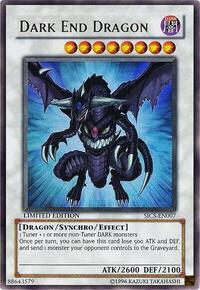 Dark End DragonShonen Jump Championship Series Prize Cards · #SJCS-EN007$5,000View live price on CardTrack →
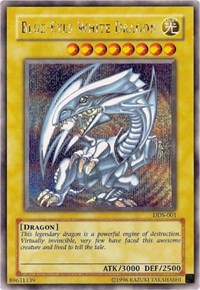 Blue-Eyes White Dragon (Dark Duel Stories)Yu-Gi-Oh! Video Game Promotional Cards · #DDS-001$3,000View live price on CardTrack →
 Elemental Hero Shining Flare Wingman (UTR)Elemental Energy · #EEN-EN036$1,250View live price on CardTrack →
 Dragon Master Magia (Starlight Rare)Battles of Legend: Glorious Gallery · #BLGG-EN137$1,194View live price on CardTrack →
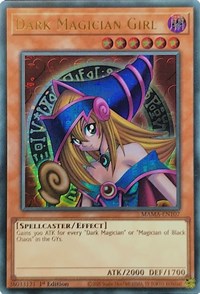 Dark Magician Girl (Ultra Pharaoh's Rare)Magnificent Mavens · #MAMA-EN107$1,000View live price on CardTrack →
Frequently Asked Questions
Is it worth grading a Yu-Gi-Oh card worth $20? Usually not, unless it's a card you plan to keep long-term and just want protected. At that price point, grading fees alone can eat most or all of the premium a graded copy might sell for, based on recent sales in that range.
Do Yu-Gi-Oh cards need to be 1st edition to be worth grading? No, but 1st edition copies of vintage cards typically carry a real premium over unlimited prints in the same grade. Unlimited copies can still be worth grading if the card is scarce or in demand — 1st edition just tends to widen the gap further.
Which grading company is best for Yu-Gi-Oh cards? PSA and CGC are the two most widely recognized for Yu-Gi-Oh, and both have active markets. Some collectors lean toward CGC for its clearer surface/edge/corner breakdown, but PSA slabs generally have more buyer recognition and liquidity for vintage cards.
How do I know if my Yu-Gi-Oh card is a fake before grading it? Check the card stock, print quality, and text against a verified real copy, and use a tool like a fake card checker if anything looks off. Grading companies will reject or flag suspected fakes anyway, so it's worth ruling this out yourself first and saving the fee.
Comments
No comments yet — be the first to weigh in.