Yu-Gi-Oh Card Rarities Explained: Secret, Ultimate, Ghost & More
If you want to know how to tell rarity of yugioh cards, start with the bottom right corner of the card (the print edition and rarity abbreviation aren't stamped there, but the foiling pattern is) and cross-check it against the card's set number, which usually ends in a letter code that tells you exactly what rarity print run you're holding. That's the fast answer. The slower, more useful answer is that Konami has used something like 20 different rarity names since 2002, and half of them look almost identical unless you know what to look for. I've been buying and grading these things long enough to have made every mistake in the book, so let's go through it properly.
Why Yu-Gi-Oh Rarity Is Confusing Compared to Other TCGs
Pokemon and Magic mostly stick to a handful of rarity tiers per set. Yu-Gi-Oh doesn't work that way. Konami has piled on new foil patterns and rarity names for over two decades, and a lot of them only existed for a year or two before getting replaced or folded into something else. Starlight Rare, Quarter Century Secret Rare, Platinum Secret Rare, Ghost/Gold Rare — these all mean something specific, and none of them are interchangeable even though they all look "shiny" in a binder sleeve.
The other wrinkle is that the same card name can exist at multiple rarities across different prints. Dark Magician has been a Common, an Ultra Rare, a Secret Rare, and a Ghost Rare depending on which set you pulled it from. So "what rarity is this card" isn't really a fixed question — it's "what rarity is this specific printing."
That's exactly why I built out a full breakdown on the Yu-Gi-Oh rarity guide — it maps every rarity tier chronologically so you're not guessing. Worth bookmarking before you start sorting a big collection.
How to Tell If Yu-Gi-Oh Cards Are Rare: The Set Number Trick
This is the single most reliable method, and most new collectors skip right past it.
Every card has a set code in the bottom left, something like `LOB-EN001` or `MP23-EN045`. That's the set and card number. But the *rarity* often shows up as a letter suffix on certain reprints, like `-SR` for Super Rare hidden inside promo sets, though not universally. The real trick is combining the set code with a rarity checklist for that specific set, because Konami documents exactly which card numbers were printed at which rarities per set.
So if you pull a card and aren't sure, look up the set code on a checklist rather than trying to eyeball the foiling. It's the difference between guessing and knowing.
How to Tell Rare Yugioh Cards Apart By Foil Pattern
Once you've confirmed the set and number, the foiling itself tells you the tier. Here's the actual visual breakdown, roughly in order of how often you'll see them in a booster box:
- Common — no foil at all, just black text on the card name.
- Rare — the card name is printed in silver foil. Nothing else is foiled.
- Super Rare — card name in gold-ish silver foil, and the artwork itself has a foil finish over it.
- Ultra Rare — same as Super Rare but the card name is gold foil instead of silver.
- Ultra Secret Rare / Secret Rare — gold-ish rainbow foil on the name, with a diagonal "rainbow" foil pattern across the whole card front, not just the art.
- Ultimate Rare — embossed, raised foil texture over the artwork and card border. You can feel this one with your fingers, it's genuinely 3D.
- Ghost Rare — silver-grey foil across the whole card, almost holographic-looking, first appeared around 2010 in Photon Shockwave.
- Starlight Rare — full rainbow foil with a diagonal light-ray pattern, exclusive to certain Quarter Century era boxes, and honestly the flashiest print Konami's ever made.
- Platinum Secret Rare — silver/platinum rainbow foil, used in things like the 25th Anniversary Rarity Collection.
- Prismatic Secret Rare — a newer style with a more textured, almost sparkly rainbow finish, seen in sets like Age of Overlord.
If you're staring at two cards side by side and can't tell which is which under normal light, tilt them under a lamp. Rare and Super Rare look flat-ish under direct light. Secret and Starlight throw rainbow color everywhere. Ultimate has actual texture you can run a fingernail over.
How to Tell a Yugioh Card's Rarity When It's a Reprint
This is where people get burned. A card like Pot of Greed or Raigeki has been reprinted a dozen times at completely different rarities — sometimes Common in a structure deck, sometimes Ultra Rare in a special edition. The card itself never changes rarity retroactively. Each printing is its own thing.
So when someone says "my Blue-Eyes White Dragon is a Secret Rare," that only means something once you know which set it came from. The original LOB Blue-Eyes was an Ultra Rare. Later reprints in Legendary Collection or Speed Duel products came in totally different foils. None of them are fake, they're just different print runs of the same card name.
If you're trying to value a reprint, checking it against a Yu-Gi-Oh price guide sorted by set is faster than trying to remember every variant from memory. Prices between a Common structure deck reprint and a Ghost Rare of the exact same card name can be a difference of hundreds of dollars.
Parallel Rarities and Why They Trip People Up
Beyond the "main" rarity ladder, Konami runs parallel versions that basically double the confusion:
- Collector's Rare — mostly a Tin exclusive rarity with a spiral rainbow foil, very limited print runs.
- Gold Rare / Premium Gold Rare — solid gold-toned foil across the whole card, used in Gold Series sets.
- Duel Terminal Rare — has a small holographic sticker element, came out of the Duel Terminal arcade cabinets around 2009-2011.
- 20th/25th Secret Rare — anniversary-specific rainbow foils tied to the 20th and 25th Secret Rare celebration sets.
- Quarter Century Secret Rare — a specific 25th anniversary foil pattern with a soft rainbow wave, distinct from the older classic Secret Rare pattern.
None of these show up in every set. If you pull something that doesn't match any of the "core" rarities above, there's a decent chance it's one of these limited variants tied to a specific product line, not a misprint.
Checking for Fakes Once You Know the Rarity
Knowing the rarity actually matters for spotting fakes, because counterfeiters usually get the foil pattern wrong even when they nail the card text. A fake Ghost Rare often looks too shiny and uniform, missing the slightly matte silver texture the real ones have. A fake Ultimate Rare frequently skips the embossing entirely because it's expensive to replicate, so the card feels flat when it shouldn't.
If you've got a card you're not sure about, run it through a fake card checker before you assume it's legit off a marketplace listing. I've seen convincing print quality but sloppy foil texture more times than I can count, and that mismatch is usually the giveaway.
Grading and Rarity: Why It Matters for Resale
Rarity alone doesn't set the price of your card. Condition does the rest of the heavy lifting. A Near Mint Ultra Rare from a heavily printed set can sell for less than a lightly played Secret Rare from a scarce one. Centering matters a lot too, especially on rainbow foil cards where an off-center print is obvious to the eye.
Before sending anything off to a grading company, it's worth running it through a card centering tool just to see where you stand. I've held back cards from submission because the centering was clearly off, and that saved me a grading fee on a card that would've come back a 7 instead of a 9.
If you're new to the grading side of things, the card grading guide walks through what graders actually look at beyond just rarity and print quality. And once you've got a number back, a card grader reference helps you understand what that grade actually translates to in resale terms.
Quick Reference: Sorting a Big Collection by Rarity
If you've got a shoebox of cards from over the years and want to sort fast:
1. Separate anything with foil from anything without. That's your first cut — Commons and Rares go one way, everything else the other. 2. Among the foiled cards, separate embossed/textured ones (Ultimate Rares) by feel. 3. Check for rainbow diagonal foil patterns — that's your Secret Rare and Starlight Rare pile, though you'll want to look closer to tell them apart. 4. Cross-reference set codes against a checklist for anything you're still unsure about. 5. Once sorted, check estimated values across sets since the same rarity name can sell wildly differently depending on the card and set scarcity.
It's slow work the first time you do it. After a few hundred cards your eye gets fast at spotting the difference between a Super Rare and Ultra Rare foil without even flipping the card over.
Top Yu-Gi-Oh Cards by Value Right Now
These carry some of the highest estimated market values on CardTrack today. Figures are based on recent sales and can move quickly, so treat them as a snapshot:
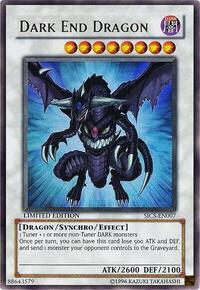 Dark End DragonShonen Jump Championship Series Prize Cards · #SJCS-EN007$5,000View live price on CardTrack →
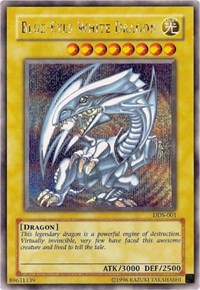 Blue-Eyes White Dragon (Dark Duel Stories)Yu-Gi-Oh! Video Game Promotional Cards · #DDS-001$3,000View live price on CardTrack →
Frequently Asked Questions
How can I tell what rarity my Yu-Gi-Oh card is without a checklist? Look at the foiling first — flat silver name means Rare, foiled artwork means Super Rare or higher, rainbow diagonal pattern usually means Secret or Starlight Rare. It gets you close, but the set code is still the only way to confirm it exactly since foil styles have overlapped across different eras.
Are Ghost Rares rarer than Secret Rares? Generally yes, Ghost Rares were printed in much smaller numbers and only appeared in a handful of sets starting around 2010. But rarity name alone doesn't set price — a common Secret Rare from a heavily reprinted card can sell for less than a niche Ghost Rare, so it's worth checking recent sales rather than assuming by tier name.
Why does the same Yu-Gi-Oh card exist at different rarities? Konami reprints popular cards across structure decks, tins, and special sets, and each reprint gets its own rarity assigned based on that product line. The original rarity from the first print never applies to later reprints — each version stands on its own.
Does a higher rarity always mean a more valuable card? Not necessarily. Print run size, format legality, and demand for that specific card matter more than the rarity tier itself. Plenty of Super Rares outsell Ultra Rares from the same set because fewer of that specific card were printed at that tier.
Comments
No comments yet — be the first to weigh in.