Are Pokémon Cards Worth Anything? What Makes Them Valuable
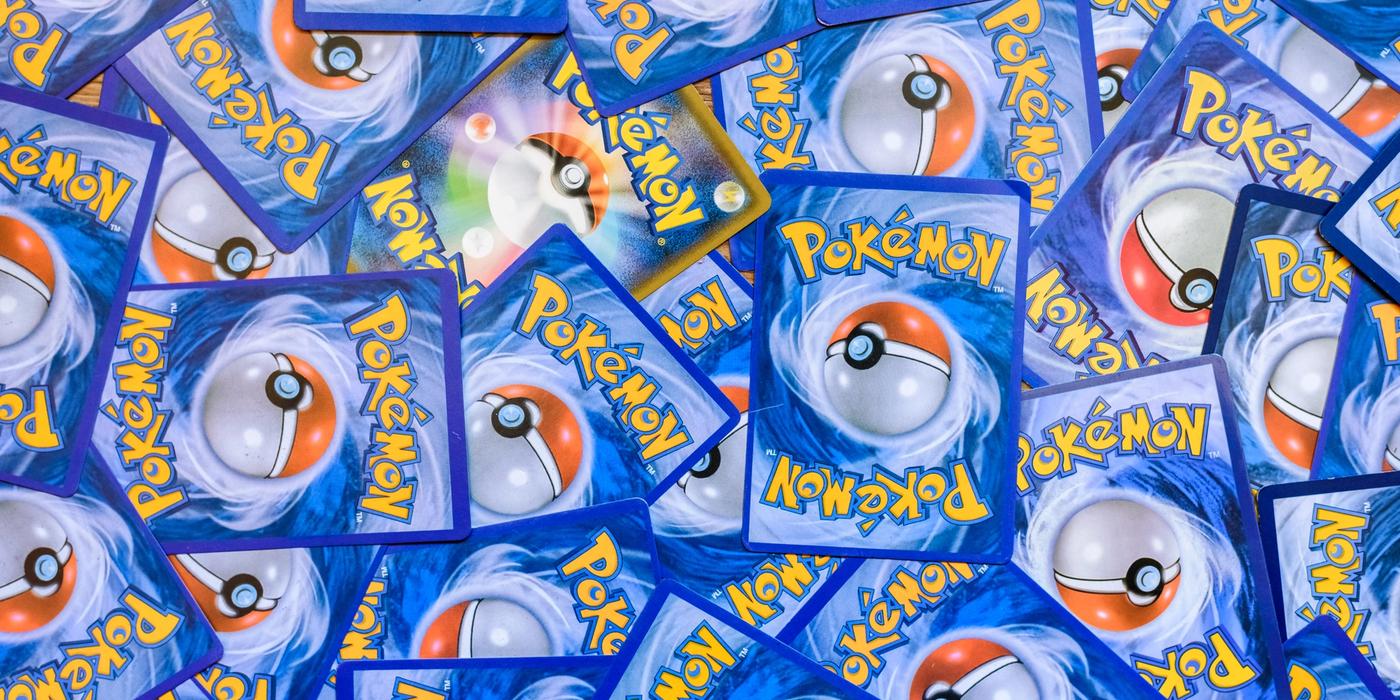
Are Pokémon cards worth anything? The short answer is yes — but how much depends on the card. Value comes down to its rarity, condition, grade, how many were printed, and how badly collectors want it. A graded first-edition holo from a vintage Japanese set can sell for thousands, while a common from last year's pack is worth pennies — though modern chase cards (like the bubble Mew) prove new cards can be valuable too.
The fastest way to know what a specific card is worth is to [check it in our free Pokémon card value checker](/pokemon-card-value-checker) — snap a photo or search the name and you'll get its live raw and graded price in seconds.
What makes a Pokémon card valuable?
A handful of factors decide whether a card is worth pennies or a small fortune.
Rarity. Limited availability is the biggest driver. Promo cards that were never reprinted — especially region-exclusive releases — only get harder to find over time. You can browse the whole catalogue by rarity, from Special Illustration Rare and Rare Secret down to Promo cards.
The Pokémon on the card. Fan-favourites command a premium. Charizard and Pikachu cards consistently top the sales charts because demand far outstrips supply — the same card featuring a less popular Pokémon can be worth a fraction as much.
Condition — raw vs graded. Third-party graders (PSA, BGS, CGC) score a card's centering, corners, edges and surface. A PSA 10 slab means the card is virtually flawless — what collectors call "gem mint" — and can be worth many times the raw price. Before you send anything off, see which cards are actually worth grading and use the AI card grader to estimate a grade straight from a photo.
Supply and demand. When a card is scarce and lots of collectors want it, the price climbs fast. You can gauge true scarcity with the PSA population report, which shows how many copies exist at each grade.
Pull rates. The harder a card is to pull from a pack, the more it tends to be worth. Check the pack pull rates by set, and if you're opening sealed product, see first whether the box is worth opening versus buying the singles.
Age. Vintage cards hold value if they're rare, holographic or feature a popular Pokémon — age alone isn't enough. The classic Base Set is the obvious example.
Artwork. Beautiful cards sell. Full Art, Illustration Rare and Special Illustration Rare cards command higher prices purely on the strength of their art.
Which Pokémon cards are usually worthless?
Commons, uncommons and bulk. Mass-produced cards have little individual value — they're worth most sold in bulk lots.
Damaged cards. A creased, scratched or heavily-played card loses most of its value, even if it's a Charizard or Pikachu. Condition really is everything.
How to check what your Pokémon cards are worth
Don't guess. [Scan or search any card in the value checker](/pokemon-card-value-checker) for an instant raw + graded value, browse the most expensive Pokémon cards to see what records look like, and check the PSA population report to understand how rare a gem-mint copy really is.
FAQ
How do I tell if my Pokémon cards are worth money?
Look at four things: the card (rare holos, full arts, 1st-edition and shadowless prints), its condition, whether it's graded, and demand for the Pokémon. Then look it up in the value checker to see the live price.
Why are some Pokémon cards worth thousands of dollars?
Low print runs combined with high collector demand. A gem-mint, graded copy of a scarce vintage card — see the priciest cards on record — is the perfect storm of rarity, condition and desirability.
Are old Pokémon cards worth money?
Often, yes — but age alone doesn't guarantee it. 1st-edition and shadowless Base Set cards, Neo-era holos and gold-star cards can be valuable, but a played vintage common is worth a fraction of a gem-mint copy.
Data and sources behind this article
CardTrack data pages: Pokemon Cards · Pokemon Rarity Special Illustration Rare · Pokemon Rarity Rare Secret · Pokemon Rarity Promo · Pokemon Character Charizard · Pokemon Character Pikachu · Best cards to grade · Pokemon Card Grader · PSA population report · Pokemon Pull Rates · Pokemon Sealed · Pokemon Box Value · Pokemon Set Base · Most expensive cards · Pokemon Card Value Checker
Latest Pokémon market report · live
September 2026 — Vintage Pokémon cards outpaced modern chase by 12 points over the past 30 days. 1 September 2026
Go to the numbers: Compare two cards
Comments
No comments yet — be the first to weigh in.