Black Lotus: The Full Price History of Magic's Most Famous Card
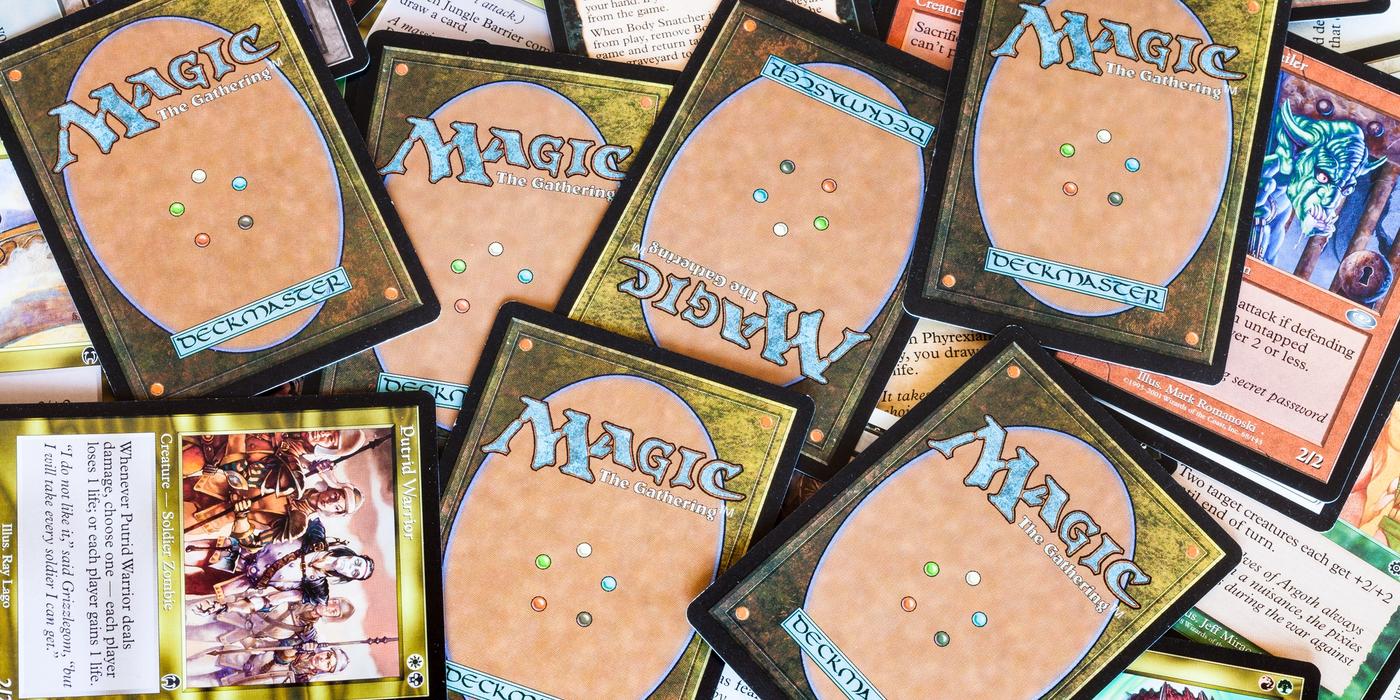
A black lotus mtg card in any condition is the single most valuable piece of cardboard in the Magic: The Gathering hobby, with graded copies from the original 1993 Alpha printing selling for well over a million dollars in recent years. Even beat-up, played copies from later Alpha and Beta print runs still command five and six figures. That's the short answer. The long answer is a lot more interesting, and it involves a mistake, a lot of luck, and thirty years of a market losing its mind in slow motion.
I've been collecting since the mid-90s and I still remember the first time I held a real Lotus in a shop binder in like 2004. It wasn't even in a case. Just sitting there in a top-loader behind glass like it was a normal expensive card. That world is gone now.
What Black Lotus Actually Is and Why It Broke the Game
Black Lotus is a 0-mana artifact that taps and sacrifices for three mana of any single color. That's it. No text box tricks, no combat ability, nothing flashy on the surface. But being free is the whole point. It lets you cheat a turn of mana development, which in competitive Magic is basically cheating time itself. Play it turn one, crack it for three black mana, and you're casting a turn-four spell before your opponent has even untapped.
Richard Garfield has said the power level on the original Power Nine cards was a design mistake born out of not knowing how strong "free" really is in a turn-based game. Wizards figured it out fast. Black Lotus got restricted almost immediately and has been banned outright in nearly every constructed format that matters for decades. You can read up on the rest of that group over on the Power Nine page if you want the full lineup — Ancestral Recall, Time Walk, the Moxen, and Lotus sitting at the top of the pile.
Black Lotus MTG Price History: From Bulk Rare to Seven Figures
Here's the part that still gets me. In 1993, Black Lotus was just a rare in a booster pack. Nobody knew what it was worth because nobody had ever played the game before. Early price guides from Scrye and Inquest in the mid-90s had Alpha Lotus somewhere in the $50 to $100 range. That's not a typo. People traded them for other rares because the market hadn't figured out the card was busted.
Rough progression, based on what collectors and dealers have documented over the years:
- Mid-1990s — roughly $50–$100, treated like any other rare
- Early 2000s — climbed into the low thousands as tournament legality and scarcity got clearer
- 2010–2013 — hit the $2,000–$4,000 range for played Beta/Unlimited copies
- 2016–2018 — the grading boom kicks in, PSA 8-9 Alpha copies start clearing $20,000–$60,000
- 2021 — the famous PSA 10 Alpha Lotus sold at auction for $511,100, then months later another sale reportedly topped $615,000
- 2023–2024 — a graded copy sold privately for over $2 million, called by some the most expensive Magic card ever sold
That last sale is the outlier that gets quoted everywhere, and it's a private deal so the exact number is hard to verify the way an auction house sale is. But even taking the conservative, publicly documented auction results, we're talking about a card that went from bulk-bin money to a house down payment in about three decades.
For a broader sense of where other high-end cards land relative to Lotus, the most expensive Magic cards list is worth a look — Lotus usually sits at or near the top, but Ancestral Recall and some of the Moxen aren't far behind in top grades.
Why Black Lotus Value Depends Almost Entirely on Print Run and Grade
Not all Black Lotuses are created equal, and this trips up newer collectors constantly. There are three original printings, and the difference between them is night and day for value.
- Alpha (1993) — the first print run, rounded corners, no copyright line on some early stock. Roughly 1,100 Lotuses were printed. This is the version that sets records.
- Beta (1993) — second printing, much larger run, square corners. Still extremely valuable but noticeably cheaper than Alpha in equivalent grade.
- Unlimited (1993) — third printing, largest run of the three, and the "budget" entry point into owning a real Lotus. Still a legitimate four or five-figure card in good condition.
Condition swings the price harder on Lotus than almost any other card I've handled, because so many original copies got played hard in the early 90s before anyone knew what they had. A heavily played Beta Lotus with soft corners and edge wear might sell for $8,000–$15,000. A pristine, gem-mint graded Alpha copy is a different planet entirely — that's your six and seven-figure territory.
If you're trying to figure out where your own copy might land, checking centering and surface wear against real comps matters more than guessing. Tools like a centering checker can help you see how a copy stacks up before you ever send it in for grading, and a proper grading guide walks through what graders are actually scoring on corners, edges, surface, and centering.
Why Black Lotus Is Never Getting Reprinted
This is the other half of why the price keeps climbing instead of leveling off. Black Lotus sits on Wizards' Reserved List, a policy created in 1996 promising that certain older cards will never be reprinted in a functionally identical form. Wizards made that promise to protect collectors and the secondary market after early reprint sets spooked people who'd invested in original cards.
Whatever you think of the policy — and plenty of players think it's outdated and hurts the game long-term — it means supply is frozen forever. There are only so many Alpha, Beta, and Unlimited Lotuses in existence, full stop. No new copies are coming. You can read the actual list and the history behind it on the Reserved List page if you want the full policy details.
Combine fixed supply with a hobby that keeps growing globally, plus a wealthier generation of former players now able to afford the cards they drooled over as teenagers, and you get the price chart above. It's not complicated economics. It's just scarcity meeting nostalgia meeting money.
Fakes Are a Real Problem at This Price Point
I'll be blunt: if a card is worth six figures, people will try to fake it. Black Lotus is one of the most counterfeited cards in the entire hobby, right alongside Alpha duals and other Power Nine pieces. Common tells include wrong card stock thickness, printing that's too crisp compared to the slightly soft look of real 1993 print sheets, and text box fonts that are subtly off.
Never buy a raw, ungraded Lotus from an unverified seller without doing your homework first. Running basic checks through something like a fake card identification tool is a smart first step, but honestly at this price range I'd want a PSA, BGS, or CGC slab with a verifiable cert number, full stop. Auction houses and major dealers exist specifically because nobody wants to wire five figures based on a blurry eBay photo.
Tracking Current Black Lotus Price and Value
If you're trying to keep tabs on where the market sits right now rather than relying on a headline sale from two years ago, recent comps matter more than record-breakers. Auction records grab attention but they're often the single best copy that's ever surfaced, not a representative sale. A general Magic price guide can give you a broader read on where the wider card market is trending, and cross-referencing recent completed sales rather than asking prices will give you a much more honest picture of black lotus value at any given moment. Prices can move quickly around big auction results, so a number from six months ago isn't gospel.
Top Magic Cards by Value Right Now
These carry some of the highest estimated market values on CardTrack today. Figures are based on recent sales and can move quickly, so treat them as a snapshot:
Frequently Asked Questions
How much is a real Black Lotus worth today? It depends heavily on printing and grade. Based on recent sales, played Unlimited copies can go for $2,000–$5,000, played Alpha or Beta copies land in the five-figure range, and high-grade Alpha copies have sold for well over $500,000, with one private sale reportedly exceeding $2 million.
Why is Black Lotus so expensive compared to other Power Nine cards? Black Lotus offers the most dramatic mana acceleration of any card in the game, it's the most iconic name in Magic history, and Alpha copies are extremely scarce at roughly 1,100 printed. That combination of gameplay history, name recognition, and hard scarcity keeps it ahead of cards like the Moxen in collector demand.
Is it legal to play Black Lotus in any Magic format? No major constructed format allows Black Lotus. It's been banned or restricted essentially since the early 1990s because of how much it distorts early-game mana. Some casual formats like Vintage Cube use a proxy or replica rather than a real copy.
How can I tell if a Black Lotus is fake before buying one? Check card stock thickness, font consistency, and print sharpness against verified images, and lean on a fake card checker as a starting screen. For anything approaching real Lotus money, only buy a copy already graded and slabbed by PSA, BGS, or CGC with a checkable certification number.
Comments
No comments yet — be the first to weigh in.