How to Sell MTG Cards (and Get a Fair Price)
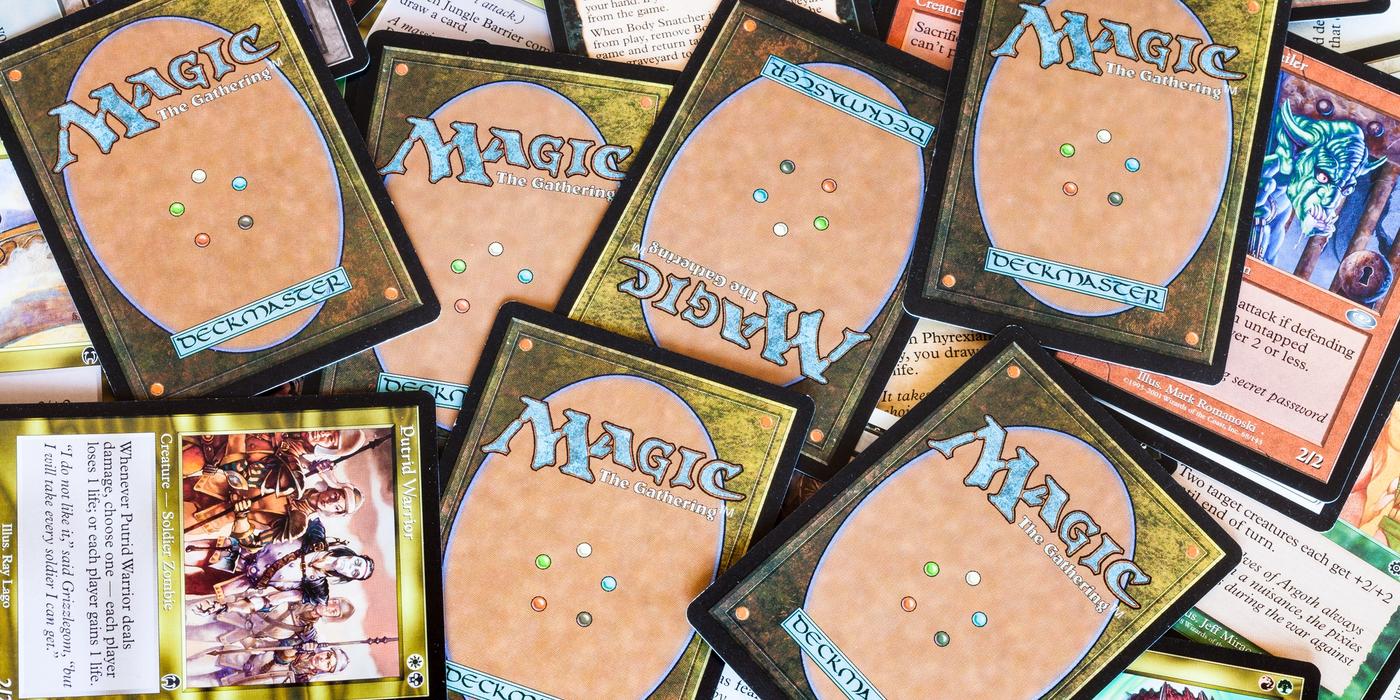
The short answer on how to sell MTG cards: check current prices before you list anything, sort your collection by real value instead of guessing, then pick the right venue for each price tier — bulk commons on one platform, mid-value cards on marketplaces, and anything over a few hundred bucks through auction or a specialist buyer. Do that in order and you won't leave money on the table.
I've sold everything from a shoebox of Odyssey commons to a Beta Black Lotus, and the process is completely different depending on what you're holding. Most people either dump their whole collection to the first buyer who offers cash, or they overvalue every foil and get frustrated when nobody bites. There's a middle path, and it just takes a bit of sorting.
Sort Your Cards Before You Even Think About Selling
Don't skip this. I've seen people try to sell a collection in one lump and get lowballed because the buyer can't tell the $2 cards from the $200 ones without digging through everything themselves.
Split your cards into three rough piles:
- Bulk — commons, uncommons, basic rares with no real demand. Worth pennies to a few cents each.
- Mid-range — playable rares, mythics, staple lands, older set cards with steady demand. Usually $2 to $50.
- High-value — anything that shows up when you run a card value checker, old dual lands, Power Nine pieces, anything from the Reserved List, or graded slabs.
Once you know what you actually have, you stop treating a Sol Ring reprint the same as a Beta one. Condition matters here too — a played Revised dual land and a near-mint one can differ by 3x or more, so don't skip that step either.
Where to Sell Magic Cards Depending on What You Have
This is the part most guides get lazy on. "Where to sell Magic cards" isn't one answer — it depends on volume and value.
Bulk and Commons
Nobody's getting rich selling commons one at a time. Local game stores will often buy bulk by the pound or by the thousand-count box, and it's fast, even if the payout is low. Online, some marketplaces let you list bulk lots for players building cubes or commanders on a budget. Don't waste hours pricing 5,000 individual cards — sort by set, box them up, and sell as a lot.
Mid-Value Singles
This is where most of a typical collection's actual money sits. Individual staples, dual-faced cards, shock lands, and older set chase rares do best sold as singles on card marketplaces where buyers are already searching by name. Yes, you'll pay a seller fee, but you'll usually net more than a store buylist because you're selling at closer to market price instead of the 60–70% cut stores typically offer.
Local game stores are still worth a shot for convenience, especially if you want cash same-day and don't want to deal with shipping. Just know the buylist price is almost always lower than what you'd get selling direct to another player.
High-Value and Vintage Cards
Anything getting into three or four figures deserves more care. A real Alpha or Beta card, an original dual land, or a piece of the Power Nine shouldn't just get tossed into a general marketplace listing next to bulk rares. Auction houses that specialize in trading cards, established vintage dealers, and grading before sale all come into play here.
Check the most expensive Magic cards list for a sense of what the actual ceiling looks like — it helps calibrate expectations even if your card isn't in that tier.
Get the Condition and Authenticity Right First
Buyers pay for certainty. If you can't tell them clearly what condition a card is in, they'll assume the worst and price accordingly.
Check for Fakes Before You List Anything
Counterfeits are a real problem in the vintage market, especially with anything Power Nine or Reserved List related. Before you spend time photographing and listing a card that seems too good in your own collection, run it through a fake card checker. It sounds paranoid until you realize how many convincing fakes are floating around eBay and Facebook groups. A buyer who spots a fake — real or suspected — will ghost you and probably leave a bad review before you can explain.
Grade the Cards That Deserve It
Not every card needs grading. A $3 rare doesn't. But a near-mint Revised dual land, an old foil chase rare, or anything from a small vintage print run can see its price shift a lot based on grade. Learn the basics through a grading guide before sending anything off, and if you're unsure whether a card's corners or edges will hold up under a grader's eye, a card grader tool gives you a rough read first.
Centering Matters More Than People Think
A lot of collectors get surprised when a card they thought was flawless comes back graded lower because of centering. Off-center borders knock grades down even when the surface is perfect. Running a card through a centering checker before you commit to a paid grading service can save you the fee on a card that's never going to hit the grade you're hoping for.
Price It Using Real Sales, Not Wishful Thinking
This is where a lot of sellers shoot themselves in the foot. They see one inflated "buy it now" listing and assume that's the going rate. It's not — that's just what one seller is asking, not what anyone's paying.
Pull up a proper price guide and look at recent completed sales, not active listings. Estimated market value moves with supply, reprints, and demand from new sets, so a card that sold for $40 last year might be sitting at $22 now if it got reprinted in a Secret Lair or Commander deck. Prices can move quickly in both directions, especially around big set releases or Reserved List announcements.
If you're selling a full collection rather than singles, it also helps to know how rarity actually breaks down — a rarity guide is useful if you're trying to figure out why two "rare" cards from different sets have wildly different values. Old-school rarity and modern print runs don't behave the same way at all.
Selling a Full Collection vs. Selling Singles
Selling MTG collections as one big batch is faster but almost always nets less money than parting it out. A dealer buying your whole binder in one shot is pricing in their own resale risk and time, so they'll offer a blended rate that's fair on the bulk but low on your best cards.
If you've got the time, splitting the work makes sense:
- Bulk goes to a store or bulk buyer, fast and simple.
- Mid-value singles go to marketplaces where players search by card name.
- Your handful of real hits — old duals, foils, anything with real demand — get listed individually or sent to an auction house.
If you genuinely don't have time and just want it gone, selling as a lot is fine. Just go in knowing you're trading speed for total return.
Common Mistakes That Cost Sellers Money
I've made most of these myself over the years:
- Pricing off one listing instead of checking a real price guide.
- Skipping the fake-check step on an "amazing find" bought secondhand years ago.
- Sending low-value cards to grading, eating the fee for no real return.
- Selling an entire collection to the first buyer without even sorting by set first.
- Ignoring centering and getting blindsided by a lower-than-expected grade.
Top Magic Cards by Value Right Now
These carry some of the highest estimated market values on CardTrack today. Figures are based on recent sales and can move quickly, so treat them as a snapshot:
Frequently Asked Questions
What's the best place to sell a full Magic collection? It depends on size and value. Local game stores are fastest for bulk and mid-range collections, while high-value vintage pieces usually do better through specialist auction houses or dealers who understand Reserved List and Power Nine pricing.
Do I need to grade my cards before selling them? Only if they're worth enough to justify the fee — usually cards already estimated in the higher price brackets. A $2 common doesn't need grading, but an old near-mint dual land or vintage foil might see a real price bump from a solid grade.
How do I know if my old Magic cards are fake? Check paper texture, card weight, and font details against a known-authentic reference, or run it through a dedicated fake card checker before listing. Fakes are especially common among Power Nine cards and other high-value Reserved List staples.
Is it better to sell Magic cards individually or as a bulk lot? Selling individually almost always nets more money, especially for mid-range and high-value cards, but it takes more time to list and ship. Bulk lots are faster and fine for large piles of low-value commons and uncommons that aren't worth pricing one by one.
Comments
No comments yet — be the first to weigh in.