The MTG Reserved List Explained (and Why Those Cards Cost So Much)
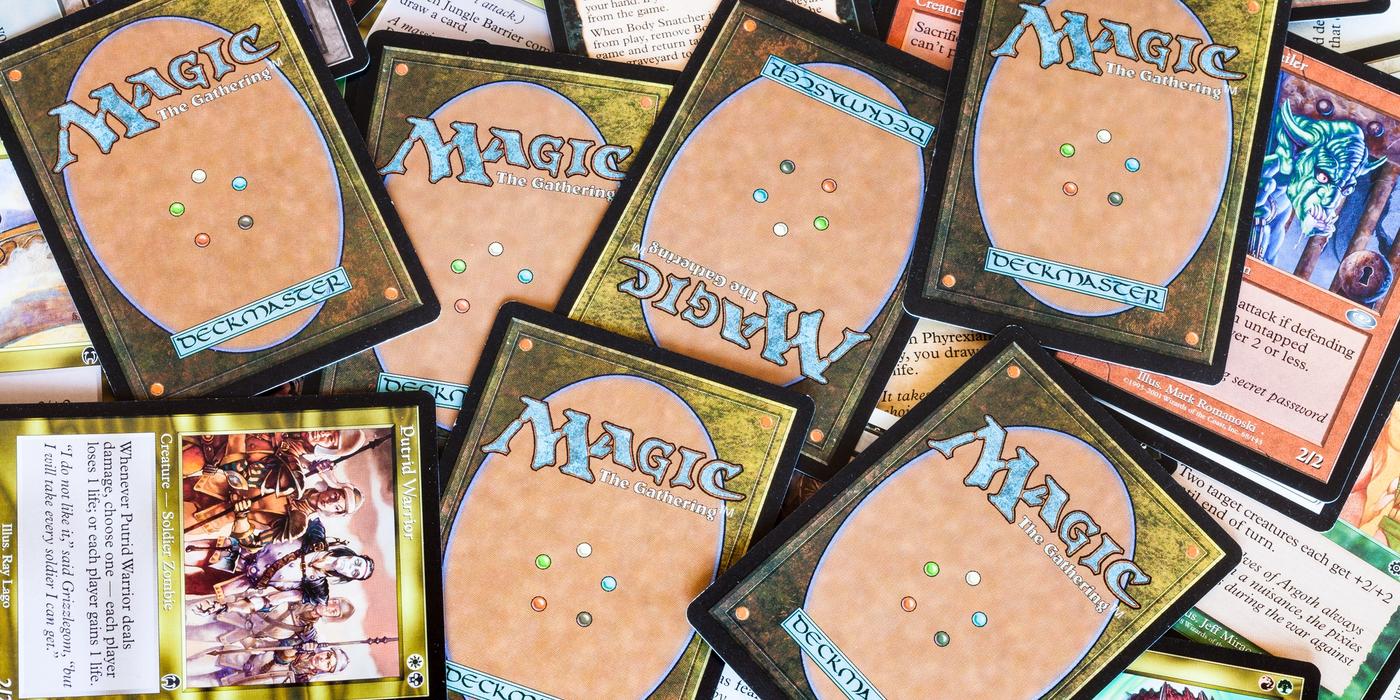
The MTG Reserved List is a formal list of Magic cards that Wizards of the Coast has promised never to reprint, and that single promise is the reason cards like the original Volcanic Island or a Beta Time Walk carry four and five-figure price tags. No reprint means the supply is frozen forever while demand keeps creeping up. That's the whole mechanism in one sentence — everything else in this post is just detail on how weird and messy that policy actually is.
I've been collecting and trading since the Tempest block, and the Reserved List is probably the single most argued-about topic in the entire hobby. Half the community treats it like scripture protecting their investment. The other half wants it torched. I'm not here to pick a side today, just to explain what it is, what's actually on it, and why the prices look the way they do.
What Is the MTG Reserved List, Exactly?
Wizards created the Reserved List back in 1996. The short version: collectors were furious that cards like Serendib Efreet and Erhnam Djinn (fine, but also stuff like the original dual lands) kept getting devalued by reprints, so Wizards made a public promise. Cards on the list would never be printed again in a functionally identical form, in any set, in any language, forever.
That promise still holds today. You can browse the full breakdown on the Reserved List page, but broadly it covers:
- All Alpha, Beta, and Unlimited rares (this is where the original dual lands live)
- Most of the Power Nine, including Black Lotus and the Moxen
- A pile of Arabian Nights, Antiquities, Legends, and early expansion rares
- Some genuinely obscure stuff nobody outside hardcore collectors has heard of, like Sylvan Library or Zuran Orb sitting next to genuine bulk rares from The Dark
That last point trips people up constantly. The list isn't a "best cards ever" ranking. It's a snapshot of which cards happened to be rare in specific old sets, frozen in time. Some Reserved List cards are format staples worth thousands. Others are unplayable jank worth two bucks that just happen to be legally un-reprintable.
Why Wizards Made This Promise in the First Place
Put yourself in a 1994 collector's shoes. You bought a box of Antiquities, pulled some good rares, and a year later Wizards reprints half of them into a new set and your cards are suddenly worth a fraction of what you paid. That happened enough times that people got genuinely angry, and Wizards needed to protect the secondary market to keep people buying packs at all.
So the Reserved List was a business decision as much as a goodwill gesture. It told serious collectors: your money is safe here, the rug won't get pulled. For almost thirty years, Wizards has mostly kept that promise, with a couple of very awkward exceptions I'll get to.
Why Reserved List Cards Cost So Much
This is the part everyone actually wants explained, so let's be concrete.
Take the Alpha dual lands — Underground Sea, Volcanic Island, Tropical Island, and the rest. There were roughly 1,100 copies of each printed in Alpha, a bit more in Beta, more again in Unlimited. That's it. That's the entire eternal supply. Compare that to a modern staple like Fable of the Mirror-Breaker, which got printed across multiple sets in the hundreds of thousands.
Demand for those duals hasn't gone anywhere either. Legacy and Vintage players still want real dual lands, collectors want them for binders, and nostalgia buyers who cracked packs as kids in the 90s now have adult money to spend. Fixed supply plus rising demand is just basic economics, and it's why a played Revised-era Volcanic Island still runs into four figures based on recent sales, while a pristine Beta copy can clear well into five.
The Power Nine sits at the extreme end of this. Black Lotus, the Moxen, Ancestral Recall, Time Walk — you can read the full rundown on the Power Nine page, but the short version is these were absurdly powerful cards printed in tiny numbers during Magic's very first sets, and they've never been touched since. A Black Lotus in rough shape still sells for tens of thousands. A gem-mint Alpha copy has sold for over half a million.
It's Not Just About Rarity
People assume Reserved List value is purely "old and rare equals expensive," but that's not the full picture. Playability matters a lot. A card like Mishra's Workshop is a genuine competitive engine in Vintage, so it commands real money. Meanwhile plenty of Reserved List commons and uncommons from sets like Fallen Empires or Homelands are still cheap, because nobody wants to play with them and collector demand for a specific unplayable card only goes so far. Scarcity is necessary but not sufficient. You need actual demand sitting on top of it.
The Reprints That Almost Broke the Promise
I said Wizards has "mostly" kept the promise, and I mean that literally. There have been a few incidents that spooked the whole collector base.
The biggest one: in 2019, Wizards printed the Mystery Booster playtest cards, which included functional reprints of some Reserved List effects with slightly different names and art, distributed as "not for sale, playtest only" cards. It wasn't a technical violation, but it was close enough that people lost their minds on forums for weeks.
Then there's the ongoing argument over "extremely low power" cards. Every few years someone on Wizards' business team floats the idea of trimming the list down to just the genuinely broken stuff, and every time, the collector community reacts like the sky is falling, because the entire value proposition of the list is that it's permanent, no exceptions, no asterisks. The moment Wizards starts picking and choosing what stays protected, the promise stops meaning anything.
That tension is exactly why Reserved List prices can be volatile in ways that have nothing to do with the cards themselves. A rumor about policy changes can move prices faster than any tournament result.
How to Check What a Reserved List Card Is Actually Worth
If you're sitting on old cardboard from a basement box or an inherited collection, don't guess. A few practical steps:
- Confirm the card is actually old-border and not a much later printing with similar art — a lot of people mix up Revised duals with 90s foreign black-border reprints
- Run the card through a card value checker to get a sense of current estimated market value based on recent sales, since prices can move quickly and shift week to week
- Check the print run and rarity context on the sets list — knowing exactly which set and printing you have changes the number a lot
- If a big sale is on the table, get an opinion from a card grader rather than eyeballing condition yourself, since surface wear on a 30-year-old card is easy to misjudge
Condition Swings Are Bigger Than People Expect
With modern cards, played versus near-mint might be a 20% price gap. With Reserved List cards from Alpha or Beta, that gap can be enormous — a beat-up Beta Time Walk and a crisp one aren't in the same universe price-wise. Centering matters too, more than people think, since these were cut by hand on old equipment with way less precision than modern printing. It's worth running a suspect card through a centering tool before you assume it grades well, and if something about the card feels off — texture, font, color saturation — the fake card checker is there for a reason, because counterfeits of high-value Reserved List cards are a real and growing problem.
Should You Care About the Reserved List as a Collector?
I'm not going to tell you to buy anything — that's not my job here and I wouldn't anyway, since prices on this stuff move fast and I've seen people buy at the wrong time plenty of times. What I will say is that understanding the Reserved List changes how you look at your own binder. If you've got old cards sitting around, knowing whether they fall under this policy tells you whether their scarcity is structural (protected forever by policy) or just temporary (a card that's low-supply today but could get reprinted next year).
For general reference points across the game, the price guide and the most expensive cards page are both useful for seeing where Reserved List heavy-hitters land relative to modern chase cards. It's also worth brushing up on the rarity guide if you're newer to the game, since "rare" as a print-run symbol and "Reserved List" as a legal policy are two completely different things that people conflate constantly.
Top Magic Cards by Value Right Now
These carry some of the highest estimated market values on CardTrack today. Figures are based on recent sales and can move quickly, so treat them as a snapshot:
Frequently Asked Questions
What exactly is on the MTG Reserved List?
It's a fixed list of specific Magic cards, mostly from sets printed between 1993 and around 1999, that Wizards has committed to never reprinting in a functionally identical form. It includes the original dual lands, most of the Power Nine, and a long tail of rares from sets like Legends and Arabian Nights. Not every card on it is valuable — some are just old rares nobody plays with.
Will Wizards ever end the Reserved List?
Wizards has said publicly, multiple times, that they intend to keep the policy as-is because breaking it would destroy trust with collectors. There's ongoing debate in the community about whether that holds forever, especially around edge cases like playtest cards, but no official reversal has happened. Any change would be a massive deal and would likely move prices across the board.
Why are some Reserved List cards cheap if the list is supposed to make things valuable?
Because the list only guarantees scarcity, not demand. A Reserved List common from a weak set can still be worth almost nothing if nobody wants to play with it or collect it specifically. Value comes from scarcity plus actual desire for the card — take away the desire and scarcity alone doesn't do much.
How can I tell if my old card is a real Reserved List card and not a reprint or fake?
Check the exact set and border style against a reliable sets reference, since some cards look similar across different printings but aren't the same legally protected version. For anything high value, running it past a dedicated fake checker and getting a professional grading opinion before you sell is a smart move, since counterfeits specifically target expensive old cards.
Comments
No comments yet — be the first to weigh in.