Best Pokémon booster box to buy — ranked by upside
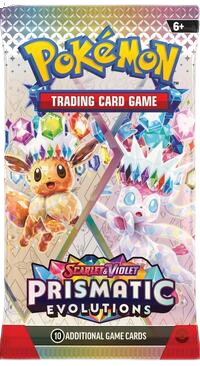
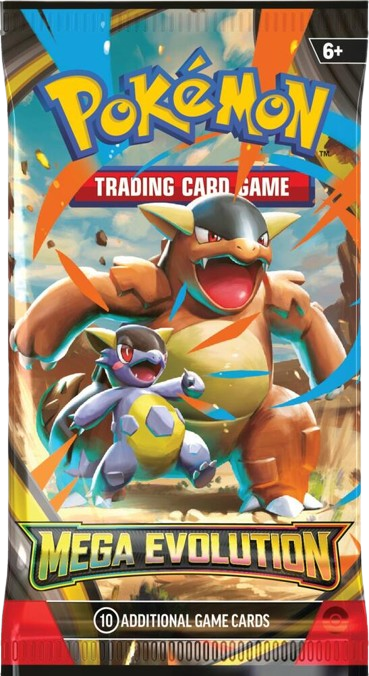
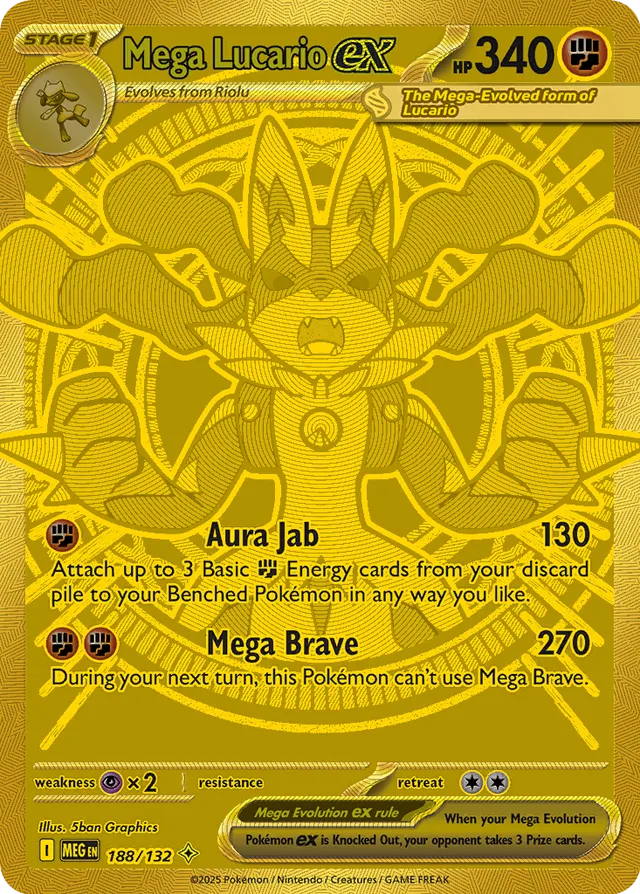
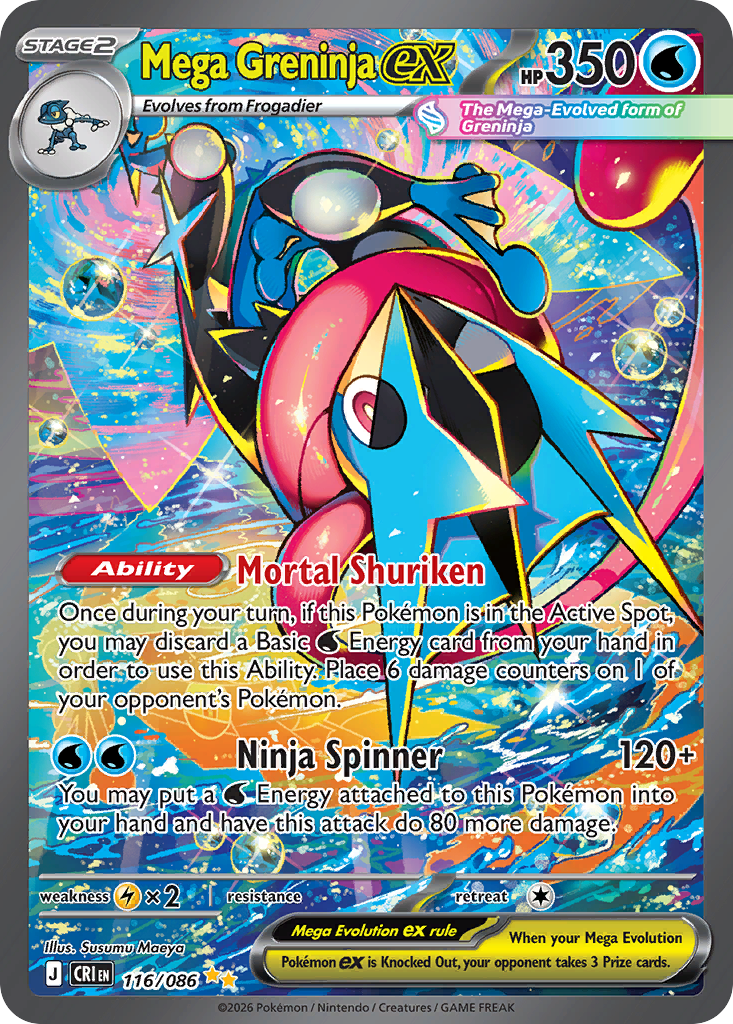
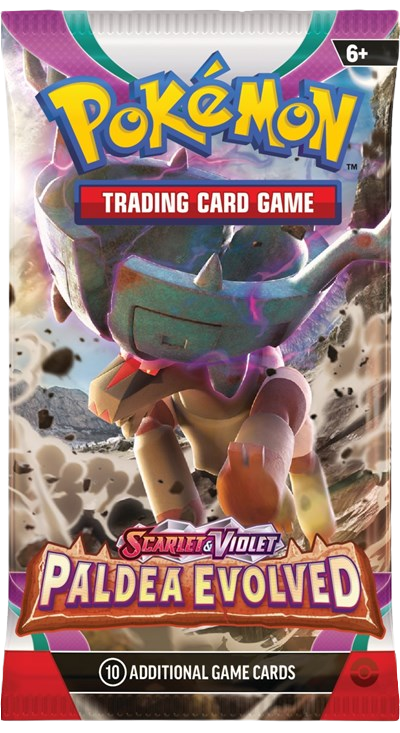
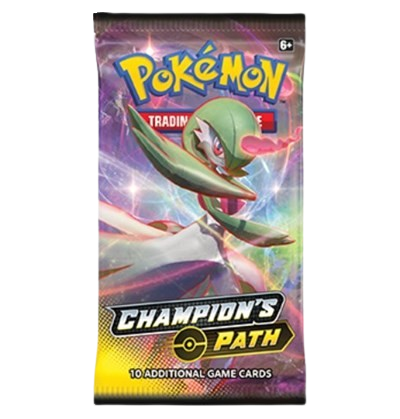
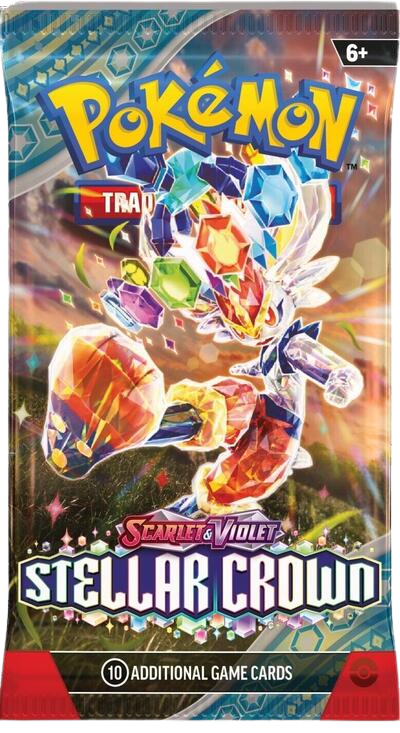
Which sets have the biggest ceiling? Every set with a current pack price, ranked by upside — the market price of its single most valuable card divided by the price of a booster pack. This is a best-case number, not an average: it tells you the size of the jackpot, not your odds of hitting it. Top of the list: Prismatic Evolutions at 76×.






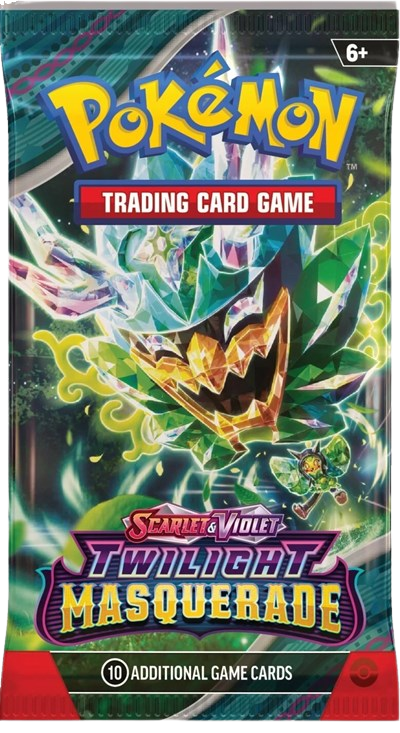
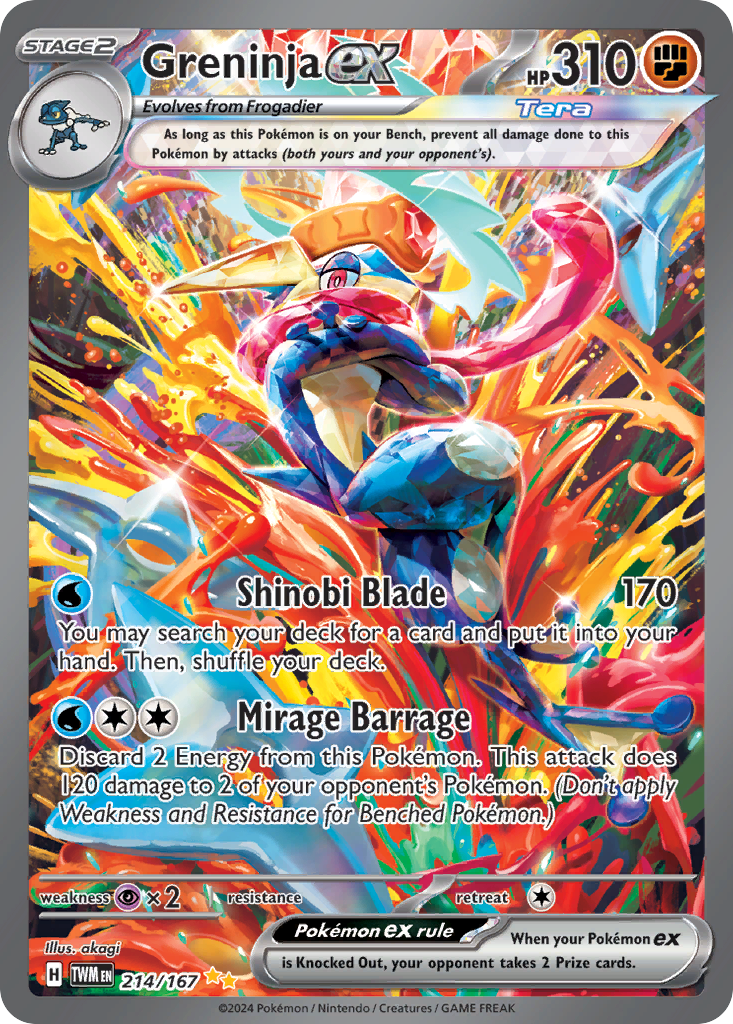
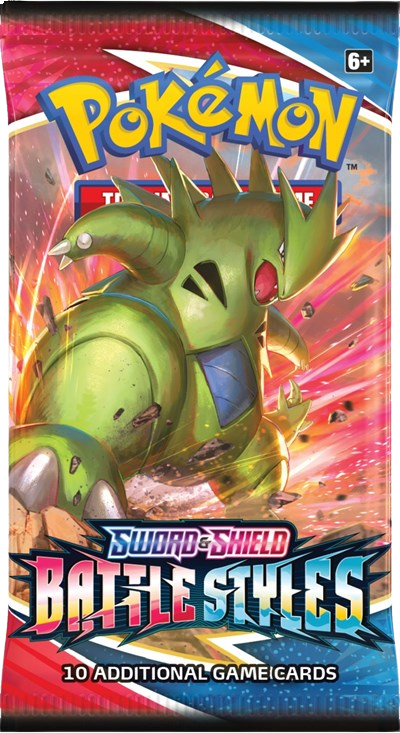
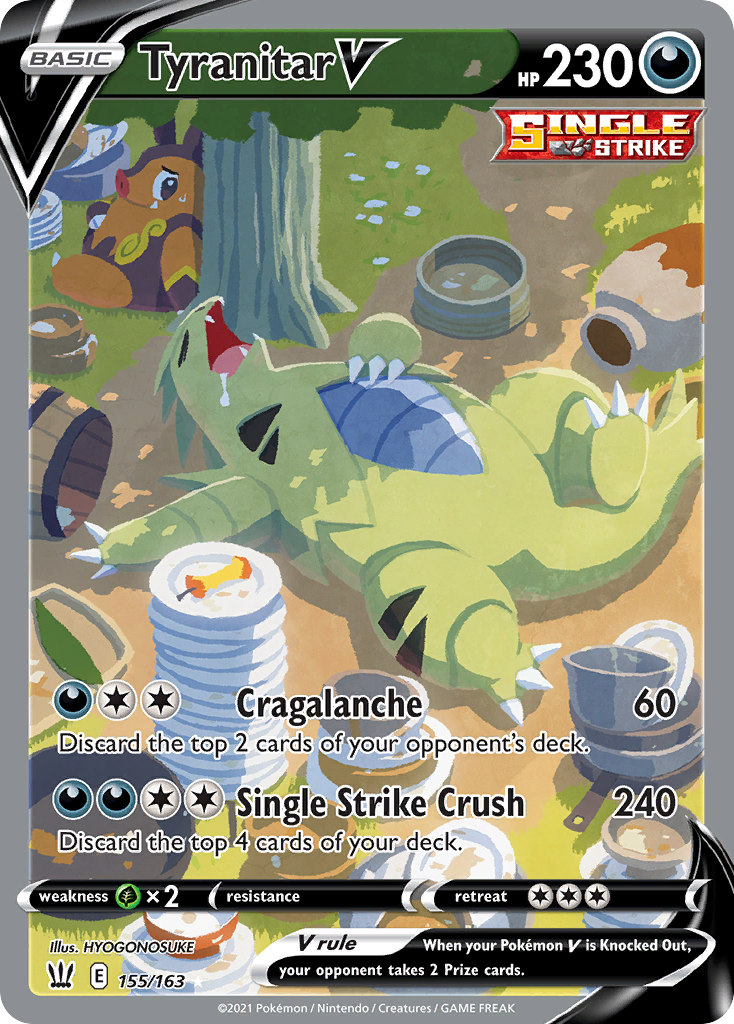

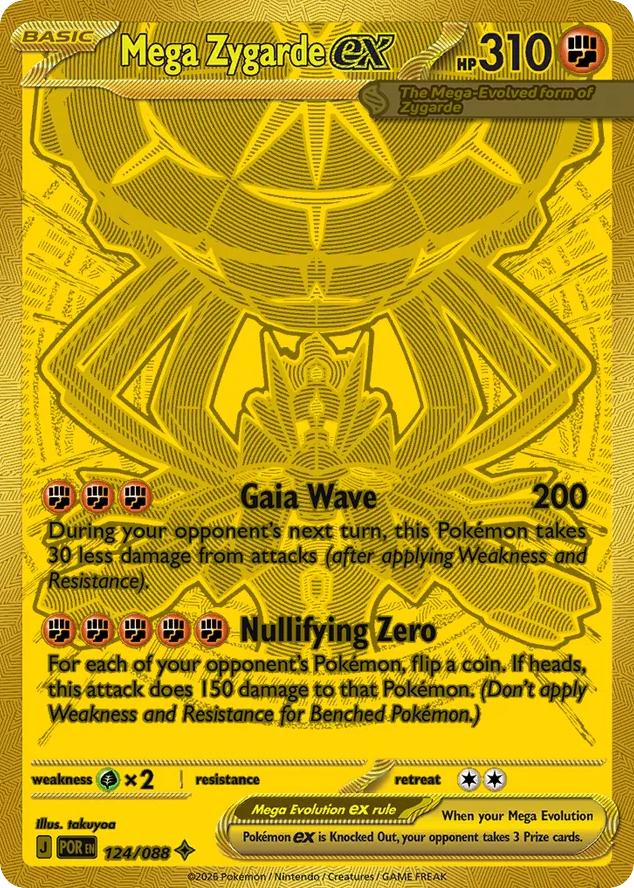
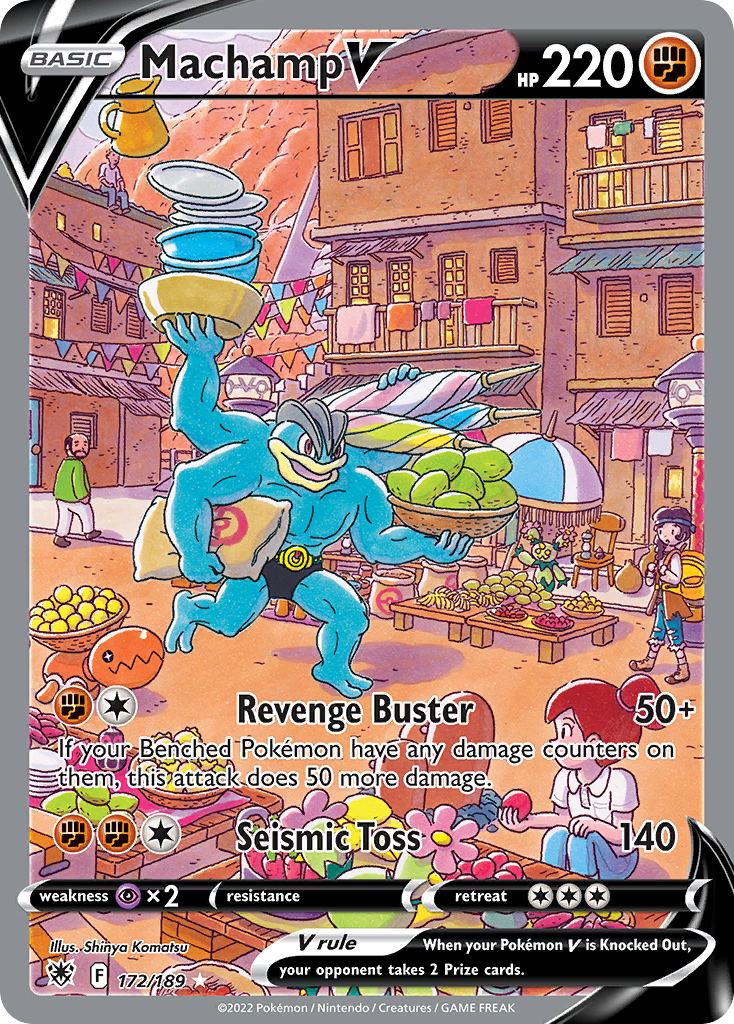

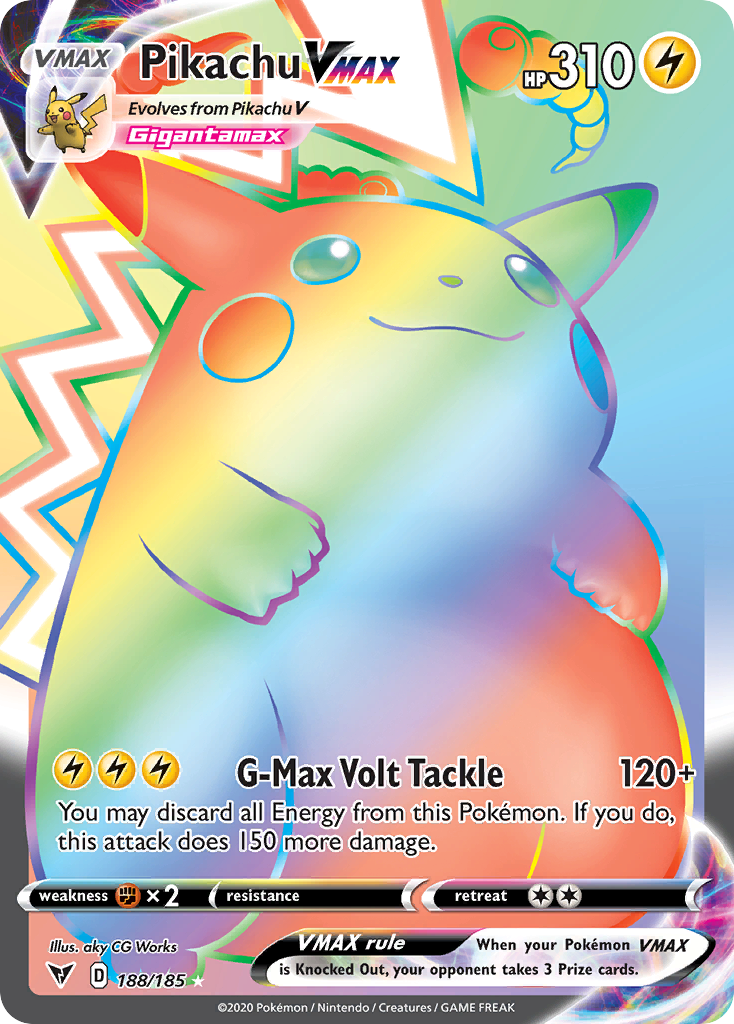

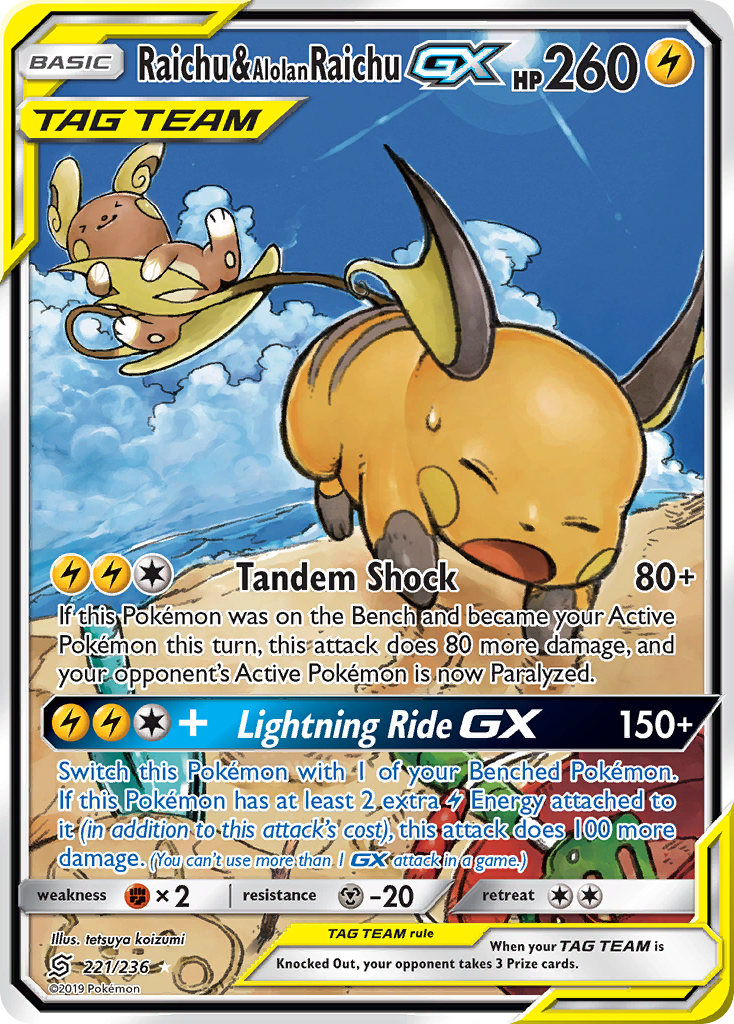
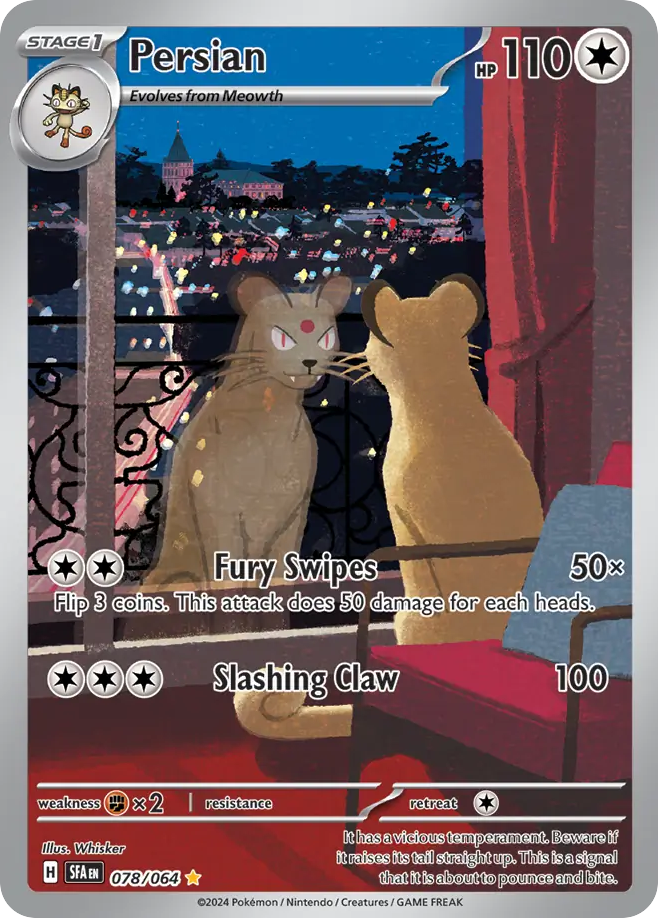
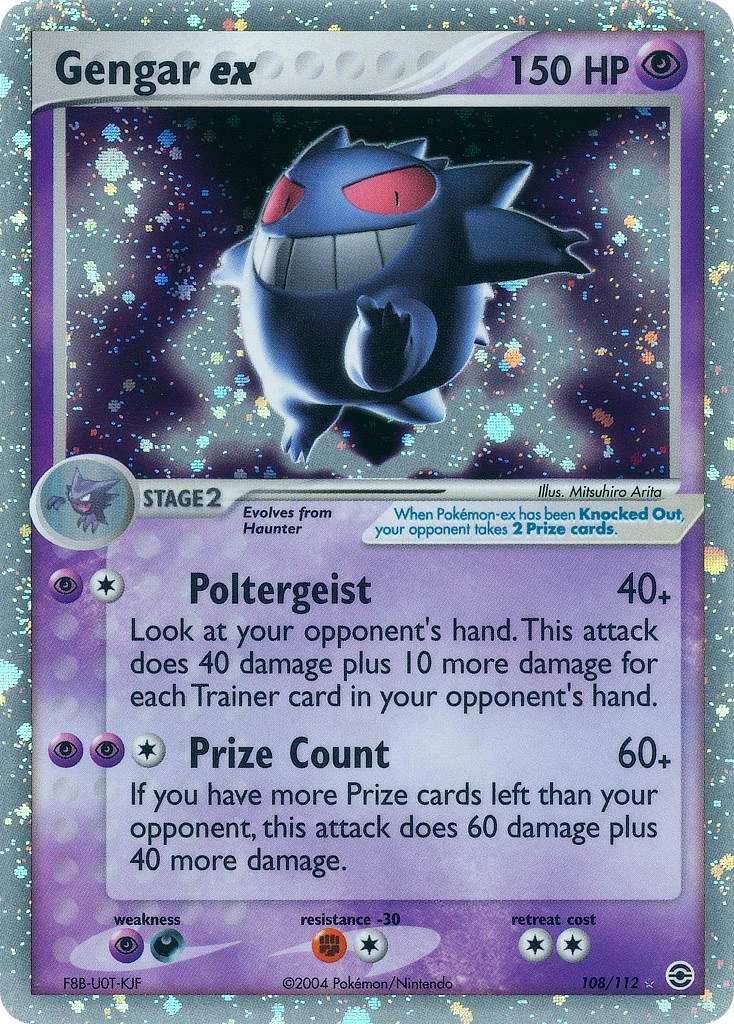
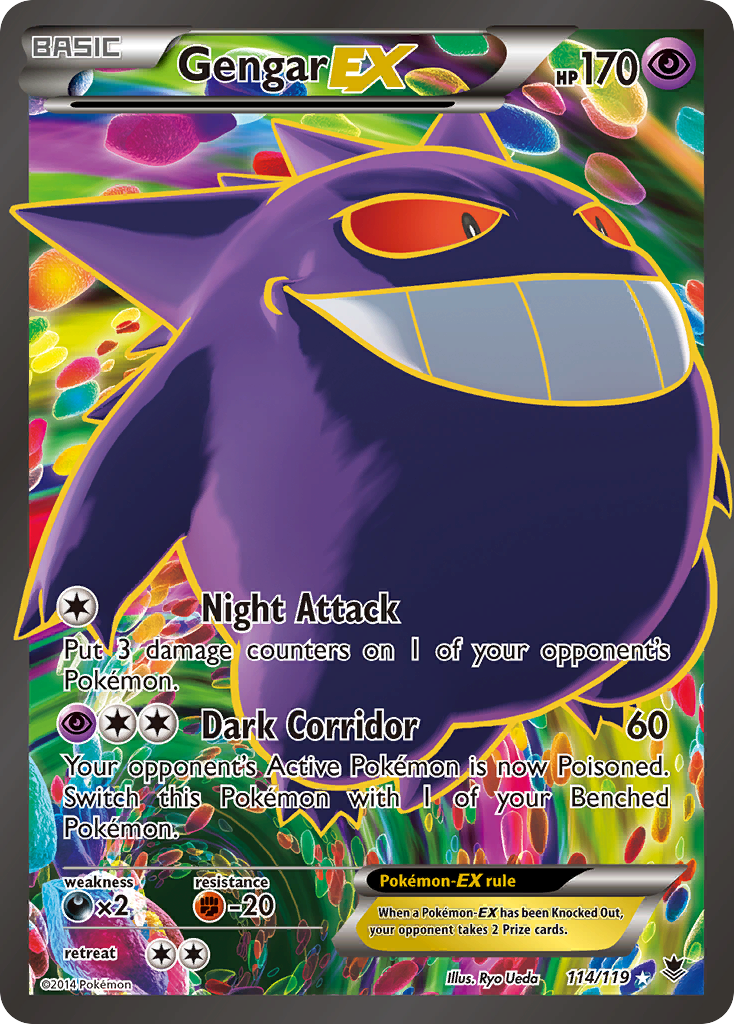
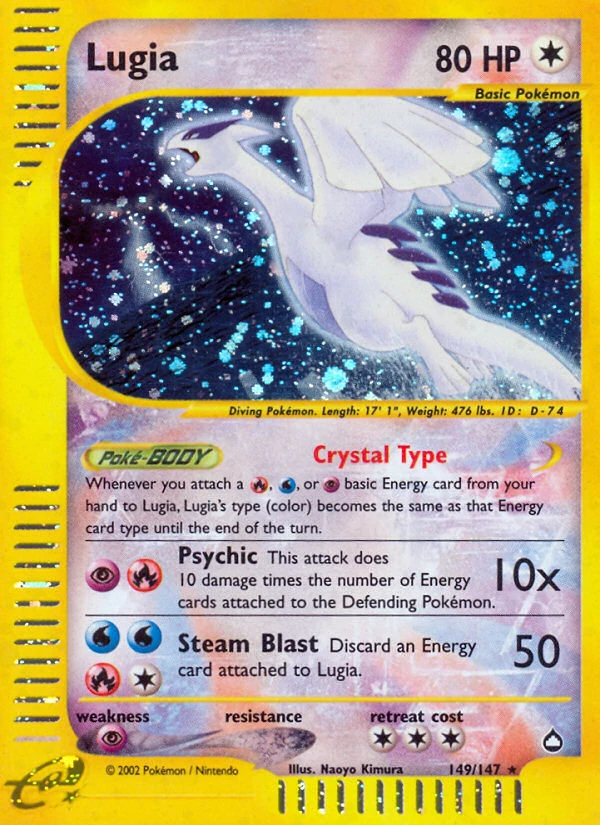
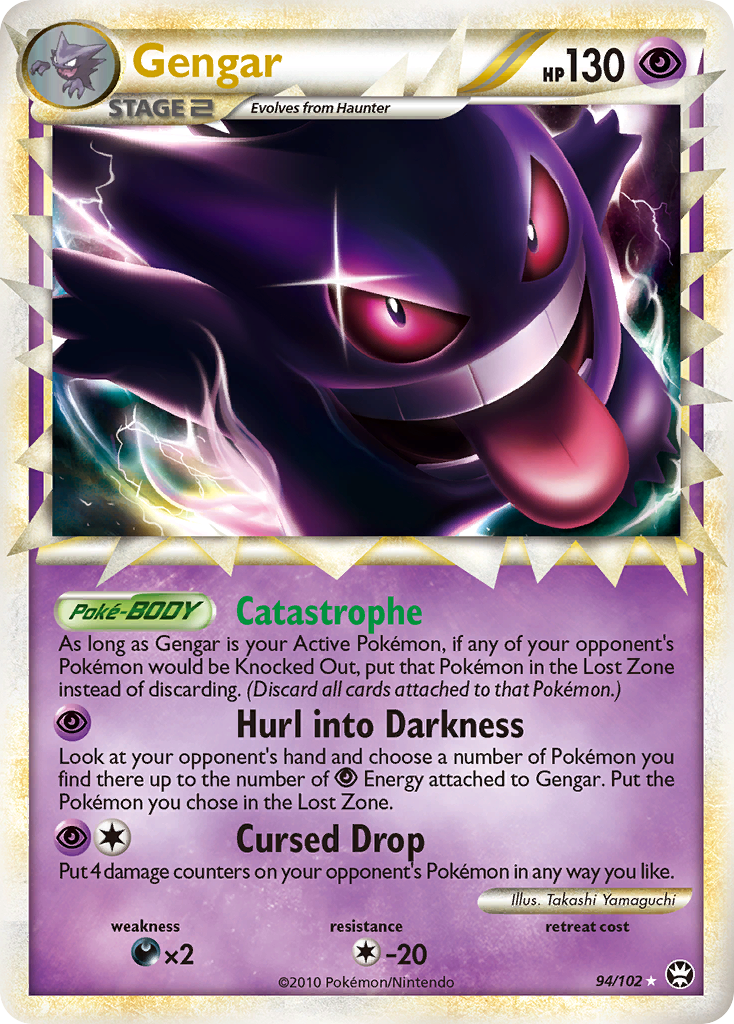

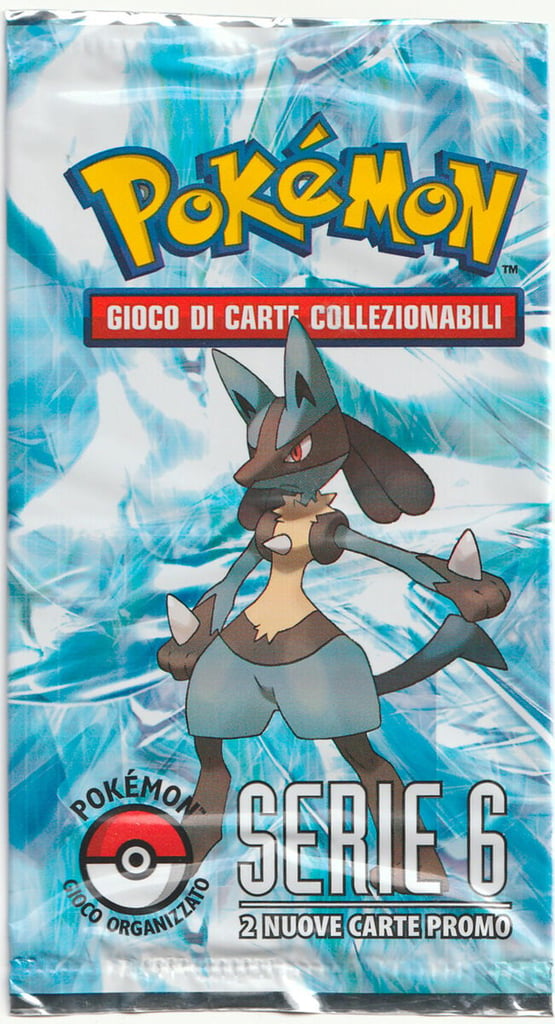
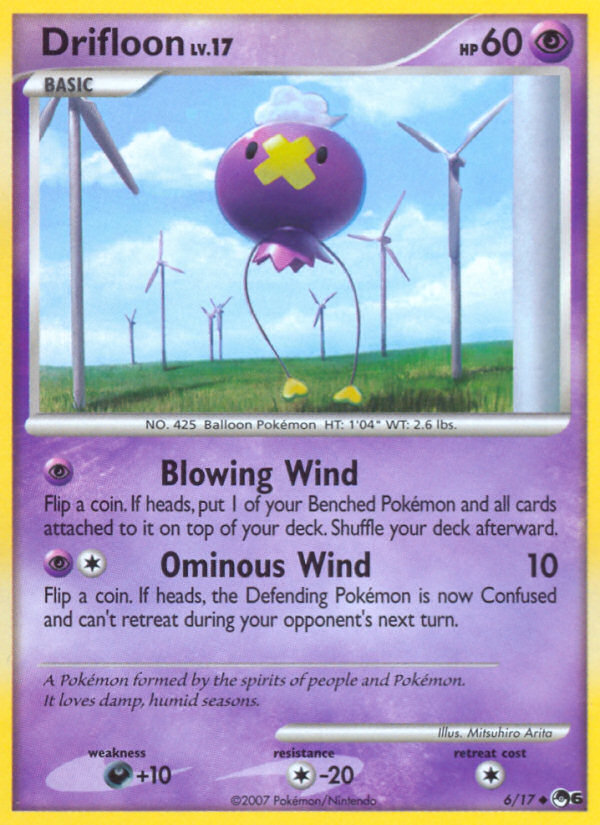
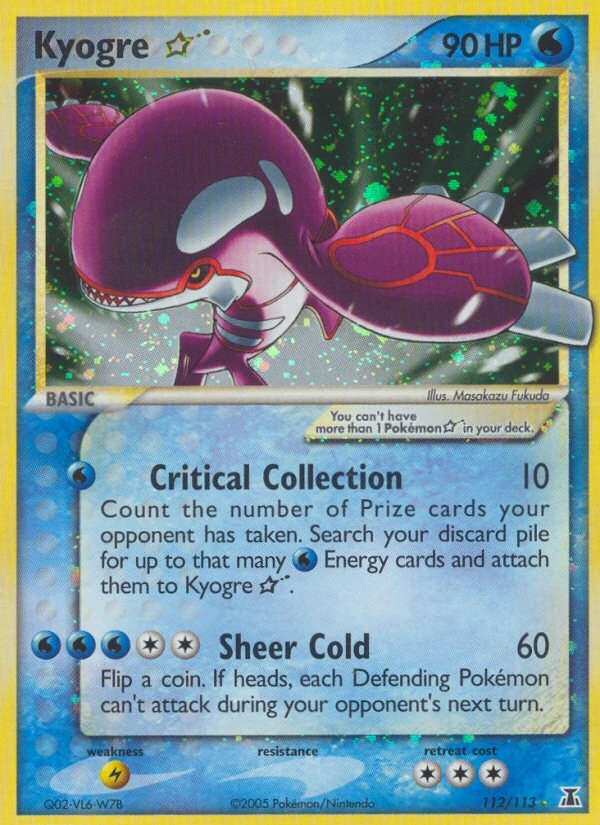
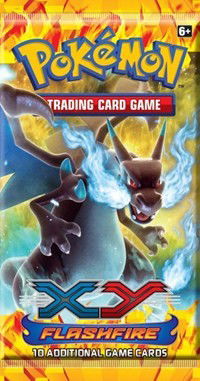
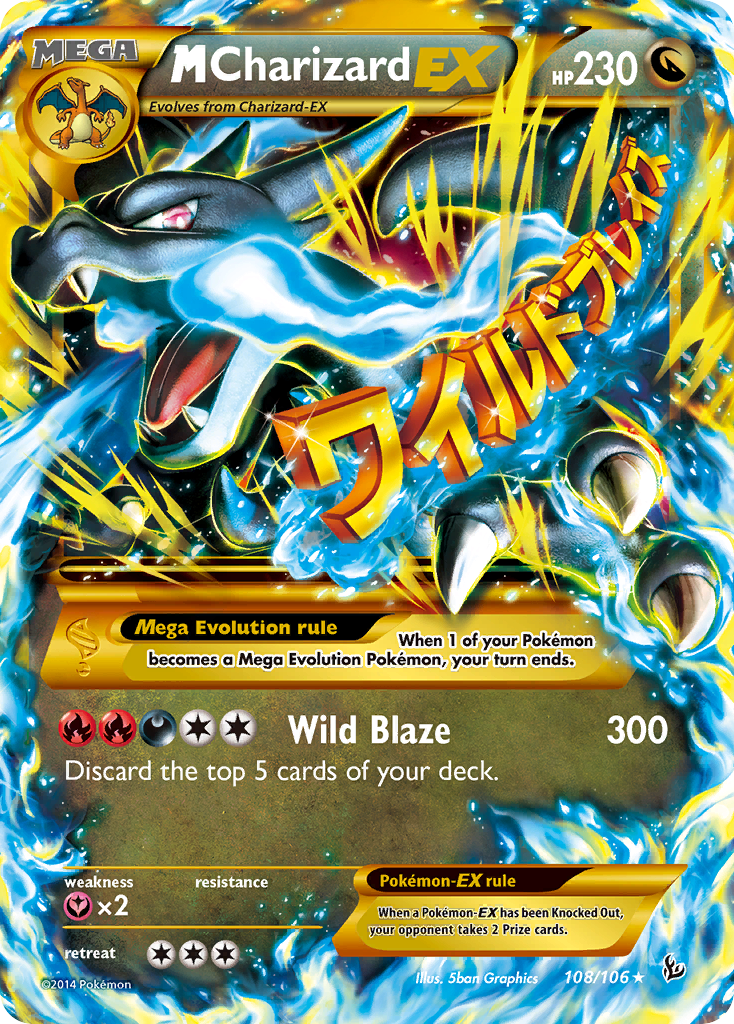
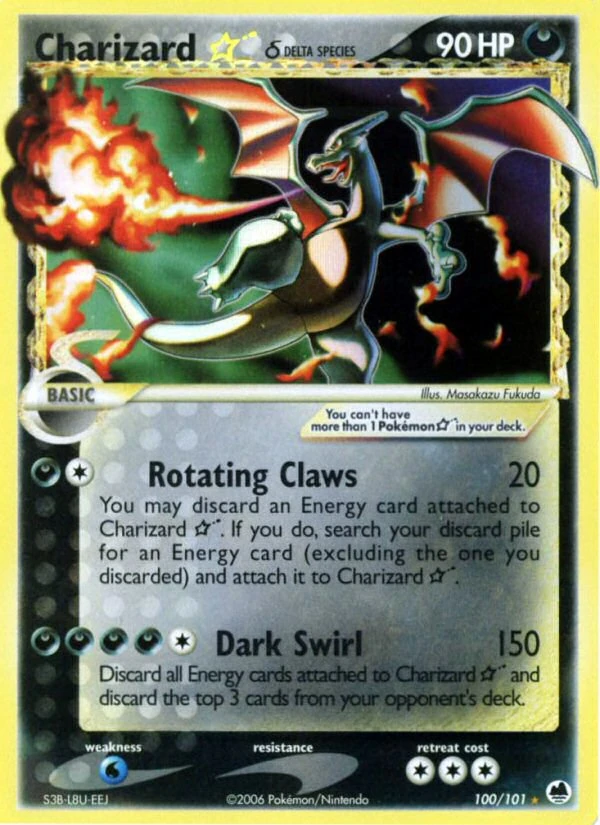
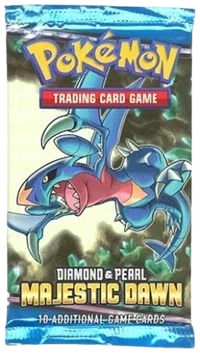
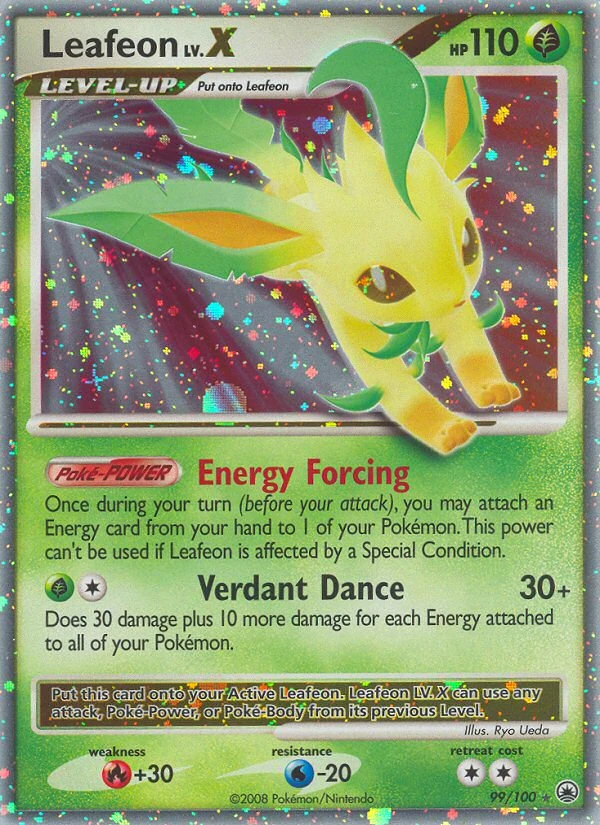
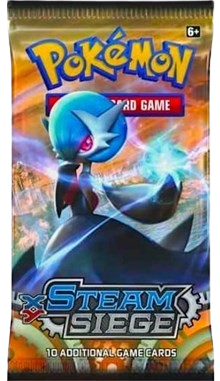
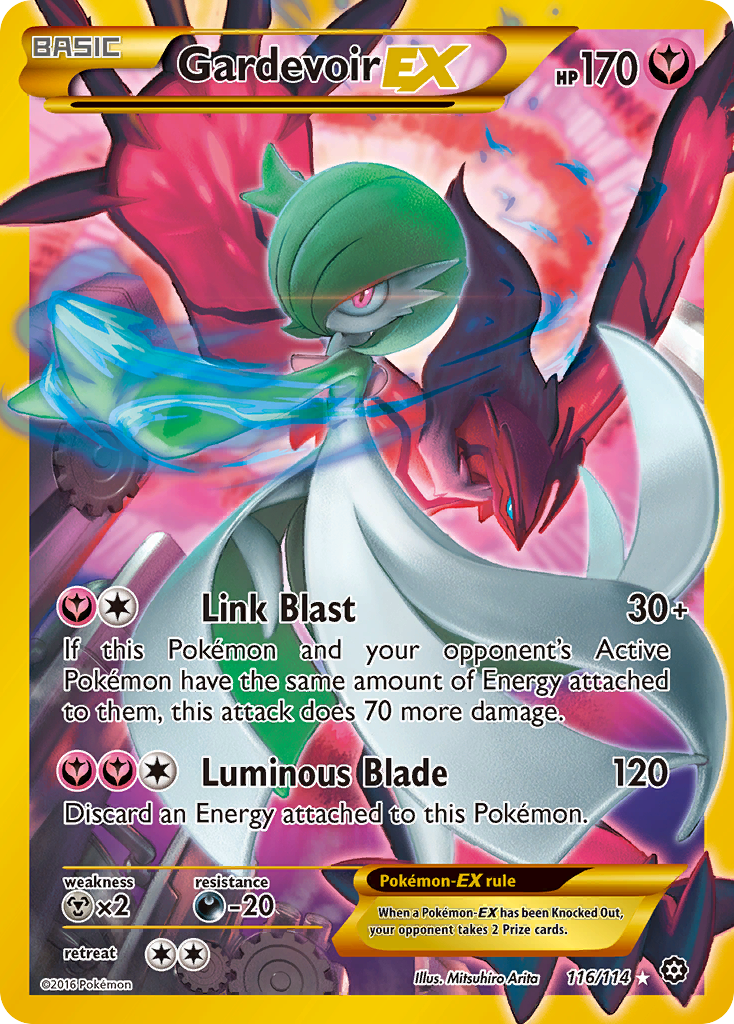


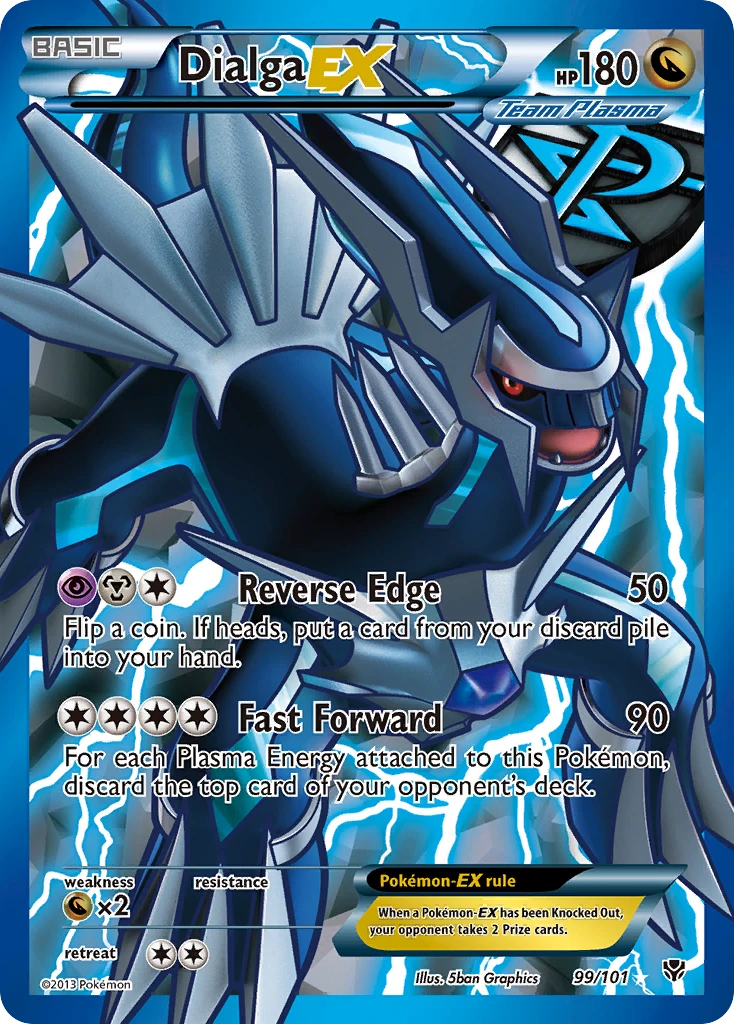




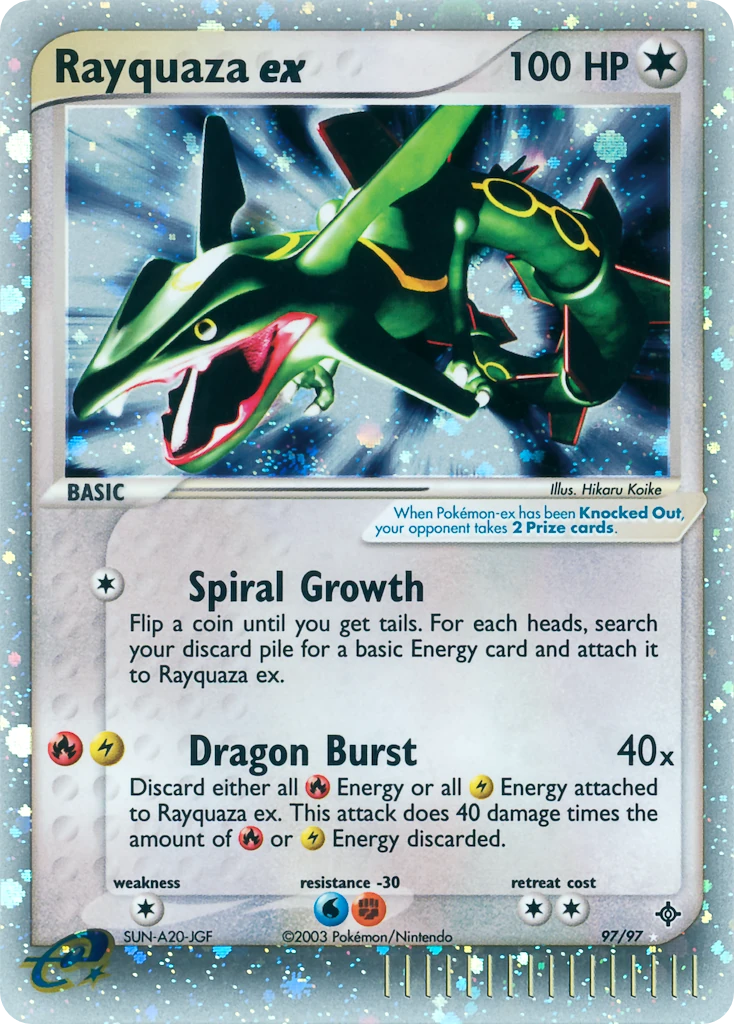
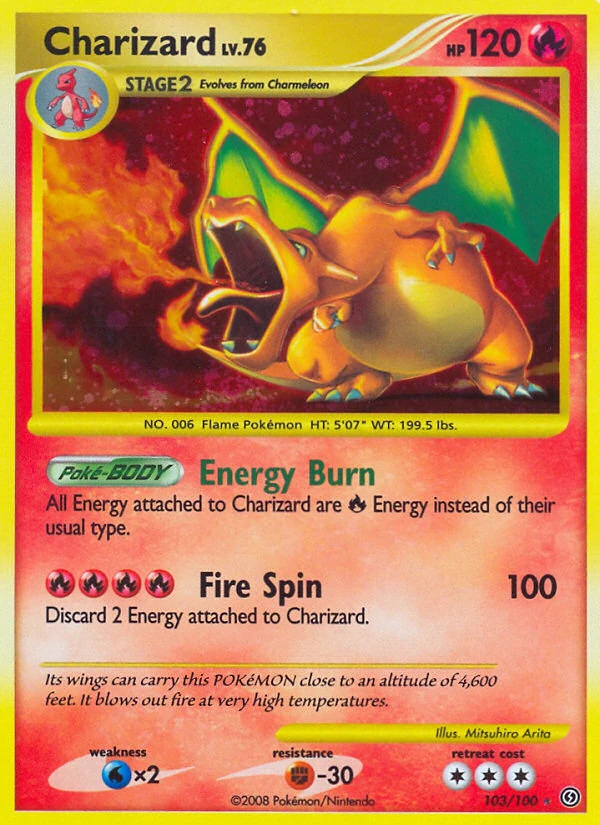
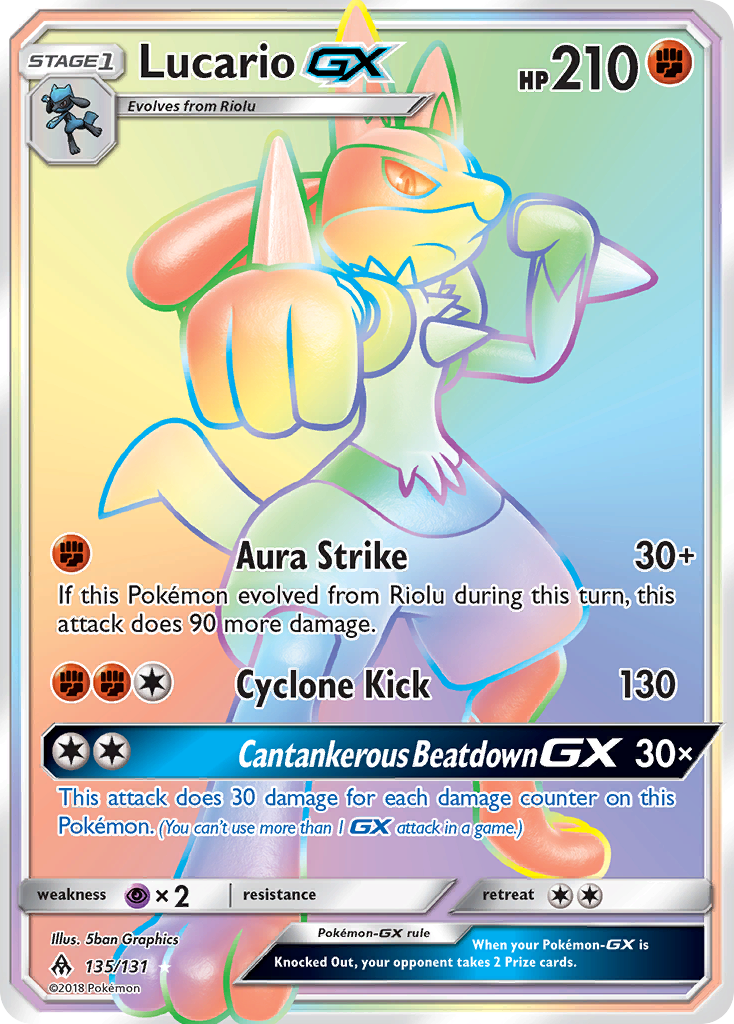

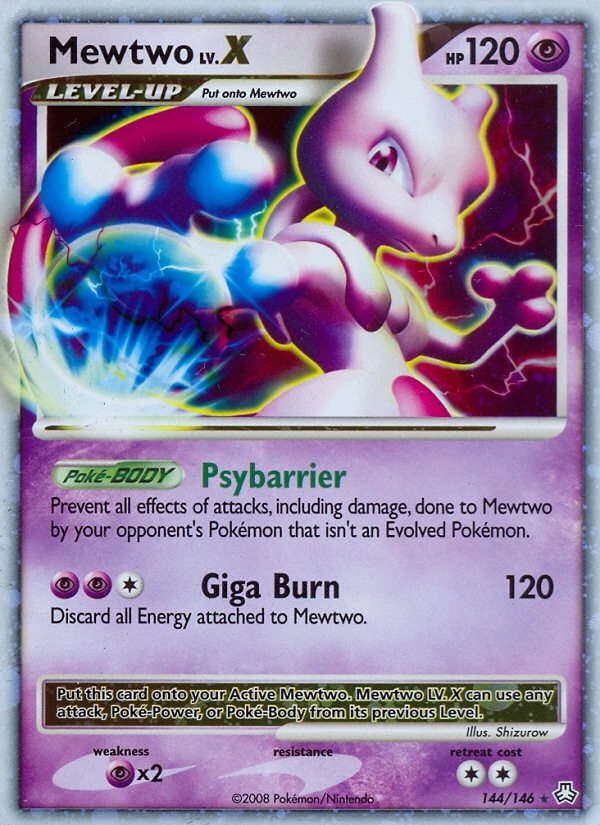
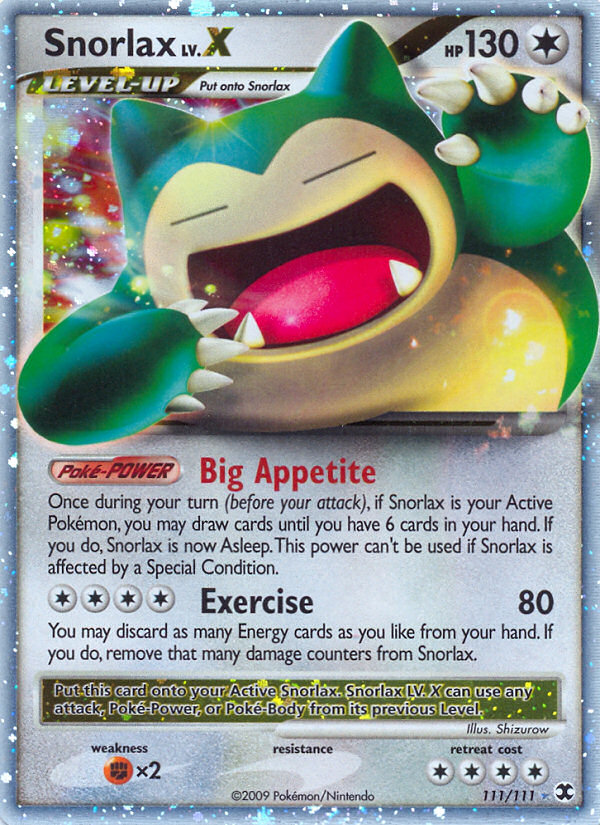

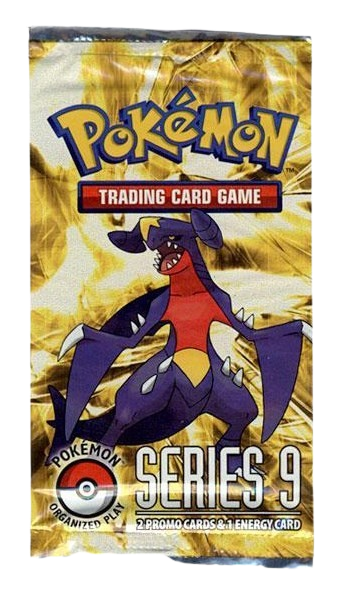
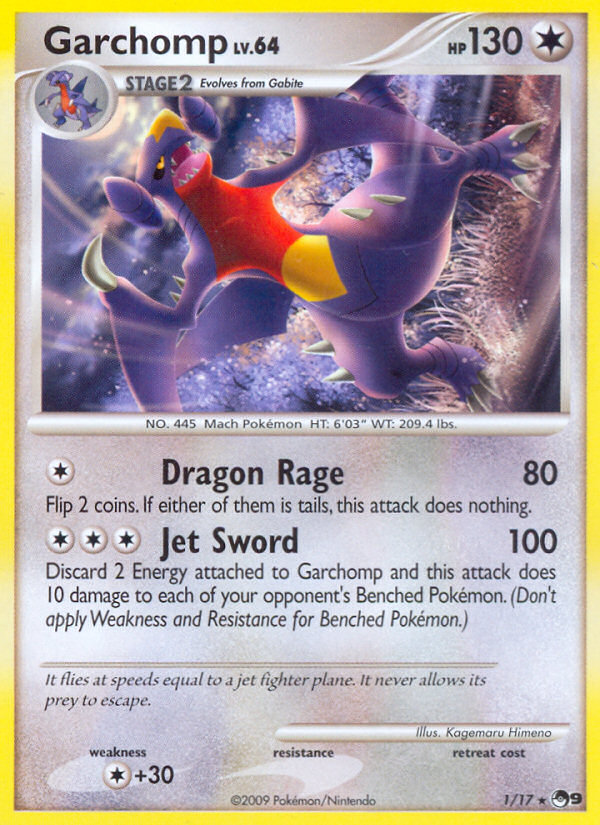

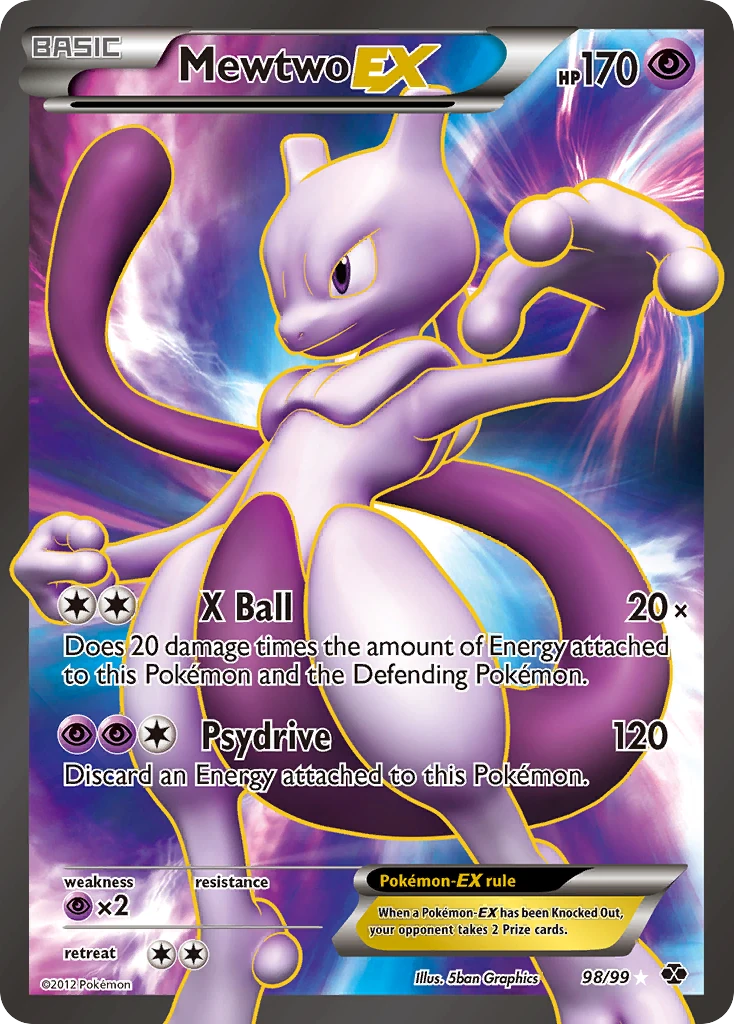
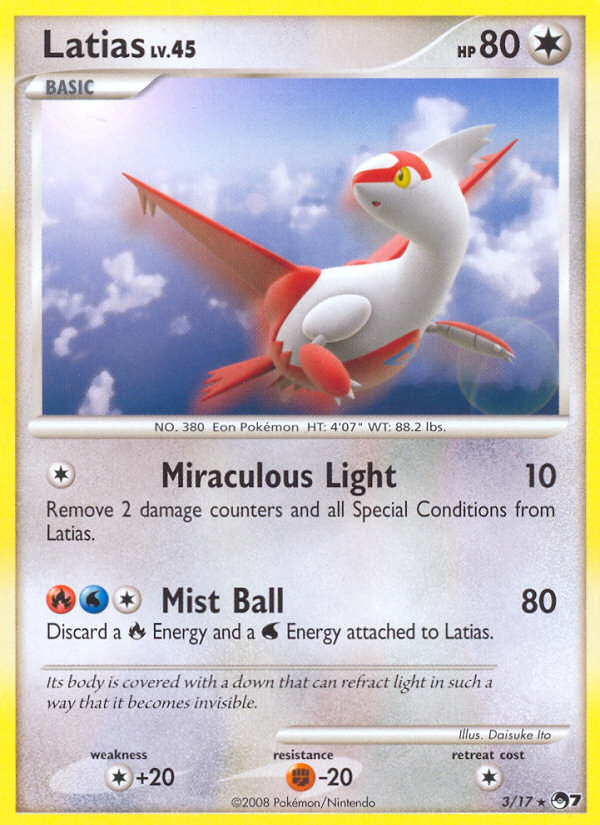

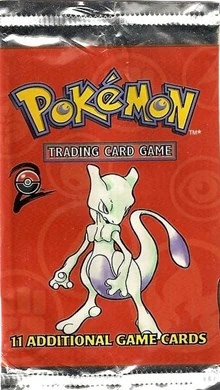
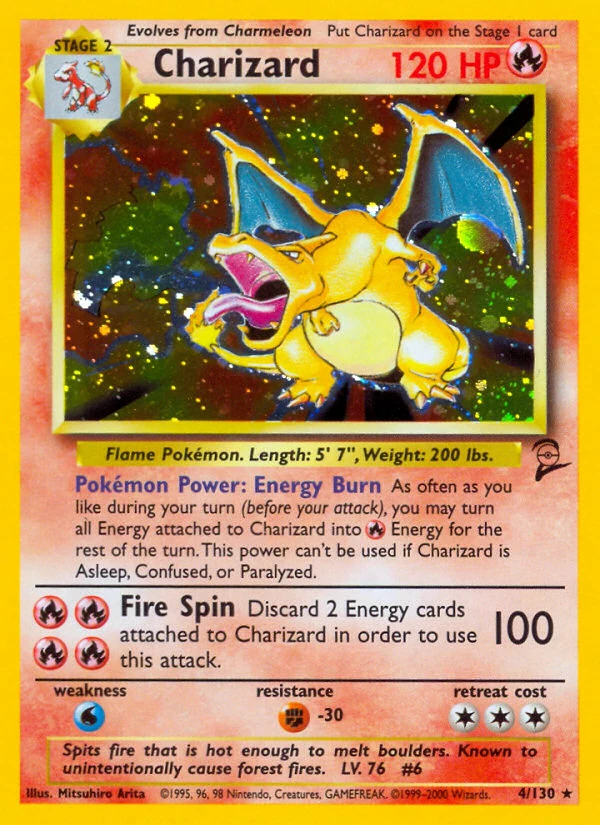
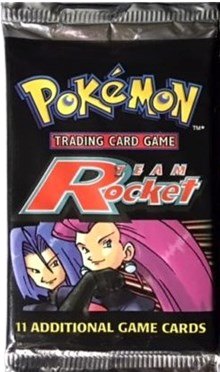
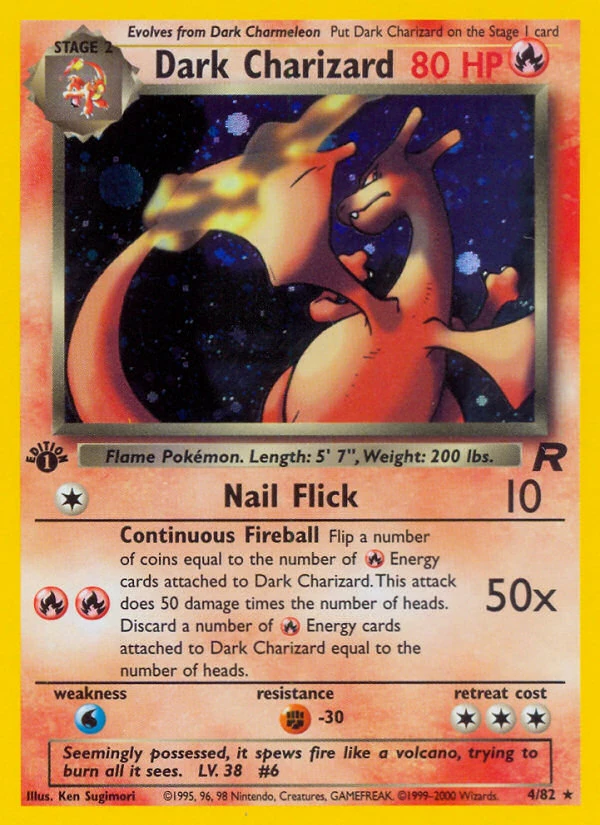



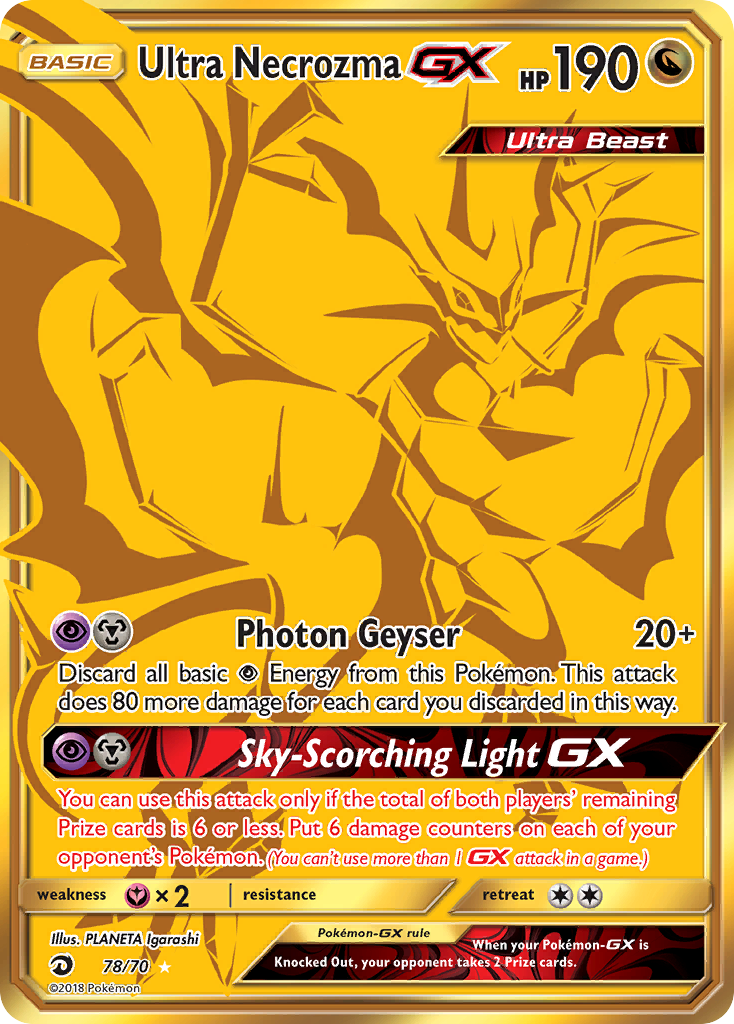
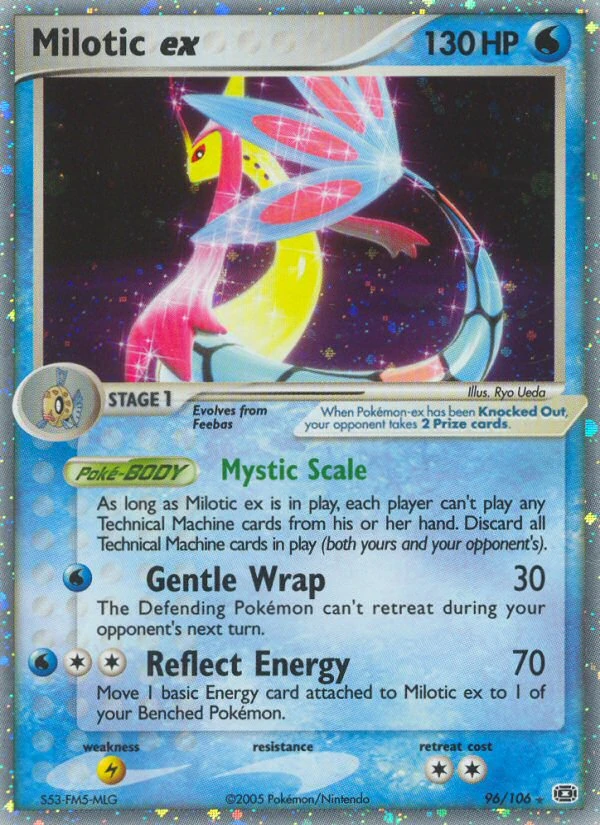
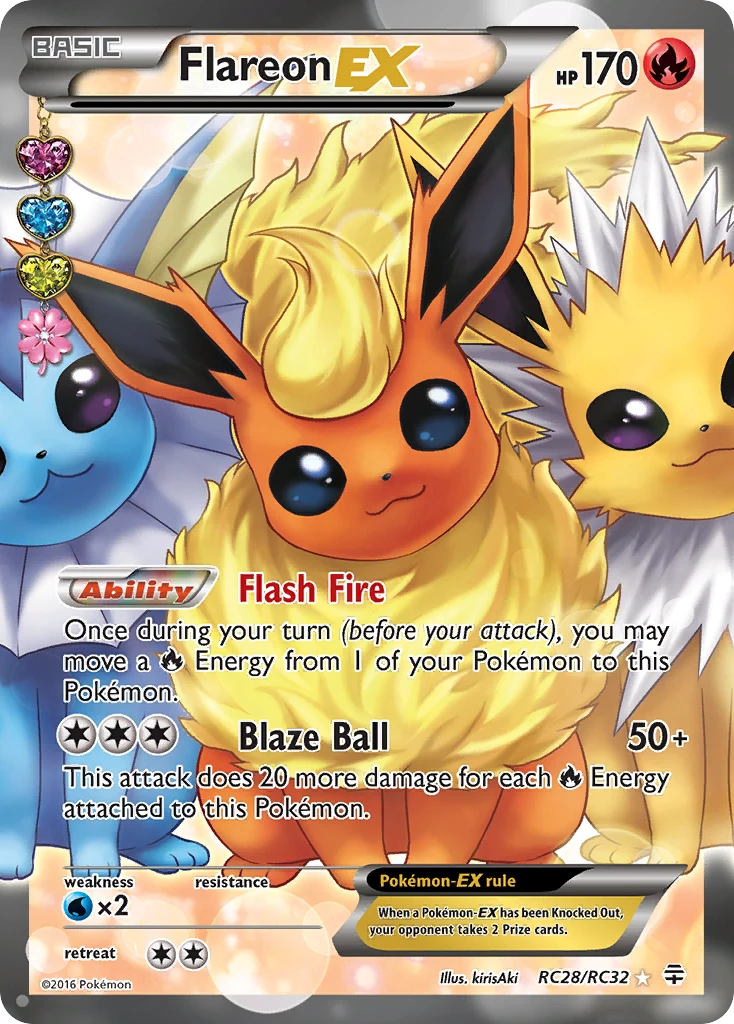

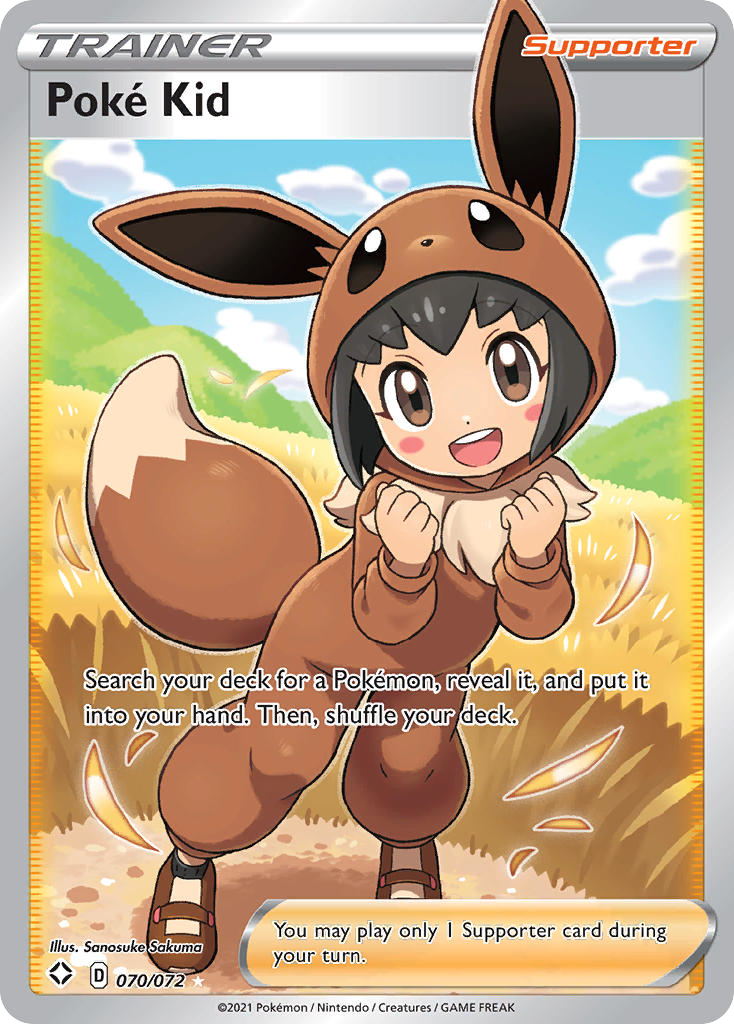

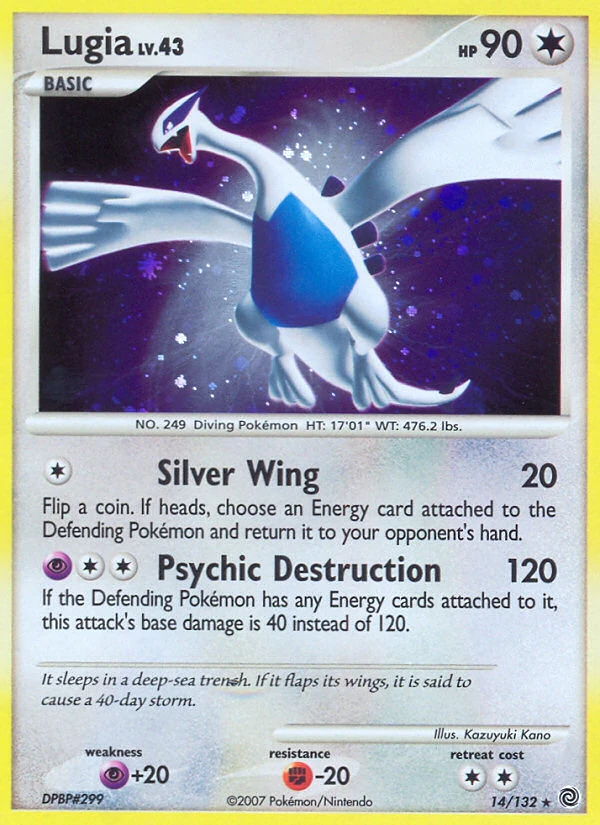

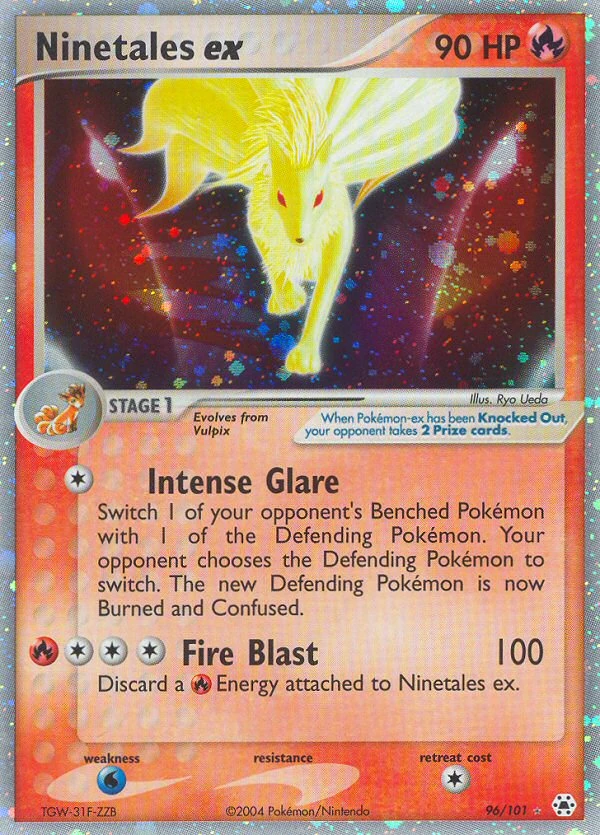
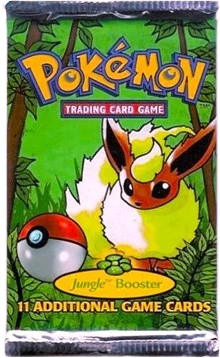
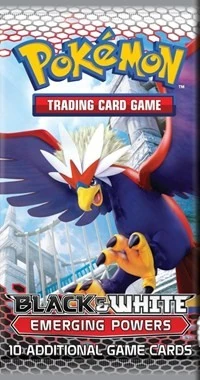
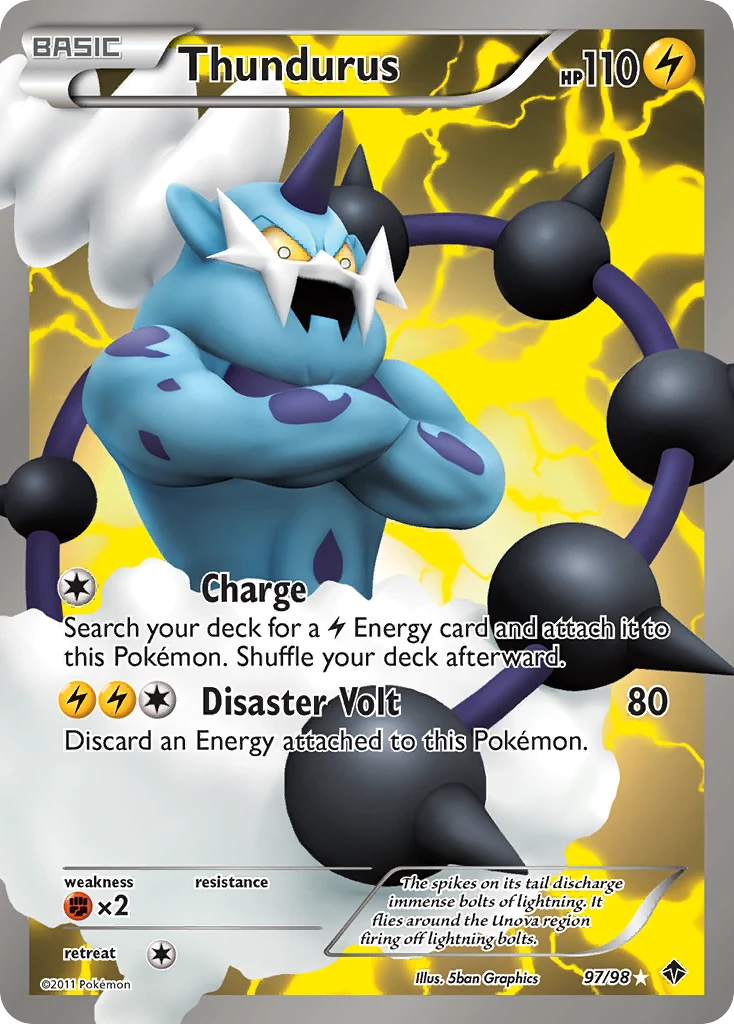

Sets without a current pack price 5
CardTrack has no sealed listing for these sets, so their pack price is a flat era estimate and a multiple built on it would be invented. Their top cards are real; the ratio is not, so they are not ranked.
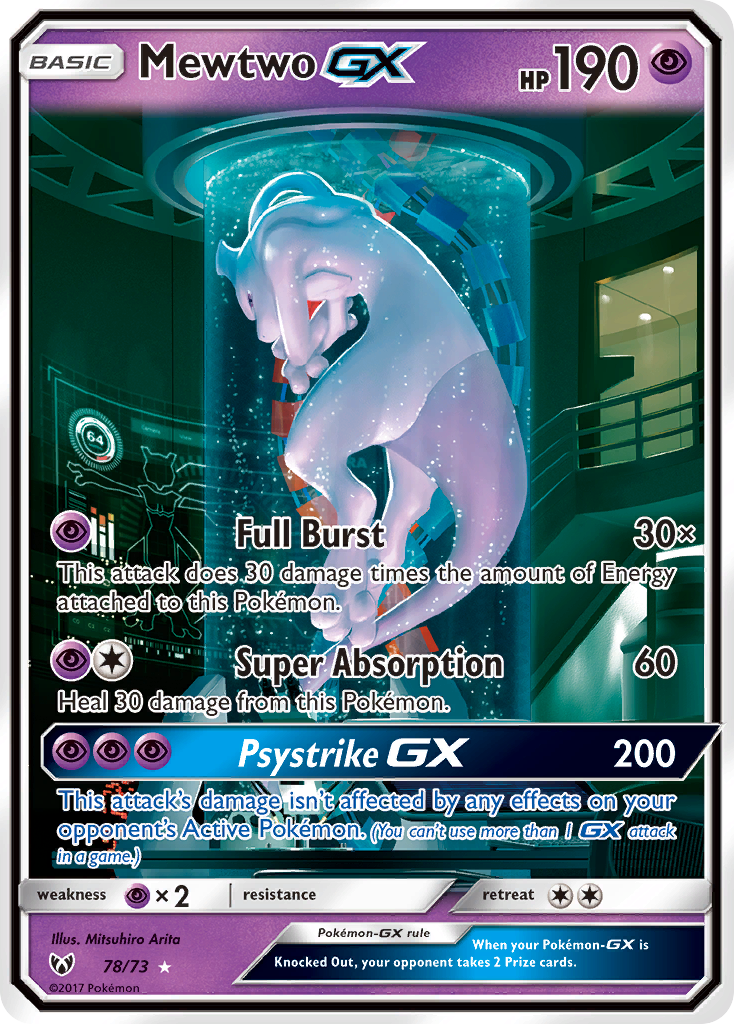
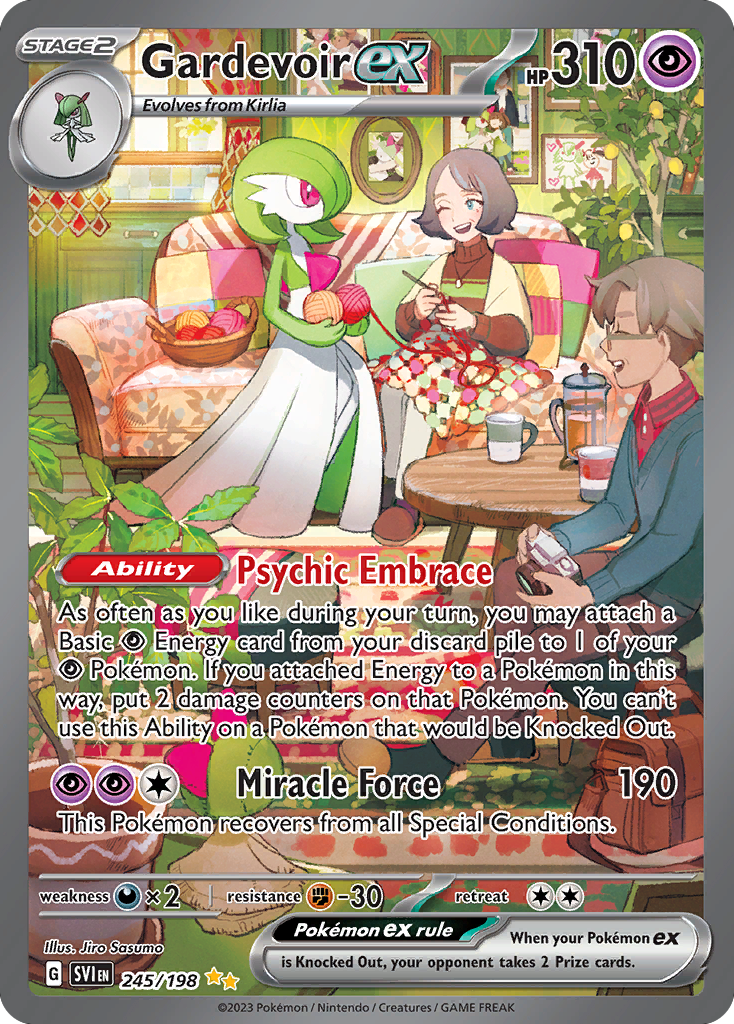
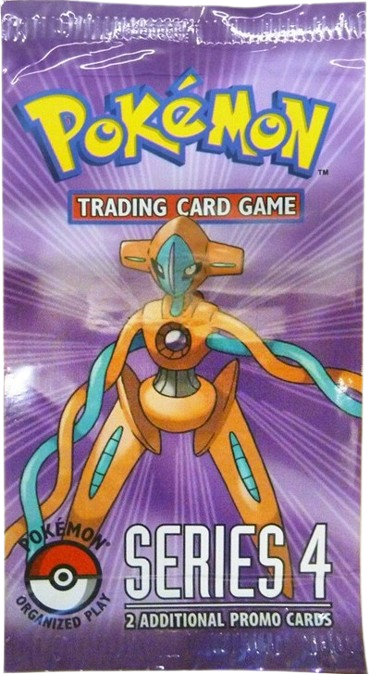
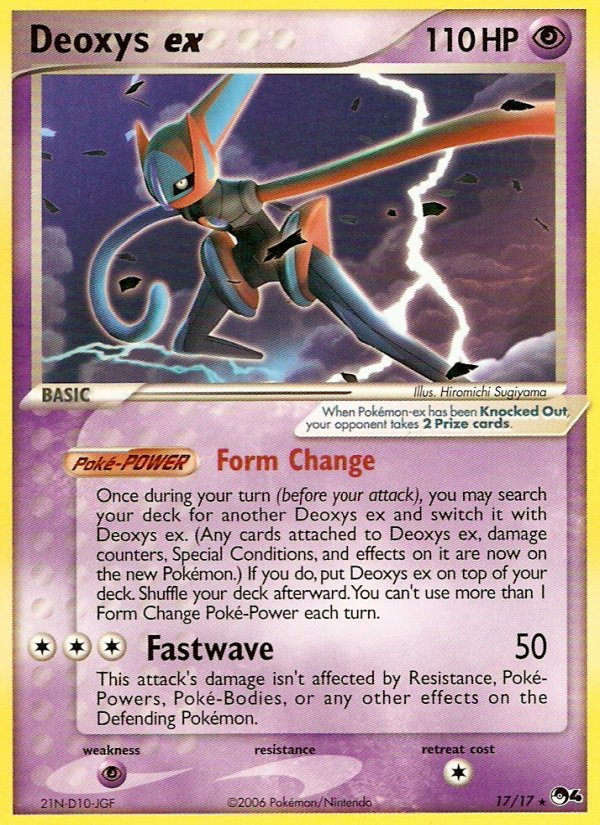
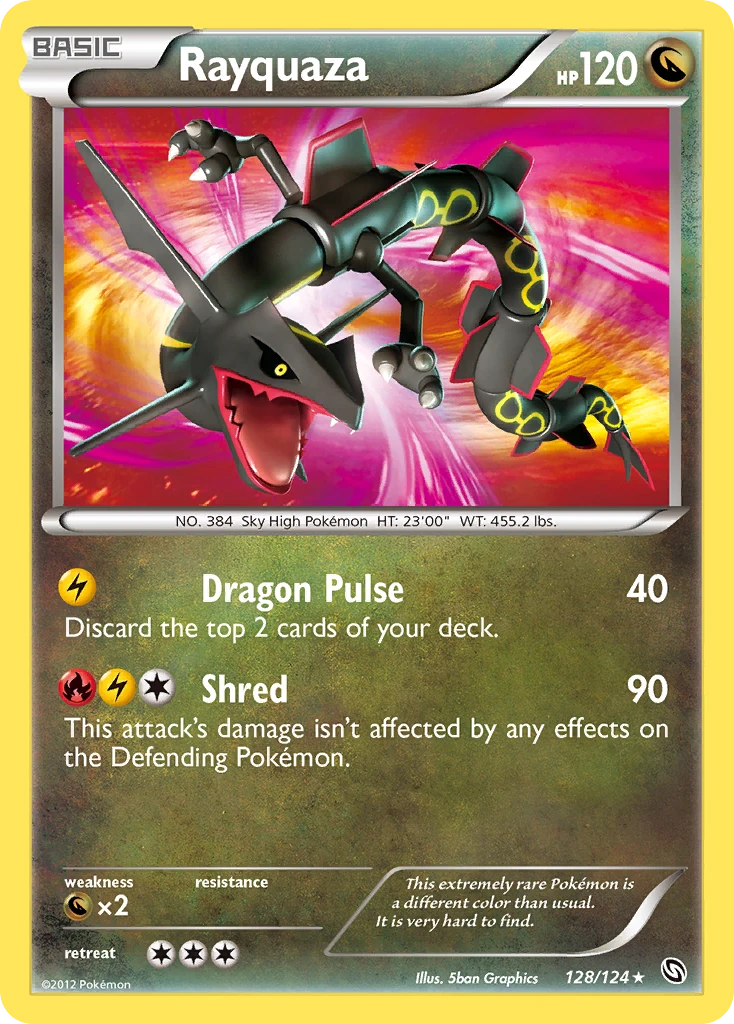
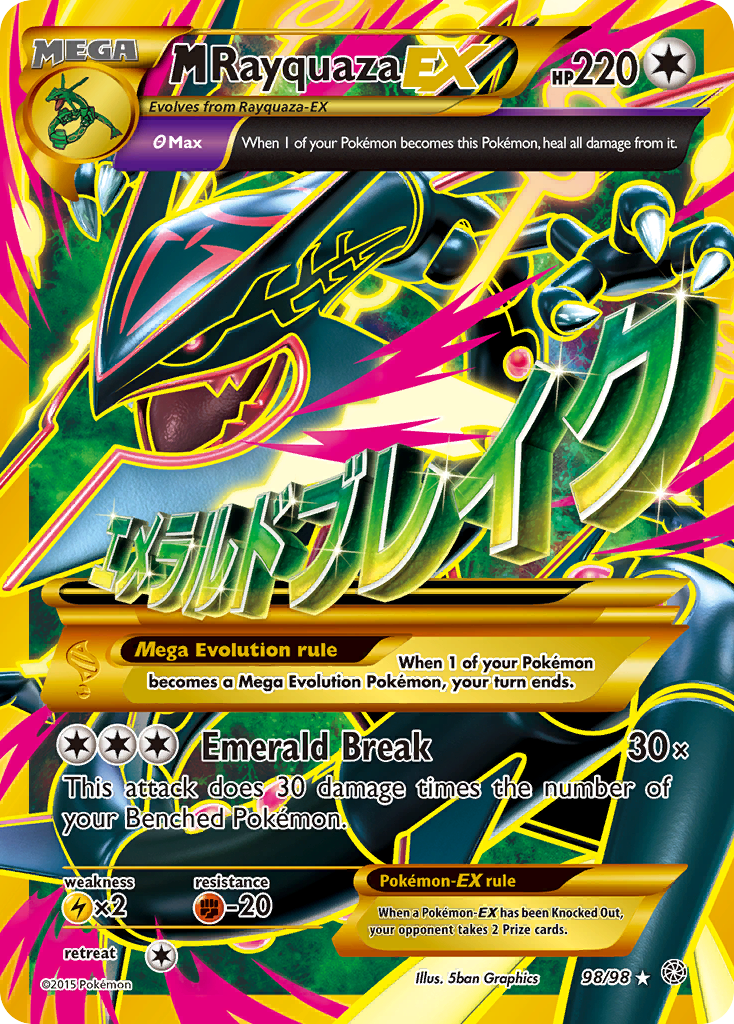
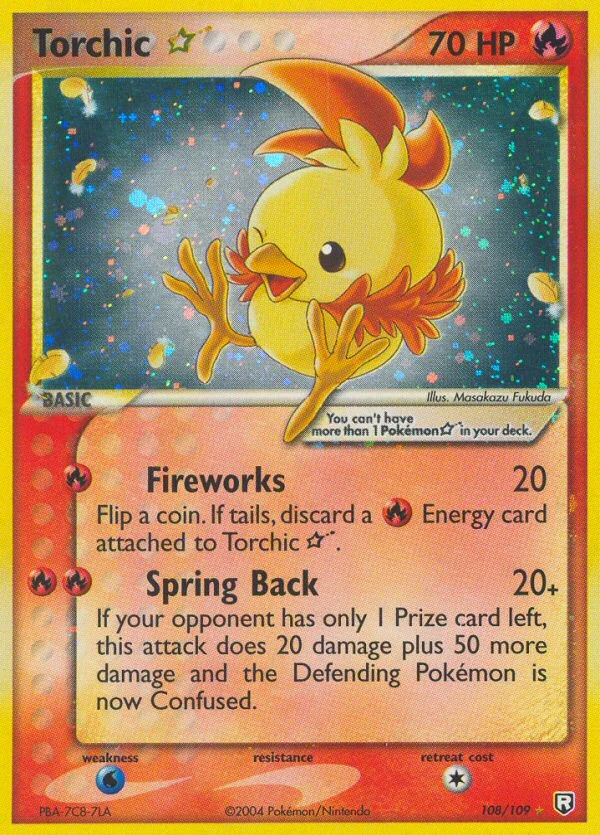
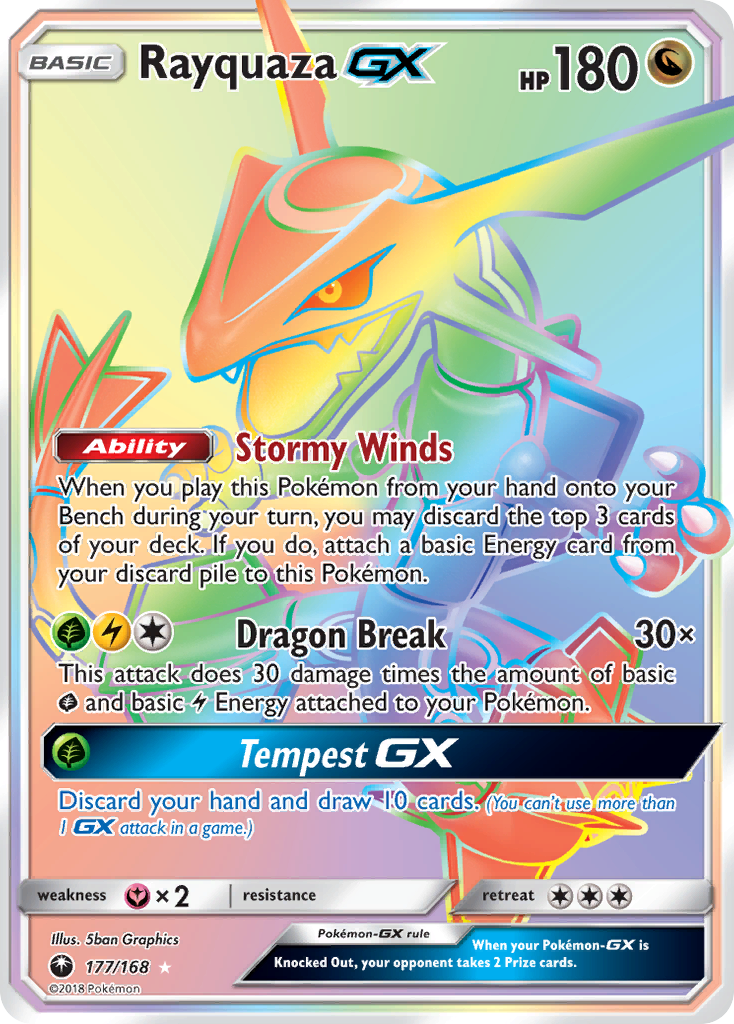
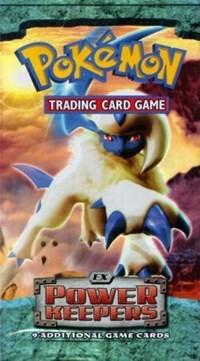
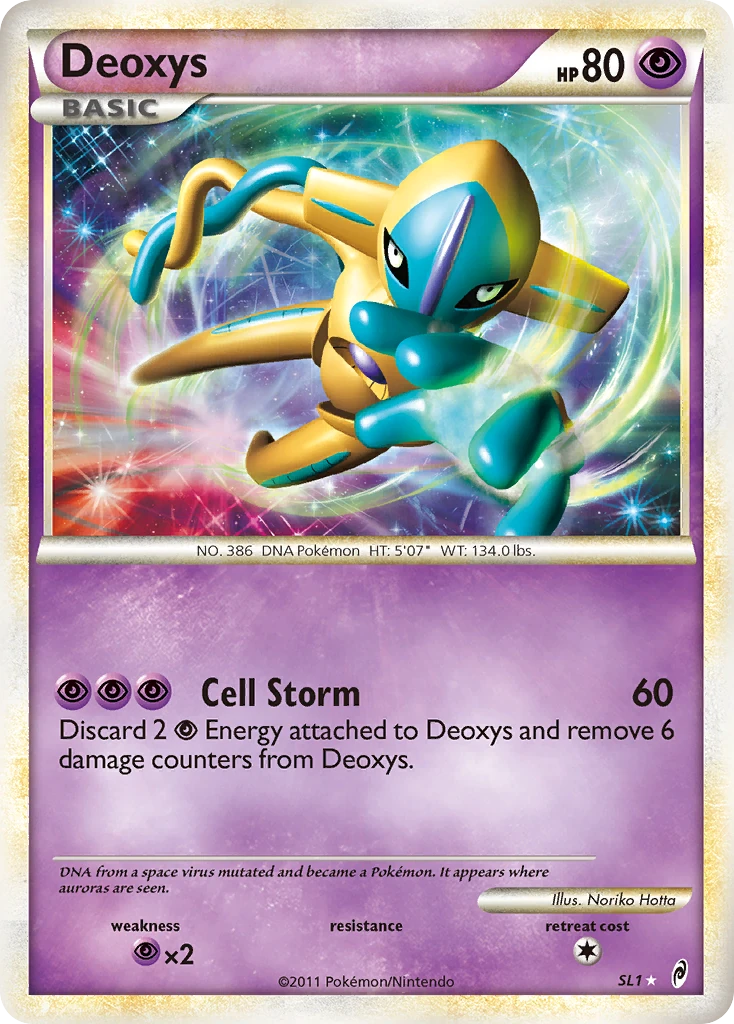
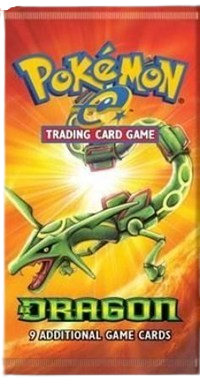
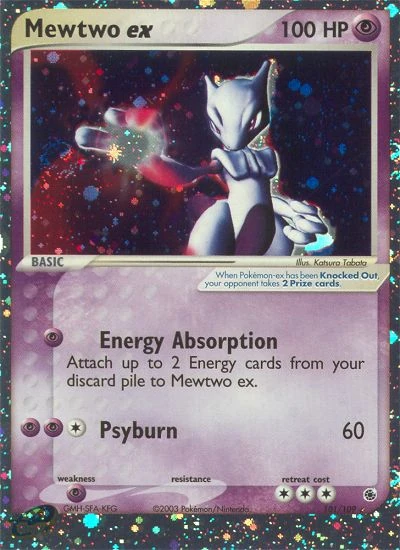
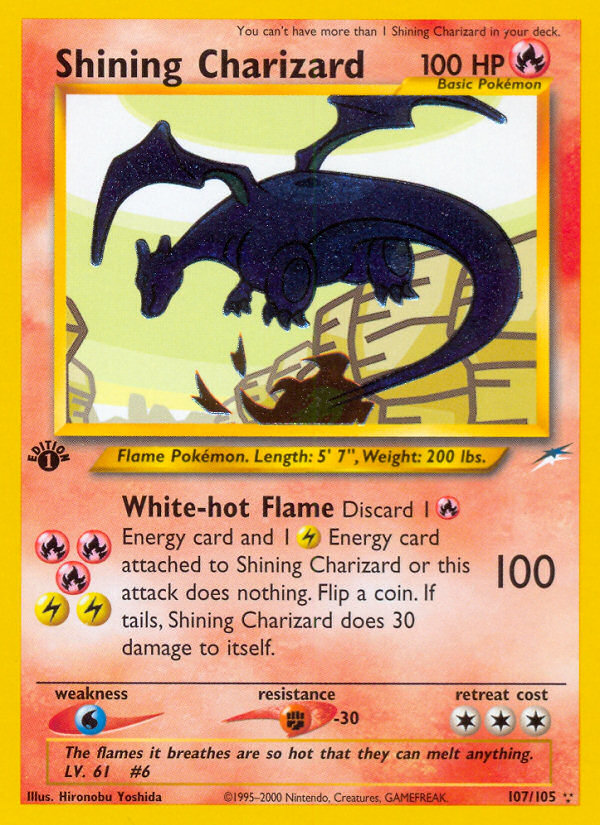
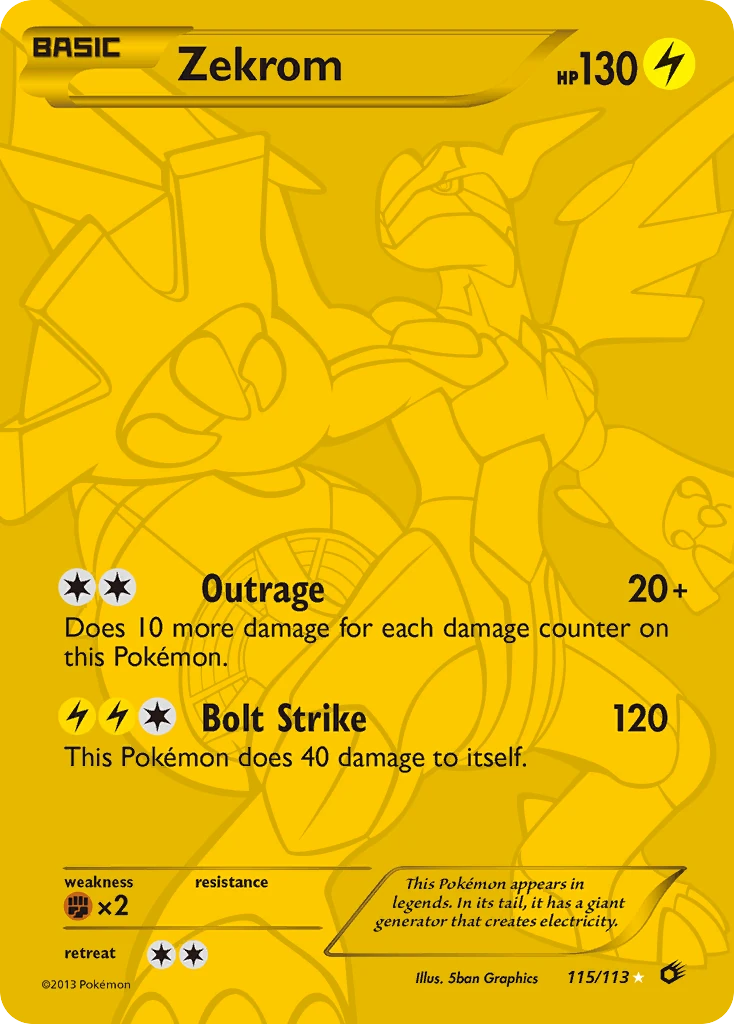
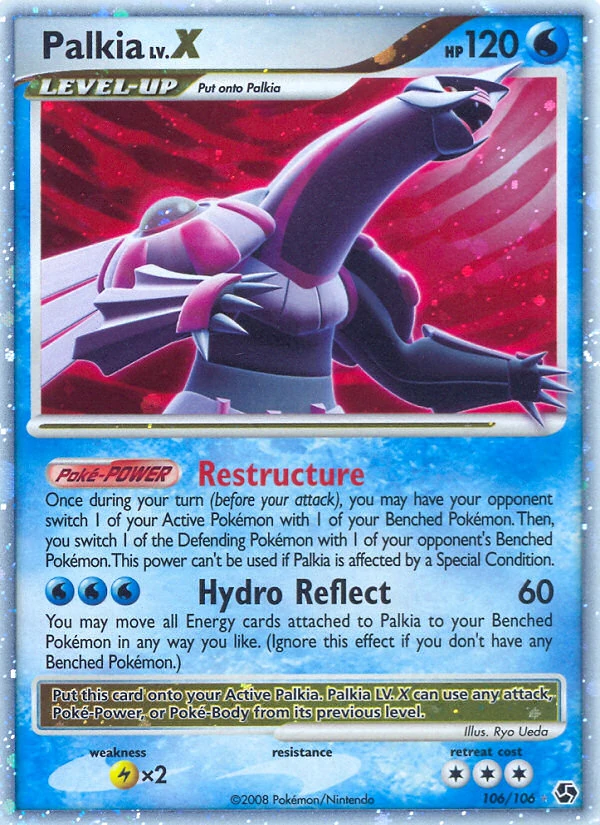
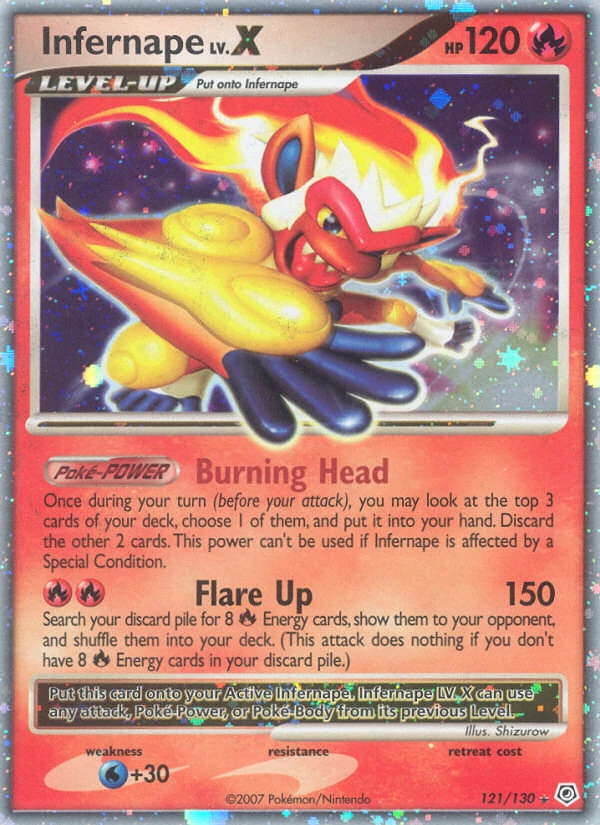
- Deoxys — top card Rayquaza ☆
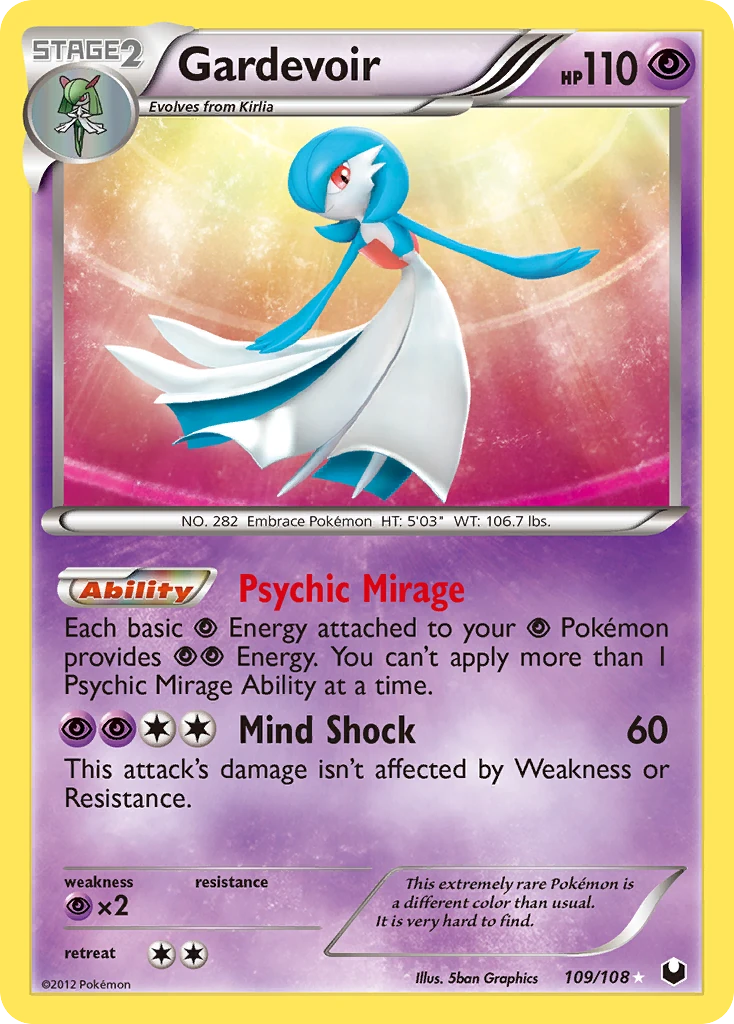
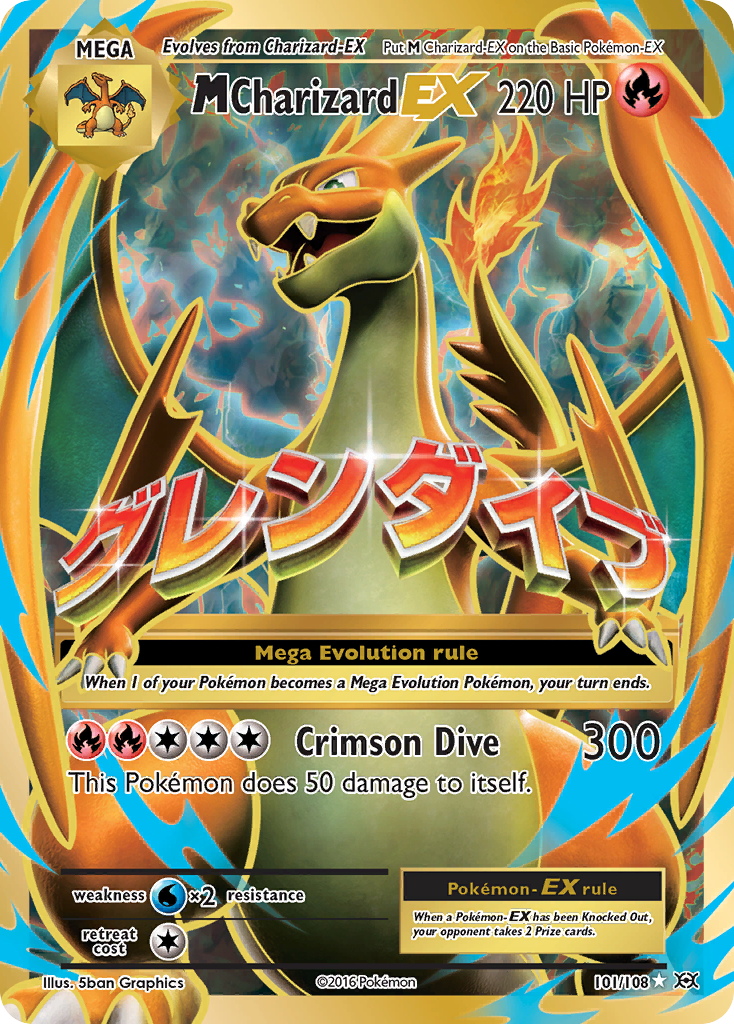
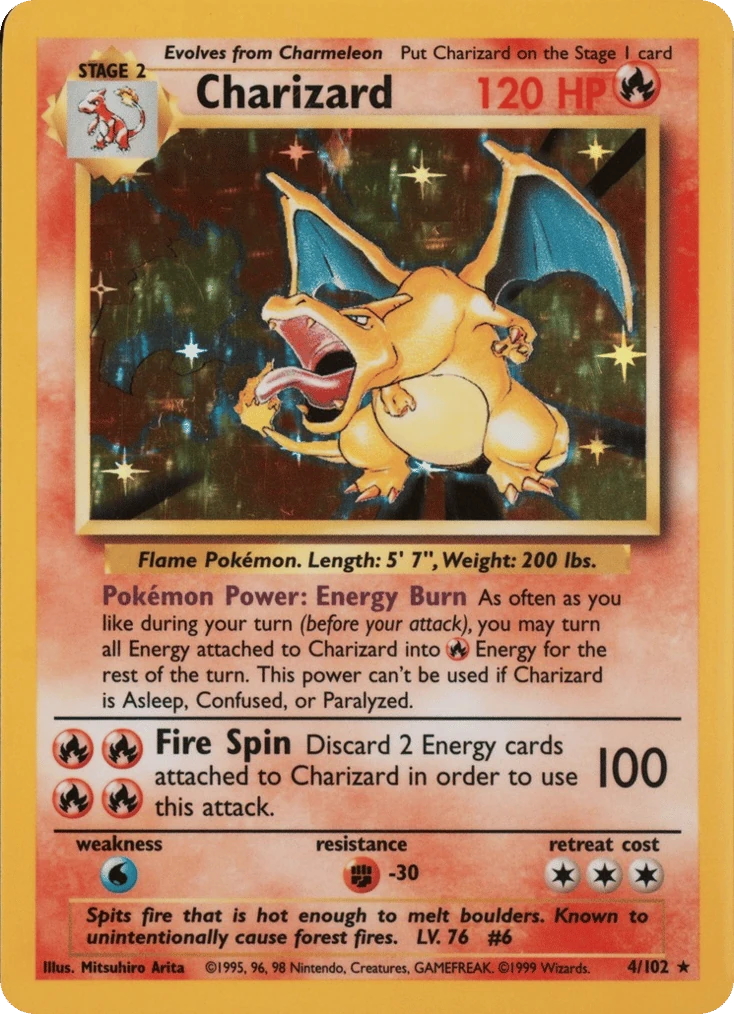
- Skyridge — top card Charizard
- Expedition Base Set — top card Charizard
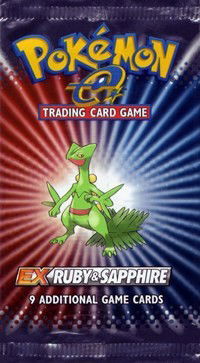
- Team Magma vs Team Aqua — top card Sceptile ex
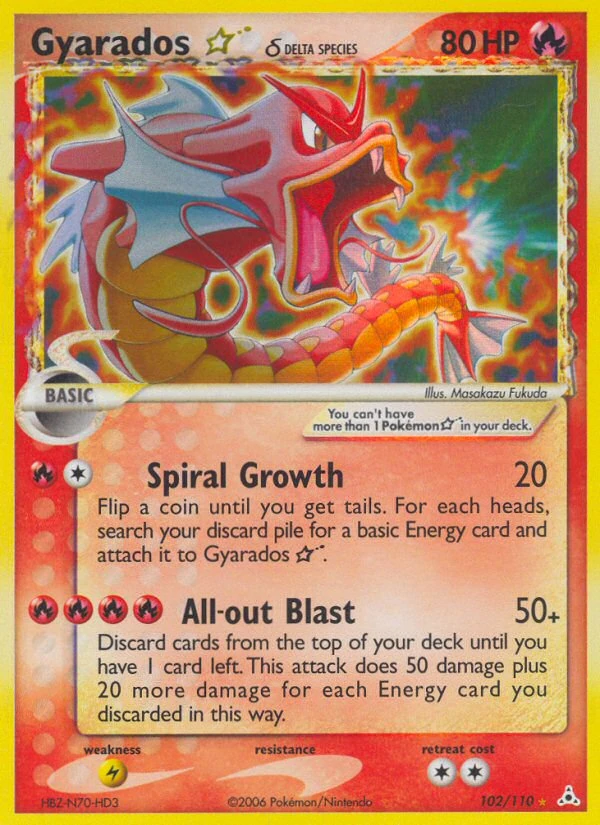
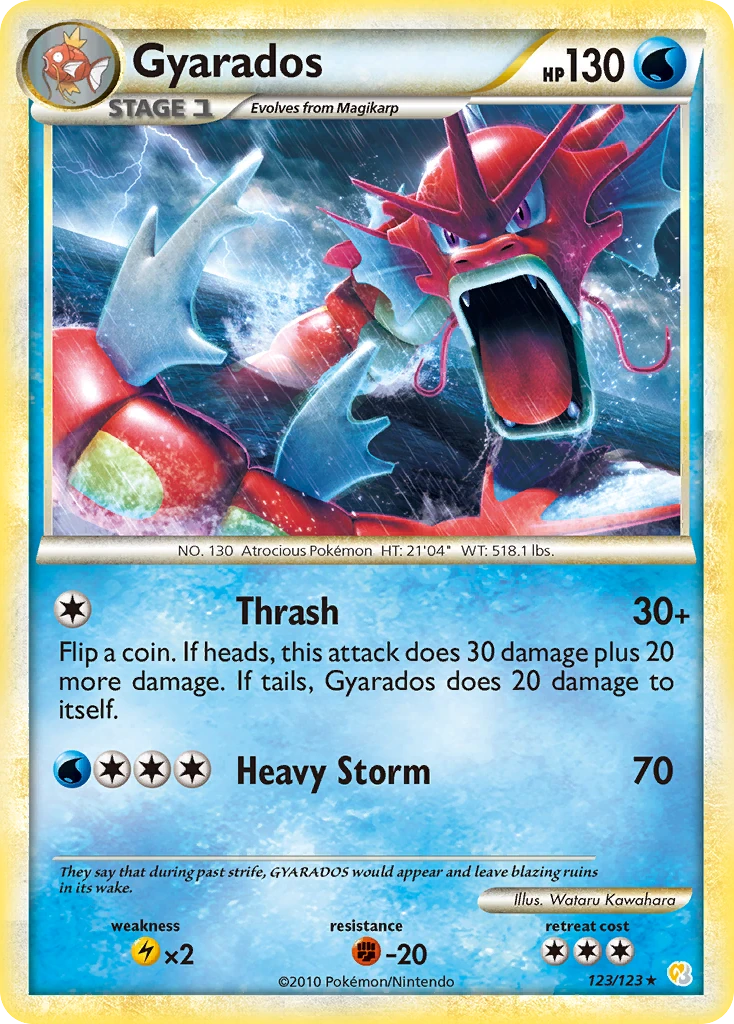
- Neo Revelation — top card Shining Gyarados
How upside is calculated — and what is modelled
For every set we take the single most valuable card in it, priced the same way as its card page (Blended from eBay sold results, Fanatics auctions, TCGplayer and PriceCharting, updated daily.) and divide it by the cheapest current booster-pack market listing for that set — an asking price, not a sale. A set showing 10,000× means its best possible pull is worth 10,000 times the price of the pack — not that you should expect it.
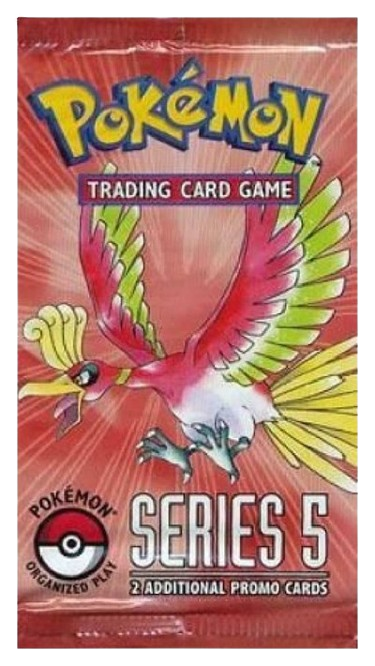
The “modelled avg” column is different in kind: it is the mean value of 400 packs opened by CardTrack's pack model, whose hit slot is weighted 60 : 28 : 10 : 2.5 across rare, holo, ultra and secret (vintage 67 : 33). CardTrack does not open packs and no official pull rates exist, so that average is a model output, not a measurement — see pack pull rates for the assumptions per set, and open packs to see what the model returns. POP Series sets show no modelled average: they were sold as small promo packs, not standard boosters, and the model does not open them.
What the ranking shows right now
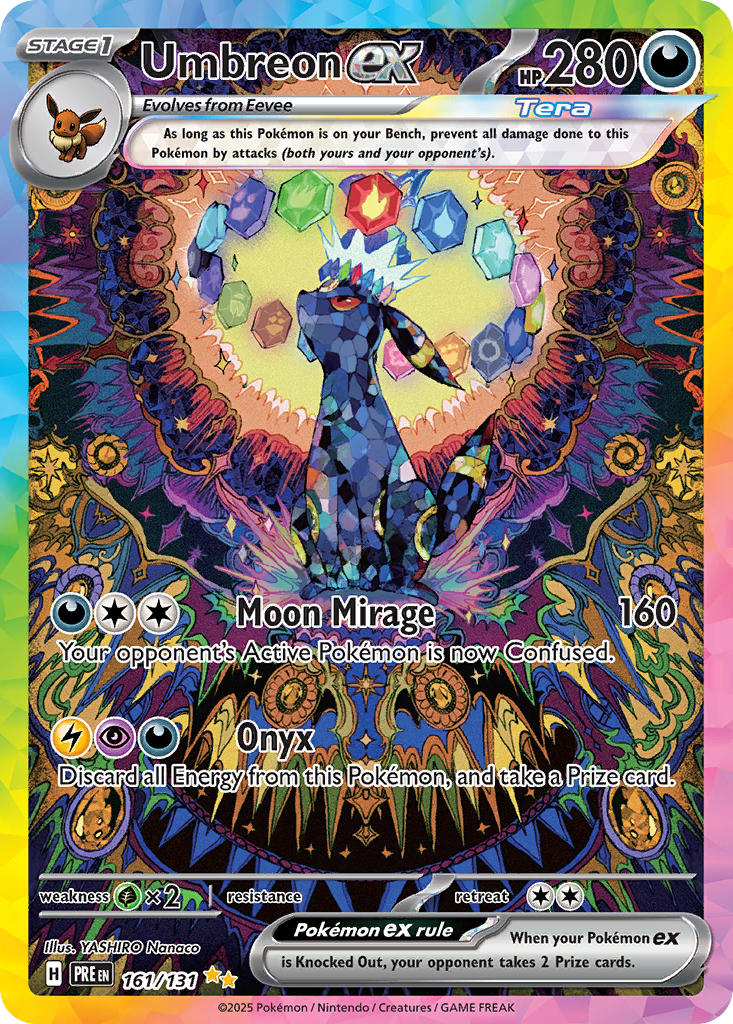
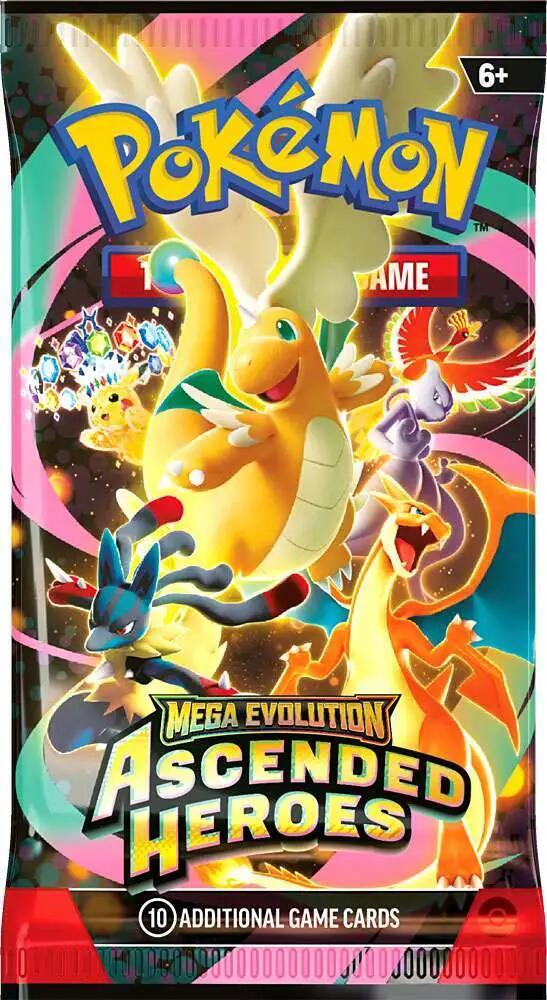
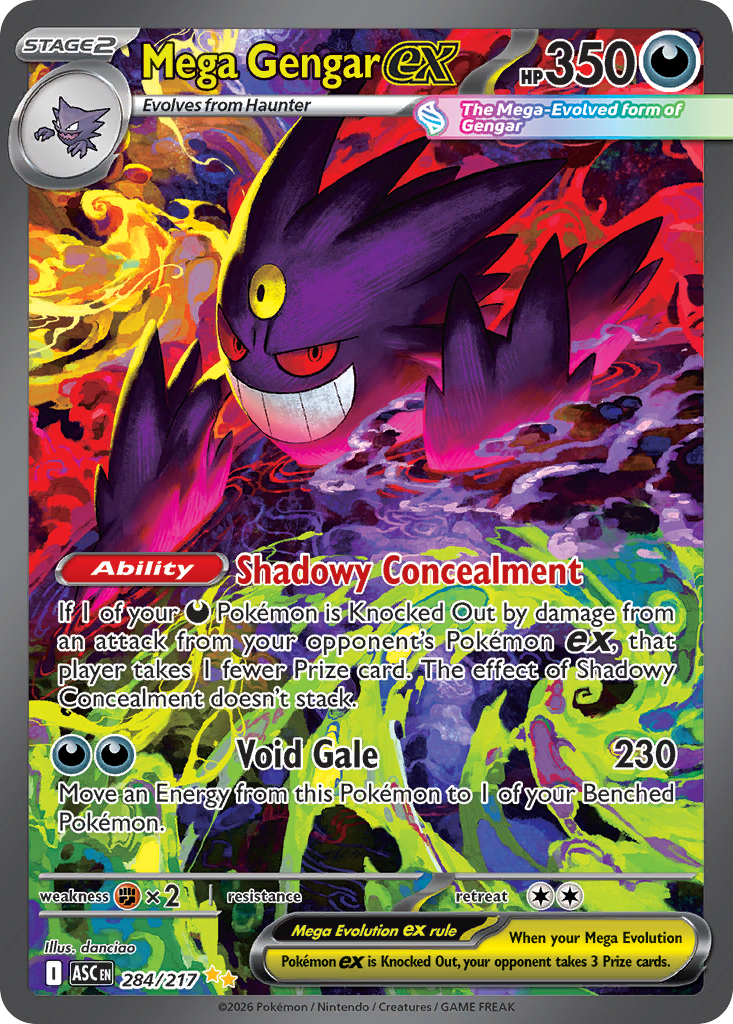
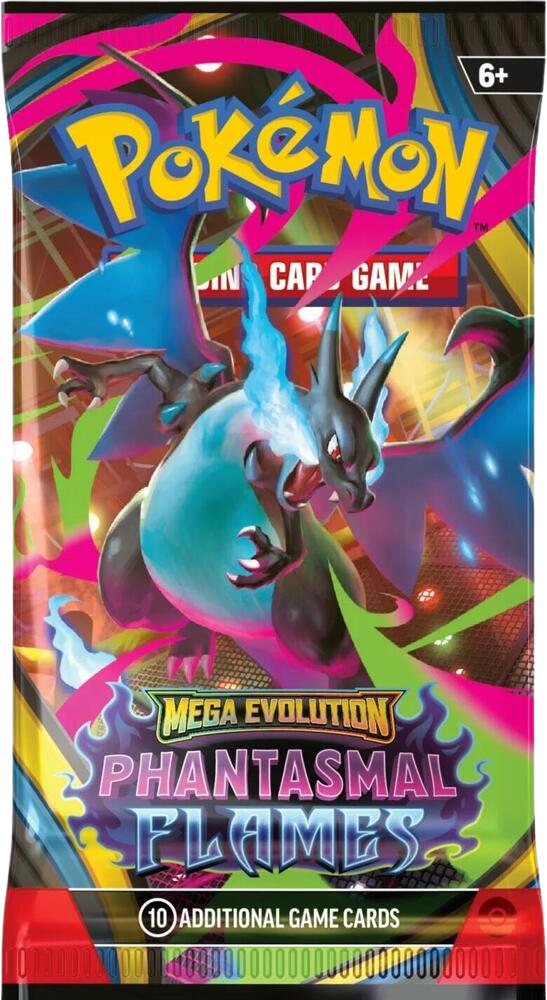
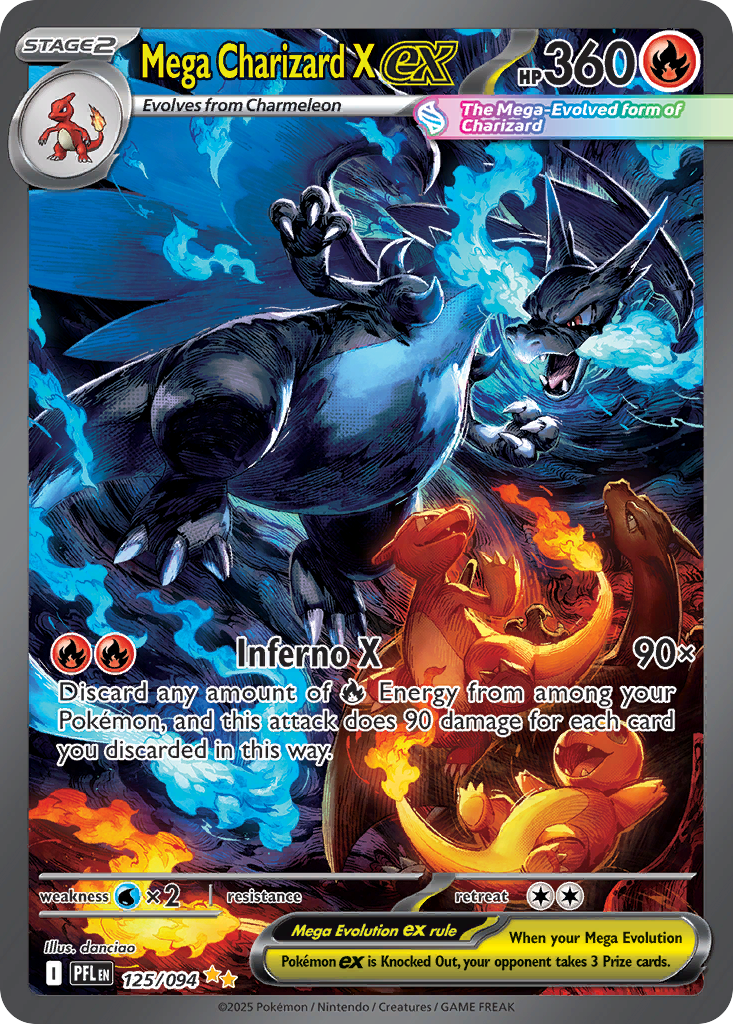
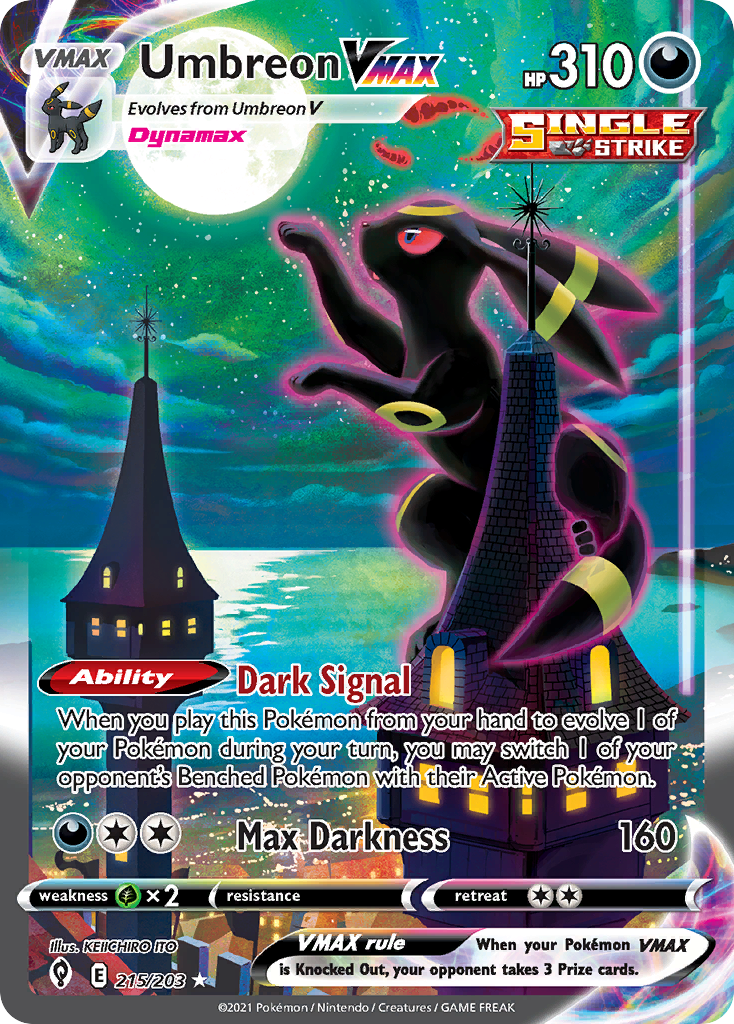
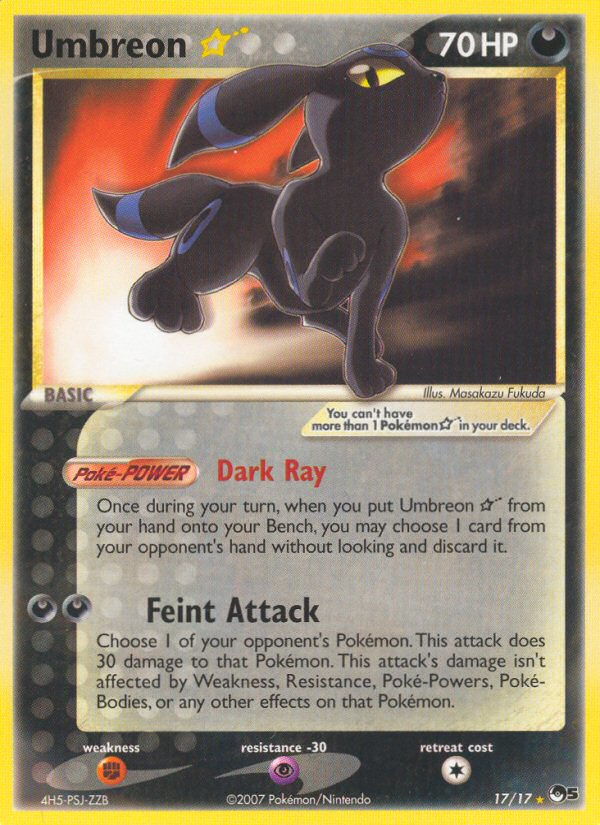
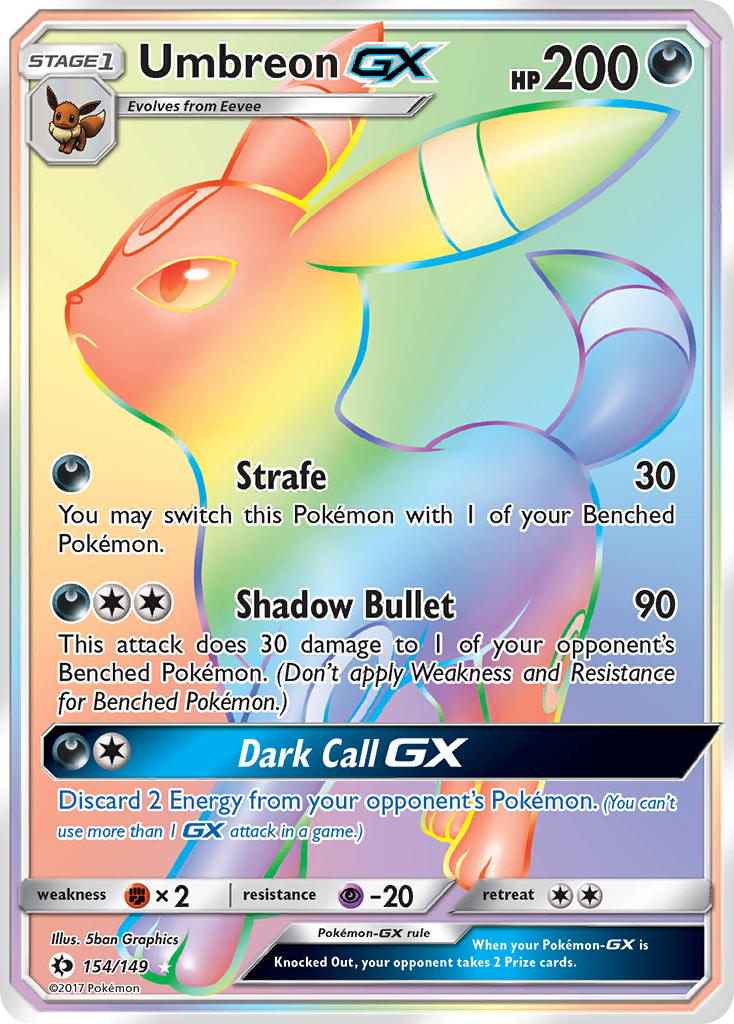
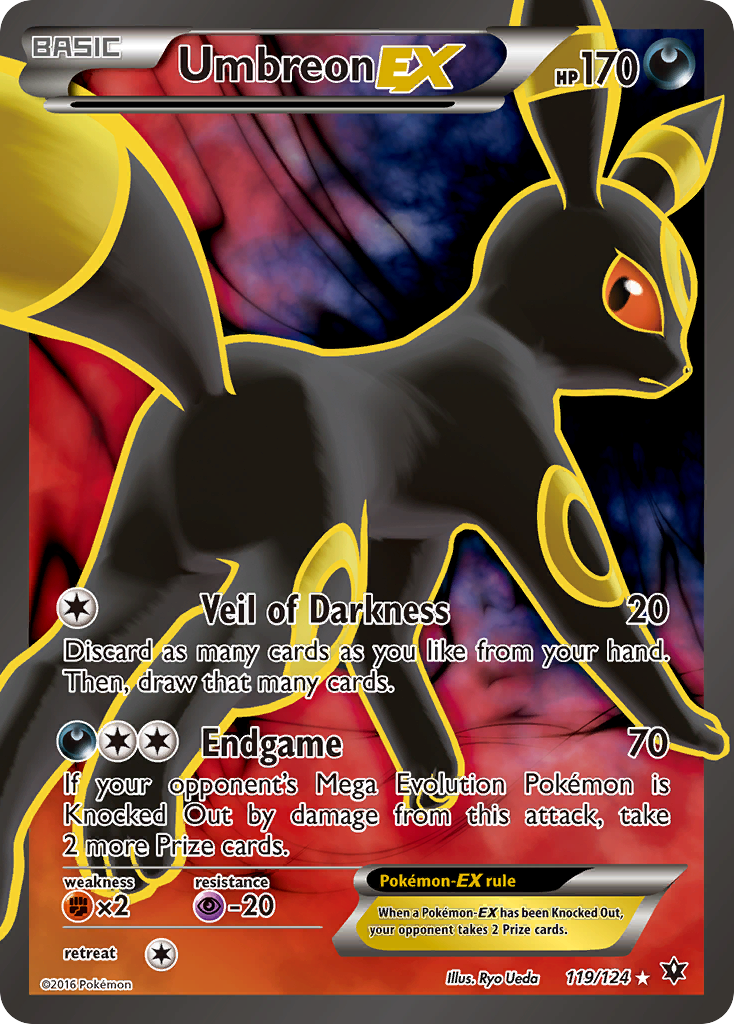
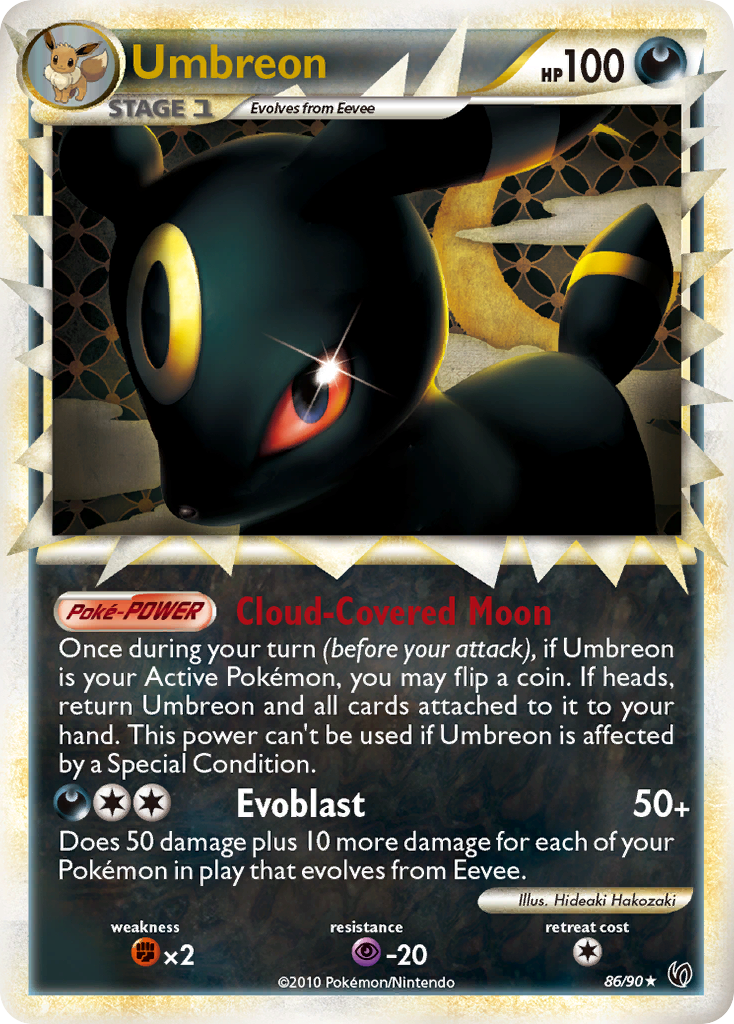
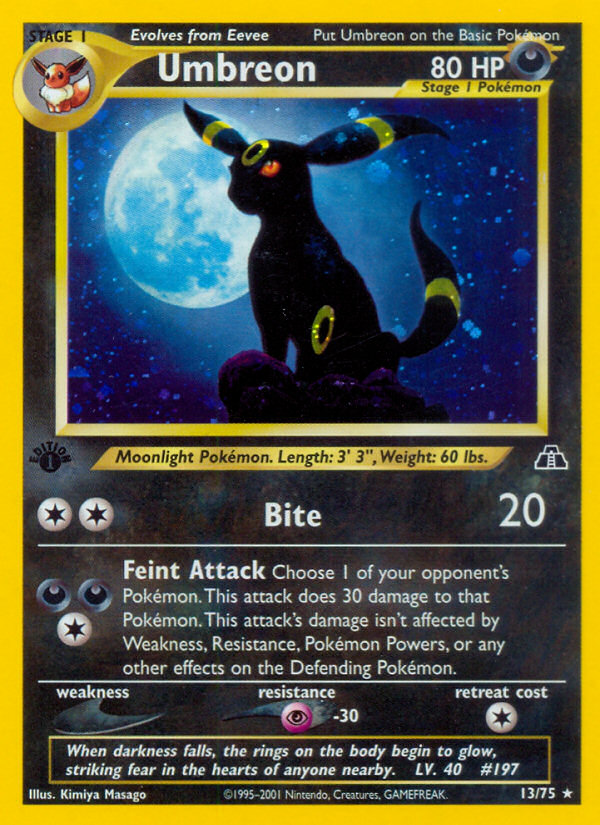
Prismatic Evolutions leads the table: its most valuable card, Umbreon ex, is priced at $1,030, and a pack costs $13.52, so the best possible pull is worth 76 times the pack. Ascended Heroes (61×) and Phantasmal Flames (51×) follow. All of the top 10 sets were released in 2020 or later, which is what you would expect: a modern pack is cheap, and a modern chase card can sell for hundreds of dollars or more.
Across all 127 ranked sets, the pattern holds by era. Sets released in 2020 or later have a median upside of 18× on a median pack price of $11.45; sets from 2011 to 2019 have a median upside of 2.8× on a median pack price of $110.00; sets from 2010 and earlier have a median upside of 1.1× on a median pack price of $596.55. An unopened pack from an older set is a collectible in its own right, and its price rises as sealed supply shrinks, while the cards inside it are priced one copy at a time. That is why the older a set is, the more its sealed product prices matter to this ranking and the less its top card does.
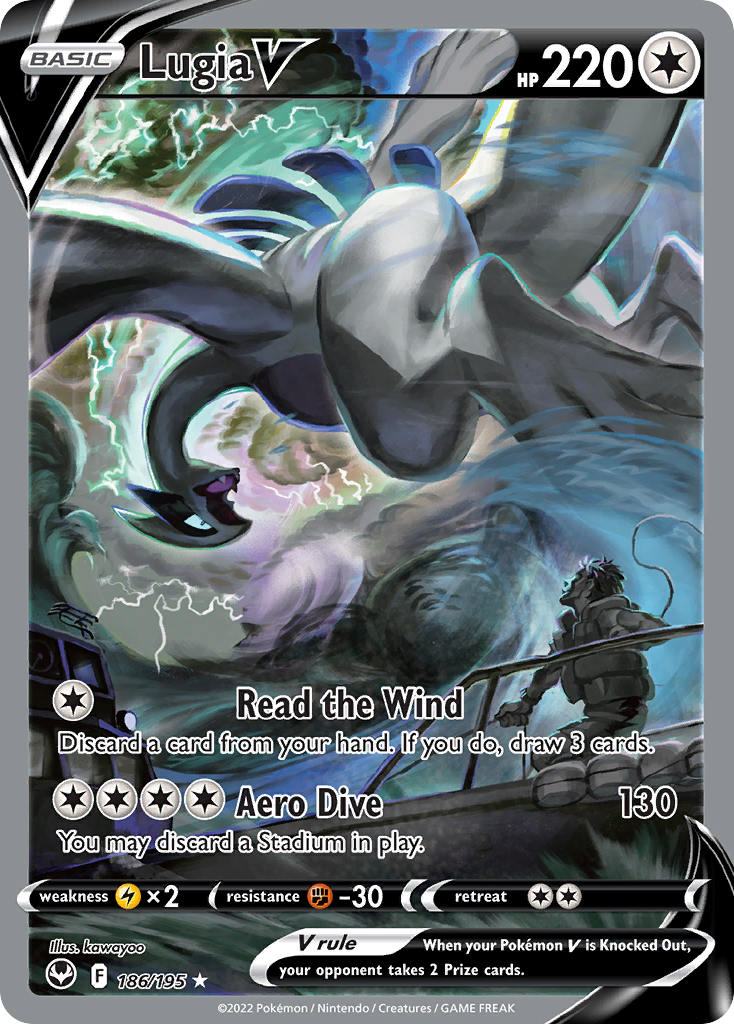
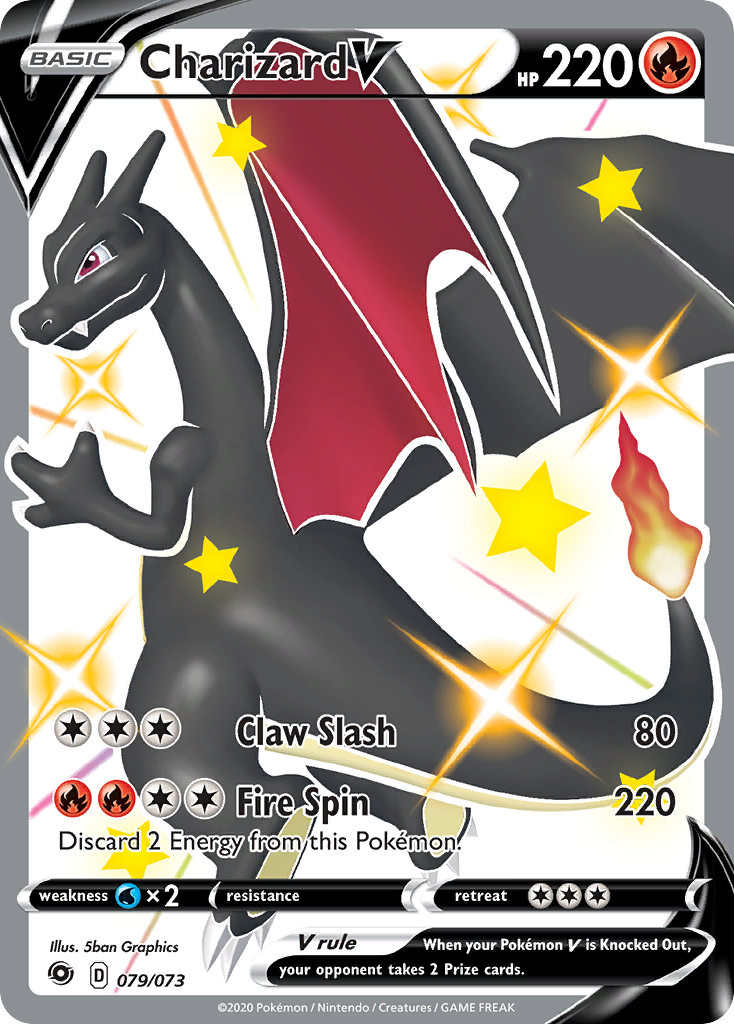
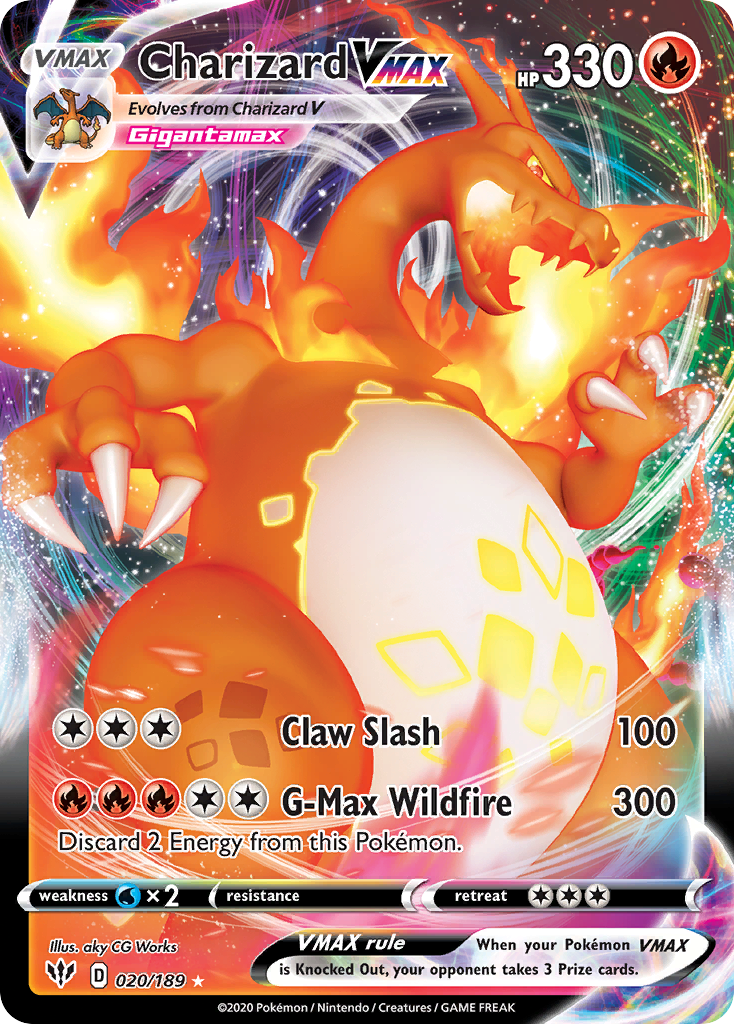
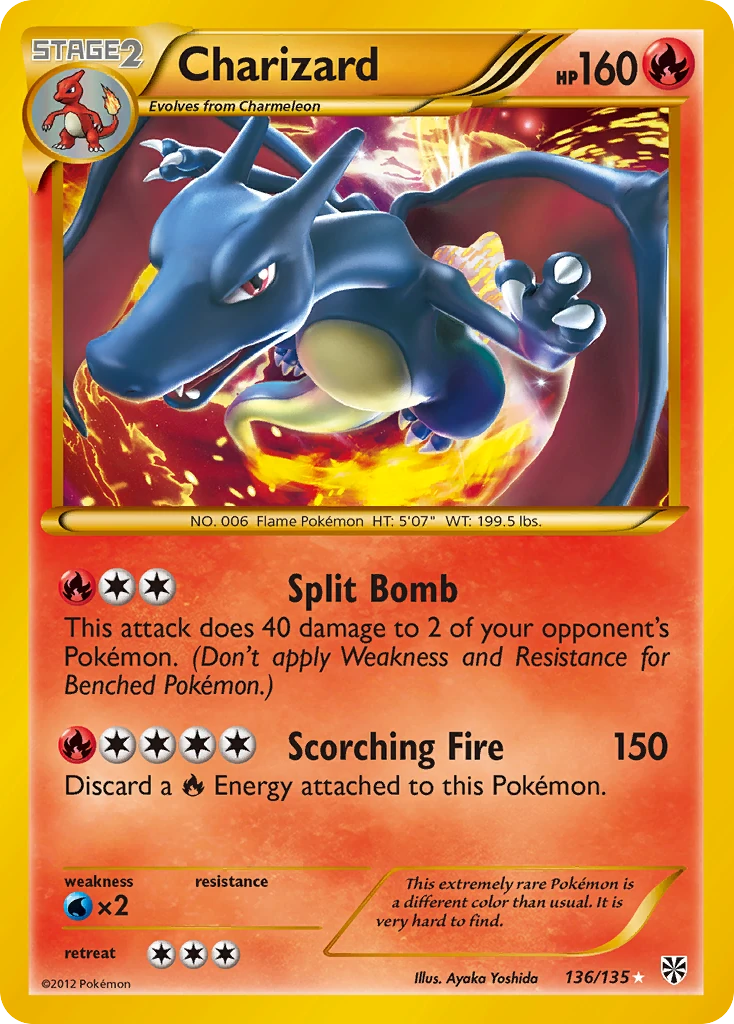
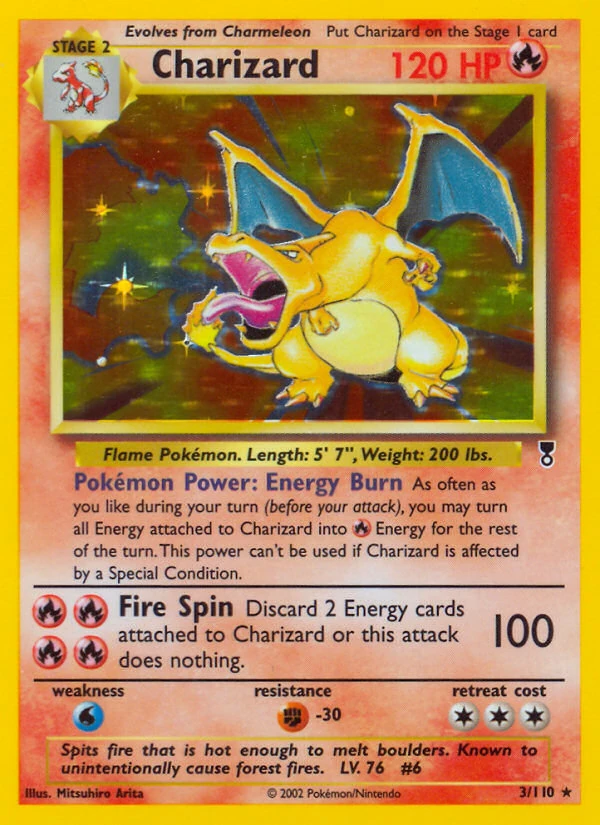
26 of the 127 ranked sets show an upside below 1×: their most valuable card is worth less than one sealed pack. At the bottom, a pack of Legendary Collection is listed at $7,000.00 while its top card, Charizard, is priced at $640. For a set like that, opening is a losing trade even on the best pull the set can give, and the single costs less than the pack it comes in.
Upside against the modelled average
The median modelled average across the 121 sets the pack model opens is 20% of the pack price: on a typical opening, a pack gives back about a quarter of what it cost in single-card value. No set models at or above its pack price. 6 ranked sets show no average at all because the model does not open them. You can open packs of any set in the pack opening simulator to see the spread of results behind an average.
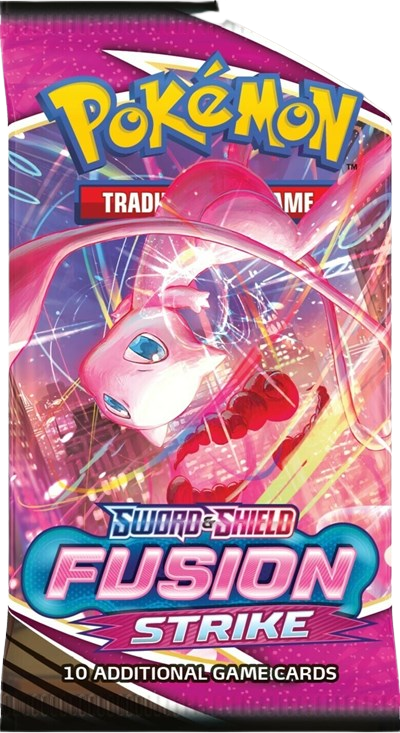
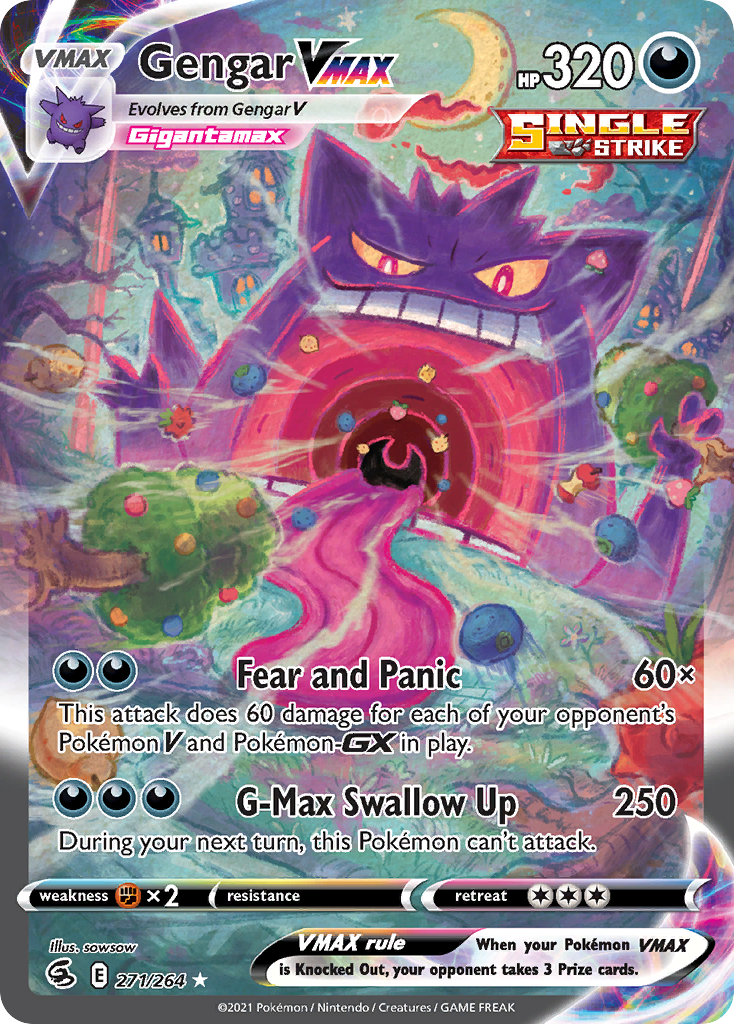
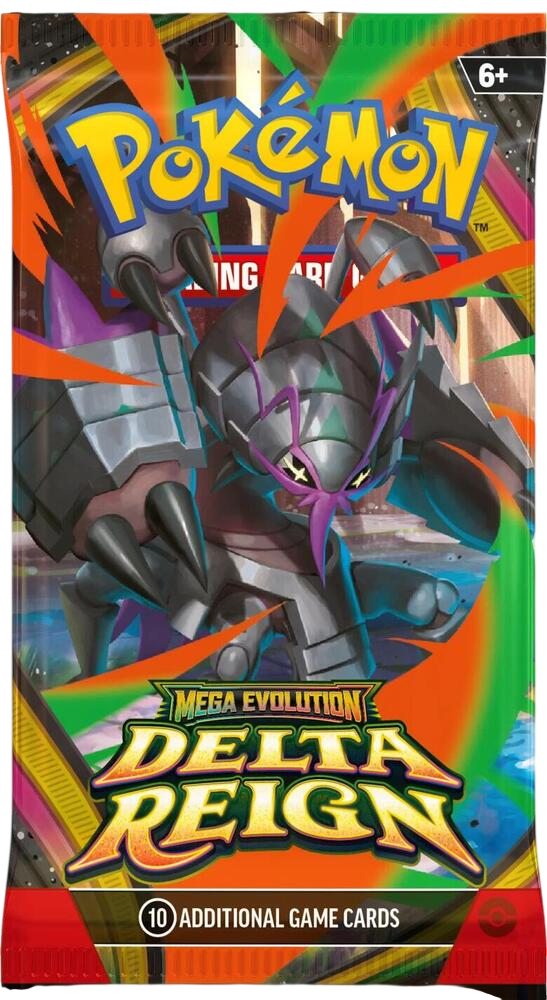
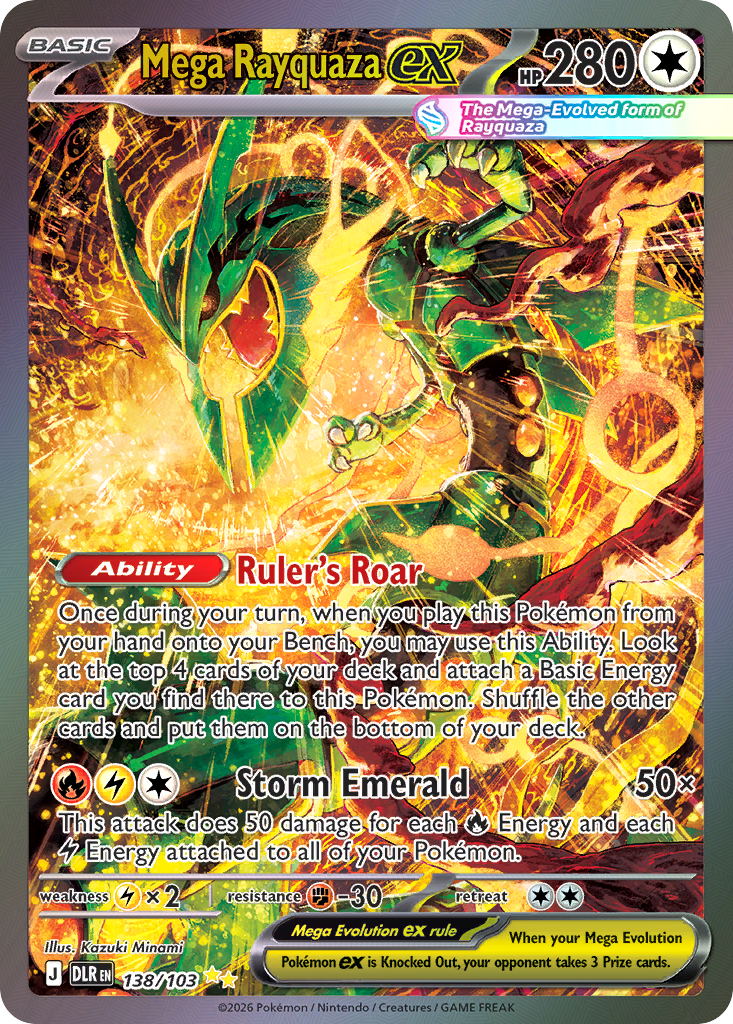
Upside and the average answer different questions, and a set can score well on one and badly on the other. Fusion Strike has a 43× ceiling in the top ten, but its modelled pack returns 24% of the price, because its value sits in a few chase cards and most packs miss them. Delta Reign has the strongest modelled average of any ranked set, 95% of its pack price, with a 41× ceiling. If you are chasing a single card, the ceiling tells you how big the prize is; if you open packs for the fun of it, the average tells you how much of the spend comes back. The booster box value page runs the same sums for a whole box.
Where the pack price comes from
Every one of the 127 ranked sets takes its pack price from the cheapest current booster-pack listing in CardTrack's sealed data. The 5 sets with no sealed listing at all are listed separately above rather than ranked on a guessed price. Blisters, tins, bundles and cases are left out, because their price covers promos and extras as well as packs. The sealed product pages show every listing behind these prices, including the Elite Trainer Boxes and bundles the ranking does not use.
How to use this ranking
The table sorts four ways: by upside, by the value of the best pull, by pack price and by modelled average return, and the search box filters it by set name. Sort by pack price to see what a small budget buys, then by upside within that range. Each set links to its pull rates page, which lists the chase cards and the assumed odds of each rarity slot, so you can see whether a high ceiling rests on one card or several.
Before opening anything, price the single. At today's prices, buying Umbreon ex outright costs about the same as 77 packs of Prismatic Evolutions, and opening that many packs does not guarantee the card. Unless the opening itself is the point, the single is the cheaper way to own the chase card, and the packs are the more fun way to try.
Mistakes to avoid
The commonest mistake is reading the multiple as odds. A 76× upside says nothing about how often the top card appears; the rarer the card, the higher its price tends to be, so the sets with the biggest ceilings are often the ones where the ceiling is hardest to reach. The second is comparing multiples across eras without looking at the pack price: a median 1.1× for sets from 2010 and earlier and 18× for sets released in 2020 or later describe different purchases, one a sealed collectible and the other a product made to be opened.
The third is treating the top card's price as fixed. It is a near-mint raw price, and a graded copy can be worth far more (a PSA 10 Umbreon ex is priced at $4,150); see the PSA 10 premium index for how big that gap runs. Chase-card prices also move, especially in the months after a set releases, and the pack price is an asking price that can move with them. The ranking is rebuilt from the latest prices, so a set's place changes whenever either side does; the upcoming Pokémon sets page shows what will join it next.
Buying sealed product safely
Buy sealed boxes and packs only from sellers with a track record — an established retailer or a marketplace seller with substantial, genuine feedback. Check the shrink wrap and box seams for signs of resealing before buying in person, and be wary of a listing priced well below every other seller for the same set with no explanation. Compare the pack price used on this page (an asking price, not a guarantee of what you'll pay) against a couple of current listings before buying, since sealed prices move.